IDENTIFYING MINERALS - Earth Science (2010) - RC3 - Earth's Materials and Processes
 Call Kai
 Learn
Learn Practice Test
 Spaced Repetition
 Match
Match Flashcards
1/16

There's no tags or description
Looks like no tags are added yet.
Name | Mastery | Learn | Test | Matching | Spaced | Call with Kai |
|---|
No analytics yet
Send a link to your students to track their progress
17 Terms
8 ways to identify minerals
1. Hardness
2. Color streak
3. Luster
4. Cleavage
5. Fracture
6. Metallic
7. Non-metallic
8. Color (least reliable)
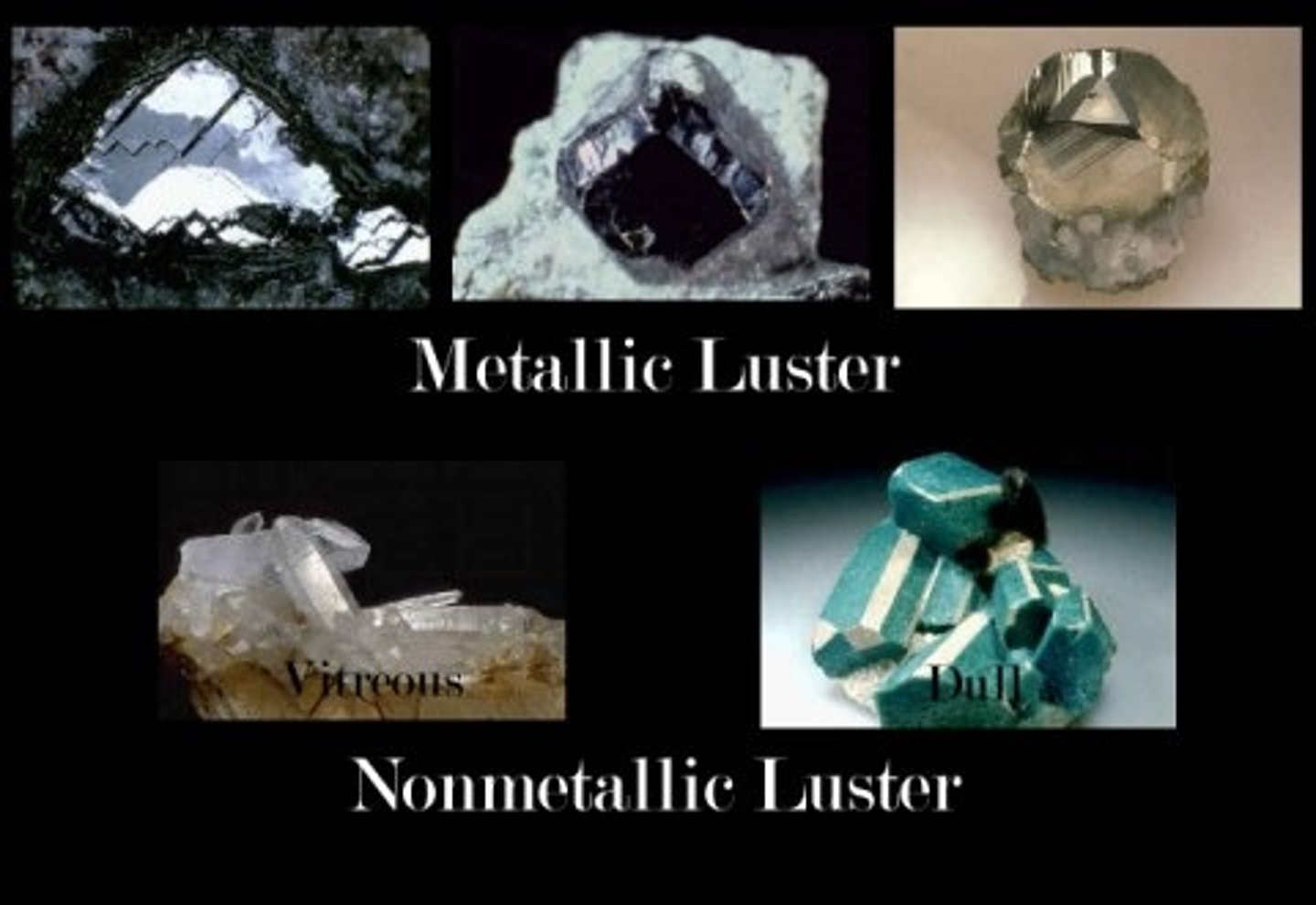
Luster (definition)
The way a mineral reflects light; can be either metallic or non-metallic
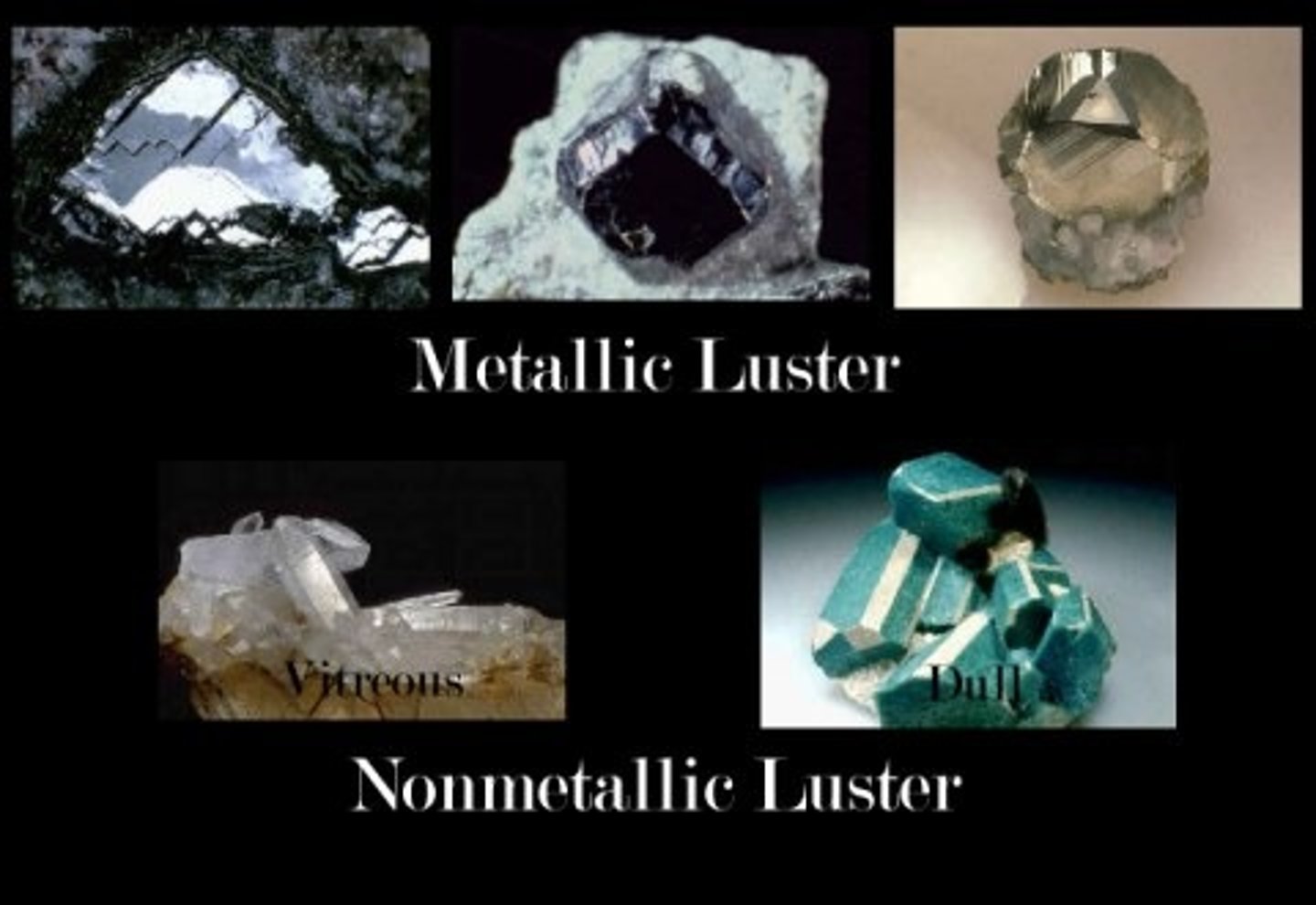
Luster (how it is measured)
look at the mineral in light
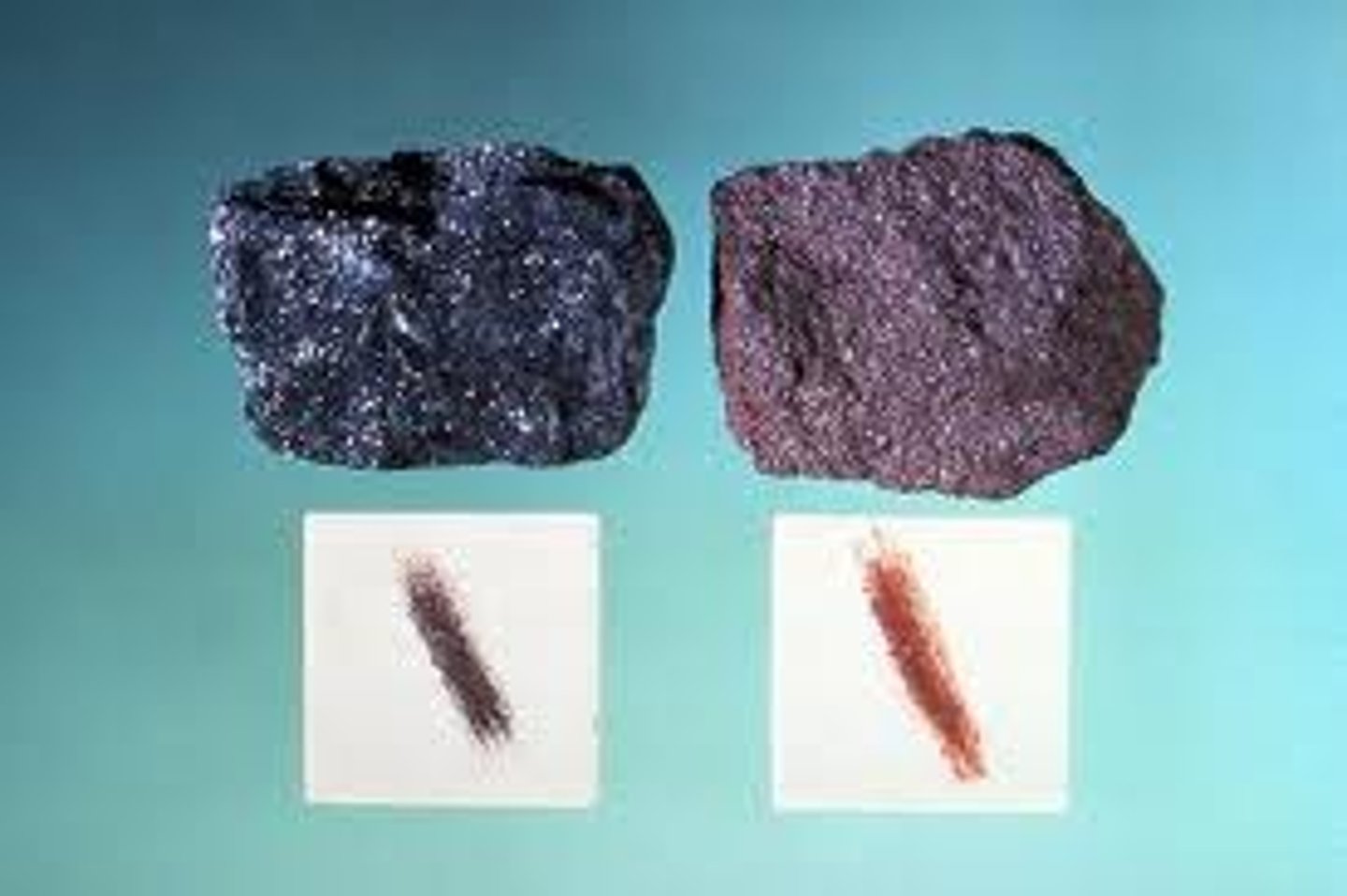
Streak (definition)
color of the mineral in powder form
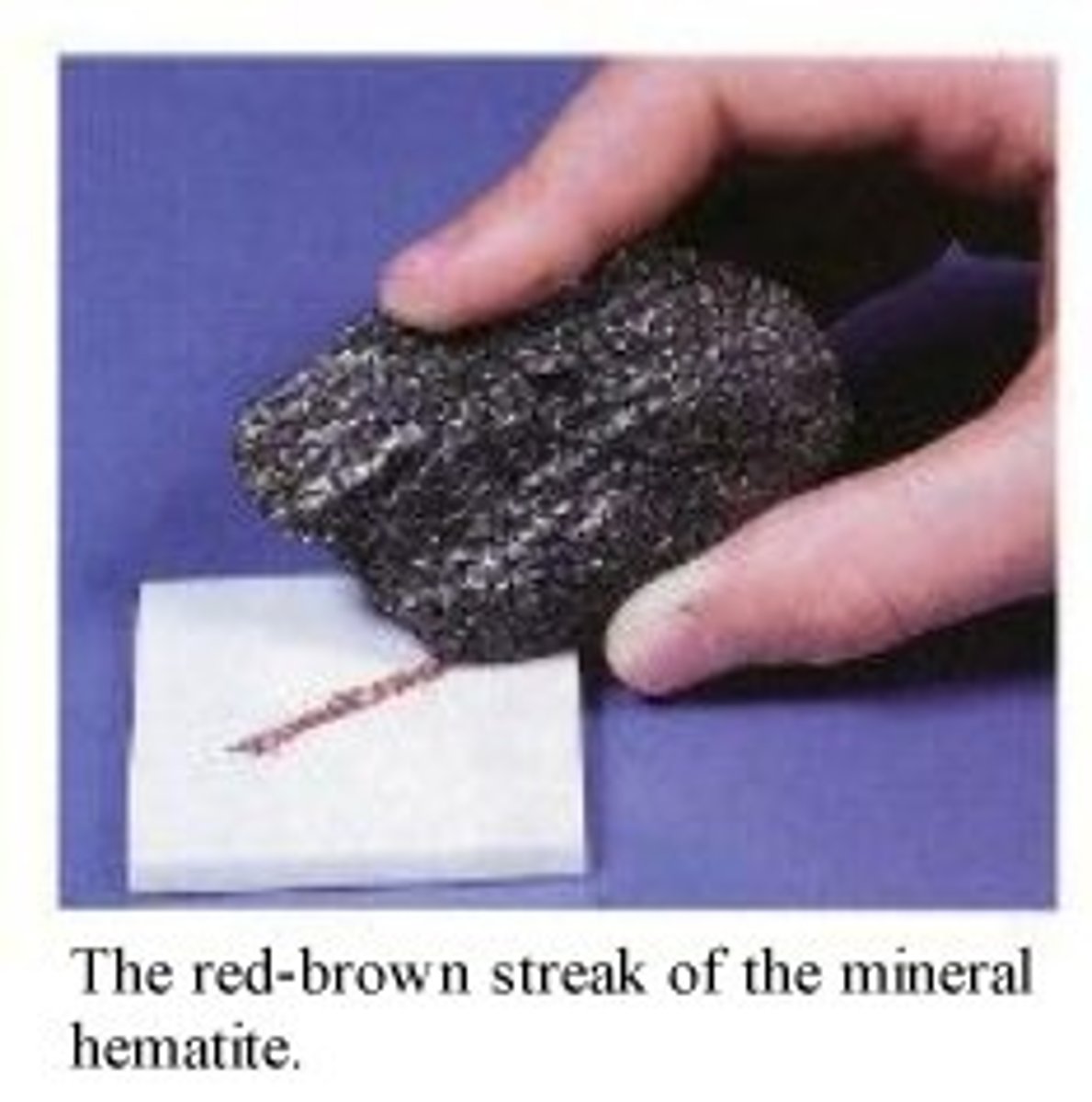
streak (how it is measured)
rub the mineral on an unglazed ceramic tile
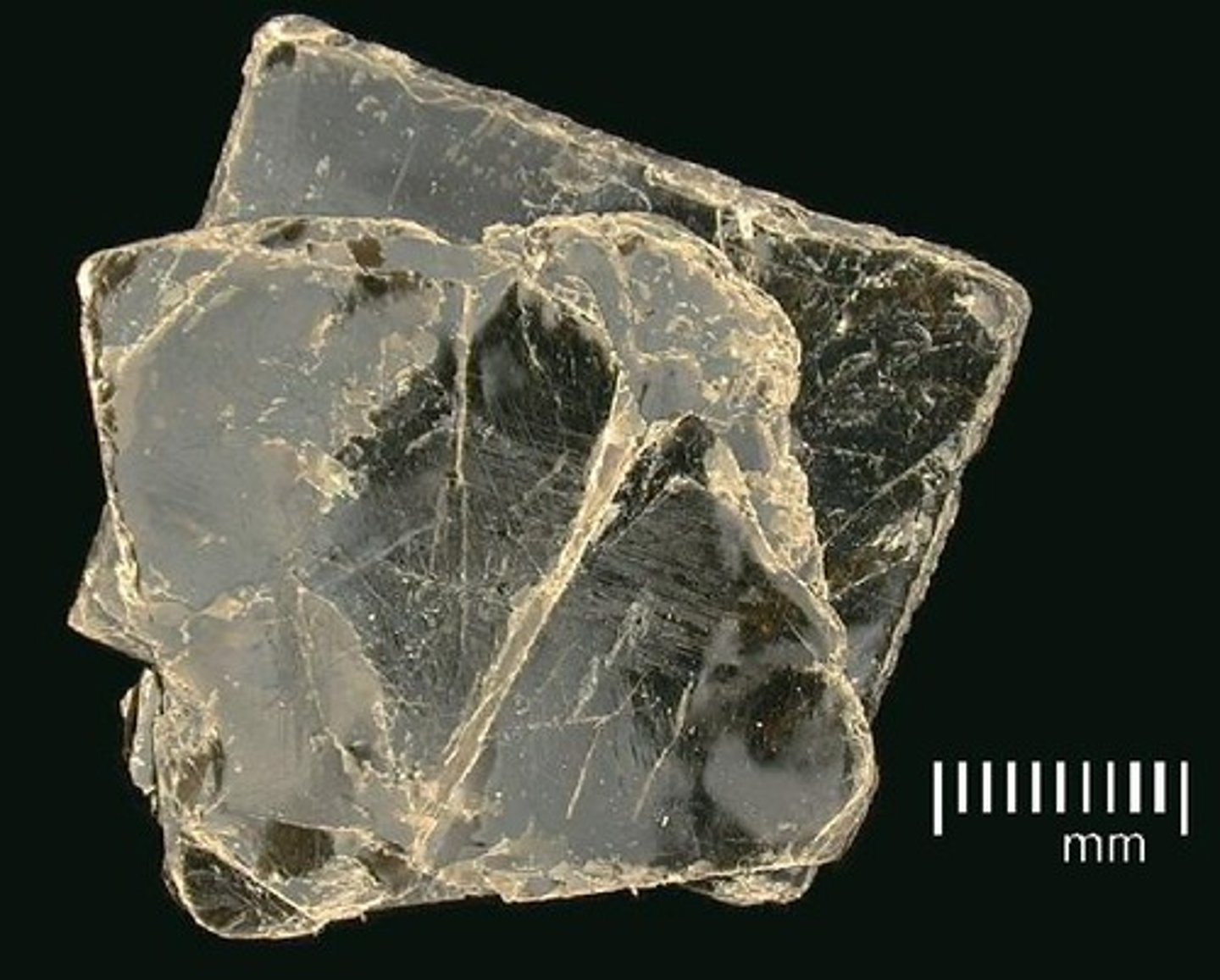
cleavage (definition)
when a mineral smoothly breaks apart due to weak bonds between layers
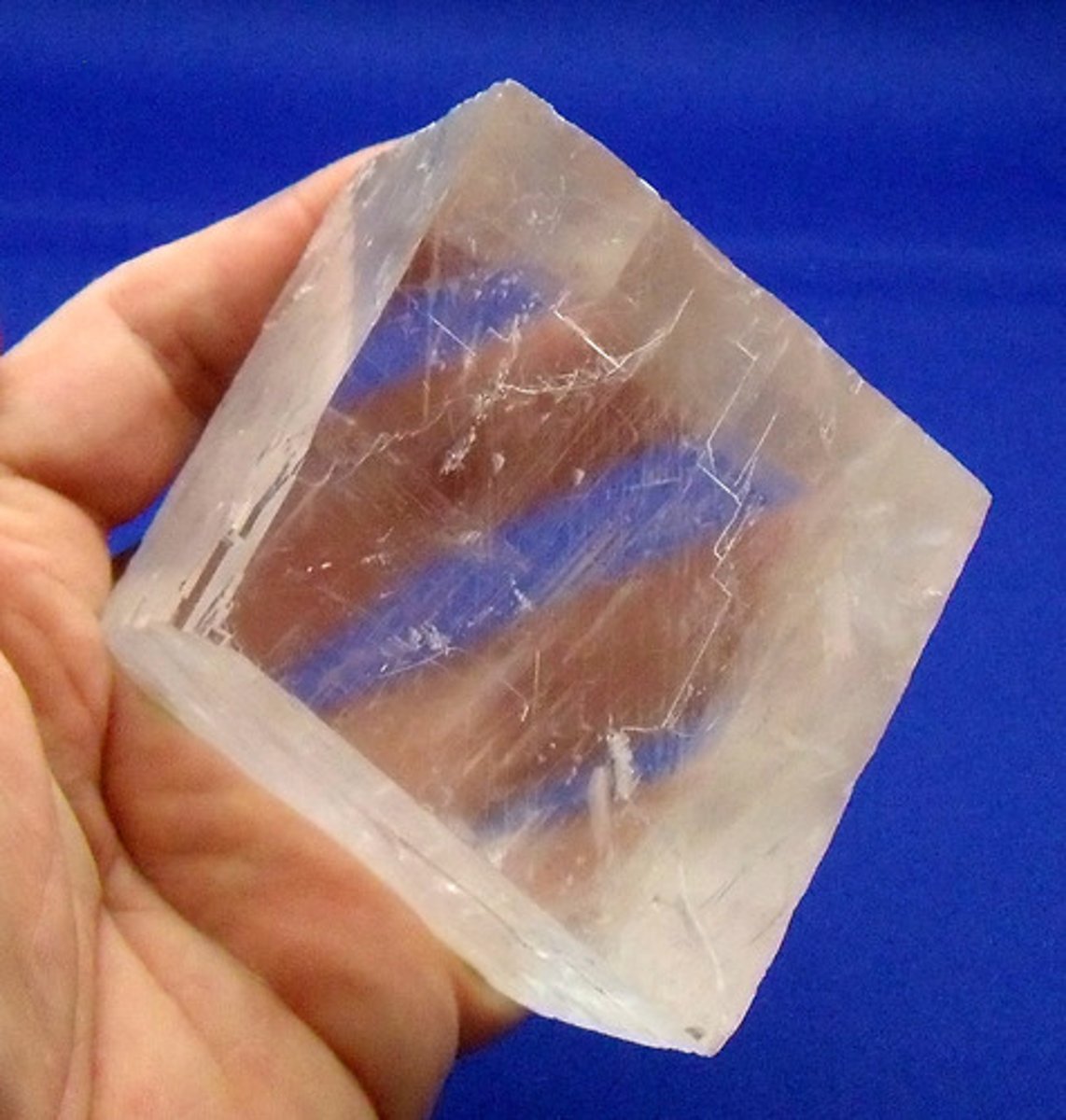
cleavage (how is it measured)
look at broken surface of mineral for flat edges
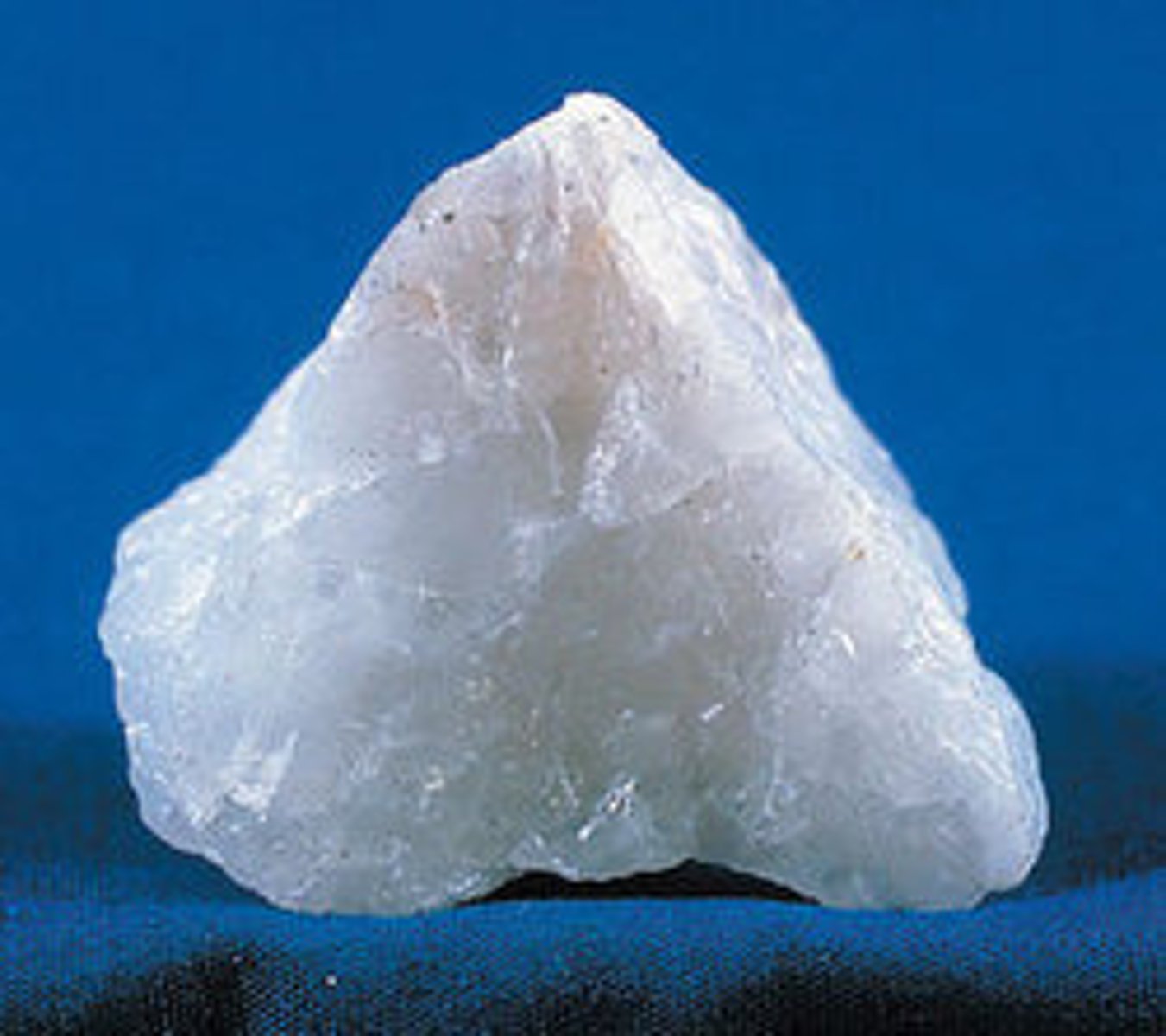
fracture (definition)
when a mineral roughly breaks apart
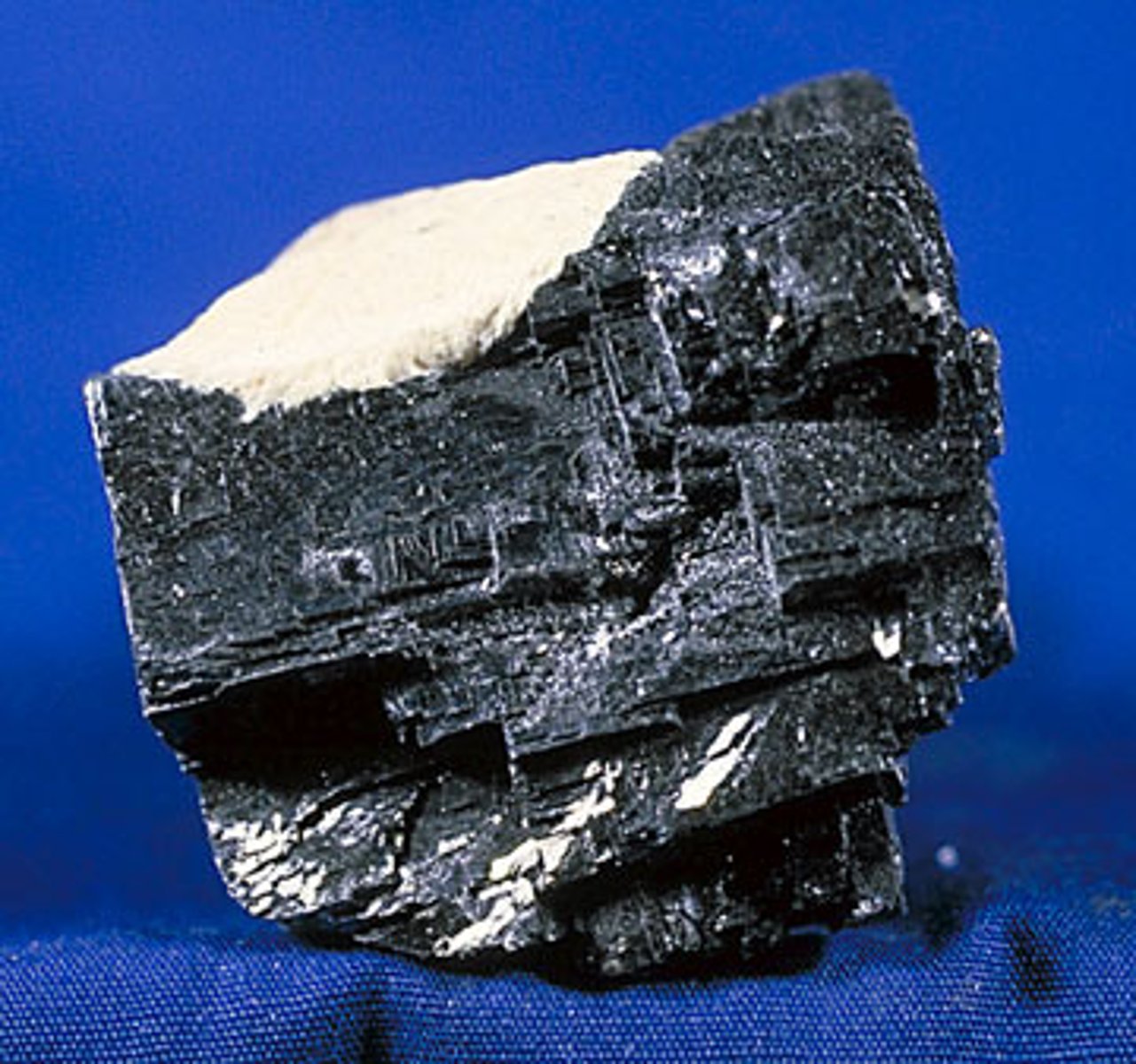
fracture (how it is measured)
look at broken surface for roughness
hardness (definition)
resistance of a mineral to scratching
hardness (how is it measured)
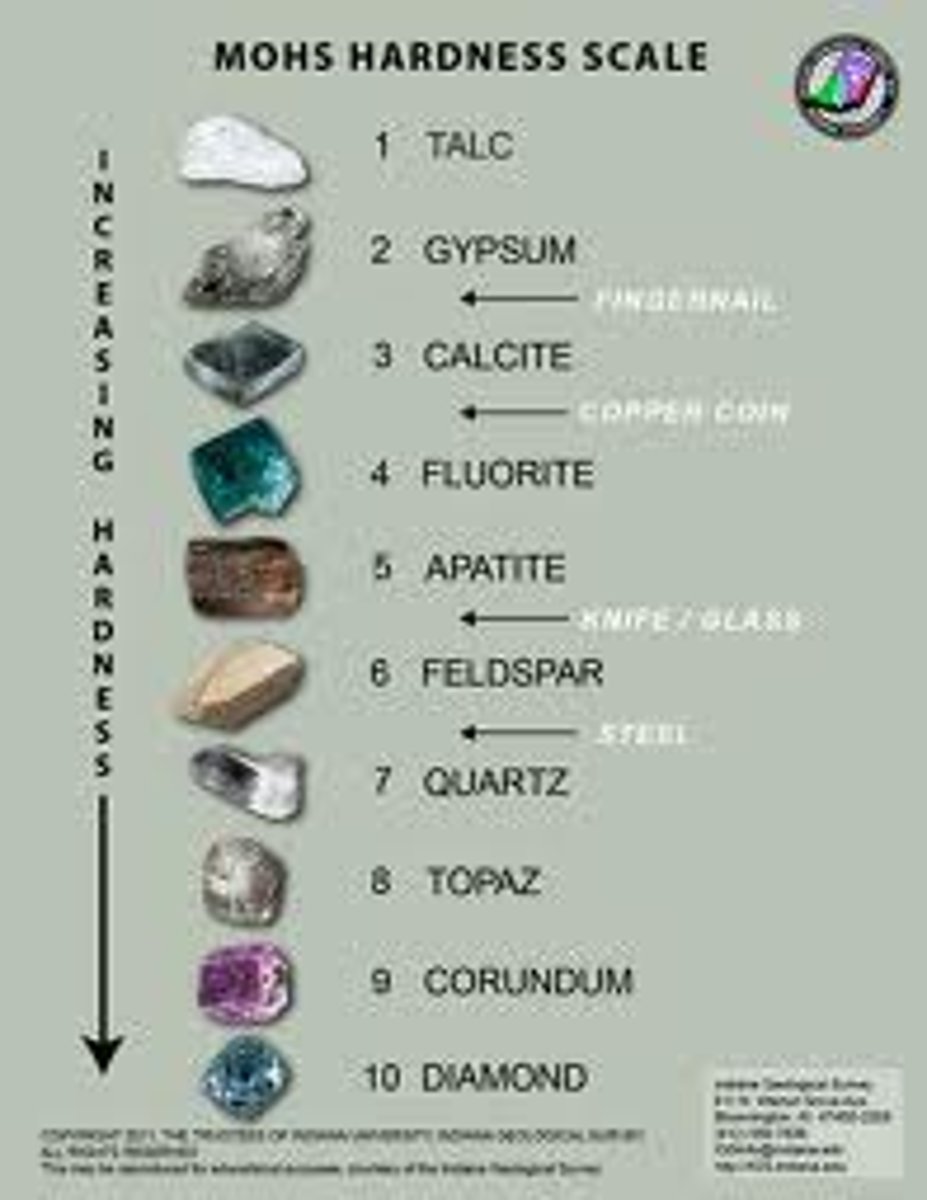
use the mineral to scratch glass, steel, or fingernail; refer to Moh's Scale
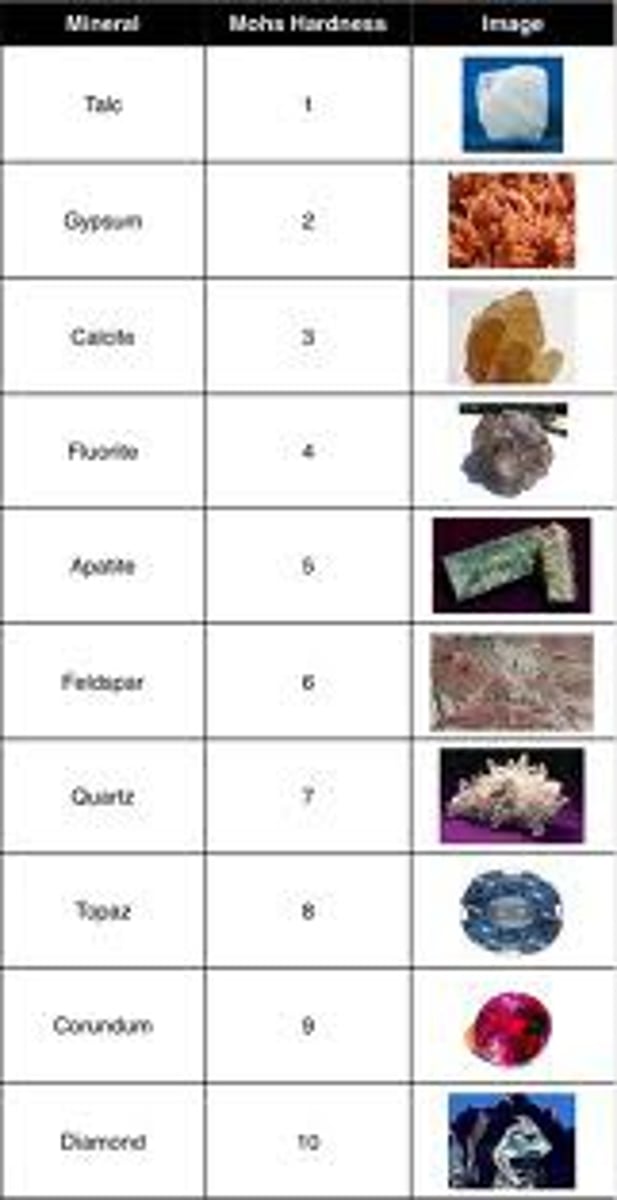
Moh's Hardness Scale
a scale ranking ten minerals from softest to hardest
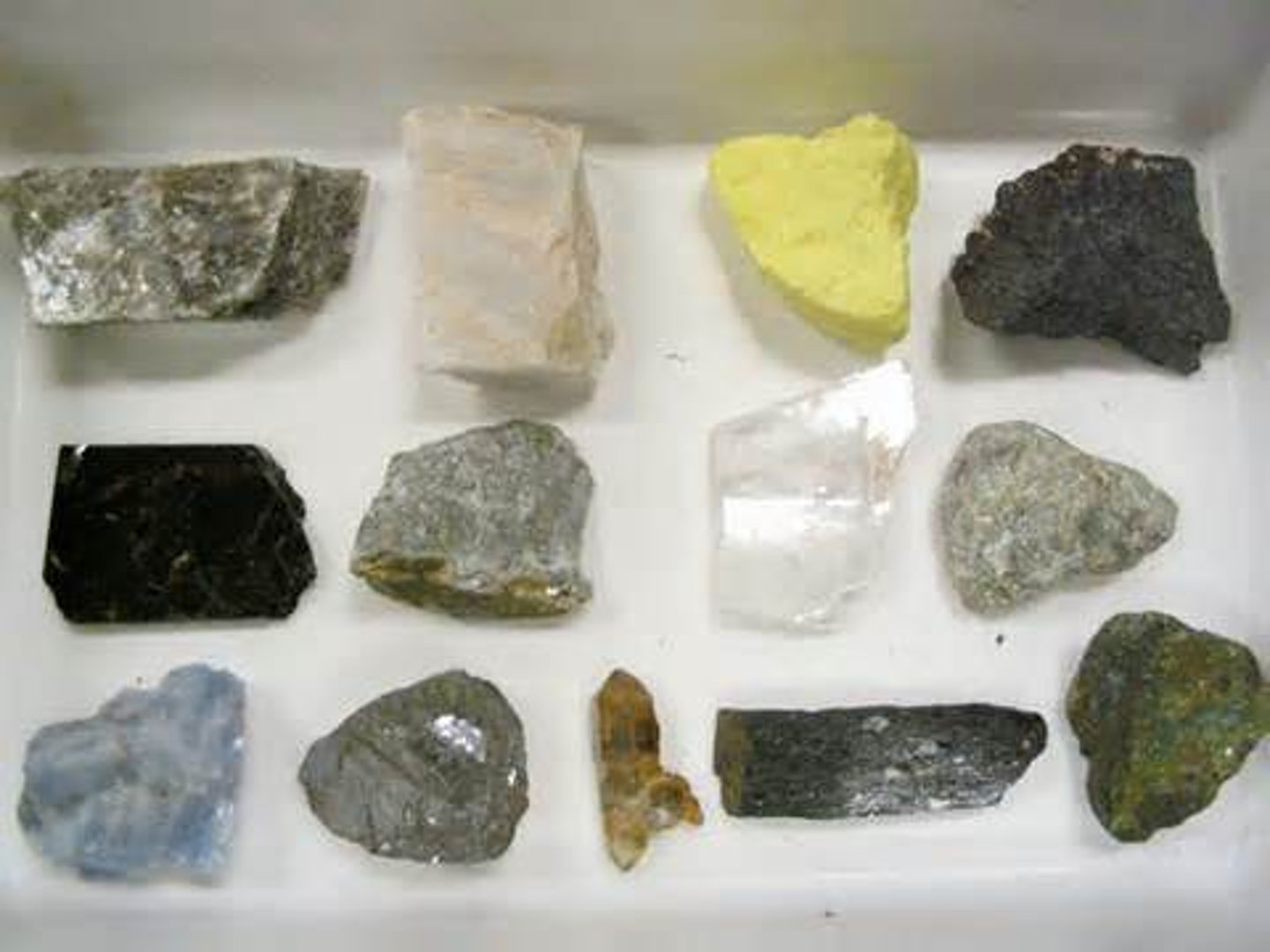
Mineral
occurs naturally
inorganic (was never alive)
solid
definite chemical composition
forms a crystal structure
Four major elements in Earth's crust
Oxygen (O)
Silicon (Si)
Aluminum (Al)
Iron (Fe)
What is most abundant mineral group on earth?
Silicates
Silicates
minerals containing silicon and oxygen
common: feldspar and quartz
Oxides
contain oxygen and other elements
common: hematite and magnetite