Ear Mites (Otodectes cynotis) Vocabulary
 Call Kai
 Learn
Learn Practice Test
 Spaced Repetition
 Match
Match Flashcards
 Knowt Play
1/9

Earn XP
Description and Tags
Vocabulary flashcards covering the clinical presentation, diagnosis, treatment, and pearls for ear mite (Otodectes cynotis) infections.
Name | Mastery | Learn | Test | Matching | Spaced | Call with Kai | Chat |
|---|
No analytics yet
Send a link to your students to track their progress
10 Terms

Otodectes cynotis
The etiology (causative agent) of ear mite infections, commonly affecting kittens and treatable with otic and systemic miticidals.
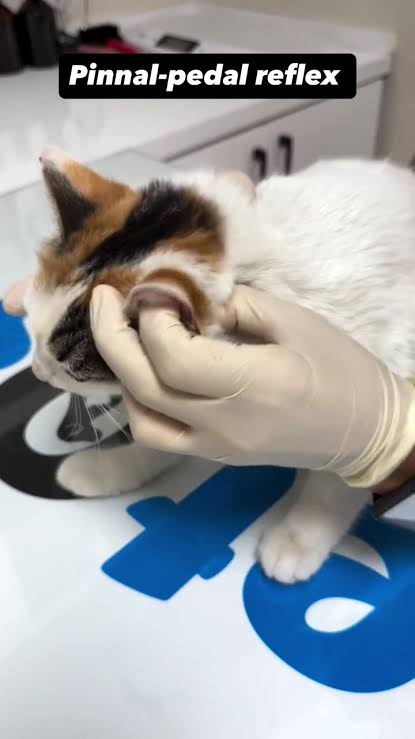
Ear-pedal reflex
A reflex present in ear mite cases where the patient scratches with their pelvic limb when the ear is rubbed.
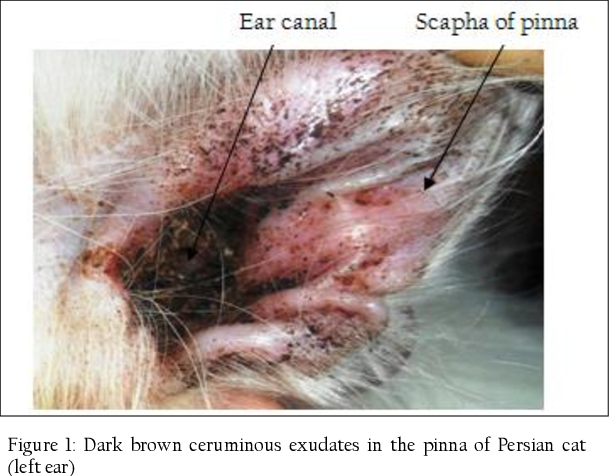
Ear mite clinical signs
Classic presentation including
head shaking
pruritus
erythematous ears
dark brown debris in ear canals
papules on the rump, tail, and neck.

Cytology of ear swab in mineral oil
A diagnostic test used to visualize Otodectes cynotis mites, eggs, and +/- secondary bacteria under a microscope.
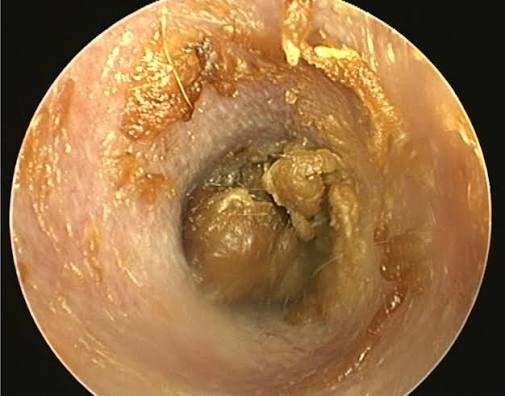
Otoscopy (Ear Mites)
A diagnostic method used to directly visualize live mites and inflammation within the ear canal.
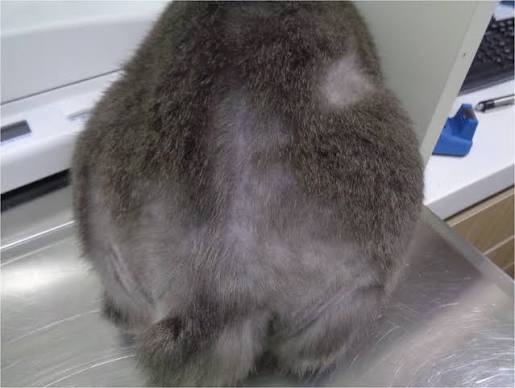
Ectopic mites
Mites located on areas outside the ear canal, such as the rump, tail, and neck, requiring systemic miticidal therapy.
Miticidal otic preparation
A topical ear treatment (such as milbemycin or ivermectin) applied after removing ear debris to eliminate ear mites in the canal.
Systemic miticidal
A systemic treatment (such as selamectin or ivermectin) used to eliminate ectopic ear mites.

Otodectes cynotis magnification
The magnification level (100x) used to identify Otodectes cynotis.
Ear mite prognosis
The overall prognosis is good, although the condition may recur or become chronic.