respiratory system
 Call Kai
 Learn
Learn Practice Test
 Spaced Repetition
 Match
Match Flashcards
 Knowt Play
1/62

There's no tags or description
Looks like no tags are added yet.
Name | Mastery | Learn | Test | Matching | Spaced | Call with Kai | Chat |
|---|
No analytics yet
Send a link to your students to track their progress
63 Terms
passage of airway
nose/mouth→nasal cavity→pharynx→larynx→windpipe→bronchi→bronchioles→
alveoli
nose/mouth
air enter through the
nasal cavity
air is warmed, humidified & filtered by mucus/hair
pharynx
throat; connects nasal & oral cavities to the larynx & esophagus; dual passageway for both air & food
larynx
voice box; regulates airflow for breathing; protects airway from choking & houses vocal cords to produce the sound of our voice
trachea
windpipe; cylinder tube with rings of cartilage that connects the larynx to the lungs & ensures air reaches the lungs safely
bronchi
main airway that branches off from the trachea→L/R lungs; supported by rings of cartilage keeping airway open; direct air into lungs & lined with mucus/cilia to trap/sweep away dust, viruses & bacteria
bronchioles
bronchi split into smaller, thinner tubes; made of smooth muscle & control airflow resistance by contracting/relaxing
alveoli
bronchioles split into microscopic air sacs; produce surface area for gas exchange; enveloped in tiny blood vessels (capillaries); O2 passes from alveoli→blood WHILE CO2 passes from blood→alveoli to be exhaled
conducting zone
nose→terminal bronchioles; transports air from outside environment to site of gas exchange; “anatomical dead space” b/c no gas exchange occurs
respiratory zone
respiratory bronchioles→alveoli; structures in lungs where gas exchange occurs
inspiration
diaphragm + external intercostals contract; diaphragm ↓ + thoracic cavity volume ↑
expiration
diaphragm + external intercostals relax; diaphragm ↑ + thoracic cavity volume ↓
perfusion
delivering blood to the body’s tissues, organs, cells
ventilation
movement of air in/out of lungs (breathing)
hyperventilation
fast breathing; pH is BASIC; ↑O2 + ↓CO2
hypoventilation
slow breathing; pH is ACIDIC; ↓O2 + ↑CO2
hyperoxia
↑O2
hypoxia
↓O2
hypercapnia
↑CO2
hypocapnia
↓CO2
epiglottis
prevents food and liquid from entering airway during swallowing
uvula
teardrop-shaped tissue that hands in back of throat
diaphragm + intercostals
primary muscles responsible for normal quiet breathing
adduction
muscle moves limb TOWARDS middle of body
abduction
muscle moves limb AWAY from middle of body
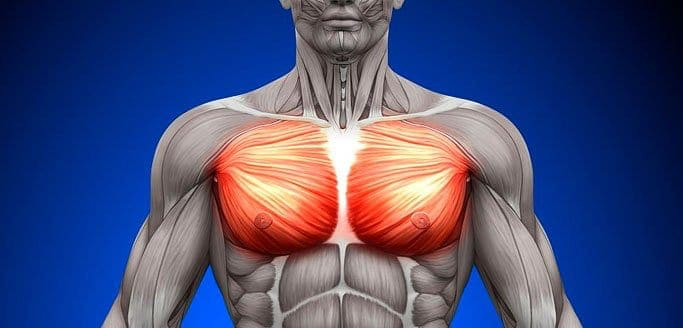
pectoralis major
“pecs”; flexing, adducting, internally rotating humerus
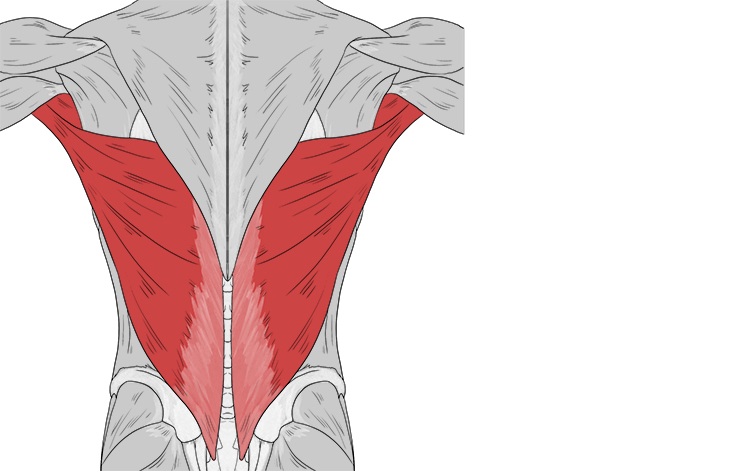
latissimus dorsi
triangular muscle spans lower back & drives pulling, rotating, extending shoulder
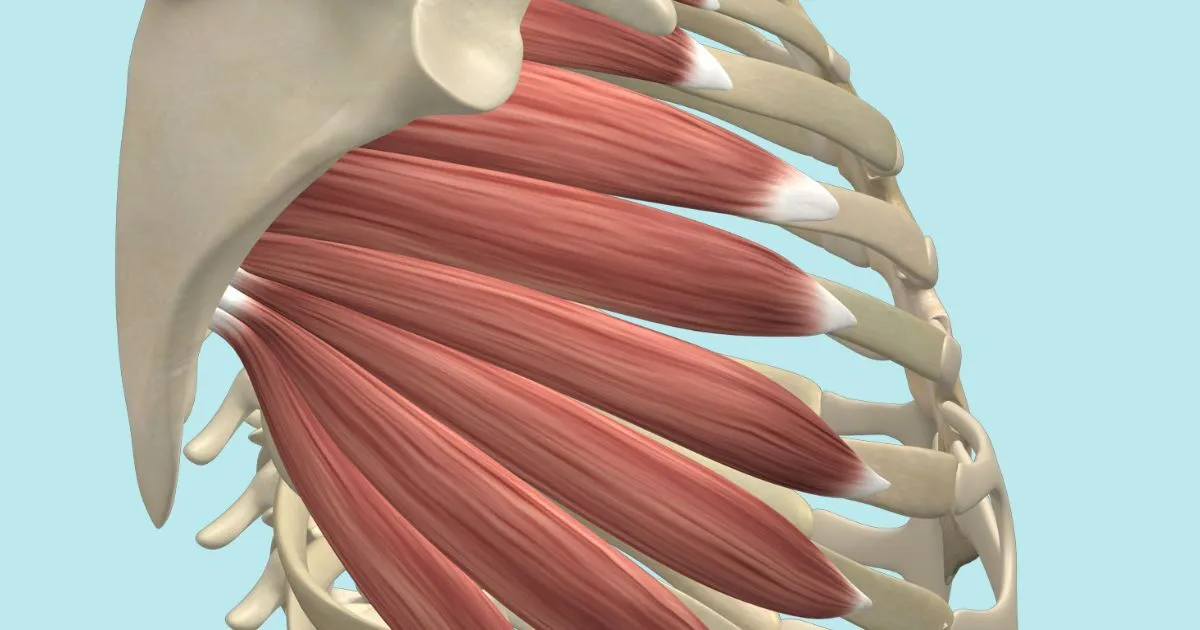
serratus anterior
fan-shaped muscle on lateral rib cage assisting in upward arm rotation
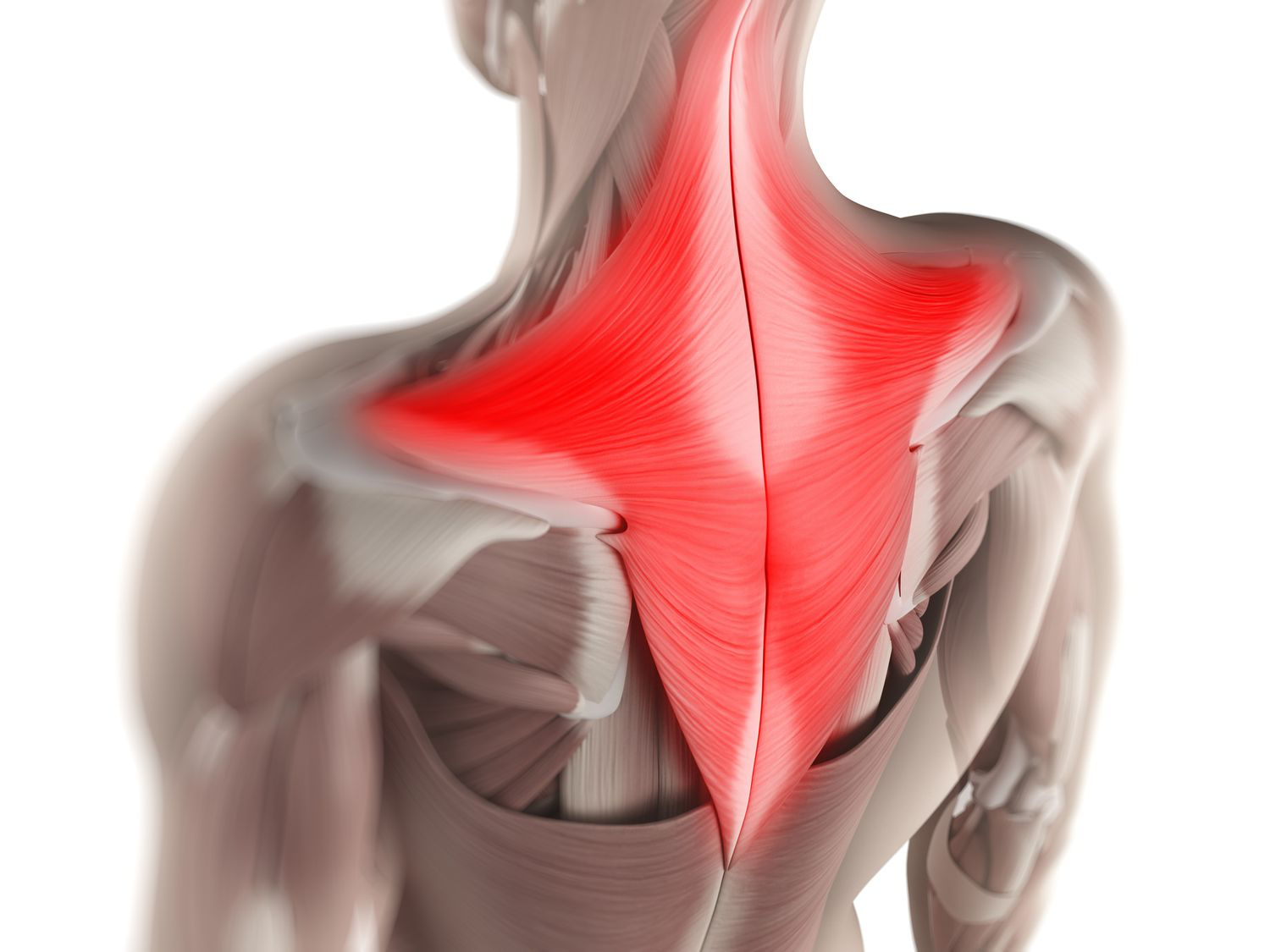
trapezius
diamond-shaped muscle from base of skull→middle back; stabilizes rotating shoulder blade, moves head/neck
esophagus
connects throat→stomach that propels food/liquid via peristalsis
respiratory system
delivers oxygen to bloodstream, removing waste gases (CO2) from bloodstream, assists in vocal sound production
kidneys & liver
filter impurities from the blood
pleural cavity
fluid-filled potential space that encases/protects the lungs
pericardial cavity
fluid-filled potential space between parietal & visceral layers of pericardium in the heart
mediastinum
space within thoracic cavity that houses the lungs/heart
peritoneal cavity
fluid-filled potential space between parietal peritoneum (lines abdominal wall) & visceral peritoneum (covers organs)
internal respiration
the exchange of gases between the blood & tissue cells
external respiration
gas exchange between external environment & bloodstream
ciliated epithelial cells
helps in producing mucus and moving it outwards, ensuring lungs remain clear of foreign particles
smooth muscle
involuntary, non-strained tissue controlled by ANS; responsible for moving food→digestive tract & regulate BP
hyaline cartilage
smooth, resilient tissue made of type II collagen that provides support/flexibility for joint movement
connective tissue
“glue” that binds, supports, protects & cushions organs
rate of pulmonary ventilation
blood pH levels, blood O2 levels, blood CO2 levels influence
respiratory acidosis
lungs retain too much CO2 = ↓ blood pH below 7.35
respiratory alkalosis
exhale too much CO2 = ↑ blood pH above 7.45
metabolic acidosis
too much acid buildup OR lose too much bicarb = ↓ 7.35
metabolic alkalosis
body loses too much acid OR gains too much bicarb = ↑ 7.45
respiratory zone
bronchi, bronchioles, alveoli are found within
decreased thoracic pressure
primary force that drives air into lungs during inhalation
blood composition
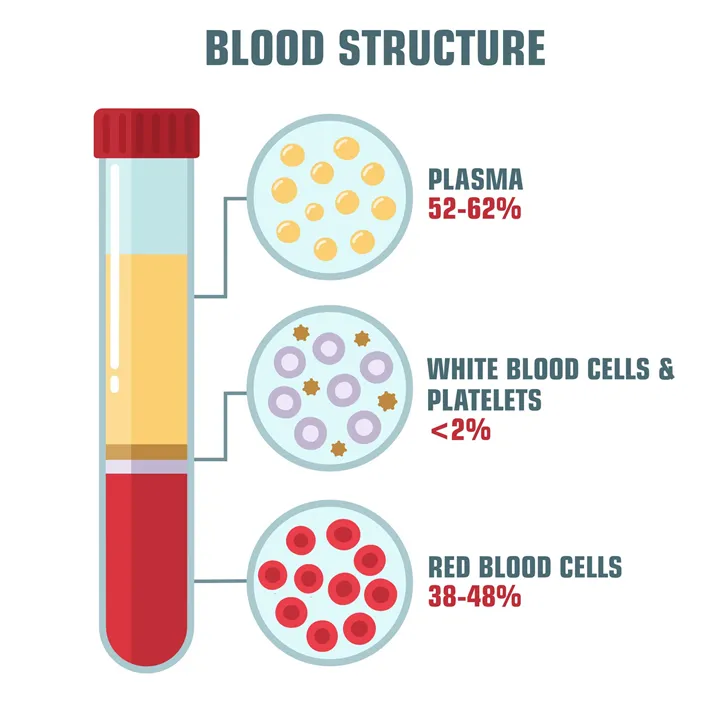
[BC] red blood cells (erythrocytes)
contain hemoglobin (iron-rich protein), no nucleus, transports O2 & CO2
[BC] white blood cells (leukocytes) & platelets (thrombocytes)
defend against infections/foreign particles & coagulation (blood clotting)
[BC] plasma
contains water, proteins, electrolytes, nutrients, hormones, gases/waste; maintain blood volume/pH, transports substances, helps clotting/immunity
leukocytosis
↑ WBC
leukopenia
↓ WBC
thrombocytosis
↑ platelets
thrombocytopenia
↓ platelets
alveolar space
air-filled cavity inside of alveoli
bronchial lumen
passageway of bronchi & bronchioles allowing airflow
interstitial space
fluid-filled, sac-like gpa between cells & tissues
emphysema
chronic lung disease where alveoli sacs lose their stretch and break down making it hard to breathe out and get enough oxygen into your blood
diaphragm
separates the thoracic and abdominal cavities