medical interventions 1.2 concept checks
 Studied by 1 person
 Call Kai
 Learn
Learn Practice Test
 Spaced Repetition
 Match
Match Flashcards
 Knowt Play
1/15

There's no tags or description
Looks like no tags are added yet.
Name | Mastery | Learn | Test | Matching | Spaced |
|---|
No study sessions yet.
16 Terms
This antibiotic works by binding to ribosomes. The bacteria can't synthesize proteins, and thus can't reproduce.
Tetracyclines
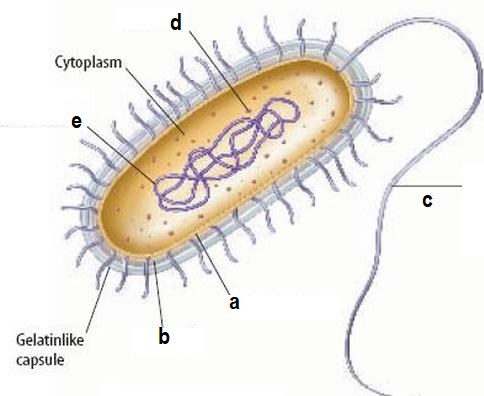
which is a ribosome?
D
where and what is an endotoxin?
a poisonous or toxic substance inside a bacterium
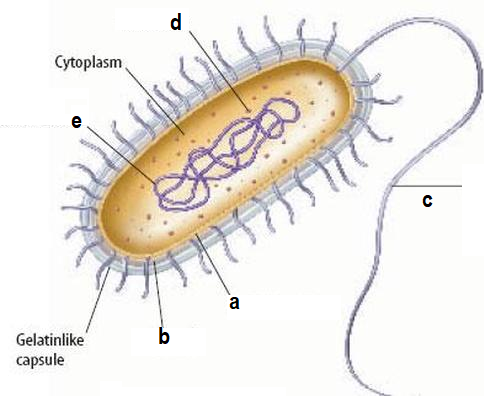
which contains the cell’s DNA?
E
which of these describe a gram-positive bacterium
Purple, has no capsule
This antibiotic works by interfering with bacteria’s ability to copy their DNA, This stops them from reproducing…
Fluoroquinolones
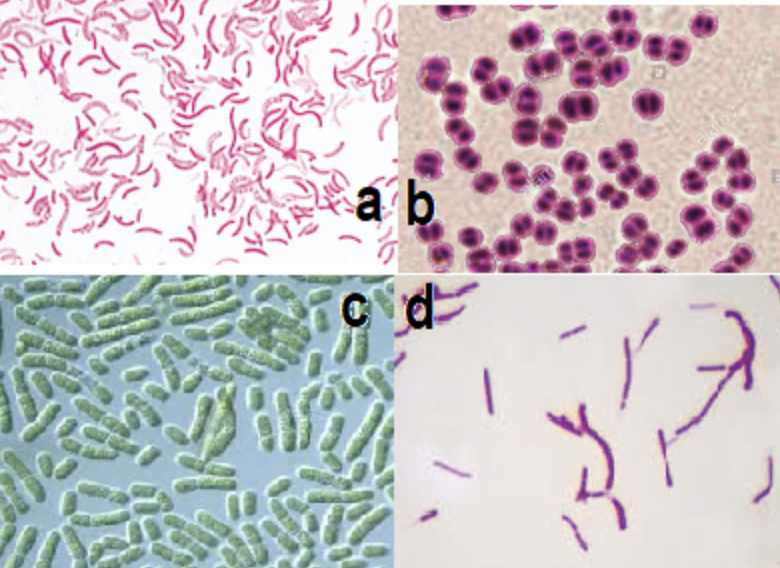
which of these is the bacterium responsible for causing meningitis
B
This antibiotic works by making it difficult for the bacteria to form cell walls (capsule) correctly. The peptidoglycan can't cross-link, so the walls are weak, and the cells burst. It actually kills bacteria, not inhibits them.
penicillin (beta-lactam)
This antibiotic works by interfering with the B vitamin (folate) that bacteria require to survive. They can't reproduce or grow well without that vitamin.
Sulfa antibiotics (sulfonamids)
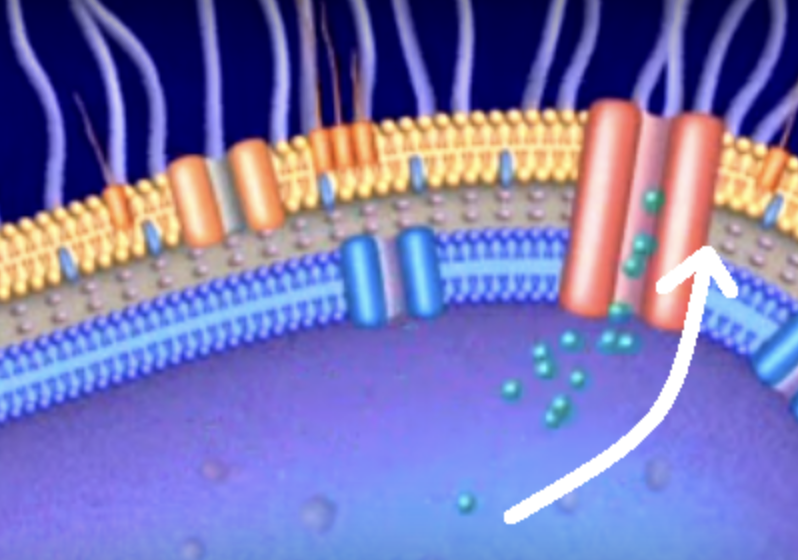
The bacterial cell in the image is resistant to the antimicrobial. The antimicrobial is the set of blue dots that are being pumped out of the cell. What process is being shown that makes the bacterium resistant?
efflux
Random changes in DNA can create resistance in a bacterium. What is this process called?
Mutation
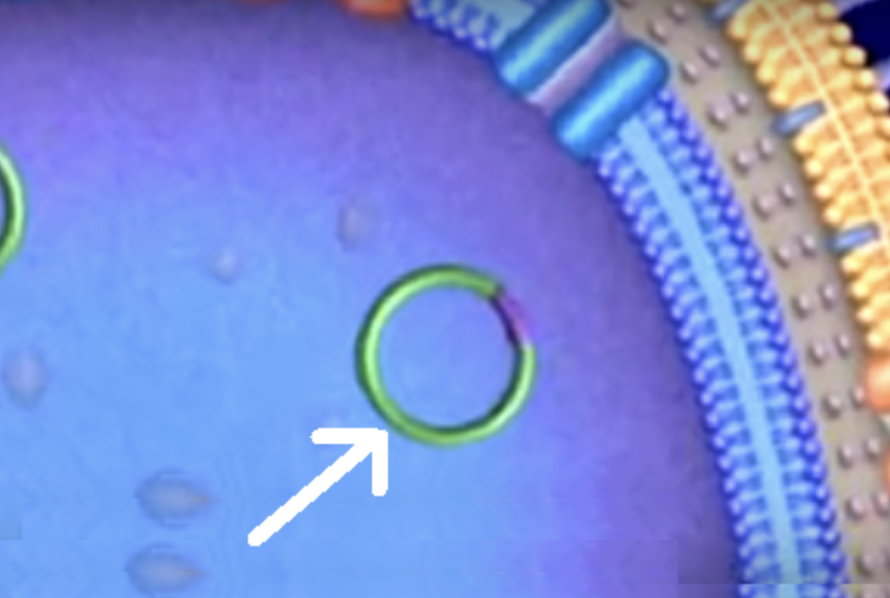
What is this small circle of DNA that can contain genes to create antibiotic resistance?
plasmid
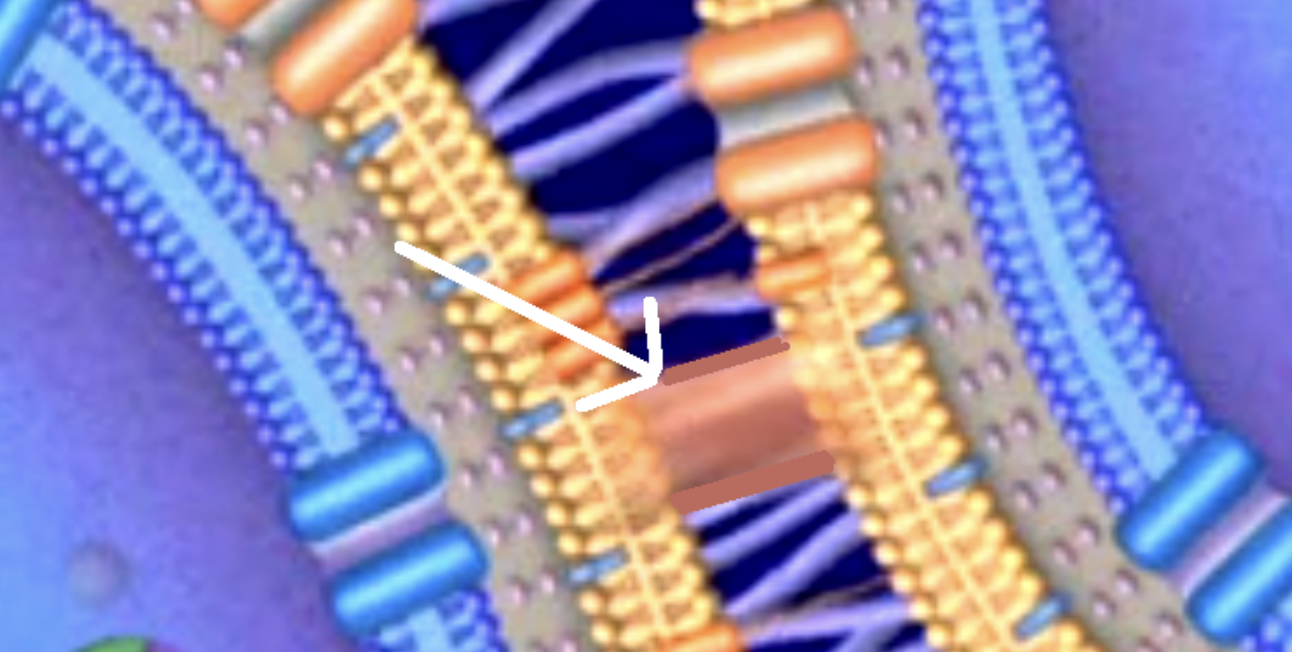
What is the name of this tube that connects two bacteria? What is the name of the process the bacteria are using to transfer DNA?
Pilus, conjugation
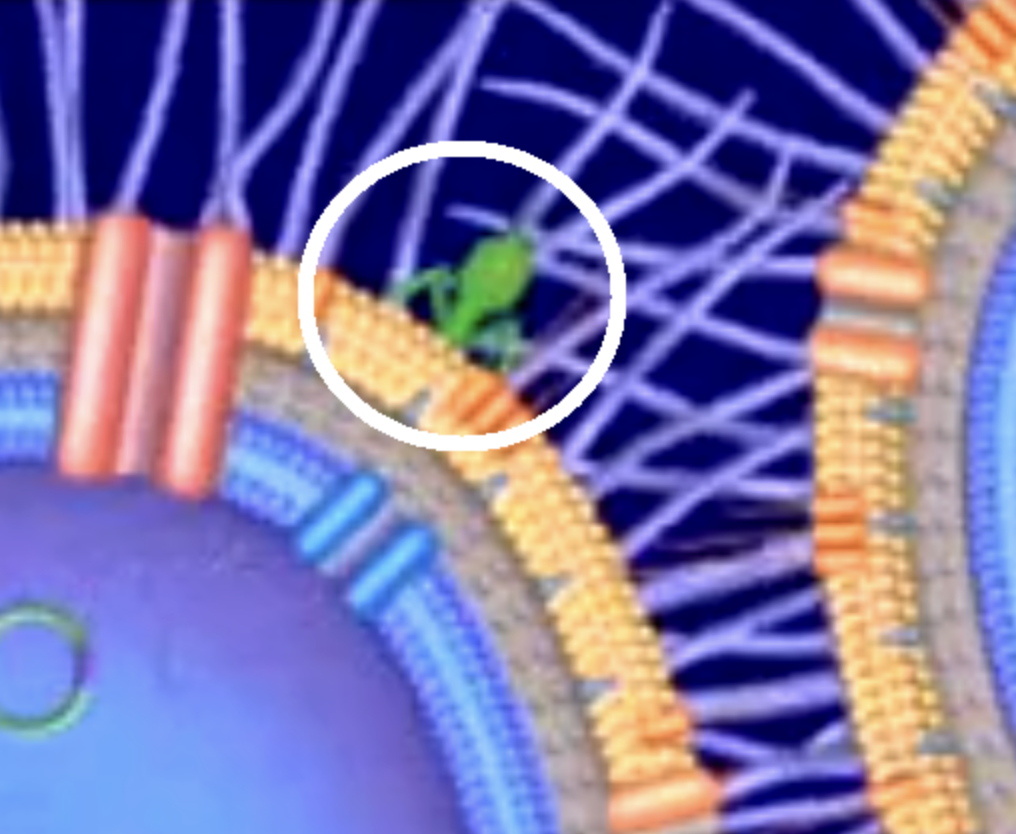
What is the object circled in the image? What is its definition or function?
Bacteriophage: a virus that infects bacteria
What did we create at the end of the lab?
Bacteria that were resistant to two antibiotics
What two antibiotics did we use in the lab?
Ampicillin, streptomycin