Pharm Notes Pre Midterm 1
 Call Kai
 Learn
Learn Practice Test
 Spaced Repetition
 Match
Match Flashcards
 Knowt Play
1/120

There's no tags or description
Looks like no tags are added yet.
Name | Mastery | Learn | Test | Matching | Spaced | Call with Kai | Chat |
|---|
No analytics yet
Send a link to your students to track their progress
121 Terms
pharmacokinetics
what the body does to drugs (ADME)
Pharmacodynamics
study of what the drug does to the body
adverse effect
response to drugs that results in undesirable effects
toxicity
serious adverse effects, can be extension of drugs therapeutic effects
prototype drug
gold standard for medication classification of drugs
drugs made based off of prototype are called variance
prophylaxis
used to prevent illness or other undesirable outcomes
tolerance
decreasing response to repeated drug dosages
dependance
physical or psychological need for drug
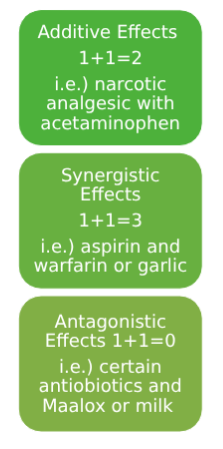
synergistic effect
when 2 drugs work together to optimise effect
P formulary

antagonistic effect
2 drugs work against each other to produce the opposite of a therapeutic response
incompatability
chemical deterioration when 2 drugs are mixed
teratogenic, mutagenic and carcinogenic
causes harm to fetal development, to genetic composition or to cells- causes cancer
pharmokinetic steps
ADME
Absorption, distribution, metabolism, excretion
what affects the absorption of a drug
dosage, chemical make up of drug, route, food or fluids, acidity in the stomach, status of GI mobility/blood flow, warmth or coldness of body, surface area and contact time
bioavailability
fraction of medication that is absorped into circulatory system after first pass effects, ex- more med will be given orally vs iv for the exact same dose
first pass effect
oral med- drug metabolised in liver, some of the drug will be deactivated before it can reach the general circulation and its sites of action, reduces bioavailability to less than 100%
factors effecting distribution
water solubility (hydrophilic)- these meds are able to be dissolved in blood, lipid solubility (lipophilic) distribution slows down because these drugs do not dissolve in blood , degree it which drug is protein bound (ex- most common is albumin (allows med to go across cell membrane), unbound drug is called free drug, if someone doesn’t have enough protein or nutrition in their body- amt of unbound drug increases- toxicity or increased risk of adverse effects
factors affecting metabolism
liver function (measured by liver enzymes- AKA LFTs), drug interactions (P450 inhibitors or inducers), genetic makeup, nutrition (starvation, jaundice, fast vs slow acetylator), age, disease process (cardiovascular, kidney diseases)
cytochrome P450 enzymes
most drugs are metabolised by these enzymes, different ppl have different amts of these enzymes in their body, cause of many drug interactions
drugs that stimulate P450 enzymes- enzyme inducers (ex- barbiturates)
drugs that slow activity of these enzymes- enzyme inhibitors (ex- erythromycin)
biotransformation
transformation of substances into something beneficial to the body
types: oxidation, reduction, hydrolysis
substrates- other substances that help the above processes
Prodrug
when drug is inactive (sitting on shelf) becomes active after it goes through body (usually liver)
excretion
process through which drugs are removed from the body, primary organ is kidney
renal excretion
measured by GFR which declines with age and illness
less excretion = more retention = more toxicity
liver and bowel
biliary excretion
can also be secreted from lungs, salivary and mammary glands, skin and sweat
half life
amt of time required for half of drug to be eliminated, most drugs removed from body after abt 5 half lives
short half life- needs drug more frequently
long half life- needs drug less frequently
helps calculate steady state
additivity
combined effects of drugs
potentiation
presence of one thing largely increases effect of the effect
synergism
drugs work together to produce combined and increased effect
onset, peak and duration
onset- time it takes for drug to start working
peak- max therapeutic effect of drug
duration- time that drug produces effect in body
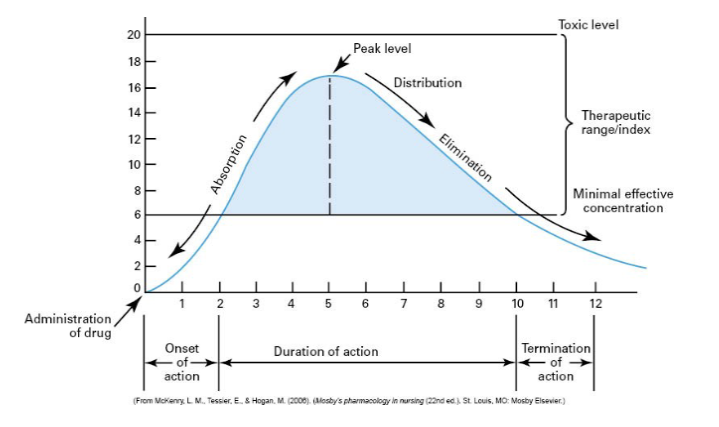
peak level, trough level, steady state
peak- highest blood level of drug, toxicity can occur if peak blood level of drug is too high
trough level- lowest blood level of drug
plateau/steady state- state in which amt of drug eliminates is equal to amt absorbed per each dose
steady state
having the right amt of drug in body to produce a consistent effect on the body
therapeutic index
TI = toxic dose (TD50) / effective dose (ED50)

ways that drugs exert their actions (3)
drug receptor interactions
enzyme interactions
non selective interactions
drug receptor interactions
drugs act by forming chemical bond with specific receptor sites (lock and key)
better the fit (affinity), better the response, drugs that attach completely are called agonists
drugs that attach but do not form a response are called antagonists
drugs that attach, elicit some response and block other responses are called partial agonists or agonist antagonists
enzyme interactions
drugs either inhibit or enhance action of specific enzyme called selective interaction
ex- angiotensin coverting enzyme (ACE) and angiotensin coverting enzyme inhibitor (ACEI)

non selective interactions
drugs that target cell membranes or cellular processes (ex- antibiotics)
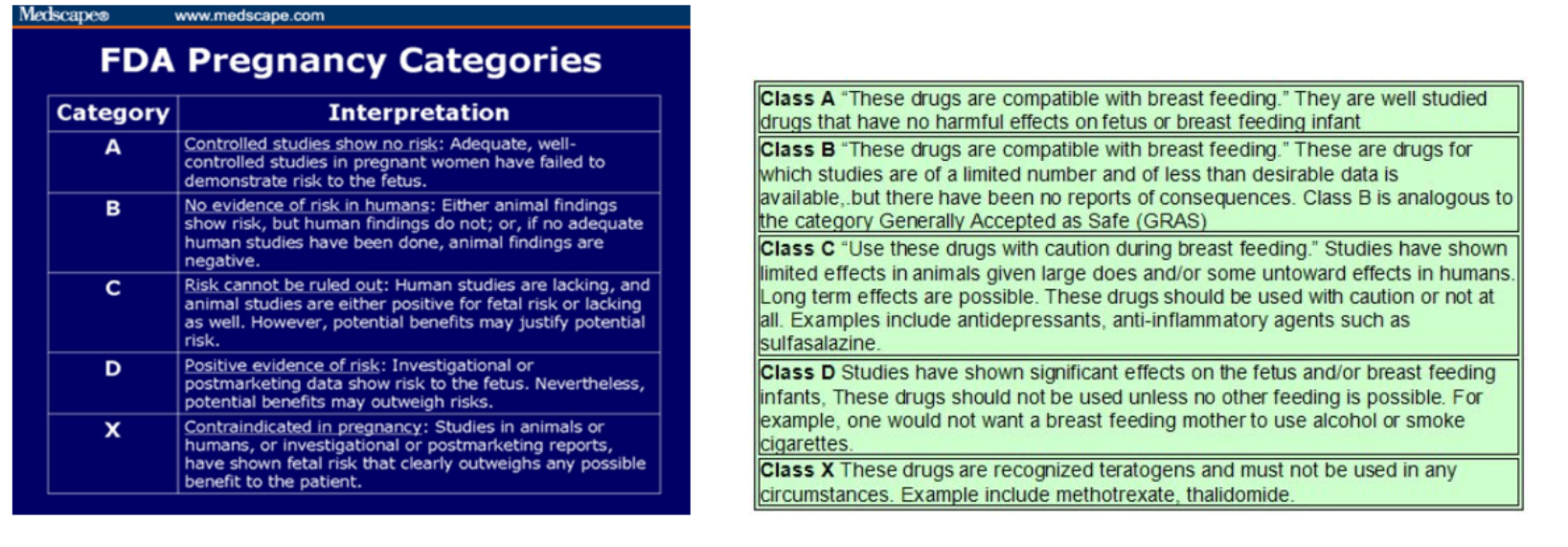
medication classifications for pregnancy or breasfeeding
medications for children
organ immaturity- reduced first pass, renal excretion
contraindications/increased risk of toxicity because of decrease in stomach acidity
greater body water, lower body fat
blood brain barrier is immature
medication for older adults
pharmacokinetic actions become slower and distribution becomes more unpredictable
polypharmacy
absorption and distribution affected by
slower blood circulation
slower absorption of oral meds through intestines
metabolism and excretion are affected mainly by liver and kidney dysfunction
cautious of side effects, toxicity, and unusual effects of drugs
CNO medication practice standard
authority, safety and competence

best possible medication history
any and all meds, include natural and otc
alcohol, caffiene and tobacco intake
past and present health history
family history
racial, ethnic and cultural assessment
unusual responses to medications (allergies, sensitivities, adverse reactions)
growth and development
functional assessment (cognitive and psychomotor)
lifestyle (socioeconomic, education, schedule)
med recon
continuous assessment and updating of patient medication information to prevent medication errors
during admission, transfer, status change, discharge
verification, clarification, reconciliation
polypharmacy
regular use of atleast 5 meds
increased risk for falls
increased mortality
increased length of stay and readmission to hospital
risk due to decreased renal and hepatic function in older adults
risk due to reduced hearing, vision and cognition
medication documentation
document delivery, details, health teaching and refusals ASAP
do not document medication delivery in advance
observe client taking medication
accept written orders as much as possible, do not accept verbal orders unless emergency
question incomplete or confusing orders
med errors
any preventable adverse drug event involving inappropriate med use by patient or hcp that may or may not cause patient harm
high alert meds (HAMs) are medications with the greatest potential for error, often due to looking or sounding like another medication (ISMP)
nurse’s professional responsibility to respond to, report and document errors as well as advocate for change to prevent future re occurrence
types:
near miss
no harm event
errors that cause harm
critical incidents
sentinel event (patient dies)
adverse drug reactions
adverse effects
allergic reactions
idiosyncratic reactions
ISMP
institute for safe medication practice
chart of do not use, dangerous abbreviations, symbols and dose designators
types of adverse drug reactions

drug-drug or drug-food interactions
practice math calculation questions
substances and antidotes

nervous system

adrenergic drugs
drugs that stimulate sympathetic nervous system
aka adrenergic agonists or sympathomimetics
mimic effects sns neurotransmitters (catecholamines) - norepinephrine, epinephrine, dopamine
adrenergic receptors
located throughout the body
receptors for sympathetic neurotransmitters
α--adrenergic receptors
ß-adrenergic receptors
dopaminergic receptors
only respond to dopamine
α-adrenergic receptors
divided into α1 and α2 receptors
differentiated by their location on nerves
α1- located on post synaptic effector cells (cell, muscle, organ the nerve stimulates)
α2- located on pre synaptic nerve terminals (nerve that stimulates effector cells), controls release of neurotransmitters
α adrenergic agonist responses
vasocontriction
cns stimulation
ß-adrenergic receptors
all are located on post synaptic effector cells
ß1- located primarily in the heart
ß2- located in lungs- smooth muscles of bronchioles, arterioles and visceral organs
ß adrenergic agonist responses
bronchial, GI and uterine smooth muscle relaxation, glycogenolysis, cardiac stimulation
dopaminergic receptors
additional adrenergic receptors, stimulated by dopamine, cause dilation of the following blood vessels- increased blood flow
renal
mesenteric
coronary
cerebral
catecholamines
substances that can produce sympathomimetic response
endogenous
epinephrine, norepinephrine, dopamine
synthetic
dobutamine, phenylphrine hydrochloride
***depending on dose, MOA can be altered, vasodilation can become vasoconstriction in large doses
direct acting sympathomimetic
ex- epinephrine

indirect acting sympathomimetic
ex- amphetamines
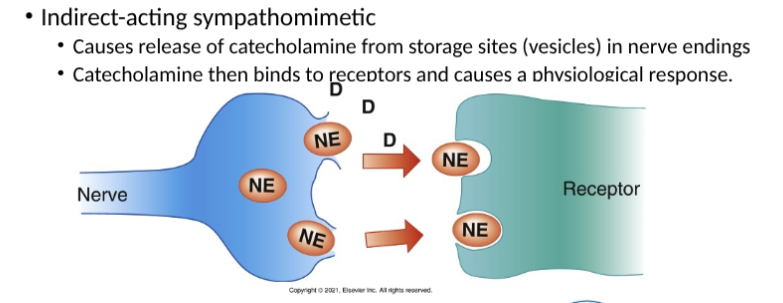
mixed acting sympathomimetic
directly stimulates receptor by binding to it
indirectly stimulates the receptor by causing the release of stored neurotransmitters from vesicles in the nerve endings
ex- ephedrine
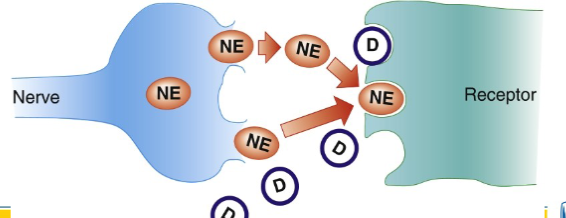
physiological response to mixed acting sympatheomimetics
increased hr and bp
increased bronchodilation
drug effects- stimulation of α adrenergic receptors on smooth muscle

drug effects- stimulation of ß1-adrenergic receptors on the myocardium,
atrioventricular (AV) node, and sinoatrial node results in cardiac
stimulation.

drug effects- Stimulation of ß2-adrenergic receptors on the airways results in
bronchodilation (relaxation of the bronchi).

indications- treatment of asthma and bronchitis

indications- treatment of nasal congestion

indications- temporary relief of conjunctival congestion (eyes)

indications- reduction of intraocular pressure and dilation of pupils, treatment of open angle glaucoma

indications- cardiovascular
ADD IMAGE FROM SLIDES
vasoactive sympathomimetics (pressors, inotropes)
aka cardioselective sympathomimetics
used to support the heart during cardiac failure or shock, various α- and ß-receptors affected, treats shock or low circulation
stabilises pressure
ex: dobutamine, dopamine, midodrine (good for those with weak renal), epinephrine, phenylphrine, norepinephrine
inotropes: increase contractivity (increases HR)
pressor: increase vasocontritction (increase pressure)
dobutamine hydrochloride
problems with cardiac function
selective vasoactive Beta 1 adrenergic drug similar to natural catecholamine dopamine
stimulates Beta 2 receptors on heart muslces, increases cardiad output by increasing contractility (positive inotropy), increases stroke volume, esp useful in pts with heart failure
given IV by continous infusion usually as picc line or central line
dopamine hydrochloride
naturally occuring catecholamine
potent dopeminergic, activates beta 1 and alpha 1 receptors
low dose: dilate blood vessels in braine, heart, kidneys, mesentery (increased blood flow)
high infusion rate: improve cardiac contractility and output (beta 1 adrenergic activity)
highest doses: vasoconstriction (alpha 1 adrenergic receptor activity)
midodrine hydrochloride
to stabilise bp, for treatment of symptomatic orthostatic hypotension
prodrug: medication that becomes active in the body (converted in liver)
converted by liver to active form: desglymidodrine
alpha 1 adrenergic receptor stimulation
front loading of doses to prevent supine hypertension (more drug initially and then drop the dose throughout the day, this is to prevent high bp when they are asleep)
epinephrine hydrochloride (adrenalin)
endogenous vasoactive catecholamine
acts on both alpha and beta receptors of tissues innervated by sympathetic nervous system
improves vascular collapse (helps with shock or allergy that causes vasodilation)
prototypical nonselective adrenergic agonist
for emergency
one of the primary vasoactive drug in advanced cardiac life support protocols
norepinephrine betartrate (Levophed)
stimulates alpha adrenergic receptors
one of the first drug used for septic shock, for shock and hypotension
causes vasoconstriction
direct stimulation of beta adrenergic effects on the heart (Beta 1 adrenergic receptors not beta 2 for lungs)
administered by continous infusion
phenylphrine hydrochloride (neo-synephrine)
alpha receptor
short term treatment to raise bp, for disarrythmias, control of supraventricular tachycardias, for vasocontriction in regional anasthesia, topical opthalmic drug (causes mydriases - make pupils bigger), nasal decongestant
α-Adrenergic Adverse Effects
cns: headache, restlessness, excitement, insomnia, euphoria
cv: palpitations or dysrhythmias, tachycardia, vasoconstriction, hypertension
other: loss of apetite, dry mouth, nausea, vomiting, taste changes (rare)
raa system is activated with this medication, causes your heart to work harder as well as sodium and water retention, causes dryness in other areas
ß-Adrenergic Adverse Effects
cns: mild tremors, headache, nervousness, dizziness, insomnia, euphoria
cv: chest pain, increased HR, palpitations or dysrhythmias, hypertension, vasoconstriction
other: sweating, nausea, vomiting, muscle cramps aka klondikation
drug interactions of adrenergic drugs
anasthetic drugs
digoxin (bc its a positive inotrope)
tricyclic antidepressants
monoamine oxidase inhibitors (MAOIs) (with prev, slight impact on bp will interact with adrenergic drugs)
antihistamines (both will cause vasoconstriction)
thyroid preparations (same as prev, impacts bodys cellular metabolism)
nursing implications of adrenergic drugs
comprehensive health history
assess for allergies and athma, hypertension, other cv diseases
assess renal, hepatic and cardiac function pre treatment
baseline assessment of vitals, peripheral pulses, skin color, temp, cap refill, postural pressure and pulse
follow admin guides of medication
salmeterol xinafoate is indicated for the prevention of bronchospasms, not management of acute symptoms
avoid otc and other meds for interactions
administeration of 2 adrenergic drugs may precipitate severe cv effects such as tachycardia or hypertension
nursing implication of adrenergic drugs for iv admin
check iv site for infiltration
use clear iv solution
use infusion pump
infuse slowly to avoid dangerous cv effects
monitor cardiac rhythm
nursing implications of adrenergic meds for pts w chronic lung diseases
instruct pt to avoid factors that cause excacerbation
encourage fluid intake (up to 3000mL per day)
educate pt on proper dosing, use of equipment and equipment care
nursing implications- monitoring therapeutic effects of adrenergic drugs (cv uses)
decreased edema
increased urinary output
return to normal vital signs
improved skin colour and temp
pedal pulse intact and strong to palpation
nursing implications- monitoring therapeutic effects of adrenergic drugs (asthma)
normal resp rate
improved breath sounds, fewer crackles
increased air exchange
decreased cough
less dyspnea
improved blood gases
increased activity tolerance
TRANSFER P FORMULARY TO PAPER
Adrenergic Blockers
binds to adrenergic receptors but they block stimulation of SNS
have opposite effect of adrenergic drugs
inhibit sympathetic stimulation
aka adrenergic antagonists, sympatholytics, a blockers, b blockers and a b blockers
drug effects and indications of α- Blockers
cause arterial and venous dilation which reduces peripheral vascular resistance and bp
used to treat hypertension, used to control and prevent hypertension in pts with phenochromocytoma, raynaud’s disease, acrocyanosis and frostbite
effect on receptors on prostate gland and bladder decreases resistance to urinary outflow, reducing urinary obstruction and relieving the effects of benign prostatic hyperplasia
phentolamine
competitive is stronger and works faster than non competitive which is slower but lasts longer
common a blockers: phentolamine mesylate (rogitine), prazosin hydrochloride (minipress), tamsulosin (flomax)

Phentolamine
phentolamine: antidote for adrenergic medication quickly reverses potent vasoconstrictive effects of extravasated vasopressors such as norepinephrine and epinephrine, restores blood flow and prevents tissue necrosis
a blocker
reduces systemic vascular resistance, used to treat hypertension
establish diagnosis of phenochromocytoma (tumour of adrenal glands- causes massive amts of catecholamines which causes adverse effects- hypertension)
most commonly used to treat exasveration of vasoconstrictive drugs (dopamine, norepinehrine and epinephrine)
adverse effects of a blockers
cv: palpitations, orthostatic hypotension, tachycardia, edema, chest pain
cns: dizziness, headache, anxiety, depression, weakness, numbness, fatigue
gi: nausea, vomiting, diarrhea, constripation, abdominal pain
other: incontincence, dry mouth, pharyngitis
Tamsulosin (flomax)
a blocker used for bening prostatic hyperplasia, exclusively for male pts
contraindications: allergy, concurrent use of erectile dysfunction drugs such as sildenafil
AE: headache, abnormal ejaculation, rhinitis
B blockers
block stimulation of B receptors in SNS
compete with norepinephrine and epinephrine
selective or nonselective
act on B1- called cardioselective
nonselective work on b1 and b2
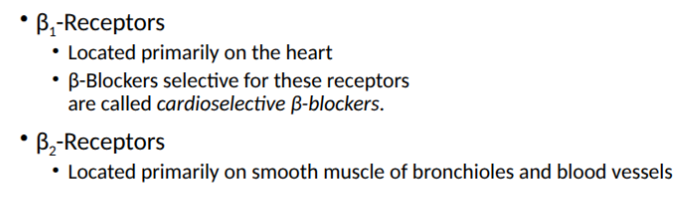
B receptors: moa of cardioselective b blockers (B1)
reduce sns stimulation of the heart
decrease HR
prolong SA node recovery
slow conduction rate through the AV node
decrease myocardial contractility, thus reducing myocardia oxygen demand
B Receptors: moa for non selective B blockers (B1 and B2)
same cv effects ad cardioselective b blockers
constricts bronchioles, results in narrowing of airways and shortness of breath
produces vasoconstriction of blood vessels
Beta blockers indications
decrease demand for myocardial oxygen: angina, MI, hypertension
inhibit stimulation from catecholamine: cardioprotective
also dysrhythmias
beta blockers AE
cv: av block, bradycardia, heart failure
cns: dizziness, fatigue, depression, drowsiness, unusual dreams
gi: nausea, vomiting, constipation, diarrhea
hematologic: agranulocytosis, thrombocytopenia
metabolic: hyperglycemia or hypoglycemia, dyslipidemia
other: erectile dysfunction, alopecia, bronchospasm, wheezing, dry mouth
non selective b blockers: interferes with normal responses to hypoglycemia (tremor, tachycardia and nervousness), can mask symptoms, use with caution in diabetes pts
atenolol/metoprolol
cardioselective B blocker
commonly used to prevent future heart attacks of pt has had 1
for hypertension and angina
management of thyrotoxicosis to help block excessive thyroid activity symptoms
IV use and switched to a higher dose oral dose at home
carvedilol
non selective B blocker, a1 blocker, calcium channel blocker and possible antioxidant
uses: heart faulure, hypertension and angina
used as combination or adjunct drug, added to digoxin, furosemide and angiotensin converting enzyme inhibitors when used to treat heart failure
slows progression of heart failure
cardioselective B blockers
atenolol (Tenormin) (NOT FOR PREGNANT WOMEN)
esmmolol (Brevibloc)
metoprolol (lopressor)
adrenergic blocking drugs: nursing implications
assess for allergies and perform thorough cardiac assessment
remember that a blockers may precipitate hypotension
remember that b blockers may precipitate bradycardia, hypotension, heart block, heart failure and bronchoconstriction
avoid use of otcs
encourage pt to take med as prescribed, never to stop taking these meds abruptly, tell them to report constipation, development of urinary hesitancy or bladder distension, palpitations, dyspnea, nausea, vomiting
teach pts to change positions slowly, and avoid caffiene
avoid alcohol, hazardous activities until blood levels become stable
monitor for adverse effects
when would you not use adrenergic blockers
allergy
can pt tolerate additional vasodilation and drop in bp?
peripheral vascular disease
liver or kidney dissease
coronary artery disease
peptic ulcer
sepsis
adrenergic blocking drugs therapeutic effects to monitor
decreased chest pain in pts with angina
return to normal bp and heart rate
other specific effects depending on drug