Human Anatomy Unit 1 Flashcards
 Call Kai
 Learn
Learn Practice Test
 Spaced Repetition
 Match
Match Flashcards
 Knowt Play
1/71

There's no tags or description
Looks like no tags are added yet.
Name | Mastery | Learn | Test | Matching | Spaced | Call with Kai | Chat |
|---|
No analytics yet
Send a link to your students to track their progress
72 Terms
Anatomy
The study of the structure and form of the parts of a living organism (the parts)
Physiology
The study of the function of the parts of an organism (the actions)
Gross
Anatomy studied on a large scale
Histology
Anatomy studied at the tissue level
Cytology
Anatomy studied at the cellular level
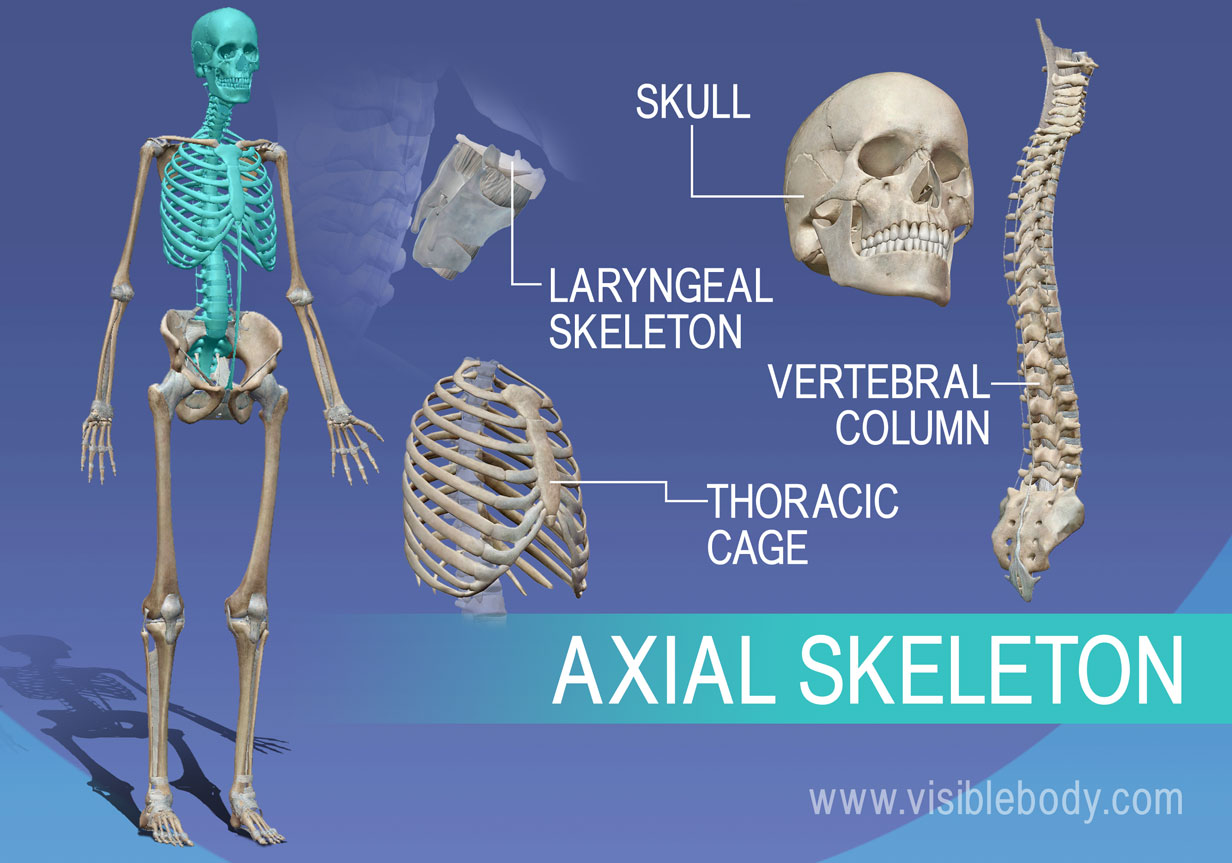
Axial
The portion of the body that includes the head, neck, and trunk
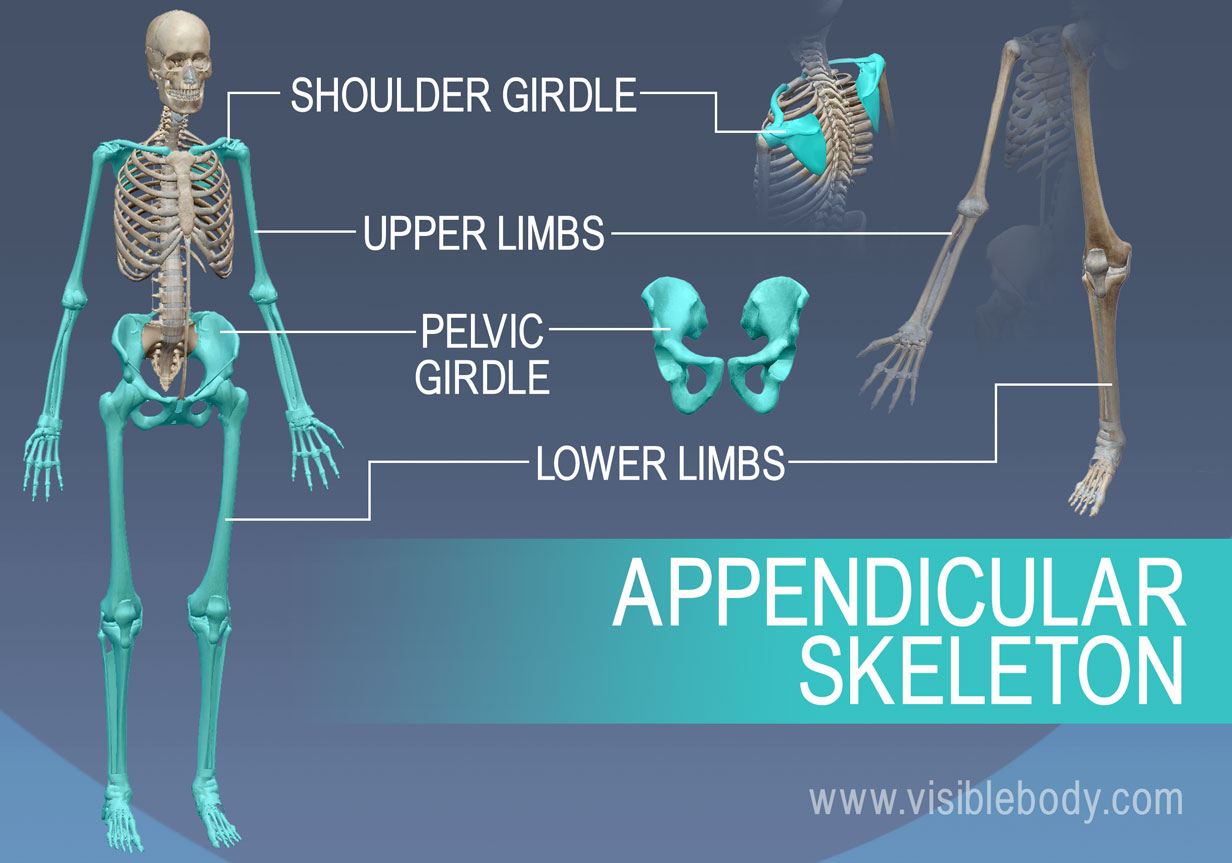
Appendicular
The portion of the body that includes the upper and lower limbs
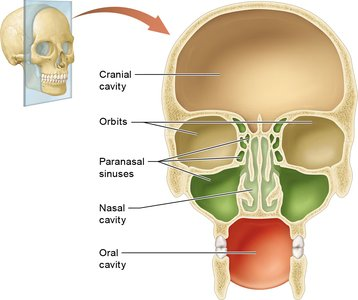
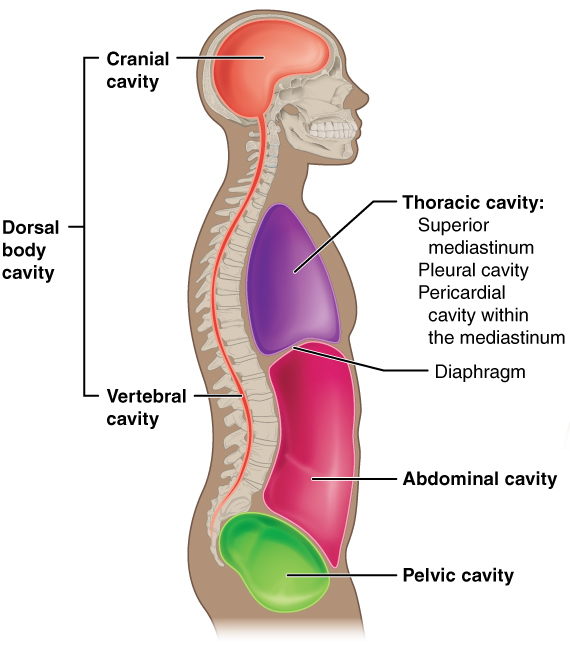
Cranial Cavity
The part of the dorsal cavity that houses the brain
Vertebral Cavity (canal)
The part of the dorsal cavity that houses the spinal cord
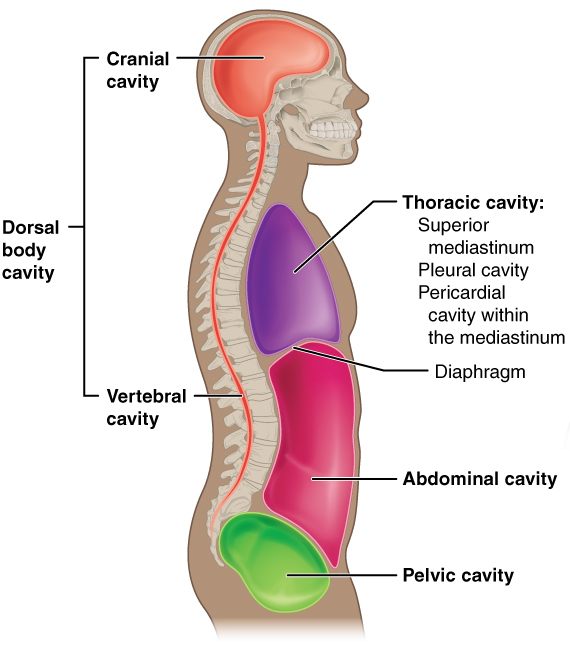
Thoracic Cavity
The upper part of the ventral cavity, above the diaphragm, containing the heart and lungs; divided into right and left halves by the mediastinum
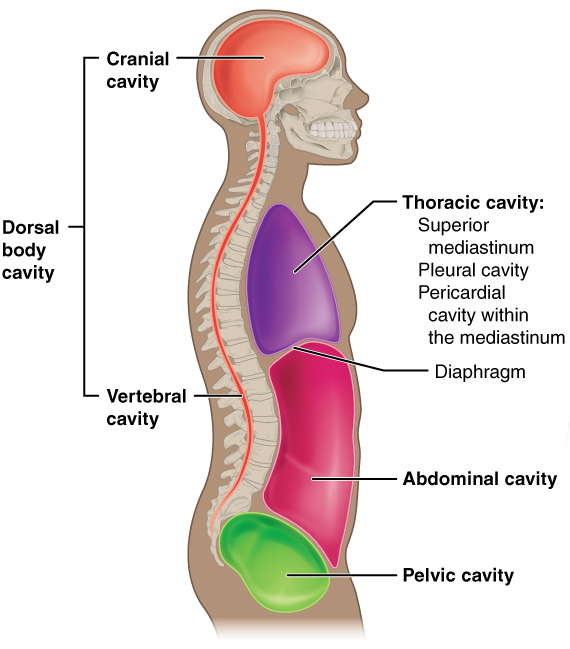
Abdominal Cavity
The upper portion of the abdominopelvic cavity, containing organs such as the stomach, liver, and intestines
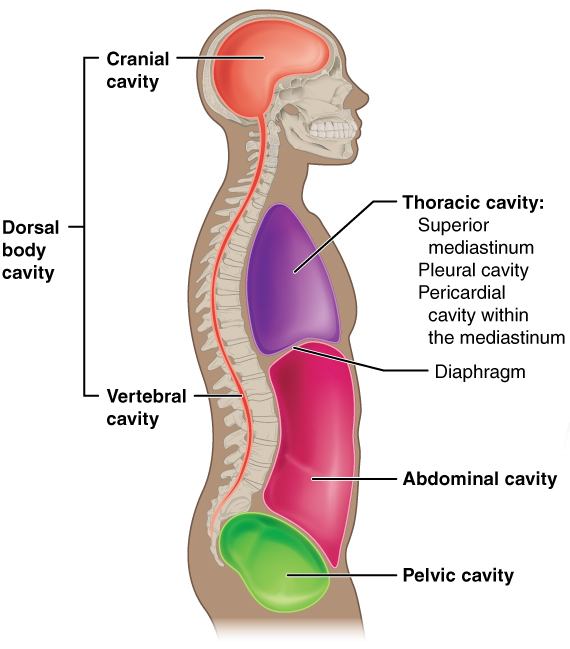
Pelvic Cavity
The lower portion of the abdominopelvic cavity, containing organs such as the bladder and reproductive organs
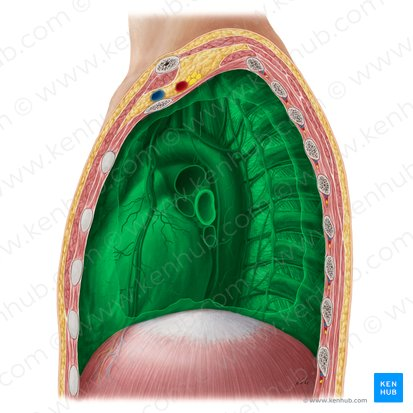
Mediastinum
The central region of the thoracic cavity, between the lungs, that divides the thorax into right and left halves and contains the heart
Viscera
The organs located within the ventral body cavity
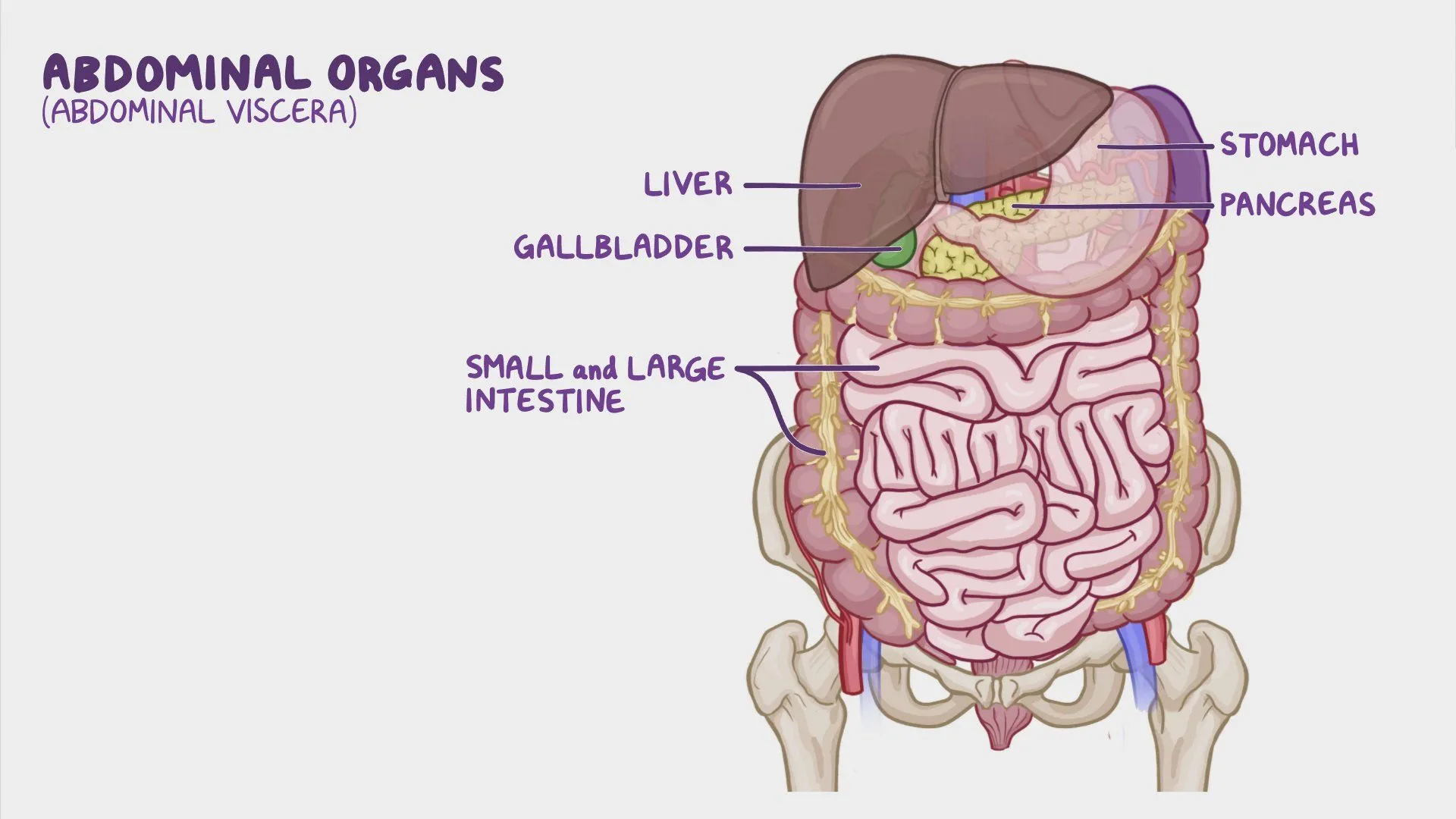
Diaphragm
The broad, thin muscle that separates the thoracic cavity from the abdominopelvic cavity
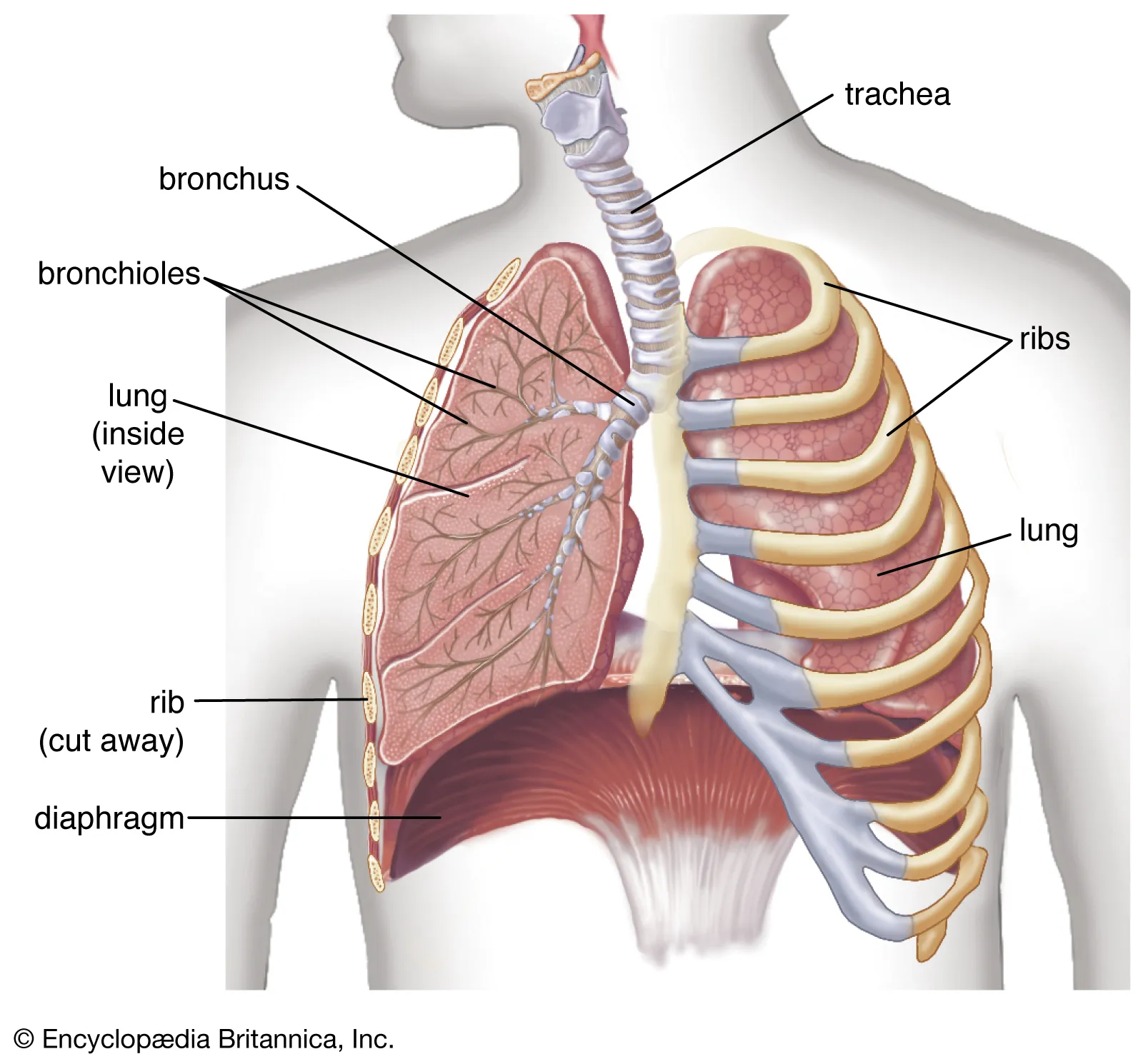
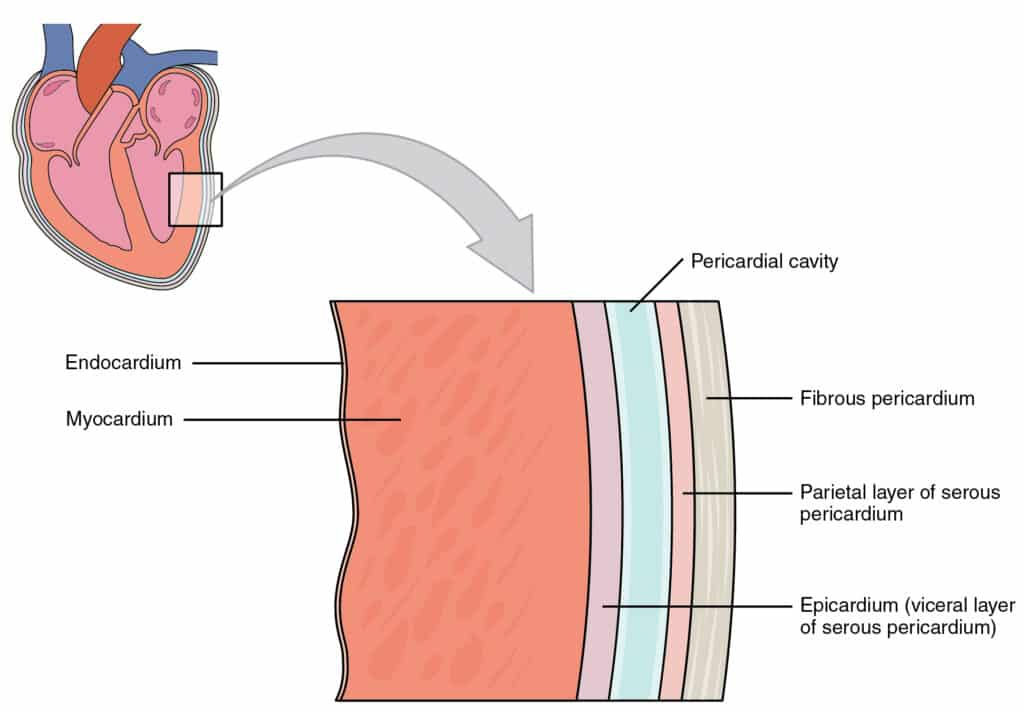
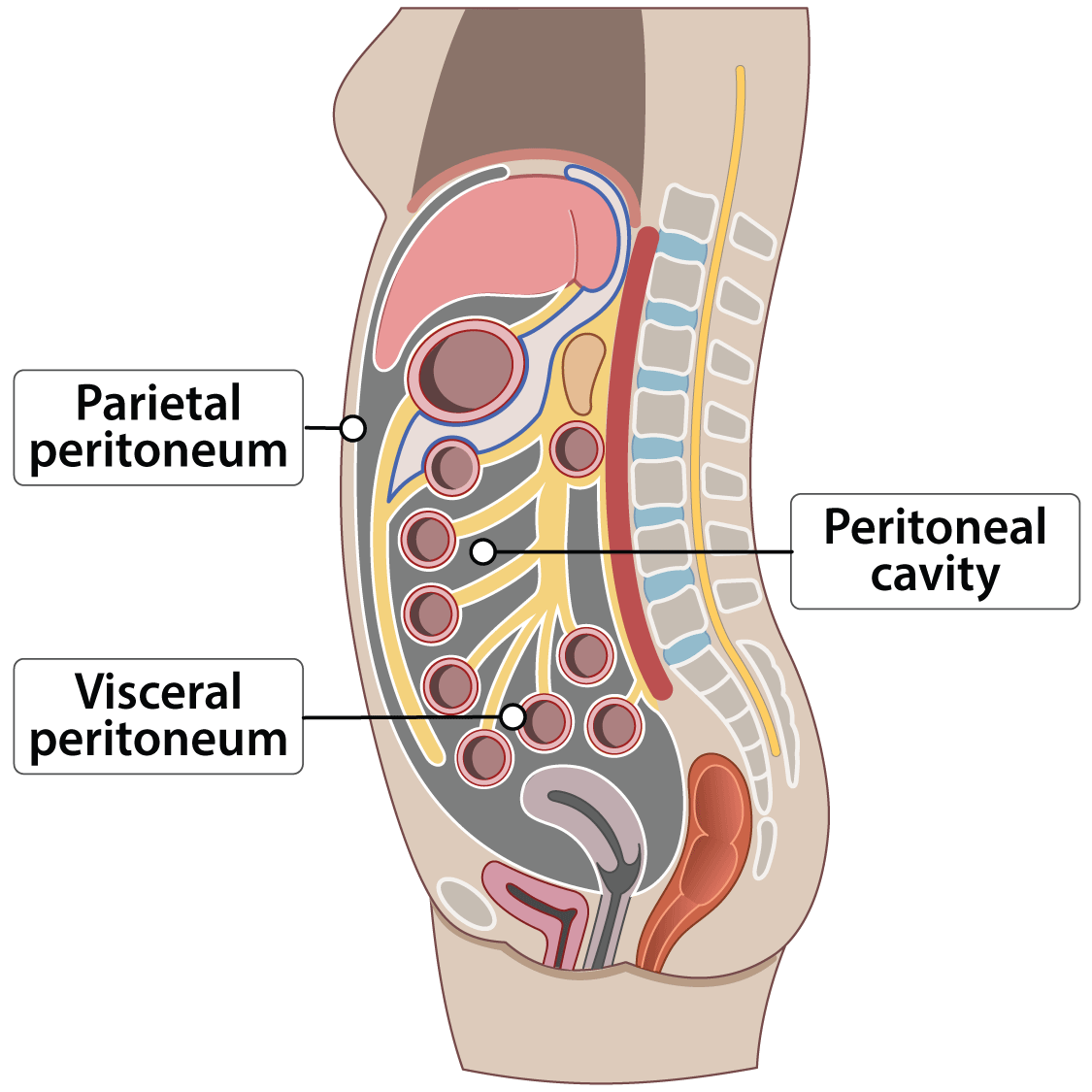
Parietal Membranes
The outer layer of a serous membrane; lines the wall of a body cavity
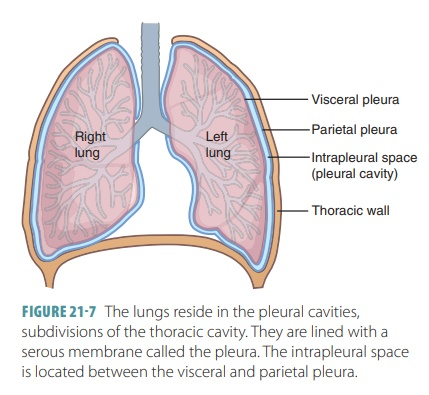
Visceral Membranes
The inner layer of a serous membrane; covers the surface of an organ
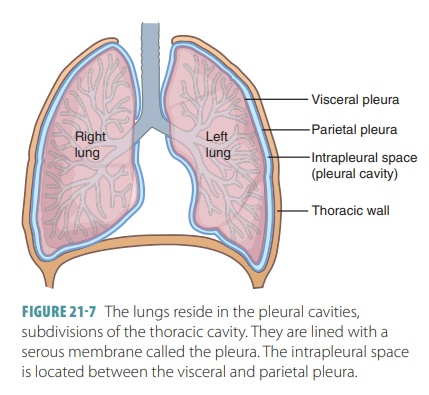
Pleural Membranes
The serous membranes that line the thoracic cavity and surround the lungs
Pericardial Membranes
The serous membranes that surround the heart
Peritoneal Membranes
The serous membranes that line the abdominopelvic cavity
Integumentary System
Protects the body, provides sensory reception, releases heat and sweat from blood to help control body temperature
Organs: skin, hair, nails
Skeletal System
Provides body structure and support, bone marrow makes new blood cells and store lipids
Organs: bones, cartilage
Muscular System
Allows for movement
Organs: skeletal muscles, smooth muscles
Nervous System
The control system of the body, stimulates heart rate and controls blood oxygen levels
Organs: brain, spinal cord, nerves
Endocrine System
Circulates hormones around the body to control body functions and maintain homeostasis
Pituitary, thyroid, adrenals, pancreas, hypothalamus
Circulatory (Cardiovascular) System
Transports substances (oxygen, CO2, heat, water, nutrients, waste) throughout the body
Heart, arteries, veins
Lymphatic System
Helps maintain the circulatory system and houses cells responsible for immunity
Organs: lymph nodes, lymph
Digestive System
Breaks down macromolecules and absorbs necessary nutrients
Organs: stomach, large intestine, small intestine, liver
Respiratory System
The ventilation system of the body; takes in oxygen and release carbon dioxide from the blood
Organs: lungs, diaphragm, trachea
Reproductive System
Produces offspring and regulates sexual characteristics
Organs: testes, uterus, and ovaries
Urinary (Excretory) System
Filters waste from the blood, maintains the body’s internal nutrient balance, and rids the body of wastes via the urethra
Organs: kidneys, urethra, bladder
Abdominal
The region between the thorax and pelvis
Antebrachial
Region of the forearm
Antecubital
Region at the front of the elbow (anterior to the elbow joint)
Axillary
Region of the armpit
Carpal
Region of the wrist
Buccal
Pertaining to the mouth and inner lining of the cheeks
Cephalic
Pertaining to the head
Cervical
Pertaining to the neck
Digital
Pertaining to the finger or toe
Gluteal
Pertaining to the buttocks
Inguinal
Pertaining to the groin
Lumbar
Pertaining to the region of the lower back
Occipital
Pertaining to the lower, back part of the head
Oral
Pertaining to the mouth
Nasal
Pertaining to the nose
Pectoral
Pertaining to the anterior chest
Plantar
Pertaining to the sole of the foot
Sternal
Pertaining to the region in the middle of the thorax (breastbone, sternum)
Tarsal
Pertaining to the ankle or any of the individual ankle bones
Umbilical
Central portion of the abdomen surrounding the navel (belly button)
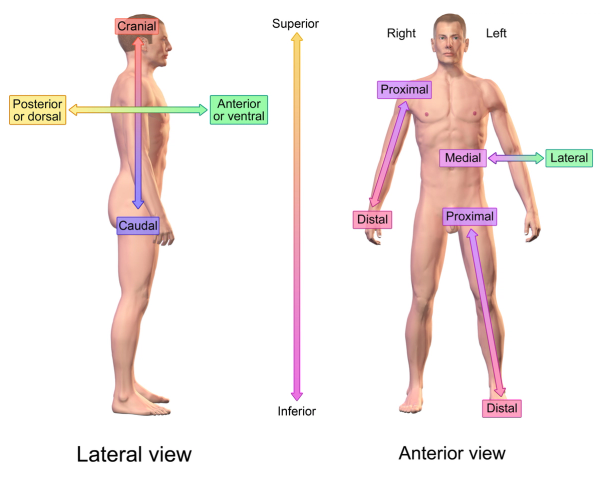
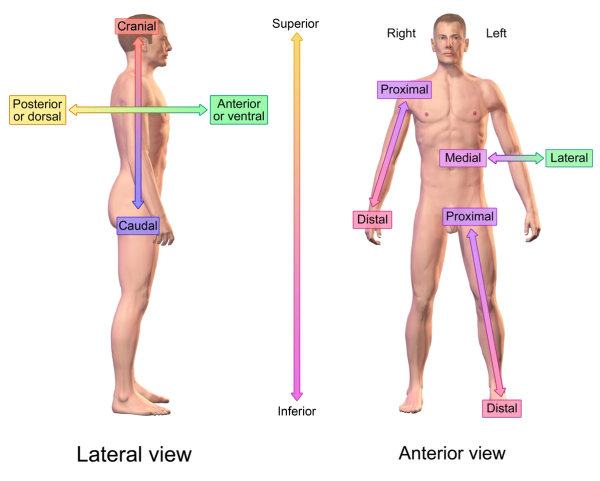
Superior
Toward the head or upper part of the body (above another body part)
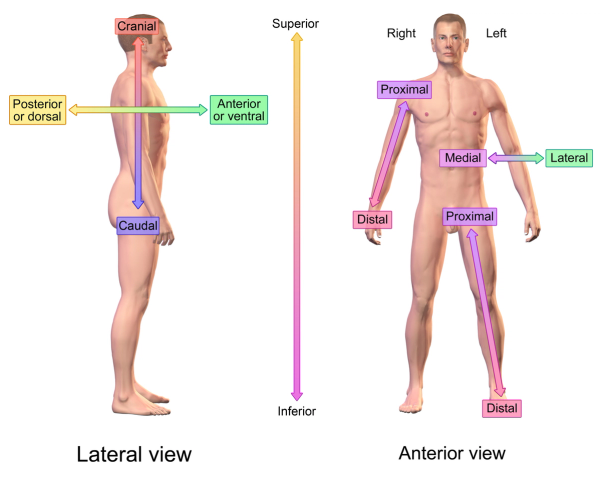
Inferior
Toward the lower part of the body, away from the head (below a body part)

Anterior (ventral)
Toward the front of the body
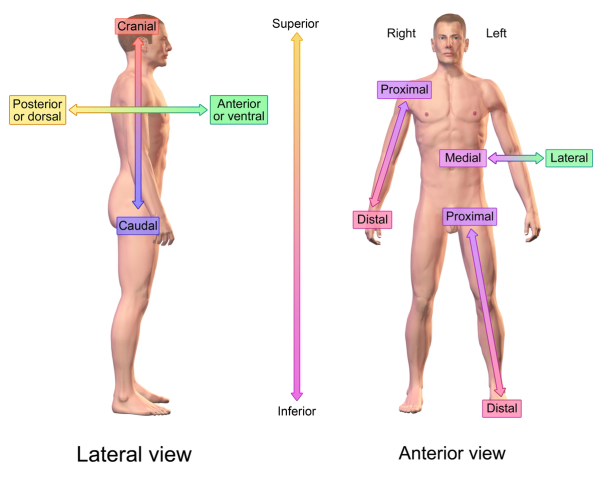
Posterior (dorsal)
Toward the back of the body

Medial
Toward the midline of the body

Lateral
Away from the midline of the body (the side)
Bilateral
Occurring on both sides of the body

Proximal
Closer to the point of attachment or origin of a limb/structure

Distal
Farther from the point of attachment or origin of a limb/structure
Superficial
Toward the surface of the organism
Deep
Toward the core or center of the organism
Sagittal
A vertical plane that divides the body into right and left portions
Transverse
A horizontal plane that divides the body into upper (superior) and lower (inferior) portions
Frontal
A vertical plane that divides the body into anterior (front) and posterior (back) portions
Levels of Organization
Atom —> molecule —> macromolecule —> organelle —> cell —> tissue —> organ —> organ system —> organism
Characteristics of Life
Movement, responsiveness, growth, reproduction, respiration, digestion, absorption, circulation, assimilation, excretion = constitutes metabolism
Organ system
Split into 11 major organ systems
Main purpose: maintain homeostasis
Liver: serves functions for multiple systems
Anatomical Position
Standing erect, facing forward, upper limbs at the sides, palms facing forward, and thumbs out
Homeostasis
Maintenance of a stable internal environment, essential to maintaining an organism
Control mechanism: receptor, set point, control center, and effector
Negative Feedback Loop
Orginal stimulus is reversed
Positive Feedback Loop
The orginal stimulus is intensified