Haitain Revolution, Industrial Revolution, and All echos of Revolution:
 View linked note
 Call Kai
 Learn
Learn Practice Test
 Spaced Repetition
 Match
Match Flashcards
 Knowt Play
1/97

There's no tags or description
Looks like no tags are added yet.
Name | Mastery | Learn | Test | Matching | Spaced | Call with Kai | Chat |
|---|
No analytics yet
Send a link to your students to track their progress
98 Terms
Bourgeoisie
Wealthy factory owners who own capital and control production.
Proletariat
Working class who sell their labor to survive.
Define socialism
An economic system where the government or community owns and controls major industries and resources for the benefit of everyone.
Capital
Wealth, money, machines, and factories used to produce goods for profit.
Vicissitudes
Ups and downs or changes, especially in the economy or market.
Commodity
A good or service made to be bought and sold for profit; Marx argues labor is treated this way.
Manifesto
A public declaration of beliefs, goals, and plans for change.
Capitalism’s fatal flaw (Marx)
It exploits workers and creates inequality, making the system unstable and unsustainable.
Why socialism is the final stage (Marx)
It ends class struggle by abolishing private property and exploitation.
Nationalism (definition)
Loyalty and pride in one’s nation.

Marx’s challenge to nationalism
Class struggle matters more than national identity; workers should unite globally.
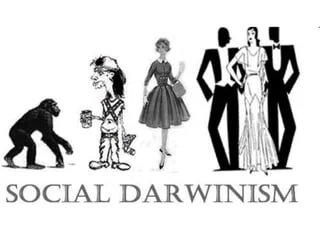
Social Darwinism (Malthus)
The belief that 'survival of the fittest' explains social and economic inequality.
How Social Darwinists justified imperialism
They claimed strong nations and races were naturally superior, justifying racism and conquest.
First sentence of the Communist Manifesto
All history is driven by class struggle.
Labor as a commodity (Marx)
Workers sell labor like a product, making them vulnerable to wages, layoffs, and markets.
Proletariat growth (Marx)
Industrialization forces workers together, increasing unity and class awareness.
Malthus’s 'unconquerable difficulties'
Population outgrows food supply, causing famine, poverty, war, and disease.
Spencer on government limits
Government aid interferes with natural laws and weakens society.
Spencer’s final argument
Poverty and suffering are necessary for human progress.
Industrial Revolution (time & place)
Began in Britain (1750–1900) and spread globally.
Energy shift of the IR
From local resources to fossil fuels and steam power.
Population growth (1400–1800s)
Increased from ~375 million to 1 billion.
Industrial Enlightenment
Faith in science, progress, and innovation.
Merchant capitalism
State-supported monopolies and trade privileges.
Role of global trade
Provided raw materials, wealth, and markets.
Artisan innovation
Early inventions came from craftsmen and workshops.
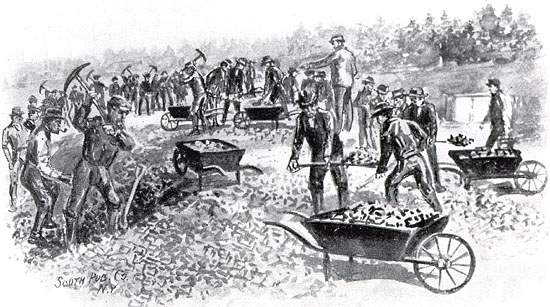
Natural resources in Britain
Coal and iron fueled industrialization.
Geographic advantages of Britain
Access to oceans and trade routes.
Colonial wealth
Colonies supplied resources and capital.
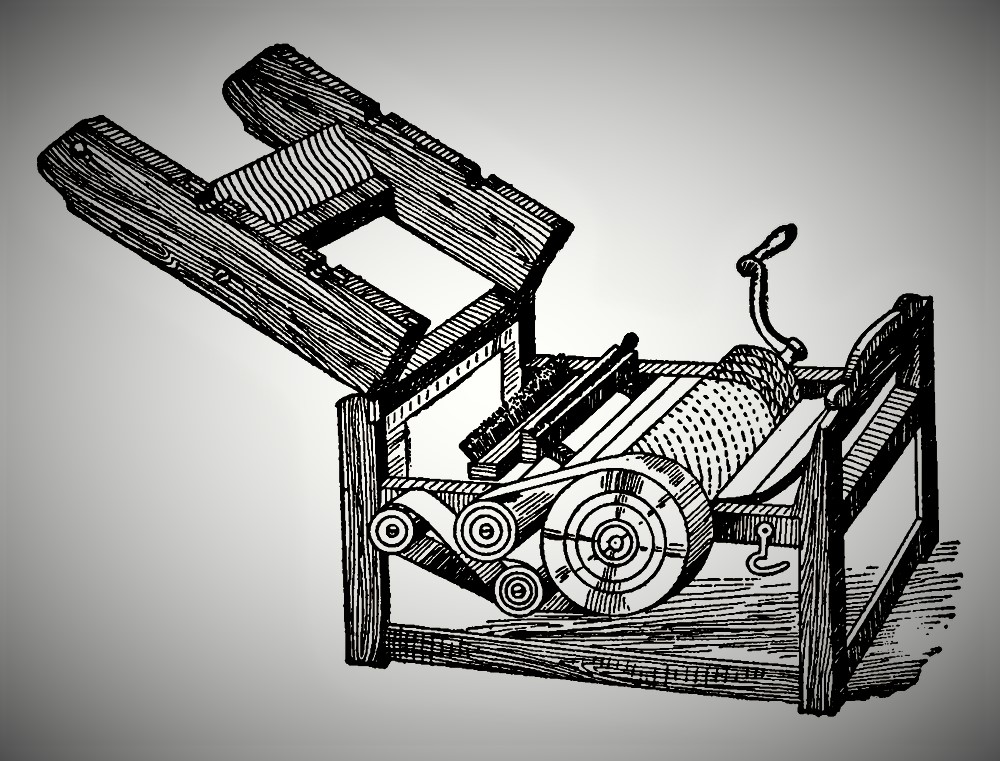
Cotton gin
Machine that made cotton processing faster and cheaper.
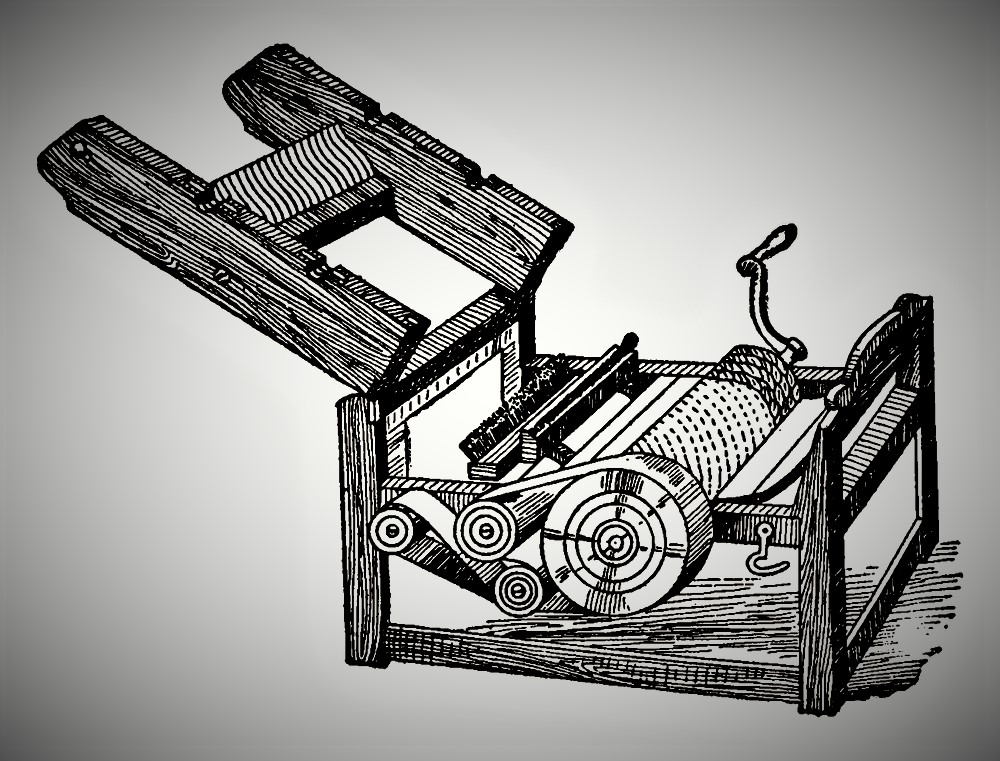
Inventor of the cotton gin
Eli Whitney.
Side effect of the cotton gin
Increased demand for enslaved labor.
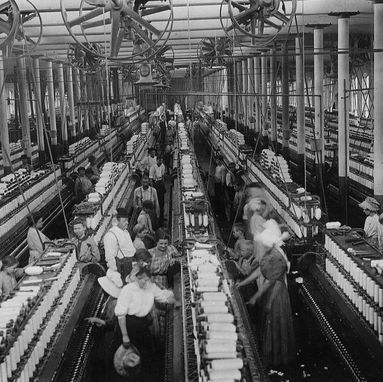
British textile industry growth
Cotton use rose from 52 million lbs (1800) to 588 million lbs (1850).
Aristocracy (IR impact)
Lost power as industry replaced landownership.
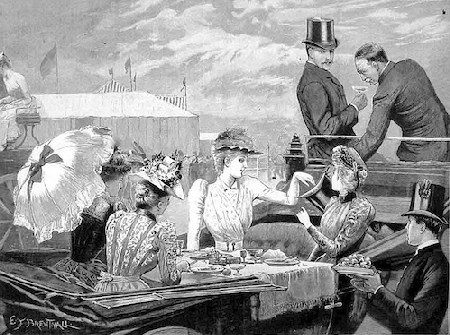
Middle class
Supported free trade, liberal politics, and constitutional government.
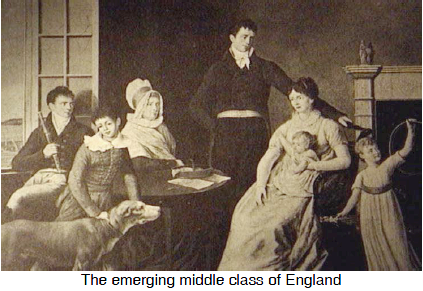
Ideology of Domesticity
Women as homemakers, men as workers.
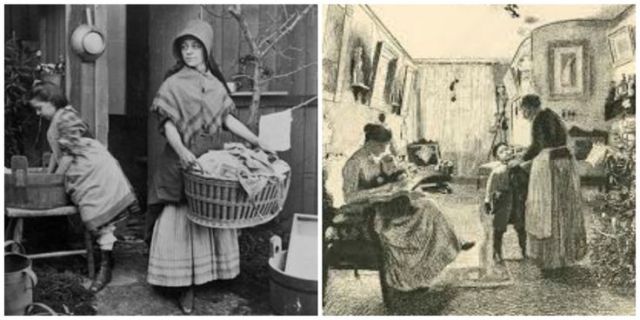
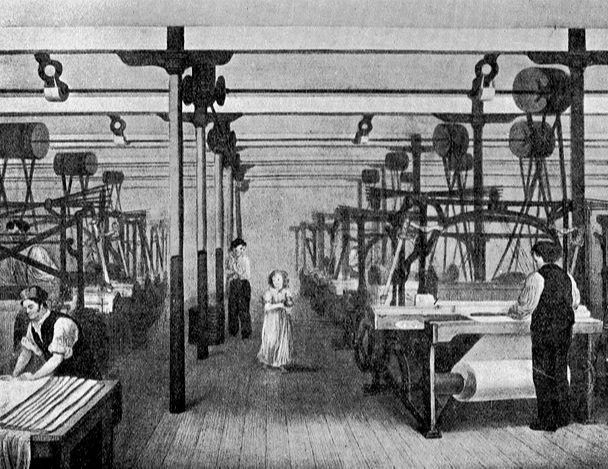
Laboring classes
Lived in crowded cities and suffered harsh conditions.
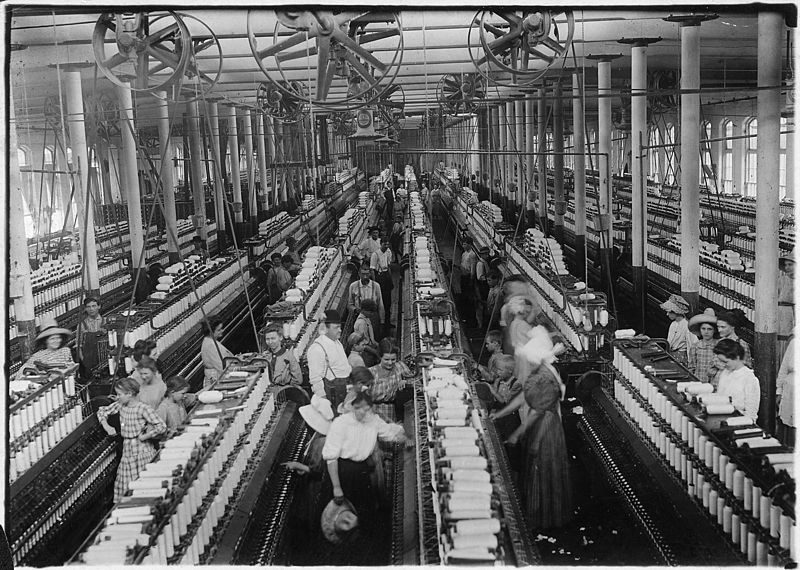
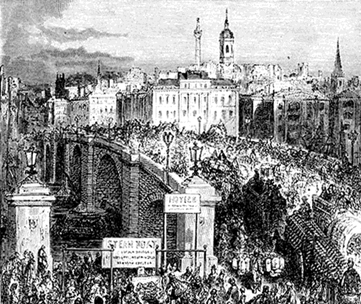
Urbanization in Britain
By 1851, most people lived in cities.
Robert Owen
Promoted humane factory communities.
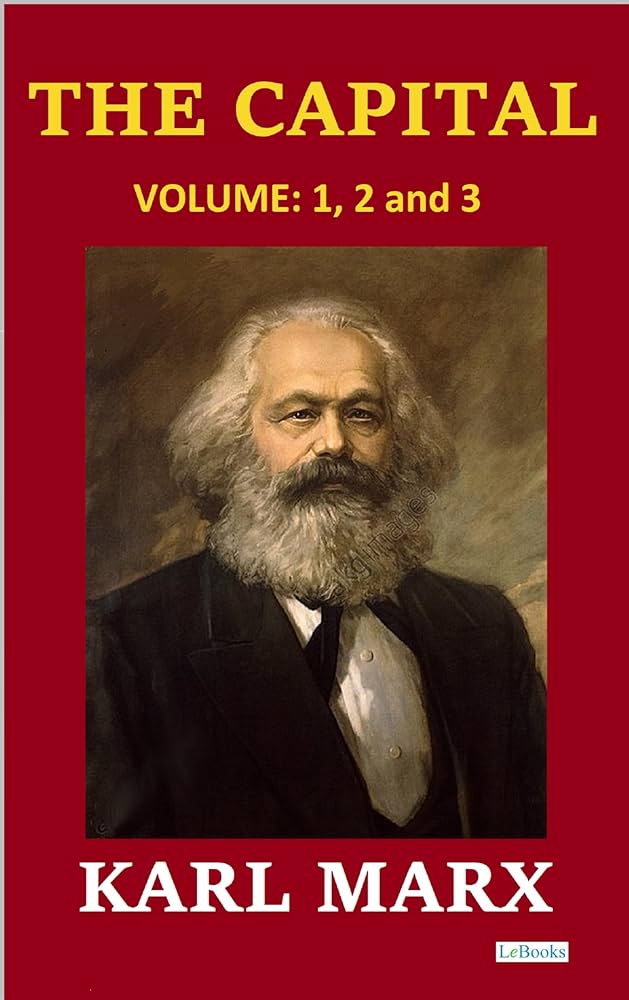
Karl Marx
Criticized capitalism and inspired socialism.
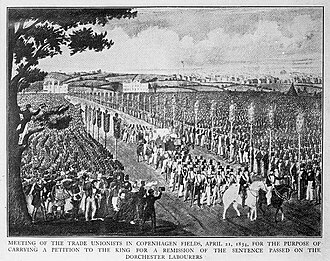
Trade unions (1824)
Legalized to fight for better wages and conditions.
Labour Party (1890s)
Sought peaceful, democratic socialism.
Positive impact of the IR
Massive increase in production and material goods.
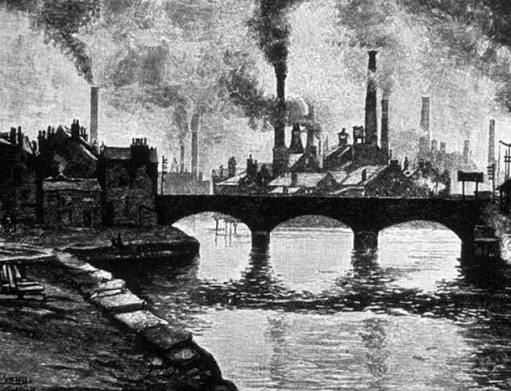
Negative impact of the IR
Pollution and environmental damage.
The Great Stink (1858)
Thames pollution forced Parliament to shut down.
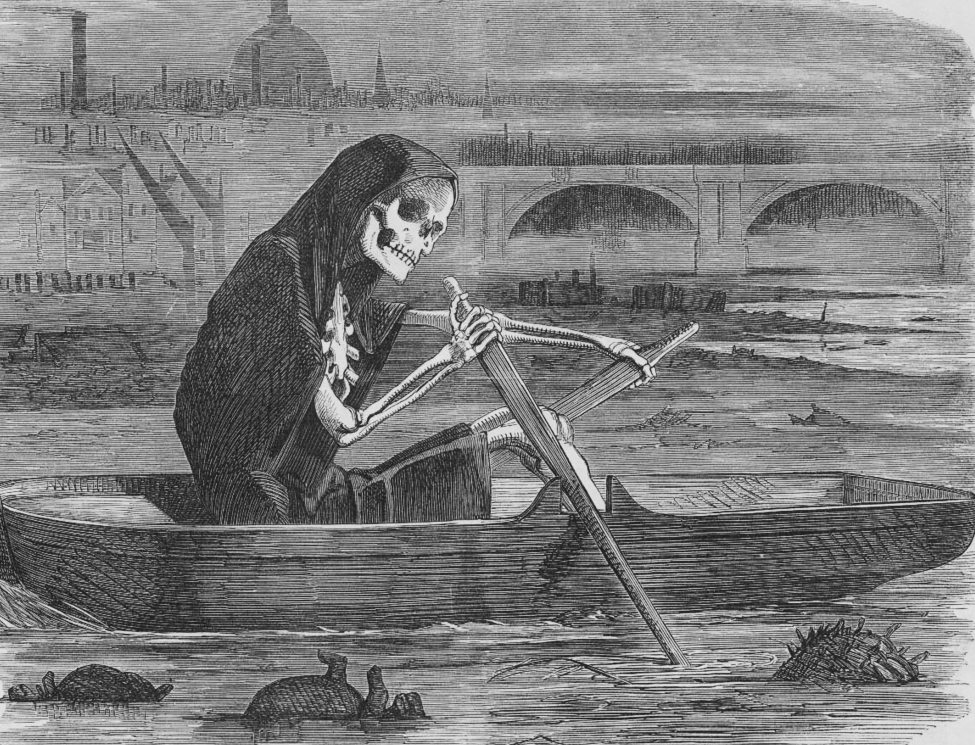
IR as a 'two-edged sword'
Destroyed old lifestyles but created modern society.
Modern technologies from the IR
Electricity, plumbing, chemicals, refrigeration.
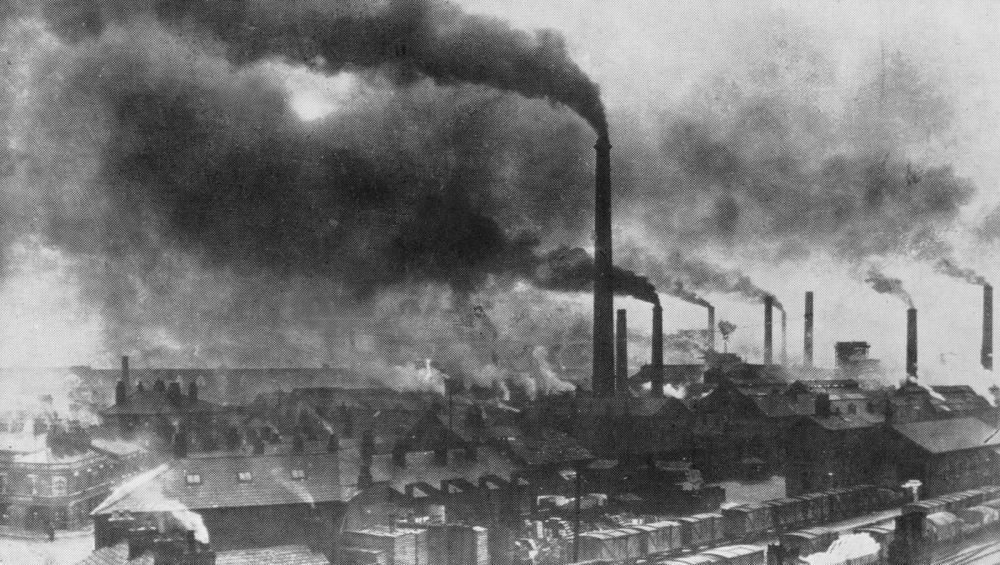
Coketown (Dickens)
Symbol of pollution, exploitation, and worker suffering.
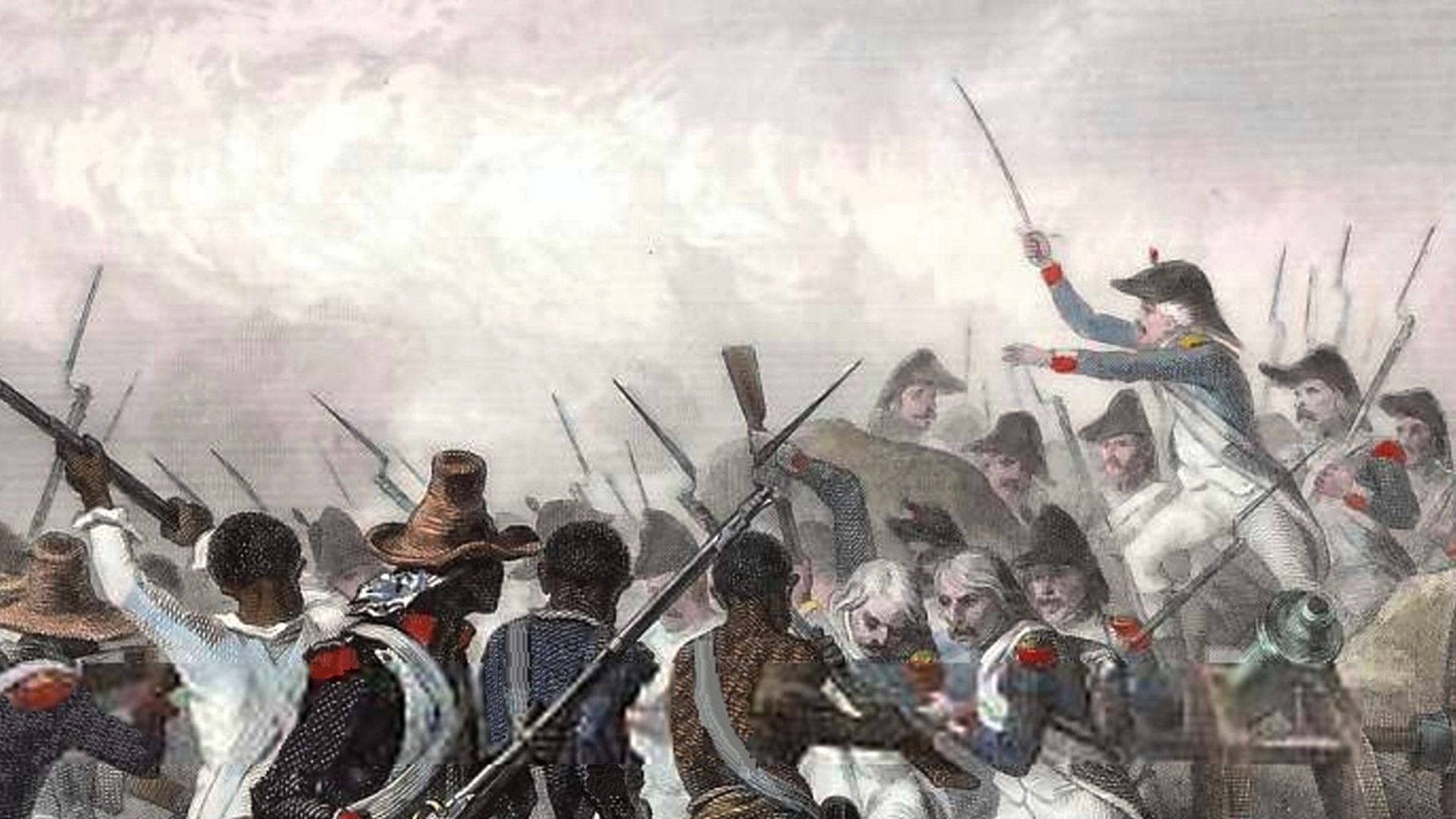
Haitian Revolution (1791–1804)
Successful slave revolt that created Haiti.
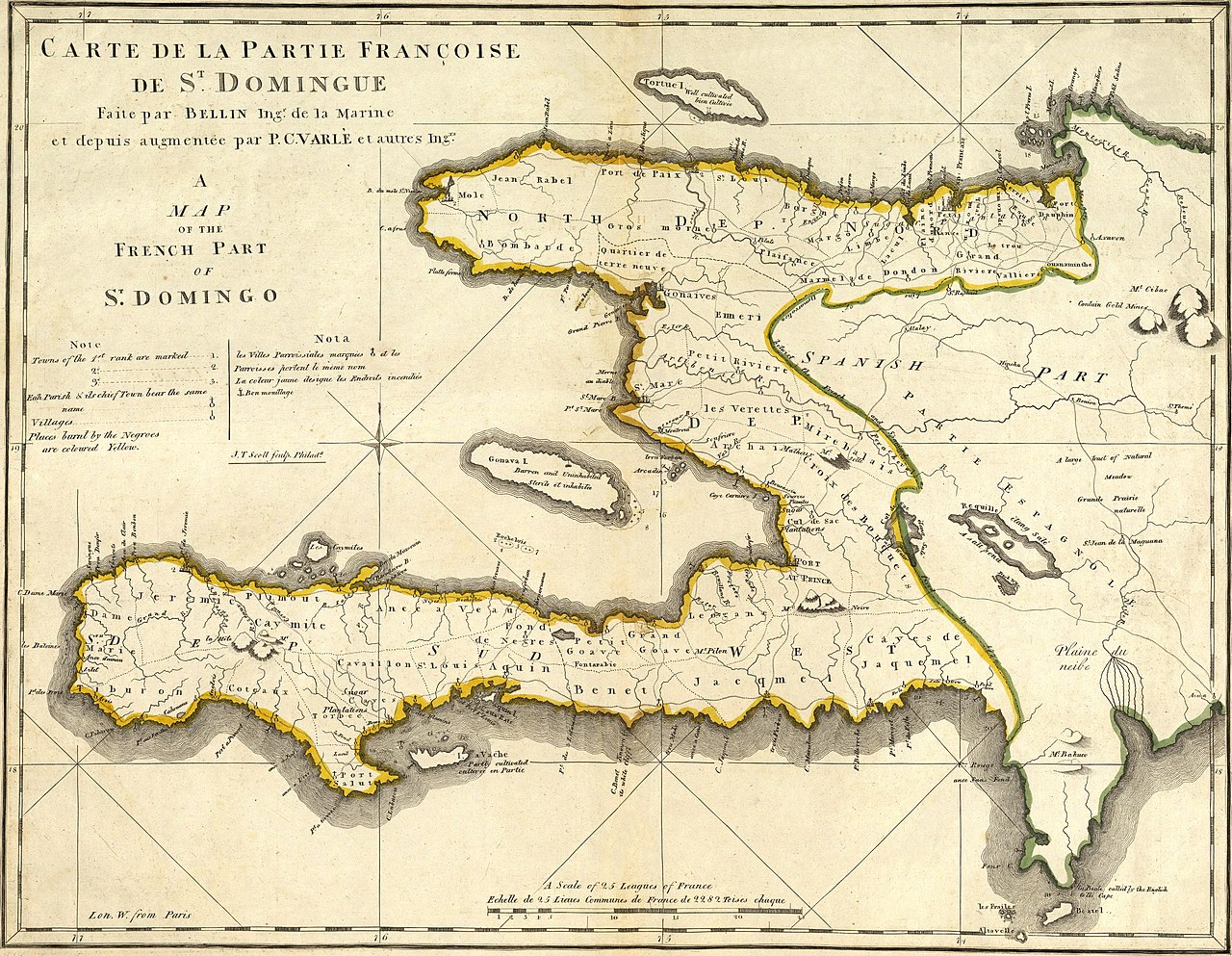
Saint Domingue
Wealthy French colony based on enslaved labor.
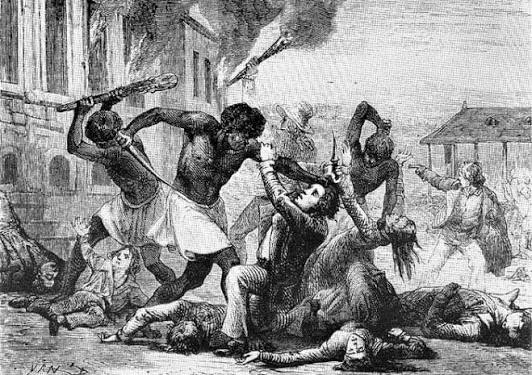
Influence of the French Revolution on Haiti
Inspired demands for equality and rights.
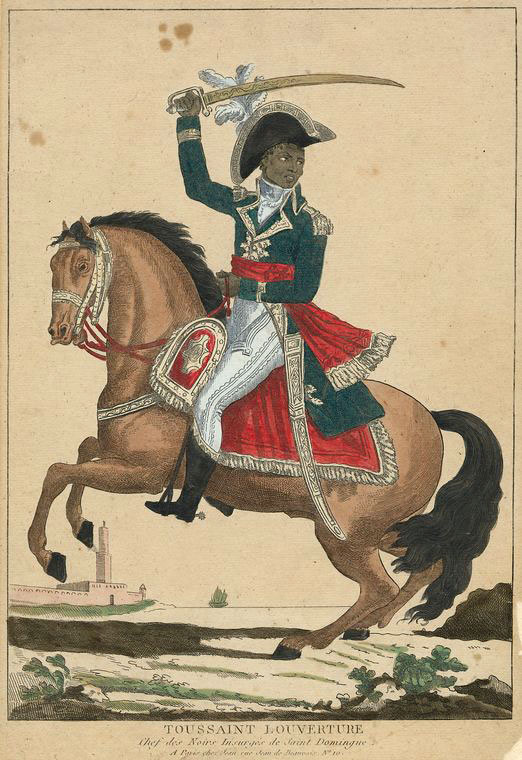
Toussaint Louverture
Former slave and key revolutionary leader.
Outcome of the Haitian Revolution
Slavery ended; Haiti became independent but poor.
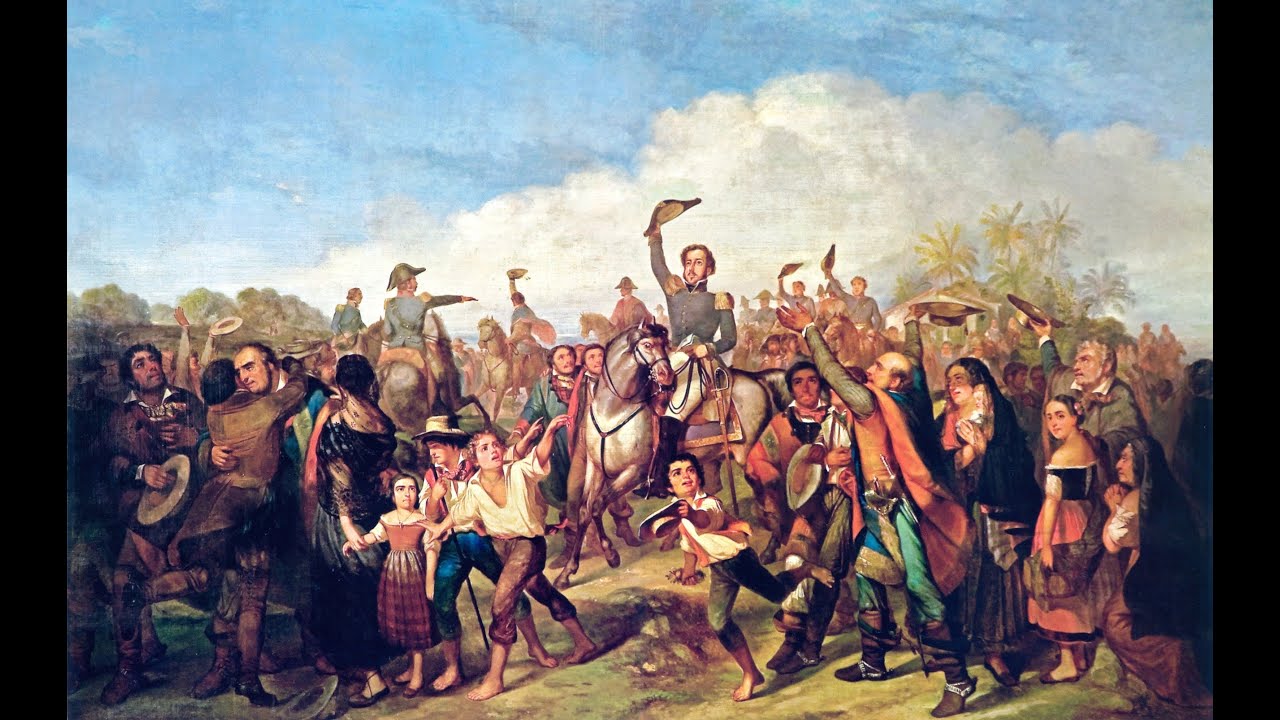
Latin American Revolutions (1808–1825)
Independence movements against Spanish rule.
Creoles
American-born elites who led revolutions.
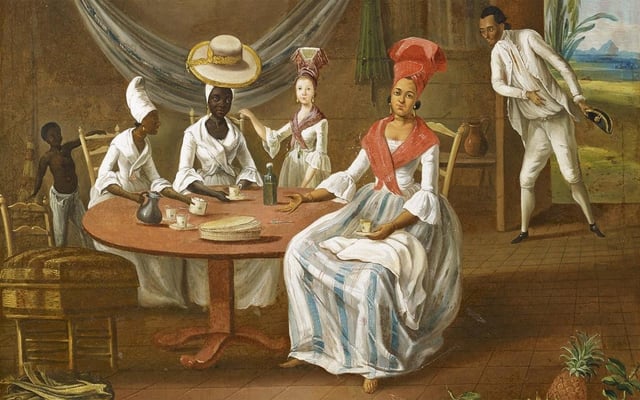
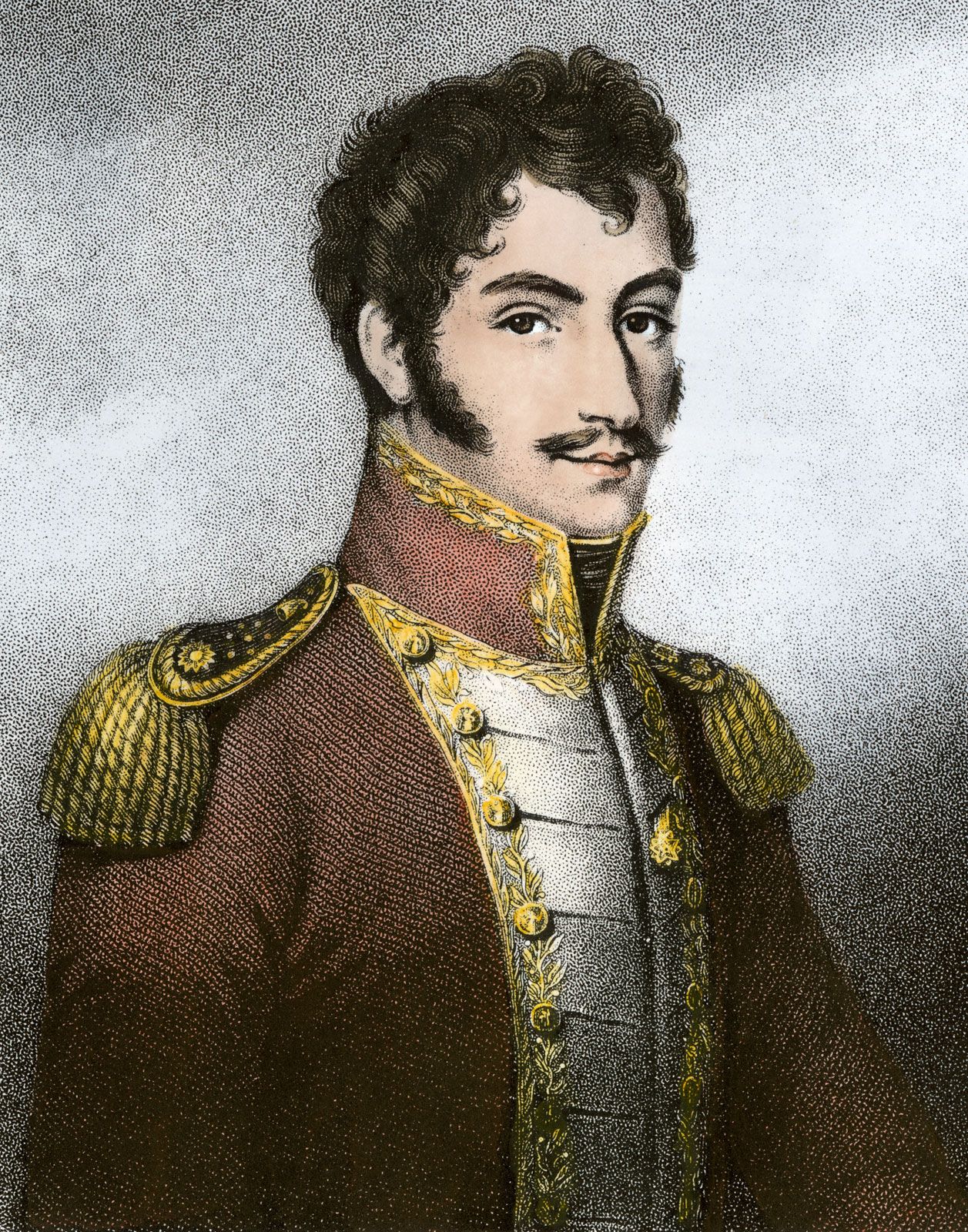
Simón Bolívar
Led independence in northern South America.
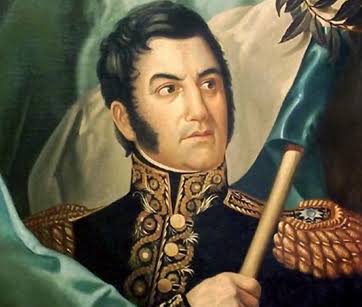
José de San Martín
Led independence in southern South America.
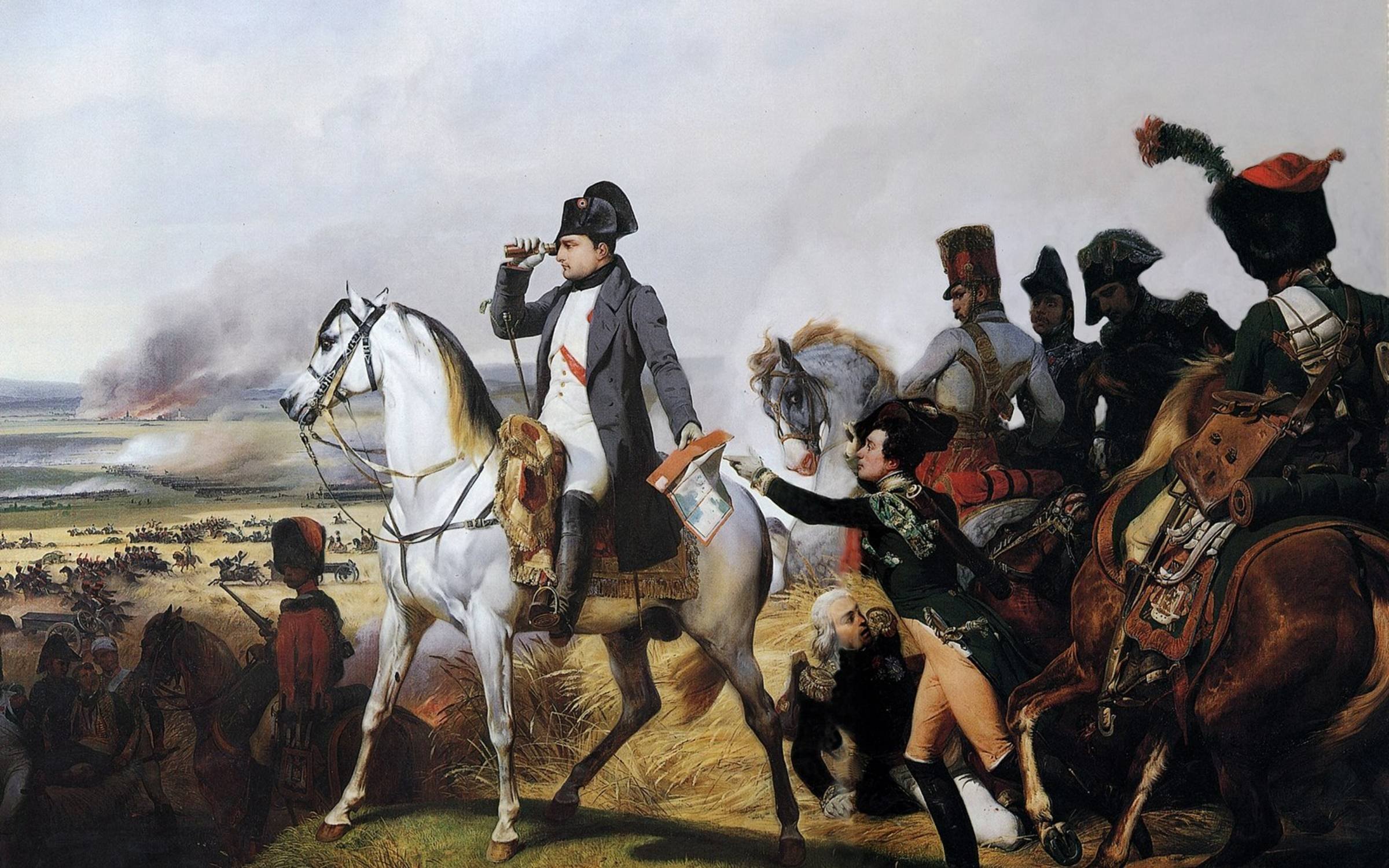
Napoleon’s global influence
Spread modern and revolutionary ideas worldwide.
Capitalism
Private ownership of trade and industry for profit.
Socialism
Government control of production for equality.
Nationalism (19th century)
Loyalty to a nation and belief in popular sovereignty.
Enlightenment Revolutions
Focused on rights, ideas, and political change.
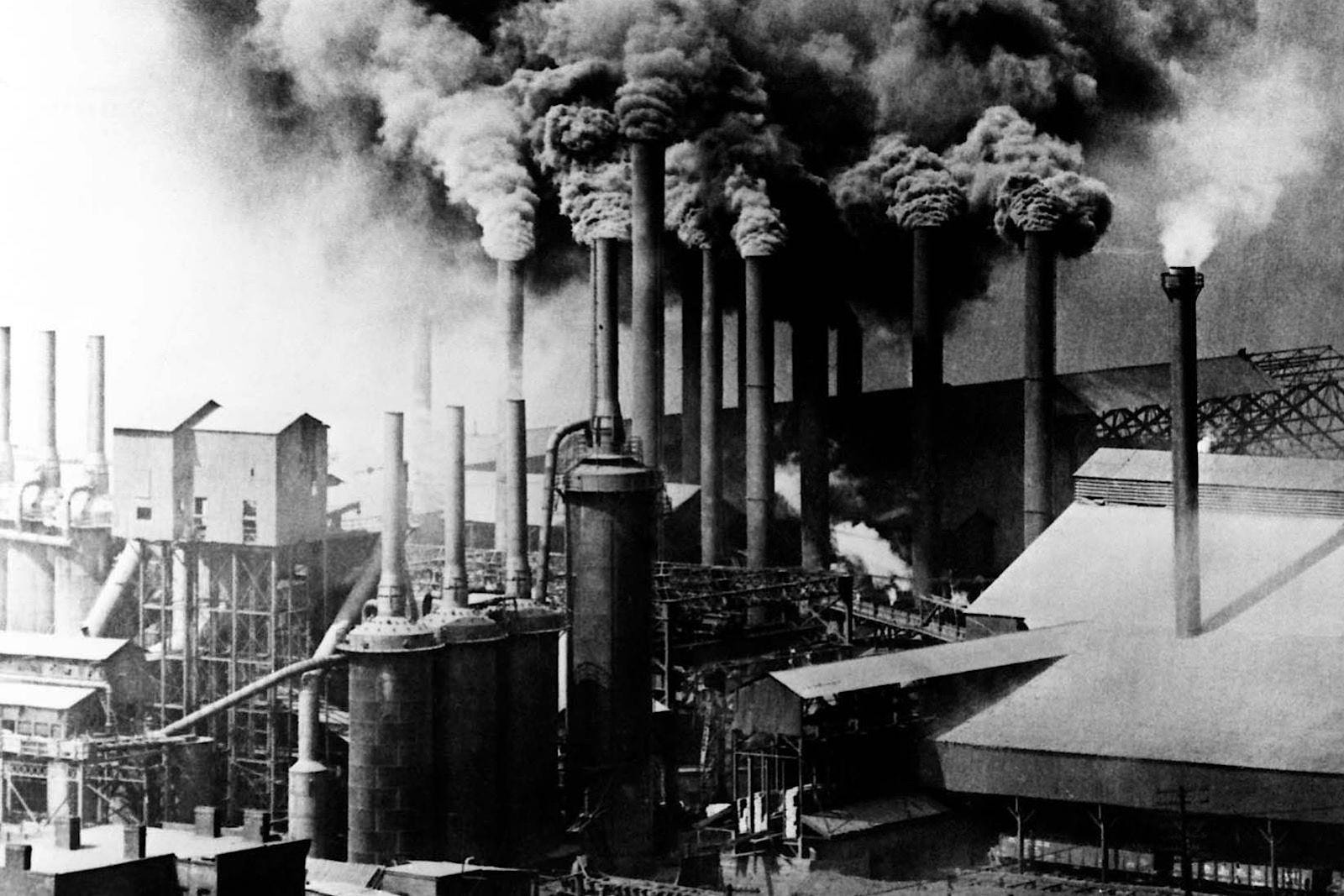
Industrial Revolution focus
Technology, machines, capitalism, and production.
Global impact of nationalism
Inspired independence movements worldwide.
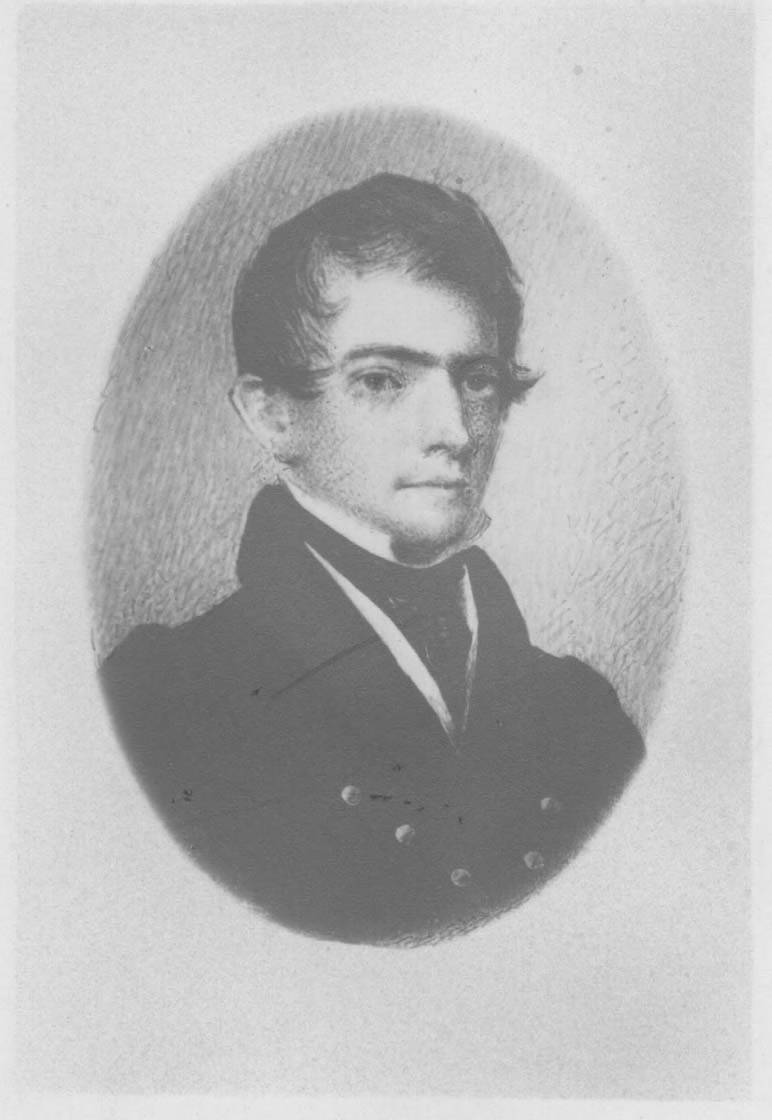
Eli Whitney
Inventor of the cotton gin.
Charles Dickens
Author of Hard Times; criticized industrial pollution and inequality.

Eric Hobsbawm
Historian who said the IR destroyed old ways of life.
Define Manifesto
A public declaration explaining beliefs, goals, or intentions, often political.
Define proletariat
The working class who do not own property and must sell their labor for wages.
Define capital
Money, machines, factories, and resources used to produce goods and generate profit.
Define vicissitudes
Unexpected changes or ups and downs in life, usually difficult ones.
Define commodity
A good or service produced to be bought and sold in a market.
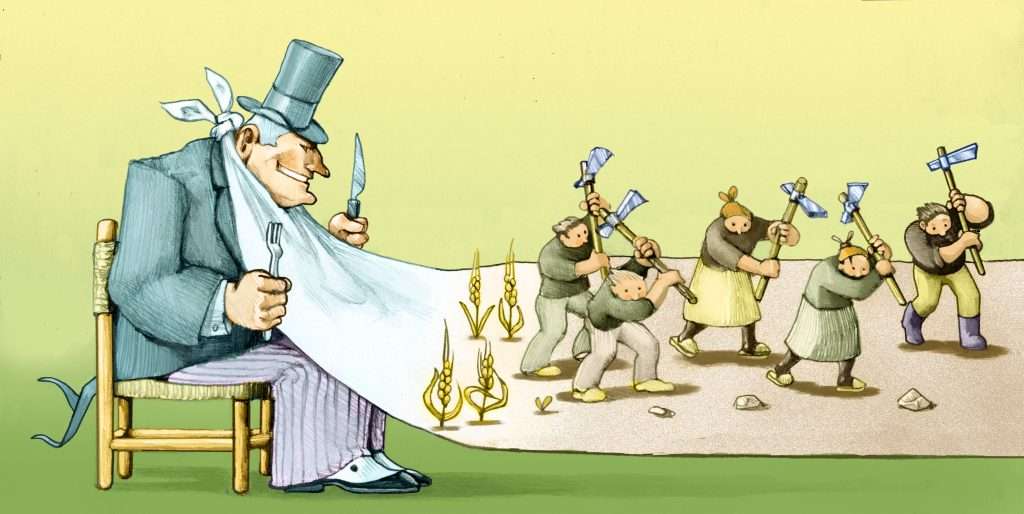
According to Marx, what is capitalism’s fatal flaw?
Exploitation, the bourgeoisie profit by paying workers less than the value of what they produce, which creates inequality, poverty, and class conflict that will eventually cause capitalism to collapse.
Why would the realization of socialism be the final stage in human progress?
Socialism would end class conflict by eliminating private ownership of the means of production. Without classes, exploitation would disappear, allowing society to focus on on cooperation, equality, and shared prosperity instead of struggle.

Define nationalism
Loyalty and pride toward one’s nation, often placing national identity above others.

How did Marx challenge the idea of nationalism?
Arguing that class identity is more important than national identity. He believed workers around the world share the same struggles and should unite across borders rather Han be divided by nations.
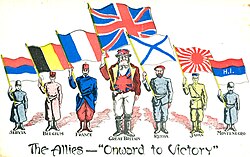
How did social Darwinists use theory to justify imperialism, poverty, and racism?
Argued that human societies follow “survival of the fittest.” They claimed wealthy nations and races were naturally superior, using this idea to justify imperialism, inequality, poverty, and racism as “natural” outcomes.

What does Marx mean in the first sentence of the Communist Manifesto?
“The history of all hitherto existing society is the history class struggles,” he means that conflict between social classes has driven historical change, such as masters vs. slaves or bourgeoisie vs. proletariat.
Explain the sentence about laborers being a commodity and exposed to vicissitudes of market.
He means that workers are treated like products that can be bought and sold. Their job and wages depend on market demand, so they suffer when the economy changes and have little control over their own stability
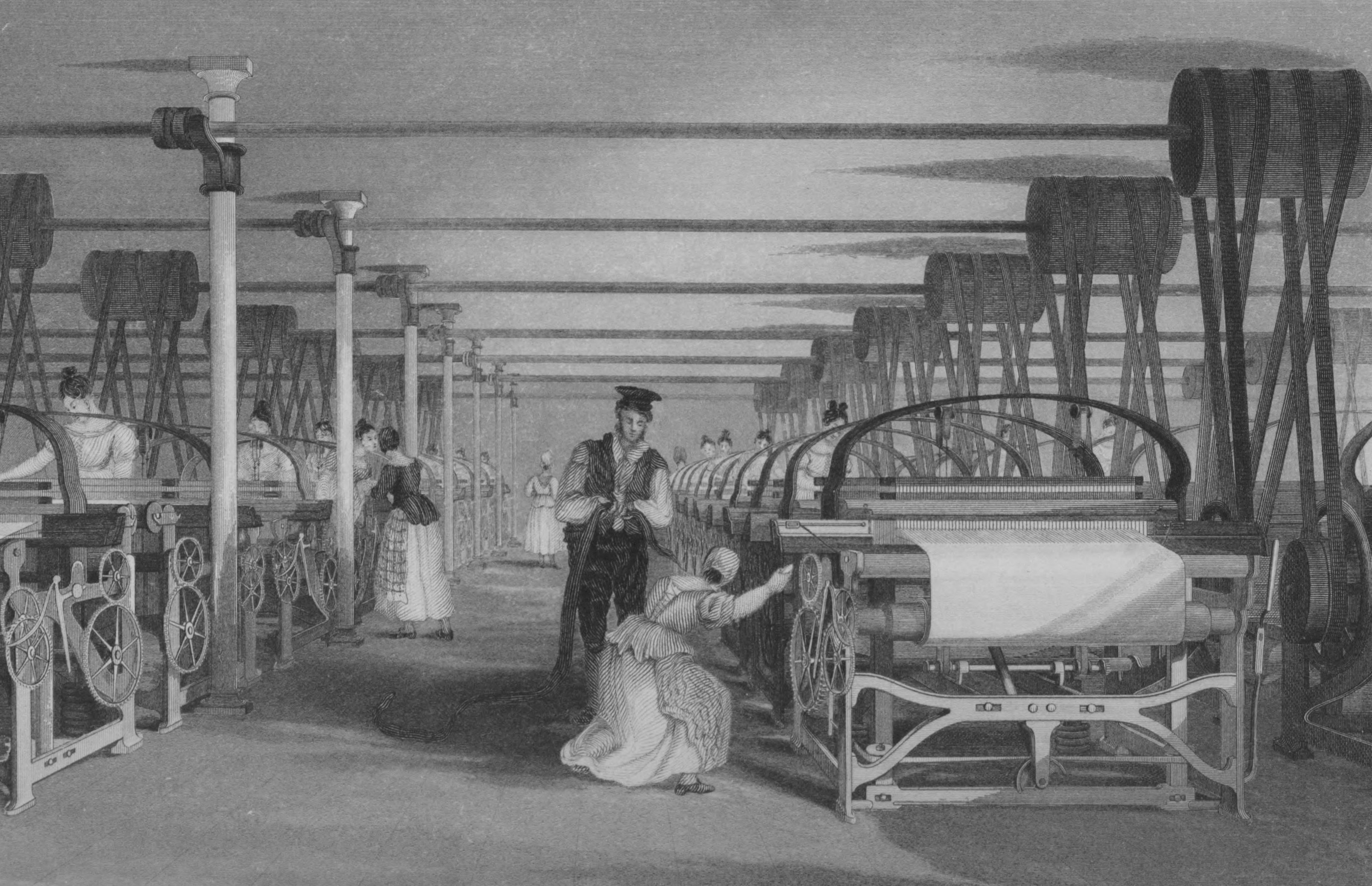
According to Marx, how does the proletariat strengthen as industry grows?
As industry grows, workers become more concentrated in factories and cities. This makes them more aware of shared struggles, allowing them to organize, unite, and gain collective power against bourgeoisie.
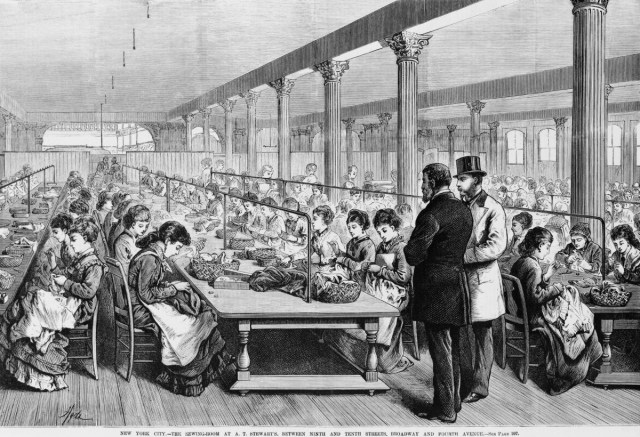
According to Malthus, what are “unconquerable difficulties” to human improvement?
Populations grows faster than food supply, leading to poverty, famine, and disease. These natural limits, he believed prevent society from achieving lasting equality or prosperity.
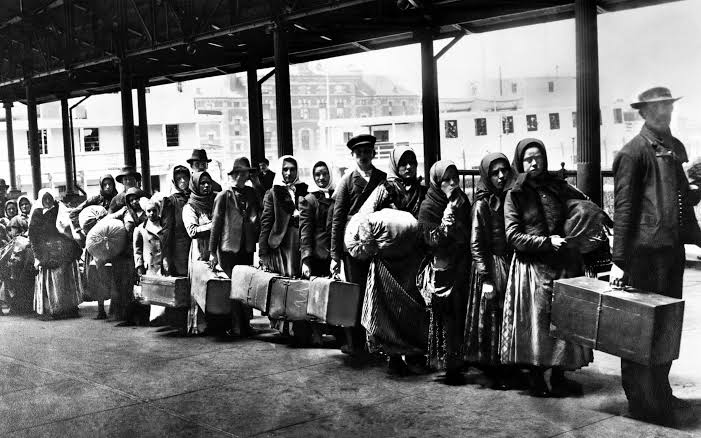
Why, according to Spencer, can government not “rightly do anything more than protect”?
Government intervention interferes with natural competition. He argued that governments should only protect life and property, allowing society to evolve naturally through completion and “survival of the fittest.”
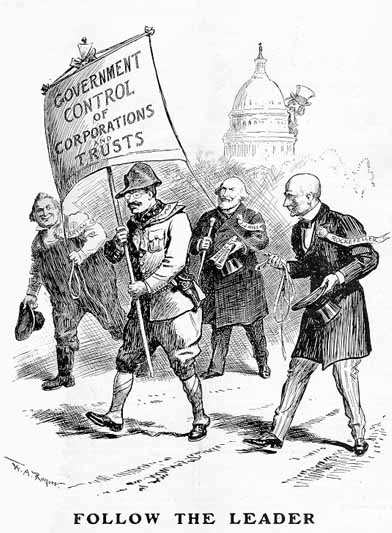
Summarize/ paraphrase the meaning of the last sentence: “Nevertheless, when regarded”
Spencer is saying that while helping the weak may seem morally good, it actually disrupts natural progress. He believes that allowing natural competition leads to a stronger and more efficient society overall.
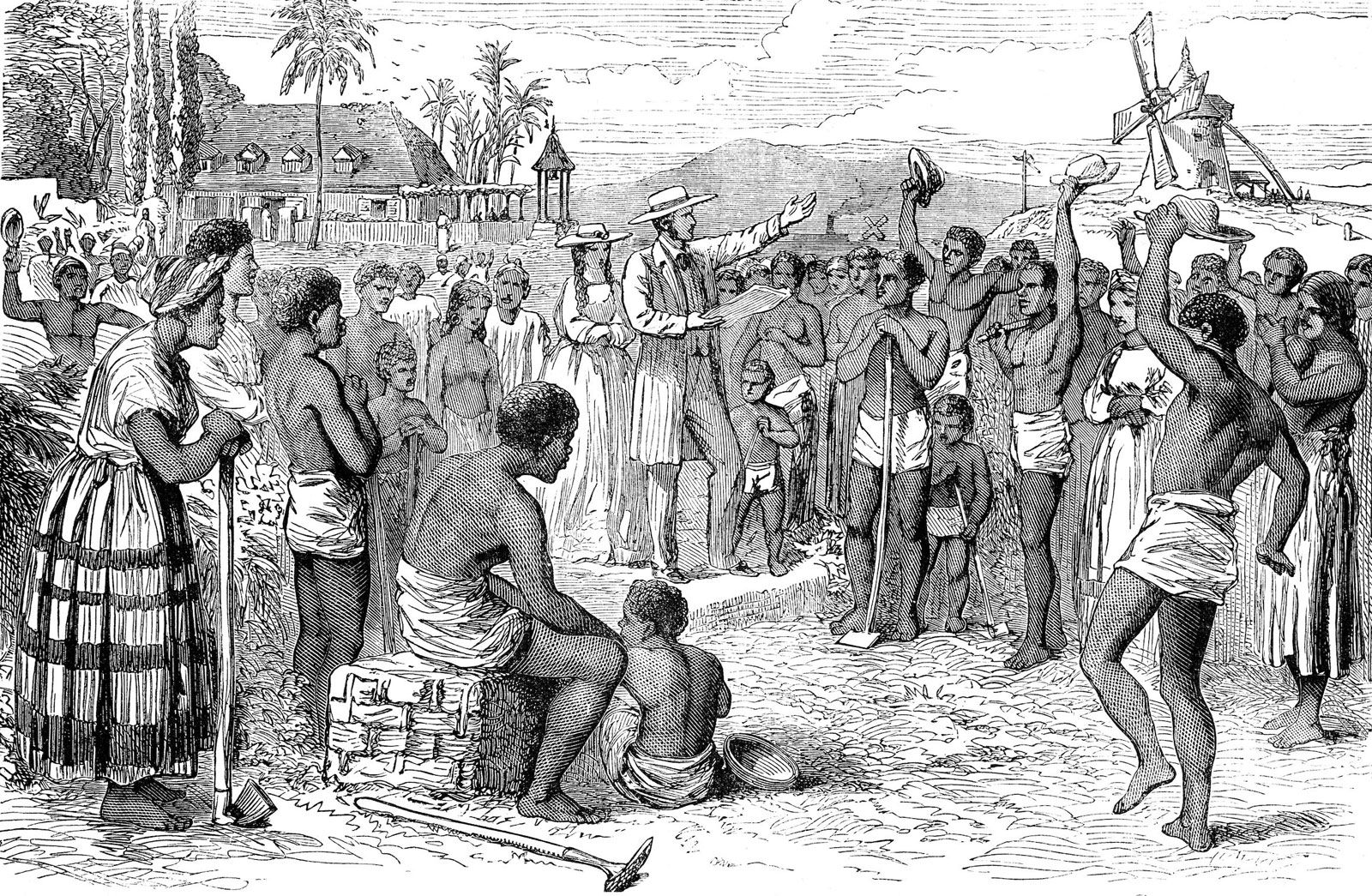
Abolitionist
An activist advocating for the complete eradication of slavery and emancipation of al enslaved individuals.
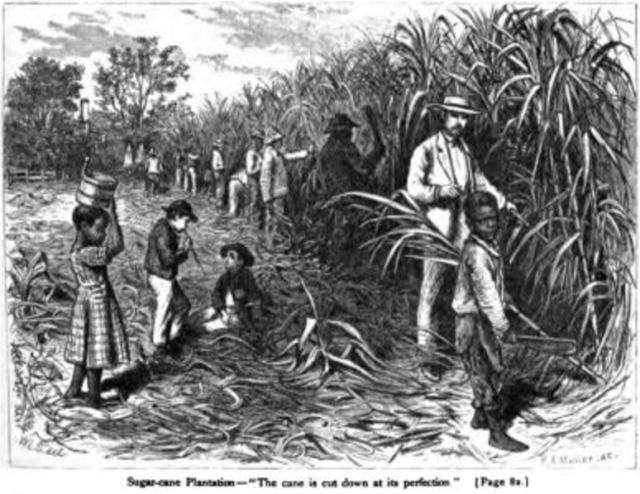
Sugarcane hazards
Physical risks such as cuts from sharp, burns from boiling vats, and infections from insects lodged in wounds.
Capitalist exploitation
A mode of production that maximizes planter wealth by extracting surplus value from permanently owned human workers.
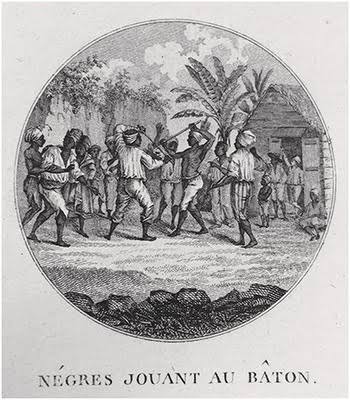
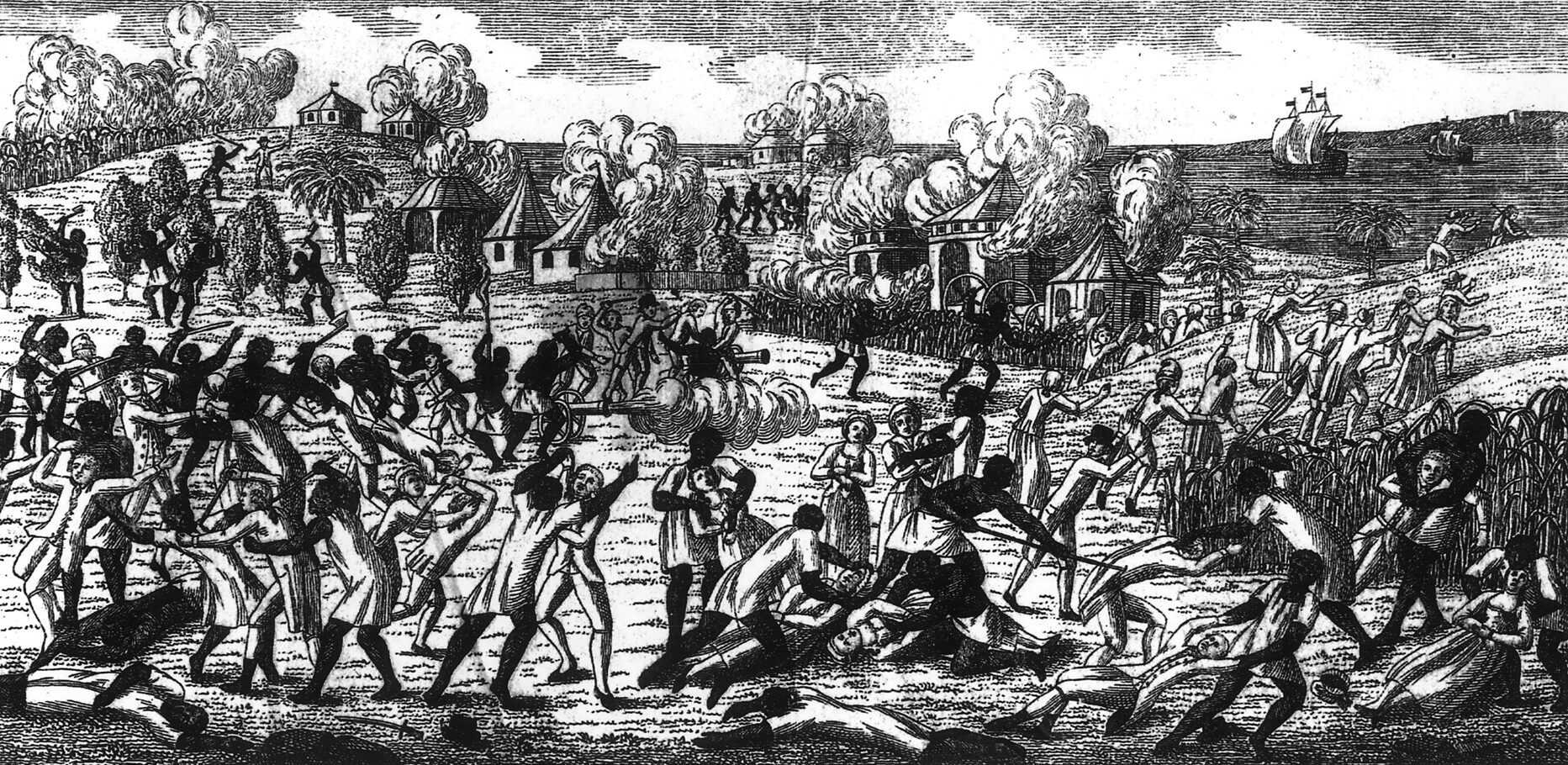
1794 slave revolt
A massive insurrection in Saint - Domingue that grew from roughly 1,000 participants to about 20,000, targeting plantation and colonial authorities.
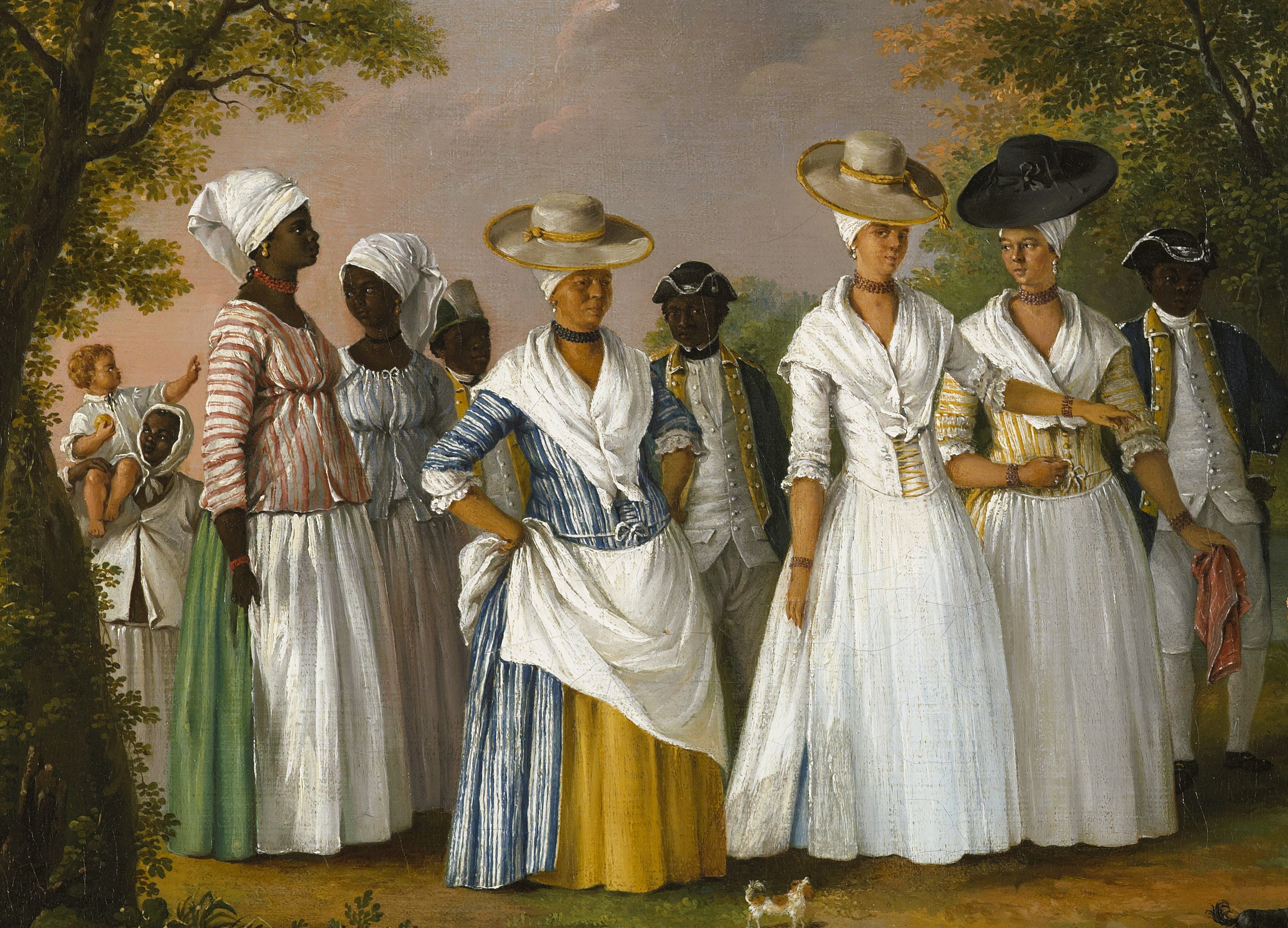
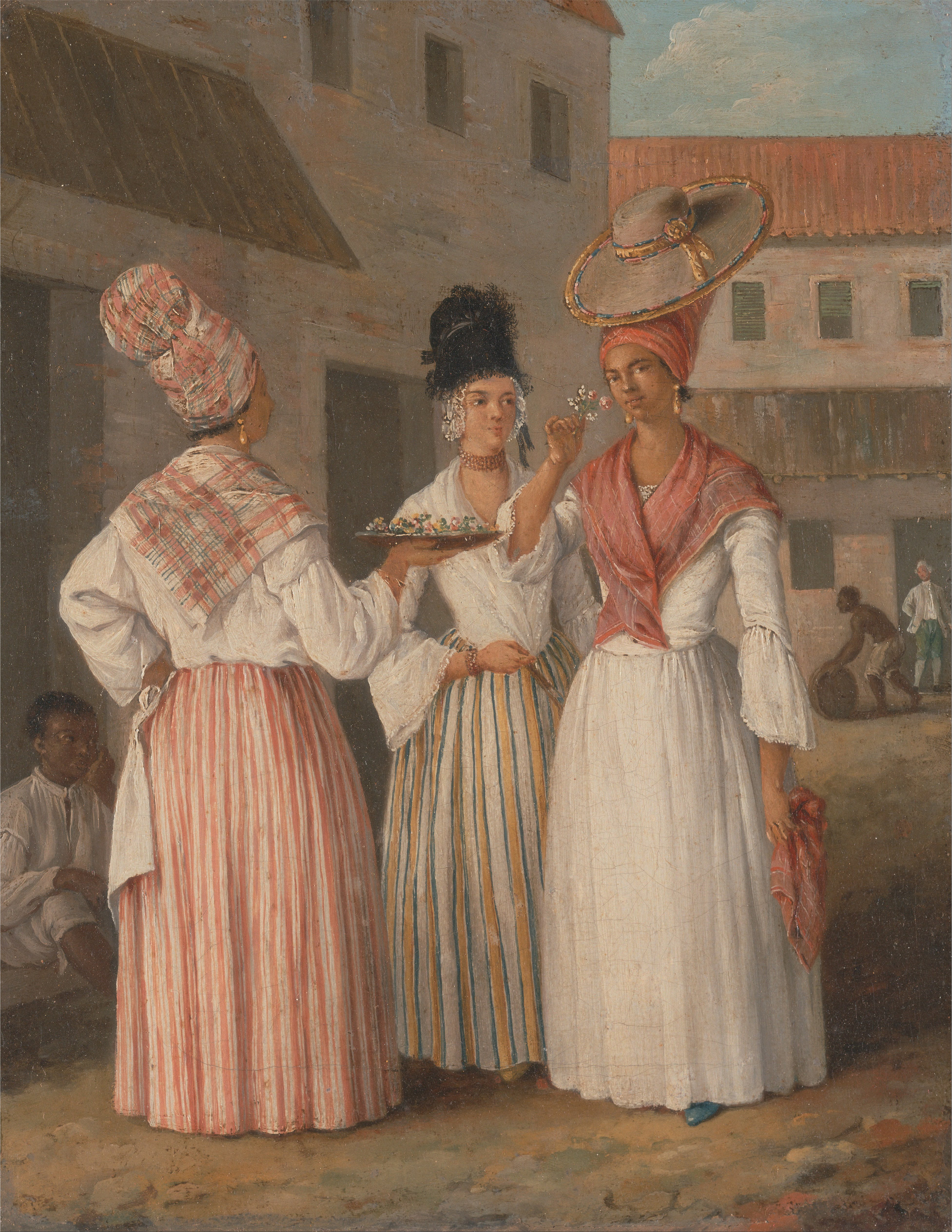
Free people of color (Affranchis)
Individuals of African descent who were legally free but faced restrictions on land ownership and political participation.
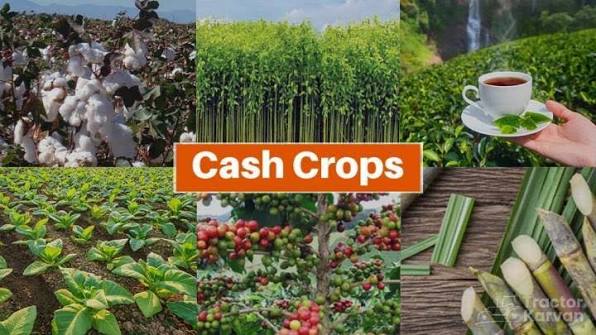
Cash crops
Agricultural products such as sugar cane and coffee that were grown primarily for export profit rather than local consumption.
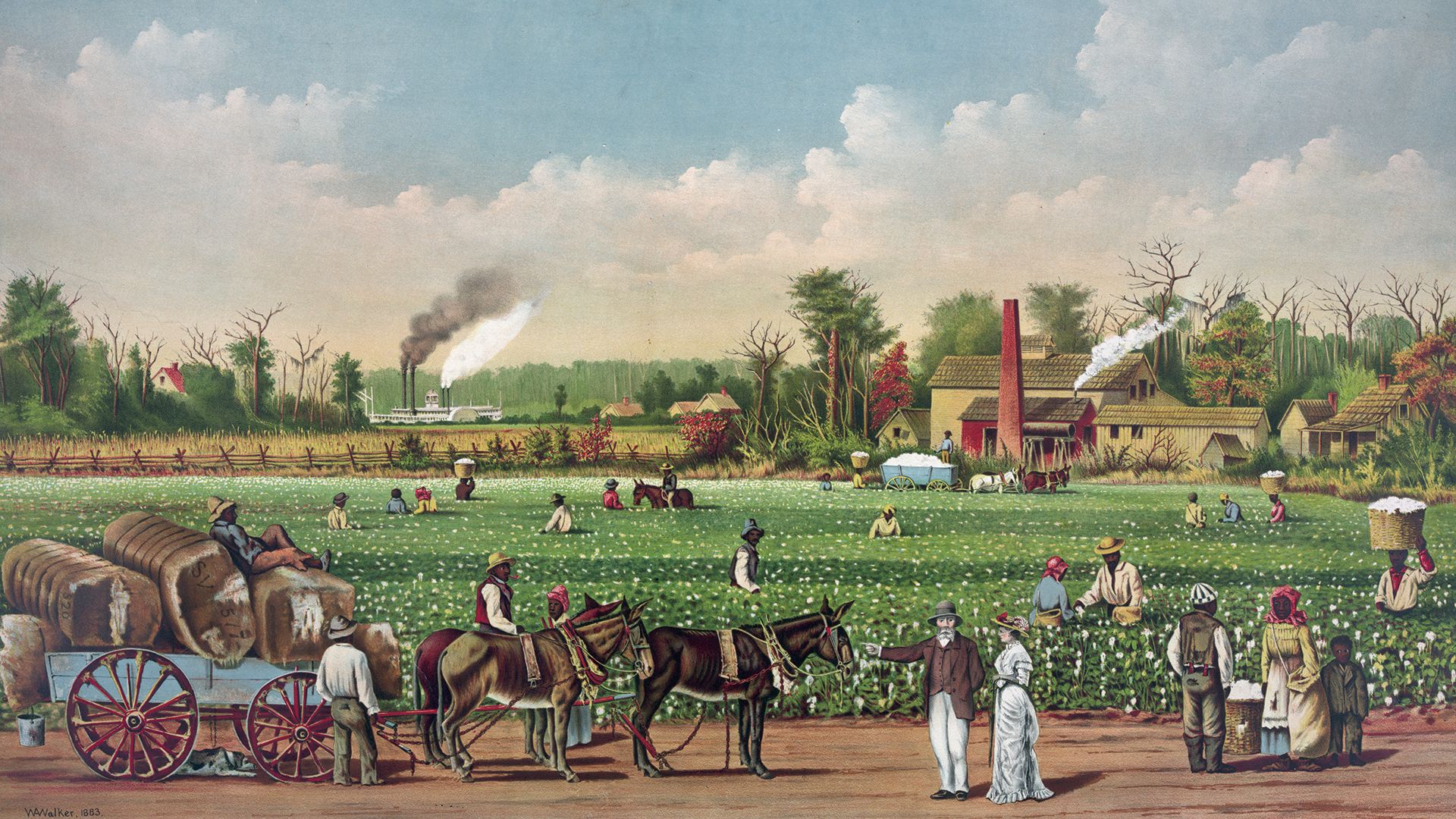
Plantation economy
An agricultural system reliant on large estates that produced export crops using coerced labor for high profit margins.
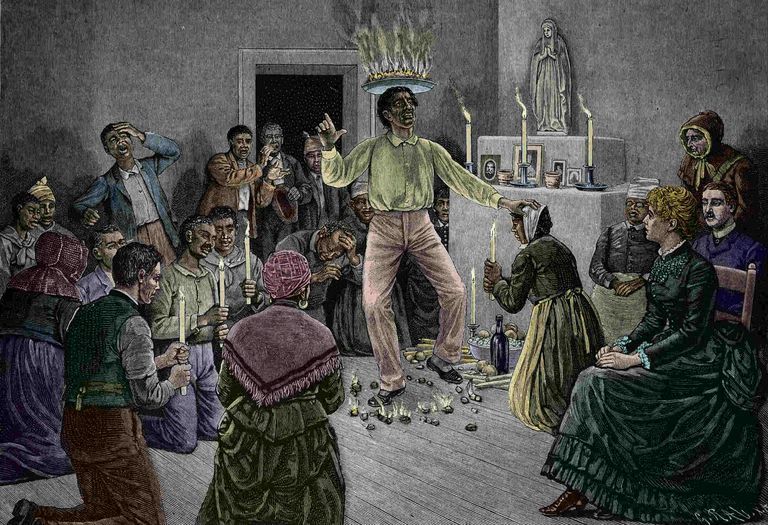
Voodoo syncretism
The blending of West African spiritual practices with Roman Catholic elements to form a unified religious system among the enslaved.
Quota system
Daily production targets enslaved laborers, enforced without legal protection and punishable by severe violence
Colorism
A hierarchy within a racial group that grants preferential treatment to lighter- skinned members.
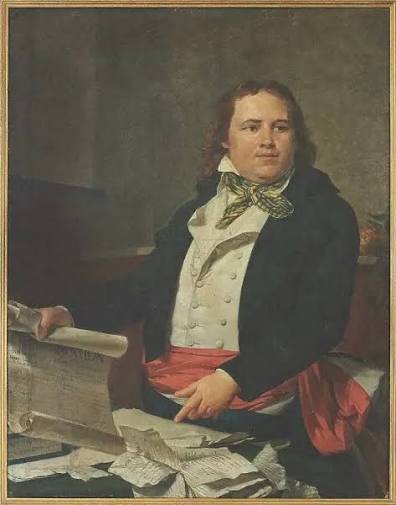
Léger- Félicité Saint - Honax
A radical French commissioner dispatched to Saint- Domingue in 1793 with a mandate to end slavery.
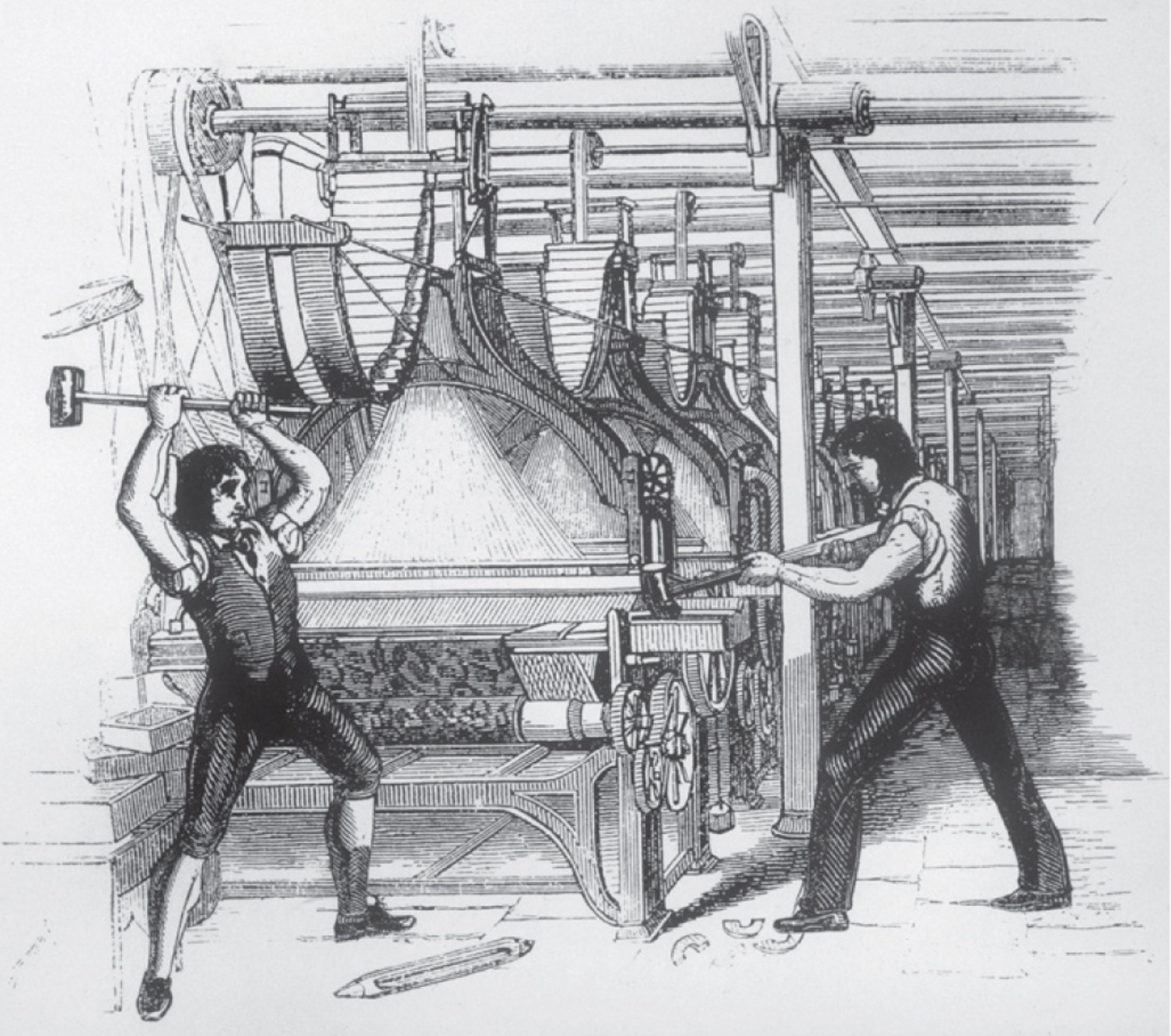
English Luddites
They revolted and broke the machines of the Industrial Revolution.
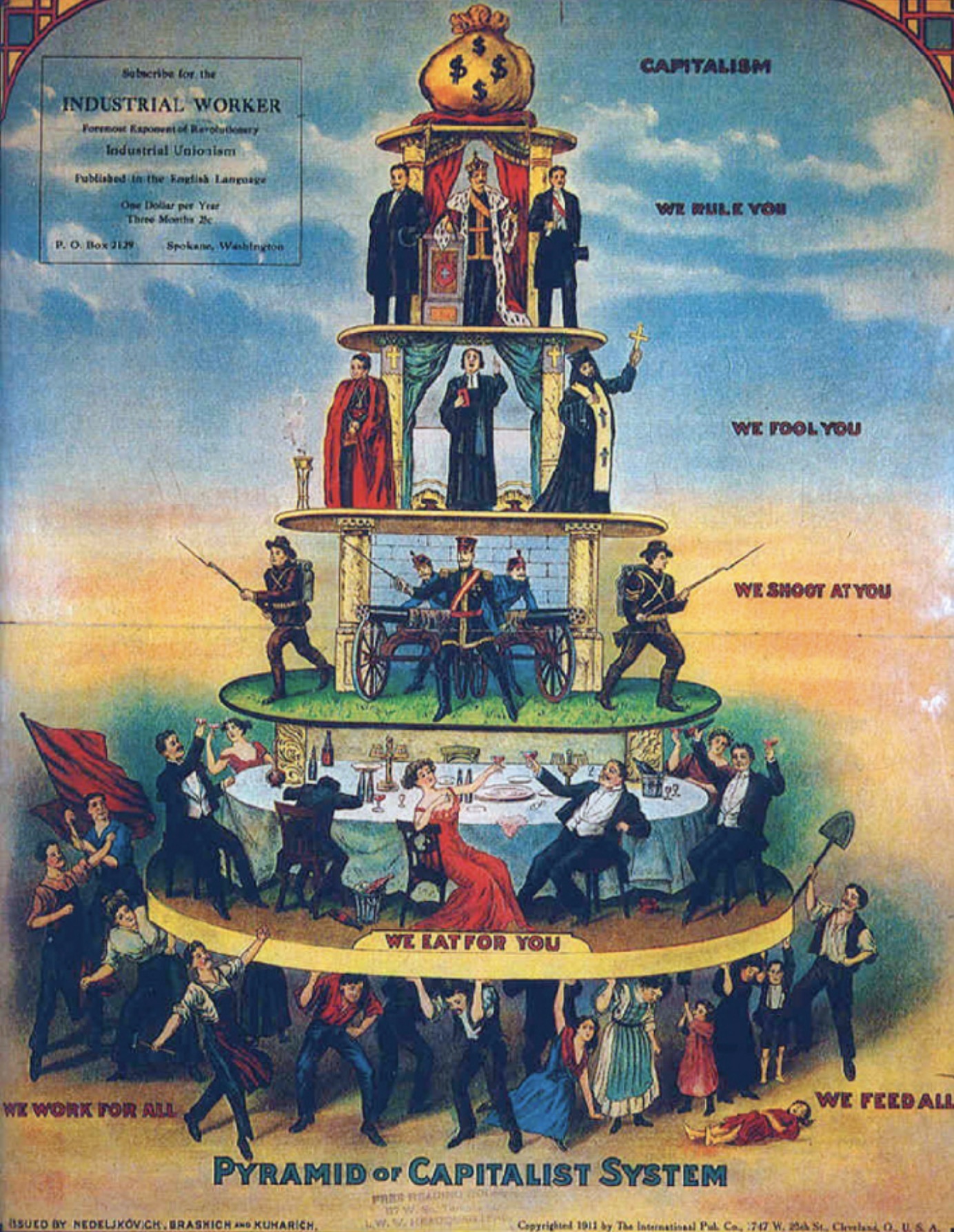
Pyramid of capitalist society
Hierarchy, working class at the bottom, highest on top.
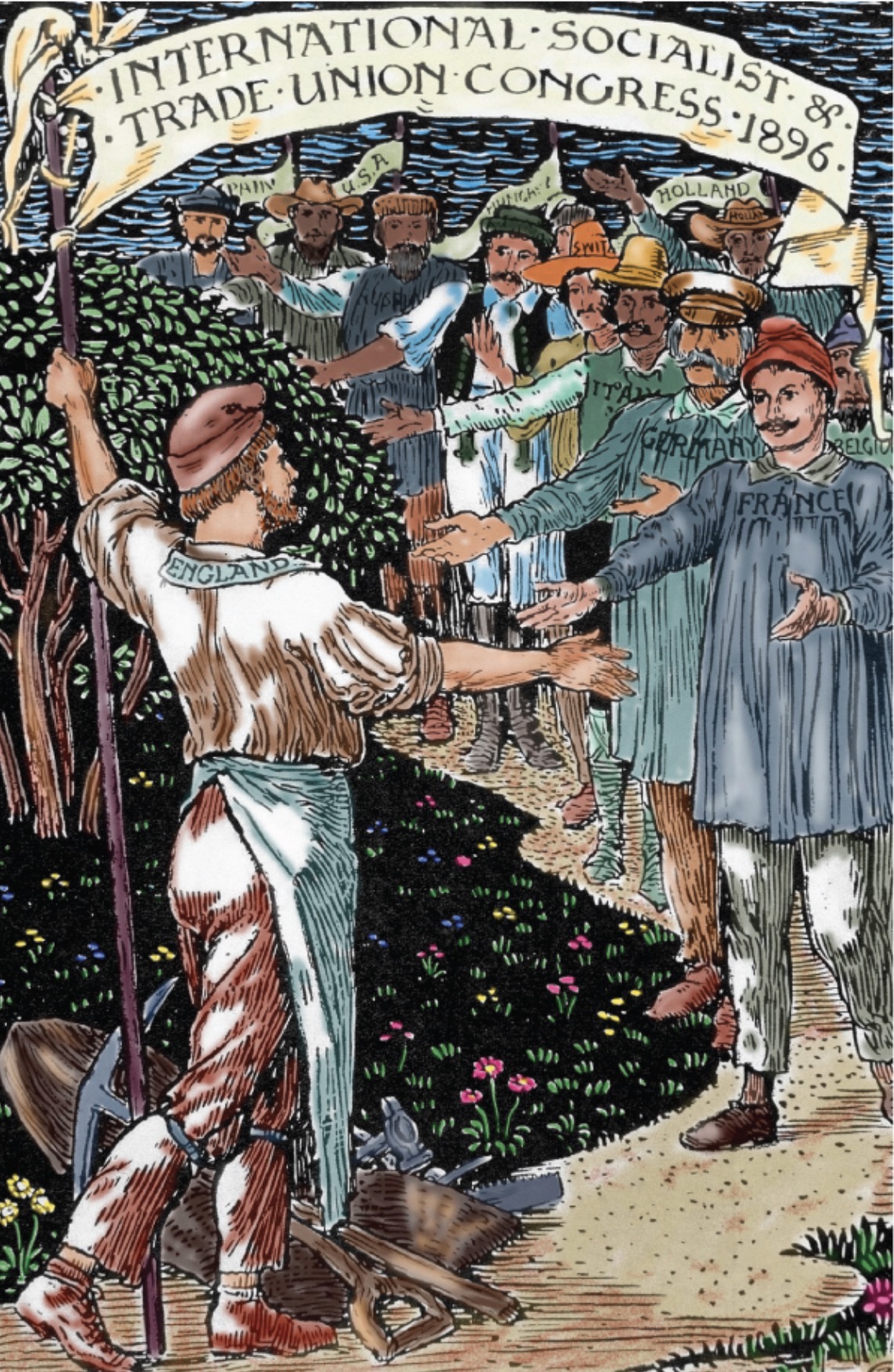
Socialism
People welcomed socialism and wanted their society to grow.
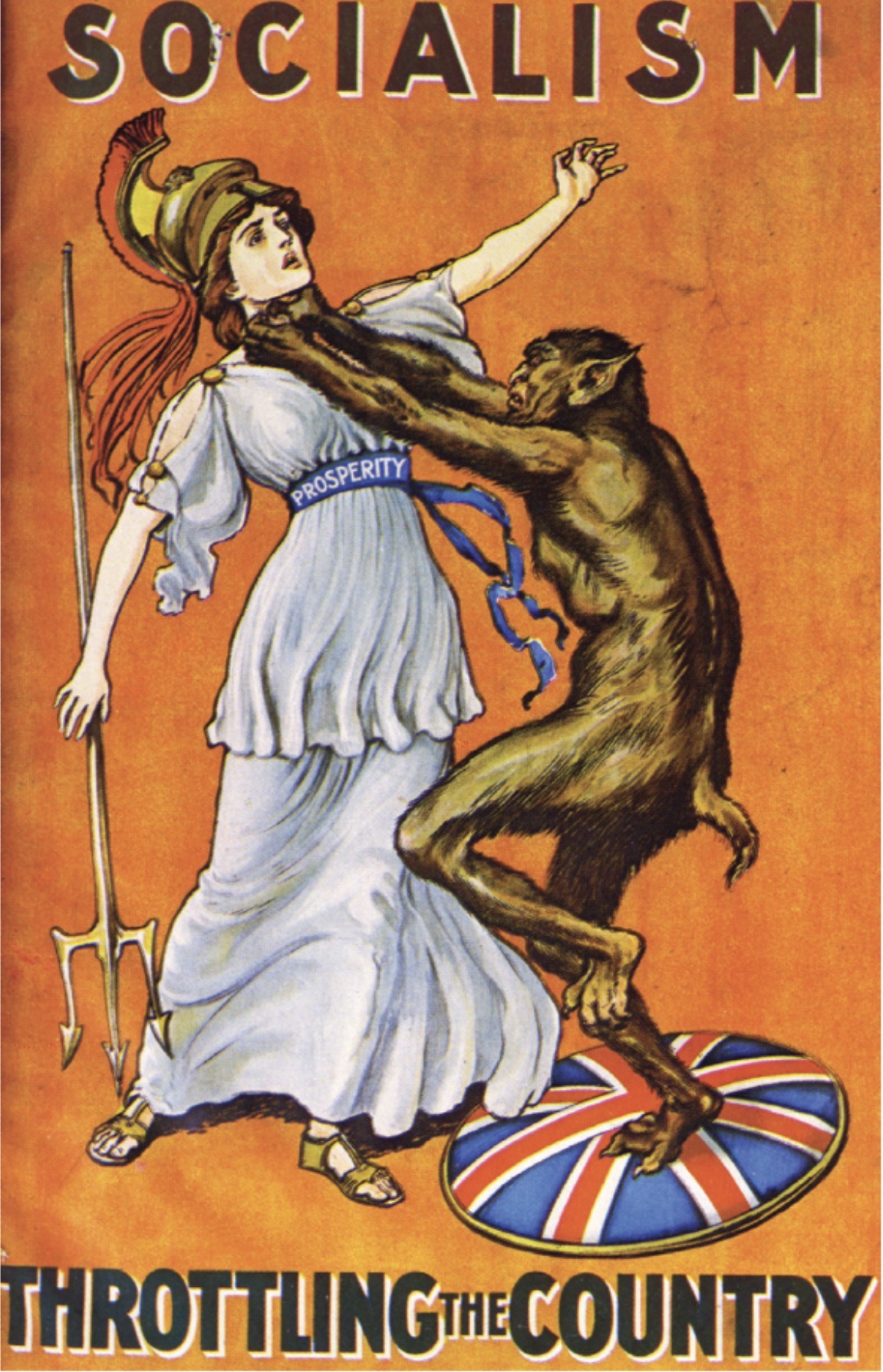
Socialism
How people hated Britain for bringing these ideas of machines and how it was changing society.