1.2 Science Safety
 Certain options have been disabled. Please contact your teacher if you need access to these modes.
 Call Kai
 Learn
Learn Practice Test
 Spaced Repetition
 Match
Match Flashcards
 Podcast
1/31

There's no tags or description
Looks like no tags are added yet.
Name | Mastery | Learn | Test | Matching | Spaced | Call with Kai | Chat |
|---|

32 Terms
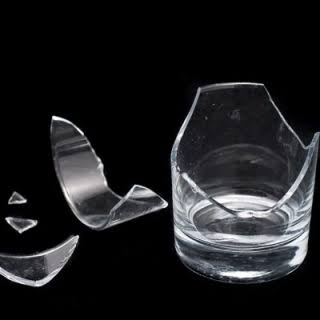
Broken Glass
Never pick up with bare hands or discard it in a regular trash can; use proper tools and containers.

Hazard Symbol with an Animal on it
Indicates procedures involving live or preserved organisms that require caution to prevent harm to animals and students.
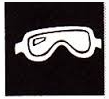
Hazard Symbol with Safety Goggles/Glasses on it
Warns that approved protective eyewear (goggles or safety glasses) must be worn to shield eyes from chemicals, heat, or flying objects.
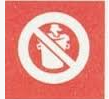
Hazard Symbol with a Trash Can on it
Signals special disposal procedures for chemicals, biological specimens, or glass to protect people and the environment.

Hazard Symbol with Gasses rising from a Test Tube on it
Alerts you to use a fume hood or work in a well-ventilated area when handling substances that release dangerous vapors.
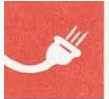
Hazard Symbol with an Electrical Plug on it
Marks activities involving electrical equipment where shock or fire hazards exist; check cords and keep dry.
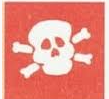
Hazard Symbol with a Skull and Crossbones on it
Denotes poisonous substances; avoid inhaling, ingesting, or skin contact and follow strict handling rules.
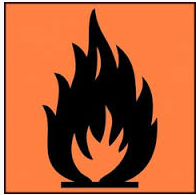
Hazard Symbol with Flames on it
Shows that an open flame is present; keep flammables away and secure loose items like hair or clothing.
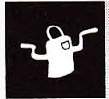
Hazard Symbol with an Apron on it
Indicates a need for lab coats or aprons to shield skin and clothes from chemicals or heat.
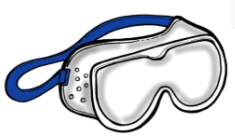
Safety Goggles
Approved eye-protection devices worn any time glassware, chemicals, heat, or possible flying objects are used. They protect against splashes and debris. Also called PPE (Personal Protective Equipment).

Unauthorized Experiments
Any procedure not approved by the instructor; NEVER allowed for safety reasons.
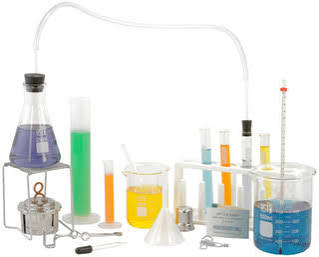
Lab Materials
Must stay in the science classroom and/or supply room. Never take chemicals or equipment out of the laboratory without specific teacher permission.
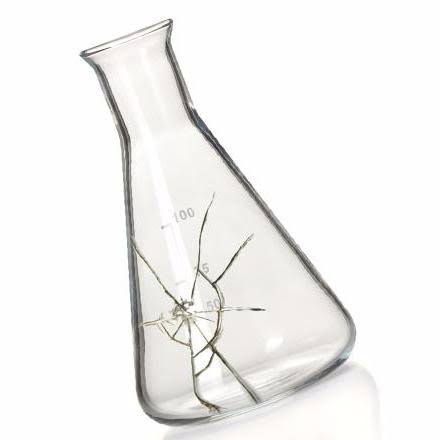
Chipped or Cracked Glassware
Defective glassware must not be used; it can break easily and cause injuries.

Horseplay in the Lab
Running, jokes, or practical pranks are always against the rules and create dangerous conditions.
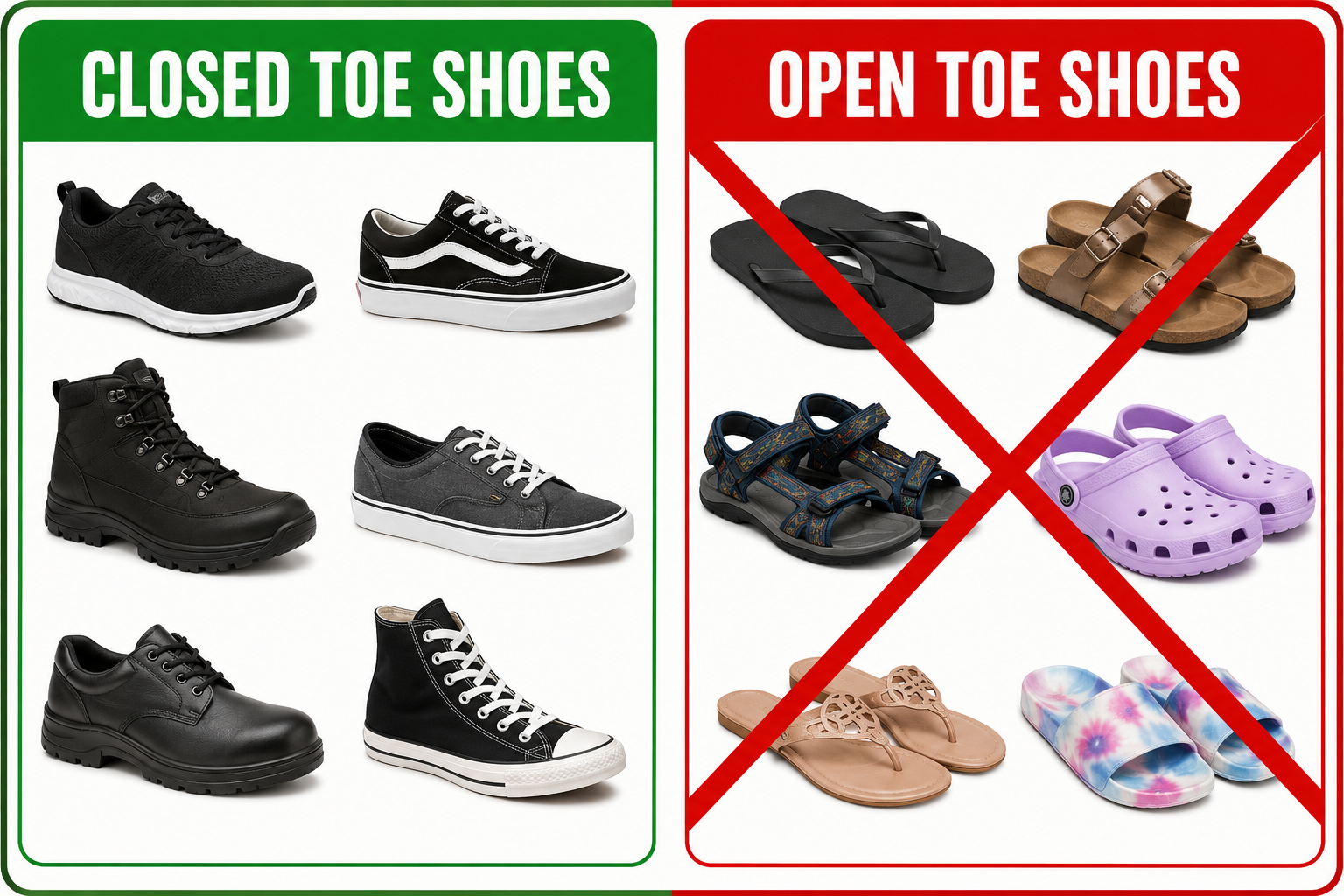
Proper Lab Footwear
Closed-toed shoes protect feet from spills and dropped objects; sandals or open shoes, including Crocs, are unsafe and should never be worn during lab.
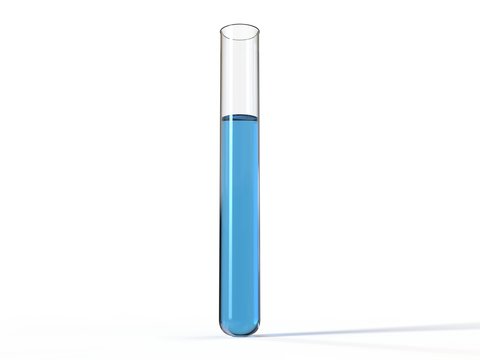
Test Tube
Always point the open end of a test tube away from yourself and others to prevent burns or splashes, especially when heating the test tube.
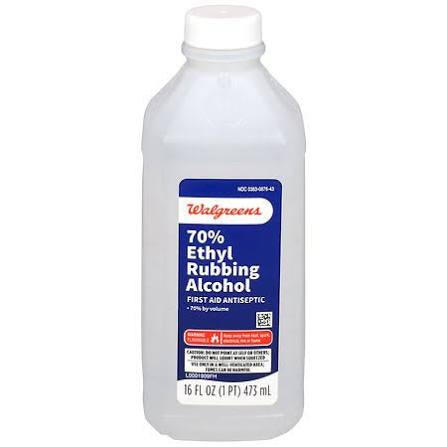
Flammable Material
Keep flammable liquids like alcohol and other flammable materials far from open flames or sparks to avoid fires.
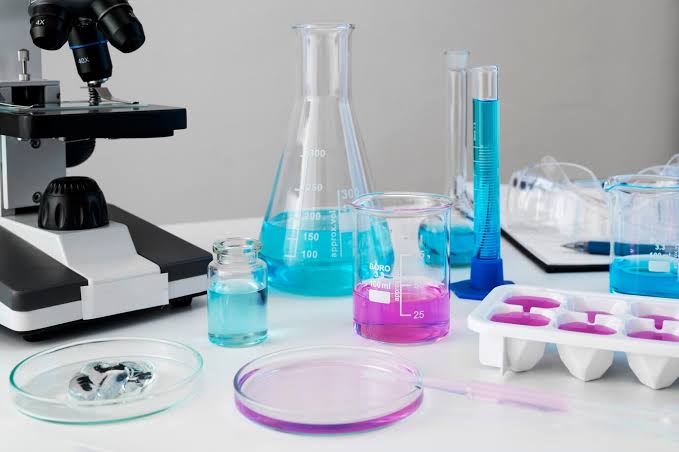
Incomplete Experiment
If you cannot finish a lab, discuss options with the teacher—never work alone or after hours.
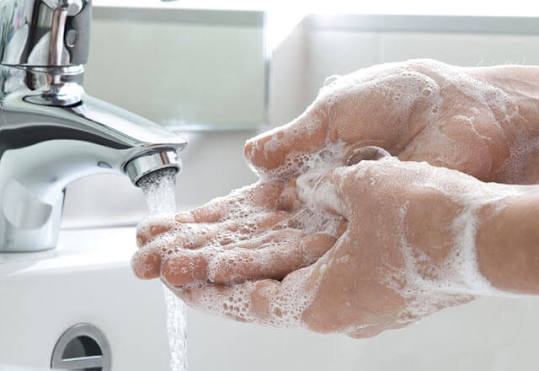
Hand Washing
Use soap and water to wash hands after handling chemicals, specimens, or lab equipment. Hands MUST be washed before leaving my the science classroom after a lab.
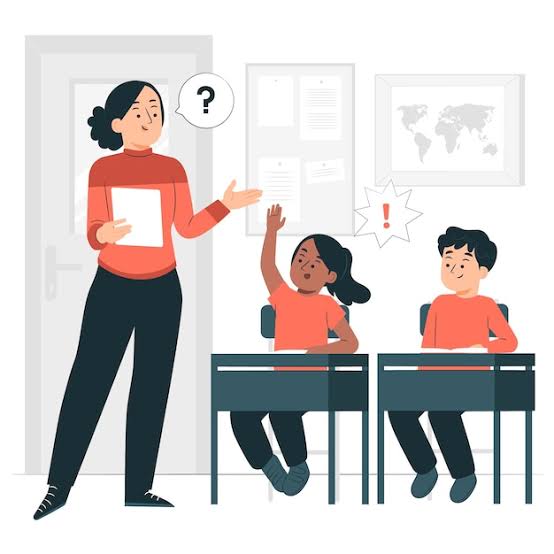
Clarifying Procedures
Ask the teacher for guidance whenever instructions are unclear BEFORE continuing the experiment.
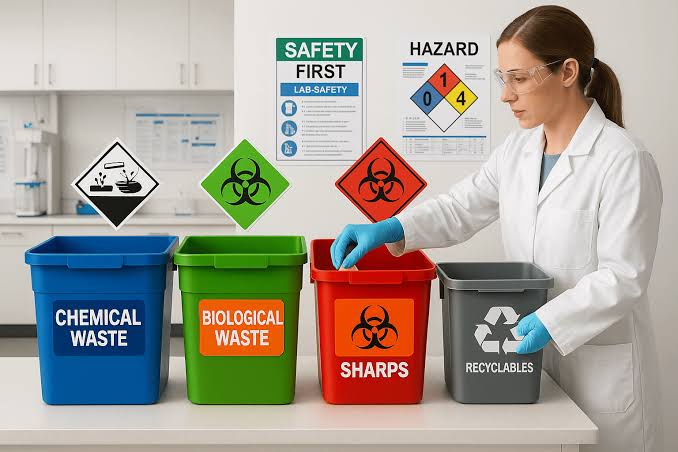
Chemical Waste
Dispose of all chemicals according to teacher directions; never pour into sinks or trash unless instructed to do so.
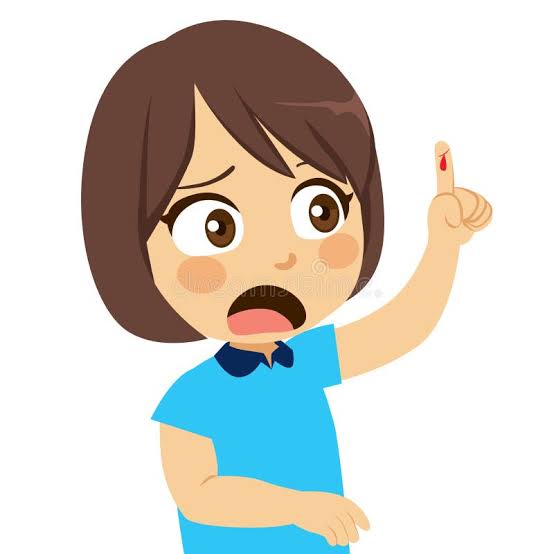
Injuries
Immediately inform the teacher of any cut, burn, or other injury; do not hide or self-treat without guidance.
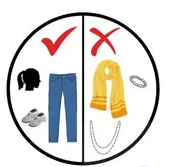
Clothing and Jewelry
Loose clothing, dangling jewelry, and sandals should not be worn during laboratory activities due to snag, spill, and burn hazards.
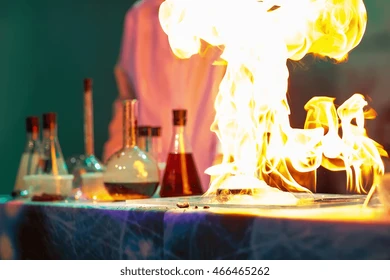
Fire in Lab
Tell the teacher about any emergency, including fires, so that proper safety protocols can be followed and they can take appropriate action, whether it's using a fire extinguisher or initiating an evacuation
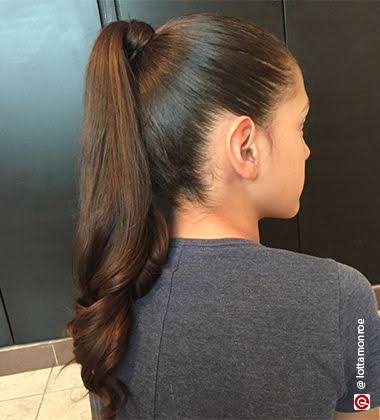
Long Hair
Must be tied back to prevent it from catching fire, getting into or knocking over chemicals or getting caught in equipment.
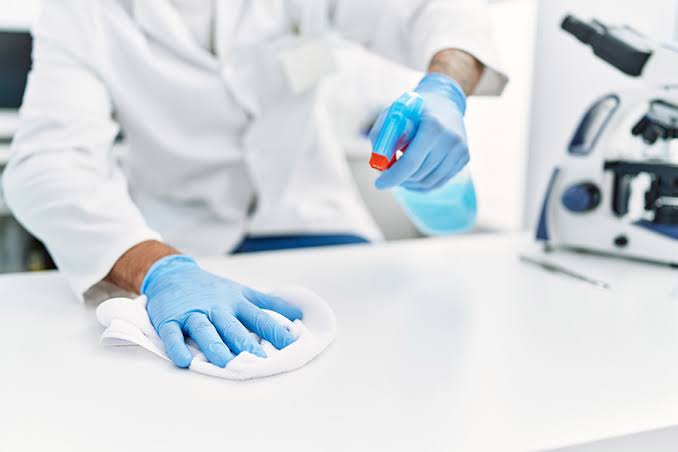
End of Lab
ALWAYS completely clean up your space. A pass to your next class can be written if you need more time than is allotted by the bell.
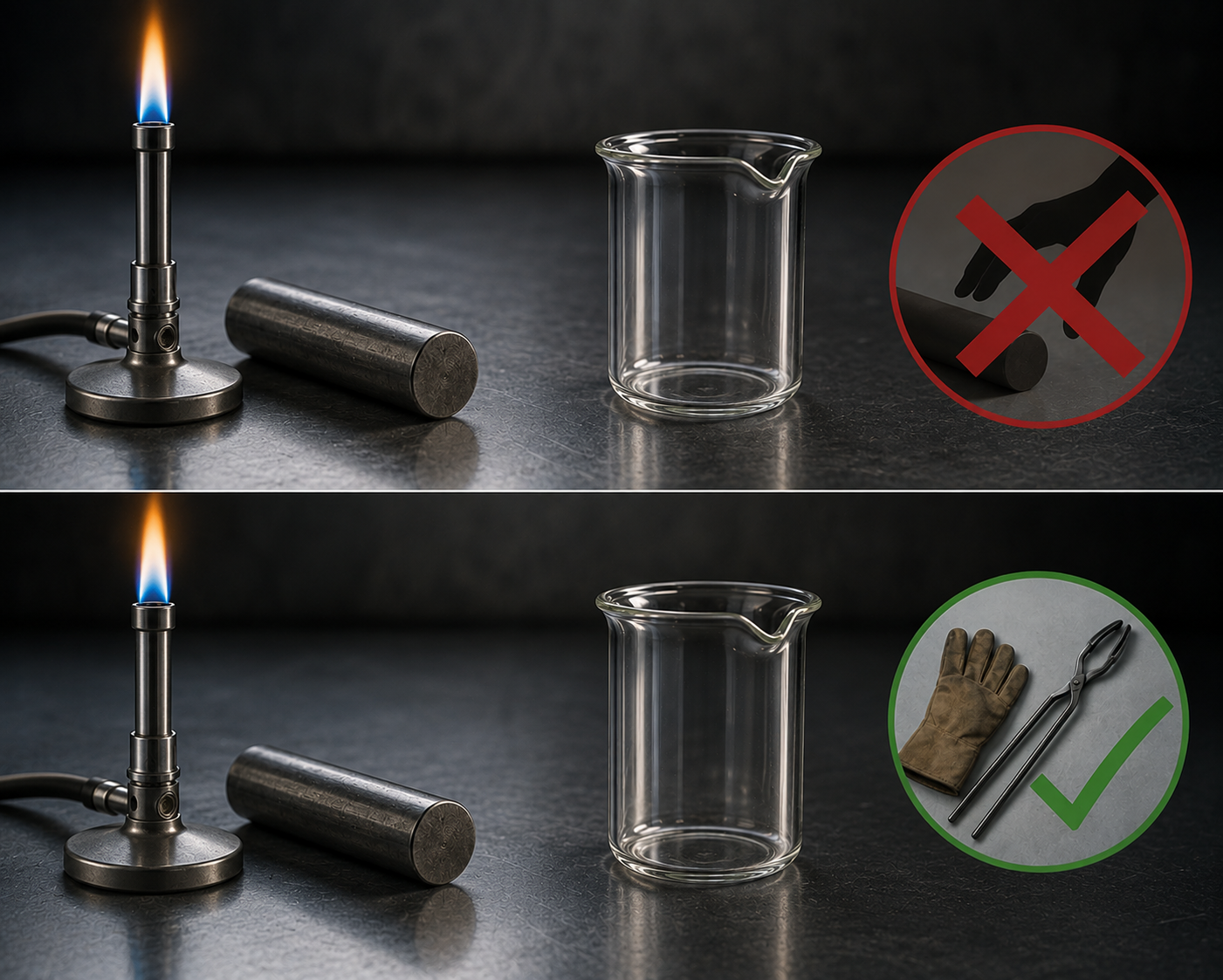
Glass and Metal
Hot looks the same as cold. When heat is involved, assume everything is hot and only handle using proper materials.
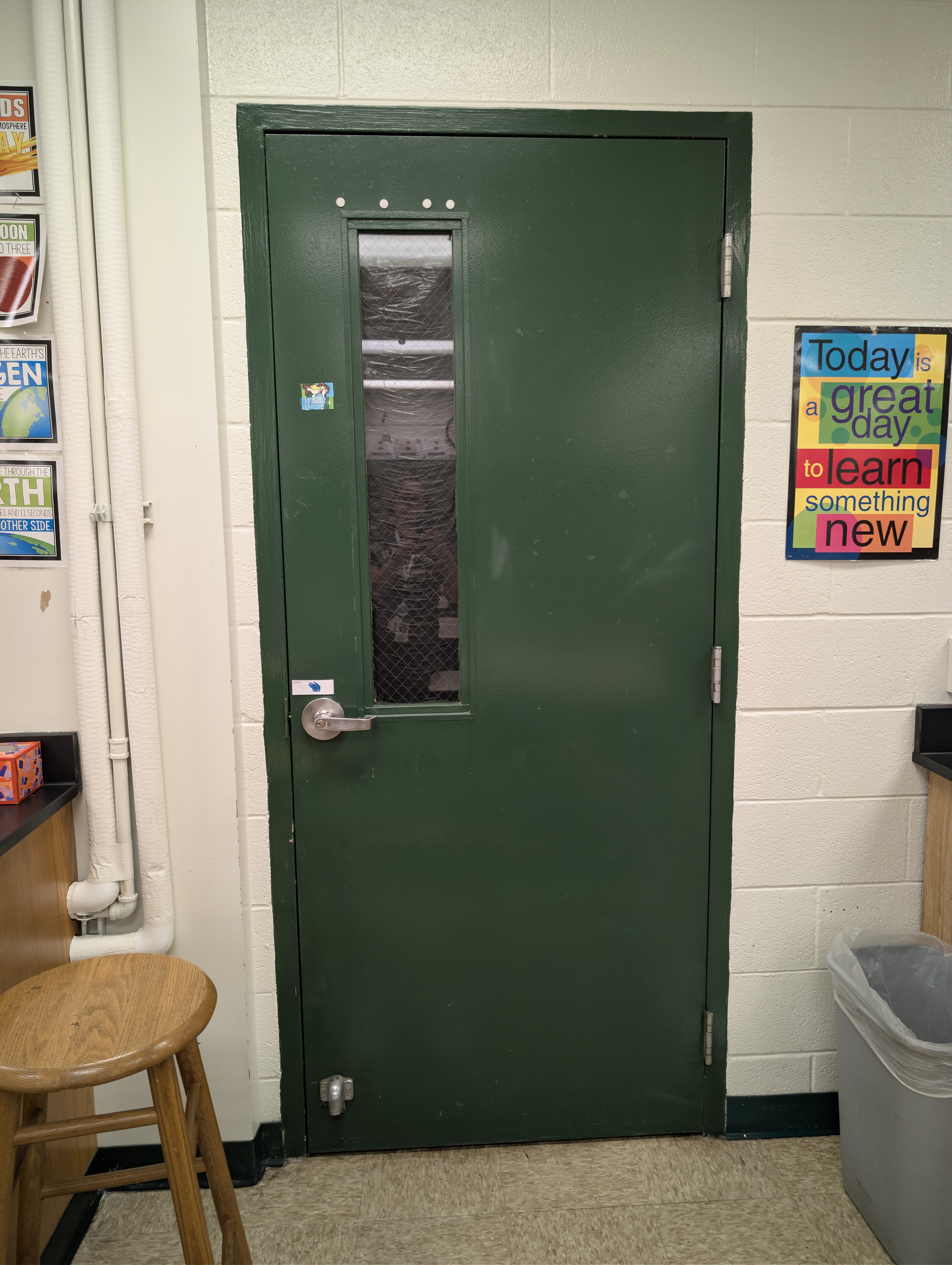
Supply Room
Off limits to students at all times. Where most science supplies are stored.
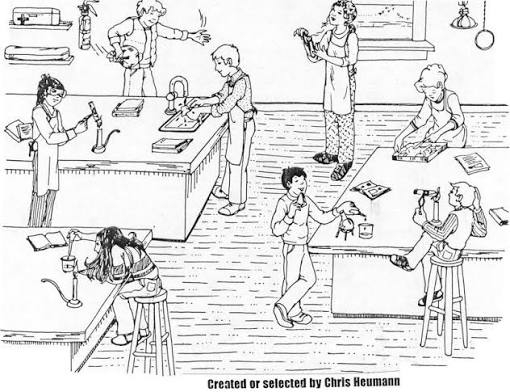
Lab Safety
Guidelines to ensure a safe lab environment, focusing on equipment handling, protective gear, and emergency protocols.
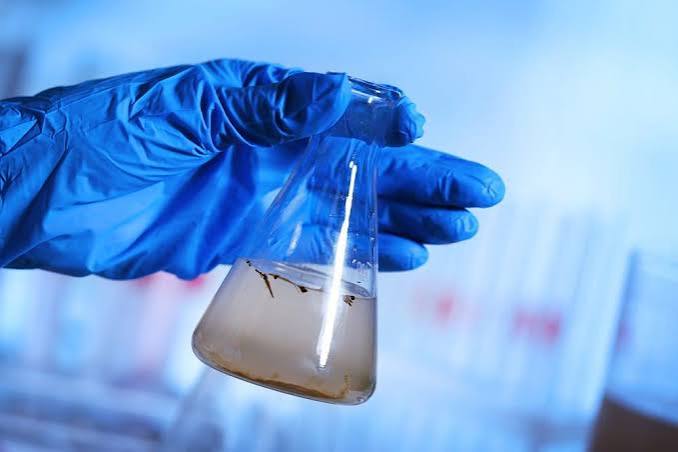
Contamination
Introduction of impurities into a chemical environment, compromising experiments or results.
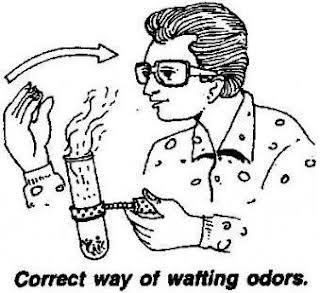
Waft
A method used to gently move air towards the nose to smell chemicals safely, avoiding direct inhalation.
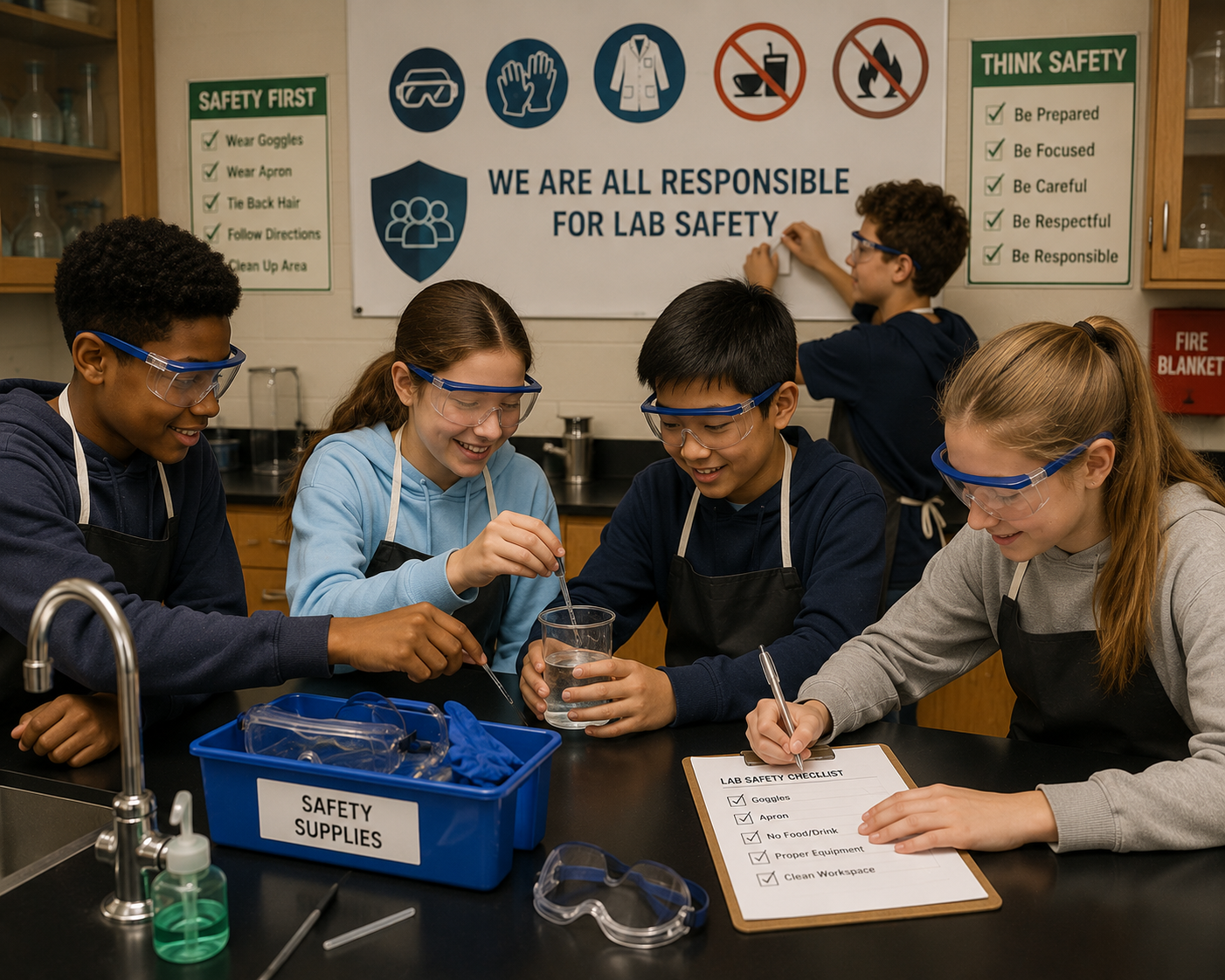
Responsibility
A duty to ensure safety and proper conduct in the laboratory, including following protocols and taking care of equipment. Everyone is responsible for lab safety.