Bennett Biology - Evolution 2
 Call Kai
 Learn
Learn Practice Test
 Spaced Repetition
 Match
Match Flashcards
1/22

There's no tags or description
Looks like no tags are added yet.
Name | Mastery | Learn | Test | Matching | Spaced | Call with Kai | Chat |
|---|
No analytics yet
Send a link to your students to track their progress
23 Terms
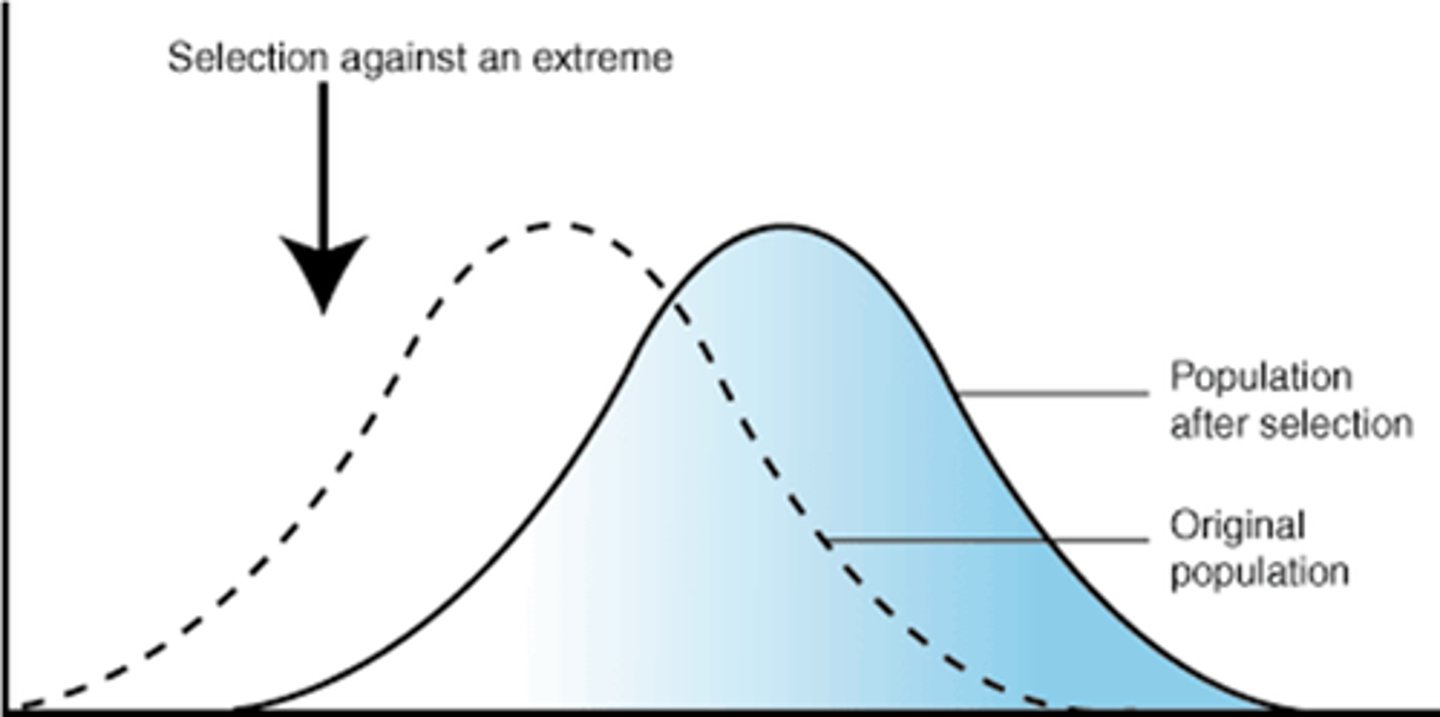
directional selection
A form of natural selection in which the entire curve moves; occurs when individuals at one end of a distribution curve have higher fitness than individuals in the middle or at the other end of the curve.
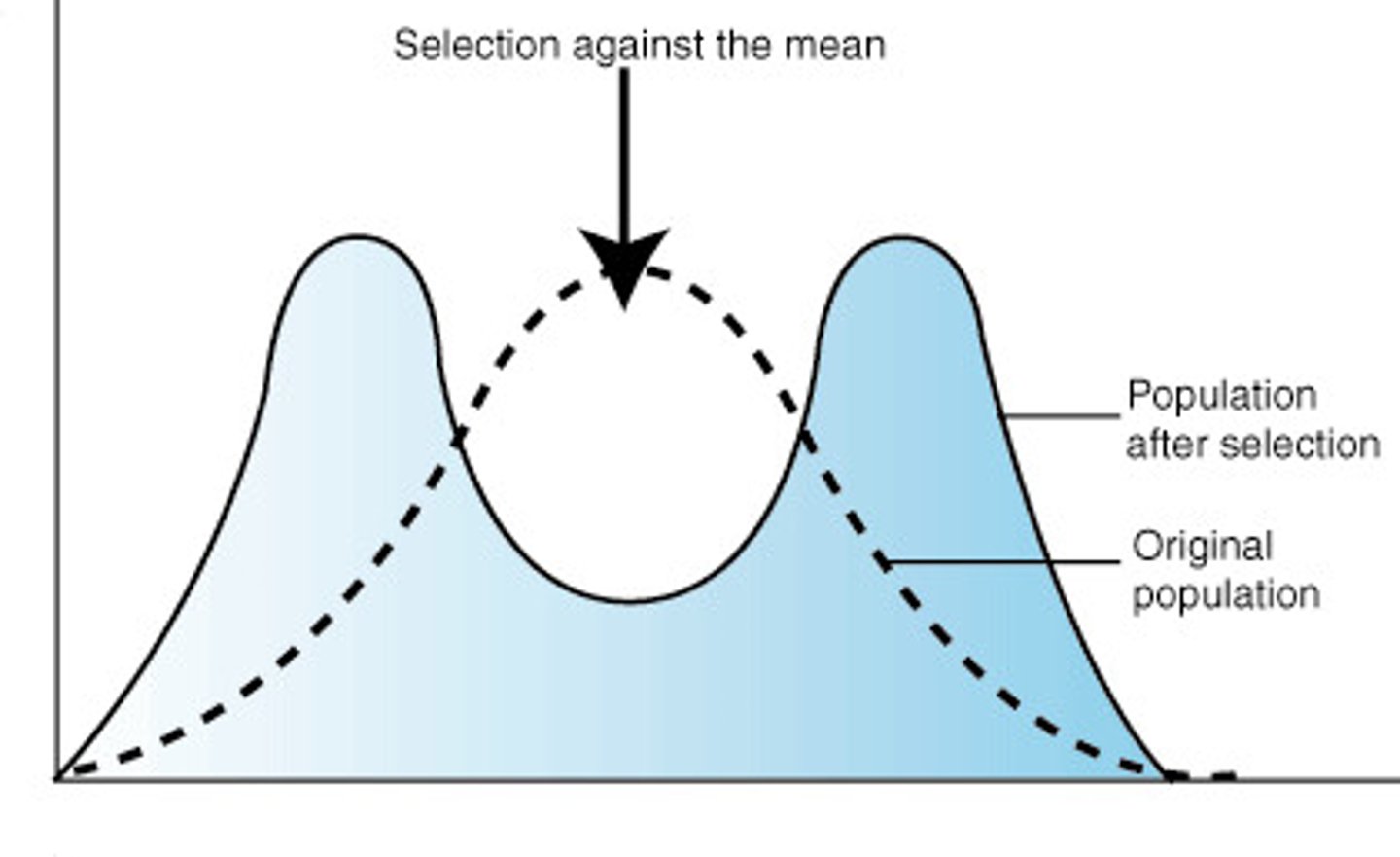
disruptive selection
A form of natural selection in which a single curve splits into two; occurs when individuals at the upper and lower ends of a distribution curve have higher fitness than individuals near the middle.
fitness
Ability of an organism to survive and reproduce in its environment.
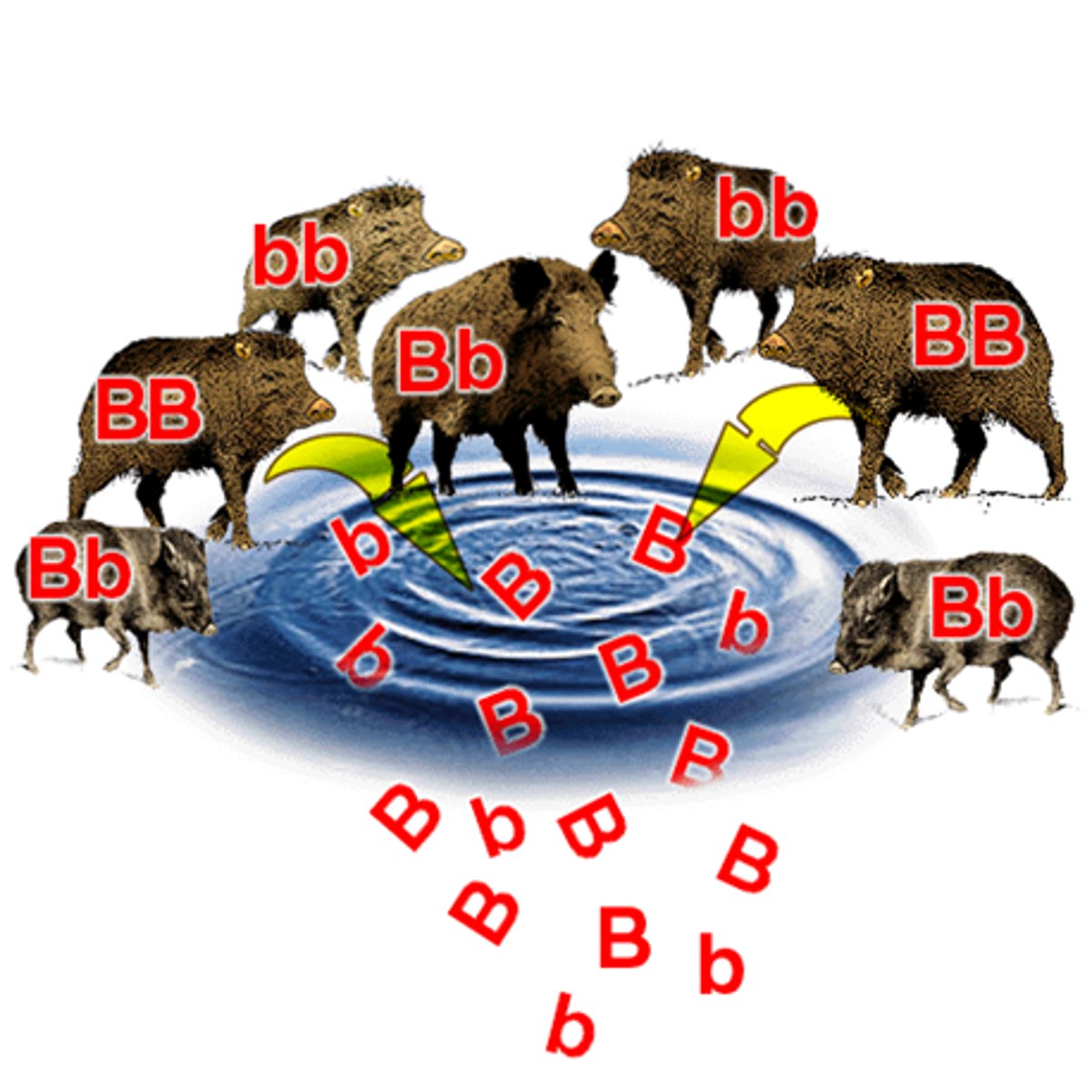
gene pool
The set of all genes, or genetic information, in any population, usually of a particular species.
polygenic trait
Trait controlled by two or more genes (ex: height of humans)
relative allele frequency
Number of times an allele occurs in a gene pool compared with the number of times other alleles occur.
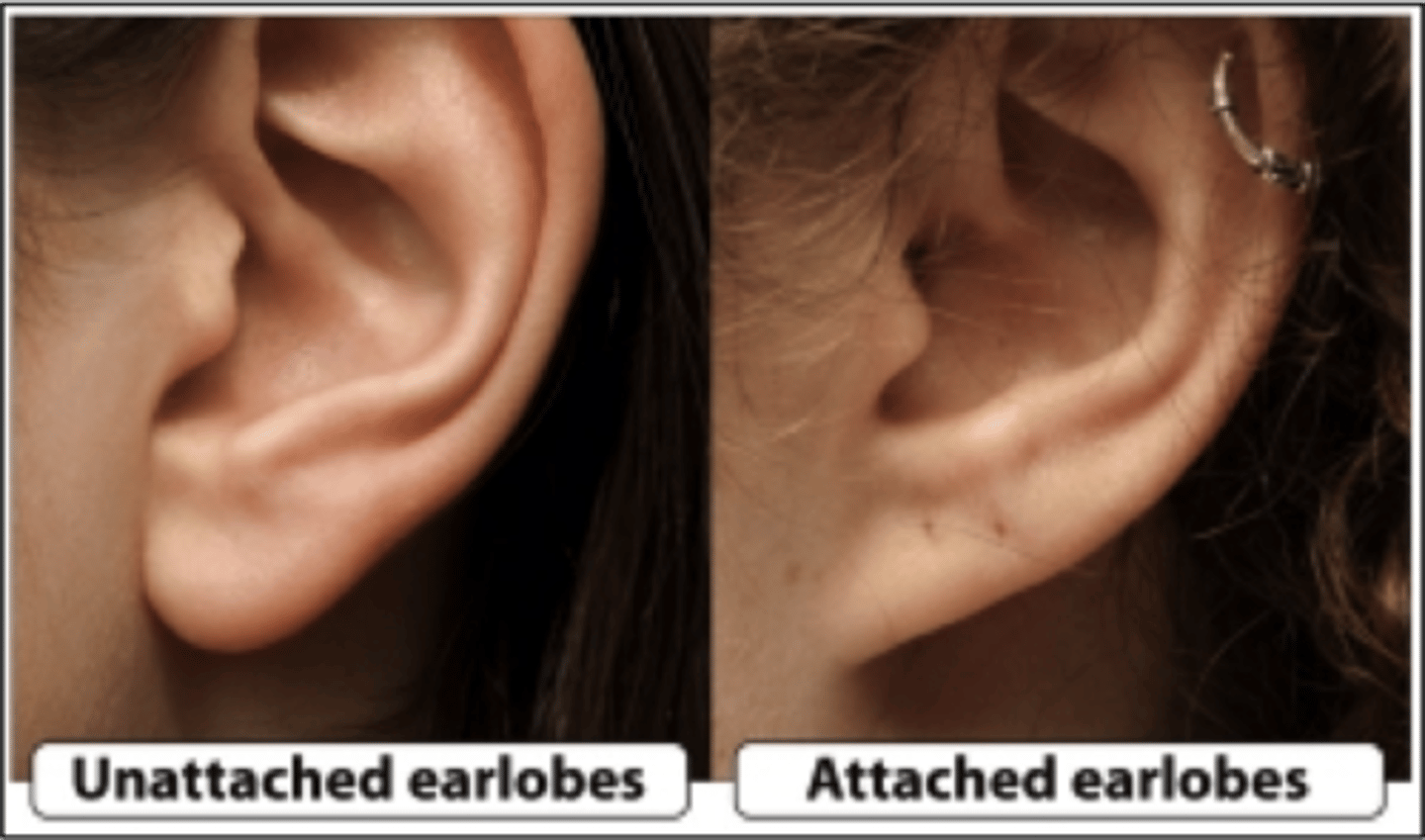
single-gene trait
Trait controlled by a single gene (ex: attached or unattached earlobes).
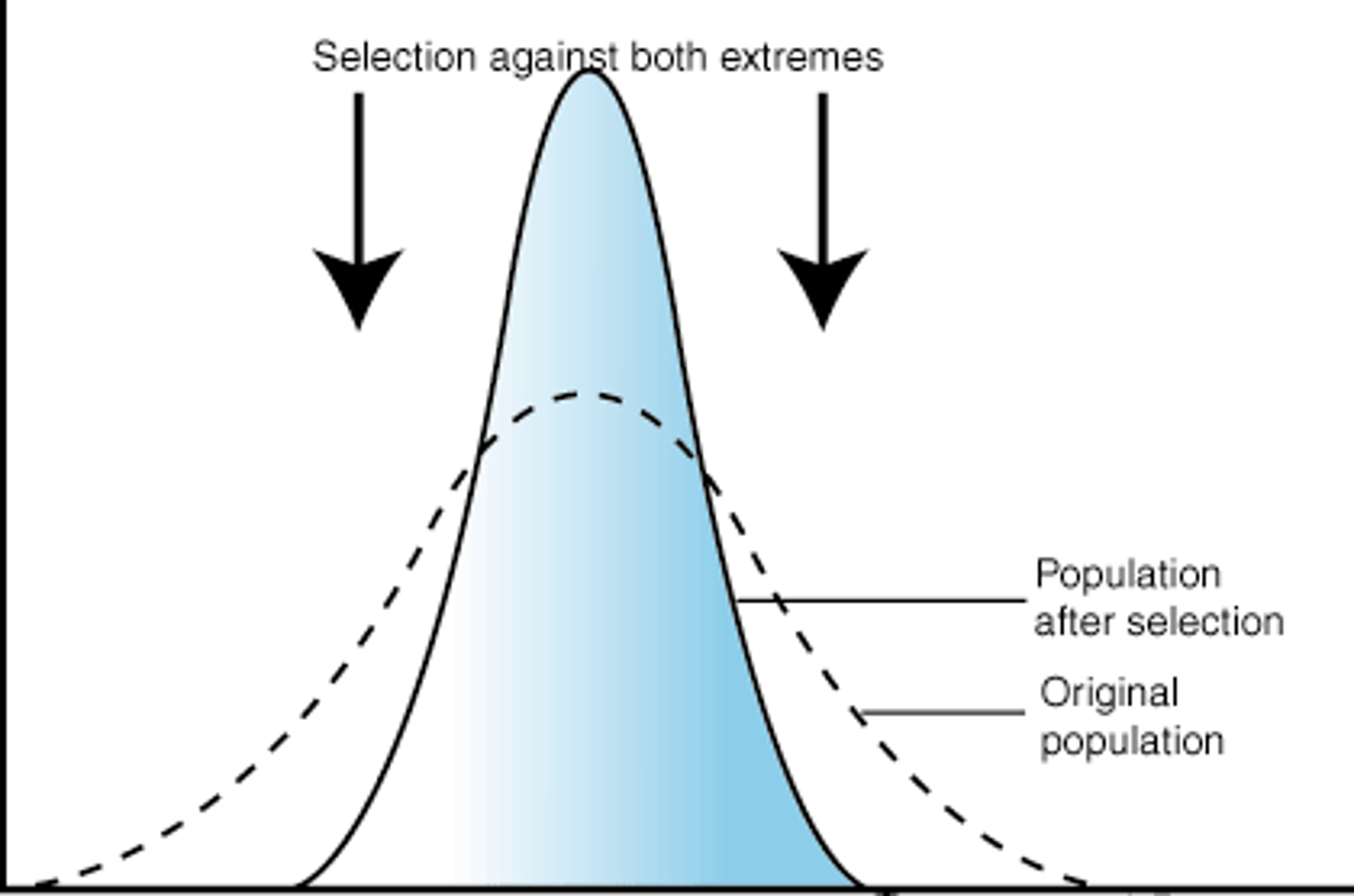
stabilizing selection
A form of natural selection by which the center of the curve remains in its current position; occurs when individuals near the center of a distribution curve have higher fitness than individuals at either end.
reproductive isolation
The inability of a species to breed successfully with related species due to geographical, behavioral, physiological, or genetic barriers or differences.
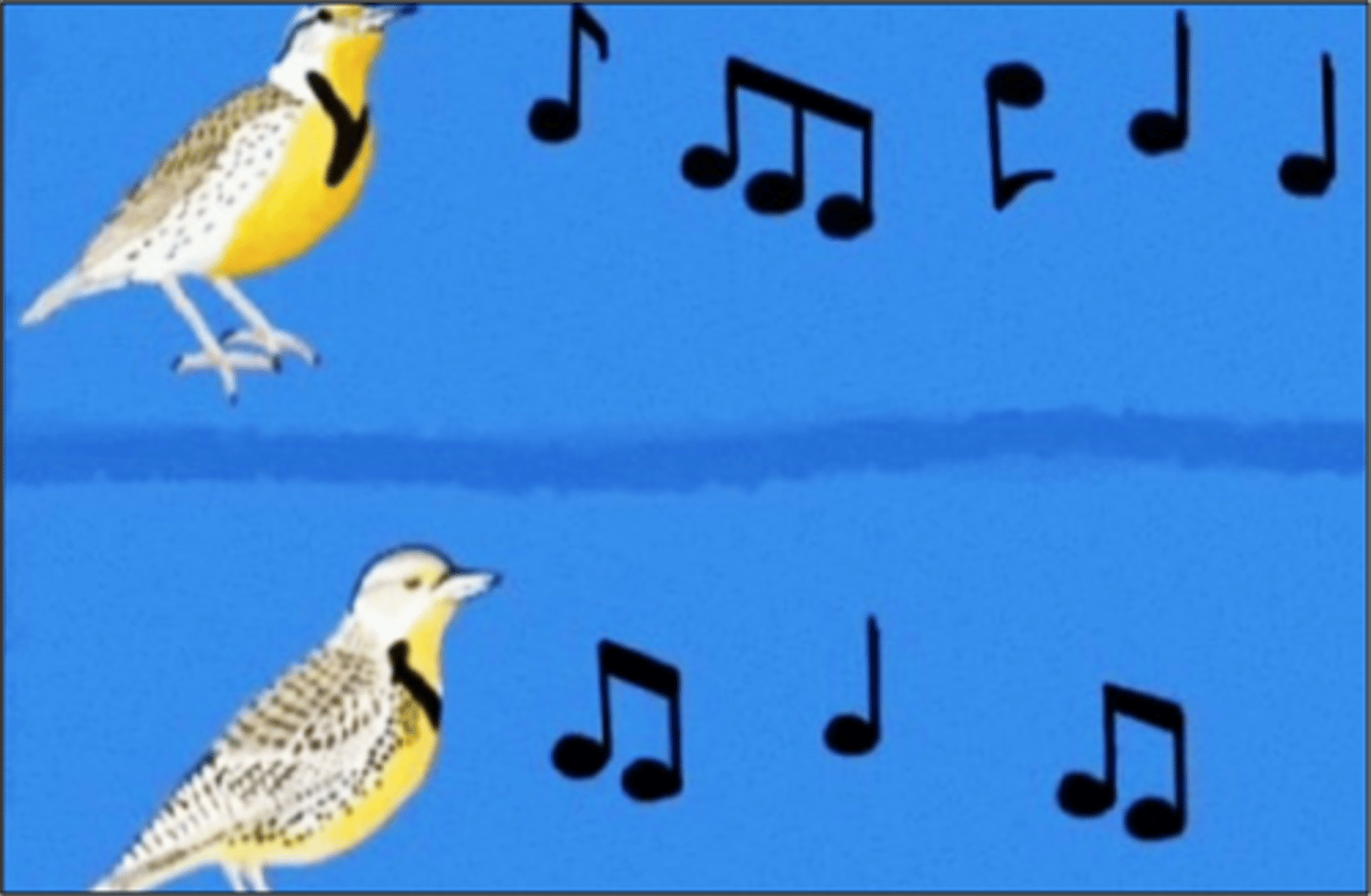
behavioral isolation
Form of reproductive isolation in which two populations have differences in courtship rituals or other types of behavior that prevent them from interbreeding.
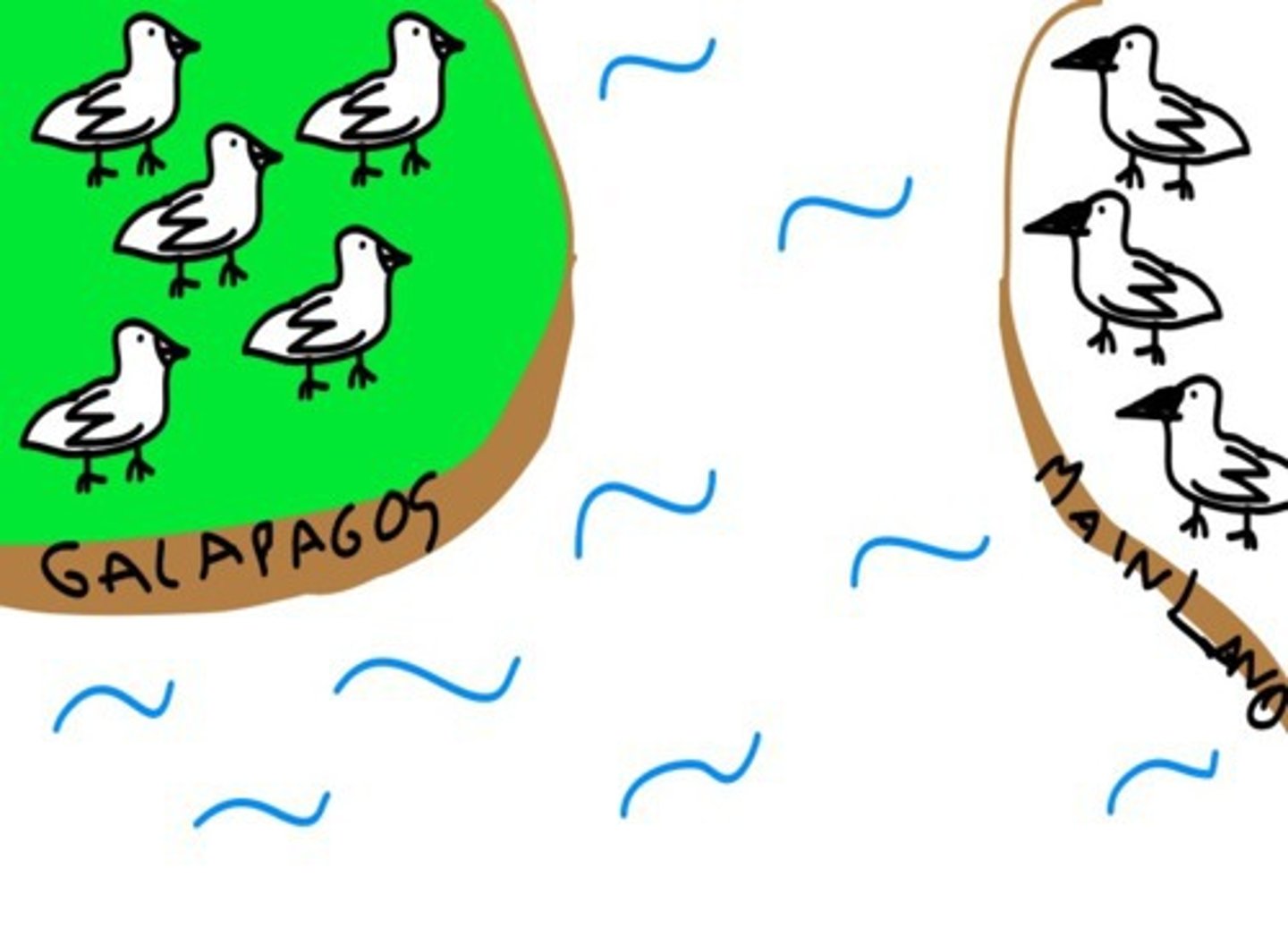
geographic isolation
Form of reproductive isolation in which two populations are separated physically by geographic barriers such as rivers, mountains, or stretches of water.
temporal isolation
Form of reproductive isolation that occurs when members of two species occupy similar habitats, but breed at different times.
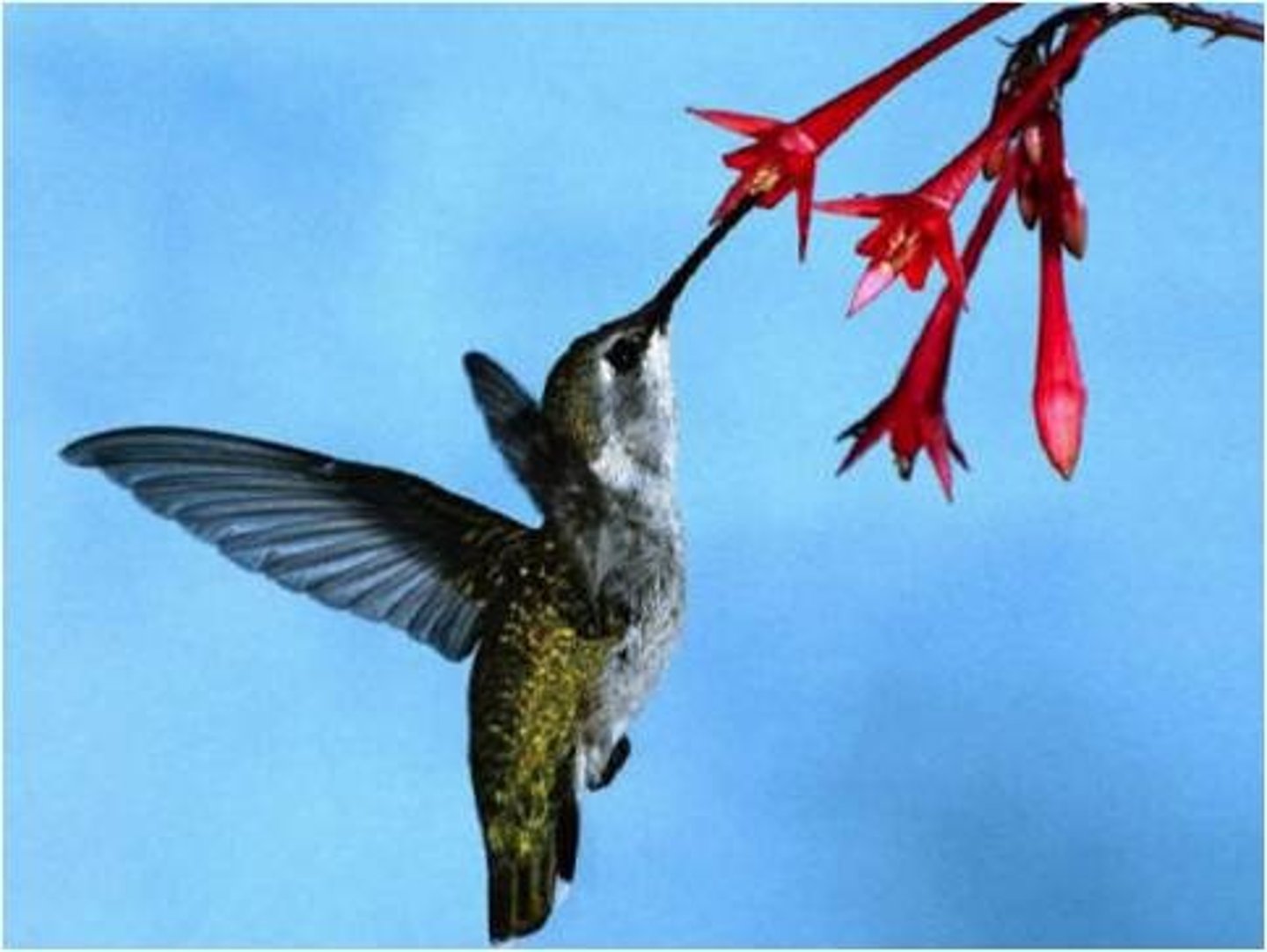
coevolution
The evolution of two or more interdependent species, each adapting to changes in the other (Ex: between insects and the flowers that they pollinate)
migration
ex: immigration is moving in and emigration is moving out
natural resistance
ex: bacterial resistance to antibiotics or insects resistant to pesticides/insecticides
non-random mating
Mating that can cause evolution to occur because it causes the allele frequencies in the population to either increase or decrease (Ex: bird mating rituals)
random mating
Mating that is associated with maintaining genetic equilibrium and therefore a lack of natural selection and speciation.
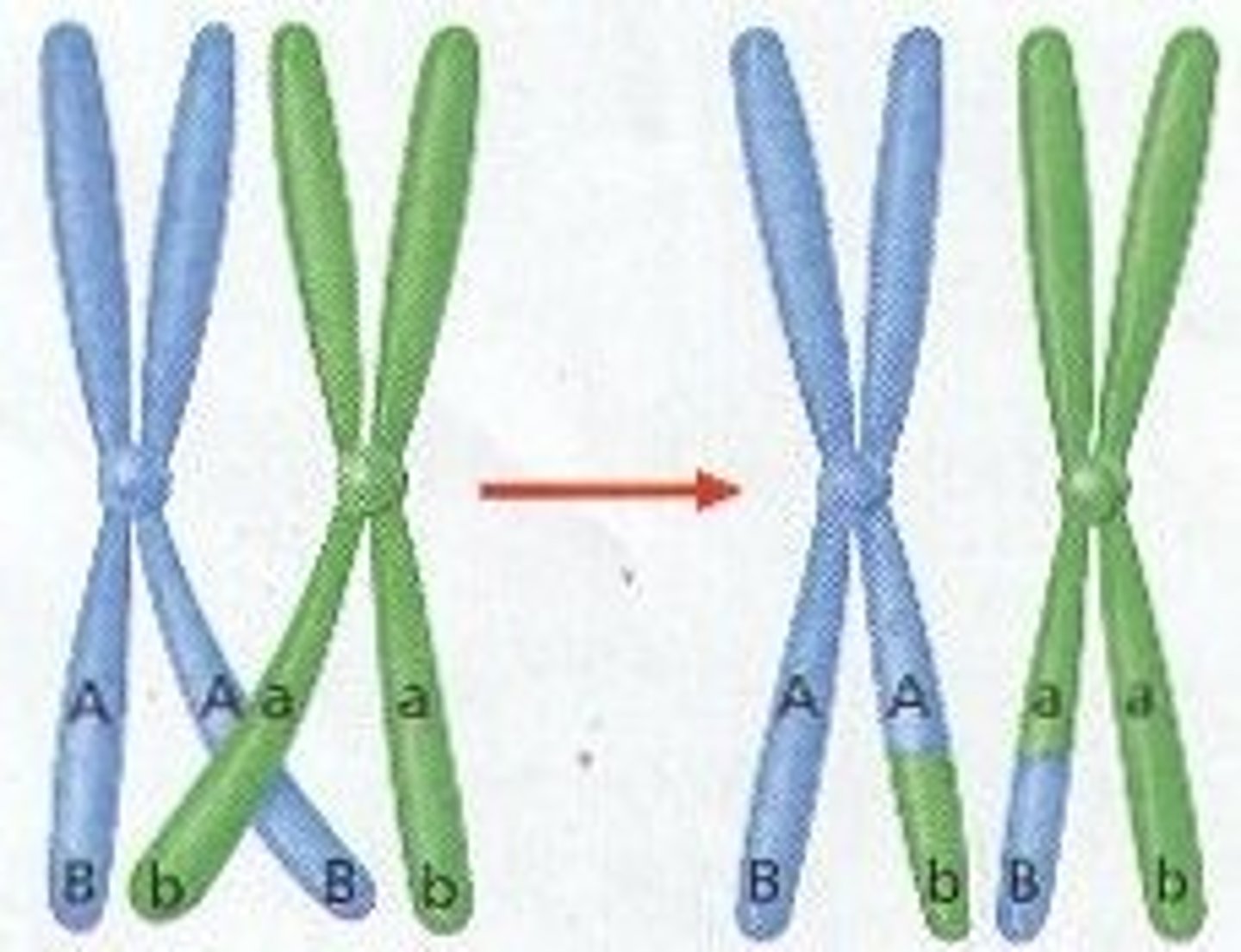
crossing over
The exchange of genetic material between homologous chromosomes that results in recombinant chromosomes.
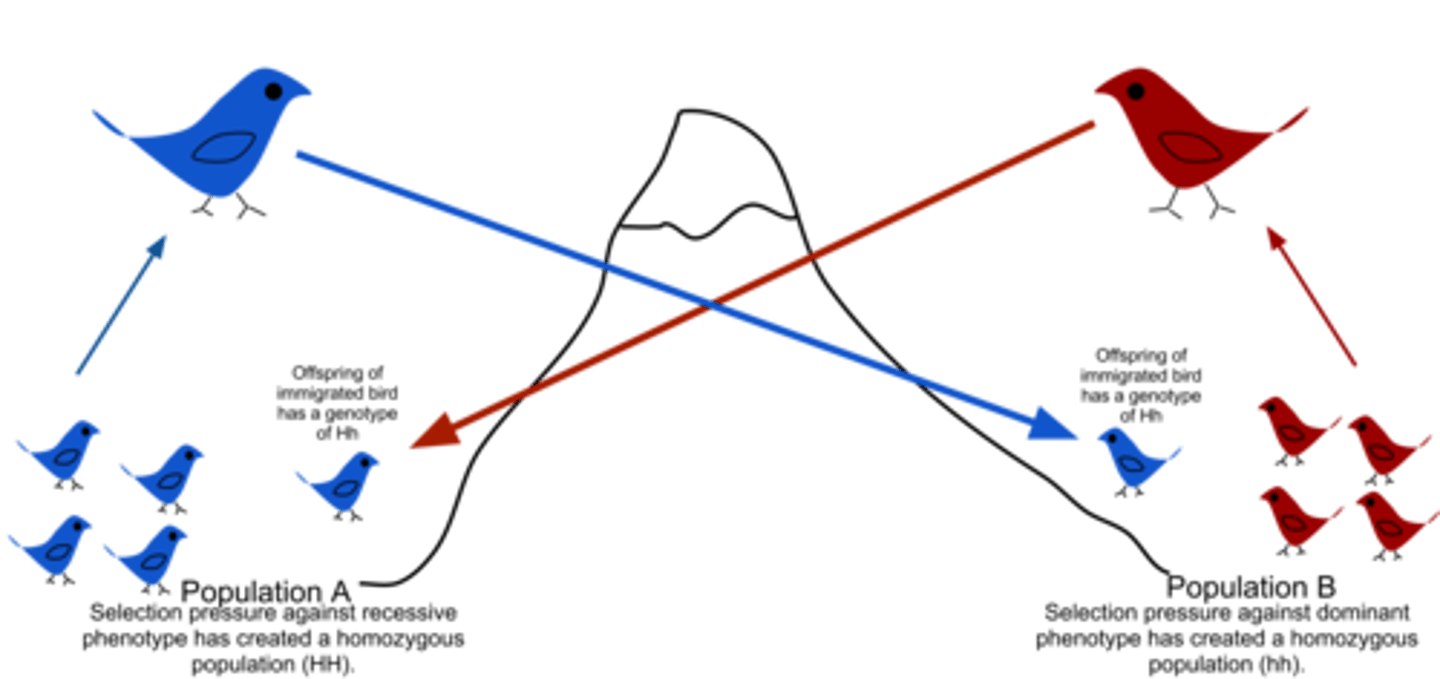
gene flow
The transfer of alleles or genes from one population to another.
genetic drift
The process of change in the genetic composition of a population due to chance or random events rather than by natural selection, resulting in changes in allele frequencies over time.
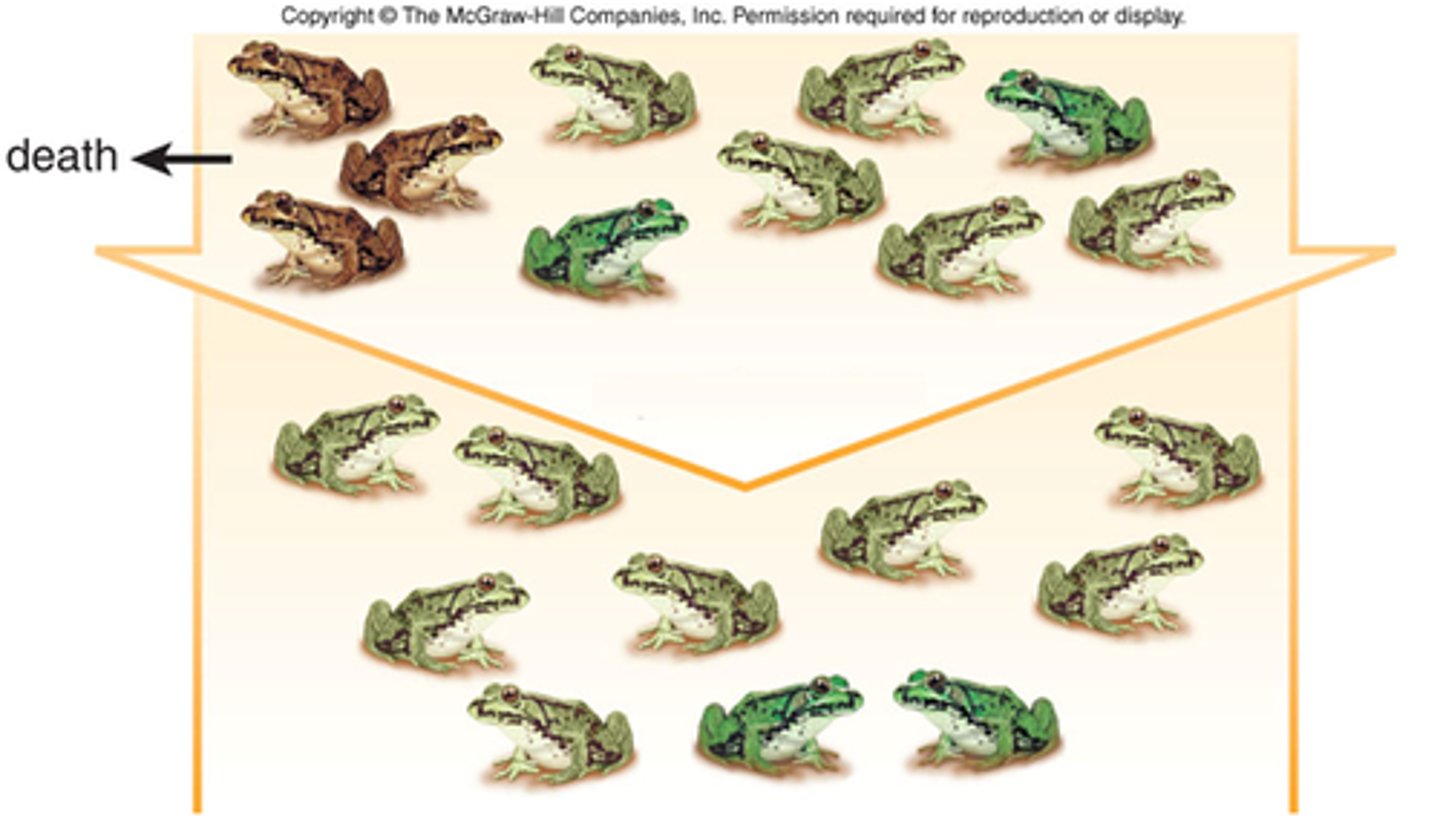
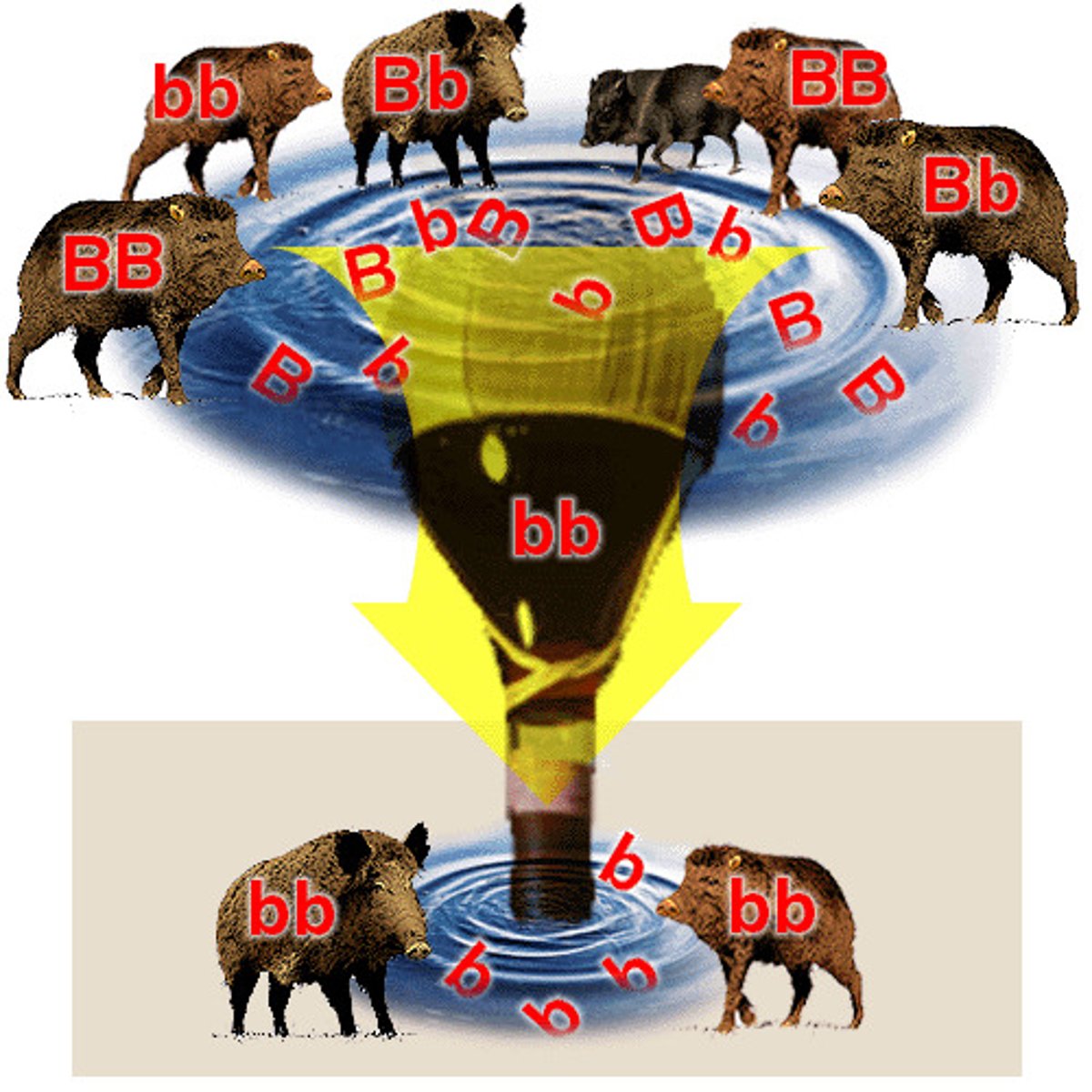
bottleneck effect
A type of genetic drift where there is a reduction of genetic diversity in a population that has just seen a significant reduction in size due to a random event such as a natural disaster.
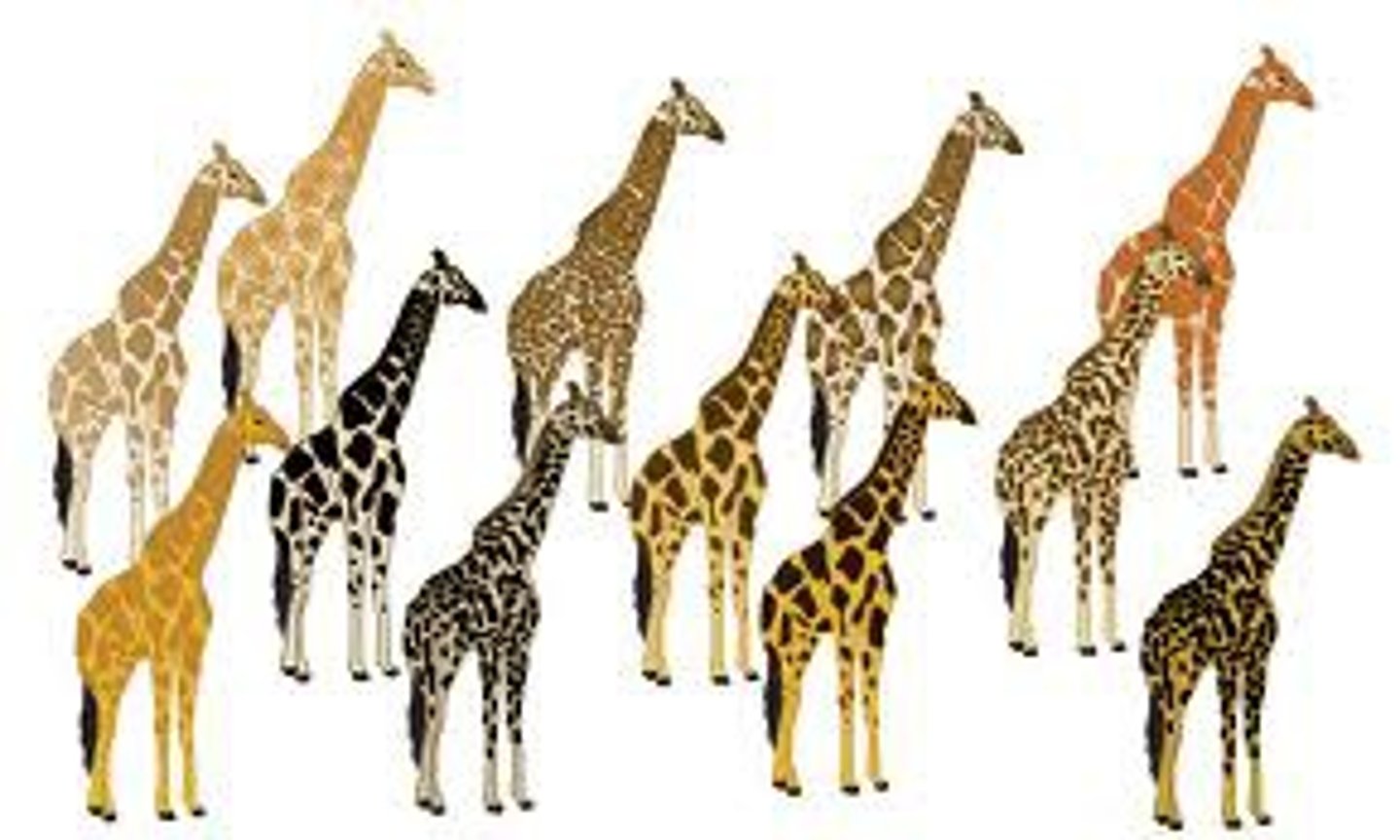
genetic variation
Variation in alleles of genes, occurs both within and among populations; it provides the genetic material for natural selection; brought about by mutation and/or genetic recombination.
mutation
A random change in the DNA that can possibly produce a beneficial effect and increase an organisms chance for reproductive success.