PHRM2101
 Call Kai
 Learn
Learn Practice Test
 Spaced Repetition
 Match
Match Flashcards
 Knowt Play
1/26

There's no tags or description
Looks like no tags are added yet.
Name | Mastery | Learn | Test | Matching | Spaced | Call with Kai | Chat |
|---|
No analytics yet
Send a link to your students to track their progress
27 Terms
What is metabolic syndrome?
Cluster of metabolic disturbance due to the increase body fat storage in the abdomen. Abdominal obesity causes an increase in inflammations and insulin resistance which leads to an increased risk of cardiovascular diseases.
What are the risk factors of diabetes?
-increased waist circumference
-increased blood triglycerides
-increased blood pressure
-increased blood glucose
-decreased blood HDL cholesterol
Which leads to type 2 diabetes which chronically increases glucose levels
What are the Australian Dietary requirements?
Achieve and maintain a healthy weight, be physically active and choose amounts of nutritious food and drinks to meet your energy needs.
Enjoy a wide variety of nutritious food from the top five food groups such as vegetable, fruits, grains, meats and dairy foods.
Limit intake of foods containing saturated fats, added salt, added sugar and alcohol
Encourage, support and promote breastfeeding
Care for your food, prepare and store it safely
What are the effects of physical activity on health?
Primary prevention: the prevention of disease in healthy people before onset of any diseases
Secondary prevention: the slowing of diseases that are present in the body, that are yet to cause any signs, symptoms or day function
Tertiary prevention: prevention of disease progression once diagnosis of a disease is established
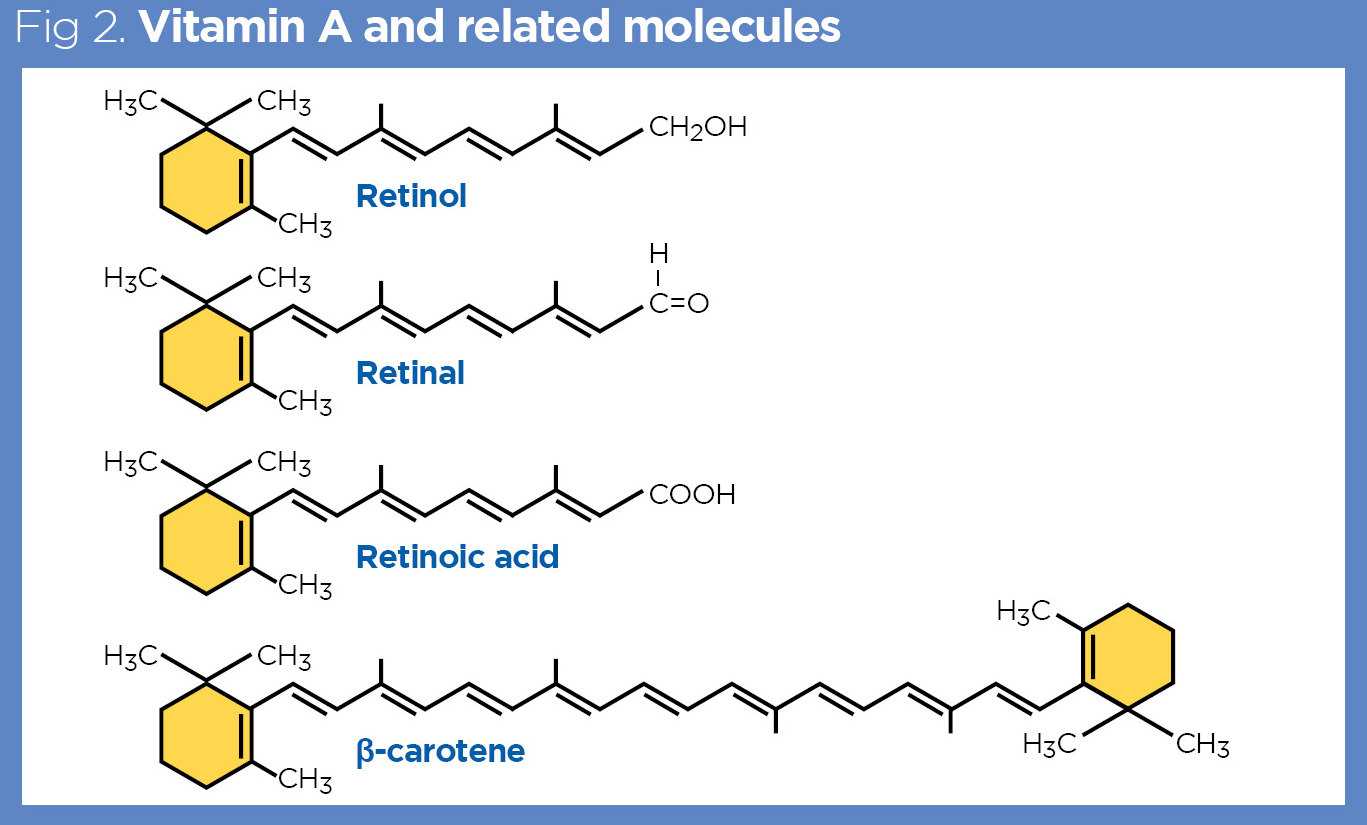
Vitamin A
Fat soluble vitamin which is a collection of chemical compounds of retinol, which is converted to retinal and retinoic acids in the liver, and related structures such as retinoids and carotenoids which is found in plants.
Vitamin A functions to provide night vision, colour perception, cell differentiation and growth, reproduction and immunity.
Vitamin A deficiency causes night blindness, impaired immune function and xeropthalmia (eye dryness)
Vitamin A sources are eggs, cheese and fish
Vitamin D
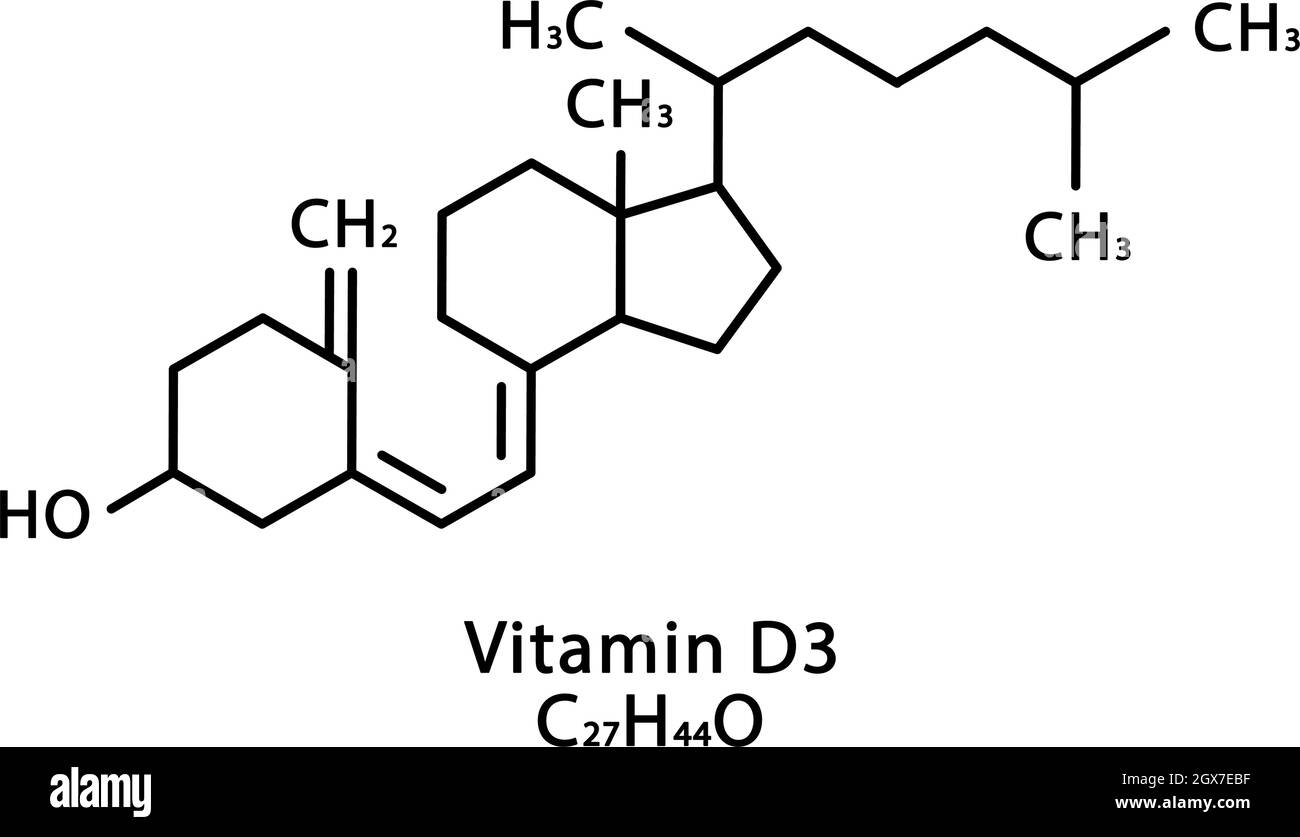
Achieved through diet or synthesised by the sun or converted to cholesterol
Its function is that is regulates calcium homeostasis, role in bone metabolism, immune function, muscle function, cognitive function and increase inflammation
Oily fish, eggs, cheese, milk, butter are good sources of vitamin D
Vitamin F
Fat soluble vitamin that has antioxidant functions that nullify potentially damaging reactive oxygen species
Sources are: nuts, seeds and vegatable oil
Vitamine K
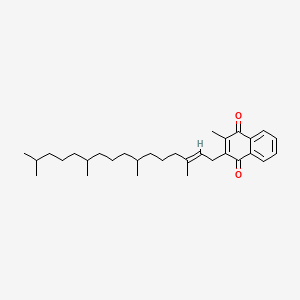
Fat soluble vitamine that is involved in blood clotting
Sources of vitamina K include green leafy vegetables. However, it is naturally produced by the gut bacteria
Vitamin B
Water soluble vitamin
It has three different form:
thiamine: functions as a coenzyme in carbohydrate and amino acid metabolism. Good sources include pork, bread, cereal, eggs, nuts and seed and yeast extract (Vegemite). Deficiency causes beri-beri which impairs nervous and cardiovascular systems
Riboflavin: functions as a coenzyme is a reaction that release energy for macronutrient and it is involved in multiple chemical reactions such as converting retinol into retinoic acid. Good sources include milk, cheese, eggs, meat, almonds and mushroom
Niacin: functions as a coenzyme in reactions that release energy from macronutrients and assists in fatty acid synthesis and DNA repair. Deficiency can cause pellagra which causes inflamed skin, diarrhoea and dementia
Vitamin B12
Coenzyme in folate metabolism and also involved in fatty acid synthesis in the myelin. Only animal origin foods and fortified products contain B12. Deficiency results in anaemia. Vitamin B12 is also absorbed when binding protein is released from the stomach
Folate
Fat soluble vitamin
It is a form of vitamin B is involved in DNA synthesis which is essential for cell division. It is also important for pregnant women as decreased intake can increase the risk of neural tube defects in developing features. It is found in cereal, leagues, vegetable, fruits and orange juice
Vitamin C
Fat soluble vitamin that acts as a cofactor for enzymes and many conversion processes such as iron from ferric making it open for absorption.
It is also involved in collagen synthesis, neurotransmitter formation, antioxidant function, and immune functions.
Deficiency can lead to scurvy which leads to poor wound healing and bleeding
Good sources include fruits and vegetable which are critus such as orange, kiwi. And vegetables such as capsicum
Major mineral: Sodium (Na)
Present in extracellular fluid and includes muscle and nerve function. It is present in salt (40% Na). It helps retain fluid as excess water can increase blood pressure.
The recommended intake is 200mg/day
Major Mineral: Potassium (K)
Present in intracellular fluid.
It does the opposite of Na, it lowers blood pressure.
It is present in fruits such as banana, vegetables, milk, fish and meat
Major Mineral: Calcium (Ca)
Present in the structure of bone and teeth, required for muscle, nerve, heart function and blood clotting, enzyme function
Major Mineral: Phosphorus (P)
Essential for the structure of bone and teeth, energy transfer, acid-base balance, cell structure, DNA and RNA and enzyme function.
It is found in meat and diary food
Major Minerals: Magnesium (Mg)
Essential for bone mineralisation, energy metabolism, membrane transport for cell function, muscle contraction, immune function
Found in legumes, nuts, green leafy vegetables, meat, and fish
Trace elements: Iodine
Released by the thyroid gland which is involved in metabolic processes that are critical for growth and development. It helps maintain metabolic rate.
Iodine deficiency can lead to goitre and hyperthyroidism and impaired mental and physical development. (Common micronutrient deficiency)
Increase intake through bread production, seafood and other dairy product
Trace elements: Fluoride (F)
Important for bone and teeth
Assist in preventing tooth decay by forming enamel to protect teeth against weakness which is by fluoride and calcium.
It also assist in bone density formation
Trace element; Iron (Fe)
Important component in proteins such as haemoglobin which allows red blood cells to transport oxygen. It is the cofactor in many enzymatic reactions and is involved in the electron transport chain.
Food sources are red meat, fish, oysters, legumes and green leafy vegetables
Food sources can be haem: animal origin and is better absorbed than non-haem
Whereas non-heat are iron obtained from plant foods
Vitamin C and the acidic intestinal environment can enhance iron absorption. Whereas, phytates, found in high fibre food reduces absorption, so does compounds such as coffee and tea and calcium
Trace elements: Zinc
Cofactor for many enzymes and is essential for synthesis, storage and secretion of insulin and carbohydrate metabolism, plays a role in DNA and RNA synthesis, taste perception, immune healing and sperm production, supports growth and development during pregnancy, lactation and childhood and adolescence and elderly
Food sources: red meat, shellfish and oysters and small amount of legumes, diary foods, nuts and seeds
Adaptive thermogenesis
Body changes its metabolic rate to prevent large amount of weight loss and gain over a short period of time.
If body weight decreases, metabolic rate also decreases through adaptive thermogenesis to involve a new food instale
Proteins that regulate food intake
Gherlin: released from stomach and stimulate appetite
Adiponectin: increases insulin sensitivity
Peptide YY (PYY) and pancreatic polypeptide (PPY): suppress appetite
Fat cell metabolism
Lipid digestion ends with chylomicrons lipoprotein delivering triglycerides from small intestine to the blood stream.
Lipoprotein lipase enzyme (LPL) release fatty acid from triglycerides within the lipoprotein. This promotes fat storage in adipose and muscle cells
Chronic Inflammation with obesity
Accumulation of fat changes the body’s metabolism resulting in insulin resistance, low HDL, high triglycerides and BP
Cause metabolic syndrome which increases the risk of diabetes, hypertension and atherosclerosis
Adipokines
Visceral fat tissue in metabolically active secrete molecules. They play a role in regulating of appetite, insulin sensitivity, inflammation and blood vessel function