properties of paper & board
 Call Kai
 Learn
Learn Practice Test
 Spaced Repetition
 Match
Match Flashcards
 Knowt Play
1/13

Earn XP
Description and Tags
Name | Mastery | Learn | Test | Matching | Spaced | Call with Kai | Chat |
|---|
No analytics yet
Send a link to your students to track their progress
14 Terms
performance characteristics
Ability to Be Scored – Scoring creates a crease, making folding easier without cracking. Used in packaging and card-making.
Cutting – Papers and boards can be cut with scissors, craft knives, or laser cutters. Thickness and density affect ease of cutting.
Folding – Some papers and boards fold cleanly, while others may crack if too rigid. Often used in origami, packaging, and bookbinding.
Surface Qualities for Printing – The texture and coating of paper affect how ink is absorbed. Glossy papers enhance colour vibrancy, while matte papers reduce glare.
Impact Resistance – Some boards, like corrugated card, absorb shocks and protect contents, making them ideal for packaging.
Recyclability and Biodegradability – Most papers and boards are recyclable and biodegradable, reducing environmental impact. Laminated and foil-backed papers are harder to recycle.
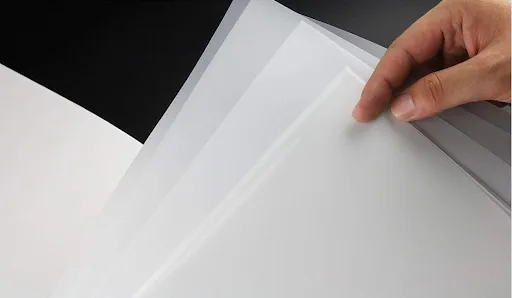
Layout paper
thin translucent paper w smooth surface used for sketching and technical drawings
Advantages
Lightweight and semi-transparent
Good for initial sketches and tracing
Can be used with pencils and markers
Disadvantages
Not suitable for final presentations
Can smudge with some inks
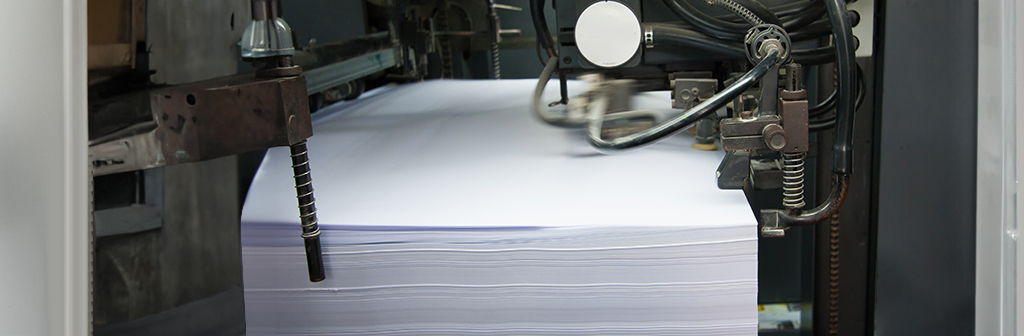
Cartridge paper
off-white paper which a textured surface, used for sketching and rendering, can also be used for printing
Advantages
Thicker and more durable than standard paper
Good for ink and pencil work
Available in different weights
Disadvantages
Can be expensive
Not suitable for water-based paints
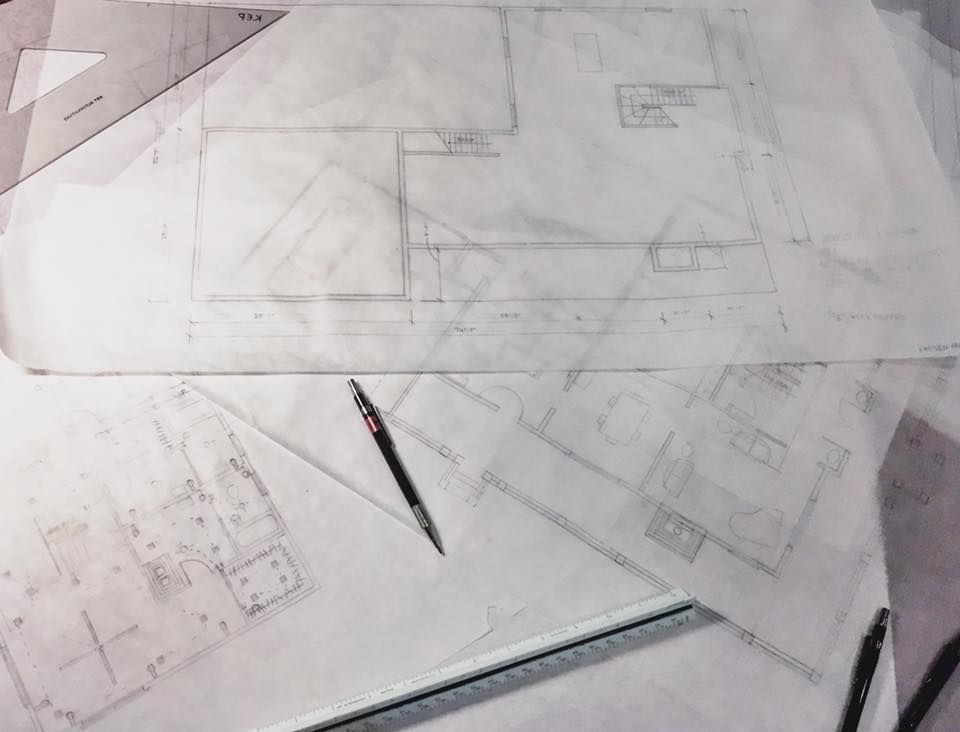
Tracing paper
strong transparent paper, thicker than layout, used for making drawings, designs, and tracing
Advantages
Highly transparent
Good for copying and overlaying designs
Strong and durable
Disadvantages
Can be expensive
Not suitable for printing
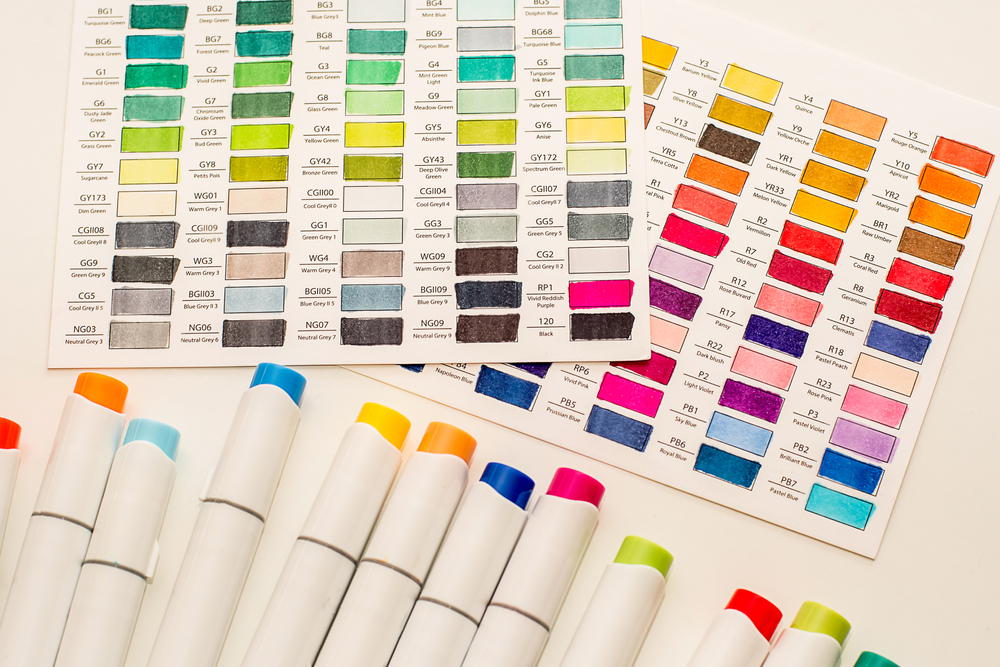
Bleed-proof paper
ink doesn't bleed on the paper, colour doesn’t run, used by designers when drawing with felt tip / spirit based pens
Advantages
Prevents ink bleeding
Ideal for marker and pen work
Smooth surface for precise lines
Disadvantages
Not suitable for watercolours
Limited use beyond marker rendering
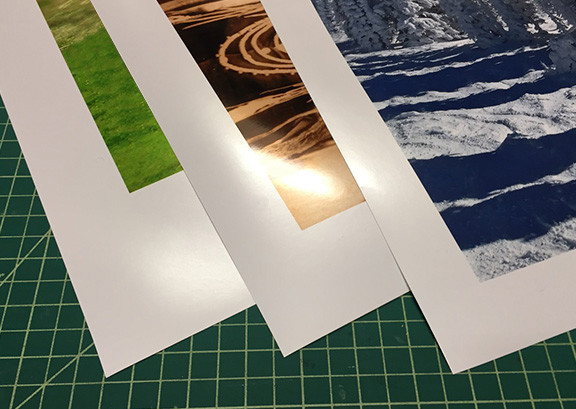
Treated paper
a paper which has a dye layer on top, making it easier to hold an image, used for photographic printing
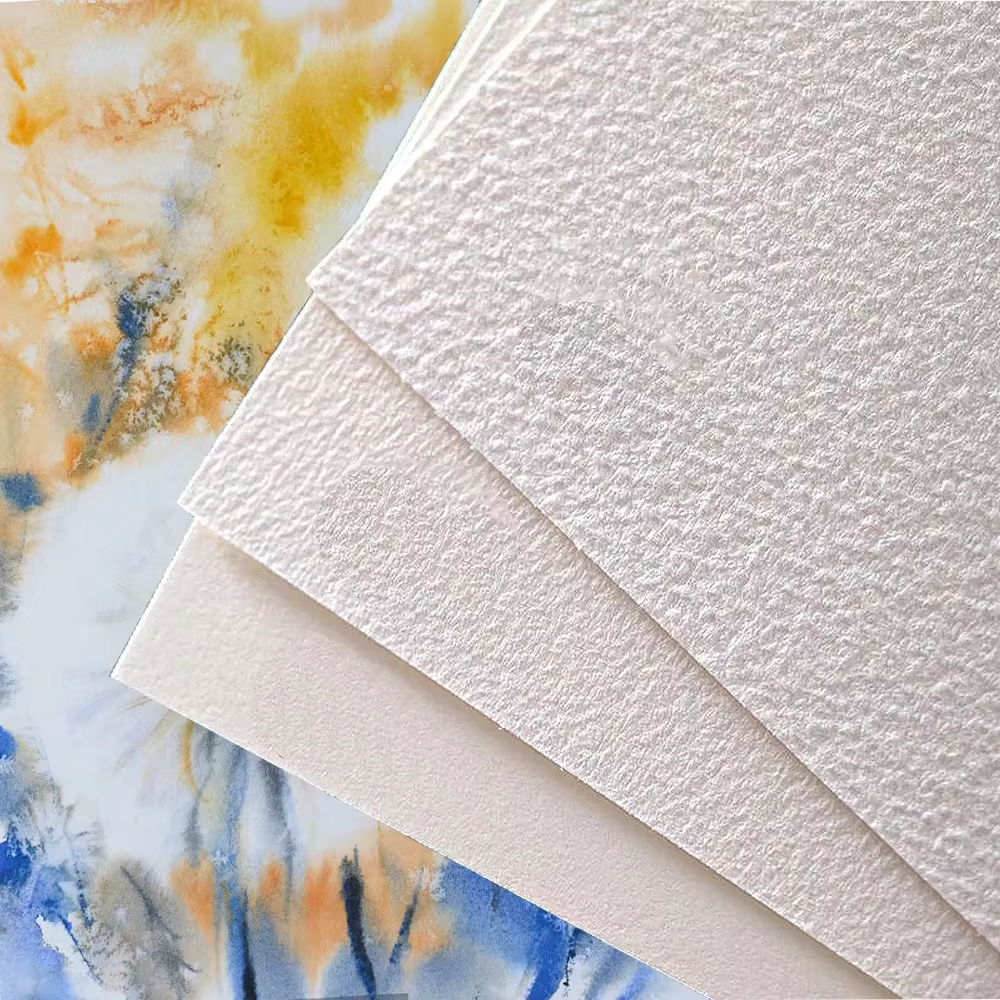
Watercolour paper
absorbent, smooth or heavily textured, used in watercolour painting
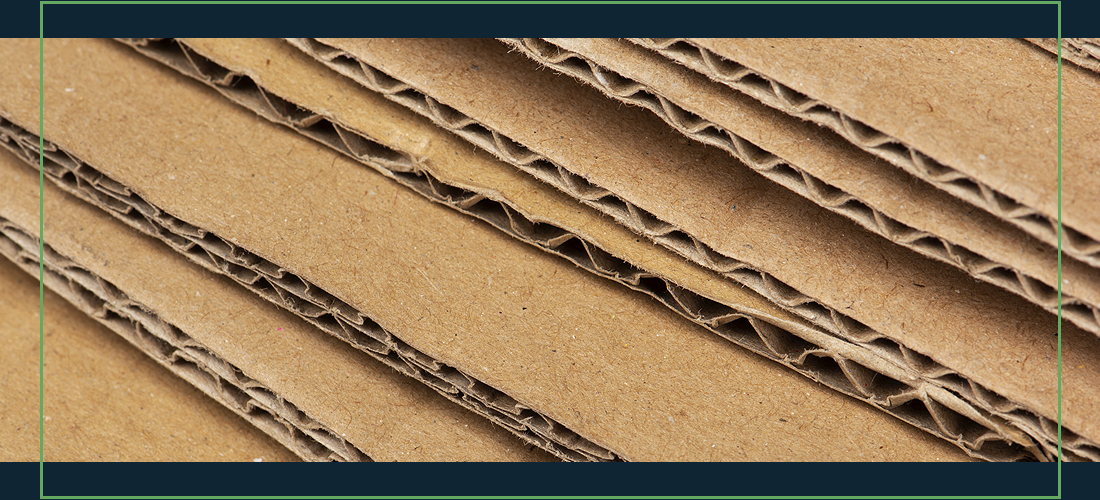
Corrugated card
used for food packaging, model making and prototyping
Advantages
Strong and impact-resistant
Lightweight
Good for protective packaging
Disadvantages
Absorbs moisture easily
Not aesthetically pleasing
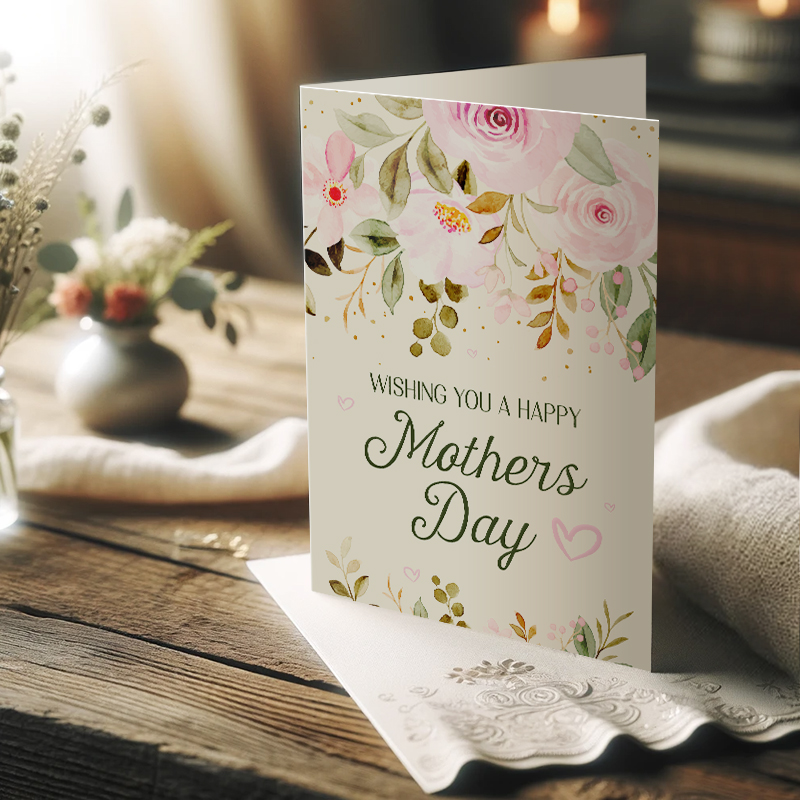
Bleached card
a card which has been chemically treated to give it a lighter colour, mostly used in greeting cards and high quality packaging
Advantages
High-quality, bright white finish
Good for printing
Durable and stiff
Disadvantages
Expensive
Not always recyclable
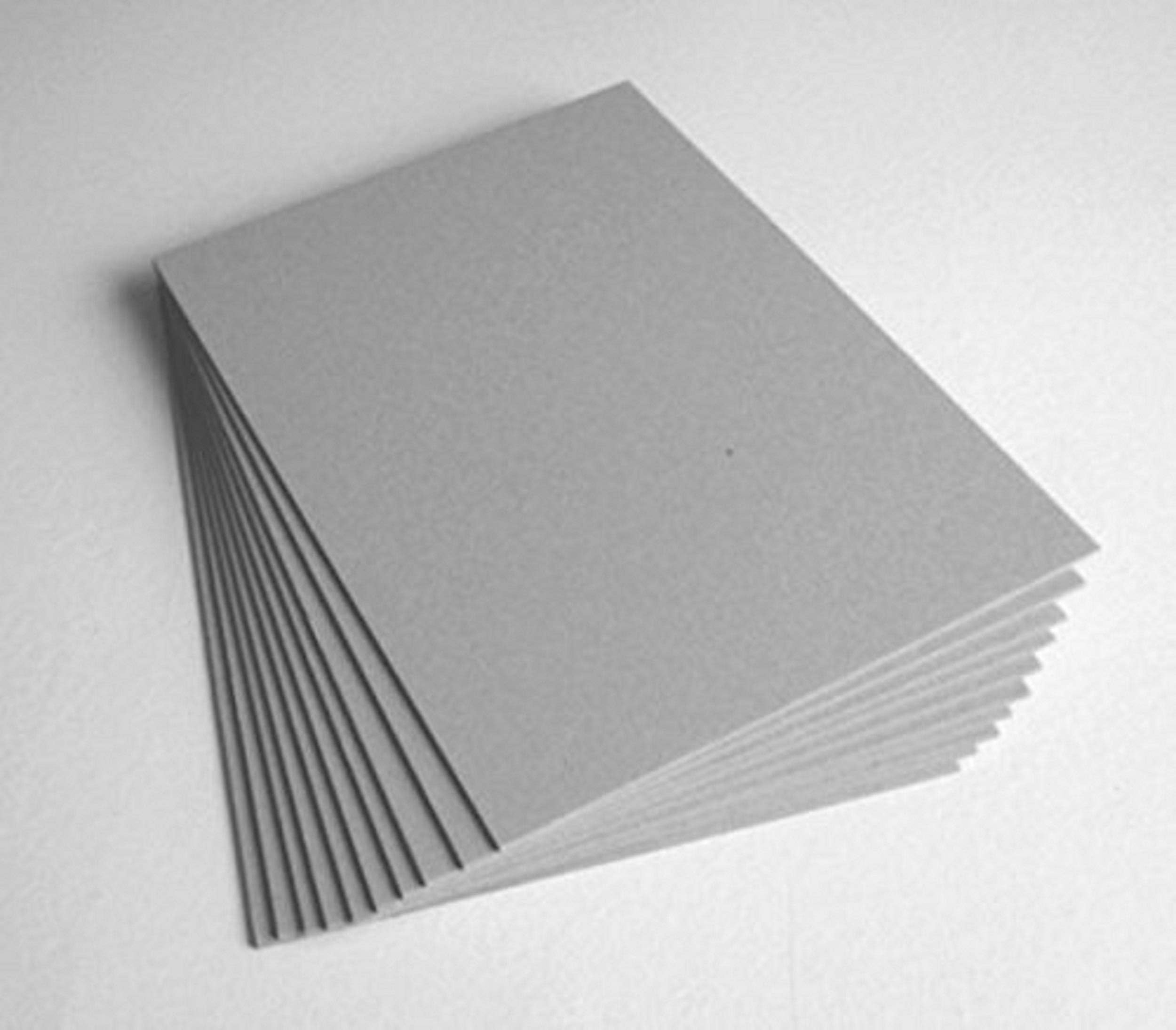
Mount board
board made from compressed fine cotton fibres to made a rigid board, used for presenting artwork and picture mounting
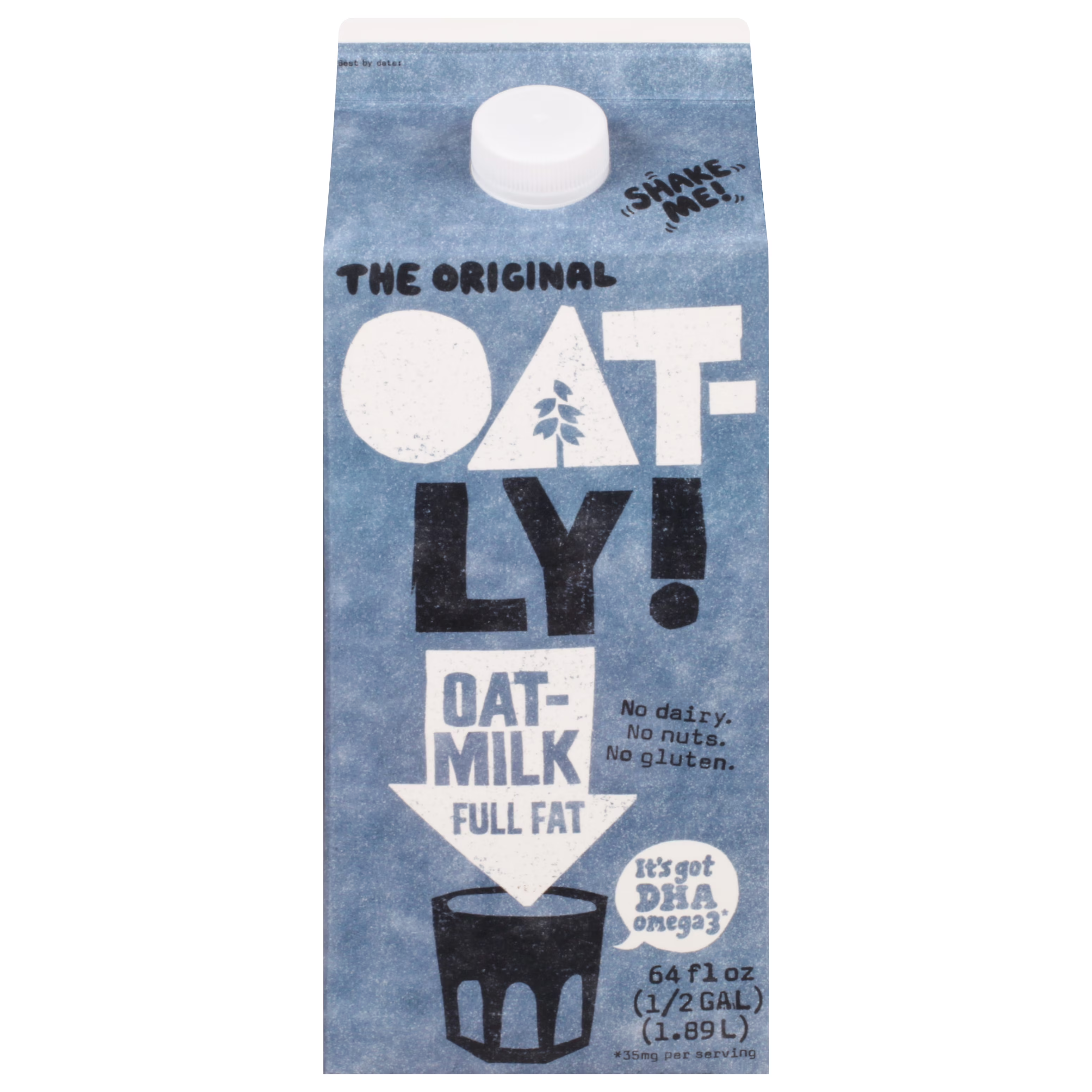
Duplex card
a card made up from two layers one paper, one side being glossy & waxy, usually used for food packaging, milk cartons and disposable cups
Advantages
Cheaper than bleached card
Suitable for food packaging
Often has a moisture-resistant coating
Disadvantages
Less rigid than other boards
Not as high-quality for printing
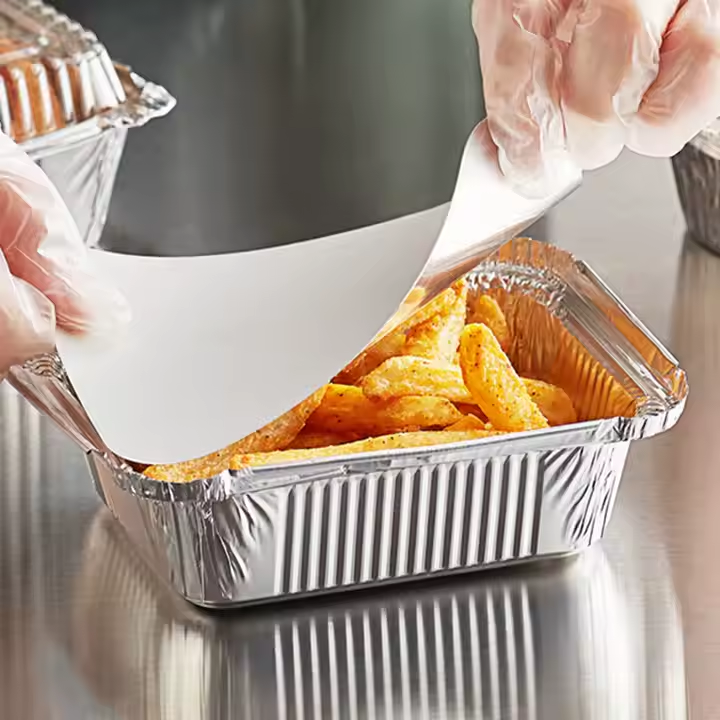
Foil backed and laminated card
card with polymer film or foil on it, often used for milk and juice cartons
Advantages
Water-resistant
Good insulation properties
Suitable for food and drink packaging
Disadvantages
Hard to recycle
More expensive than standard card
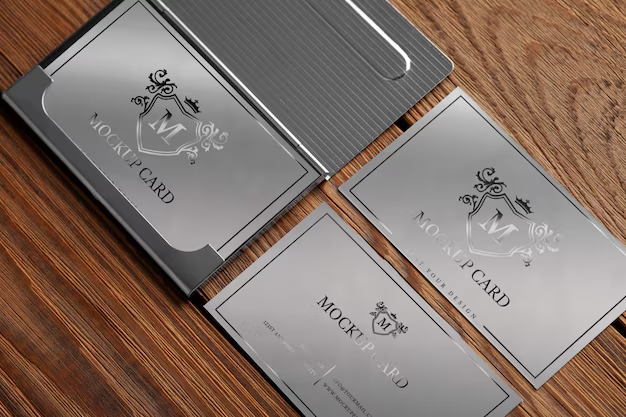
Metal effect card
high quality card that has a thin metal-effect layer applied to the outer surface for enhanced aesthetics, used for packaging and high quality business cards
Advantages
Attractive metallic finish
Good for luxury packaging
Can be embossed
Disadvantages
More expensive
May not be recyclable
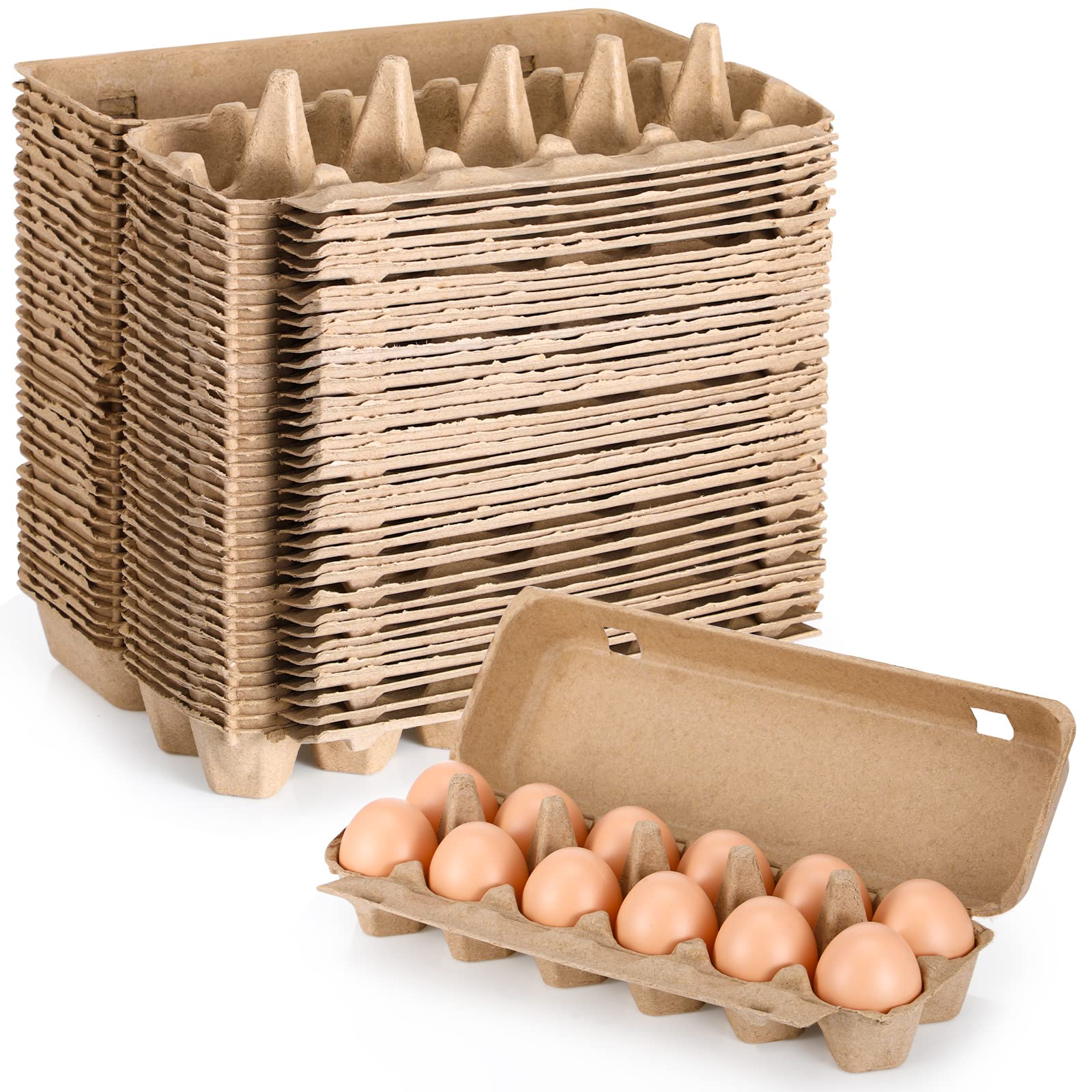
Moulded paper pulp
moulded packaging products made from recycled paper pulp, smooth inside and rough outside, used for egg boxes, fruit packaging
Advantages
Eco-friendly and biodegradable
Lightweight yet strong
Often made from recycled paper
Disadvantages
Not water-resistant
Limited aesthetic appeal