Heme Quiz 3 Red cell variations
 Call Kai
 Learn
Learn Practice Test
 Spaced Repetition
 Match
Match Flashcards
 Knowt Play
1/83

There's no tags or description
Looks like no tags are added yet.
Name | Mastery | Learn | Test | Matching | Spaced | Call with Kai | Chat |
|---|
No analytics yet
Send a link to your students to track their progress
84 Terms
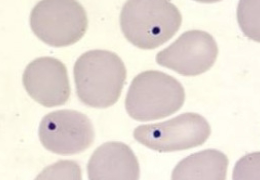
purple dots

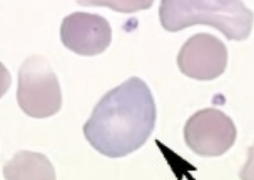
hint-color
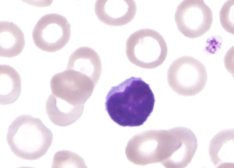
look at red cells
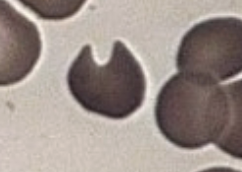

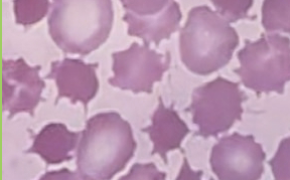

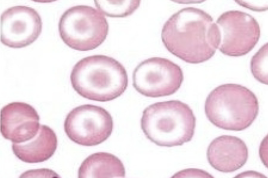
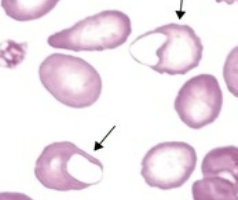
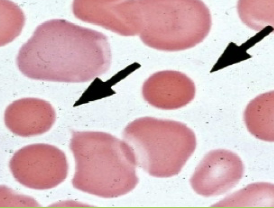
they are very condensed
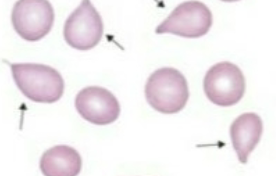

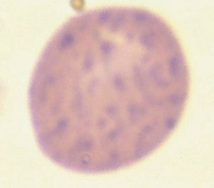

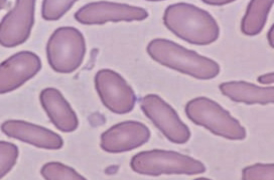
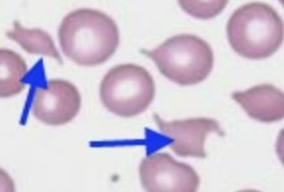

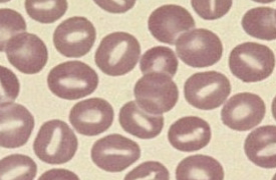
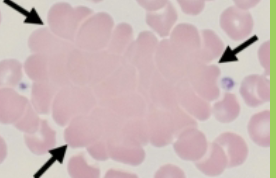

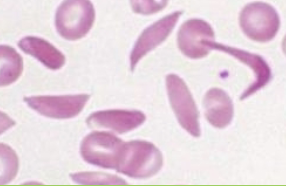

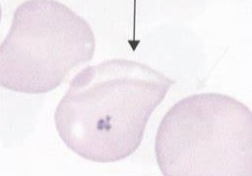
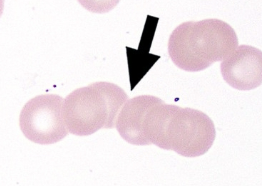

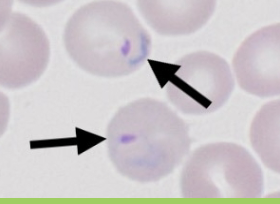
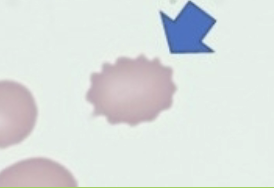
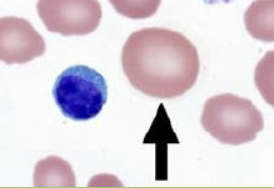
disease that causes
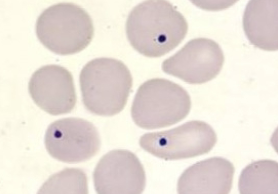

disease that causes
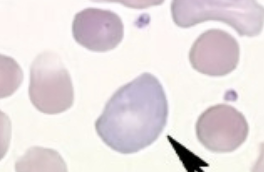
disease that causes
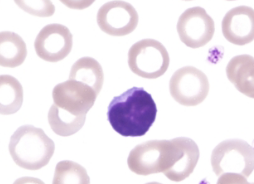
disease that causes
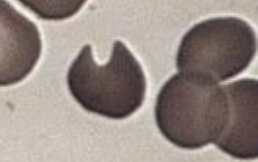
disease that causes
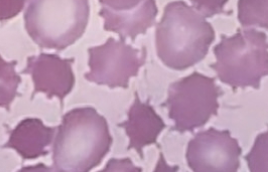
disease that causes
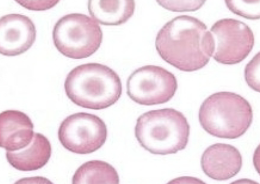
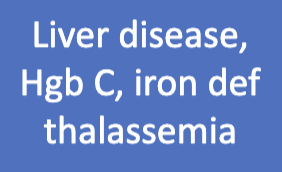
disease that causes
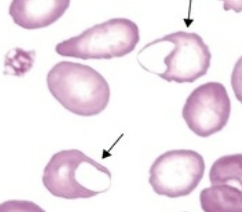
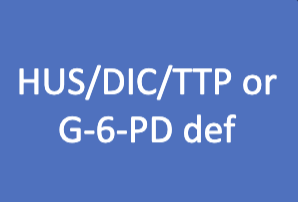
disease that causes
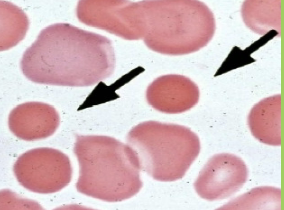
disease that causes
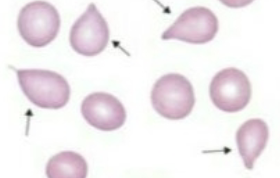
disease that causes
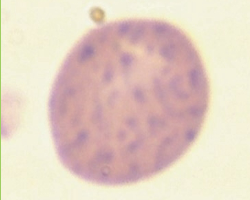
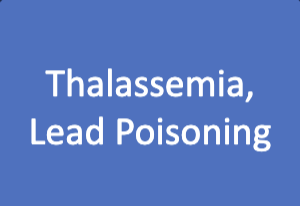
disease that causes
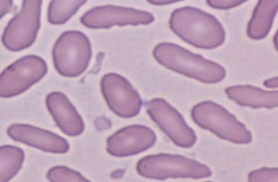
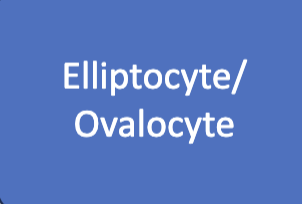
Megaloblastic anemia due to Vitamin B12 or Folate deficiency
disease that causes
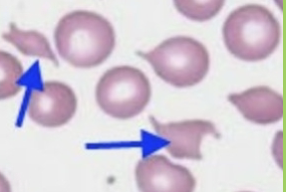

disease that causes
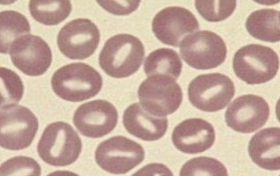
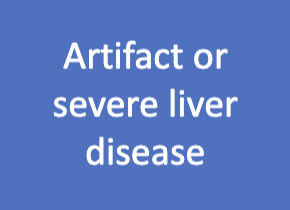
disease that causes
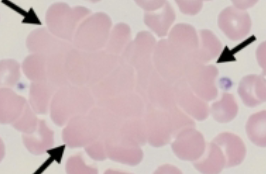
disease that causes
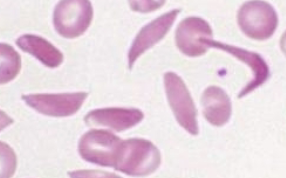
disease that causes
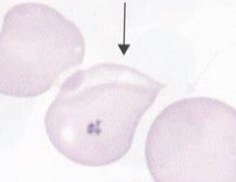
disease that causes
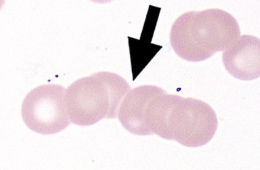
disease that causes
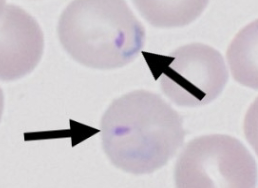
disease that causes
disease that causes
a route to change any methgb (3+) back to functional hgb (2+)
Methgb reductase pathway
where 2,3 BPG can be made. Increased 2,3 BPG helps speed up oxygen unloading from hgb molecule
Luebering-Rapaport pathwway
yields ATP for an energy source for the renewal of membrane lipids and operation of cationic pump
anaerobic glycolysis (Embden-Meyerhof) pathway
What four chains are made during globin synthesis?
α, β, γ, ∆
How is the hemoglobin molecule assembled?
- Each globin links with a heme
- Four subunits together form a molecule
- Two alpha chains with heme +
- Two non-alpha chains with heme (can be beta, gamma or delta)
What is the order that O2 binds hemoglobin? What is the order it unloads?
1) First alpha chain binds an O2
2) Salt bridges broken and molecule rearranged
3) The two beta subunits bind O2
4) Last O2 bound to last alpha subunit
When hgb unloads, the reverse order occurs
What happens when there is a shift to the right on the oxygen dissociation curve?
Hgb has a decreased oxygen affinity but increased in O2 delivery to tissues

What happens when there is a shift to the left on the oxygen dissociation curve?
Hgb has increased oxygen affinity
- hgb holds on to O2 longer and tissue may be more deprived to get any O2
At a pO2 of 40, hgb is usually about _______ saturated
75%
Conditions of hypoxia (right shifted curve)
low pO2
higher 2,3 DPG
acidic pH
anemic patients can force rbc to unload _______ and somewhat compensate for anemia
faster
At the end of their days, RBC are removed by:
macrophages of spleen, liver and marrow
as RBCs age
ag/ab complexes accumulate on surface
cells become rigid
spherocyte occur as membrane gradually picked away and inclusions form
Hemoglobin is broken down into:
amino acids recycled
heme separated into porphyrin ring and iron
Steps of Extravascular Hemolysis
- Porphyrin ring opened up and changed into biliverdin
- Biliverdin changes into bilirubin (unconjugated) and is bound to albumin
- As blood passes through liver, bilirubin is removed and gets conjugated
- Conj. Bili is secreted via bile into intestines
- Bacteria convert into urobilinogen and it exits
- Some urobilinogen reabsorbed, filtered by kidneys and excreted in the urine
During intravascular hemolysis, hgb separates into alpha-beta pairs and is picked up by a salvage protein called ______
haptoglobin
Any hgb not bound to haptoglobin or reabsorbed gets oxidized to _______________ which breaks down into methme and globin
methemoglobin
What is the maturation process for erythrocytes?
- Pronormoblast
- Basophilic normoblast
- Polychromatophilic normoblast
- Orthochromic normoblast
- Polychromatophilic red cell
- Mature RBC
What happens when erythropoietin is made by the kidneys?
More RBC are released, the oxygen capacity is increased and production of erythropoietin is eventually turned off
By age 18 or so, only active marrow is contained within the _________, _________, ________, and _________
Pelvis, vertebrae, ribs, and sternum
At about ______ years of age, the available bone space exceeds the amount of marrow so bones begin to fill with fat
5
What regulates erythropoiesis?
regulated by how much oxygen is in the blood
Burst forming unit erythrocyte (BFU)
cells have low concentration of erythropoietin receptors
- CD34 pos
colony forming unit erythrocyte (CFU)
have more receptors and respond to better EPO
- CD34 neg
- Very few, even in bone marrow ( <3% of nrbc in marrow)
- Usually seg size or a little bigger

Pronormoblast
Bottom arrow
- nucleus more condensed
- deep blue cytoplasm
- Nucleolus is lost
- 1-10% of nrbc bone marrow

Basophilic normoblast
- more bluish (confederate blue than leukocyte)
- 10-30% of bone marrow
- "Hamburger Nucleus"

Polychromaticphilic normoblasts
- 5-10% of nrbc in marrow

Orthochromic normoblast
- triangle of RBC = 1 neutrophil
- central pallor 1/3 of cell size and gradual shading from hgb to central area

Mature red blood cell
~ 1% in blood
- slightly blue tinge

polychromatophilic red cell
When hemopexin capacity is exceeded, metheme combines with albumin to form ________ and circulates until hemopexin becomes available to take it to the liver
methemalbumin
Metheme binds to another transport protein called ____________ and gets carried to the liver and is processed as usual
hemopexin
The layers of a RBC membrane is
lipid bilayer supported by a protein mesh like framework
Deficiency is globin
Thalassemia
Left curve is caused by
abnormal hgb
alkalosis
decreased 2,3 DPG
CO poisioning
fetal hgb
the process by which any RBC that breaks apart in circulation and results in free hgb complexing with haptoglobin to be recycled.
intravascular hemolysis
The kidneys filter out, reabsorb hgb by renal to a point. After this, free hgb in the urine occurs what is this called?
Hemoglobinuria
free hgb in the urine at a chronic level and over a long period of time
hemosiderinuria
what Parameter on a CBC report is an indication of Microcytosis
MCV
What Parameter on the automated instruments will reflect the amount of anisocytosis in a specimen
RDW
Poikilocytosis
An abnormal variation in the shape of red cells
Why are polychromatophilid RBC so blue
RNA is still present
What are pappenheimer bodies composed of
Iron
What is a howel jolly body made of
DNA or part of the chromosome