Viral Genomes and Genetics
 Call Kai
 Learn
Learn Practice Test
 Spaced Repetition
 Match
Match Flashcards
 Knowt Play
1/44

Earn XP
Description and Tags
Name | Mastery | Learn | Test | Matching | Spaced | Call with Kai | Chat |
|---|
No analytics yet
Send a link to your students to track their progress
45 Terms
Hershey-Chase exprimnted with
phage T4
Fraenkel-Conrats expirmented with
TMV
Hershey-Chase Bacteriophage Experiment (1953)
The basis of this experiment is that DNA contains phosphorus but no sulfur, whereas proteins contain sulfur but virtually no phosphorus.
Fraenkel-Conrat (1957)
TMV was treated to two different strains with chemicals that dissociate the proteins coats of the virus from the RNA molecules and separated the proteins from RNA
viral genomes
makes mRNA that can be read by host ribosomes
How many types of viruses
uncountable
Growth of viruses
only grows within the cell and can only live if they are passed from host to host organism.
How we determine if our culture was infected by a virus
formation of plaque
Equilibrium viruses
have been long term parasites of a given species, they are generally not lethal but spread well
Example of equilibrium virus
Polio
Smallpox
Common Cold
Measles
herpes
Non-Equilibrium viruses
have recently jumped from another species. They are sometimes lethal and may spread well or not.
Non-equilibrium example
Influenza (bird)
SARS (bats)
Ebola (bats)
HIV (chimp)
Hantaan (rodent)
Discovery of Reverse Transcription (1960)
Howard Temin speculated that RNA tumo viruses could turn their RNA into DNA
Discovery of Reverse Transcription (1970)
Temin independently discovered that the RNA tumor virus particles contained a reverse transcriptase
Discovery of Reverse Transcription (1975)
They shared the Nobel Prize in Physiology or Medicine with Renato Dulbecco who had been a mentor to both research
Why is HIV lethal
a classic non-equilbrium virus that is endemic in African monkeys and jumped to humans around 90 years ago. it grows in and kills helper T cell, wiping out our immune systems.
What information is encoded in a viral genome
Replication of viral genome
Assembly and packaging of the genome
Regulation and timing of the replication cycle
Modulation of host defense
Spread to cells and hosts
What is the Information is not contained in viral genomes
No genes encoding the complete protein synthesis machinery
No genes encoding protein involved in membrane biosynthesis
No classical centromeres or telomeres found in standard host chromosome
Probably we havent found them yet - 90% of giant virus genes are novels
smallest known viral genomes
Barnavirus (RNA)
dsDNA genomes example
adenoviridae, herpesviridae, and poxviridae
Gapped dsDNA genomes
Hepadnaviridae and Hepatitis B virus
ssDNA genomes
Circiviridae and parvoviridae
RNA genomes
dominate the eukaryotic virosphere, rare in bacteria
Cells have no RNA-dependent RNA Polymerase
Viral genomes encode RdRp
RdRp produces RNA genomes and mRNA from RNA templates
dsRNA example
Rotavirus
ssRNA (+) example
picornaviridae, caliciviridae, coronaviridae, etc….
ssRNA (-)
Paramyxoviridae, Rhabdoviridae, Filoviridae, etc…
mutation
a change in DNA or RNA that may lead to amino acid substitutions, additions, or truncations in protein.
Genetic methods
production of infectious virus after transformation of cells by viral DNA, first done with bacteriophage lambda
Synthetic Virology and Biosecurity
infectious viral DNA enables experiments not previously possible
National Science Advisory Board for Biosecurity (NSABB)
Federal advisory committee to provide advice, guidance, and leadership regarding biosecurity oversight of dual use research
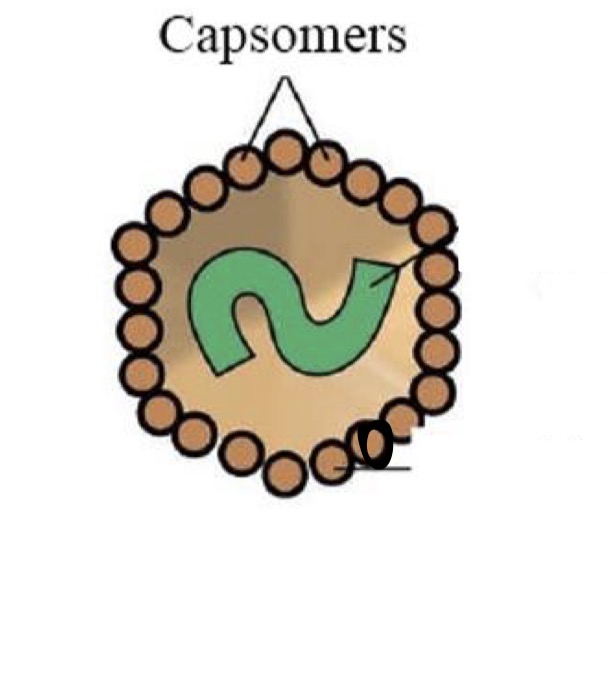
Naked Viruses

Enveloped Viruses

Hershey-Chase Bacteriophage Experiment (1953)

Frankel-Conrat Experiment

Plaques formed by Viruses
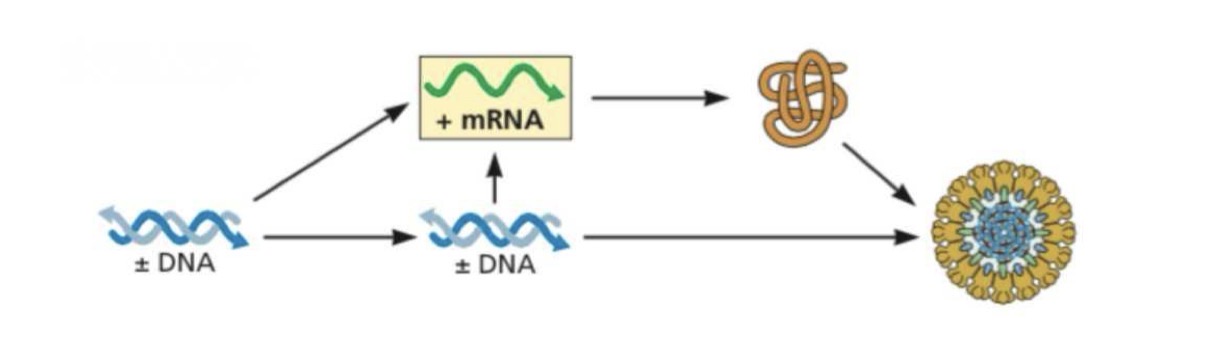
dsDNA genomes

Gapped dsDNA genomes

ssDNA genomes

dsRNA genome

ssRNA (+)
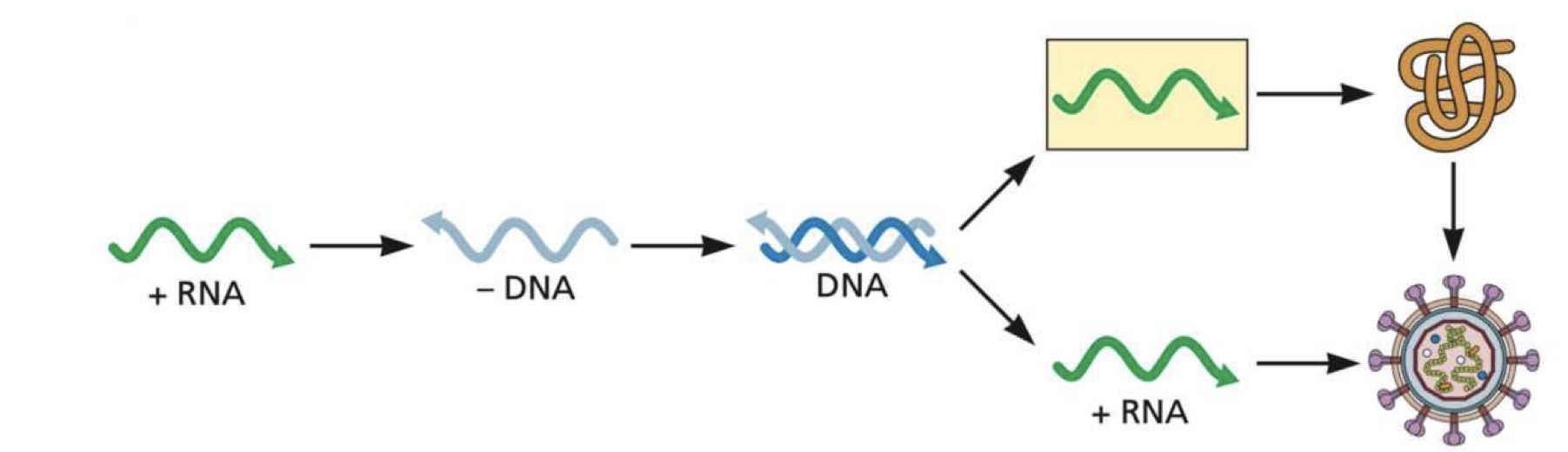
Retroviridae
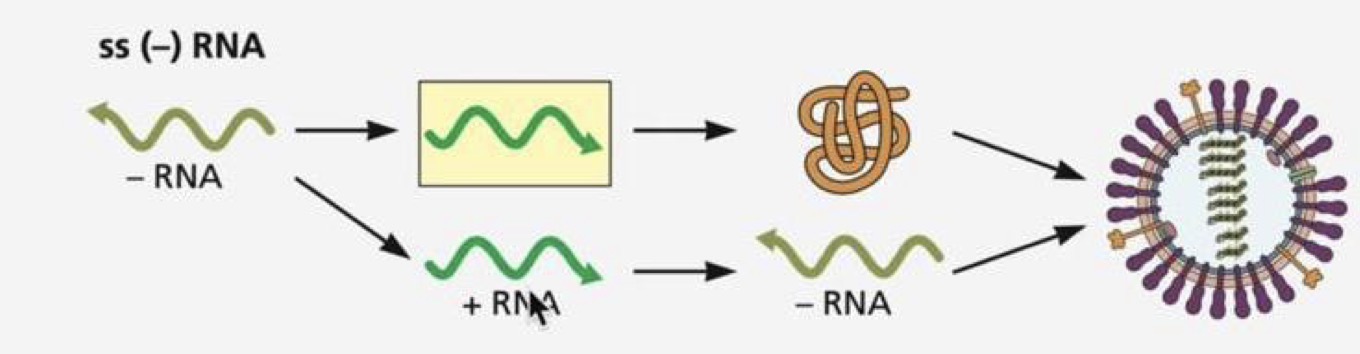
ssRNA (-)

Reassortment: Consequence of segment genome

Infectious poliovirus DNA
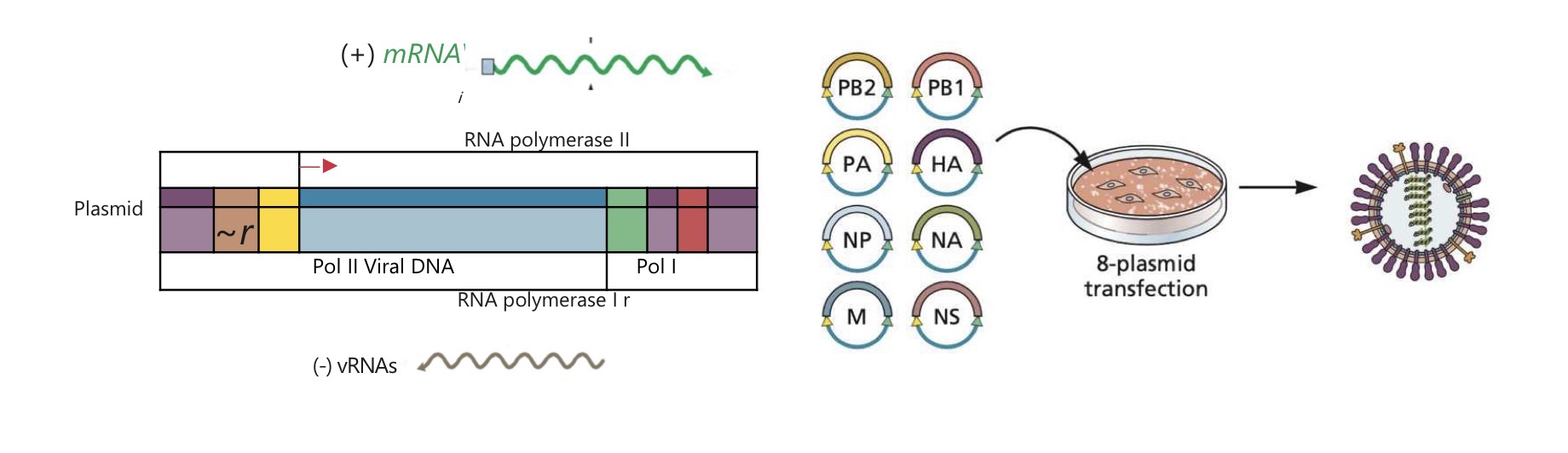
Infectious influenza virus DNA