Anatomy Unit 1
 Call Kai
 Learn
Learn Practice Test
 Spaced Repetition
 Match
Match Flashcards
 Knowt Play
1/33

There's no tags or description
Looks like no tags are added yet.
Name | Mastery | Learn | Test | Matching | Spaced | Call with Kai | Chat |
|---|
No analytics yet
Send a link to your students to track their progress
34 Terms
tuberosity
a large bump on a bone that serve as attachment for other structures
tubercule
a smaller bump on a bone that serve as attachment for other structures
process
a projection from a bone that serves as attachment for other structures
spinous process
a longer and thinner projection of bone
fossa
a smooth, hollow surface on a bone that usually functions as a source of attachment for other structures
notch
an area on a bone that appears to be cut out and allows for the passage of blood vessels and nerves
foramen
is similar in function to a notch but appears as a hole in a bone
condyle
are large bony knobs at the end of large bones
facet
is a smaller and flatter smooth surface than the fossa that also serves as attachments for other structures
epiphyseal plate
also known as growth plates that closes once the bone has reached its maximum length (maturity)
periosteum
is a layer of tissue around the entire bone
medullary cavity
stores the bone marrow. It produces blood cells and stores fat.
articular surface
provides smooth movement between the bones that make up a joint and protects the end of the bones from wear and tear
short bones
do not possess diaphysis
bone function
includes support, protection, movement, mineral storage, cell formation
epicondyle
smaller bony knobs that sometimes appear just above the condyles of a bone
arthrology
is the study of joints
ligaments
are fibrous connective tissue that hold bones together
articulation
is where two or more bones join
diarthrodial
is distinguished by a separation of the bones and the presence of a joint cavity. It has the greatest amount of movement
synovial fluid
is released by the synovial membrane and lubricates the joint and provides nutrients to joint structure
synarthrodial
have no separation or joint cavity
ligaments, muscles, tendons
The strength, number, and anatomical position of __________ determine joint strength, as do the number and strength of _________ and _________ crossing the joint.
joint structure, thickness and elasticity of ligaments and other tissues, amount of fat and muscular tissue
Degree of movement depends on ____.

fusiform
spindle‑shaped skeletal muscle with a thick central belly and tapered ends

quadrate
skeletal muscle characterized by its square or rectangular shape

triangular
skeletal muscle characterized by its triangular shape

unipennate
skeletal muscle in which fibers are arranged obliquely on one side of a central tendon
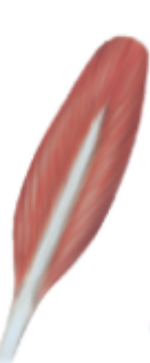
bipennate
skeletal muscle in which fibers are arranged obliquely on both sides of a central tendon
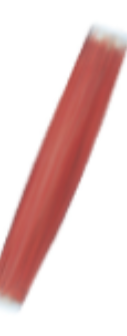
longitudinal
muscle fibers that run lengthwise along a structure
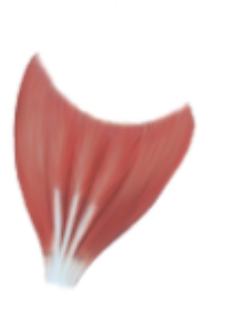
multipennate
skeletal muscle in which multiple groups of muscle fibers are arranged obliquely between several internal tendons that converge onto a single main tendon
third class lever
most common lever in the human body
second class lever
most efficient lever in the human body
first class lever
least common lever in the human body