Chemistry: Structure & Bonding
 Call Kai
 Learn
Learn Practice Test
 Spaced Repetition
 Match
Match Flashcards
 Knowt Play
1/43

There's no tags or description
Looks like no tags are added yet.
Name | Mastery | Learn | Test | Matching | Spaced | Call with Kai | Chat |
|---|
No analytics yet
Send a link to your students to track their progress
44 Terms
Exothermic
Forming bonds, releasing energy and getting hotter, so enthalpy is negative
Endothermic
Breaking bonds, requiring energy and gets colder, so enthalpy is positive
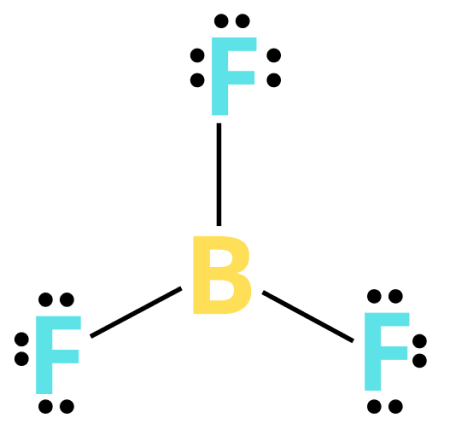
Bf3
BeCl2

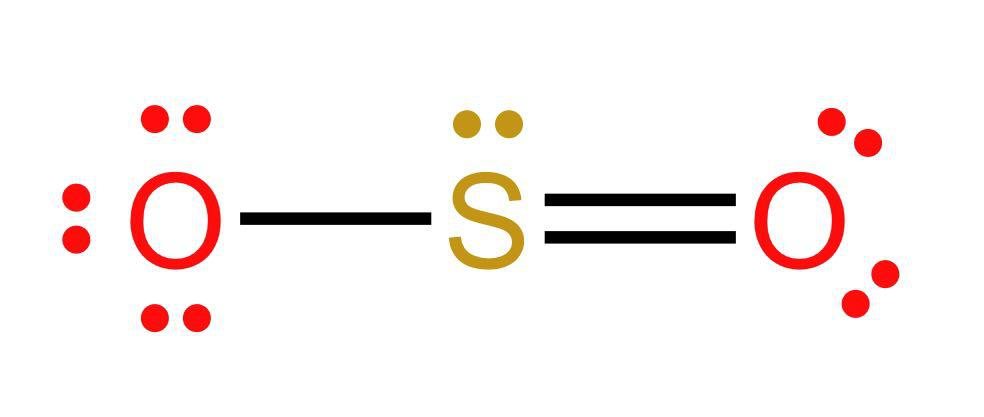
SO2
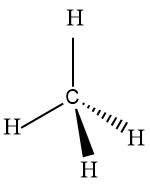
Tetrahedral
Bond angle 109.5
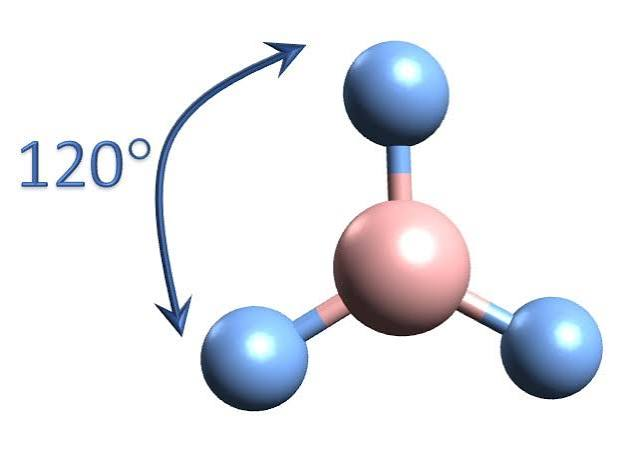
Trigonal Planar
Bond angle 120
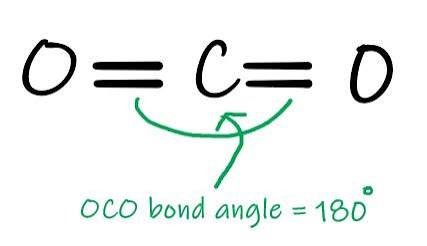
Linear
Bond angle 180
Bent (3 regions)
Bond angle 120

Trigonal Pyramidal
Bond angle 109.5
Bent (4 regions)
Bond angle 109.5
Electronegativity
Fluorine is the most electro negative - the more right you travel on the periodic table, the more electronegative
“Like dissolves like” → Polar dissolve polar, Non-polar dissolves non-polar
The strength of the solute-solvent attraction is strong enough the overcome the pre-existing solvent-solvent and solute-solute attraction.
Molecular: Particle
Molecules
Molecular: Bonding type
Weak, intermolecular forces
Strong, intramolecular covalent bonds
Molecular: Structure
Random arrangement
Molecular: Hardness
Soft, due to weak intermolecular forces
Molecular: MP + BP
Low MP and BP due to weak intermolecular forces
Molecular: Solubility
“Like dissolves like”
Molecular: Electrical Conductivity
No, due to lack of FMCP
Ionic: Particles
Ions
Ionic: Bonding type
Electrostatic ionic bonds (forces of attraction)
Ionic: Structure
Rigid regular 3d lattice of alternating anions and cations held together by strong electrostatic ionic bonds
Ionic: Hardness
Hard, but brittle
Ionic: MP + BP
High MP and BP, approx. 500 - 1000 celsius
Ionic: Solubility
Soluble in polar solvent
Ionic: Electrical Conductivity
No in solid form due to lack of FMCP, Yes once dissolved.
Metallic: Particles
Atoms
Metallic: Bonding types
Sea of delocalized electrons (valence, non-directional)
Metallic: Structure
Regular 3d lattice of metal cations in a sea of delocalized electrons held together by strong, non-directional metallic bonding, organized
Metallic: Hardness
Ranges depending on type of metal, malleable and ductile
Metallic: MP+BP
Generally high MP and BP due to strong metallic bonds, except alkali metals
Metallic: Solubility
Not at all
Metallic: Electrical Conductivity
Yes - solid and molten forms can, due to the sea of delocalized electrons
Covalent Networks: Particles
Atoms *
Covalent Networks: Bonding types
Covalent bonds
Covalent Networks: Structure
3d: covalently bonded into a tetrahedral lattice
2d: covalently bonded into a trigonal planar lattice with delocalized electrons
Covalent Networks: Hardness
3d: Hard, strong covalent bonds
Graphite: soft due to weak intermolecular forces
Covalent Networks: MP + BP
Extremely high MP and BP, over 3000 celsius
Covalent Networks: Solubility
Not at all *
Covalent Networks: Electrical Conductivity
2d: Yes as it has FMCP
3d: No as it doesn’t have FMCP
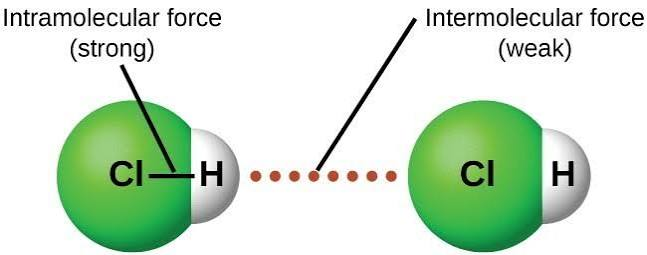
Intramolecular vs. Intermolecular
Intra - inside molecules
Inter - holds multiple bonds together
Examples of Covalent Networks
Graphite - 2d
Diamond - 3d
Silica - 3d
Ionic solids are…
Metal + non-metal bonded together eg. NH4 + and NaCl