HYPOTHALAMUS AND PITUITARY GLAND (Video 2)
 Call Kai
 Learn
Learn Practice Test
 Spaced Repetition
 Match
Match Flashcards
 Knowt Play
1/69

Earn XP
Description and Tags
Endocrinology Exam 1
Name | Mastery | Learn | Test | Matching | Spaced | Call with Kai | Chat |
|---|
No analytics yet
Send a link to your students to track their progress
70 Terms
Hypothalamus is part of the
DIENCEPHALON
Pituitary gland has 2 main parts:
Anterior lobe (adenohypophysis)
Posterior lobe (neurohypophysis)
(SELLA TURCICA)
Encapsulated by a cavity in the sphenoid
bone
This is where the pitutary Gland is housed
HYPOTHALAMIC NUCLEI (2)
Hypothalamus consists of HYPOTHALAMIC NUCLEI (clusters of neuron
cell bodies) that each have a specific name
Paraventricular nucleus
Supraoptic nucleus
Hypothalamus & Posterior Pituitary Hormones (2)
1) ADH
2. OXYTOCIN
ADH or Vasopressin
Protein Hormone
Made in the hypothamus and secreted out of the posterior pituitary
supraoptic nucleus
.
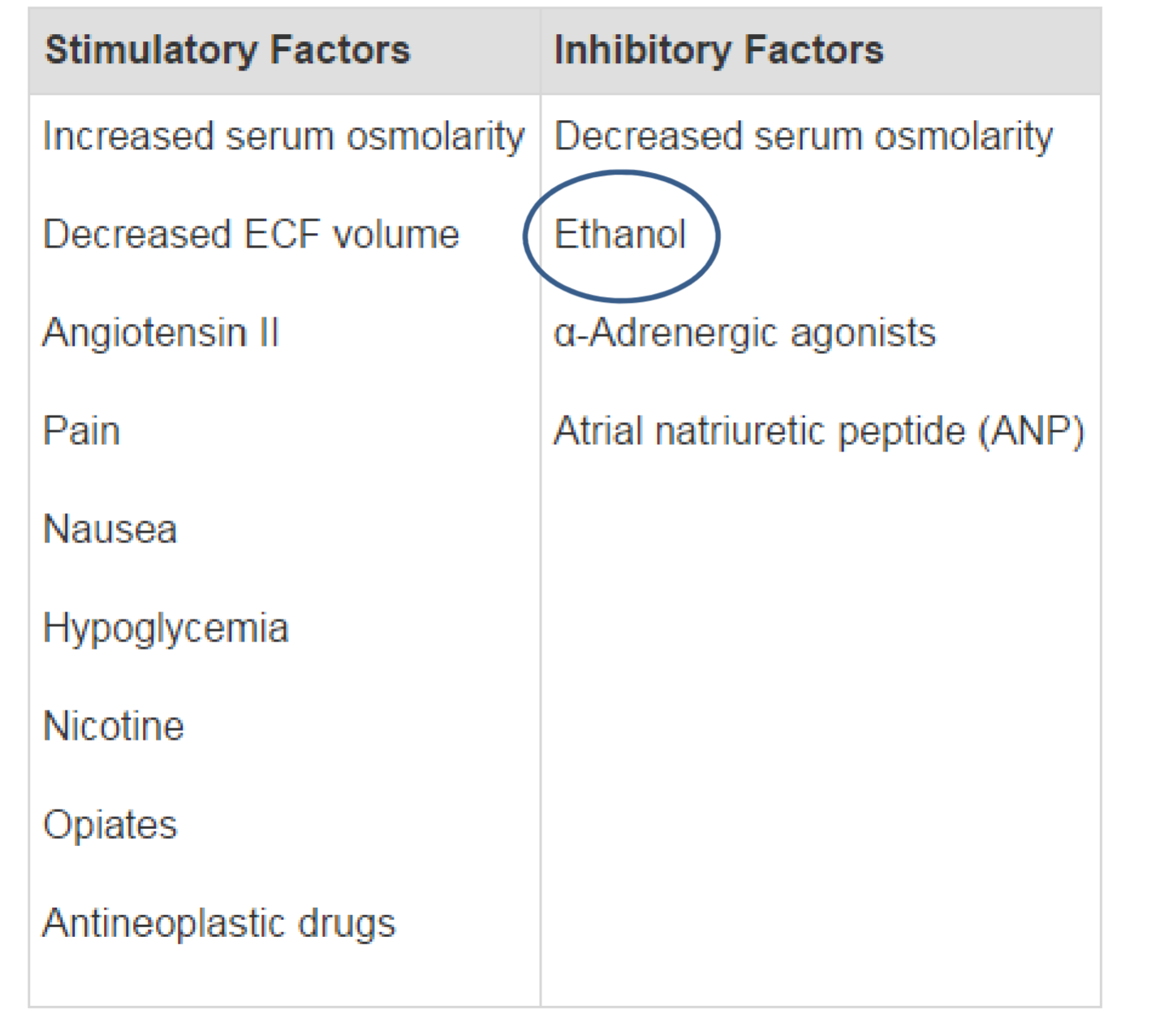
Increased plasma osmolality is the most important physiologic stimulus for increasing ADH secretion
This makes one pee less
Hypovolemia
Volume contraction (e.g., due to hemorrhage), is also a potent stimulus for ADH secretion.
Decreases in extracellular fluid (ECF) volume of 10% or more cause a significant decrease in arterial blood pressure that leads to ADH secretion
ADH Blood pressure graph

Factors Affecting ADH Secretion
Primary Actions of ADH
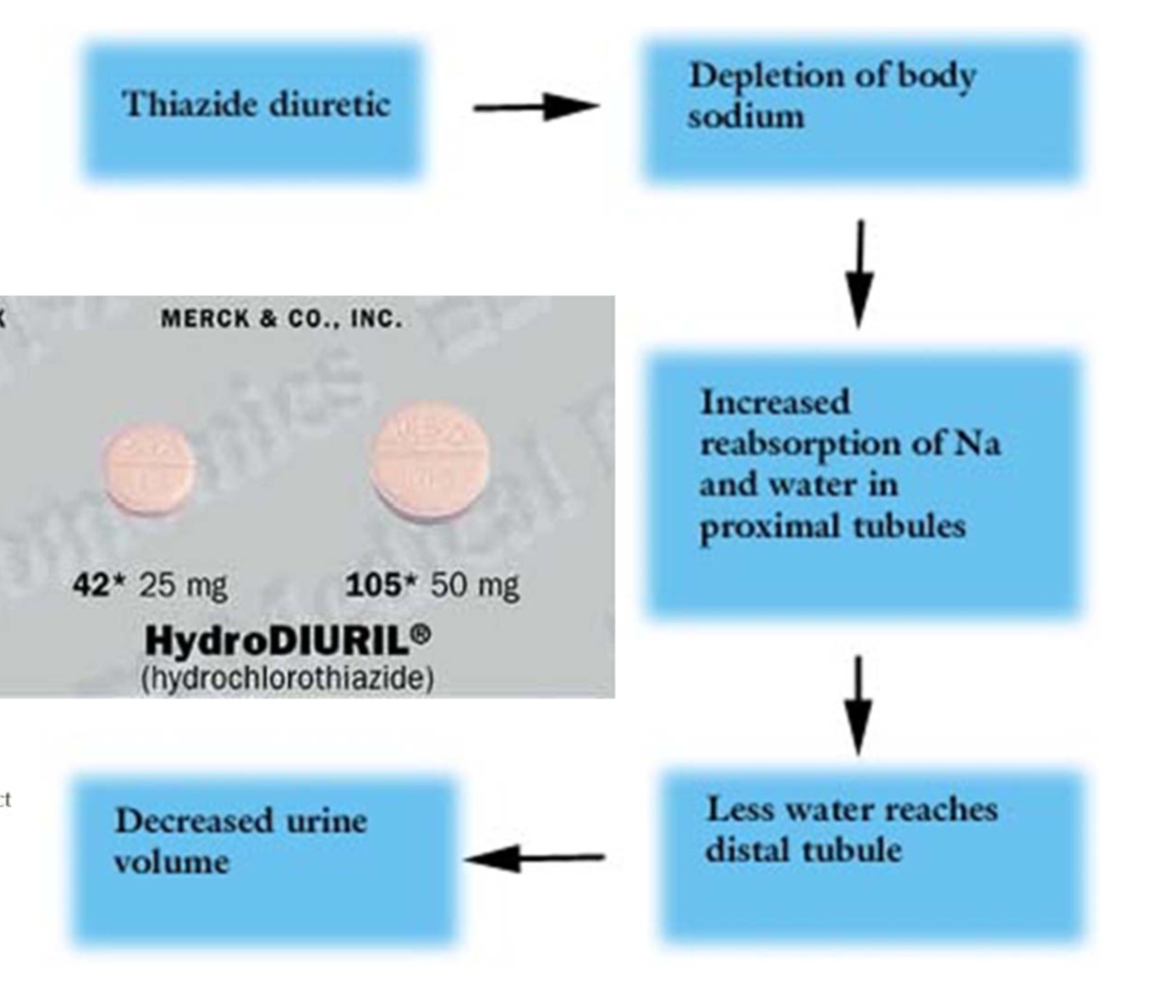
The primary action of ADH is water reabsorption by the kidneys.
This results in an increase in urine osmolality and a decrease in urine volume.
.
The cellular effect occurs in principal cells of the late distal convoluted tubule and collecting duct (tubule) when ADH binds to V2 receptors causing the insertion of aquaporin‐2 channels, thereby increasing water permeability.
Secondary Actions of ADH
The secondary action of ADH is contraction of arteriolar vascular smooth muscle via binding to V1 receptors, thereby causing vasoconstriction and increased BP.
Neurogenic (Central) Diabetes Insipidus
decreased ADH secretion
Nephrogenic Diabetes Insipidus
Renal insensitivity to ADH due to a defect in the V2 receptor or cell signaling process
.
In adults, the major clinical manifestations of diabetes insipidus include:
The frequent passage of large volumes of dilute urine (specific gravity below 1.005 and a urine osmolality less than 200 mmol/kg/24 hr)
Excessive/intense thirst (particular predilection for cold or iced drinks)
Increased fluid ingestion
Primary Polydipsia
compulsive water drinking or Dipsogenic Diabetes Insipidus

ADH (Vasopressin) Drug Example:
Desmopressin (DDAVP)
Desmopressin (DDAVP)
Synthetic ADH
Indicated ONLY for neurogenic (central) diabetes insipidus
Desmopressin has potent anti‐diuretic activity but much less vasoconstrictive activity
Nasal‐spray formulation → older
Oral tablet → released in the US in 1995
The tablet is available in 0.1 mg and 0.2 mg sizes.
The oral form has about one‐tenth to one‐twentieth the potency of the nasal form because only about 5% is absorbed from the intestine
Additional indication: Primary nocturnal enuresis (but not less than 6 yrs old)
Treatment of Nephrogenic Diabetes Insipidus (5)
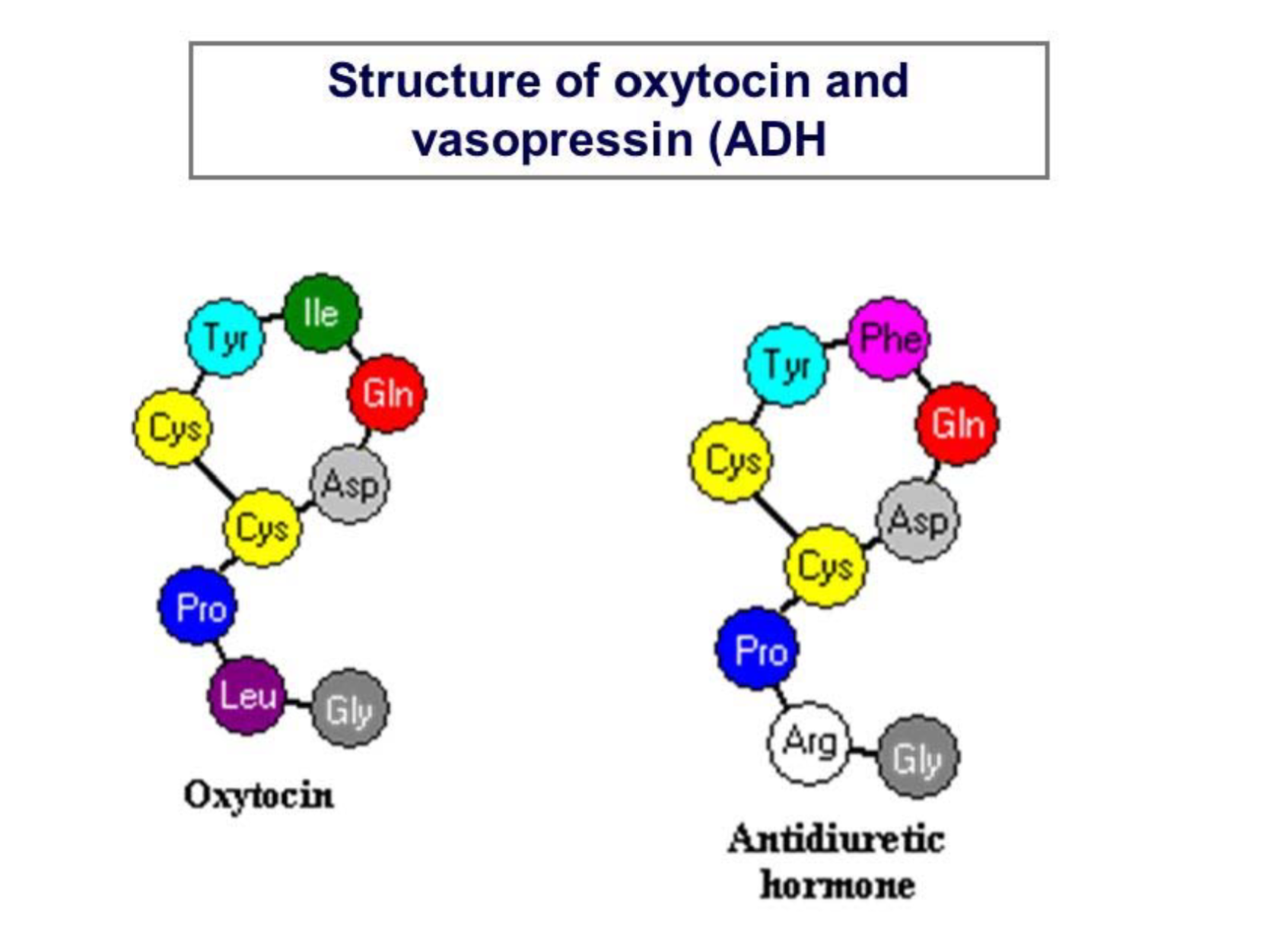
Structural Differences between Vasopressin vs Oxytocin
Very Similarly Structurally (Oxytocin has Leucine and lle that ADH does not)
Oxytocin (Two Targets)
Mammary Glands
Uterus
Posterior Pituitary Hormones: Oxytocin & Lactation
Stimulation of the nipple through suckling produces a neurohumoral reflex that causes secretion of oxytocin.
In turn, oxytocin causes contraction of the myoepithelial cells of the mammary alveoli & ducts and the ejection of milk.

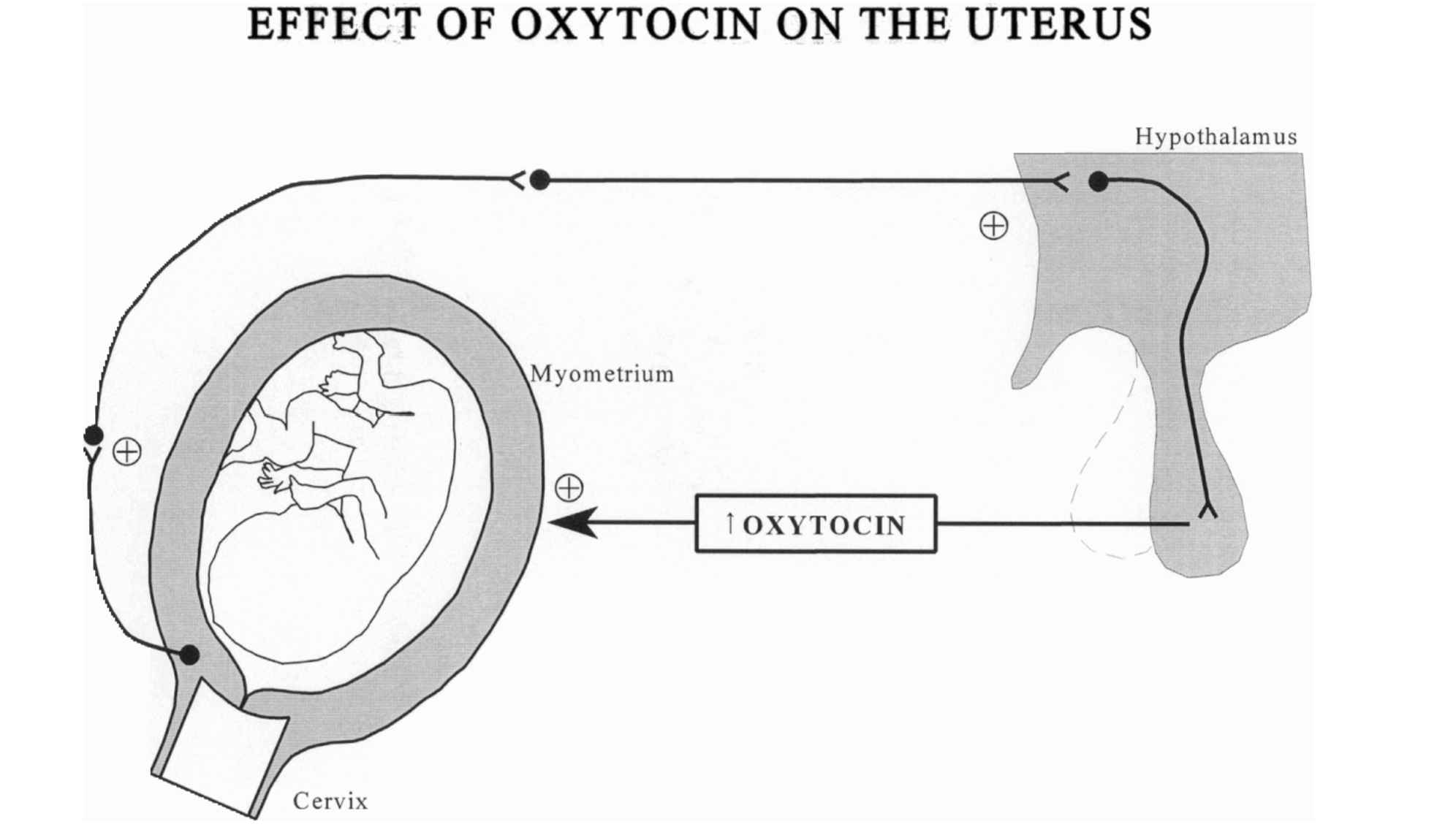
Posterior Pituitary Hormones: Oxytocin & Birth
Oxytocin affects the myometrium, as it increases both the frequency and the
duration of action potentials during uterine contractions.
Thus, administration of oxytocin initiates contractions in a quiescent uterus and increases the strength and frequency of muscle contractions in an active uterus.
Positive Feedback
Are there any pathophysiological conditions associated with oxytocin?
None really to speak of…….although synthetic
oxytocin (Pitocin) is used to induce or attenuate labor in
pregnant females needing assistance
What about oxytocin in males? Does oxytocin have other
functions in males and females?
Cuddle hormone”, “bonding hormone”, “love hormone”
• Facilitation of trust
• Antidepressant‐like effects
• Promotes feelings of empathy
Oxytocin Preparations (Example)
Pitocin
Pitocin (2)
Indicated for:
Induction or enhancement of uterine contractions during labor
Prevention of postpartum uterine hemorrhage
.
Nasal‐spray formulation available in Europe → used a few minutes prior to breast‐feeding to stimulate/enhance lactation reflex

Cell types of the anterior pituitary mnemonic (5)
Tom
Cruise
Smells
Like
Gumbo
Cell types of the anterior pituitary (5)
Thyrotropes
Corticotropes
Somatotropes
Lactotropes
Gonadotropes
The remaining cell types in the anterior pituitary are non‐ hormone producing cells (i.e., connective tissue, etc.)
Thyrotropes
(5%) TSH
TSH
Thyroid-stimulating hormone
Corticotropes
(15%) ACTH
Adrenocorticotropic hormone (ACTH)
Somatotropes
(20%) GH
Growth Hormone
Lactotropes
(15%) Prolactin
Gonadotropes
(15%) FSH, LH
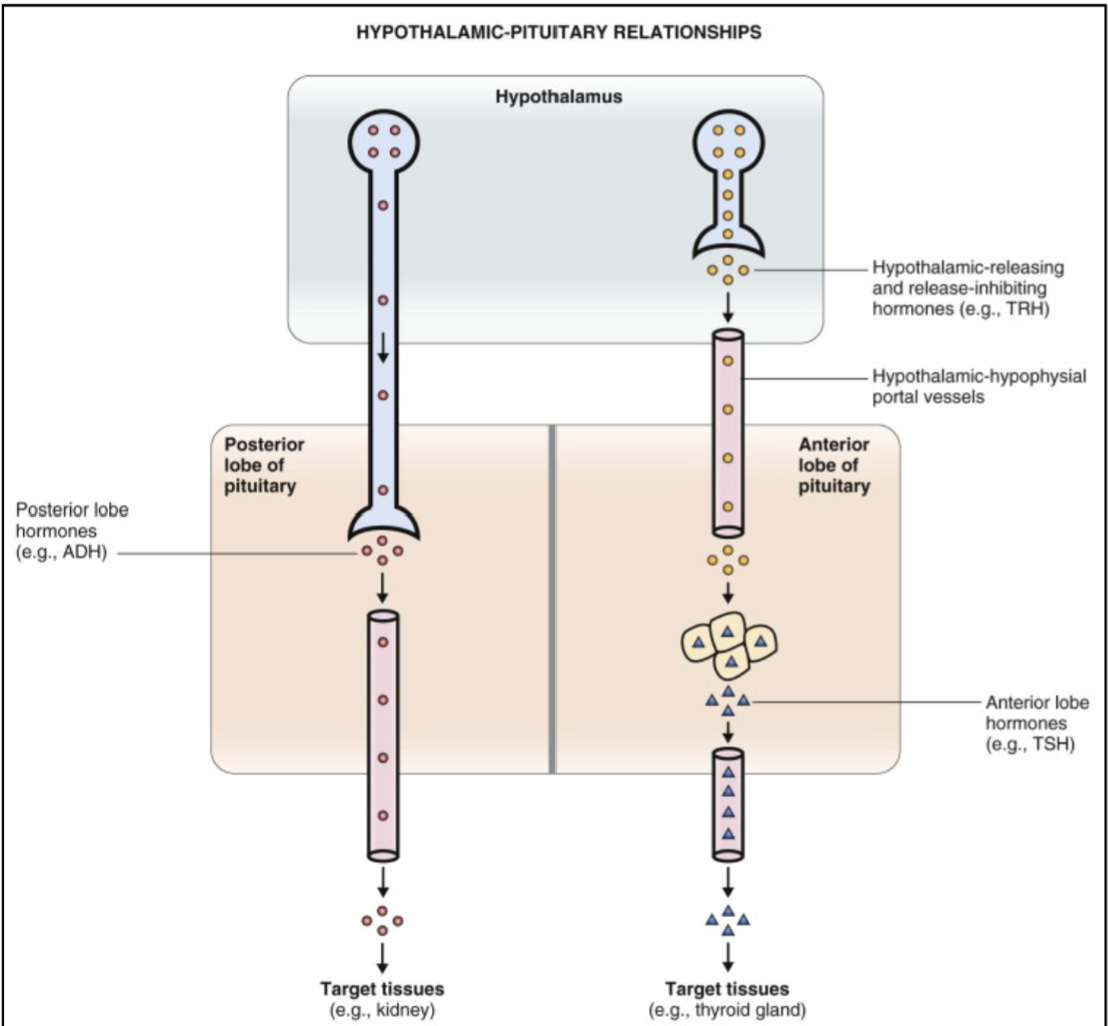
Anatomic Relationships: Hypothalamus & Anterior Pituitary
The secretion of the 6 different hormones from the anterior pituitary
are influenced by the secretion of 6 different hormones (the
presence of a “PRF” has not been supported) from the hypothalamus
Regulation of GH Secretion
The main regulators of GH secretion are the
hypothalamic hormones GHRH and GHIH (otherwise known as somatostatin)

Direct Effects of GH Secretion
Some of the actions of growth hormone result from the hormone's direct effect on target tissues such as skeletal muscle, the liver, or adipose tissue.
Direct Effects of GH Secretion
Other actions of growth hormone are mediated indirectly through
the production of SOMATOMEDINS (or INSULIN‐LIKE GROWTH
FACTORS [IGFs]) mainly from the liver, but also from skeletal muscle,
bone and kidneys.
.
Also notice the numerous negative feedback mechanisms shown in the diagram above.
![<p>Other actions of growth hormone are mediated indirectly through</p><p>the production of <span style="color: rgb(245, 6, 6);"><strong>SOMATOMEDINS (or INSULIN‐LIKE GROWTH</strong></span></p><p><span style="color: rgb(245, 6, 6);"><strong>FACTORS [IGFs]) mainly from the liver</strong></span>, but also from skeletal muscle,</p><p>bone and kidneys.</p><p>.</p><p>Also notice the numerous negative feedback mechanisms shown in the diagram above.</p>](https://assets.knowt.com/user-attachments/913a3c0d-f5b5-47fb-a36d-579e77d9cbd5.png)
Physiological Functions of GH (Bones)
In growing bones, the epiphyseal plates widen and more bone is laid down at the ends of long bones.
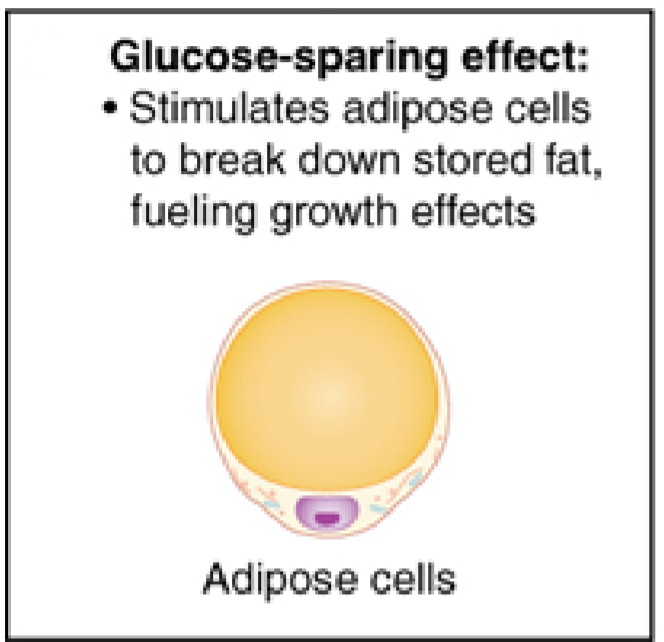
Glucose Sparing Effect
Physiological Functions of GH
Diabetogenic Effect
Growth hormone decreases glucose uptake and utilization by target tissues such
as muscle and adipose tissue.

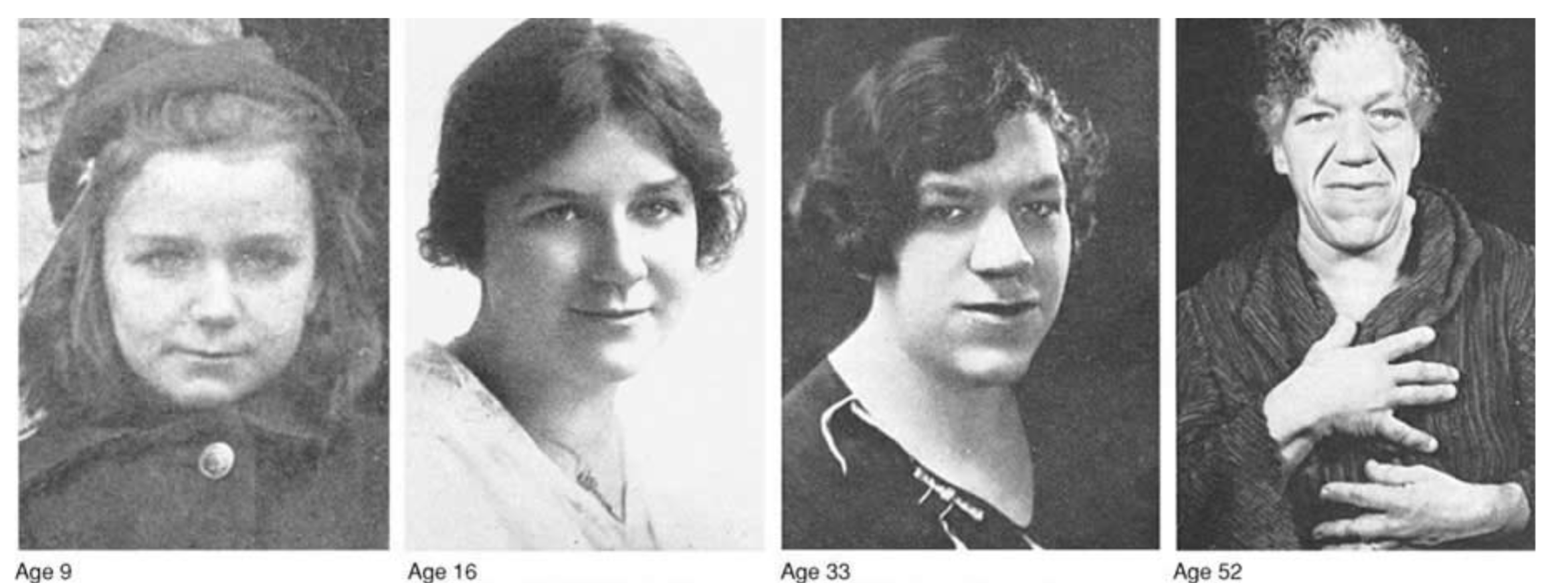
Acromegaly (Example)
Acromegaly Symptoms
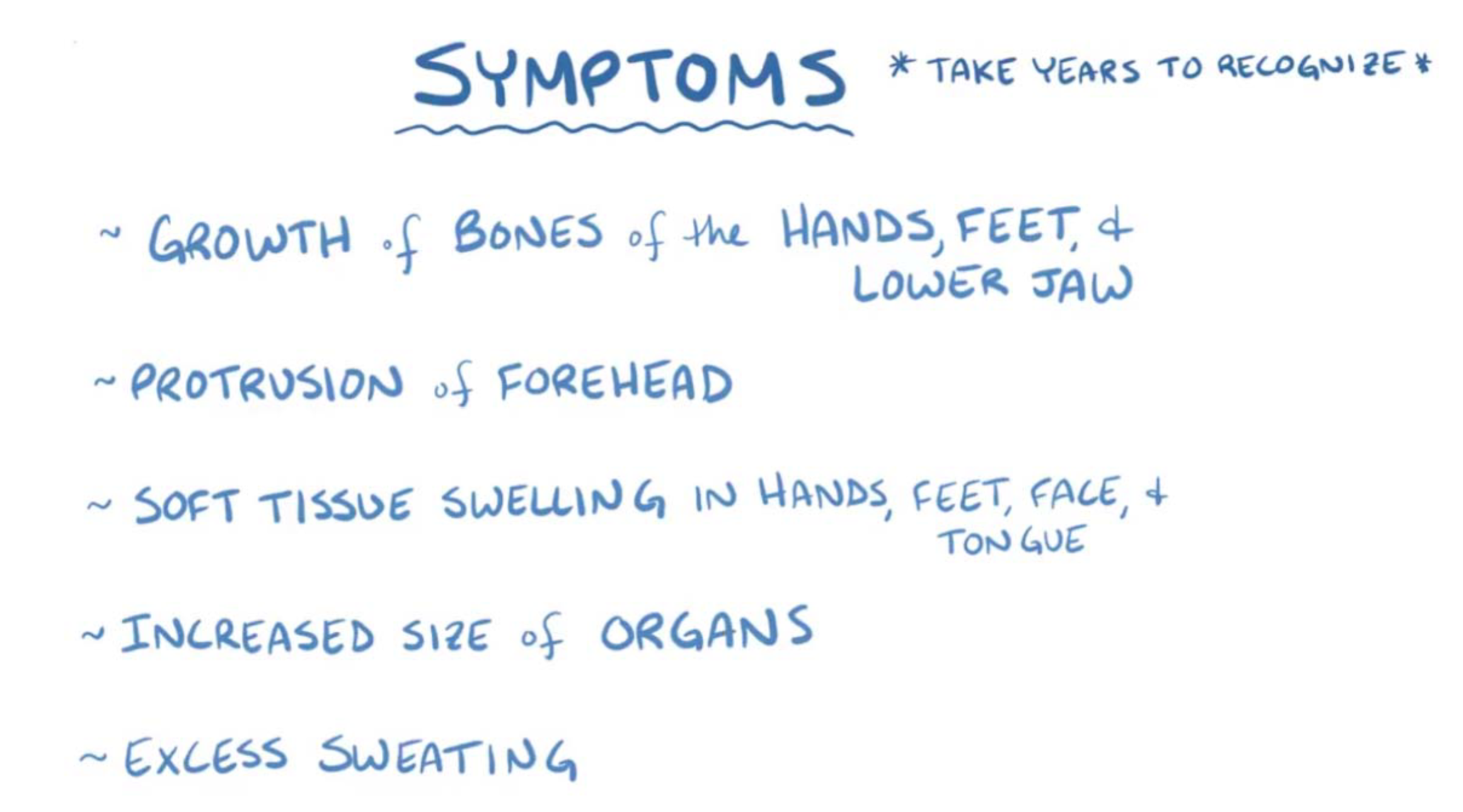
Acromegaly Symptoms pt 2

DENTAL ASPECTS OF ACROMEGALY (First Reason)
Enlarged tongue (MACROGLOSSIA) with indentations of lateral borders due to pressure against the teeth

DENTAL ASPECTS OF ACROMEGALY (Second Reason)
Enlarged prognathic mandible (prognathism)
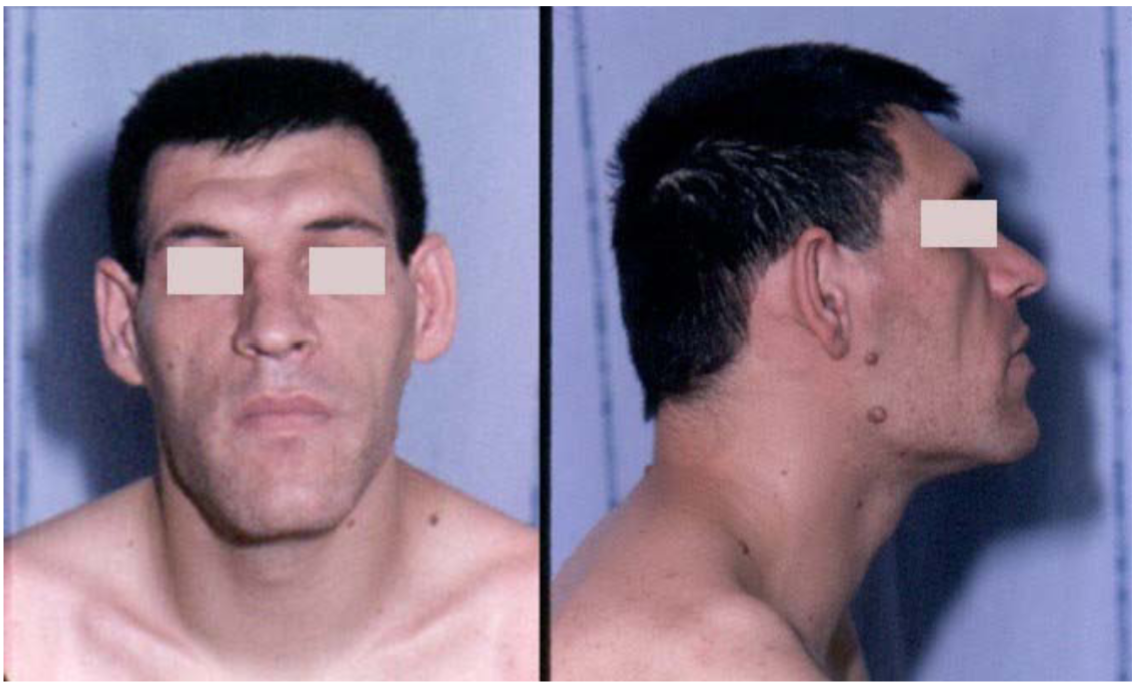
DENTAL ASPECTS OF ACROMEGALY (Third Reason)
Malocclusion
Normal Occlusion

Malocclusion
A problem in the way the upper and lower teeth fit together in biting or chewing
.
3 Types
Class 1 Malocclusion

Class 2 Malocclusion
Over Bite
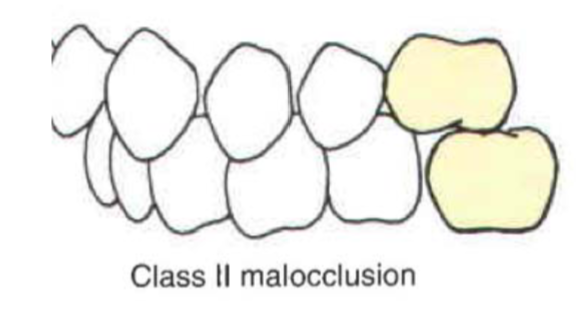
Class 3 Malocclusion
Underbite

DENTAL ASPECTS OF ACROMEGALY (4th Reason)
Spacing in the teeth

Other oral manifestations OCROMEGALY (4)
Thick lips
Salivary gland enlargement
Thickening and folding of facial skin
Enlarged nasal sinuses
.
Overall, acromegalic patients may report to the dentist
with complaints of malocclusion, difficulty in speech due
to an enlarged tongue, mobility of teeth or missing teeth.
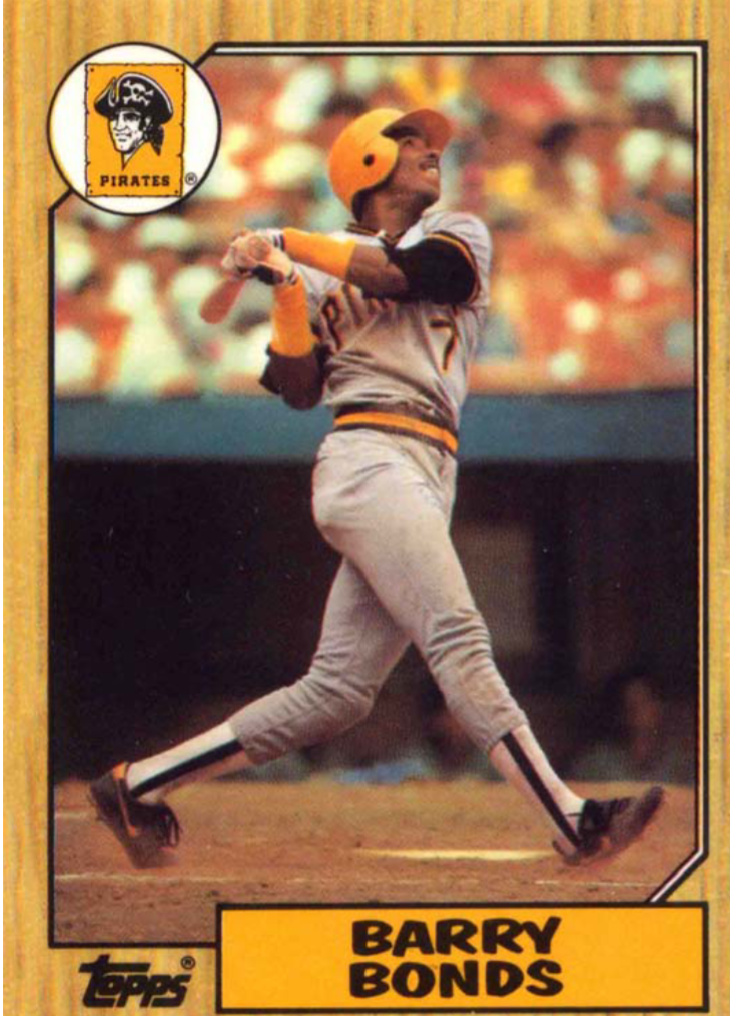
Acromegaly & GH can be used as a
Performance Enhancing Drugs
GHIH (Somatostatin) Preparations (Examples)
Octreotide (Sandostatin)
Lanreotide
Indicated for acromegaly
Growth Hormone Receptor Antagonists
Example: Pegvisomant
.
Indicated for acromegaly
.
Blocks growth hormone receptors throughout the body and reduces blood levels of IGF‐1
Pituitary Dwarfism
GH Deficiency
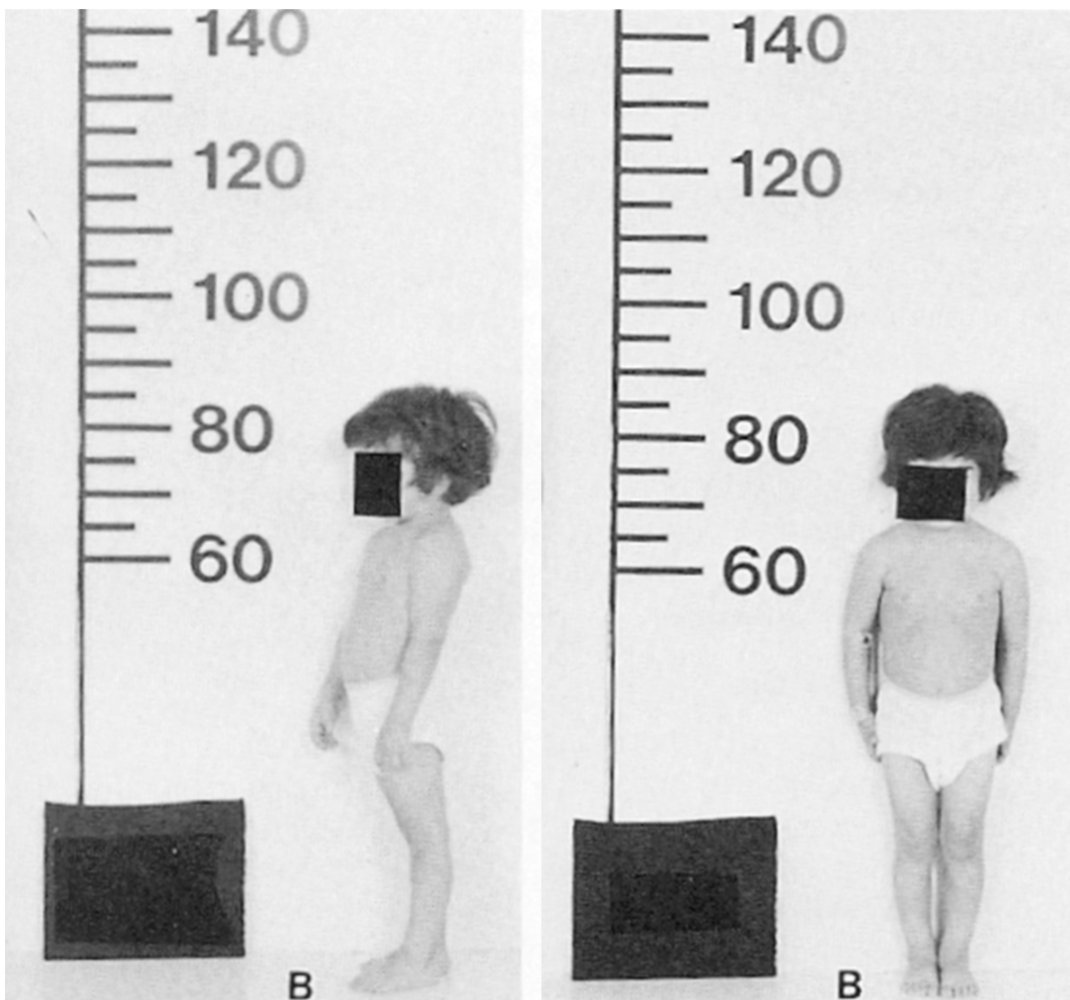
DENTAL ASPECTS OF GH DEFICIENCY
Permanent teeth and their roots show a delayed pattern of eruption
.
Maxilla and mandible are smaller than normal (“small facial appearance” for age)
.
Dental arches are smaller than normal and therefore cannot accommodate all the teeth resulting in crowding and malocclusion
.
Decrease in salivary flow due to hypofunctioning of salivary glands which leads to increased caries and periodontal disease
Growth Hormone Preparations
GH preparations are aqueous solutions of GH for subcutaneous administration to treat growth hormone deficiency.
Genotropin
Humatrope
Norditropin
Nutropin
Protropin
Saizen
Most are available in multiple‐dose pen devices which significantly
aid in administration.
Pituitary Gigantism
Basically, a somatotropic adenoma………..

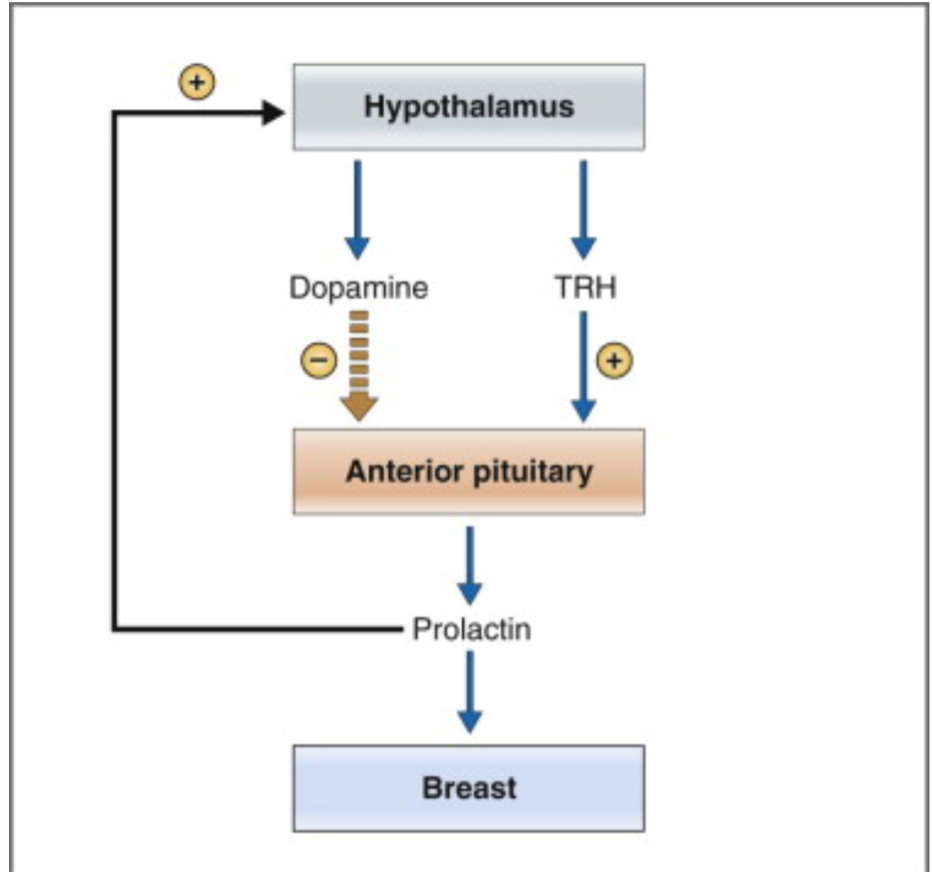
Regulation of Prolactin Secretion
In persons who are not pregnant or lactating, prolactin secretion is tonically inhibited by dopamine (prolactin‐inhibiting hormone, PIH) from the hypothalamus.
Pregnancy and breast‐feeding are the most important stimuli for prolactin secretion
Physiological Effects of Prolactin
PRL stimulates milk production in the postpartum period.
During pregnancy, PRL secretion increases and, in concert with many other hormones (estrogen, progesterone, insulin and cortisol), promotes additional breast development in preparation for milk production.

Physiological Effects of Prolactin (Female)
In females, prolactin inhibits ovulation by inhibiting the synthesis and
release of GnRH.
.
Inhibition of GnRH secretion and, secondarily, inhibition of ovulation
account for the decreased fertility during breast‐feeding.
Physiological Effects of Prolactin (Male)
In males with high prolactin levels (HYPERPROLACTINEMIA) (e.g., due
to a PROLACTINOMA), there is a parallel inhibitory effect on GnRH
secretion and spermatogenesis, resulting in infertility. There is also
GYNECOMASTIA and GALACTORRHEA
Prolactin in your blood
Becomes cancerous PROLACTINOMA
Drugs for Hyperprolactinemia
Dopamine Agonists (mimic dopimine):
Cabergoline (Cabaser, others)
Bromocriptine (Parlodel, others)
.
Indicated for prolactinoma
Mimic the action of dopamine (PIH)
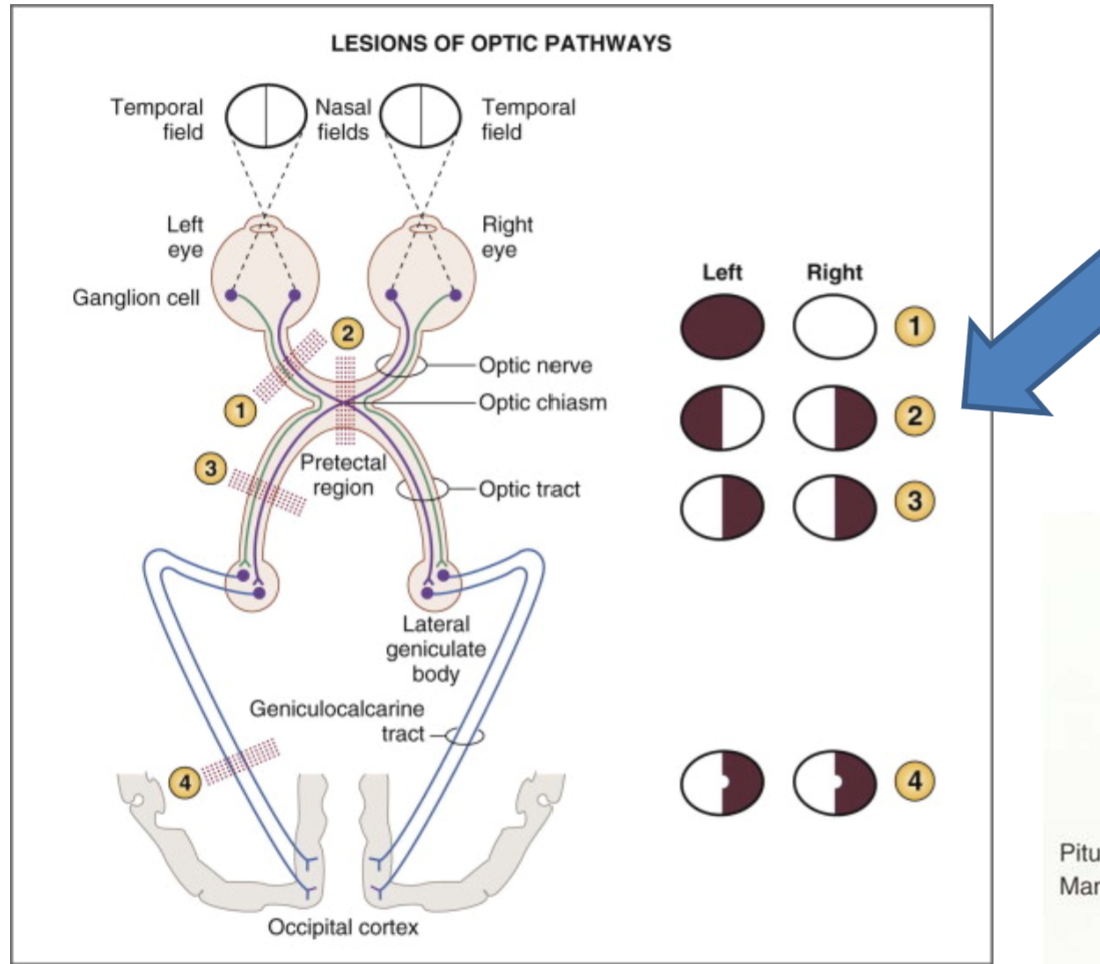
Pituitary Adenoma & Vision
Bitemporal Hemianopsia or Hemianopia
Causes tunnel vision if there is a tumor in the pituitary gland
TRH Pathway (4)
TRH →
TSH →
Thyroid Gland →
T3 & T4
CRH Pathway (4)
CRH →
ACTH →
Areadenal Cortex →
Cortisol
GHRH & GHIH Pathway(3)
GHRH (+) & GHIH(-) →
GH →
Many Target Tissues
PRH & PIH Pathway (3)
PRH (+) & PIH (-) →
Prolactin →
(Breast Tissue)
Four Trends in Growth Charts (Growth Hormone related)
