Vital Signs
 Call Kai
 Learn
Learn Practice Test
 Spaced Repetition
 Match
Match Flashcards
 Knowt Play
1/94

Earn XP
Description and Tags
Chapter 8
Name | Mastery | Learn | Test | Matching | Spaced | Call with Kai | Chat |
|---|
No analytics yet
Send a link to your students to track their progress
95 Terms
What vital signs data reflects body system status? (4)
cardiovascular (HR, BP)
neurologic
peripheral vascular (pulse symmetry)
respiratory
Order of taking Vitals
temperature
pulse
respirations
blood pressure
Why do you always take BP last?
gives patient time to calm down
Body Temp Equation
heat produced - heat loss = temperature
What causes body temperature to rise?
strenuous exercise
stress
ovulation
hyperthermia
viral or bacterial infections
malignancies
trauma
various, blood, endocrine, and immune disorders
Surface Temperatures (2)
oral (O)
axillary (Ax)
skin
Core Temperature
tympanic (E)
temporal
rectal (R)
Oral Temp
98.6 F
(NPO for 15 to 20 minutes)
Axillary Temp
97.7 F
Tympanic Temp
98.6 F
(hold a couple seconds)
Rectal Temp
99.5 F
(steps: lubricate 0.5”, insert only 1”, hold)
What affects BP?
cardiac output
elasticity of arteries
blood volume
blood velocity (HR)
blood viscosity (thickness)
Pulse Defintion
palpable bounding of blood that can be sensed by fingertip as blood passes through a peripheral artery each time the heart contracts
Pulse Physiology Equation
heart rates (HR) - stroke volume (SV) = cardiac output (CO)
Stroke Volume (SV)
amount of blood (60-70ml) with each beat of the heart
What does anxiety do to pulse?
raises pulse
What does fluid volume do to pulse?
raises pulse
(makes heart work more)
What does gas exchange do to pulse?
raises pulse
What does hypothermia do to pulse?
raises pulse
What does pain do to pulse?
raises pulse
What does tissue perfusion do to pulse?
raises pulse
What does tissue damage do to pulse?
raises pulse
What are the pulse characteristics? (4)
rate
quality
rhythm
equality
Why can’t we take a pulse with thumbs?
thumbs have a pulse, so can’t feel the patients
What does bpm stands for?
beats per minute
What is the normal pulse rate range for 2 year olds to adults?
60-100 bpm
What is the normal pulse rate range for newborns?
100-180 bpm
What is the normal pulse rate range for 1 week to 3 month babies?
100-220 bpm
What is the normal pulse rate range for 3 months to 2 year olds?
80-120 bpm
What is a pulse under 60 called?
bradycardia
What is a pulse over 100 called?
tachycardia
What are the types of rhythm?
regular = symmetrical and a metronome
irregular (need to test for full minute if so)
What is the different qualities (strength) of pulse?
0 = absent
+1 = thready, weak
+2 = normal
+3 = bounding
How do you check for pulses equality?
check pulse on both wrists to feel symmetrical
usually done with radial pulse
What happens to elasticity of pulse as you get older?
becomes more difficult to find
because veins are stretched
What are the pulse sites? (9)
temporal
carotid
brachial
radial
ulnar
femoral
popliteal
posterior tibial
dorsalis pedis
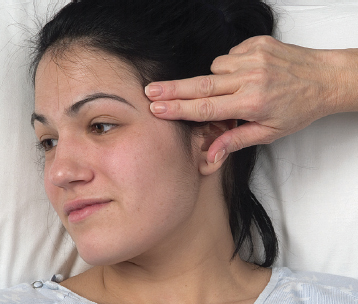
Where is the temporal pulse?
temple, forehead
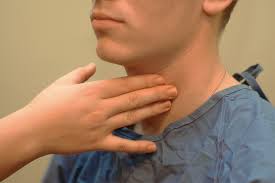
Where is the carotid pulse?
neck
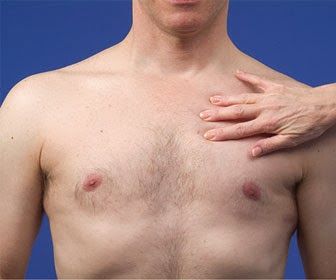
Where is the apical pulse?
right over heart
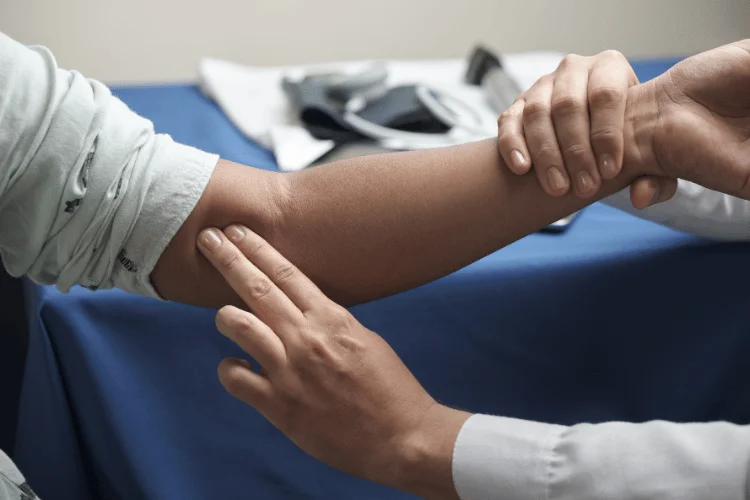
Where is the brachial pulse?
upper arm
used when taking manual BP
also commonly used for taking pulse of peds patients
Where is the radial pulse?
thumb side of wrist
“radical thumb”
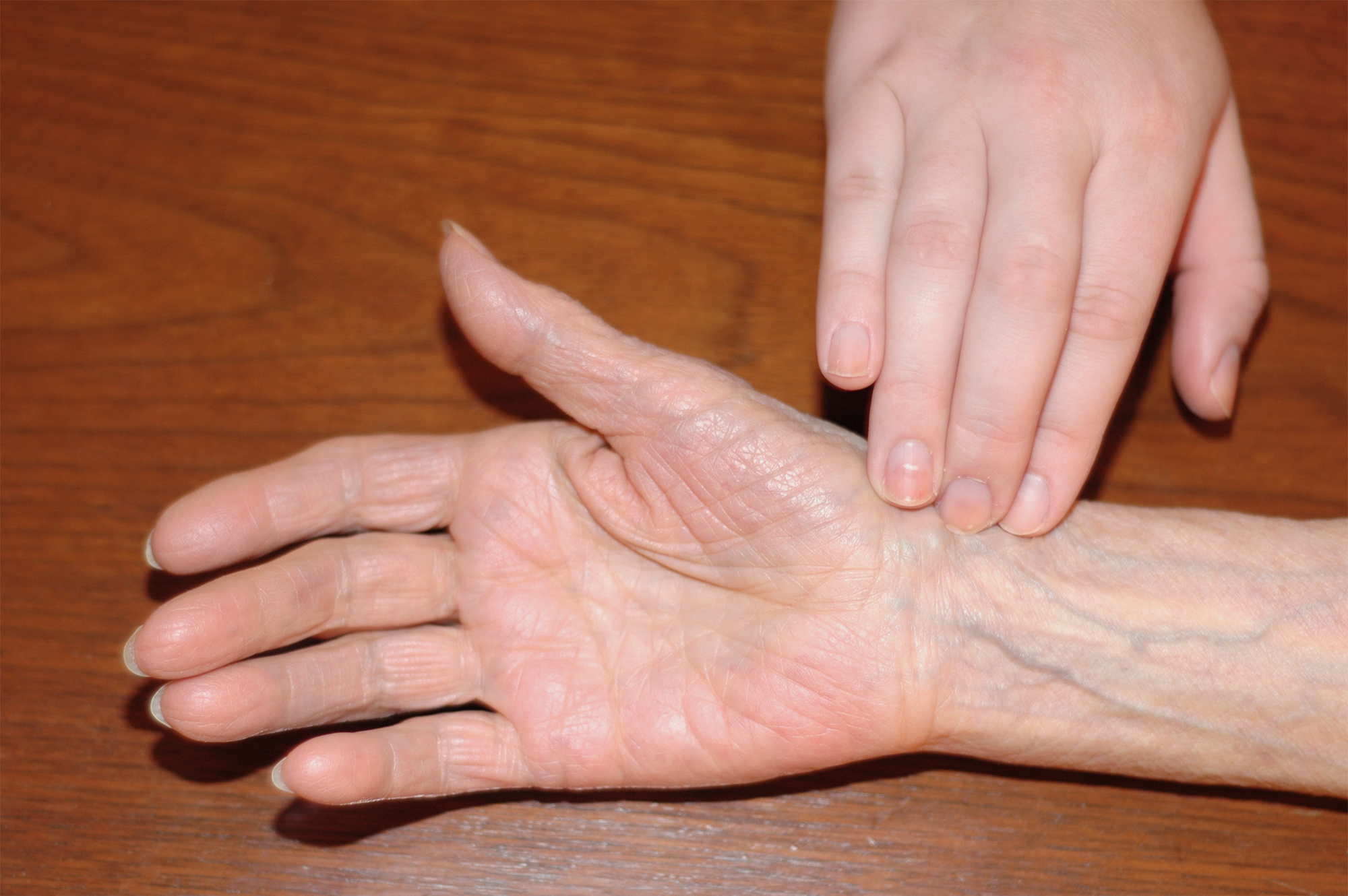
Where is the ulnar pulse?
pinky side of wrist
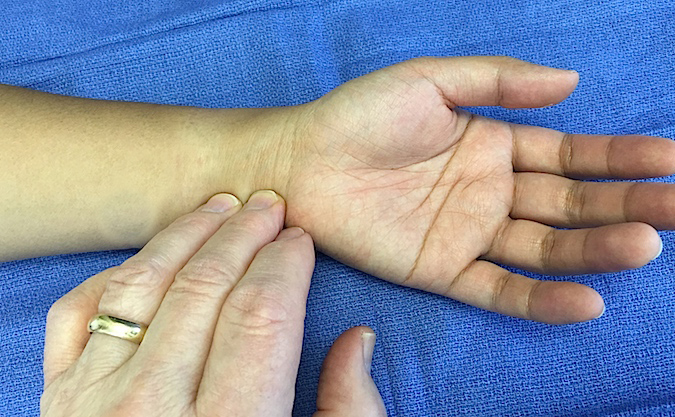
Where is the femoral pulse?
groin
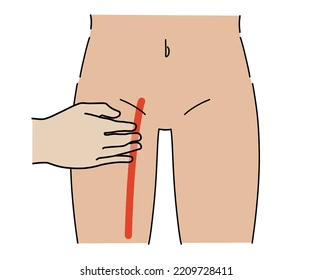
Where is the popliteal pulse?
behind knee
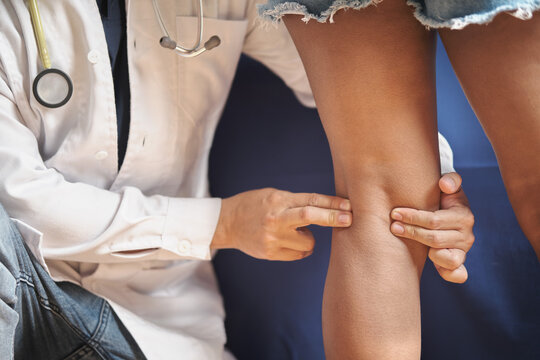
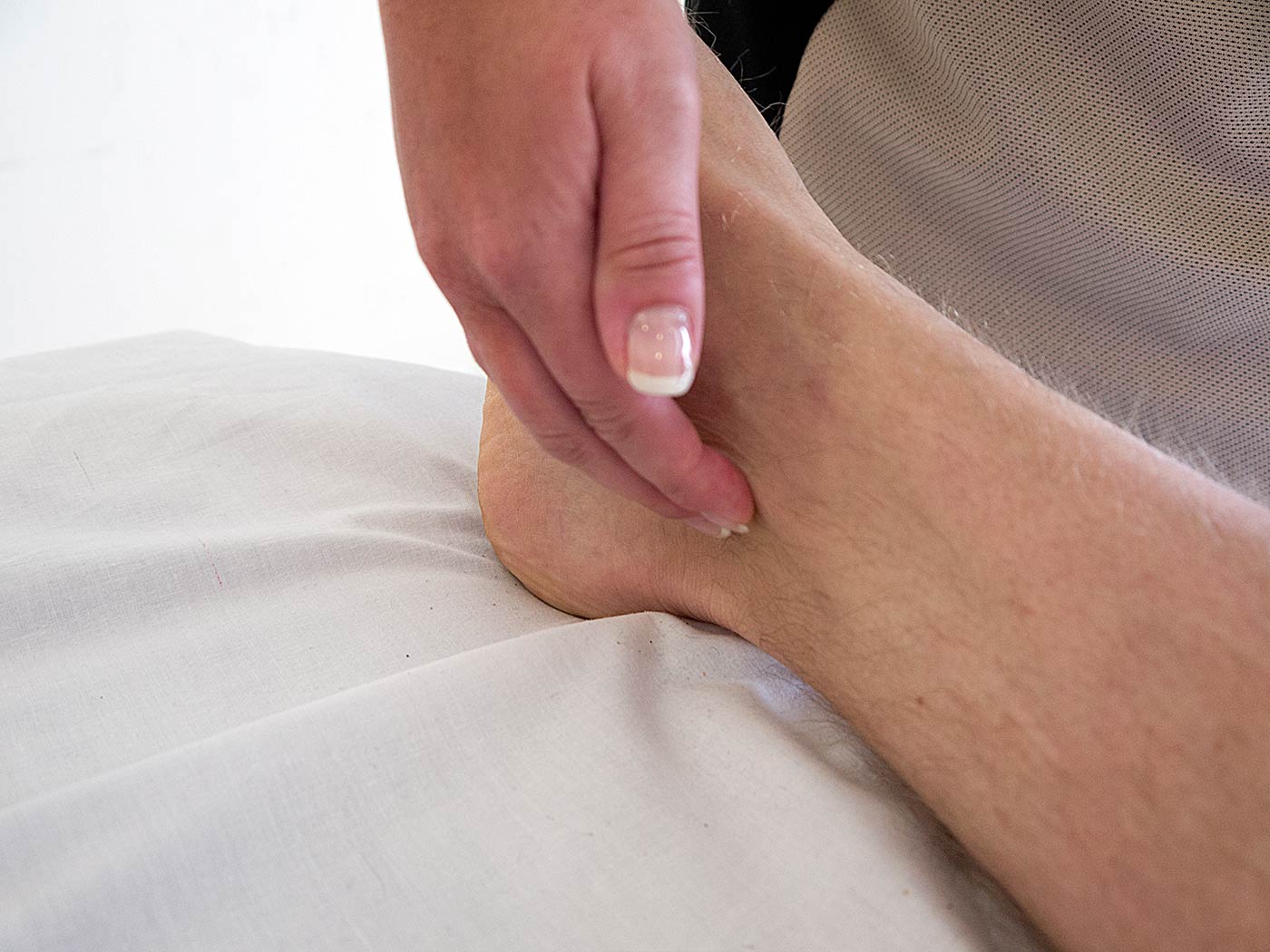
Where is the posterior tibial pulse?
behind ankle bone
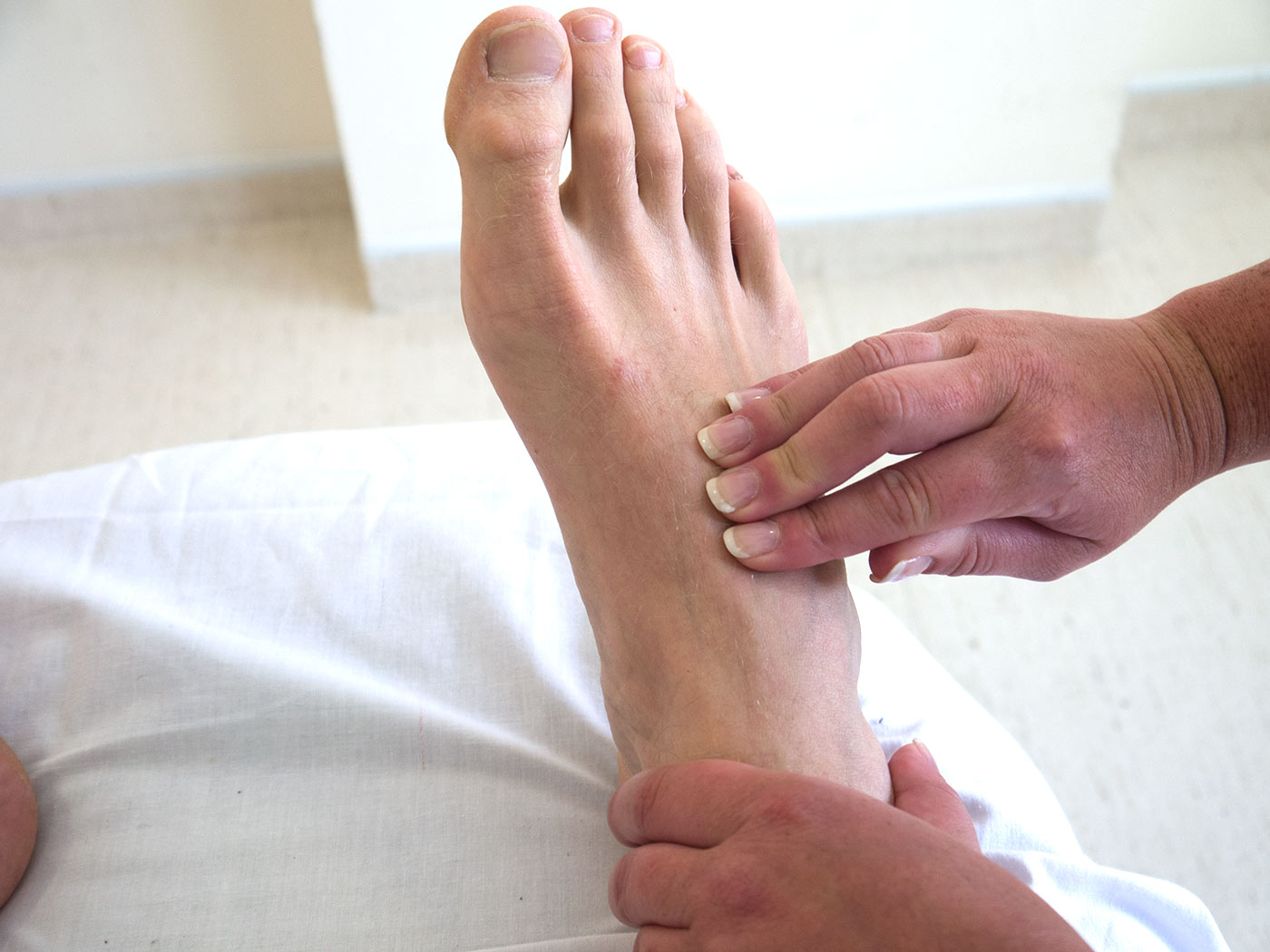
Where is the dorsalis pedis pulse?
bridge of foot
What is respiration?
the exchange of oxygen and carbon dioxide between air, lungs, blood vessels, and body cells
What are the mechanisms of respiration? (3)
ventilation
diffusion
perfusion
What is the definition of ventilation?
movement of gas in and out of lungs
What is the definition of diffusion?
movement of oxygen and carbon dioxide between the blood and alveoli
What is the definition of perfusion?
distribution of red blood cells to and from the pulmonary capillaries (cap refill)
How is breathing regulated?
by CO2, O2, and H+
What is one of the first indicators of respiration failure?
CO2 levels drop
Define Hypoxemia
low levels of arterial oxygen
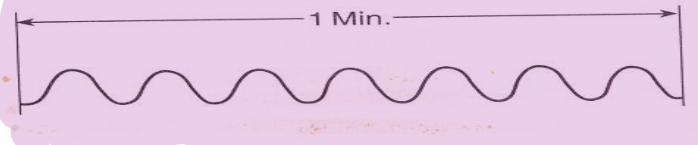
What type of breathing is this?
normal

What type of breathing is this?
Cheyne-Stokes breathing
(related to heart failure or stroke)

What type of breathing is this?
Kussmaul’s breathing
(super tacky, acidotic = trying to breath of acid gas)

What type of breathing is this?
central neurogenic hyperventilation
(common sign of patient about to enter a comma, if 25 resp/min)
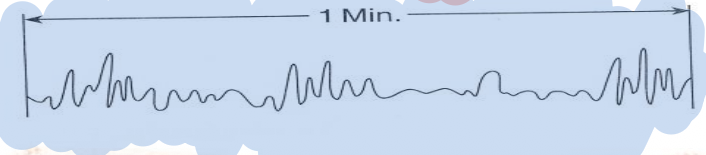
What type of breathing is this?
Ataxic (Biot’s) pattern
(if braindead but brainstem is working)
What is rapid respirations, with rate rising 4 bpm/degree > than normal body temp?
Tachypnea
What is slow regular respirations with <12 bpm?
bradypnea
What is deep respirations at normal rate?
hyperpnea
What is it called when there is absence of breathing?
apnea
What is the rate range of respiration at rest?
12-20
What is the ratio of respiration rhythms?
regular
1:2 IE (double time to exhale)
What are the respiration characteristics?
rate
rhythm
quality (depth)
unlabored/labored
Why do you need other be sneaky about taking respirations?
because it passive, patients can become conscious of it and skew the results accidentally
Define BP
the force on the walls of an artery by pulsing blood
Contrast systolic and diastolic BPs
systolic:
“peak of max pressure”
during the hearts contraction as blood is forced under high pressure into aorta
measurement of BP in arteries when ventricles contracted
diastolic:
minimum pressure present when ventricles are relaxed
“minimal pressure exerted against arterial walls”
measurement of BP in arteries when ventricles relaxed
List the types of peripheral resistance in BP (5)
vasoconstriction
vasodilation
blood volume
viscosity
elasticity
How does vasoconstriction affect BP?
causes BP to rise
How does vasodilation affect BP?
causes BP to drop
How does blood volume affect BP?
if not enough BV = dehydrated
so BP goes up since heart has to work harder
How does viscosity affect BP?
if more viscose = BP rises
if less viscose = BP drops
How does elasticity affect BP?
causes BP to drop if less elastic
What are the risks for hypertension? (7)
family history
obesity
age
being male
african americans
high stress
smoking and alcohol
Define hypertension
a chronic condition where blood force against artery walls is consistently too high
Name some signs of hypertension
>160 mmHg systolic
vasoconstriction
What are some risks of hypotension?
myocardial infarction (MI)
blood loss
What does a systolic <90mmHg and vasodilation tell us?
patient might have hypotension (which is connected to blood loss and MIs)
can be life threatening
What is orthostatic hypotension and what risk does it cause?
getting up too fast, getting dizzy and tunnel vision
common cause is dehydration
risk for falls
What is the treatment for orthostatic hypotension?
How is a sphygmomanometer used?
measuring indirect BP (putting a cuff on)
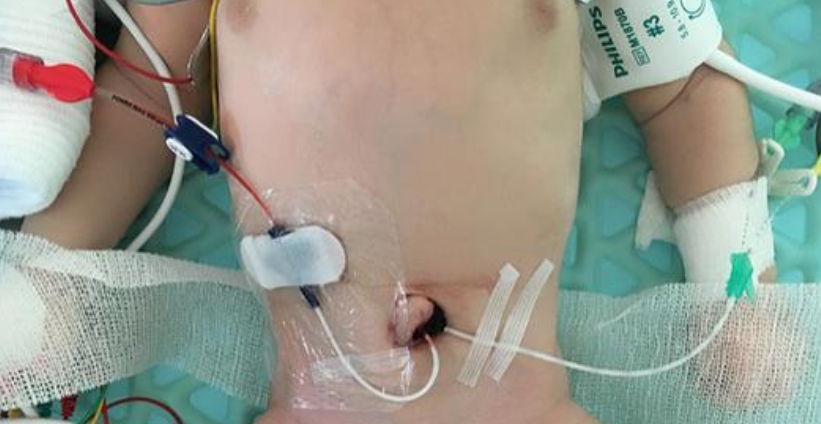
What is used when measure BP directly?
arterial line
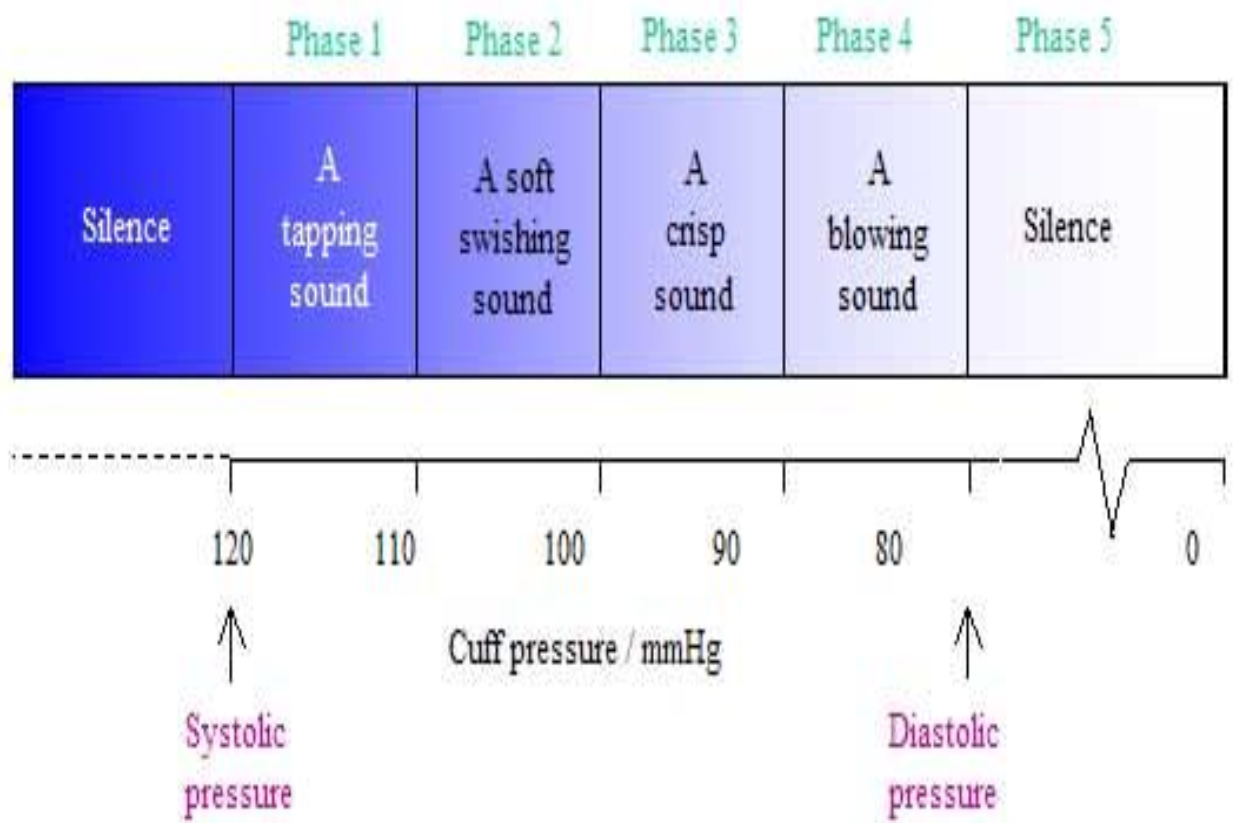
What are the Korotkoff sounds? (5)
I = first noise, tapping, at least 2 in a row
II = whooshing noise
III = intense
IV = muffled sounds
V = disappearance of sound
What is the range for systolic and diastolic BP in adults?
100 to 120 for systolic
60 to 80 for diastolic
List the BP Procedure Steps
assess factors of interference
size of cuff
place antecubital (2.5 above) palpate brachial artery
fit snug, arms at heart level
if no baseline: palpate radial pulse, inflate cuff until pulse disappears
deflate cuff and wait 30 seconds
inflate cuff 30 mm/Hg past the point of pulse loss
deflate cuff 2-3 mmHG per second and auscultate for Sounds of Korotkoff
What are some assessment considerations for pulse and BP? (5)
consider daily fluctuations
consider medications and treatments
need 2+ hours for effect
factors that may influence or interfere with accuracy
influencing medical conditions
pertinent lab values
When do you not use a specific side while taking BP?
mastectomy
do side with breast, if both gone use a leg
dialysis shunt
IV fluids
stroke affected side, hemiparesis, paralysis
use non affected side
surgery or injury to that extremity
recent blood draw
cast
Is the following statement true or false?
Normally, pulsation is slightly stronger in left wrist.
false
pulse should be equal
What are possible normal temperature ranged for older patients?
95-97.5 F
so my be considered hypothermic if below 96 F
Osteoporotic thinning and collapse of vertebrae secondary to bone loss may result in what?
kyphosis = bend of thoracic
How does gait change for men as they age?
gate may be wider based
with arms held outward
How does gait change for women as they age?
gait may be a narrow base
so may waddle to compensate
What is arteriosclerotic mean?
build up of place
cholesterol related to this
if in brain, may cause stroke
if in heart, may cause cardiac arrest