AHS3263: Surgical Nursing
 Call Kai
 Learn
Learn Practice Test
 Spaced Repetition
 Match
Match Flashcards
 Knowt Play
1/5

There's no tags or description
Looks like no tags are added yet.
Name | Mastery | Learn | Test | Matching | Spaced | Call with Kai | Chat |
|---|
No analytics yet
Send a link to your students to track their progress
6 Terms
Role of a Technician in Surgery:
Anesthesiologist
Monitoring - you know before the surgeon does if something isn’t right
Instrument finder/table mover/light
Human retractor
Cheerleader/psychologist
Steps/Roles:
Check-in/History
Pre-op exam/MDB
Anesthesia/Surgery prep
Monitoring
Post-op
Discharge
Surgical Conscience:
The willingness to be held liable for each one' own actions in providing health care to the patient & not hesitating to admit a break in aseptic technique in order to prevent the patient from acquiring a surgical wound infection
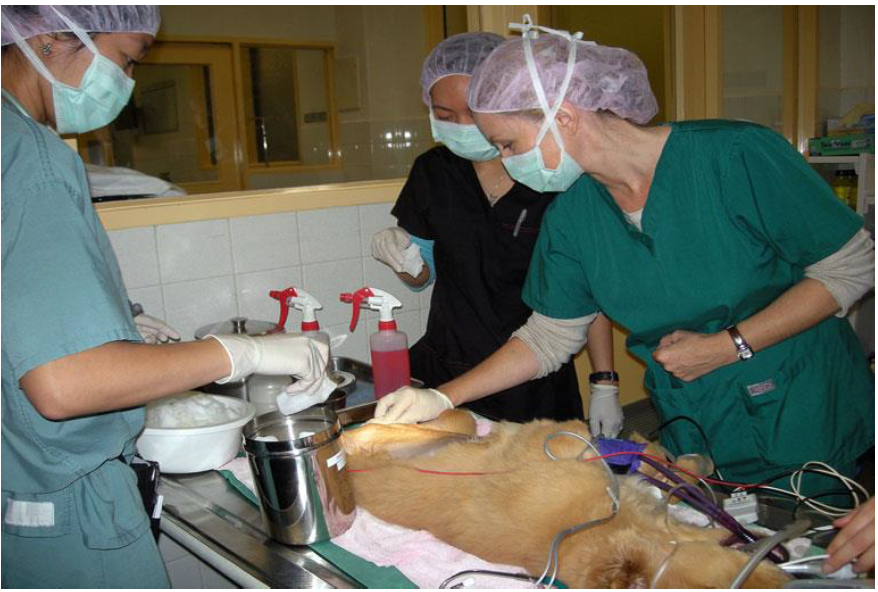
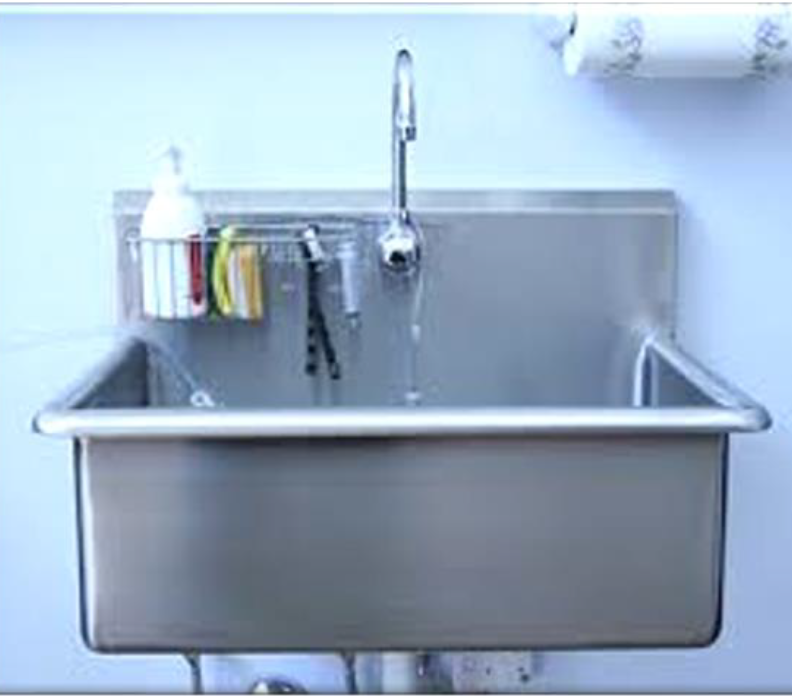
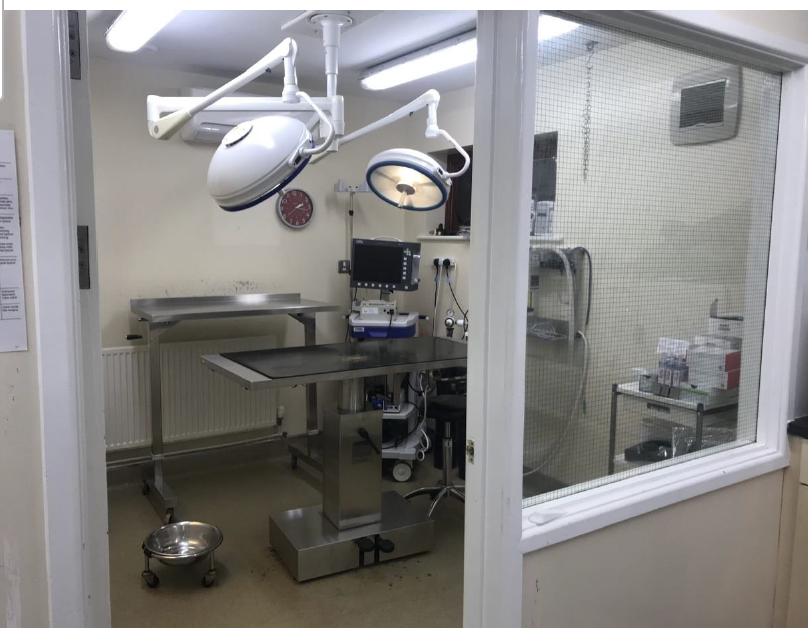
3 Areas in Surgery:
Preparation area
Should be adjacent to the surgery room
Ideal to have a separate anesthesia machine
Clipping patient/shaving
“Dirty” procedures
Abscesses, debridement of old wounds, etc
Scrub area
Scrub sink
Autoclave
Gown & glove
Surgical room
Ideally a separate room
No clutter!
Door
Asepsis:
State of being free of living pathogenic microorganisms
Condition of sterility
Typically refers to LIVING STRUCTURES
Aseptic Technique:
Definition - defined as the methods & practices that prevent CROSS CONTAMINATION in surgery
Involves proper preparation of the facilities & environment, surgical site, surgical team, & surgical equipment
Overall purpose is to AVIOD INFECTIONS
Sources of microorganisms from two routes:
Exogenous route
Air
Surgical supplies
Patient’s skin
Surgical team
Endogenous route
Bacteremia: Through the bloodstream
Slide 37