Intro to the Human Body (Lecture 1)
 Call Kai
 Learn
Learn Practice Test
 Spaced Repetition
 Match
Match Flashcards
 Knowt Play
1/91

Earn XP
Description and Tags
Unit 1 Exam
Name | Mastery | Learn | Test | Matching | Spaced | Call with Kai | Chat |
|---|
No analytics yet
Send a link to your students to track their progress
92 Terms
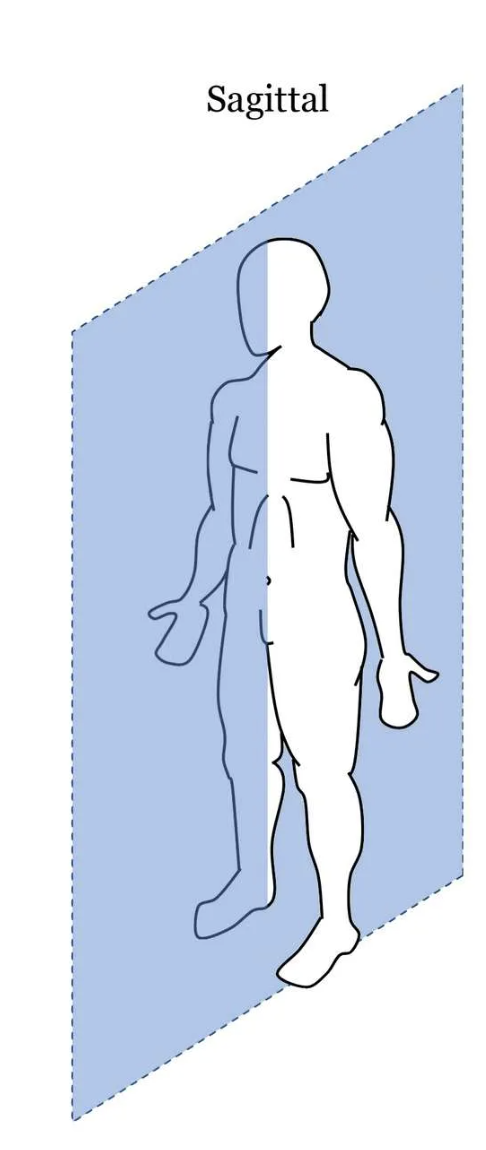
Sagittal plane
vertical plane that divides into right and left sides
Midsagittal plane
when the right and left sides are equal in size and runs through the midline of the body or organ
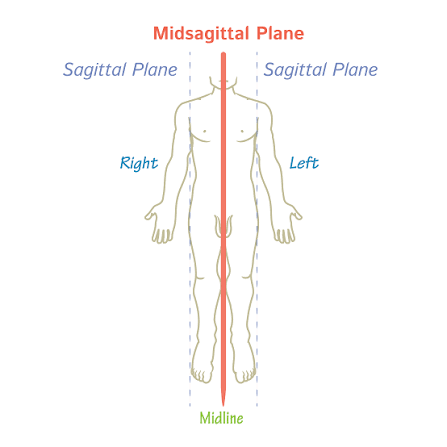
Parasagittal plane
when the body or organ is divided into unequal right and left sides, with the planes adjacent or parallel

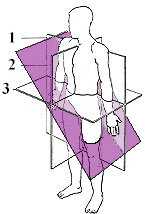
Frontal/coronal
divides the body or organ into anterior/posterior portions

Transverse
divides the body into superior and inferior portions

Oblique
passes through the body or an organ at a diagonal angle
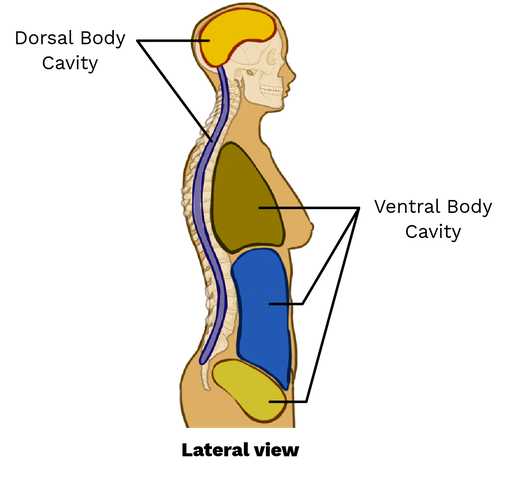
Dorsal cavity
Located in the posterior portion of the body; contains the brain, and the vertebral (spinal canal) which contains the spinal cord.

Ventral cavity
Located in the anterior portion of the body
Thoracic, abdominal, pelvis
lungs, heart, stomach, and bladder
Serous membranes
common function is lubrication by serous fluid to allow movement
Parietal layer (of serous membrane)
lines the walls of the cavities
Visceral layer (of serous membrane)
covers and adheres to the organs (viscera) within the cavities
RUQ (right upper quadrant)
Liver & Gallbladder
LUQ (Left Upper Quadrant)
Stomach & Spleen
RLQ (Right Lower Quadrant)
Appendix
LLQ (Left Lower Quadrant)
Sigmoid colon
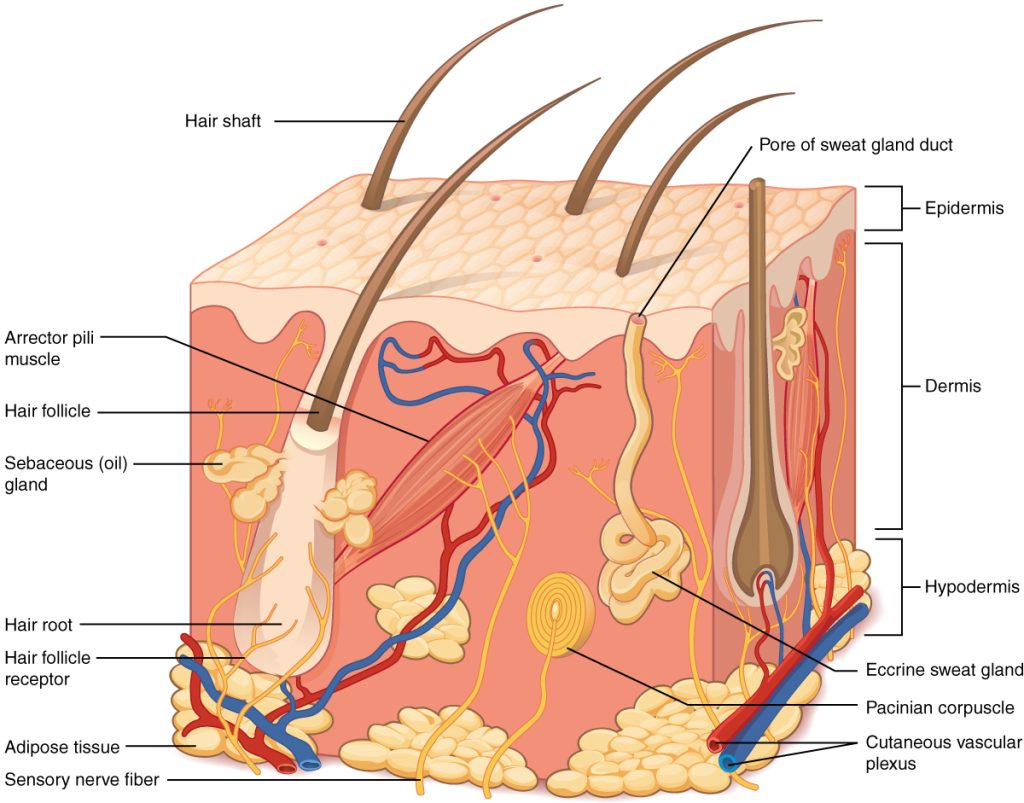
Integumentary system
skin, hair, nails; protects body, regulates temp, eliminates wastes, detects sensations
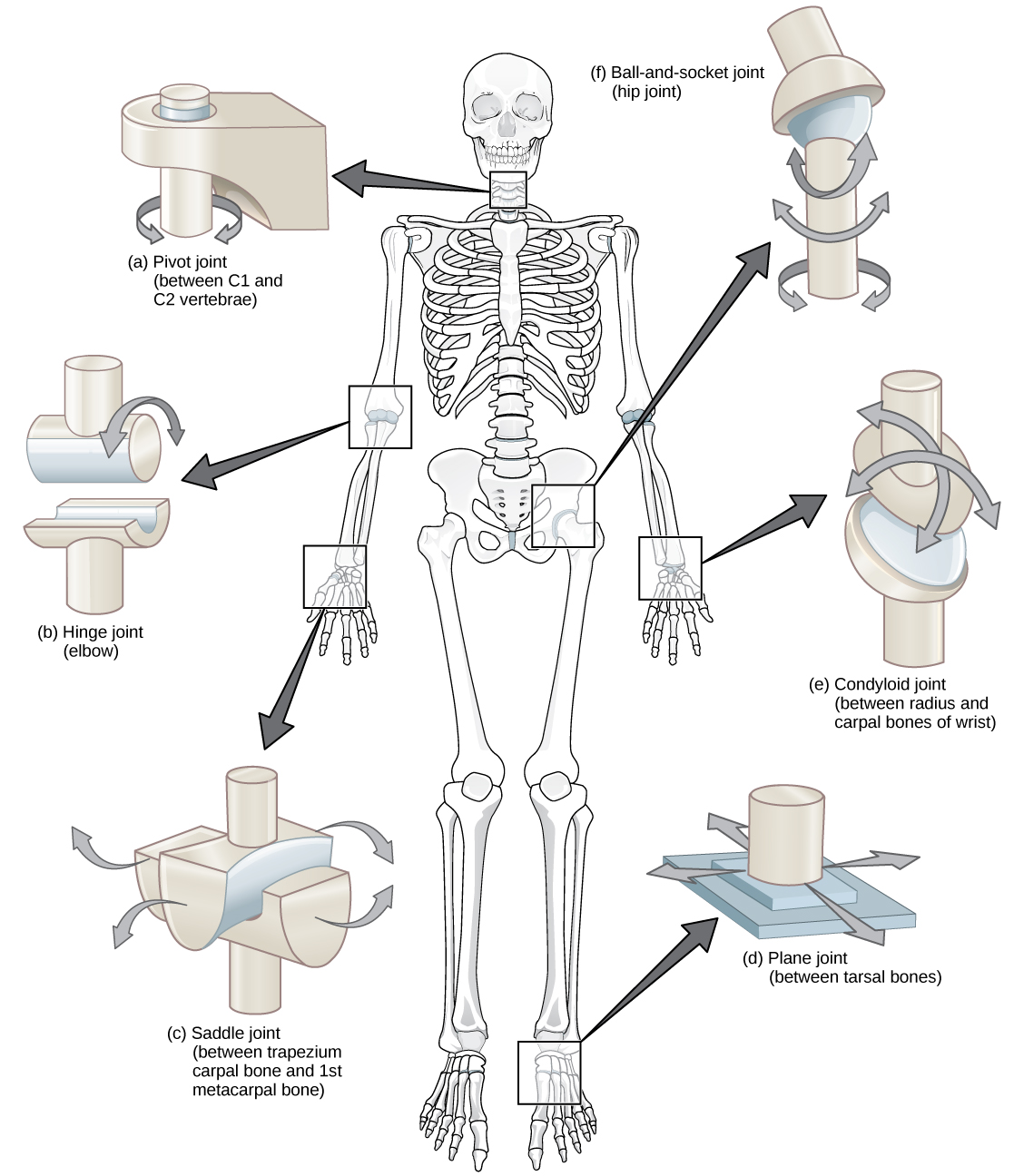
Skeletal system & joints
bones, cartilage, joints; supports and protects body, attaches muscles, aids body movements, produces blood cells
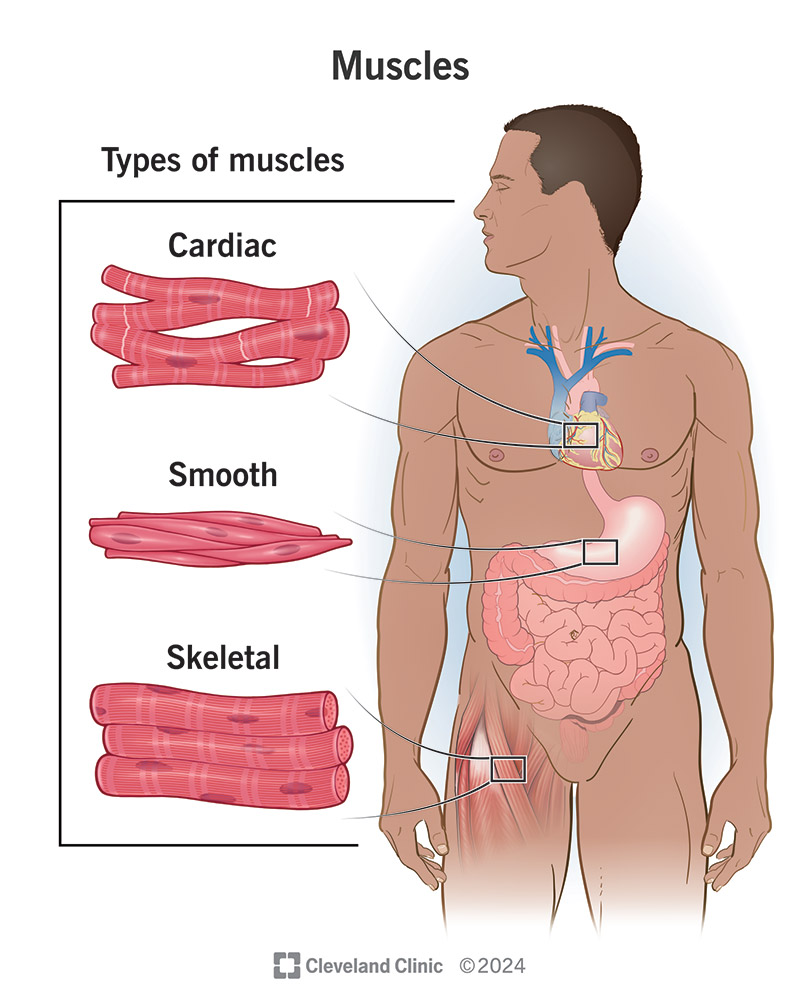
Muscular system
skeletal muscles, cardiac and smooth; body movements, posture, generates heat
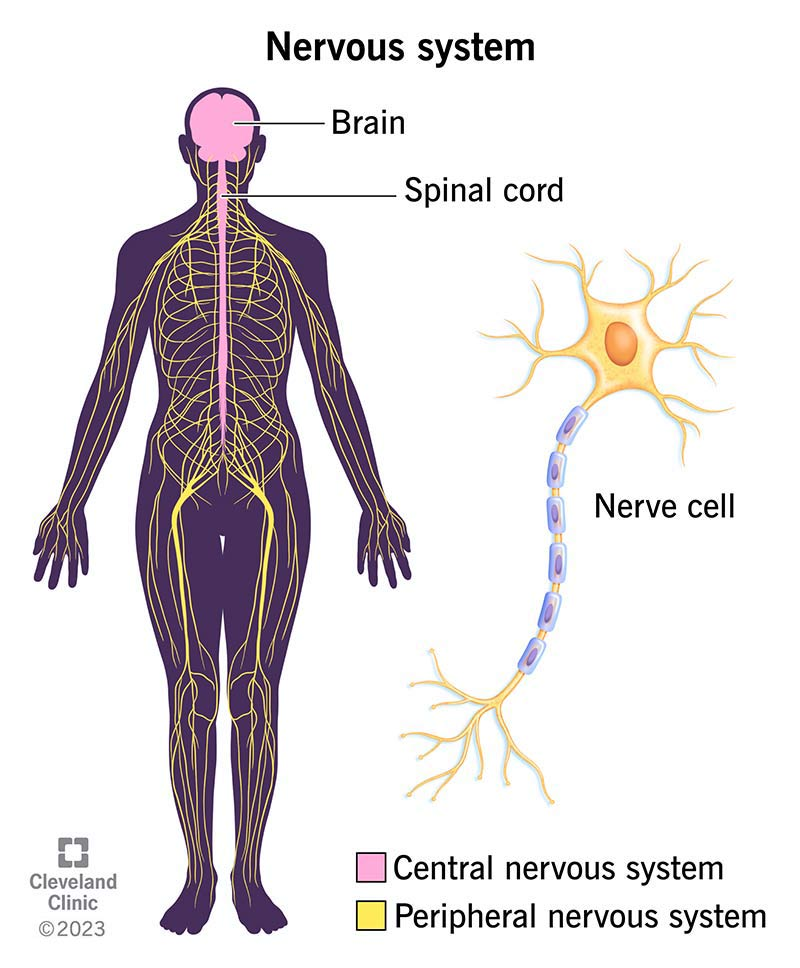
Nervous system
brain, spinal cord, nerves, sense organs; generates nerve impulses to regulate body activities
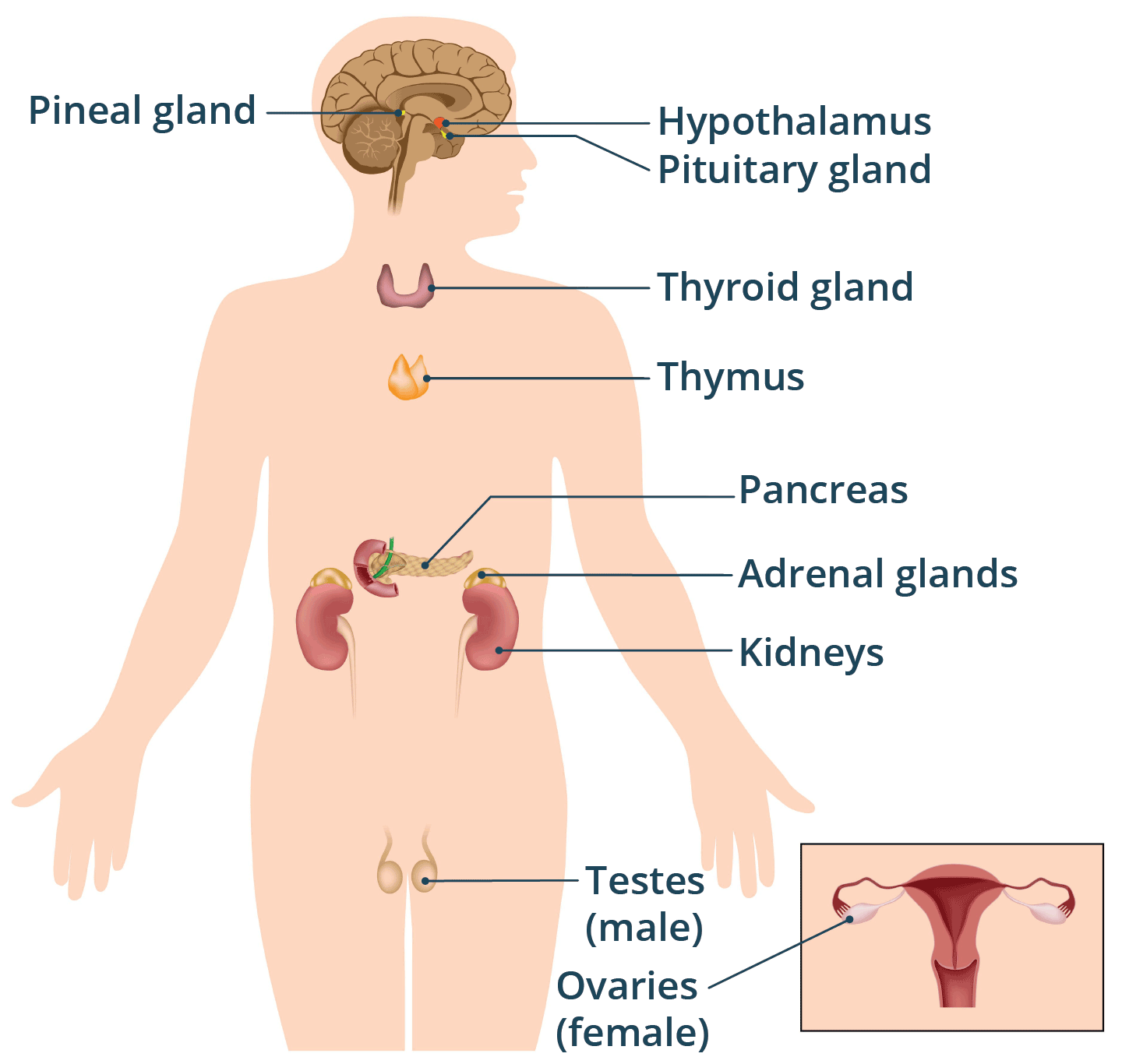
Endocrine system
glands, hormones; regulates body activities by releasing hormones
Cardiovascular system
heart, blood, blood vessels; heart pumps blood through vessels to carry O2

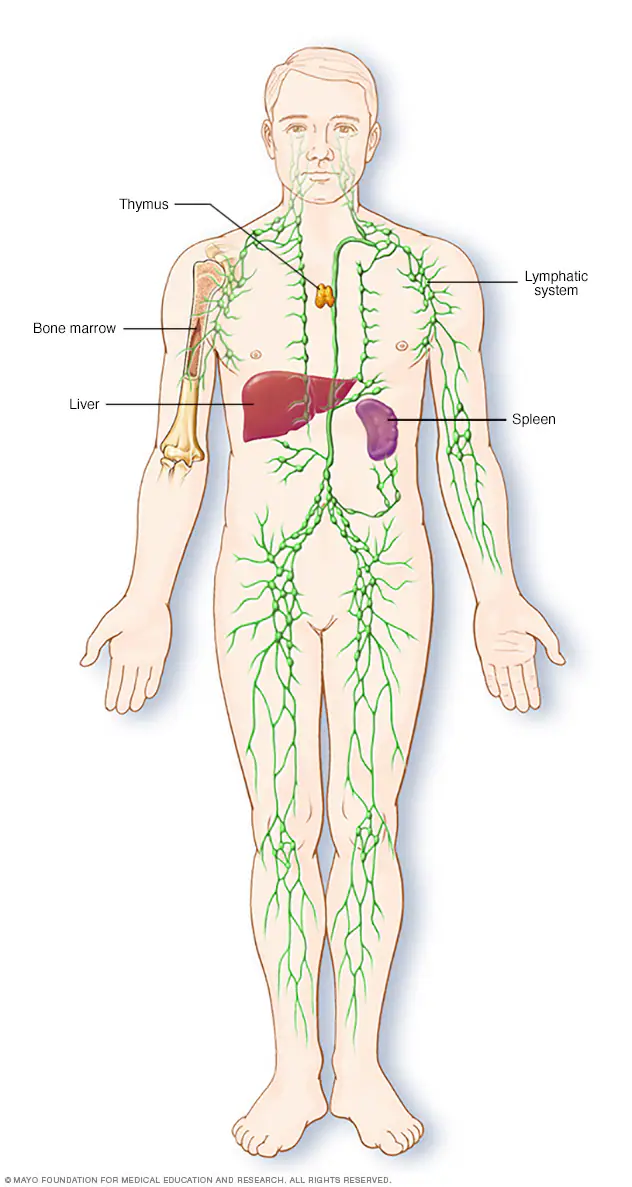
Lymphatic system
lymph nodes, vessels, spleen, thymus; protect against diseases
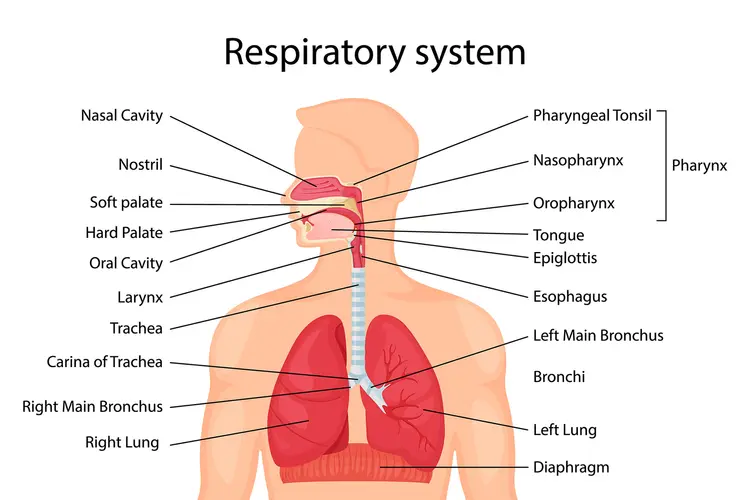
Respiratory system
nose, pharynx, larynx, trachea, bronchi, lungs; transfers O2 from lungs to blood and CO2 from blood to lungs
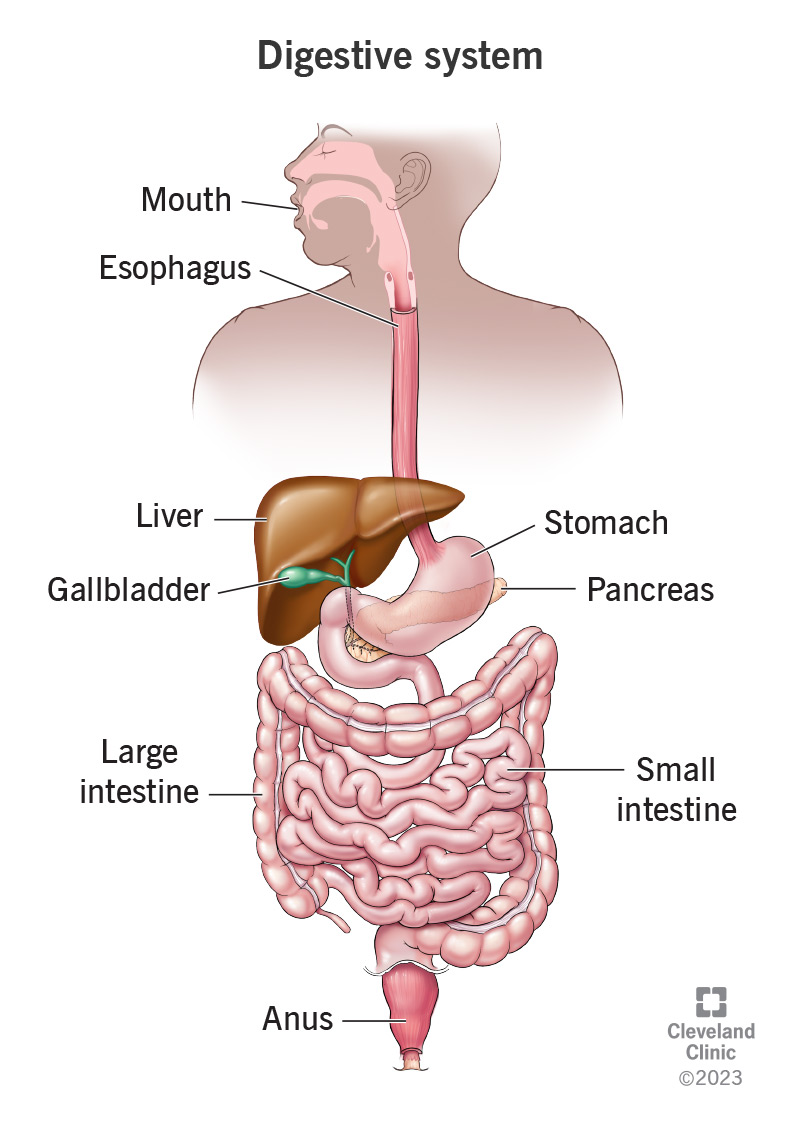
Digestive system & nutrition & metabolism
mouth, esophagus, stomach, small and large intestine (colon) rectum, anus, liver, gallbladder, pancreas, salivary glands; physical & chemical breakdown of food, absorbs nutrients, eliminates solid wastes
Urinary system & fluid/pH
kidneys, ureters, urinary bladder, urethra; produces stores and eliminates urine, eliminates wastes

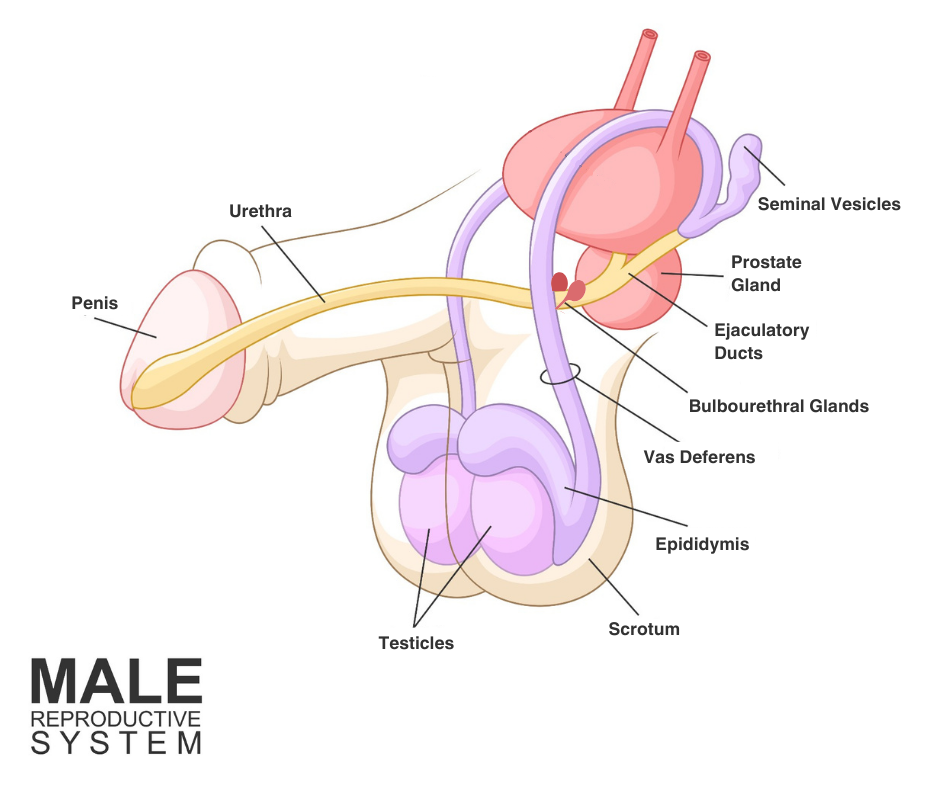
Male reproductive system
testes, penis, prostate; produces gametes (sperm), hormones (testosterone)
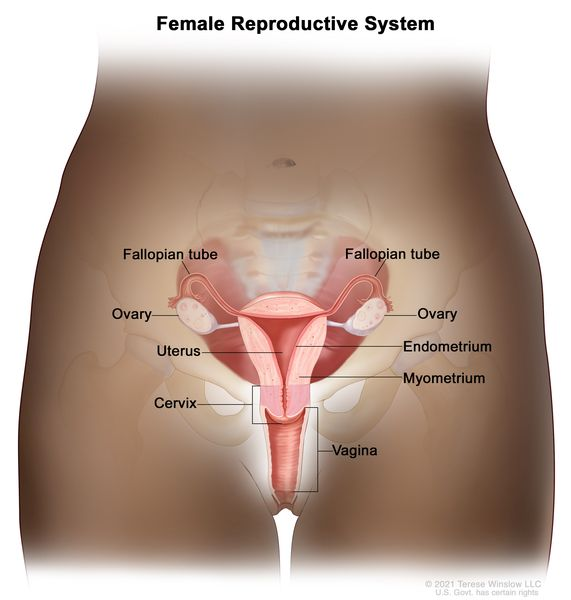
Female reproductive system
ovaries, uterus, vagina; produces gametes (oocytes or eggs), hormones (estrogen, progesterone)
Two systems that regulate homeostasis (body keeps internal conditions within stable range)
Endocrine and nervous systems
Positive homeostasis feedback
a process where the body amplifies an initial change instead of reversing it, driving a rapid and complete outcome
Negative homeostasis feedback
a self-regulating biological process that reverses a change in the body to maintain stable internal conditions
Homeostatic imbalances
when one or more components of the body lose their ability to contribute to homeostasis, the normal equilibrium among body processes may be disturbed which may end in a disorder, disease process or death
Superior
towards the upper part
Inferior
towards the lower part
Anterior/ventral
nearer to or at the front of the body
Posterior/dorsal
nearer to or at the back of the body
Medial
nearer to the midline ot midsagittal plane
Lateral
farther from the body midline or midsagittal plane
Intermediate
between two structures
Proximal
nearer to the attachment of a limb to the trunk (always refers to limbs)
Distal
farther from the attachment of a limb to the trunk (always refers to limbs)
Superficial
toward or on the body surface
Deep
away from the surface of the body
Supination
palms up or facing anterior
Pronation
palms down or facing posterior
Inversion
soles pointing in or medially

Eversion
soles pointing out or laterally

Dorsiflexion
pointing the foot with toes toward the body (or on heels)

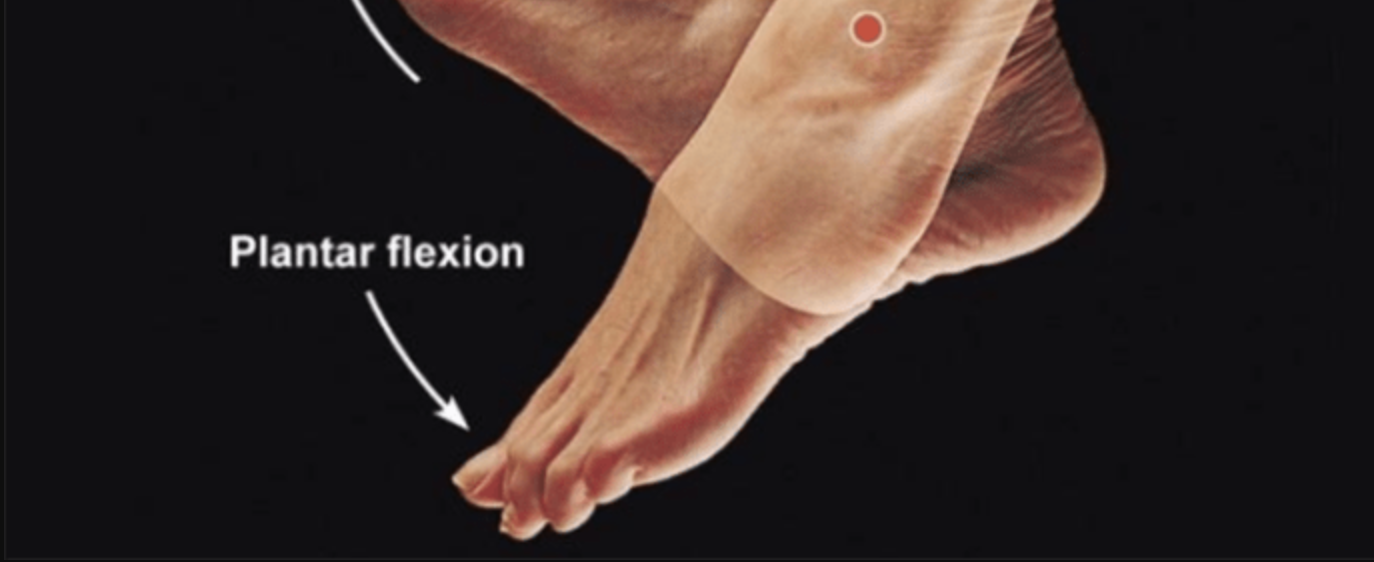
Plantar flexion
pointing the foot away from the body (or standing on toes)
Cranial
toward the head or superior end of the body
Caudal
toward the tail or inferior end of the trunk (cauda equina)
Ipsilateral
situated on or pertaining to the same side of the body

Contralateral
situated on or pertaining to the opposite side

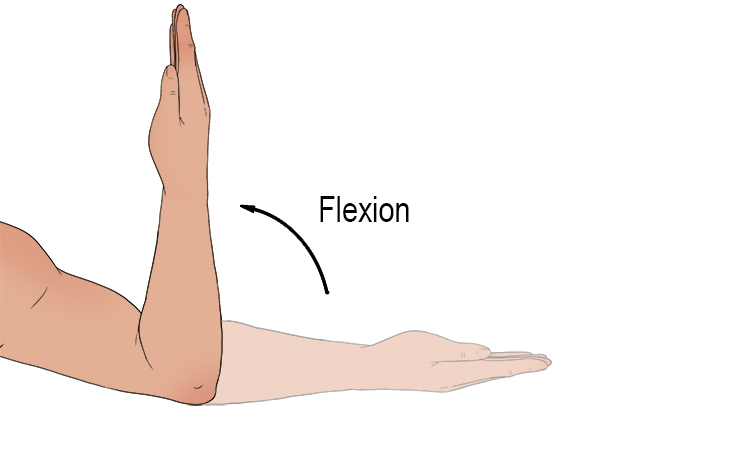
Flexion
decrease of angle between two bones
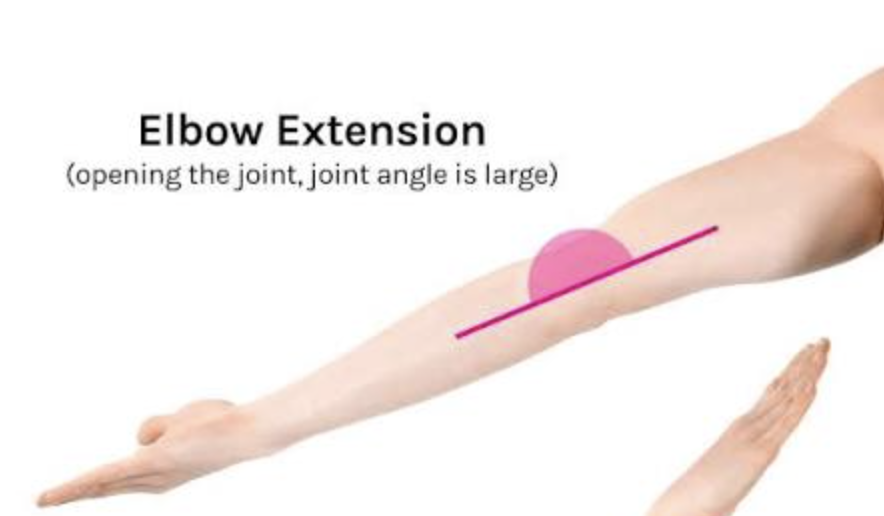
Extension
increase of angle between two bones
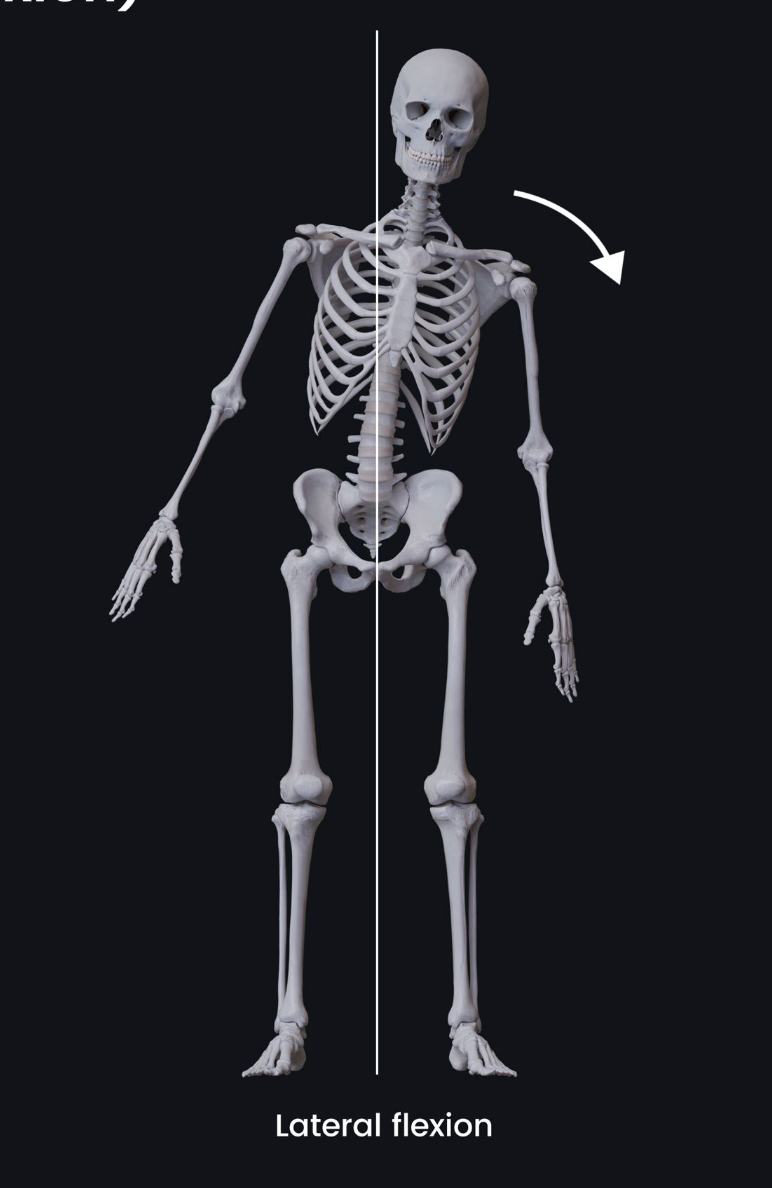
Lateral flexion
bending the neck or torso to the side
Rotation
moving a bone or body part around its own axis
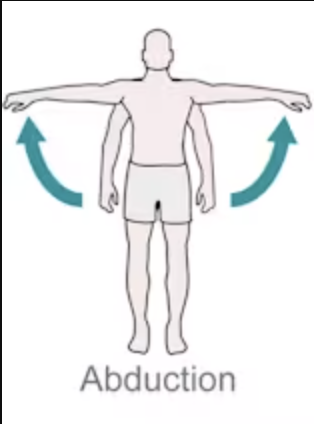
Abduction
moving away from the midline of the body
Adduction
movement toward the midline of the body

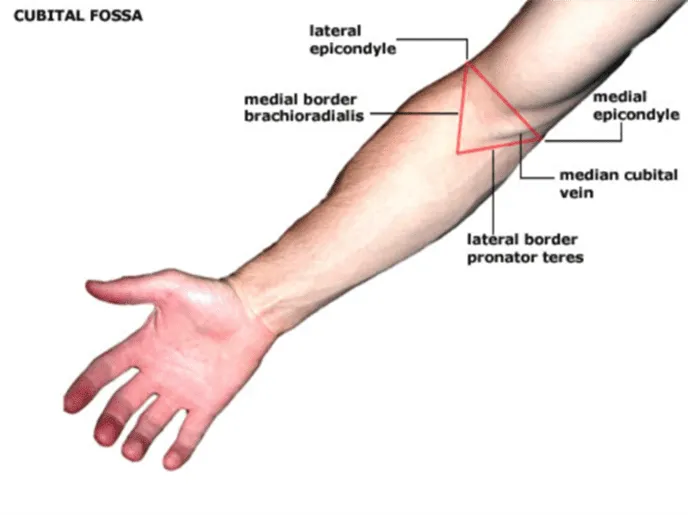
Antecubital
situated in front of the elbow
Axillary
small pyramidal space between the upper lateral chest/arm (armpit)

Branchial
pertaining to the arm (from shoulder to elbow)

Buccal
inside the cheek

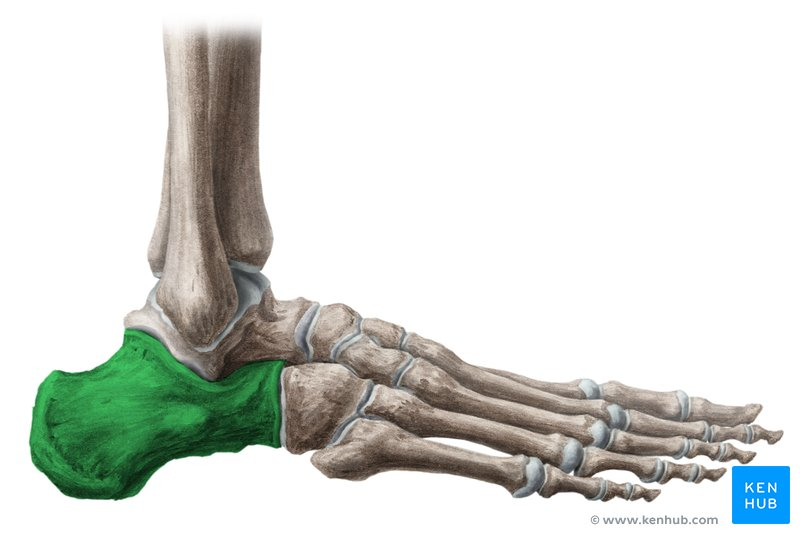
Calcaneal
the heel bone (one of the tarsals)
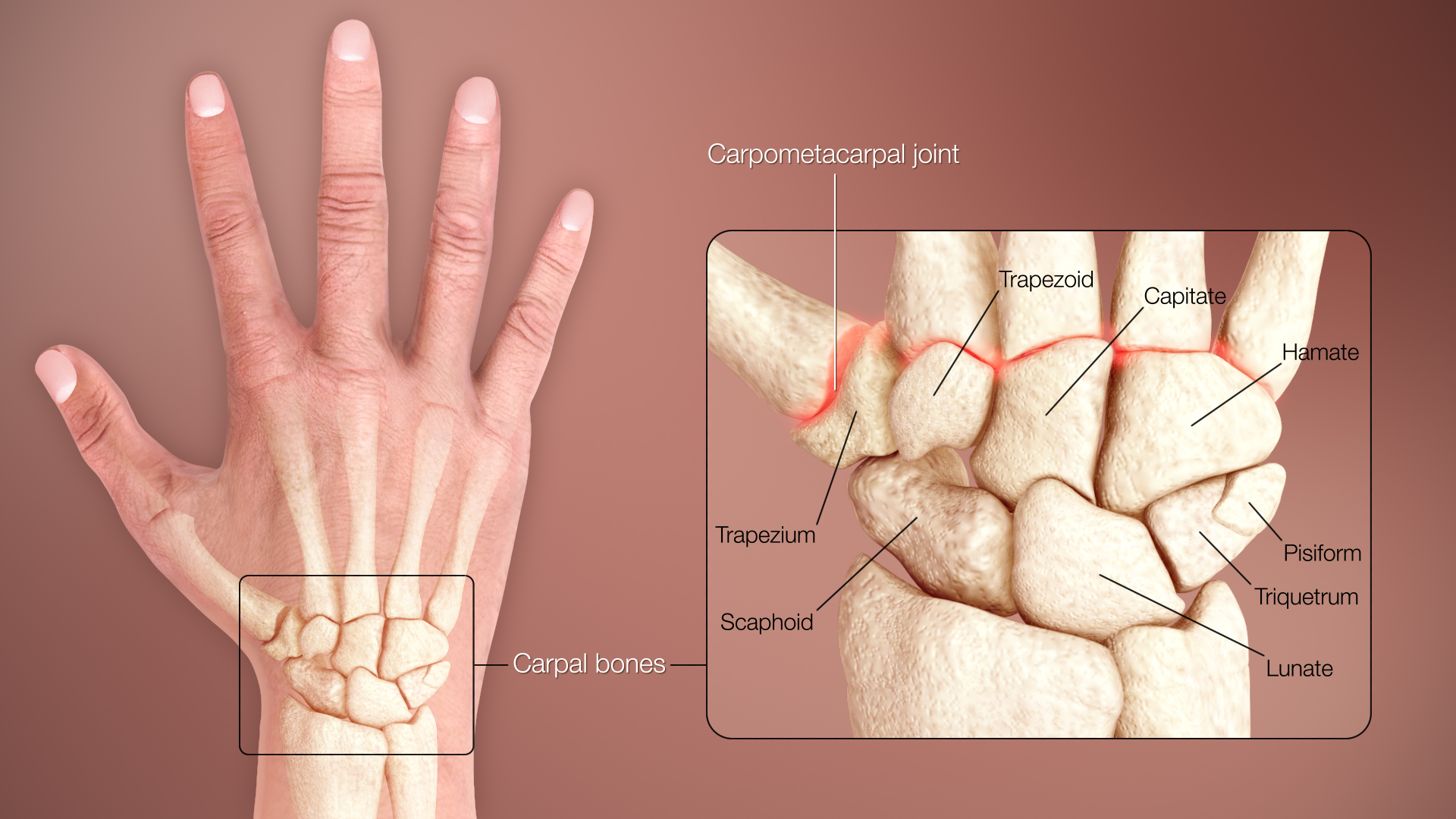
Carpal
the wrist bones/region
Cervical
pertaining to the neck, or the neck of an organ or structure

Digital
finger manipulation or imprint

Femoral
the thigh

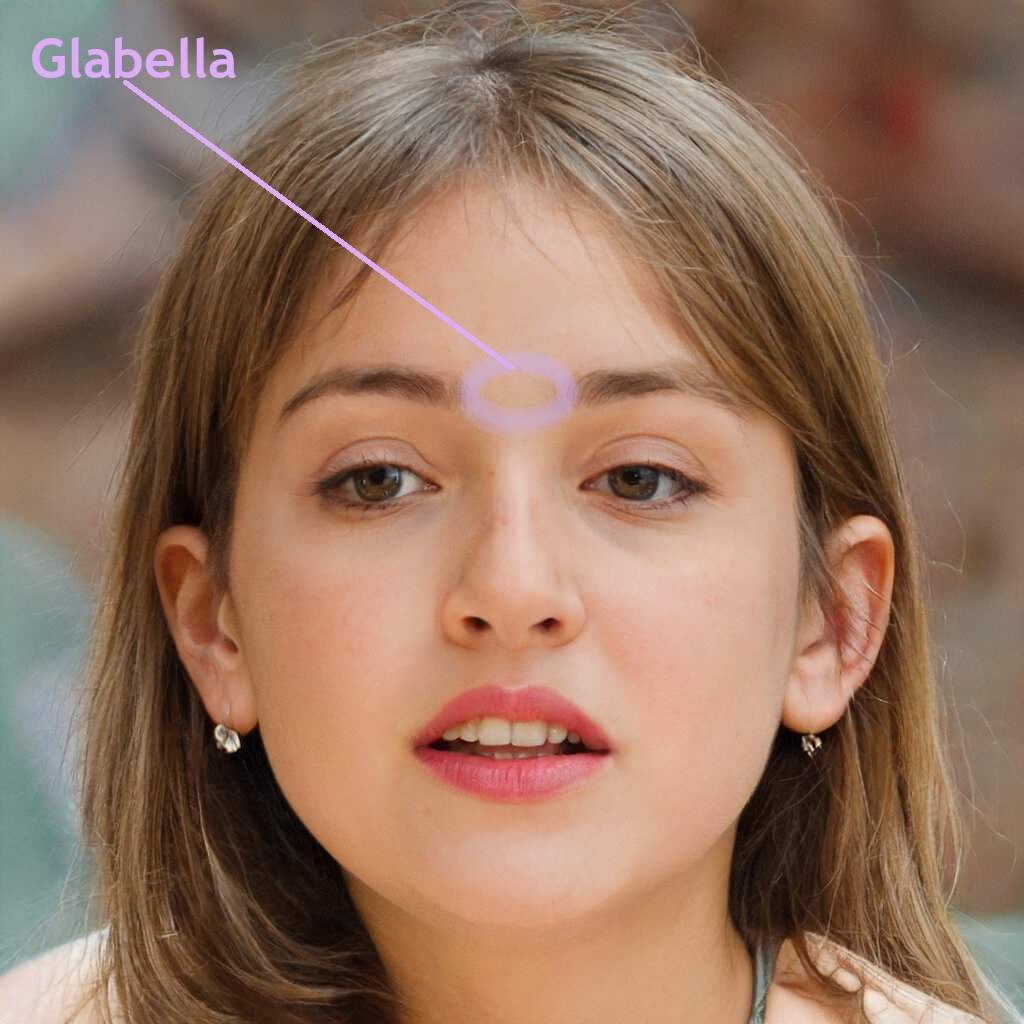
Glabella
smooth area on the frontal bone, between the eyebrows
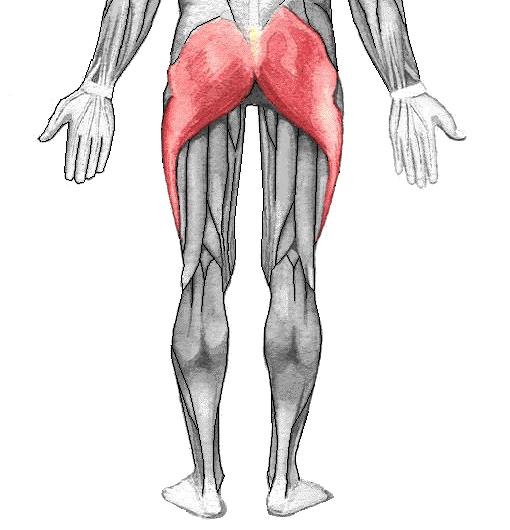
Gluteal
the buttocks
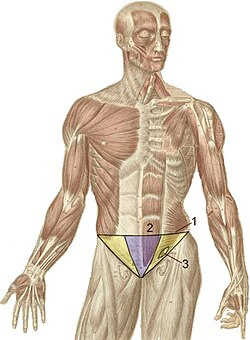
Inguinal
the juncture between the abdomen and thigh (groin)
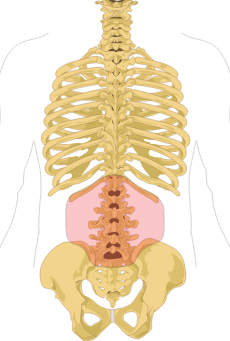
Lumbar
the part of the back between the thorax and pelvis (loins)
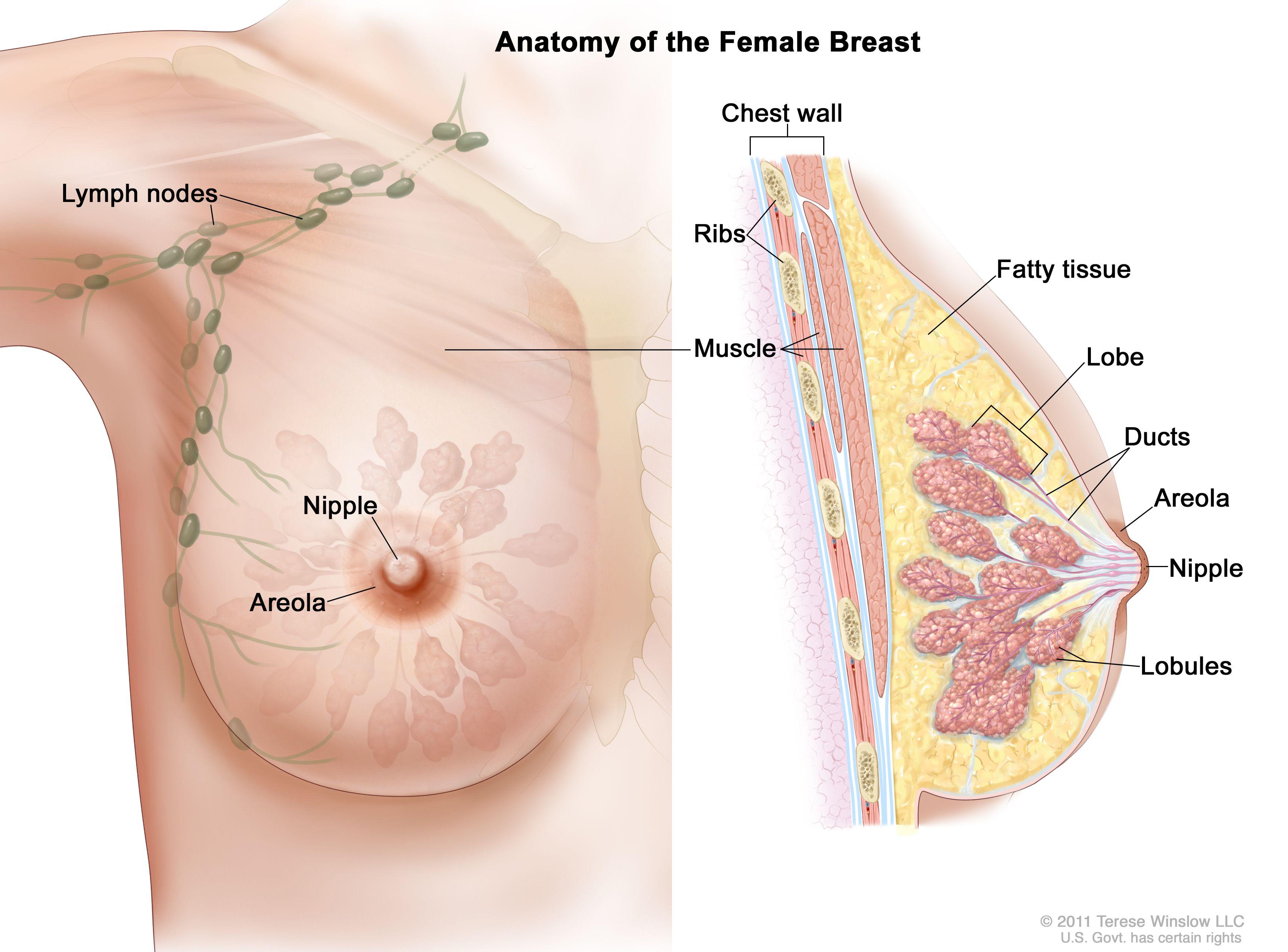
Mammary
the breast
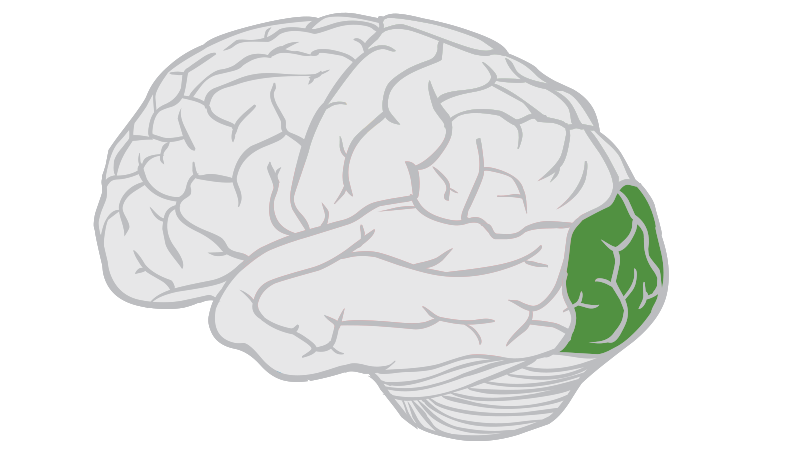
Occipital
the posterior inferior portion of the cranium
Orbital
bony cavity that contains the eyeball

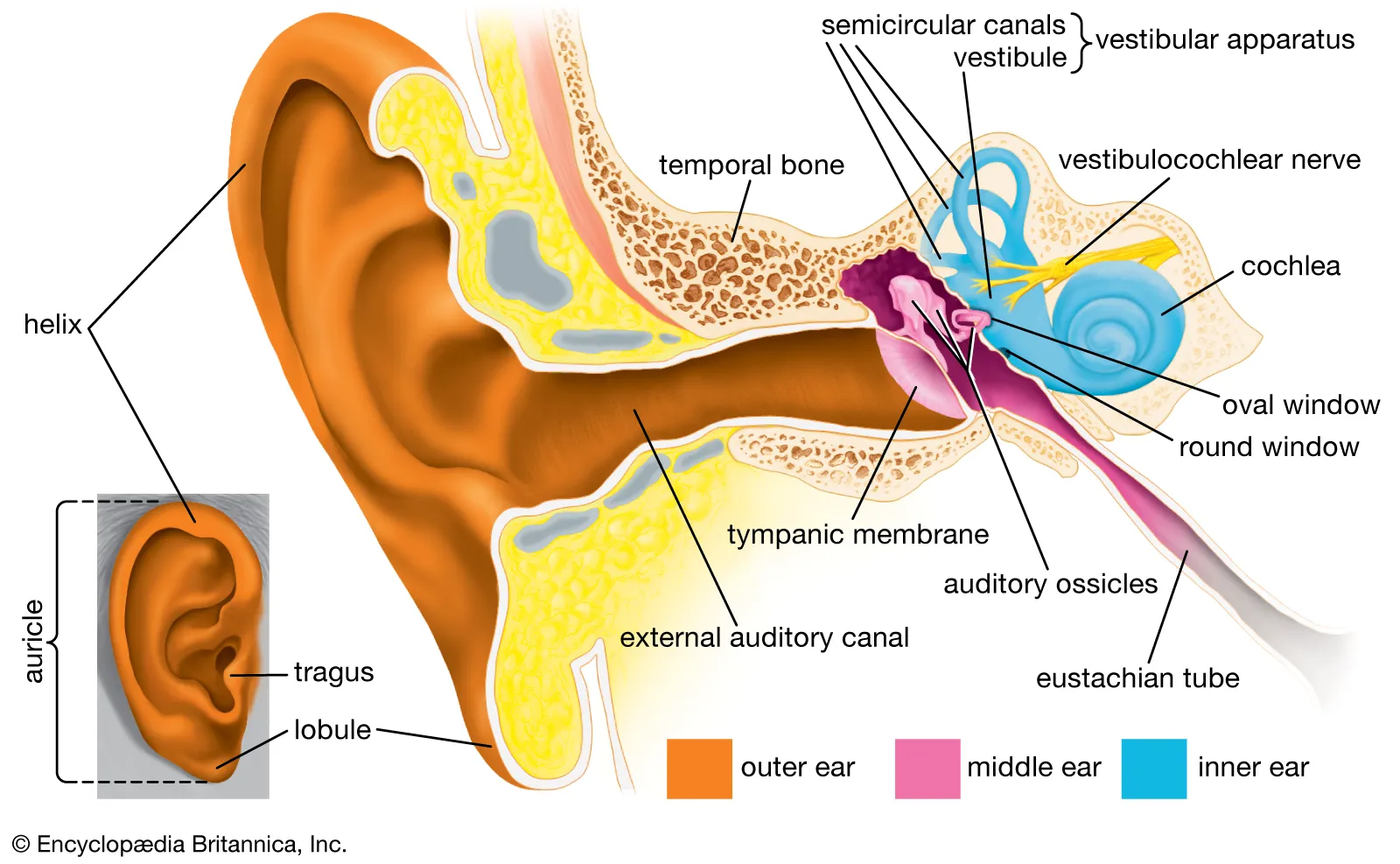
Otic
pertaining to the ear (aural)
Patellar
sesamoid bone situated at the front of the knee

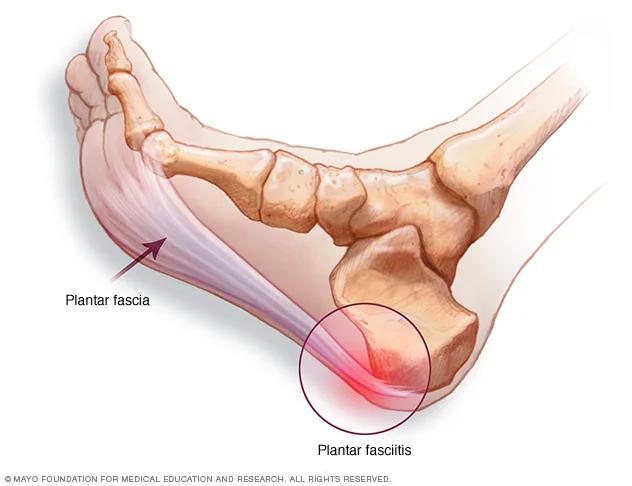
Plantar
the sole of the foot
Popliteal
the posterior surface of the knee

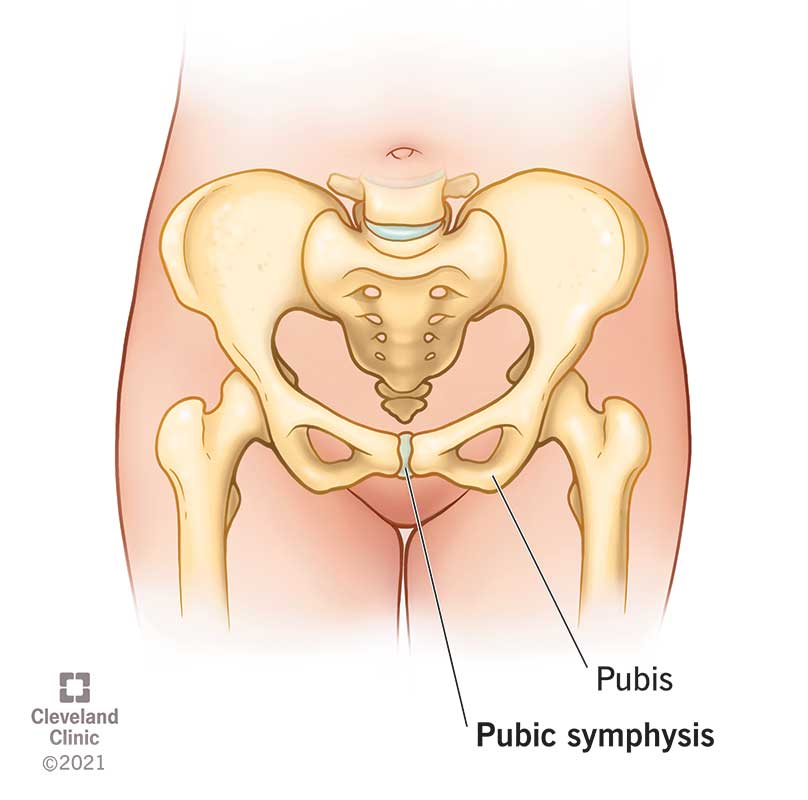
Pubic
anterior inferior portion of the hip bone
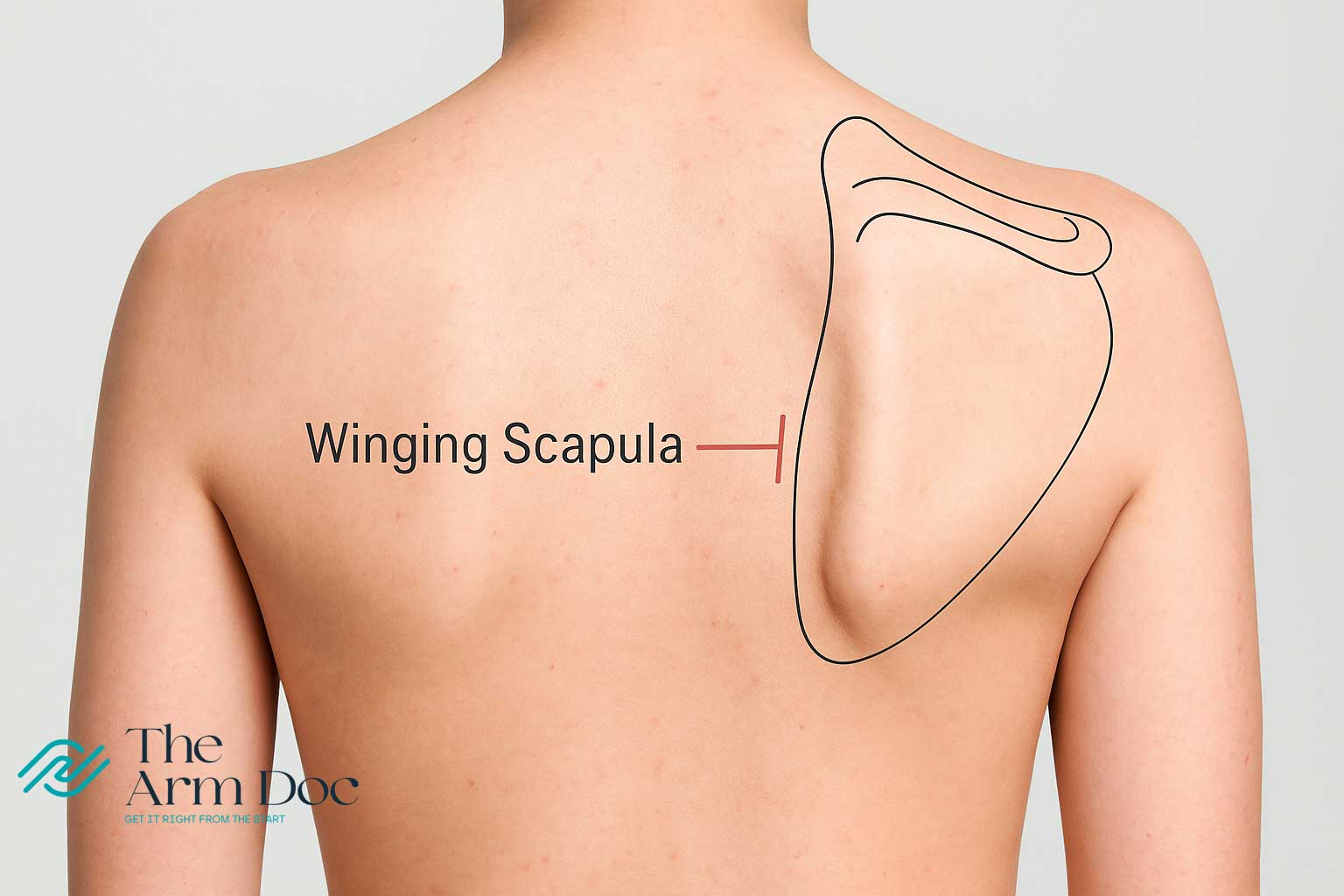
Scapular
flat triangular bone in the back of the shoulder (blade)
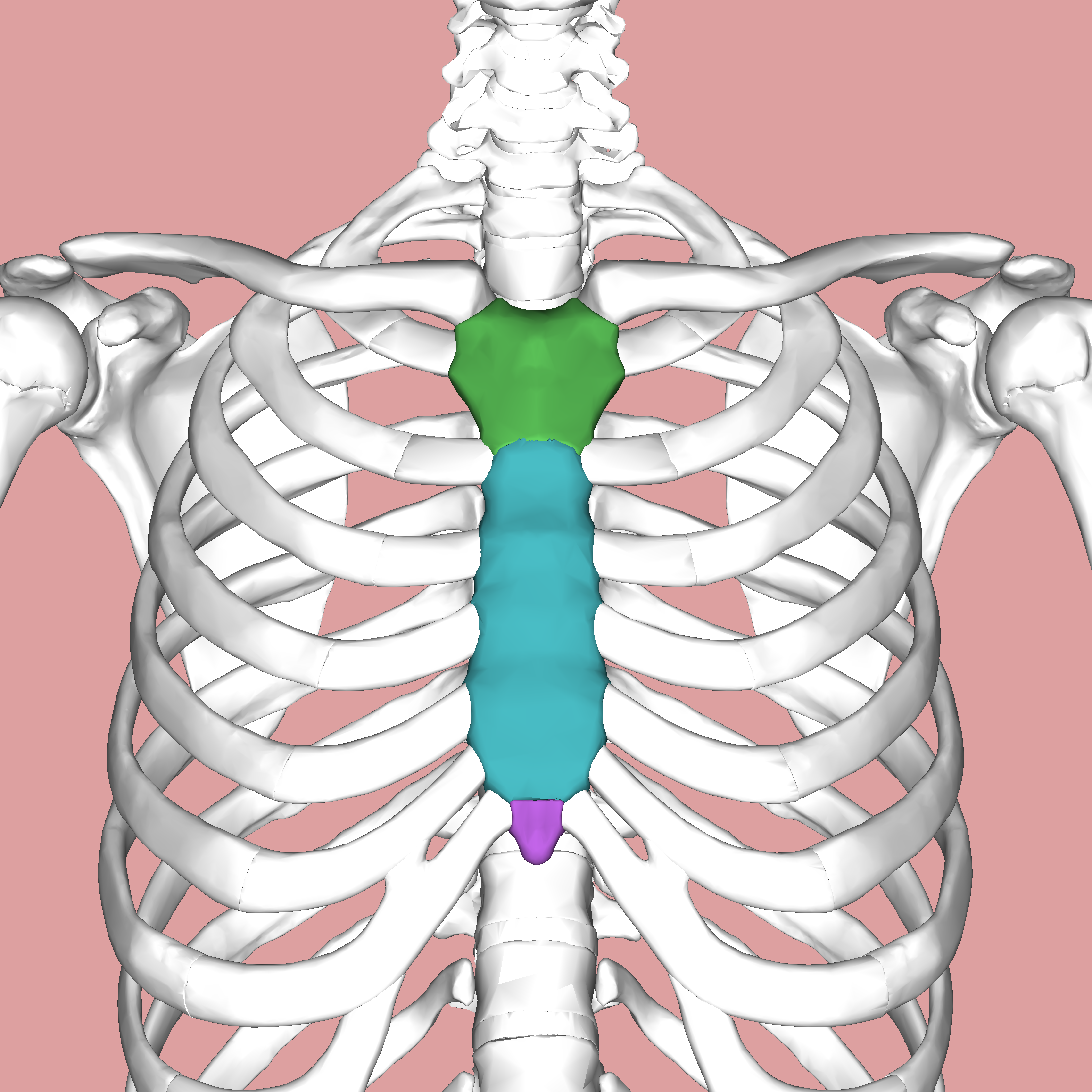
Sternal
pertaining to the sternum
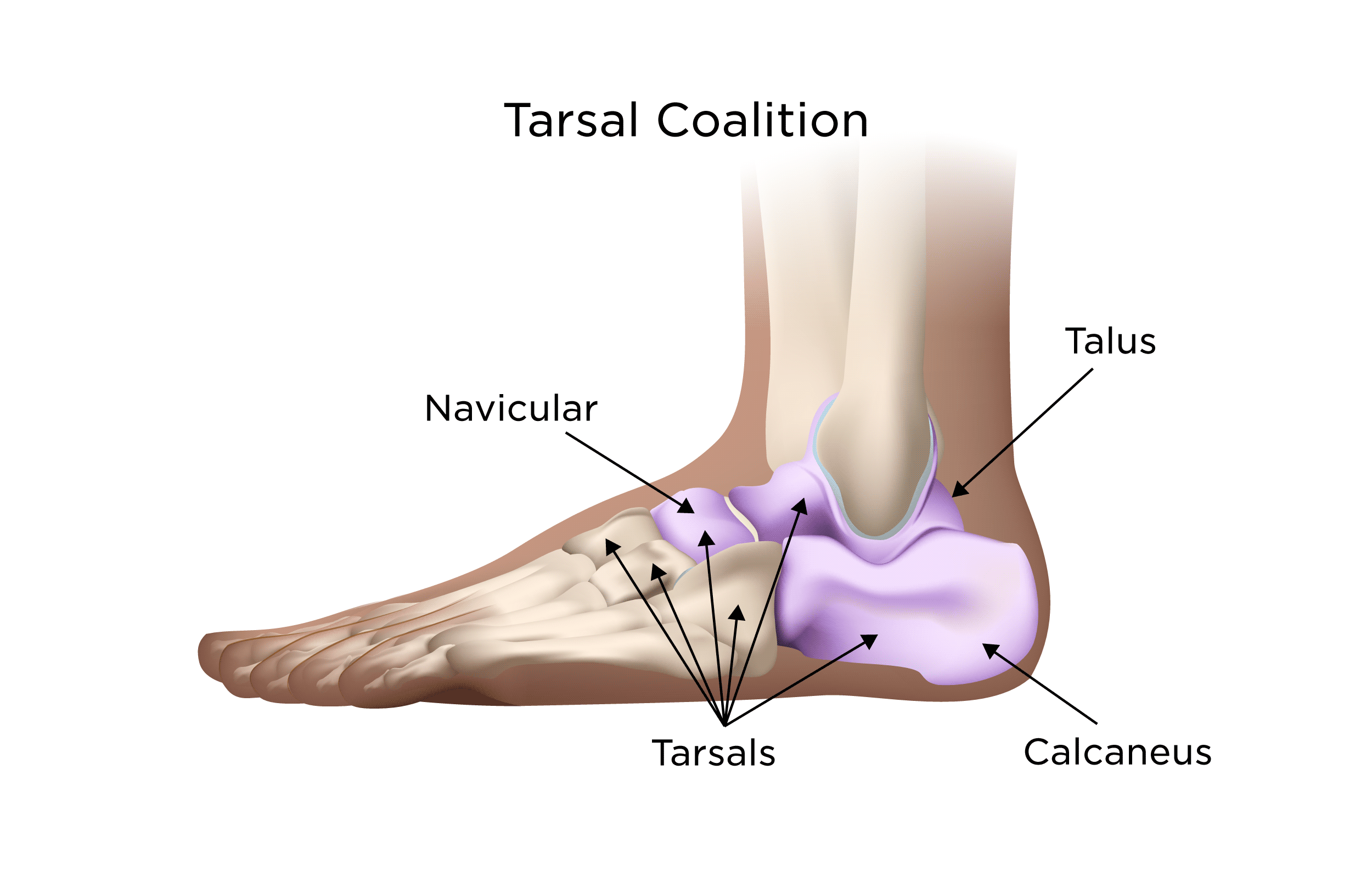
Tarsal
the ankle bones
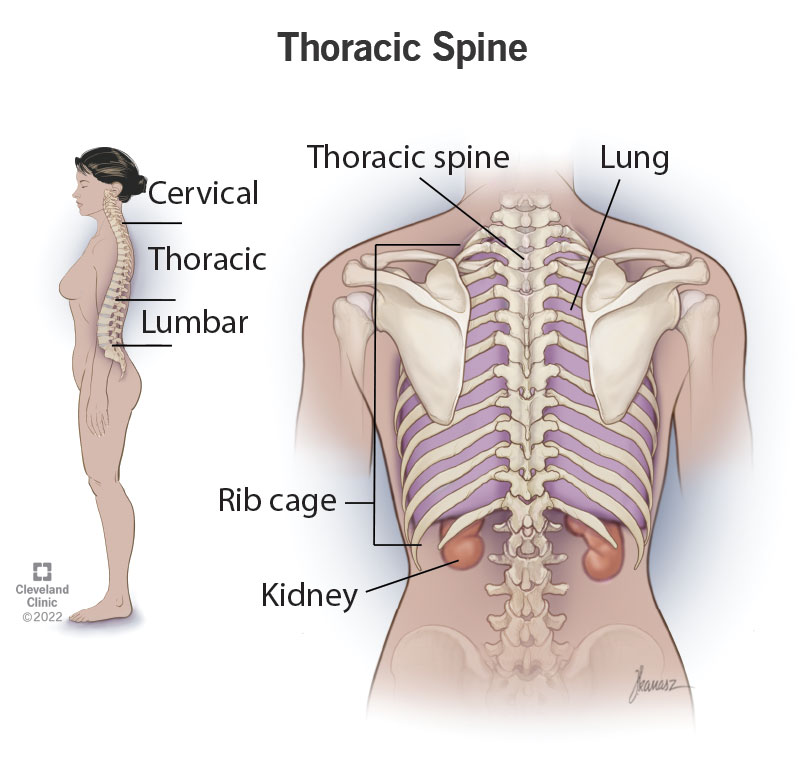
Thoracic
pertaining to the chest or spinal region (thorax)
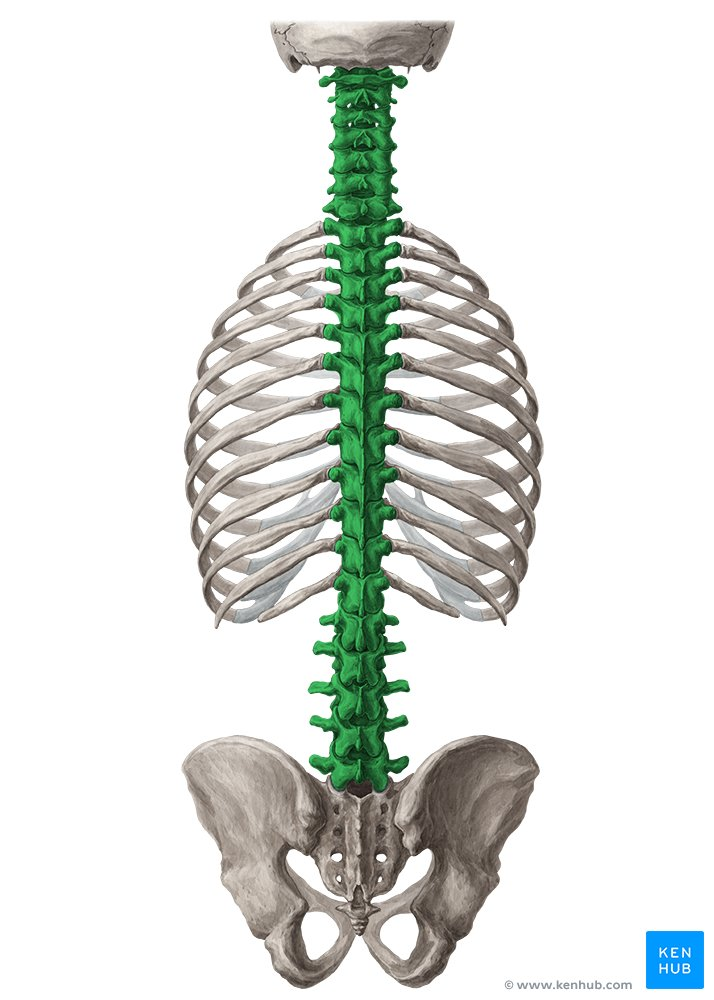
Vertebral
pertaining to the 24 bones of the spinal column
Gross anatomy
Visible to the eye
Microscopic anatomy
Can only be observed by magnification or by microscopes
Anatomical position
Patient stands erect facing clinician, palm forward, to reduce confusion

Head
consists of skull and face
Neck
supports the head and attaches it to the trunk
Trunk
consists of the chest, abdomen, and pelvis
Upper limb
shoulder, armpit, arm, forearm, wrist, hand
Lower limb
buttock, thigh, leg, ankle, foot