CH. 1 ~ Civil War ~ U.S. History ~ Florida EOC ~ SS.912.A.2.1 & 3.13
 Call Kai
 Learn
Learn Practice Test
 Spaced Repetition
 Match
Match Flashcards
 Knowt Play
1/62

There's no tags or description
Looks like no tags are added yet.
Name | Mastery | Learn | Test | Matching | Spaced | Call with Kai | Chat |
|---|
No analytics yet
Send a link to your students to track their progress
63 Terms
Slave state
A state that allows slavery.
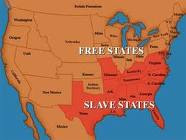
Free state
A state that does NOT allow slavery.
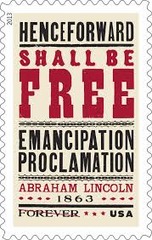
issued the Emancipation Proclamation
What did President Lincoln do after the Union won the Battle of Antietam?
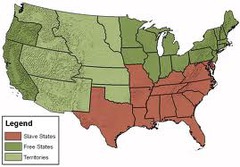
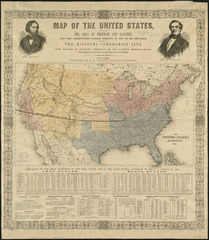
Missouri Compromise
Under this plan Missouri was admitted as a slave state and Maine was admitted as a free state. It also said that no state above the 36' 30' line could be slave states. {Above the line free ~ below slave}
Tariffs
Special taxes on goods coming into the United states.
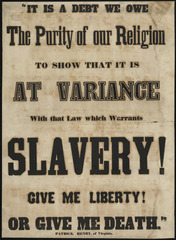
Abolitionists
Americans that want to abolish, or end slavery.
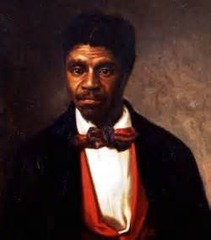
Dred Scott v Sanford
a legal case in which the U.S. Supreme Court on March 6, 1857, ruled (7-2) that a slave (Dred Scott) who had resided in a free state and territory was not thereby entitled to his freedom; that African Americans were not and could never be citizens of the United States
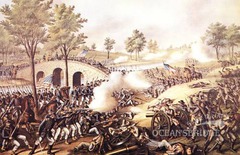
Battle of Antietam
September 17, 1862, at Antietam Creek near Sharpsburg, Maryland. It pitted Confederate General Robert E. Lee's Army against Union General George McClellan's Army and was the culmination of Lee's attempt to invade the north. The battle remains the deadliest one-day battle in all American military history.
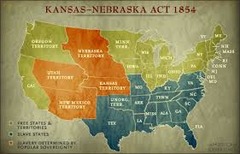
Kansas-Nebraska Act
Violence broke out between pro-slavery people and anti-slavery people in Kansas. It became so violent that Kansas got the nickname "Bleeding Kansas." Popular Sovereignty (peoples' choice)
South
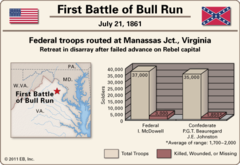
Who won the 1st Battle of Bull Run?
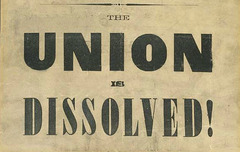
Secede
to withdraw from the Union
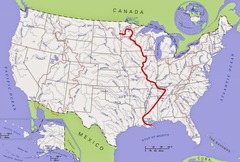
Mississippi River
Considered a very important shipping resource during the Civil War; The Union gained control of it at the Battle of Vicksburg
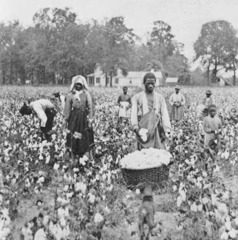
agriculture and slavery
What was the Southern economy was based on?
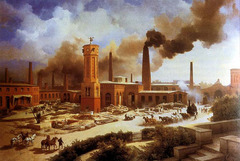
Factories and industries
What was the Northern economy was based on?
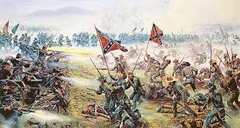
Battle of Gettysburg
July 1-3, 1863 this was the bloodiest 3-day battle ever fought on American soil, with up to 10,000 Union and Confederate troops dead and another 30,000 wounded. It is also considered the turning point of the war.
Firing on Fort Sumter
The Confederacy attacked Fort Sumter in South Carolina. This was the start of the Civil War.
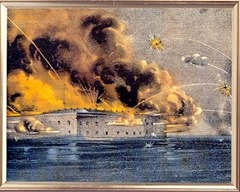
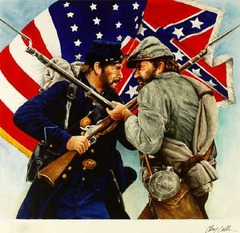
1861-1865
When was the Civil War fought {years}?
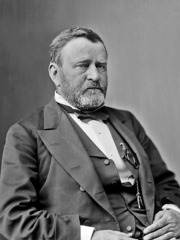
Ulysses S. Grant
Who was the General of the Union army? He later became the 18th U.S. President.
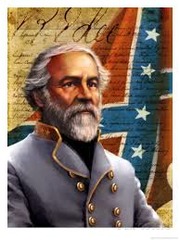
Robert E. Lee
Who was the commander of the Confederate army?
California
The Compromise of 1850 admitted what state as a free state?
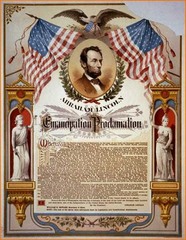
Emancipation Proclamation
A special order by President Lincoln on January 1st, 1863 declaring slaves in Confederate states were free. The boarder states of Missouri, Kentucky, Maryland, and Delaware were NOT freed.
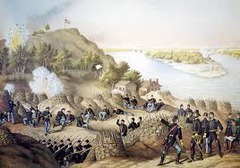
Battle of Vicksburg
This battle affected the Civil War because the Union got full control of the Mississippi river, therefore, taking over and shutting down the confederates trade, transportation, and military/fortifications
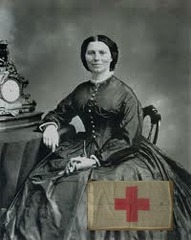
Clara Barton
She was a nurse during the Civil War. She also started the American Red Cross.
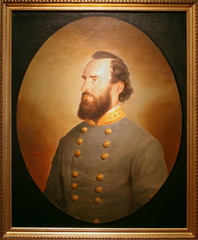
Thomas Stonewall Jackson
He fought in the 1st Battle of Bull Run; got his nickname because he encouraged his men to stand firm like a stonewall; was shot at the Battle of Chancellorsville by his own men.
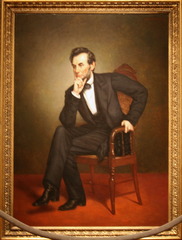
Abraham Lincoln
The 16th President of the United States and President of the Union during the Civil War.
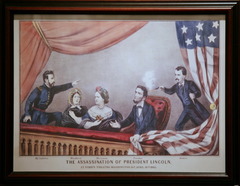
He was assassinated by well-known stage actor John Wilkes Booth on April 14, 1865, while attending the play Our American Cousin at Ford's Theatre in Washington, D.C.
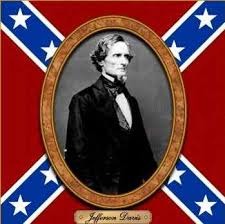
Jefferson Davis
President of the Confederacy during the Civil War.
Gettysburg Address
Speech given by Abraham Lincoln at a memorial for Union soldiers that died at the Battle of ______________.
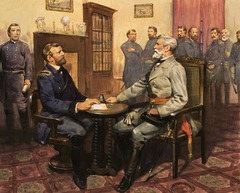
Appomattox Courthouse
The place where Robert E. Lee surrendered to Ulysses Grant
He was shot by John Wilkes Booth at Ford's Theater.
What happened to Abraham Lincoln five days after the Civil War ended?
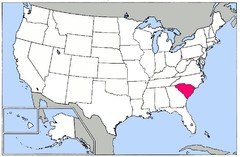
South Carolina
Which state was the first state to secede (leave) from the Union?
Southern States
Where were most of the battles of the Civil War fought?
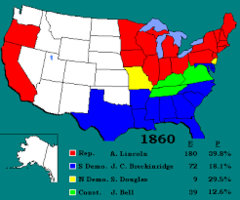
Northern States
Where were most of the railroads (north or south)?
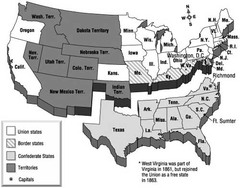
March to the Sea
What is the name of the event where William T. Sherman {Sherman' neckties} burned down the city of Atlanta. Part of the Unions TOTAL WAR effort.
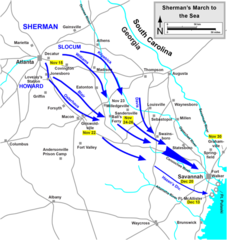
Union
Which side won the Civil War?
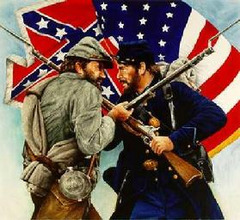
1865
When did the Civil War end?
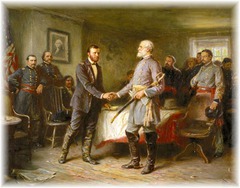
1861
When did the Civil War begin?
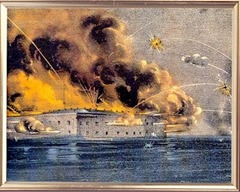
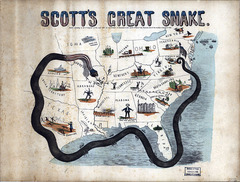
Anaconda Plan
Union strategy to defeat the Confederacy {block all supplies}
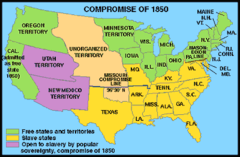
Compromise of 1850
1. California came in as a "free" state
2. Strong fugitive slave law
3. Slave trade banned in Washington, D.C.
4. Texas border settled
5. Popular sovereignty in remainder of Mexican Cession
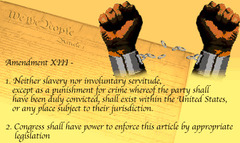
13th Amendment
Abolished Slavery
14th Amendment
All persons born in the U.S. are citizens
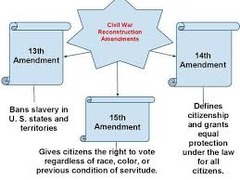
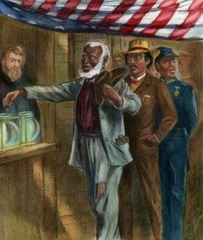
15th Amendment
States cannot deny any person the right to vote because of race.
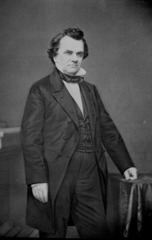
Freeport Doctrine
Idea that any territory could ban slavery by simply refusing to pass laws supporting it {Stephen A. Douglas)
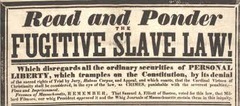
Fugitive Slave Act
anybody who helped a fugitive (runaway) slave would be fined or imprisoned.
Ostend Manifesto
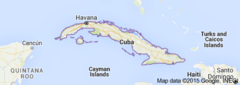
U.S. would be justified in seizing Cuba if Spain did not sell it to the U.S. 1854. As soon as the public heard the plan, people saw it as a pro-slavery motion. Cuba was a designated slave territory, and it was assumed that the effort to annex Cuba was in order to gain more pro-slavery land and slaves. On top of these disagreements, the Ostend Manifesto split the Democratic Party.
debt peonage
A system that bound laborers into slavery in order to work off a debt to the employer.
states' rights
the rights and powers held by individual US states rather than by the federal government.
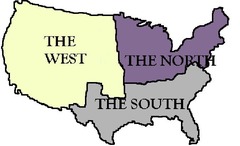
Sectionalism
Loyalty to one's own region of the country, rather than to the nation as a whole
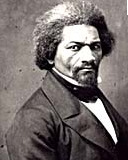
Fredrick Douglas
Former slave who became an abolitionist.
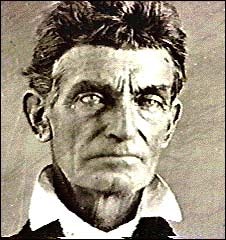
John Brown's raid
A White abolitionist that raided a weapons arsenal in Harper's Ferry, VA in hopes of starting a slave uprising in the South.
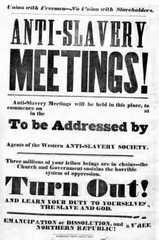
Abolitionist Movement
Movement to end slavery
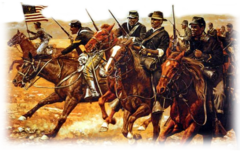
Buffalo Soldiers
Name given to African American soldiers who served in the U.S. Army on the western frontier and fought in the Indian Wars (1854-1890).
Citizenship
informed and active membership in a political community
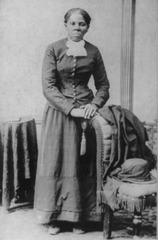
Harriet Tubman
Former slave who helped slaves escape on the Underground Railroad
Pale faces
a name supposedly used by North American Indians for a white person.
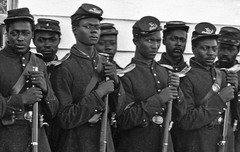
54 Massachusetts Infantry
was an African American regiment during the Civil War that played a key role in the attack of Fort Wagner.
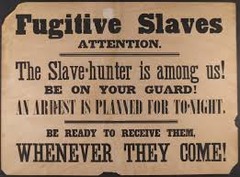
Fugitive Slave Law
this law required that northern states forcibly returned escaped slaves to their owners.
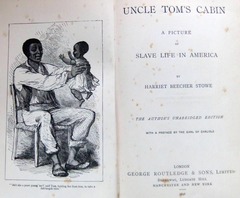
Uncle Tom's Cabin, Harriet Beecher Stowe (1852)
Bestselling novel revealing evils of slavery to Northern readers. Written to expose Northerners to what Fugitive Slave Law was returning slaves to.
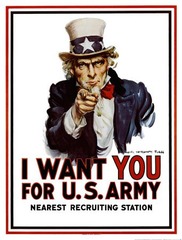
Conscription (Draft)
a law requiring men to serve in the military
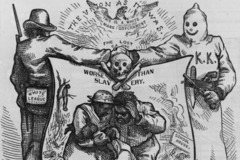
Nadir of Race Relations
The period when racism was at its worst after the Civil War, between the end of Reconstruction 1877 to the early 20th century.
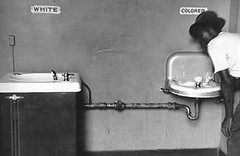
Segregation
Separation of people based on racial, ethnic, or other differences
Vicksburg
The Siege of Vicksburg was a great victory for the Union. It gave control of the Mississippi River to the Union. Around the same time, the Confederate army under General Robert E. Lee was defeated at the Battle of Gettysburg. These two victories marked the major turning point of the Civil War in favor of the Union.
Calavery
soldiers who fight on horseback
infantry
soldiers who fight on foot