Lab Specimen
 Call Kai
 Learn
Learn Practice Test
 Spaced Repetition
 Match
Match Flashcards
 Knowt Play
1/9

Earn XP
Description and Tags
Used in all exercises (denoted by numbers) and their collective properties as tested in lab
Name | Mastery | Learn | Test | Matching | Spaced | Call with Kai | Chat |
|---|
No analytics yet
Send a link to your students to track their progress
10 Terms
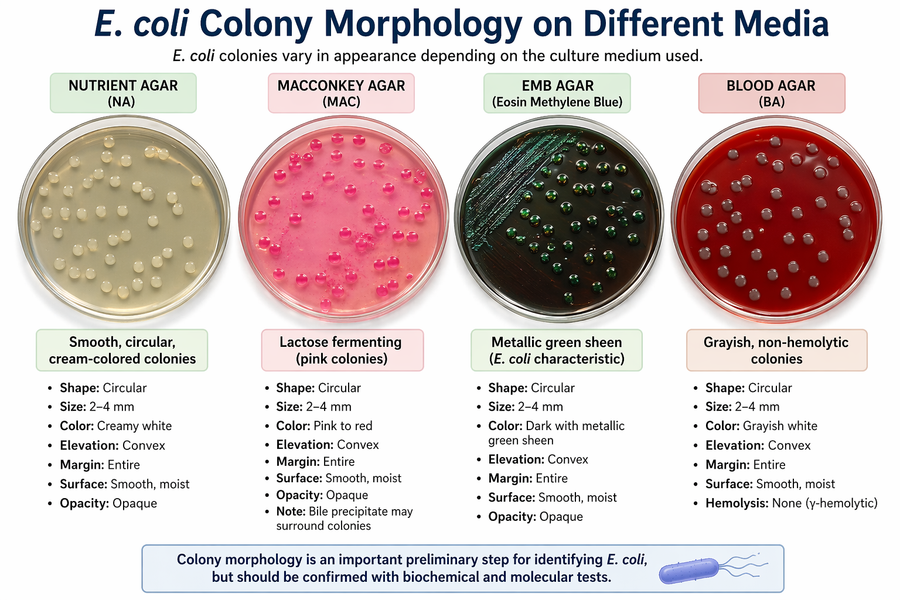
Eschericia coli
2) Morphology: creamy white, translucent, smooth, circular, convex
Oxygen tolerance: facultative anaerobe
3) Cellular morphology: single bacillus or diplobacilli (medium)
4) Gram-stain: negative (pink)
13) Culture growth:
MAC → pink; lactose-fermenting
BAP → no change; gamma hemolysis
Bacillus subtilis
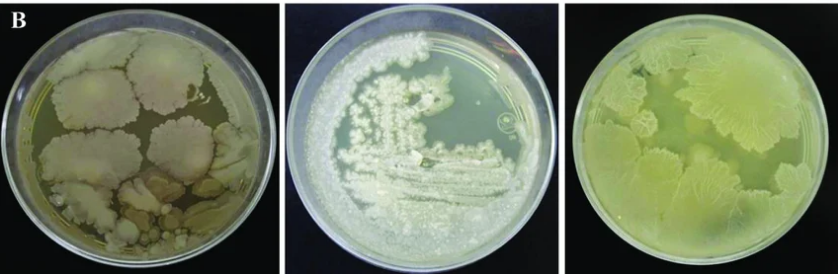
2) Morphology: white, dull, dry, irregular, flat/raised
Oxygen tolerance: obligate aerobe
3) Cellular morphology: streptobacilli (largest)
4) Gram stain: positive (purple)
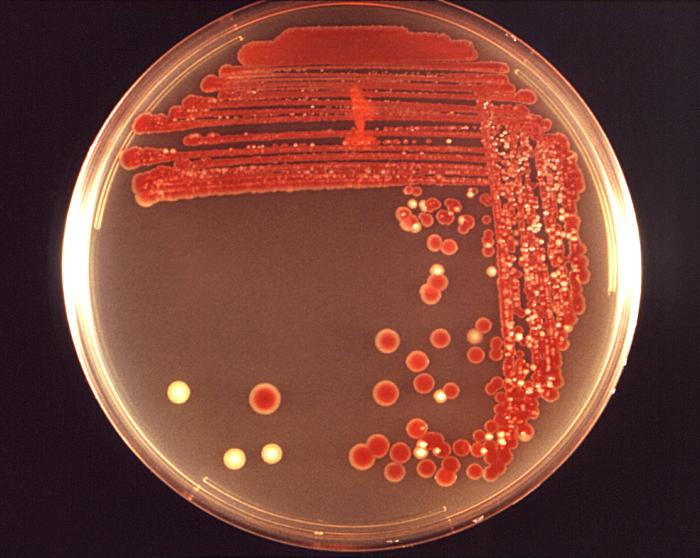
Serratia marcescens
2) Morphology: red, opaque, smooth, circular, convex
Oxygen tolerance: facultative anaerobe
Proteus Vulgaris
3) Motile? Yes
4) Cellular morphology: single bacillus
Gram stain: negative (pink)
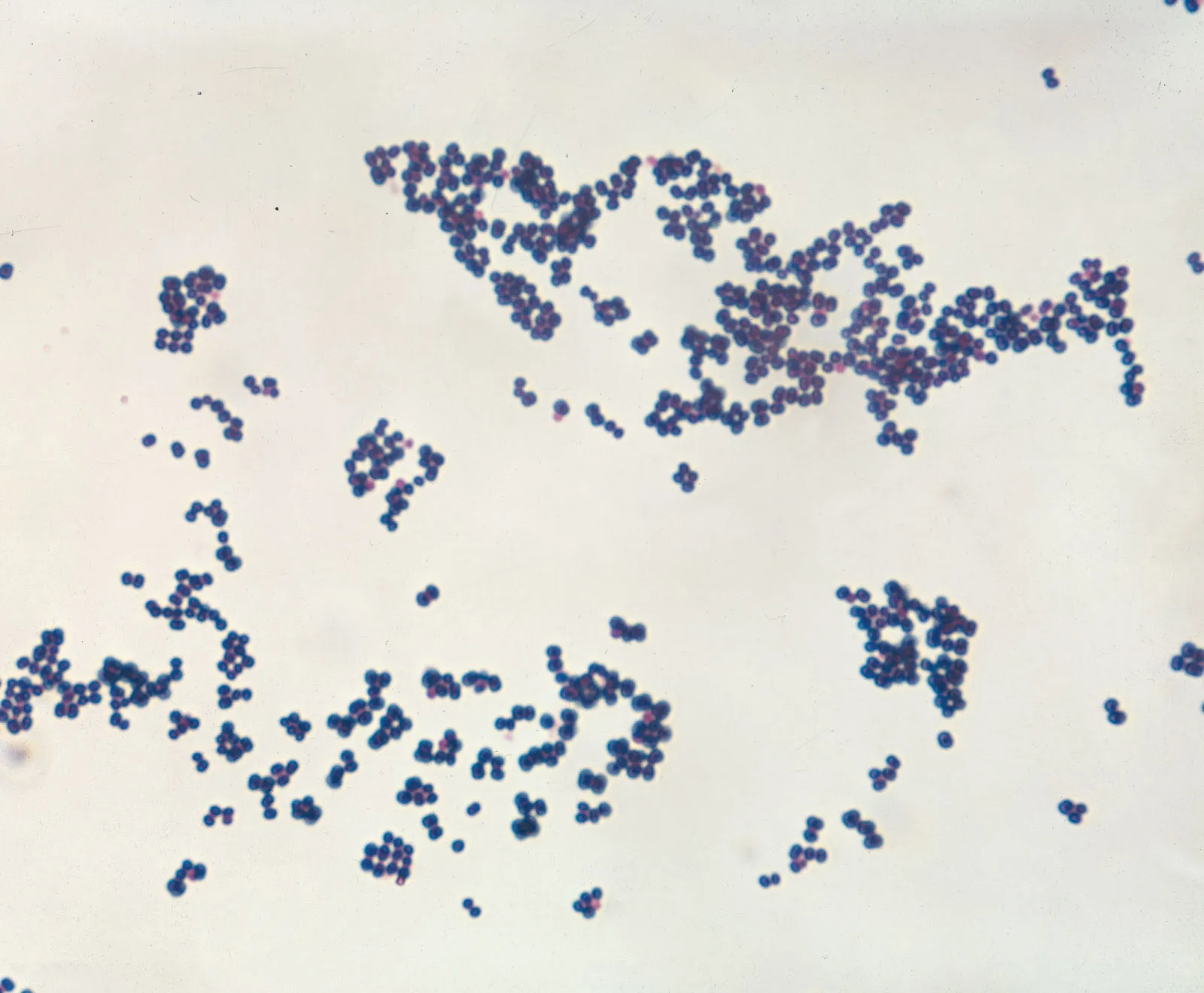
Staphylococcus epidermidis
8)Morphology: creamy white, opaque, shiny, circular, raised
3) Cellular morphology: staphylococci (smallest)
Motile? No
4) Gram-stain: positive (purple)
13) Culture growth:
MSA → red; non-mannitol fermenting
BAP → no change; gamma hemolysis
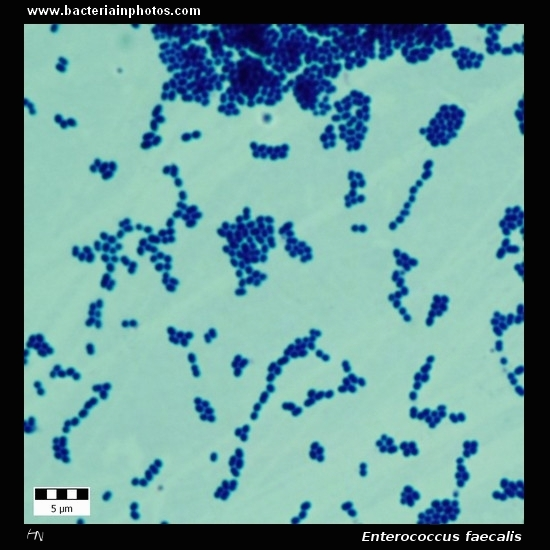
Enterococcus faecalis
Cell morphology: diplo/streptococci
4) Gram-stain: positive (purple)
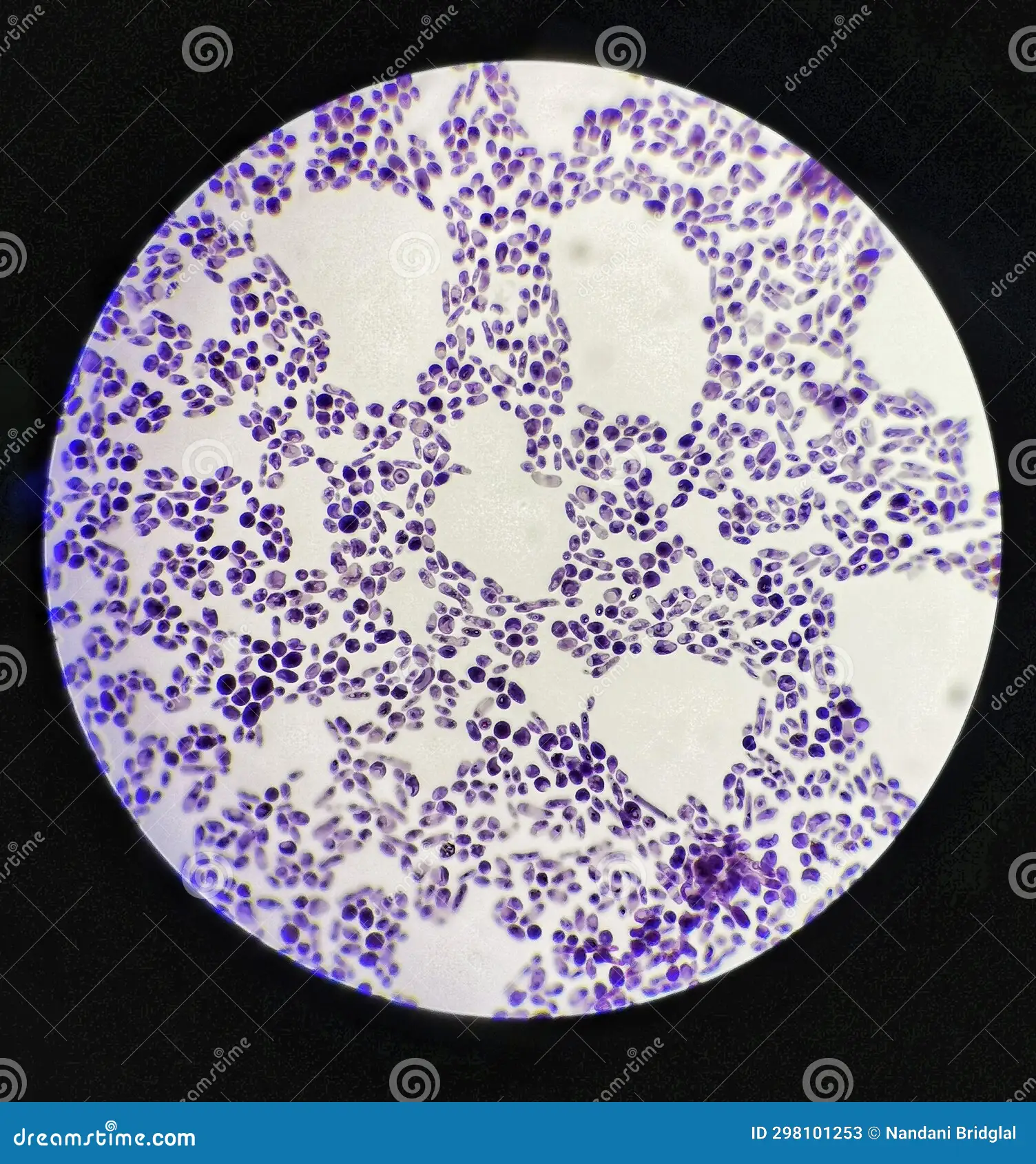
Saccharomyces cerevisiae
Yeast
Cell morphology: cocci but also can be bacilli
4) Gram-stain: positive (purple)
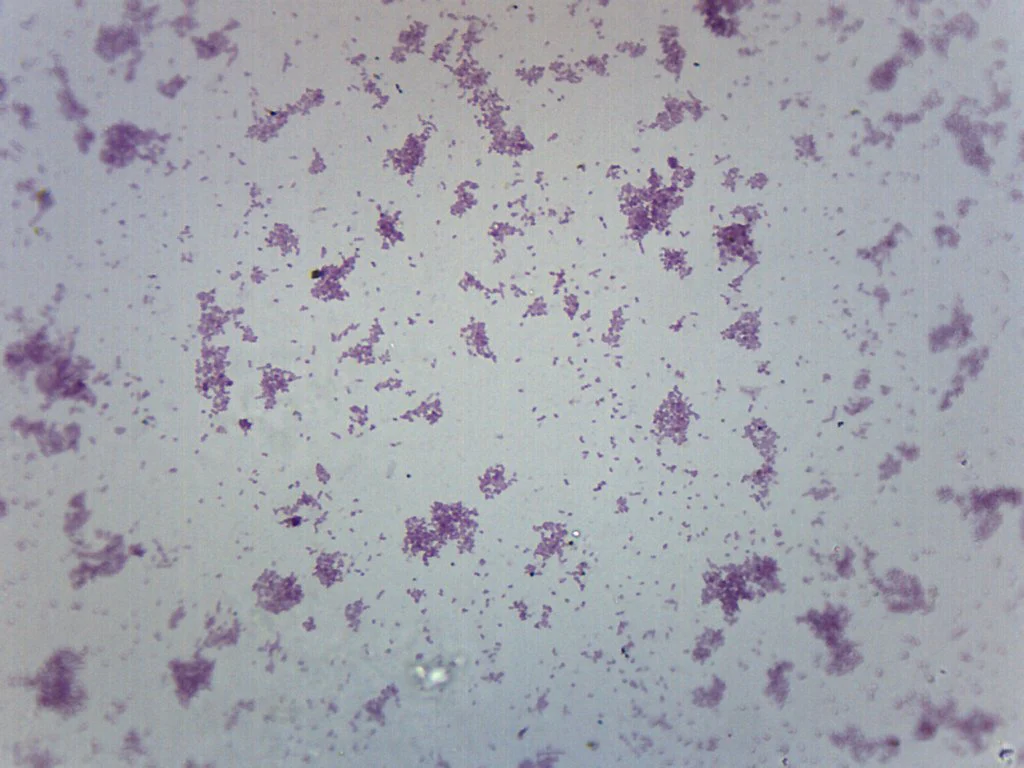
Mycobacterium smegmatis
5) Acid-fast stain: positive (red)
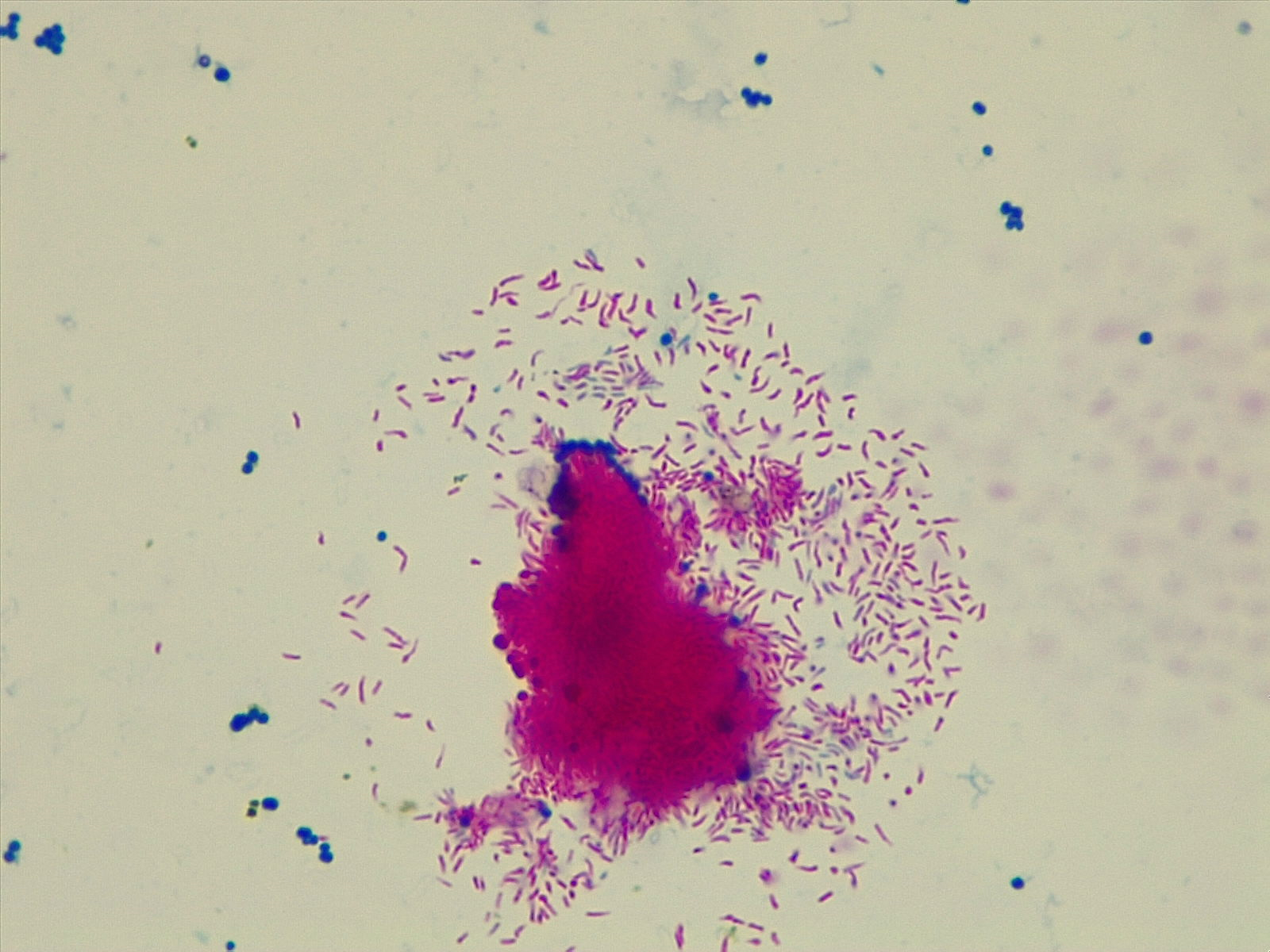
Staphylococcus aureus
Morphology: yellow, opaque, glistening, circular, convex colonies
Cellular morphology: staphylococci
Gram-stain: positive (purple)
13) Culture growths:
MSA → yellow; mannitol fermentation
BAP → yellow; beta-hemolysis
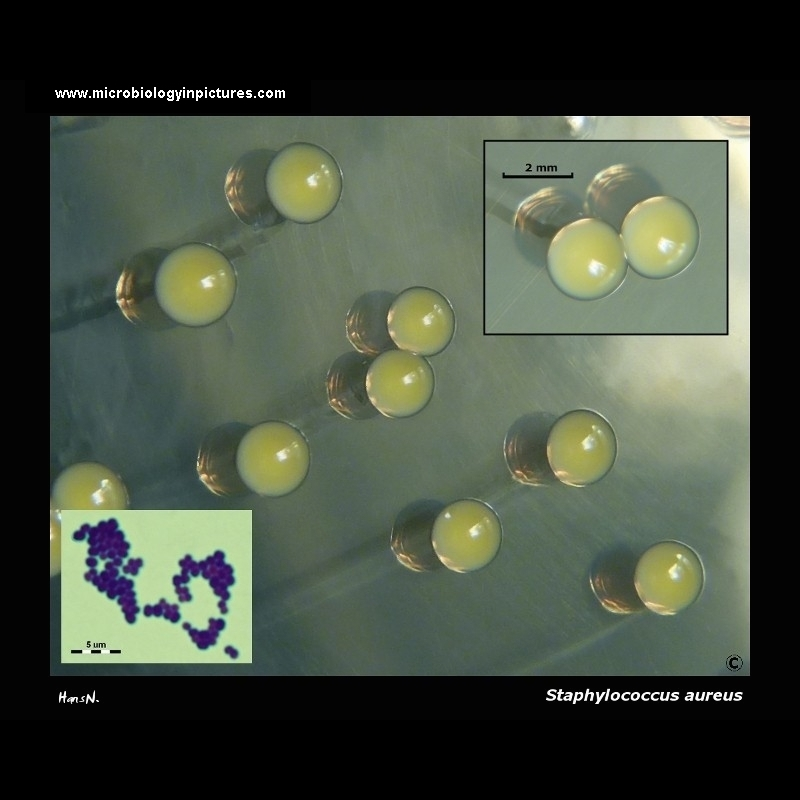
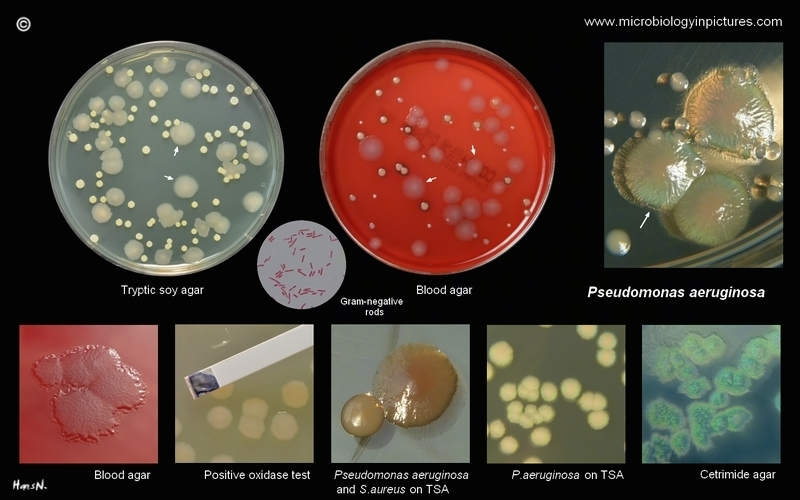
Pseudomonas aeruginosa
Morphology: blue-green, opaque, crust-like, irregular, umbonate
Cell morphology: single or diplo/streptobacilli
Gram-stain: negative (pink)
13) Culture growths:
MAC → colorless; non-lactose-fermenting gram-negative
BAP → yellow; beta hemolysis