The study of life reveals unifying themes
 Call Kai
 Learn
Learn Practice Test
 Spaced Repetition
 Match
Match Flashcards
 Knowt Play
1/118

Earn XP
Description and Tags
organization information energy and matter interactions evolution
Name | Mastery | Learn | Test | Matching | Spaced | Call with Kai | Chat |
|---|
No analytics yet
Send a link to your students to track their progress
119 Terms
The study of life can be divided into different ___ of biological organizations
levels
in_____complex systems are reduced to simpler components to make them more manageable to study
reductionism
A group of cells make up a ___
a group of tissues make up an ____
groups of organs make up a ____
tissue
organs
organism
system biology
the exploration of a biological system by analyzing a biological structure can give clues about what it does and how it works
The cell is the ____ unit of life that can perform all activities required for life
smallest
all cells share certain characteristics such as
being enclosed by a membrane
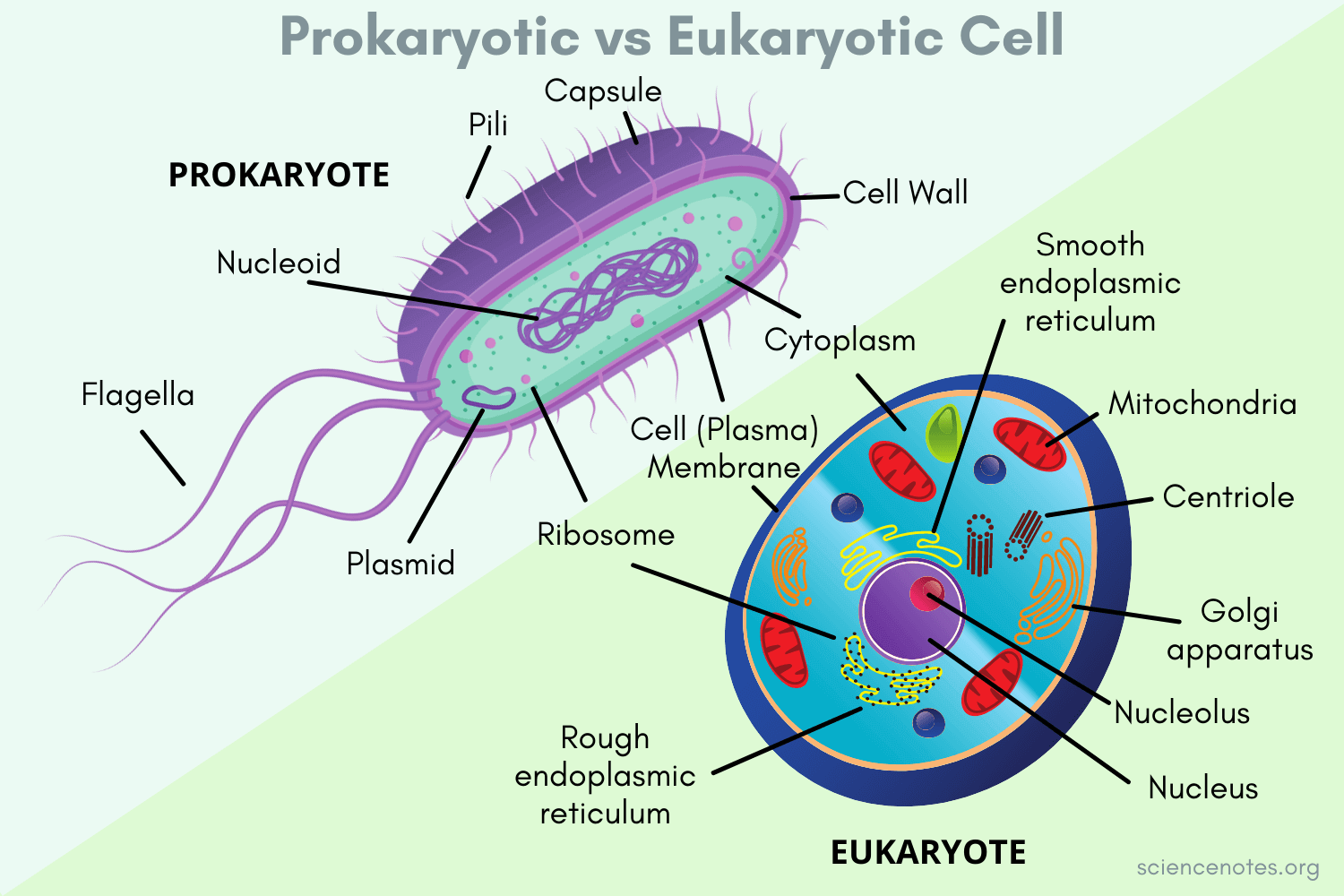
The two main forms of cells are
prokaryotic and eukaryotic
A eukaryotic cell contains membranes enclosed organelles including
a DNA containing nucleus
Prokaryotic cells lack
a nucleus or other membrane bound organelles
contrasting eukaryotic and Prokaryotic cells
size and complexity
DNA
deoxyribonucleic acid
A DNA molecule holds
thousands of genes and hundreds of each section of DNA along the chromosome
As cells grow and divide the genetic info is
encoded
Inherited DNA directs the
development of the organism
A DNA molecule is made of
two long chains (strands) arranged in a double helix
each link of a chain is made of
one strand of DNA
For many genes, the DNA sequence provides
blueprints for making proteins
Proteins are the
major players in building and maintaining a cell
Genes control protein production in directly using
RNA as an intermediary
Gene expression: cells use info encoded in a
gene to synthesize a functional protein
info=
mrna
when you break down proteins you get
amino acids
protein=
chain of amino acids different numbers of amino acids make different proteins
DNA transcript —> mrna translation —→ chain of amino acids—>
Protein folding—> protein
info from DNA produces
protein
animals are consumers we feed on
other organisms
DNA is in
nucleus
An organism’s genome is its
entire library of genetic instructions
plants glucose
energy
Genomics is the study of
sets of genes in 1 or more species
proteomics refers to the study of
sets of proteins and their properties
the entire set of proteins expressed by a cell, tissue, or organism, is called a
proteome
This chemical energy of producers is then passed to consumers that feed on
other organisms or their remains
It is in the cytoplasm where
proteins are produced
Plants and other photosynthetic organism (producers) convert their energy of sunlight into
the chemical energy of sugars
Life requires the transferred and transformation of energy and
matter
Every organism interacts with other organisms and with physical factors in its
environment
Interactions between organisms may benefit one organism and
harm the other
Interactions may also benefit both organisms or harm both
organisms
Scientists calculate the CO2 (carbon dioxide) that human activities have added to the atmosphere it has increased the average temp of the planet by 1oC since 1900 climate change is a directional change in global climate that
lasts three decades or more
The remarkably of diverse forms of life on the planet arose by
evolutionary processes
Evolution is a process of bio changes in which species accommodate differences from their
ancestors
Similar traits in two species are explained by relation from a
common ancestor
Evolution accounts for
the unity and diversity of life
Diversity is a
hallmark of life
Biologists currently divide the kingdom of life into three domains Bacteria, Archaea and
Eukarya
Domains Bacteria and Archaea are
prokaryotic
Domain Eukarya includes all Eukaryotic organelles'
Domain Eukarya includes three multicellular kingdoms
plants, fungi, and animals
Plants produce their own food photosynthesis fungi absorb nutrients from their
surroundings
Animals obtain food by eating and digesting
organisms
Eukaryotic organisms are more complex than the
prokaryotic organisms
3 kingdoms plants, fungi, and
animals
fungi are
producers
DNA universal language common to all organisms All have their own forms of
DNA
Darwin father of
evolution
modifications from modern ancestors modified as
time goes on
natural selection
unity and diversity of life as animals progress in life they modify as they progress
Competition as
inevitable
Most of bacteria offspring
will not survive
More prominent animals in their environment will get
hunted
prominent animals usually are
brightly colored or more visible
In studying natures scientists form and test hypothesizes science is an approach to understanding the
natural world
Inquiry is the search for information and explanation of
natural phenomena
Science includes challenge adventure and luck, along with careful planning creativity patience and persistence the scientific process inlcude forming logical hypothesizes and
testing them
Biology begins with careful
observations
Quantitive data discriptions rather than
measurements
Quantitive data numerical measurements which are often organized into
tables and graphs
deductive reasoning draws conclusions
through the logical induction
in science hyopthesis an explanation based on observations and assumptions that leads to a testable prediction
It is an explanation on trial
The initial observations may lead to multiple hypothesizes to be
tested
Deductive reasoning is the
process of drawing valid inferences
Scientific consensus is the shared conclusion among scientists that particular hypothesizes explains the known that will and stand up to
experimental testing
hypothesizes can never be conclusively proven to be true because we can never test all the alternatives testing a hypothesis in various ways can increase
our confidence
Bacteria is the main reason for
stomach ulcers
A hypothesis must be testable and
falsifiable
A controlled experiment compares an experimental
group
The factor that is manipulated and the factor that is subsequently measured is the
variable
the term controlled experiment does not mean that
researches control every possible variable
Theories in science a theory is
Broader in scope than a hypothesis
General enough to spin off many testable hypothesizes
Most scientists work in
teams
The goal of technology is to apply scientific knowledge for
some specific purpose
science and technology are
interdependent
Organisms are composed of
matter
Definition: matter is
anything that takes up space and has mass
A compound is a substance consisting of two or more elements in
a fixed ratio
A compound has emergent properties characteristics different from those of its
elements
of 90 plus natural elements about 20-25 percent are essential elements needed by an organism to live a healthy life and
reproduce
Trace elements are required in only minute quantities for example invertebrates’ iodine (I) is required for normal the
thyroid activity gland
In humans iodine deficiency can cause
goiter
elements in the human body
oxygen
carbon
hydrogen
nitrogen
calcium
phosphorus
potassium
sulfur
sodium
chlorine
magnesium
plants take in water and carbon dioxide
you give take in oxygen
plants give out
oxygen
An elements properties depends on the structure of its atoms each element consists of certain types of atoms, different from the atoms of any other
element
Definition: an atom is the smallest unit off matter that still retains the properties of an
element
atoms are composed of smaller parts called the
subatomic particles
relevant subatomic particles include
neutrons (no electrical charge)
protons (positive charge)
electrons (negative charge)
neutrons and protons from the
atomic nucleus
Electrons form a “cloud” of negative charge around the
nucleus
neutron mass and proton mass are almost identical and measured in
daltons
atoms of the various elements differ in number of
subatomic particles