Professional Teams, Interprofessional Education, and Collaborative Practice
 Call Kai
 Learn
Learn Practice Test
 Spaced Repetition
 Match
Match Flashcards
 Knowt Play
1/16

Earn XP
Description and Tags
Ch. 9 Week 4
Name | Mastery | Learn | Test | Matching | Spaced | Call with Kai | Chat |
|---|
No analytics yet
Send a link to your students to track their progress
17 Terms
Types of Disciplinary Teams
Interdisciplinary Teams
Multidisciplinary Teams
Transdisciplinary Teams
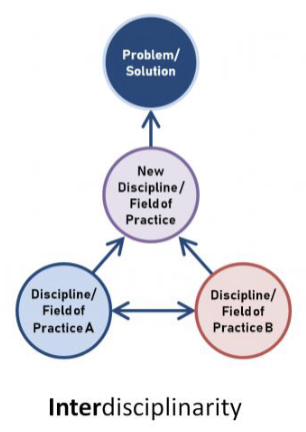
Interdisciplinary Teams
Composed of members from several disciplines working interdependently in the same setting
Coordinate and communicate more formally to contribute to an interdisciplinary plan of care
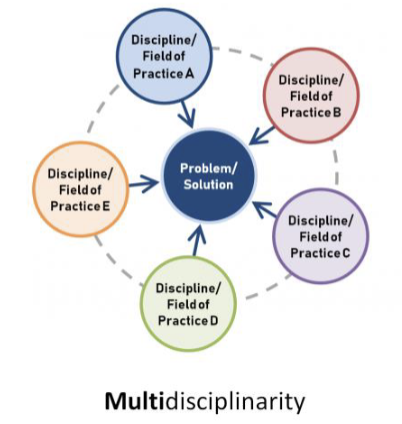
Multidisciplinary Teams
Composed of member from MORE than discipline so the team offers greater depth of services to patients
team members work independently and interact formally
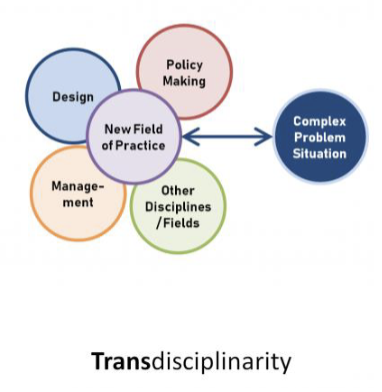
Transdisciplinary Teams
Engage in teaching and learning across disciplinary boundaries
Entrust, prepare and supervise the sharing of disciplinary functions while retaining ultimate responsibility for services provided
Types of Work Teams
Cross Functional Work Team → people with specific expertise and knowledge
Functional Work Teams → several vertical levels of organization who perform specific organizational functions
Self Directed Work Teams → high level of autonomy and responsibility
Groups vs. Teams
Groups → have regular contact and frequent interaction, work together to achieve a common goal
Teams → group of people focuses on completion of a shared goal, share authority and responsibility for self management, work toward common goal and shared rewards
High Performing Teams
Shared vision and goals
Shared leadership and accountability
Continuous learning and development
Communication
Healthy conflict
Adaptability
Personal Values of Members of High Functioning Teams
Honesty
Discipline
Creativity
Humility
Interprofessional Education
Occurs when students from two or more professions learn about, from, and with one another to enable effective collaboration and improve health
outcomes
Interprofessional Teams
Members provide care to a common group of patient/clients
Members develop common goals for patient/client outcomes
and work toward those goalsAppropriate roles and functions are assigned to each member,
and each member understands the roles of the other membersThe team possesses a mechanism for sharing information
The team possesses a mechanism to oversee the carrying-out of
plans, to assess outcomes, and to make adjustments
Interprofessional Education Collaborative (IPEC)
• IPEC represents 21 national health professions associations
• Mission is to ensure new and current health professionals are proficient in the competencies essential for patient-centered care, community- and population- oriented, interprofessional, and collaborative practice
IPEC Core Competencies
Create coordinate effort across all health professions
Embed essential content in all curricula
Guide professional and institutional curricular development
Provide foundation for a learning continuum
Acknowledge evaluation and research work will strengthen scholarship in this area
Prompt dialogue to eval the “fit” between educationally identified core competencies for interprofessional collaborative practice and practice needs or demands

Competency and Interprofessional Teams
Collaborative Competencies → needed to work with others
Common Competencies → shared by more than one discipline but not universally required
Individual Competencies → specific to each discipline
Interprofessional Competency Domains
Values/ethics for interprofessional practice
Roles/responsibilities
Interprofessional communication
Teams and teamwork
IPE Benefits
Educational Benefits
• Students have real-world experience and insight
• Staff from a range of professions provide input into program development
• Students learn about the work of other practitioners
Health Policy Benefits
• Improved workplace practices and productivity
• Improved patient outcomes
• Raised staff morale
• Improved patient safety
• Better access to health care
Collaborative Practice
Improves: access to and coordination of services, appropriate use of specialist resources, health outcomes, patient care and safety
Decreases: total patient complication, length of hospital stay, staff turnover
Mechanisms for Collaborative Practice
Institutional Support Mechanisms → governance models
Environmental Mechanisms → space design/facilities
Working Culture Mechanisms → communication strategies, shared decision makings