Module 07 - Nutrition and Metabolism
 Call Kai
 Learn
Learn Practice Test
 Spaced Repetition
 Match
Match Flashcards
 Knowt Play
1/44

There's no tags or description
Looks like no tags are added yet.
Name | Mastery | Learn | Test | Matching | Spaced | Call with Kai | Chat |
|---|
No analytics yet
Send a link to your students to track their progress
45 Terms
nutrition
the science of how nutrients are ingested and utilized by the body.
They are molecules within food that the body utilizes for growth, maintenance, and repair of the body’s cells.
nutrient
a substance/molecule within food that our body utilizes to allow for growth, maintenance, repair of our body’s cells and production of various molecules in our body
macronutrient
carbohydrates, lipids, proteins, water
micronutrients
vitamins and minerals
essential nutrients
about 50 molecules that our body cannot produce fast enough to meet the demand for them
Must get them through our diet
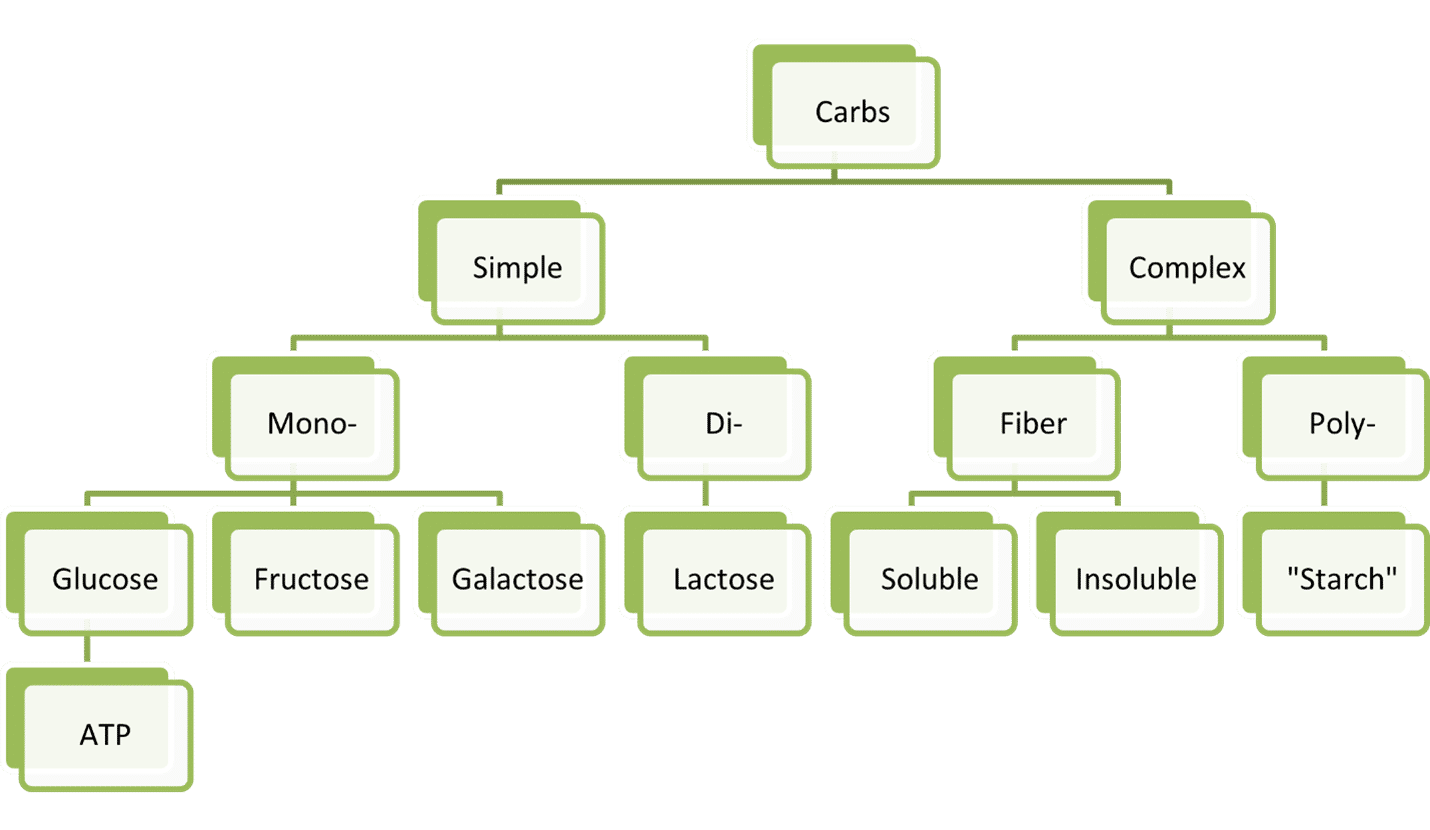
carbohydrates
AKA: SUGARS
broken down into three types of molecules within the body: monosaccharides, disaccharides, and polysaccharides
majority we consume are from plants
monosaccharides
individual sugar molecules, absorbed in the small intestine.
Glucose, galactose, and fructose
disaccharides
made of two sugar molecules linked together, and they cannot be absorbed by the small intestine.
include lactose = glucose + galactose.
polysaccharides
made of molecular chains linked together to form starches. Similar to disaccharides, the small intestine cannot absorb
glucose
The cellular-level fuel used by the body to produce ATP (adenosine triphosphate), the molecule that powers nearly all cellular activity.
body breaks carbohydrates into this!
carbohydrates
glucose is the main monosaccharide utilized in the body
used in the production of ATP; the body’s energy source
Excess intake is stored in fat cells

simple carbohydrates
found in more processed foods like candy, soda, and table sugar (also known as sucrose)
composed of monosaccharides and disaccharides.
digested quickly and absorbed by the body quickly
raise blood sugar quickly
complex carbohydrates
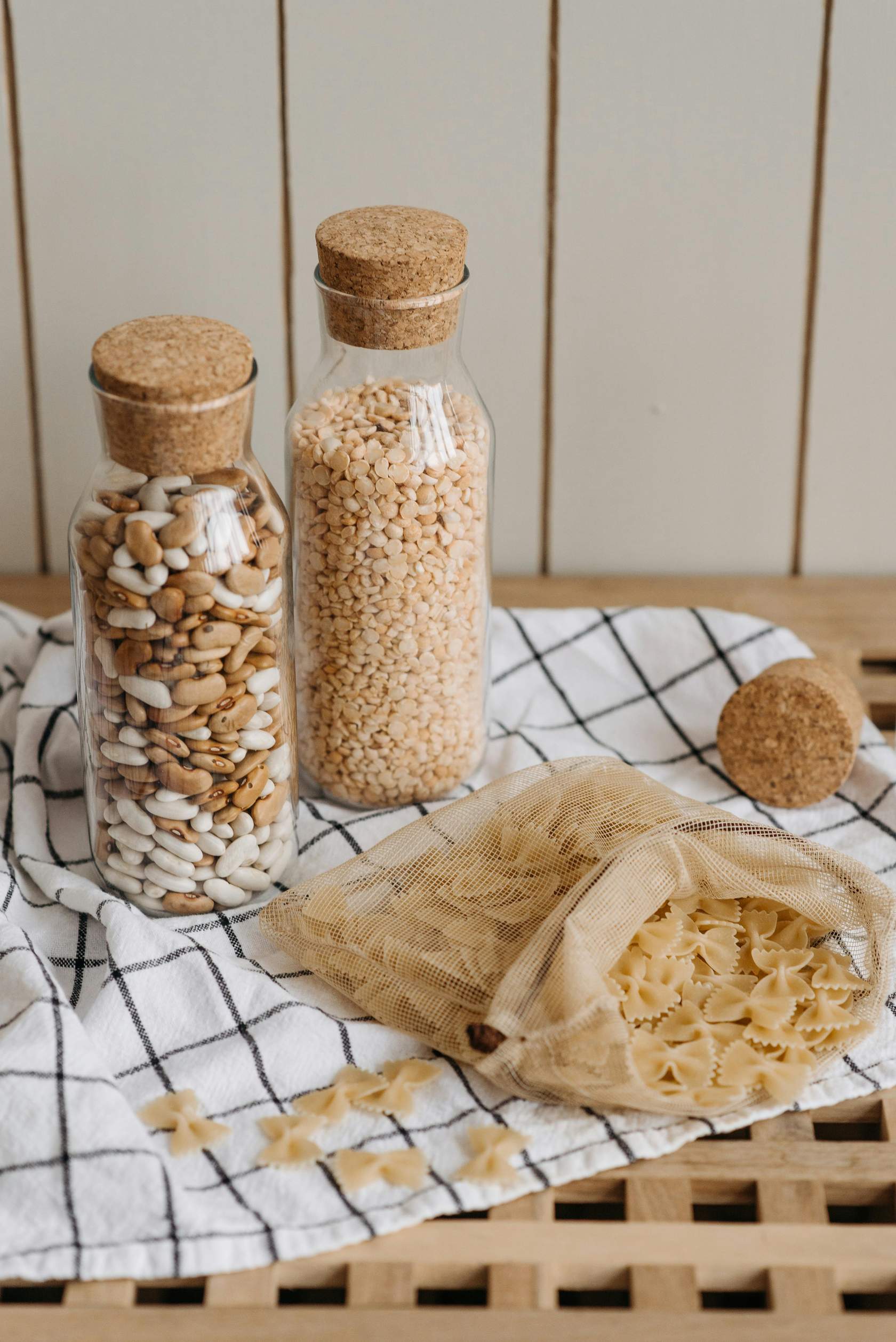
slower to digest, as they are made of polysaccharides. Common carbs include whole grain breads, cereal, pasta, rice, beans, and potatoes
vary in digestibility based on fiber content.
fiber
an indigestible carbohydrate that has health benefits
soluble and insoluble
soluble fiber
soluble within water and slows the digestibe process down
helps to limit the absoption of colesterol
insoluble fiber
Healthy for the bacterial flora in large intestine
does not break down in water, so it is eliminated as fecal matter. Adds bulk to fecal matter and helps prevent constipation
lipids
known as fats—serve in energy storage, slowing digestion to promote satiety, aiding hormone production (testosterone and estrogen), supporting absorption of fat-soluble vitamins (A, D, E, K), and maintaining axon myelination for nervous system function.
made up of triglycerides
saturated fats
can be identified by their solid state at room temperature. Examples include animal fat, dairy fats, and coconut oil.
Can increase CVD risk and raise the bad cholesterol levels
unsaturated fats
can be identified by their liquid state at room temperature. Most plant-based oils are unsaturated fats.
Can help lower cholesterol to contribute to lower CVD risk
two types: monounsaturated fats and polyunsaturated fats
monounsaturated fats
avocado, nuts, peanut oil and olive oil.
may help to lower risk of CVD
polyunsaturated fats
Common in vegetable oils; corn, soy, sunflower
further subdivided into Omega-3 and Omega-6 subtypes.
Omega-3 Fatty acids
further subdivided into EPA and DHA.
Found in walnuts, flaxseed and certain fish like salmon
Omega-6 Fatty Acids
Common in corn, soybean oils
cholesterol
in food it’s a fat-like substance in animal products such as meat, eggs, and dairy.
Has vital role in the body; assists in the production of hormones, cell membranes, and nervous tissue
liver makes majority from saturated fats
Medical providers screen blood work for cholesterol levels, with ideal numbers being triglycerides < 150 mg/dL, LDL < 100 mg/dL, and HDL > 30 mg/dL.
“good cholesterol”
HDL, high density lipoproteins
“bad cholesterol”
LDL, low density lipoproteins
trans fat
also goes by the terms hydrogenated and partially hydrogenated oils; these fats are artificially synthesized and often used in fried food production
Cheaper to make and have a longer shelf life
Banned from foods as of 2021
Very inflammatory
Blood work for lipids
Triglyceride levels
150 mg/dl or lower
LDL cholesterol levels
100 mg/dl or lower
HDL cholesterol levels
30 mg/dl or higher
proteins
composed of 20 amino acids.
Of these, 9 are considered essential because the body cannot synthesize them. We must obtain these 9 essential amino acids through food or supplementation.
serve many roles in the body, including making up hormones, cell receptors, contractile elements of muscle cells, cell transport, and structural support.
minerals
inorganic compounds,
there are 7 major minerals that are needed in higher quantities
calcium, chlorine, magnesium, phosphorus, potassium, sodium, and sulfur. There are 10 trace minerals, with some of the most common being iron, iodine, and zinc.
Can make up approximately 5% of the body’s weight.
do not add energy but rather support the body’s processes to sustain health
calcium is needed for bone tissue, muscle, and nerve physiology
iron is essential to heme function
act as cofactors
vitamins
vital organic compounds needed to sustain life, provide growth and maintain overall good health
not used as energy or a building block, but are critical for the function of other nutrients and processes
Some vitamins, like B and C, are water soluble. Conversely, vitamins A, D, E, and K are fat soluble (need fat to be absorbed)
metabolism
all of the chemical reactions that occur in the body
Two classifications of reactions (catabolic vs. anabolic)
Cells need to break substances down and build other substances
catabolic reactions
break down stored carbohydrates and fats to produce ATP during fasting or exercise.
The major nutrition-related catabolic reactions include digestion of protein, carbohydrates, and fats—breaking them into amino acids, glucose, and glycerol or free fatty acids.
anabolic reactions
rebuild and store energy, such as replenishing glycogen and repairing muscle.
The major anabolic reactions occur when food intake is insufficient to meet energy demand. In these cases, stored carbohydrates, fats, and amino acids can be converted to glucose to produce cellular energy.
ATP
cell’s energy
Lisa’s bloodwork revealed elevated LDL and reduced HDL levels. Based on the information about lipids, what dietary pattern likely contributed to this?
High intake of trans fats and saturated fats from fried and processed foods.
After training, Jordan’s muscles use stored glycogen for energy and then rebuild tissue. Which two types of metabolism are represented here?
Catabolic during glycogen breakdown and anabolic during muscle repair.
why is it important to eat after workouts. What’s the best explanation?
Post-exercise nutrition fuels anabolic repair and restores energy balance.
Consuming nutrients after exercise activates anabolic repair and replenishes glycogen stores.
Jordan eats meals with whole grains, protein, and unsaturated fats like avocado and olive oil. Based on the lecture, which of the following explains how his nutrition choices affect his metabolism?
They promote efficient catabolic breakdown and support anabolic repair processes.
aerobic respiration
the breakdown of glucose with oxygen
30 ATP molecules are the net result
anerobic reaction
the breakdown of glucose without oxygen
2 ATP molecules are the net result
not sufficient to sustain life
lipid metabolism
Occurs if glucose cannot get into cells or deficient within diet
Breakdown of stored lipids and results in ketone production
Can produce a fruity smell to breath and urine
Leads to a build up ketones in blood, lowers blood pH and can lead to ketoacidosis in rare and extreme circumstances
protein metabolism
Breakdown of proteins in the body; least effective method for producing ATP
Can result in dangerous urea and ammonia compounds that are difficult on the kidneys
What amino acid helps build collagen and elastin?
Threonine
Which amino acid helps regulate the sleep-wake cycle?
Tryptophan