E – Engineering, Technology and Applications of Science
 Call Kai
 Learn
Learn Practice Test
 Spaced Repetition
 Match
Match Flashcards
 Knowt Play
1/21

There's no tags or description
Looks like no tags are added yet.
Name | Mastery | Learn | Test | Matching | Spaced | Call with Kai |
|---|
No analytics yet
Send a link to your students to track their progress
22 Terms
Problem solving through inventing solutions to simple problems
It is important to show students how they can implement solution to problems. This can be done in a variety of ways, but most importantly, students should understand that trial and error, trying again, thinking about different possibilities, and working with peers are all ways to solve problems. Science is all about inquiry and experimentation to make the world a better place.
Manipulatives
Manipulatives are physical objects used as tools to engage students in learning. Examples of manipulatives in elementary science class include things like rocks, magnifying glasses, gears, magnets, scales, and microscopes. Science lessons provide opportunities to use manipulatives in the classroom to engage students in learning activities.
Models
Science teachers can use models to communicate ideas and to represent abstract phenomena. For example, the solar system is impossible to see in a classroom or lab; however, a model of the solar system is easily accessible in a classroom or lab.
Scientific Equipment
Scientific equipment should be maintained in working order to ensure safety and reliability of experiments. Equipment in elementary science class include tools like balances, scales, and stop watches.
Real-Word Examples
Effective teachers find ways to connect their students to the lesson through authentic experiences. Elementary science provides a lot of opportunities to demonstrate real-world examples of scientific phenomena.
Print And Digital Representations
It is important to provide relevant and current information in print and digital formats. This includes maintaining awareness of emerging trends in science education and present these trends in class. Remember backwards design when planning lessons using print and digital content. Make sure your learning objectives are aligned to the standards and the school's goals, and then develop the tasks for the activity.
It is also important to ensure students know how to interpret scientific data from graphs and charts. The table below provides and overview of some graphical representations often used in science materials.
Line Graphs
Line charts, or line graphs, are powerful visual tools that illustrate trends in data over a period of time or a particular correlation. This line graph shows population growth in certain species over time. There are three different lines representing three different species.

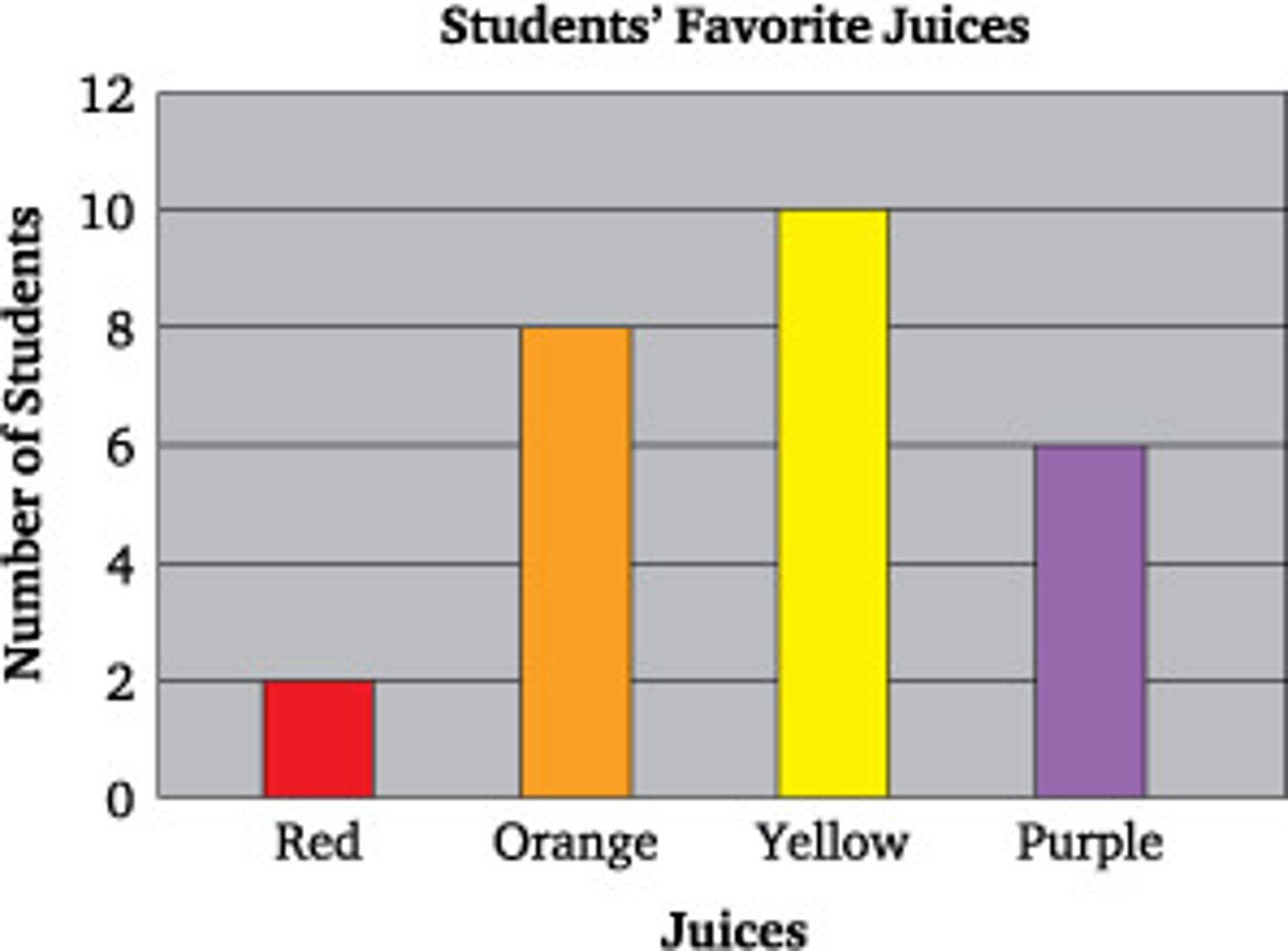
Bar Graph
One can easily compare two or more variables when using a bar graph. Each bar represents a variable. When the bars are stacked next to each other, it is easy to compare data. This bar graph is comparing carrying capacity of several species in different ecosystems.
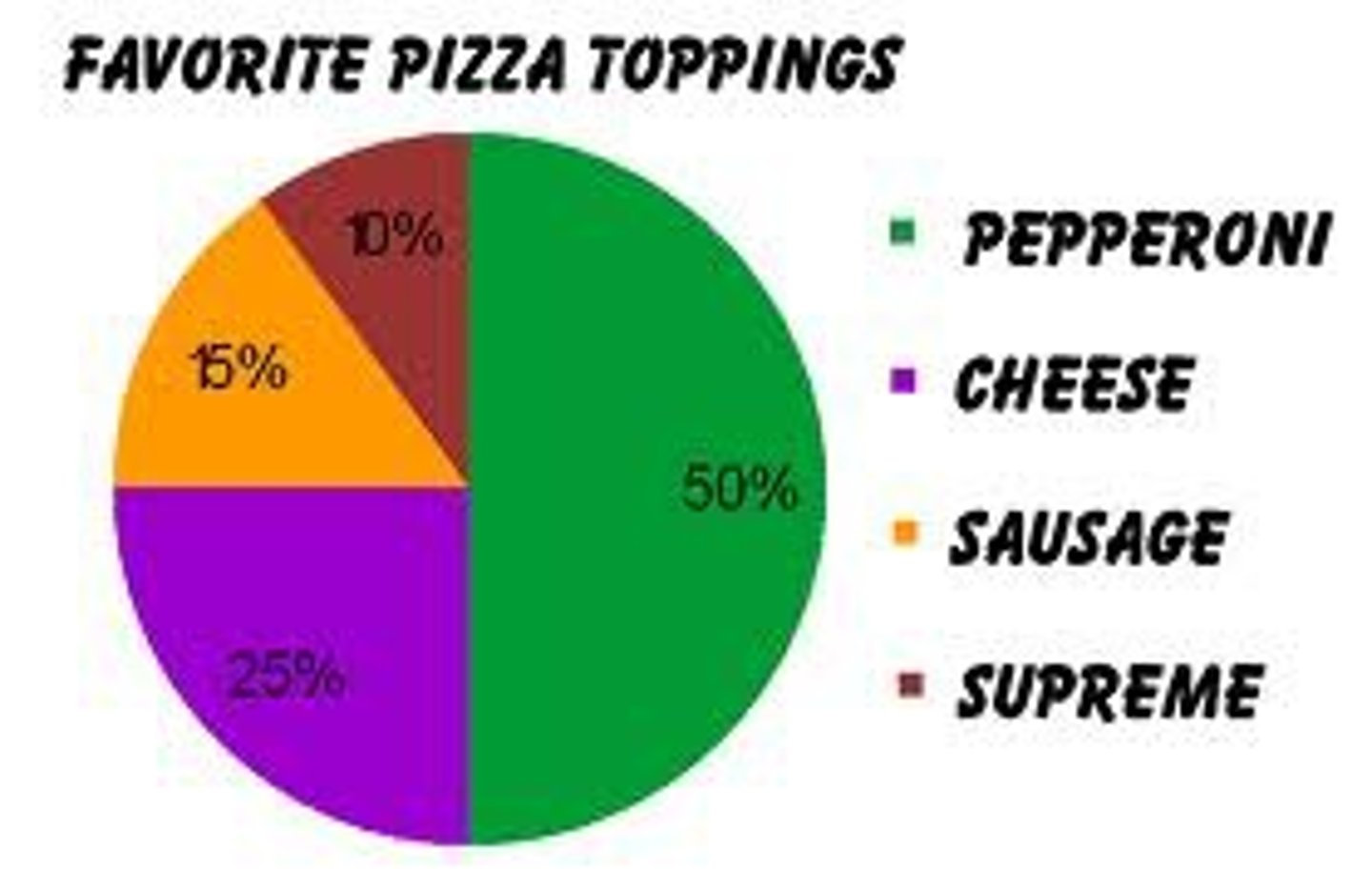
Pie Chart
Pie charts are generally used to show percentage or proportional data. The percentage represented by each category is provided next to the corresponding slice of pie. In this example, the percentages of substances in the atmosphere are broken down.
Technology
Technology can enhance the learning environment in science class. Guidelines for using technology differ from district to district and state to state. It is important for teachers to review their own district's and school's guidelines regarding technology in the classroom.
Virtual Labs
Virtual labs are an effective way to engage students. Students can input data, gather information, and conduct an experiment in a virtual lab. Virtual labs are also helpful because they allow students the experience even if funds are not available for the physical lab.
Technology Tools
Students use a database to find other studies that relate to their topics. Students use a spreadsheet to store their data from an experiment. Students use presentation software like PowerPoint or Keynote to present their findings to the class. Teachers must know when and how to use these tools effectively.
Hands-on Tools
It is important not to over-complicate your approach in this area. Regardless of your school's budget or access to advanced technology, remember that one of your primary goals is teaching stuednts to use tools to understand science.
Here are some ideas of how you can use simple resources nearly every classroom has on hand:
• Track weather trends by using a calendar to record temperature, humidity, and precipitation.
• Build interactive tools like kites, pinwheels, or parachutes, then observe and record how different shapes, sizes, and patterns are affected differently by the air.
• Use pictures to track how sunny it is each day, then record daily high and low temperatures and graph them over a set period.
Collaborative strategies
Collaborative strategies, where a lesson is presented by the teacher and then put into practice by the student, maximizes effective instruction. This also gives the teacher the opportunity to identify and correct misconceptions as they see students apply the lessons in a real-life context.
Examples of collaborative activities include the following:
• Using simple experiments where students apply the scientific method themselves. For example, have students work in groups where they plant seeds in three cups, water them at different levels, and then record their observations each day.
• Continually ask students "why." Teach them to refer back to the foundations of their knowledge and tie critical thinking in with each lesson.
• Seek out local scientific or research institutions who would be willing to partner with you in facilitating classroom activities.
Questioning and critical thinking
Asking students questions at key points in the lesson is important because it keeps students engaged, develops critical thinking, and allows the teacher to check for understanding at various levels. Questions should go beyond simple recall questions (yes/no questions or low-level questions).
The benefits of questioning include:
• Measures student understanding of the material
• Engages students
• Promotes active participation
• Provides opportunities to review, summarize, or emphasize important information
• Fosters critical thinking
Wait time.
This involves giving the students time to think and formulate an answer, which is especially important when asking high-level questions.
Specific feedback.
Provide feedback using specific language regarding what is correct or incorrect about their answers. For example, "You're on the right track when you say that the plant height is the dependent variable. Now tell me what is influencing the plant height."
Redirection.
When student answers are not accurate, try redirection by saying things like, "Have you considered...?" or, "What about...?". This technique allows the students to rethink their responses without feeling defensive about offering an incorrect answer.
Probing.
If a student offers a partial answer or if you want to increase the level of questioning, ask probing, follow-up questions. Not all students respond to high cognitive level questions immediately. Start with the concrete and move to the abstract. This technique helps the student ease into deeper thinking.
Increasing question complexity.
Ask follow-up questions like, "Why does that happen?" or "What does that look like?" This helps students stretch beyond their comfort zone and think critically.
Bias
Textbooks can be biased because they are generally written from the perspective of the dominant culture. Therefore, it is important for teachers to draw from an array of material that explains concepts. Teachers should also try to refrain from inserting any bias into science instruction. Remember, textbooks are resources, NOT the curriculum.
Teachers must also find reputable research to use in their classroom. Resources that are helpful for elementary science instructors include:
• National Science Teacher Association
• Association for Science Teacher Education
• National Earth Science Teacher Association
• Any academic journal with peerreviewed research
For teachers to be effective in the science classroom, they must have a current and relevant understanding of the research governing the profession. There are several ways to do this:
1. Teachers can join reputable science organizations. These organizations often publish research teachers can use to guide their decisions in the classroom.
2. Teachers can attend professional development that focuses on researched-based strategies in science.
3. Teachers can be data-driven in their decision making.
4. Teachers can engage in lifelong learning practices.
English learners and science instruction
Science is a way to engage with English language learners (ELL). Science, in many ways, transcends language because every student has a sense of wonder and inquiry.
To maximize ELL participation and mastery of science concepts:
• Provide ELL students with science materials in their native language.
• Use translators or paraprofessionals to help you explain complex science concepts in students' native language.