BioChem Exam 1
 Call Kai
 Learn
Learn Practice Test
 Spaced Repetition
 Match
Match Flashcards
 Knowt Play
1/30

There's no tags or description
Looks like no tags are added yet.
Name | Mastery | Learn | Test | Matching | Spaced | Call with Kai | Chat |
|---|
No analytics yet
Send a link to your students to track their progress
31 Terms
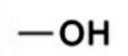
Hydroxyl

Acyl

Carbonyl

Carboxylate

Sulfhydryl
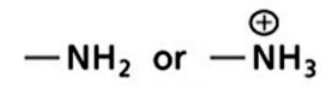
Amino
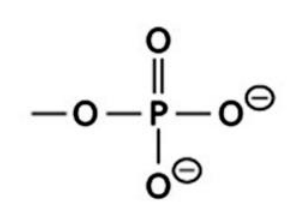
Phosphate
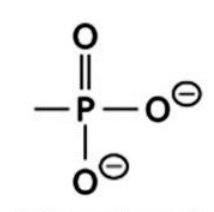
Phosphoryl

Ester

Ether

Amide

Phosphate Ester

Phosphoanhydride

Carbon-Carbon
7 Major Types of NonCovalent Interactions
Charge-Charge
Charge-Dipole
Dipole-Dipole
Charge-Induced Dipole
Dipole-Induced Dipole
Van Der Waals (Dispersion)
Hydrogen Bond
Hydrophobic Interactions _______
…derives from entropy increase when water is released from non-polar surfaces
Acid = A protein (H+) ____
Donor
Base = A Proton ____
Acceptor
Which is the acid? base?
HA + H20
HA = Acid
H2O = Based
Which is the base?
A- + H2O
A- = Base
Ka Expression for Weak vs Strong Acid
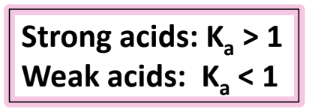
Ampholyte - ?
Molecules with both acidic and basic pKa’s
Isoelectric point - ?
the pH in which the average charge is sums to 0. This happens at only one pH.
Zwitterion - ?
containing both positive and negative charge, with a net charge of 0.
A buffer is…
a weak acid that is added to a solution in order to maintain a constant pH
The best buffer is…
1 above or below the pH point
Enthalpy is when…
Heat evolved in a reaction (ex. from breaking bonds)
The entropy…
of an isolated system will tend to increase; this means that systems tend to become more random or disordered

Describe both using the following..
____ increases / decreases
Which is more spontaneous

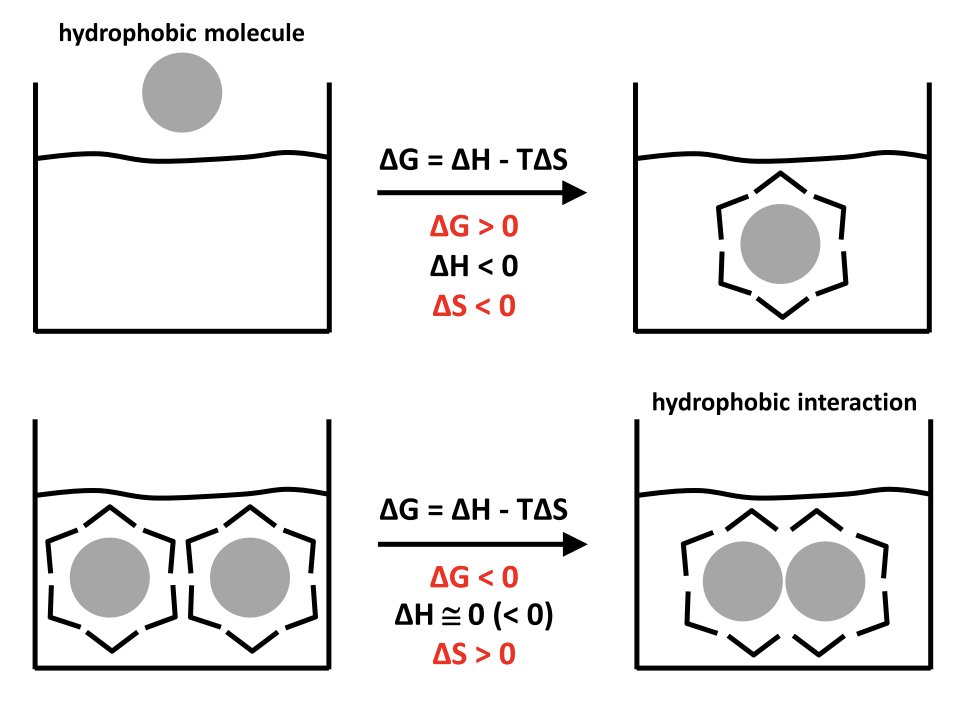
Describe the following…