intro to bio exam 1
 Call Kai
 Learn
Learn Practice Test
 Spaced Repetition
 Match
Match Flashcards
 Knowt Play
1/194

There's no tags or description
Looks like no tags are added yet.
Name | Mastery | Learn | Test | Matching | Spaced | Call with Kai | Chat |
|---|
No analytics yet
Send a link to your students to track their progress
195 Terms
emergent properties
characteristic of a system that does not appear in any of the system’s component parts
biology
the study of life
atoms
Fundamental units of all living things. C, H O, N
molecule
atoms joined together. H-O-H. saccharides(sugar), nucleotides (nucleic acid) (DNA & RNA), amino acids (proteins), and lipids (fatty acids)
cell
smallest unit of life
tissue
cells interacting for a specific task. connective, epithelial, muscle, and nervous.
organ
interacting tissues
organ system
interacting organs
multicelled organism
individuals consisting of more than one cell
population
group of interbreeding individuals within the same species living in a gviing area
community
all populations of all species in a given area
ecosystem
community interacting with the environment through th etransfer of energy and materials
bioshphere
all regions of earth where organisms live
epithelial tissue
covers body surfaces and lines internal cavities. no blood vessels. simple and stratified. squamous, cuboidal, and columnar. sheet like. one surface faces the environment and the other is glued to a basement membrane. may contain glands.
connective tissue
holds body parts together and provides structural support
muscle tissue
moves the body or its parts. contract in response to stimulation. cardiac, skeletal, and smooth.
nervous tissue
detects stimuli and relays information. neurons. controls gland and muscle activity. main tissue of brain and spinal cord and of nerves extending through the body.
squamous epithelium
exchange of materials across the cell surface. line blood vessels, heart, air sacs of lungs
cuboidal epithelium
absorption and secretion. may have microvilli. line kidney tubules, ducts, and reproductive tract.
columnar epithelium
absorption and secretion. line some airways and parts of the gut.
exocrine glands
secretes milk, sweat, saliva, or other substances through a duct. (into the duct)
endocrine glands
ductless gland. secretes hormones (usually into blood)
unspecialized CT
loose (gel-like ECM) or dense (collagen ECM fibers).
specialized CT
cartilage, bone tissue, adipose tissue, and blood
cartilage
cells surrounded by a rubbery matrix of their own secretions
adipose tissue
cells that make and store triglycerides. specialize in fat storage
bone tissue
cells surrounded by a mineral-hardened matrix of their own secretions
blood
plasma and cellular components (RBC, WBC, PLT)
skeletal muscle
long, cyndrical cells with multiple nuclei and striations. interact with bone to bring movement and maintain posture. voluntary and reflex activated
cardiac muscle
striated cells attached end to end with a nucleus. heart wall. involuntary
smooth muscle
single nucleus, tapered ends, and no striations. in walls of some blood vessels, digestive tract, reproductive tract, bladder, and other hollow organs. involuntary
neurons
transmit electrical sigals along their plasma membrane and send chemical messages to other cells. central cell body and cytoplasmic extensions
central cell body
contains nucleus and other organelles
cytoplasmic extensions
project from cell body. receive and send electrochemical signals
how are all living things alike
continuous input of energy and cycling materials necessary to maintain lifes complex organization
organisms send and respond to change, their environment (homeostasis)
all use info found in DNA and inherited from parents to carry out functions of life (reproduce)
energy
capacity to do work or produce change
producers
make their own food using energy and nonbiological raw materials form the environment (photosynthesis)
consumers
get energy and nutrients by feeding on tissues, wastes, or remains of other organisms
nutrient
needed for growth and survival of an organism but cannot make it for itself
homeostasis
process where internal conditions are kept within tolerable ranges by sensing and responding to change (body fluid composition and temp)
inheritance
transmission of DNA to offspring
DNA
contains info that guides metabolic activities through development, growth, and reproduction. inherited from 1/2 parents
prokaryotes
single-celled with no nucleus. bacteria and archaea
biodiversity
scope of variation among living things
bacteria
most diverse and well known group of single-celled organisms with no nucleus
archaea
group of single-celled organisms that lack a nucleus but are more closely linked to eukaryotes than bacteria. have their own seperate domain
eukaryotes
have a nucleus and can be single-celled or multicellular. includes protists, plants, fungi, and animals. have a nucleus, RER, SER, golgi, mitochondria, and cytoskeleton
protists
simplest eukaryotes. ranging from amoebas to giant kelps. mostly unicellular. diverse group of simple eukaryotes
fungi
usually decomposers, including mushrooms. single or multicellular eukaryotic consumer. breaks down material outside self then absorbs nutrients released from it.
plant
multicellular, typically photosynthetic producer
animal
multicellular consumer that develops through a series of stages and moves during part or all of its life
what does each type of organism have?
a unique two-part name: Genus and specific epithet/species
genus
a group of species that share a unique set of traits. capitalized and italicized
specific epithet/species
second part of name. italicized only!
taxonomy
science of naming and classifying species. first used by Carolus Linnaeus to sort species ito taxa on the basis of shared traits
Dear King Philip Came Over For Good Spaghetti
domain, kingdom, phylum, class, order, family, genus, and species
trait
observable characteristic of an organism or species
taxon
group of organisms that share a unique set of traits
scientific method
making, testing, and evaluating hypotheses
inductive reasoning
conclusion based off of ones observation
deductive reasoning
general idea to make a conclusion about a specific case
predictions
tested with experiments, sometimes iwht a model system
experiment
test designed to support or falsify a prediction
model system
analogous system used for testing hypotheses
variable
characteristic or event that differs among individuals or over time. independent and dependent
what are pitfalls in scientific inquiry?
subsets not being representative of the whole, sampling error, and biases
what does science not address?
physiological questions, subjective questions, and supernatural ideas.
scientific theory
hypothesis that hasnt been disproven after many years of rigorous testing. consistent with all of data gathered.
law of nature
generalization that describes a consistent natural phenomenon for which there is incomplete scientific explanation
what are the basic building blocks of all matter?
protons (+) and neutrons (neutral) in an atoms nucleus and electrons (-) moving around the nucleus.
atomic #
= protons = electrons
atomic mass
= protons + neutrons
element
pure substance that consists only of atoms with the same # of protons
how are orbitals filled?
from lower to higher energy. The farther an electron is from the nucleus the greater its energy.
what does a shell model do?
helps us visualize how electrons populate atoms. each shell includes all of the orbitals on one energy level. nested shells go with higher energy levels.
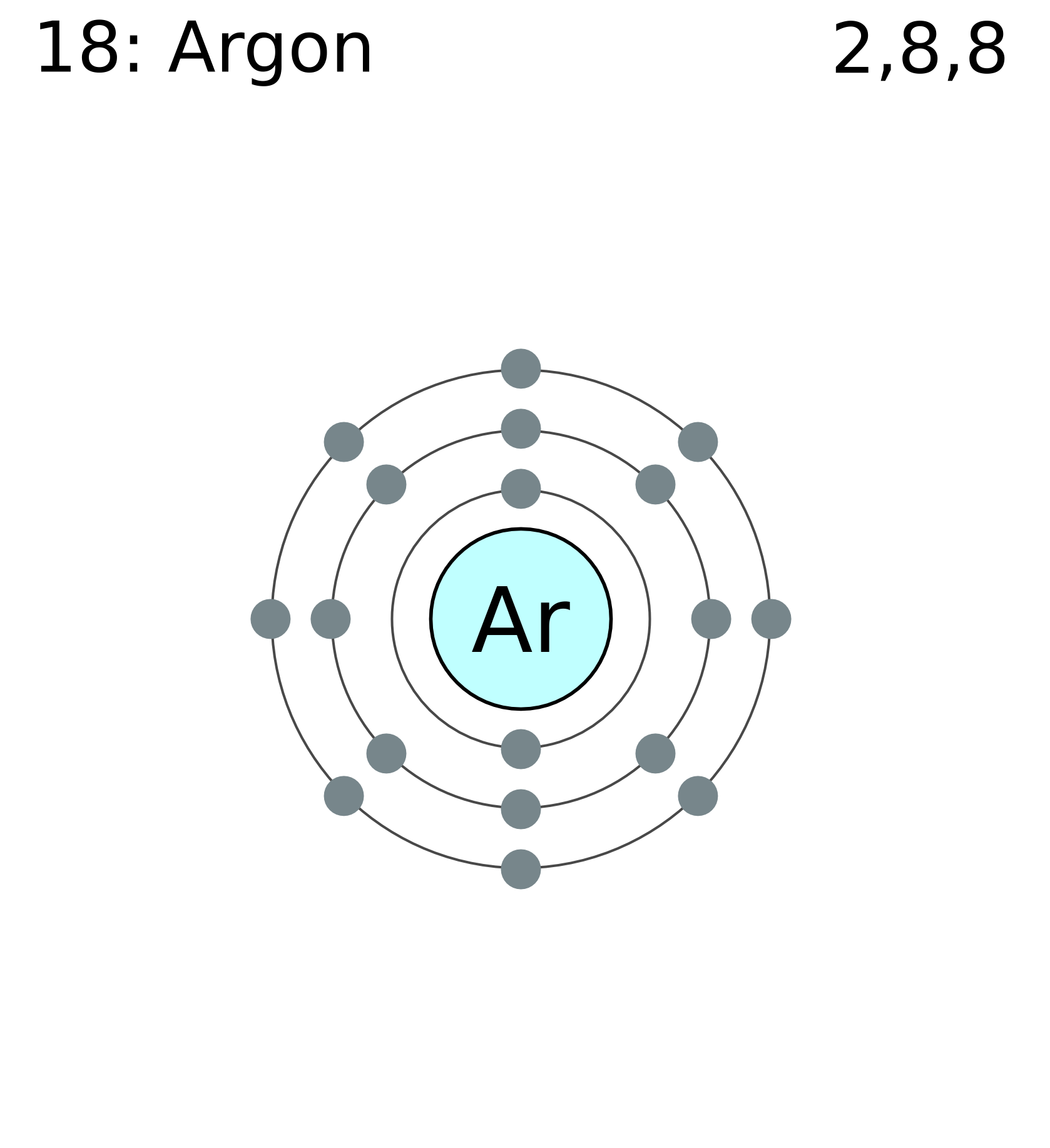
no vancancies
an outermost shell is filled wiht electrons. most stable state. valence electrons. image full
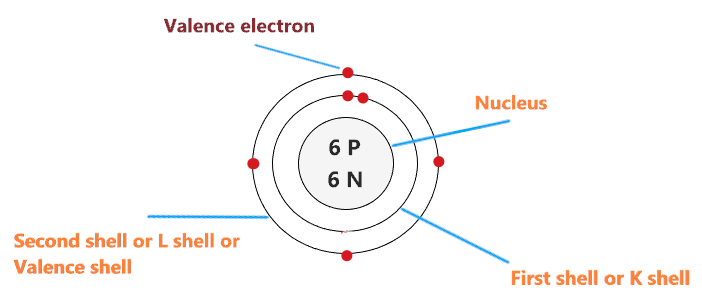
vacancies
an outermost shell has room for another electron. cheimcally active so they can interact with other atoms. image 4e-
chemical bond
attractive forces that arise between two atoms when their e- interact.
compound
molecule with atoms of more than one element
how do atoms get rid of vacancies?
by participating in chemical bonds with other atoms
ionic bond
strong mutual attraction links ions of opposite charge. GIVES. NaCl
covalent bonds
SHARE e-. 2 shared in each bond. when sharing is equal it is nonpolar. when one atom has a greater pull on the e-, unequal, the bond is polar.
ions
atoms with an unequal # of protons and electrons. overall positive net charge = cations. overall negative net charge = anion.
hydrogen bonding in H2O
two polar covalent bonds in each water molecule. O has slight - charge and Hs have slight + charge.
hydrophilic
dissolves in H2O. -OH, -NH, and NaCl. polar. Slight + charge on H attracts negatives. slight - charge on O attracts positives. nonionic polar solids dissolve in water because of H bonding.
hydrophobic
dont dissolve in H2O. -CH. Nonpolar. oils.
solvent
liquid in which solutes are dissolved. H2O is a good one.
solute
dissolved substance
solution
solute + solvent. uniform mixture of solute completeloy dissolved in solvent. chemical bonds dont form between them.
salt
releases ions besides H+ and OH- when dissolved in H2O
molecules of life
C based organic compounds. carbohydrates, lipids, proteins, and nucleic acids.
organic
molecules primarily having H and C atoms. many have a chain of C atoms as a backbone.
carbon
4 vacancies. versatile bonding behavior.
fatty acid
nonpolar, hydrocarbon, carboxylic acid. C19O2H40

amino acid
amino group, carboxyl group, and R group unique to each amino acid.

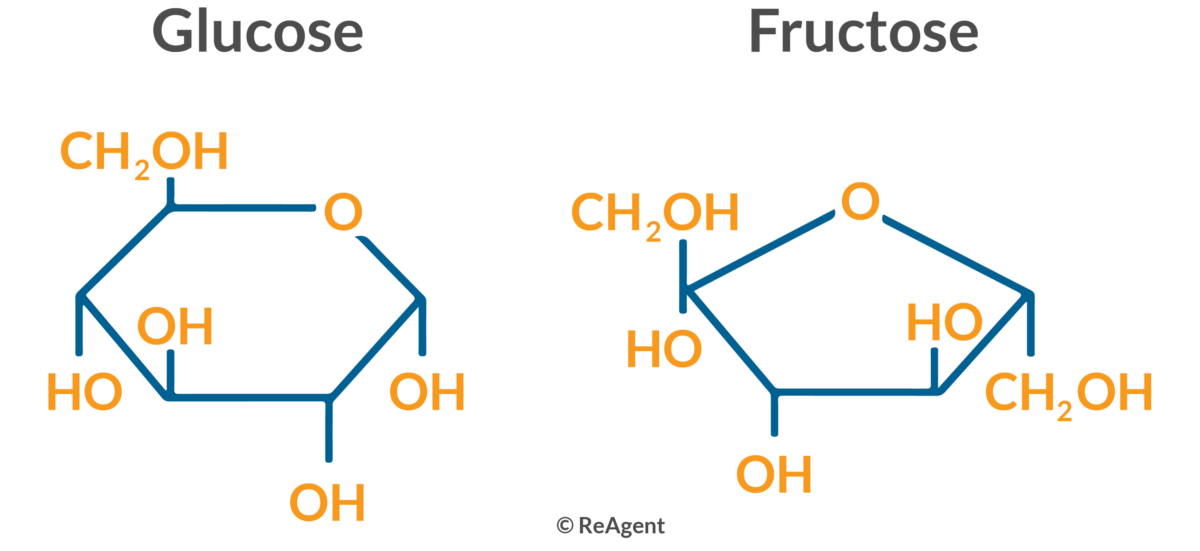
sugar
pentose ring with O and hydroxyl group.
hydrocarbon
consisting only of C and H atoms
amine
very basic. -NH2. found in nucleotide ases and amino acids.

carboxyl
very acidic. -COOH. found in fatty acids and amino acids.

hydroxyl
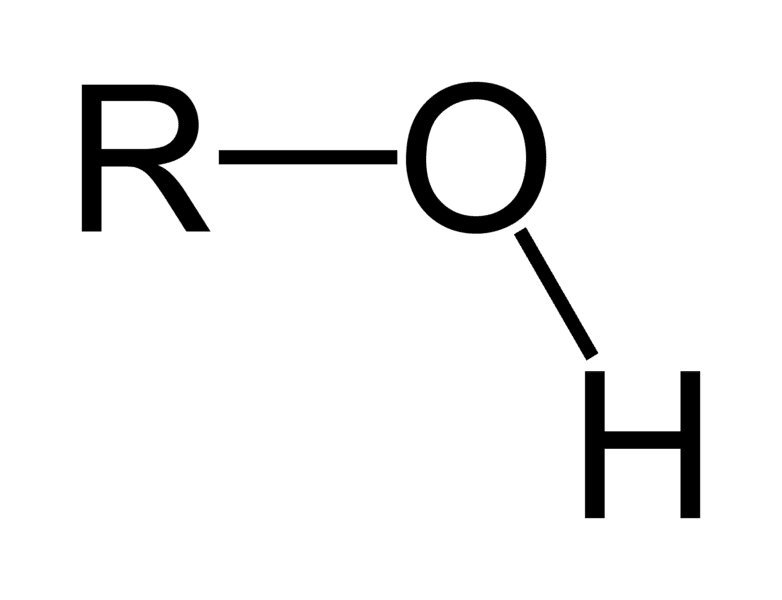
polar. -OH. found in alcohols and sugars