France: Notable Scientists, Mathematicians, Economists, and Inventors (and their Contributions, Works, and Notable Biographical Information)
 Call Kai
 Learn
Learn Practice Test
 Spaced Repetition
 Match
Match Flashcards
 Knowt Play
1/26

There's no tags or description
Looks like no tags are added yet.
Name | Mastery | Learn | Test | Matching | Spaced | Call with Kai | Chat |
|---|
No analytics yet
Send a link to your students to track their progress
27 Terms
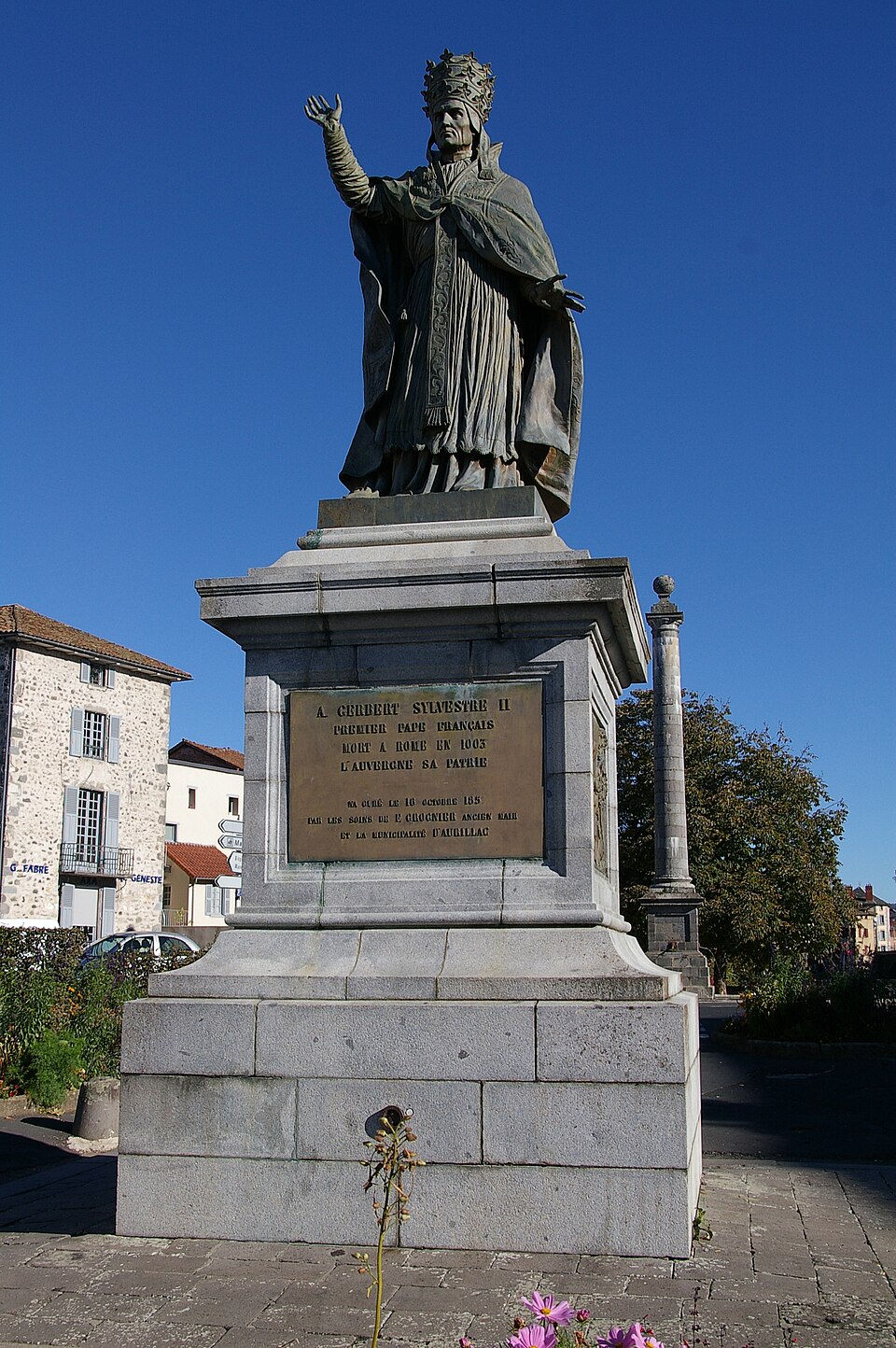
946 - 1003 - Gerbert of Aurillac (All Facts)
He eventually became and was most famous for being Pope Sylvester II
However, prior to the papacy, he was a popular French mathematician and inventor
He is thought to have introduced the astrolabe and Arabic (Indian) numerals from Cordoba into Europe
He is credited with the invention of the medical clock
1288 - 1384 - Gersonides / Levi Ben Gerson (All Facts)
French Jewish Mathematician, Physician and Astronomer / Astrologer from Provence
He popularized the use of the Cross Staff, a primitive form of sextant, for use in navigation
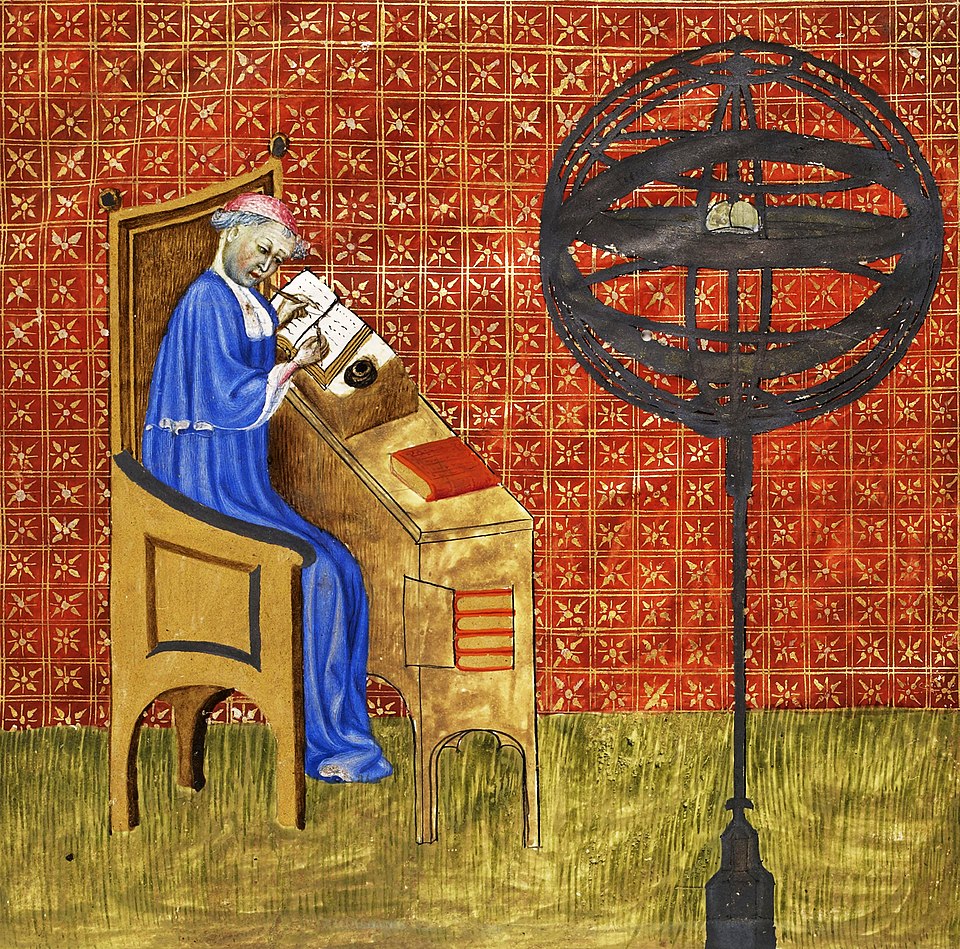
1325 - 1382 - Nicolas Oresme (All Facts)
French Astronomer, Economist, and Scholar
He was a skillful debater and subtle thinker
He was the first man to think of the heavens as a gigantic clock mechanism
He carried out many mathematical calculations of planetary motions and, in doing so, concluded that the behavior of the earth in relation to the universe was rather different from that depicted by astrologers
His ideas and speculations were widely discussion even in his own day
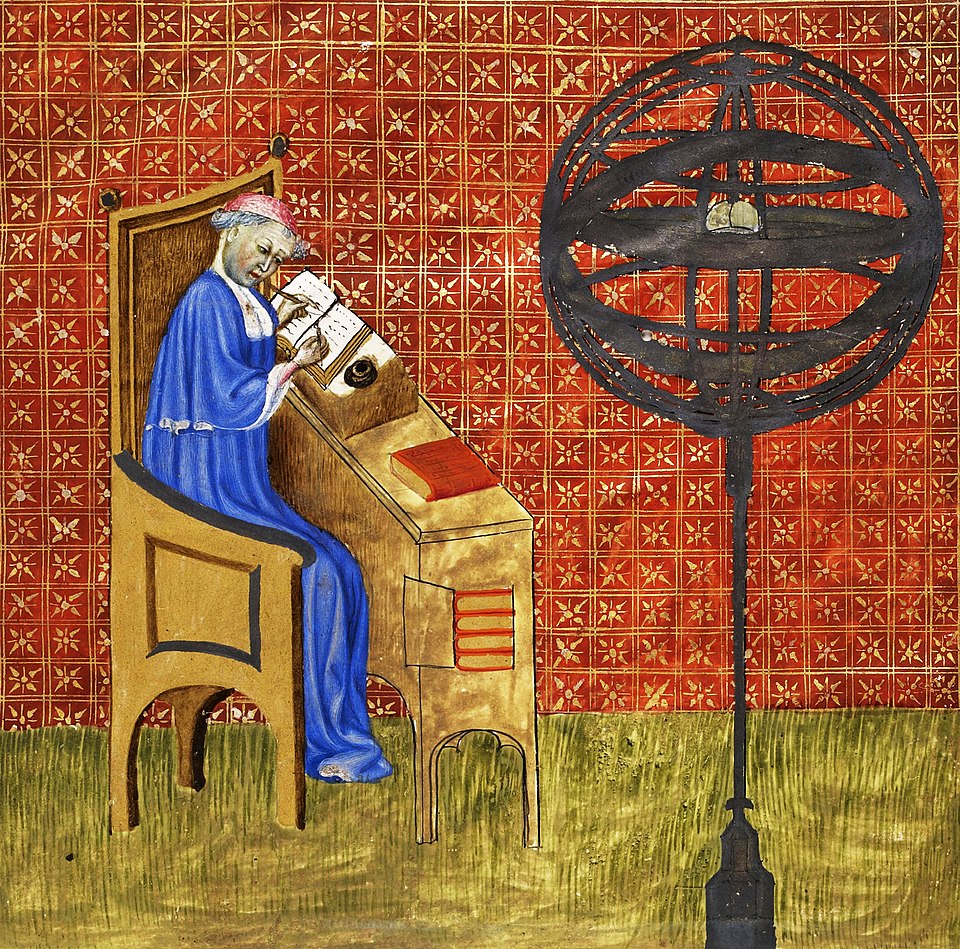
1325 - 1382 - Nicolas Oresme: Book on Divinations (All Facts)
Work in which the namesake author attacked the deterministic belief of astrologers that human actions are guided by the stars
Work in which the namesake author criticized the use of black magic
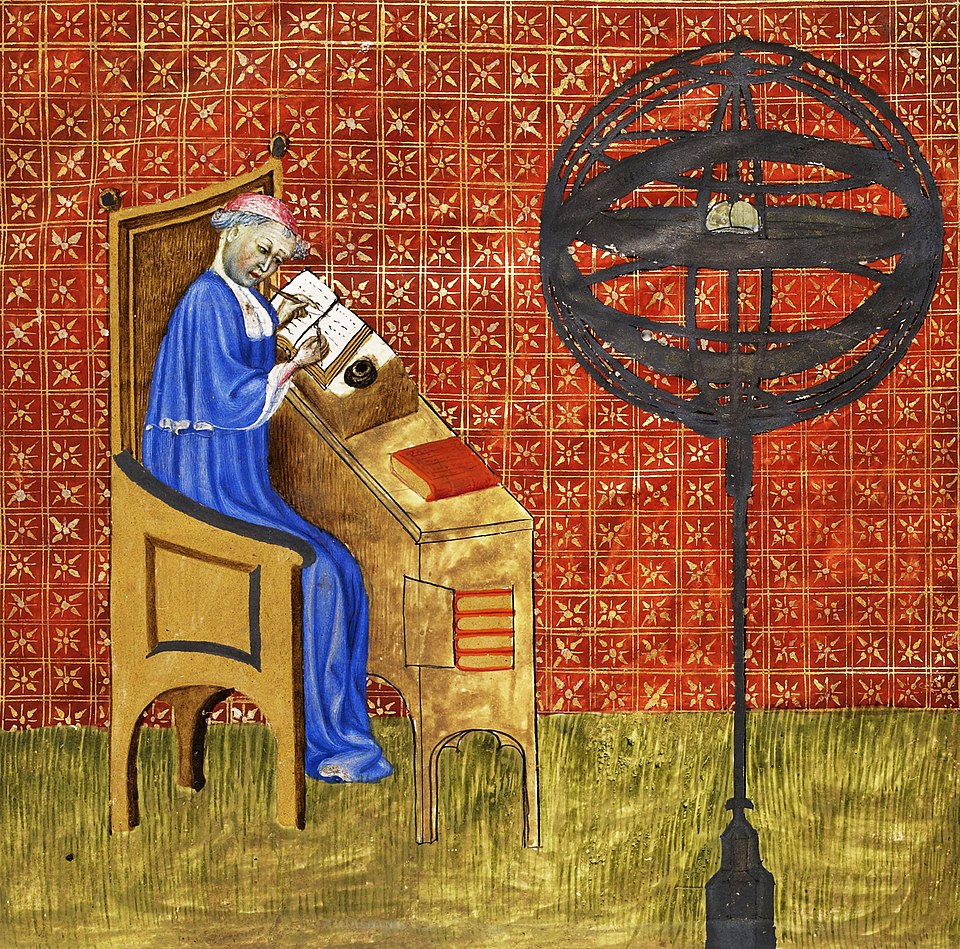
1325 - 1382 - Nicolas Oresme: On the Heavens (All Facts)
Work in which the namesake author questions Aristotle’s view that the stars move around a stationary earth
Work in which the namesake author criticized Aristotle’s doctrine of motion, and was instead influenced by Philoponos’s conception / idea of “impetus” that was a primitive theory of motion later developed by Galileo
Work in which the namesake author reveals one of his most intriguing thoughts, which was that there may be universes other than our own
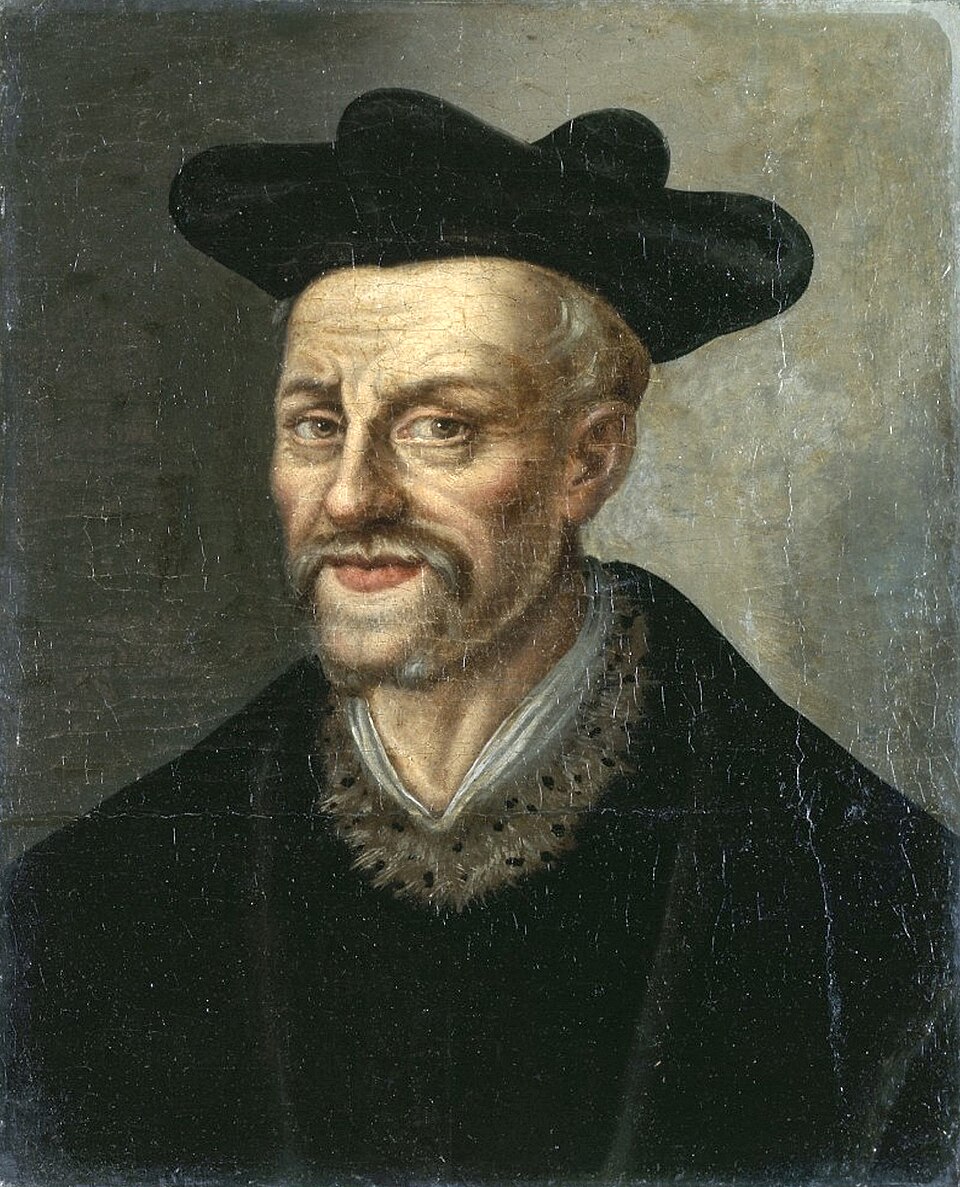
1483 - 1553 - Francois Rabelais (All Facts)
French Physician
He was the physician of the municipal hospital at Lyons
1510 - 1590 - Ambroise Pare (All Facts)
French Inventor and Army Surgeon
He was one of the most enterprising and successful of modern surgeons
He was a master surgeon by the age of 36
He became a doctor of medicine, writing his thesis in French rather than the traditional Latin
He was credited with bringing surgery into a new era
His surgical skills proved his excellence, and he was all the more excellent by the fact that he had never read the classical physicians
He gained a reputation in the field for his treatment of gunshot wounds
He was a specialist in the treatment of wounds, having made many of his most far-reaching innovations on the battlefields of Europe
He followed his noble employers onto the battlefield
He developed new methods of treating wounds, setting bones, and nursing men back to health
His most notable breakthrough was to treat wounds by tying off arties and applying soothing lotions, rather than the traditional method of cauterizing them in boiling oil
His work in this area is summed up in his “The Method of Treating Wounds”
He invented artificial limbs, mechanical devices which mimicked the movements of natural limbs to replace amputated legs or arms
He developed an innovation in medical treatment which gave new hope to those unfortunate enough to lose limbs on the battlefield and elsewhere
Although he was not the first person in history to attempt some kind of prosthesis for amputees, his innovation was the most sophisticated developed up until that point
One hand a holder for a pen, another had fingers which moved with the aid of tiny cog wheels
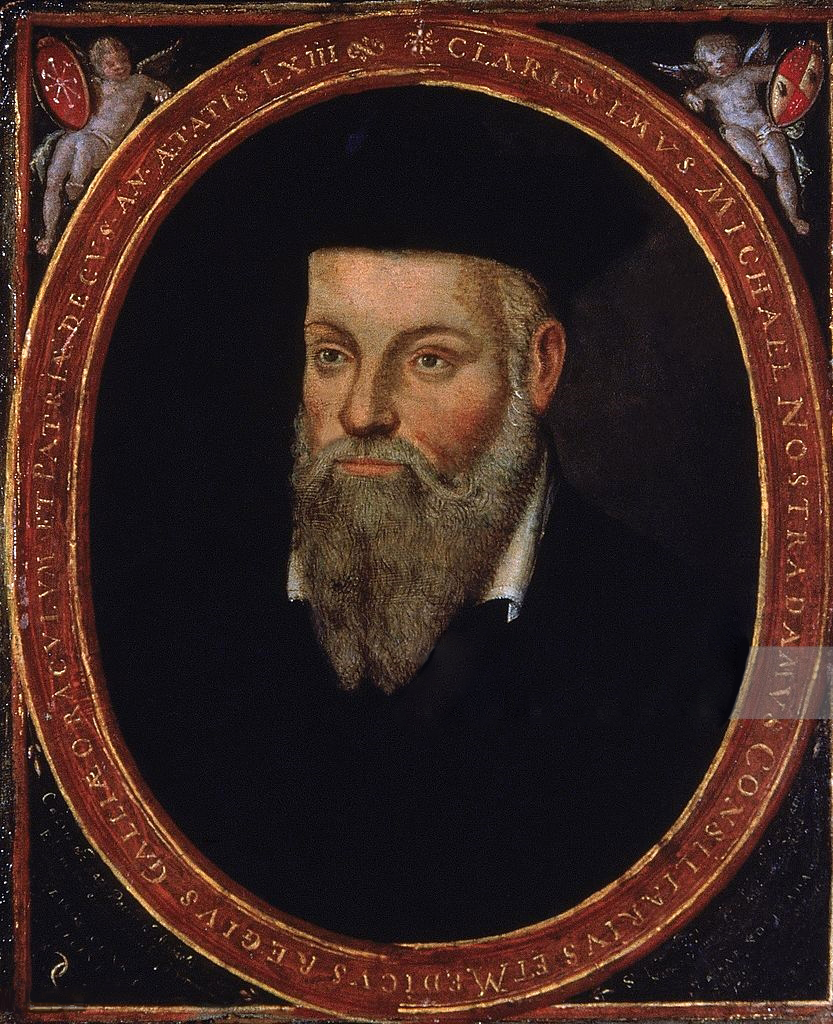
1503 - 1566 - Nostradamus (All Facts)
French Country Physician, Astrologer (Astronomer), and Self-Styled Prophet
He studied the mystical Jewish Kabbalah, the writings of the Sufis, and classical Chaldean and Assyrian magic
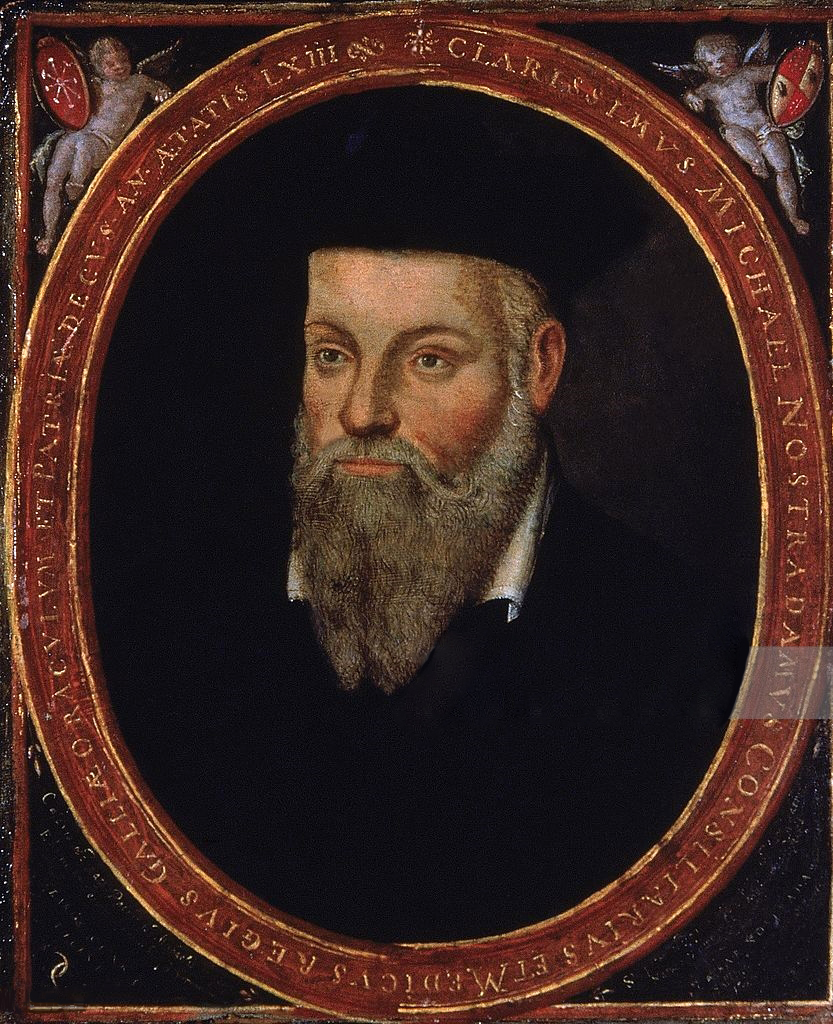
1555 - Nostradamus: Centuries (All Facts)
Work in which the namesake author claimed to foresee the history of world events for the next 500 years (after its date of publication)
Work comprised of a collection of 1,000 quatrains, each filled with cryptic and mysterious references which, when deciphered, apparently set out the fate of mankind
Some of these prophecies were difficult to interpret, but many were seen as coded references to many European monarchs
Other prophecies, often almost indecipherable, seemed filled with death and disaster and allegedly dealt in matters far beyond the namesake’s time
Some of its predictions already proved to be accurate, leading the work to be most respected and feared
Its critics pointed to it being a part of the occult, having condemned the namesake author as an agent of the Devil
However, the namesake author stressed his belief in God despite admitting to his use of deliberately difficult language
He claimed that all of his work was “accomplished through divine power and inspiration”
Work which consisted of a book of rhymed prophecies that were widely believed at the time
Work which brought the namesake author a large popular following
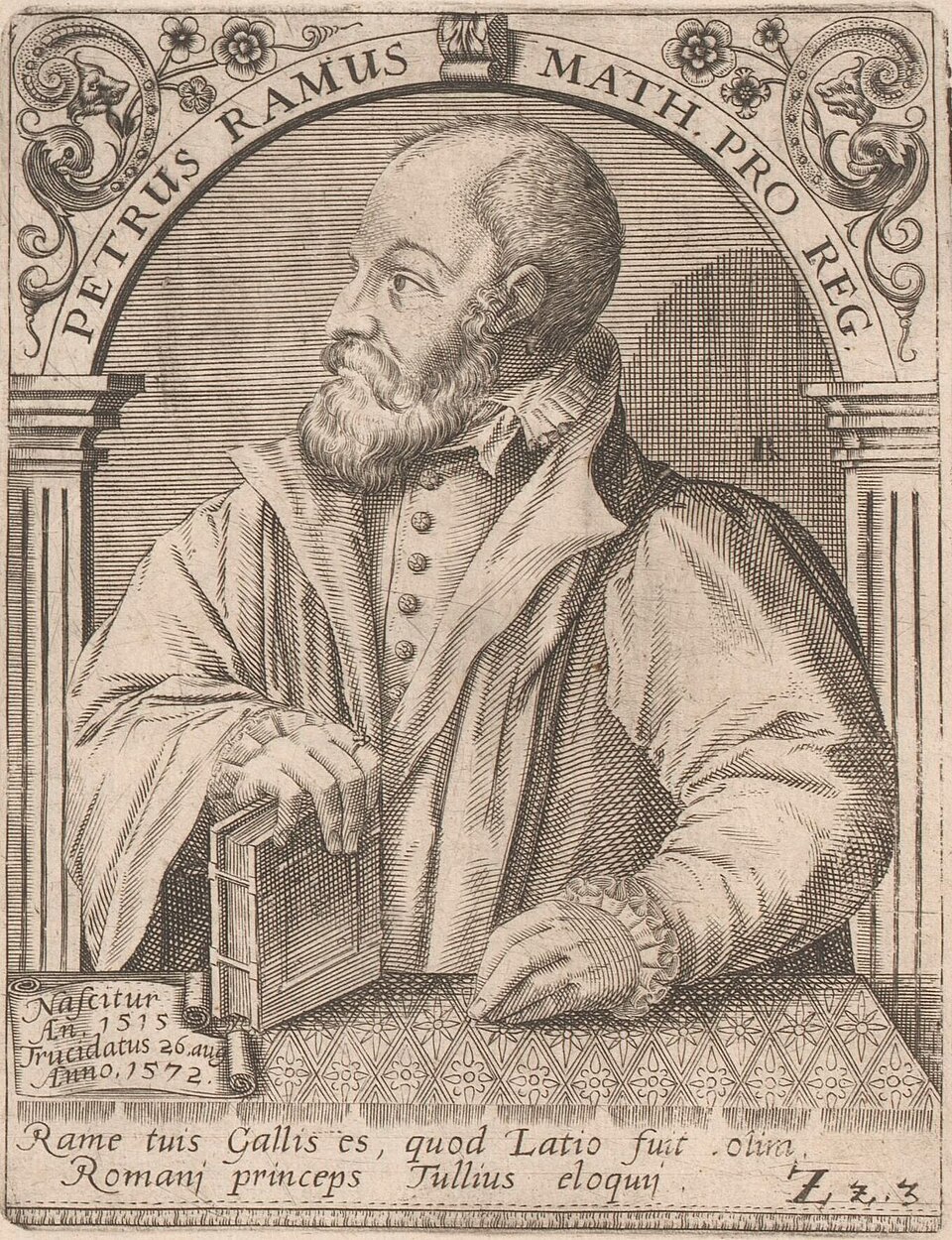
1515 - 1572 - Petrus Ramus / Pierre de la Ramee (All Facts)
French Mathematician
He was a strong opponent of Aristotelianism
His work was condemned by the Sorbonne
He died in the St. Bartholomew’s Day Massacre
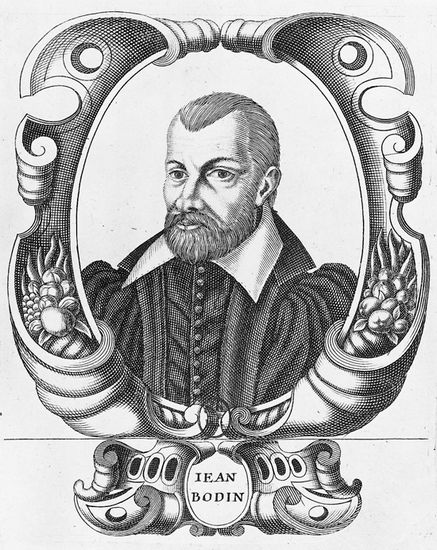
1530 - 1596 - Jean Bodin (All Facts)
French Renaissance Jurist, Political Philosopher, and Economist
He was one of France’s most influential theoreticians
He was a jurist for Angers
He argued that property and the family form the basis of society
He argued (forcefully) that there was a relationship between the influx of precious metals from the New World and the current rise in European prices
He argued that the relentless and dramatic rise in the cost of living, up to 1000% since the beginning of the 16th century, was due to the flood of gold and silver by Spain coming in from the New World
He pointed out that “the price of things 50 or 50 years ago was ten times less than at present” and, through research into the money supply, found that coinage in circulation went up by 60%, nearly all of it accounted for by New World silver and gold bullion
His theories challenged the conventional belief that food speculators and hoarders were to blame for price inflation by creating artificial scarcities
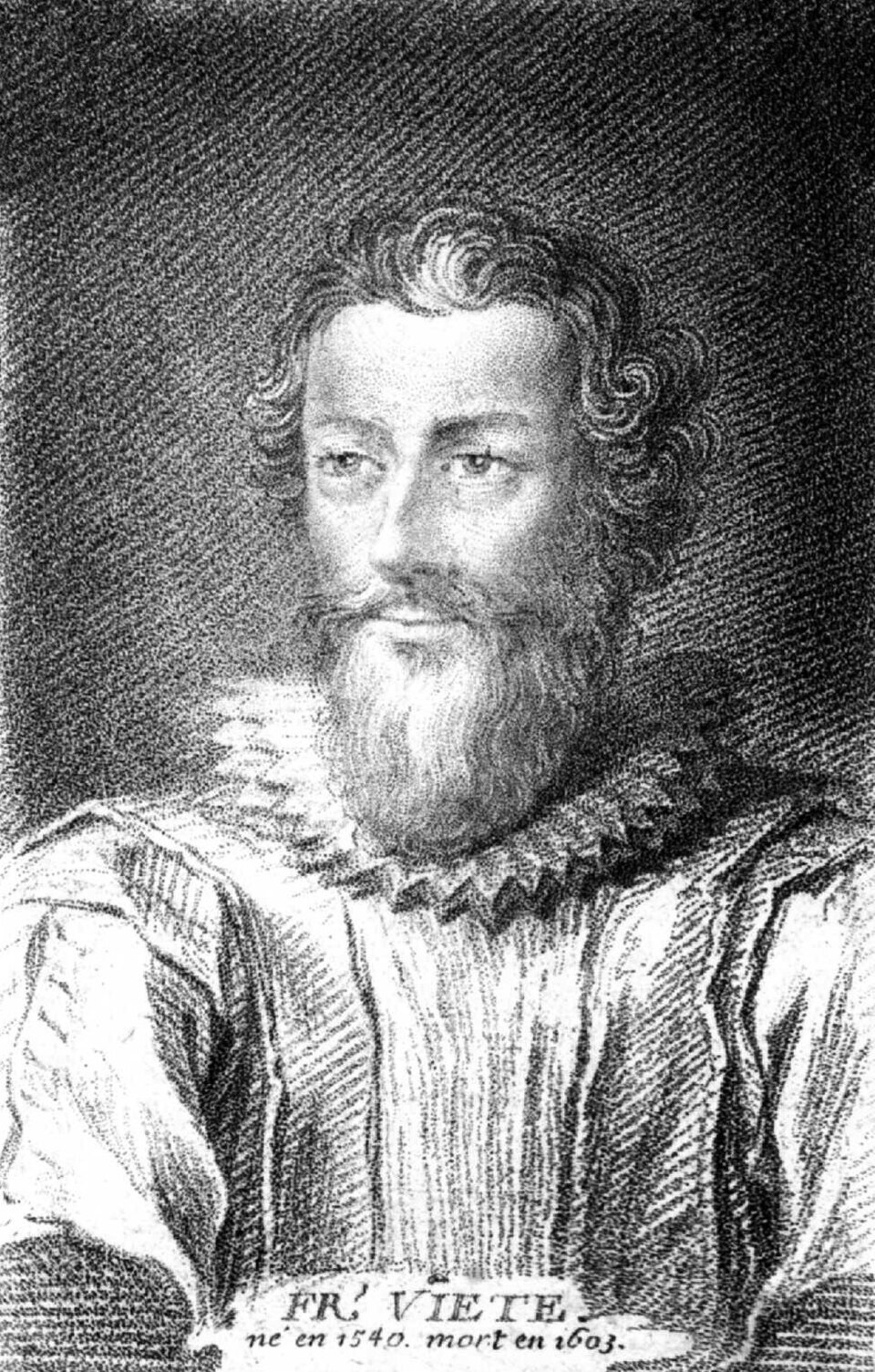
1540 - 1603 - Francois Viete (All Facts)
French Mathematician
He was Privy Councilor to King Henry II of France and King Henry IV of France
He published his treatise on algebra, “The Art of Analysis,” the first (mathematical) work to use letters to represent mathematical unknowns or indeterminates
He was the first person to use alphabetical symbols in algebra
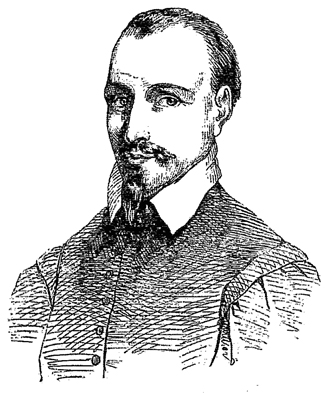
1539 - 1619 - Olivier de Serres (All Facts)
French Soil Scientist, Agriculturalist, and Writer
He was Protestant
He wrote a treatise that suggested that the French should implement crop rotation, to make French agriculture more efficient after the century that was the French Wars of Religion
This treatise gained influence, especially with King Henry IV
1550 - 1620 - Jean Beguin (All Facts)
French Chemist
1610 - Jean Beguin: Begin Chemistry / “Tyrocinium Chymicum” (All Facts)
Work which is considered history’s first Chemistry textbook, it was a chemical recipe book
1575 - 1621 - Antoine de Montchrestien (All Facts)
French Economist
He wrote a treatise on what he termed “political economy”
As France, unlike Spain, has no gold supplies, he explains that it should encourage manufacturing to increase exports and add to gold stocks
He advocates for the creation of more French colonies
1595 - 1632 - Albert Girard (All Facts)
French Mathematician
He was the first to use parentheses and other abbreviations in mathematics
1580 - 1637 - Pierre Vernier (All Facts)
Mathematician and Instrument Inventor
He invented the “scale” which bore his name and which facilitated the reading of graduations on a sextant, an improvement of a device invented before for the same purpose
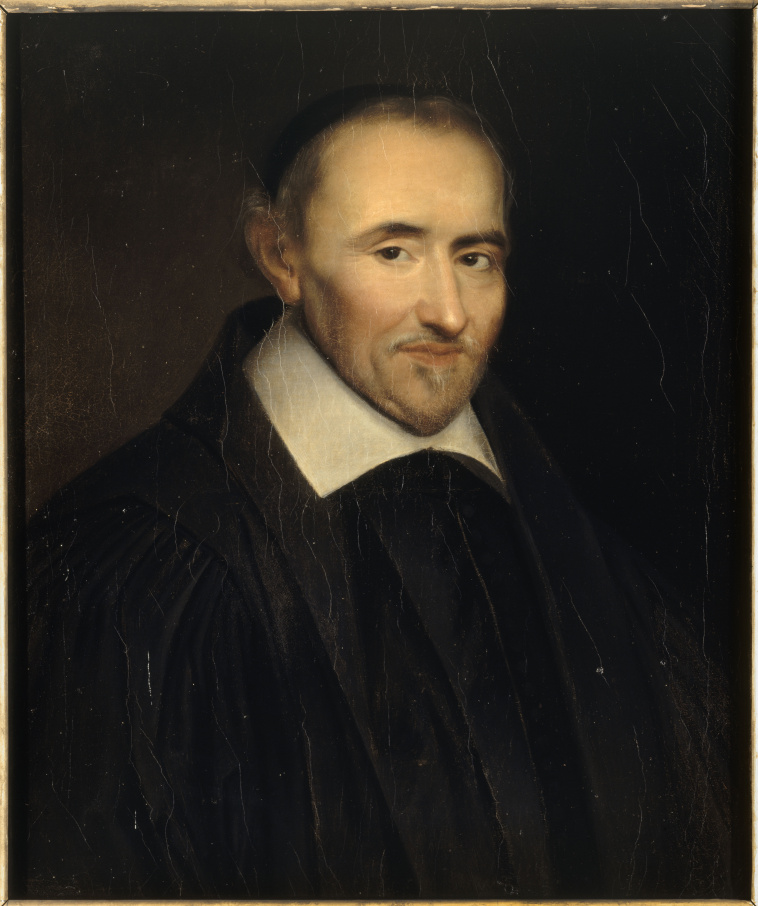
1592 - 1655 - Pierre Gassendi (All Facts)
French Astronomer
He made the first observation of the passage of mercury across the sun’s disc
He was appointed professor of the College of France (Sorbonne) and his death was quite a loss for the College
He developed the science of astronomy, having counted Galileo and Kepler as his friends
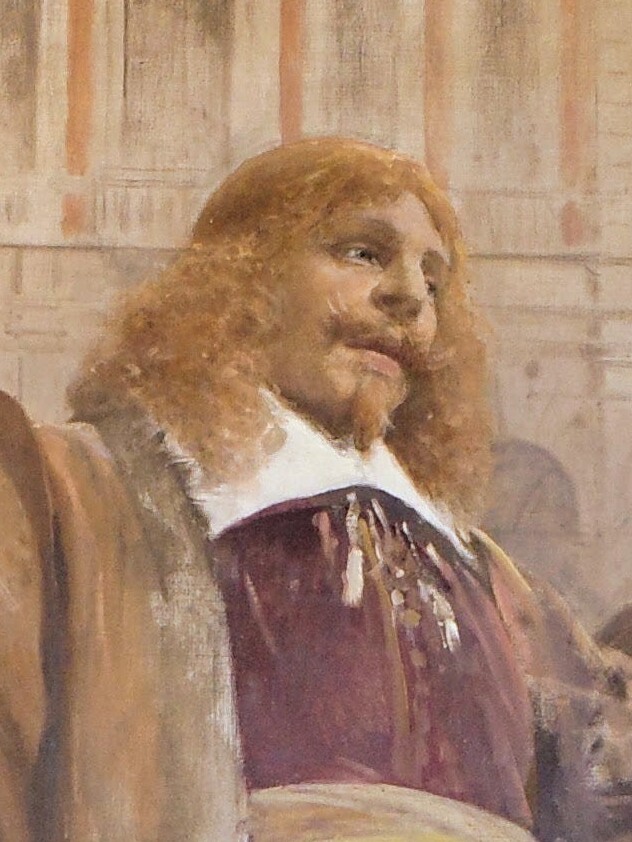
1591 - 1661 - Girard Desargues (All Facts)
French Mathematician
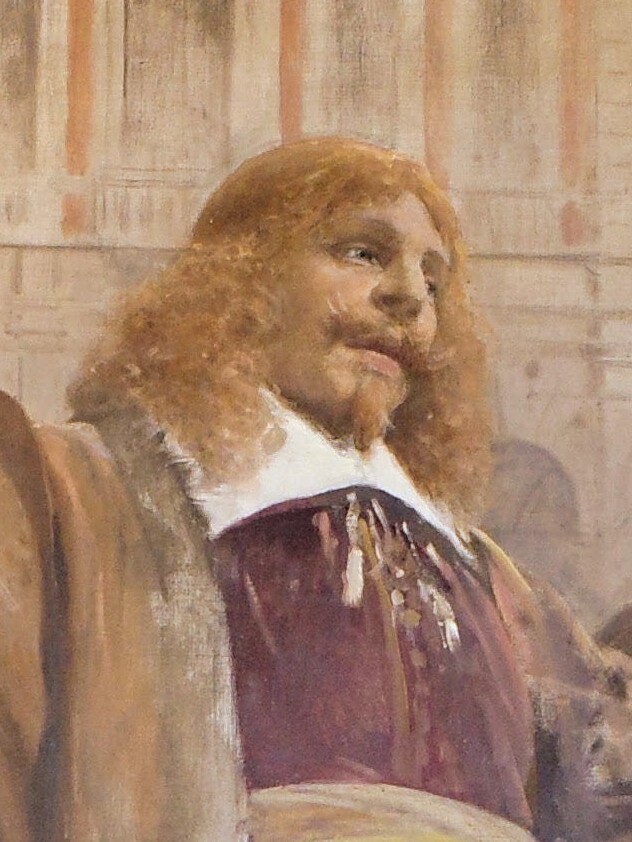
1639 - Girard Desargues: Brouillon Project (All Facts)
Work which lays the foundations for analytical / projective geometry
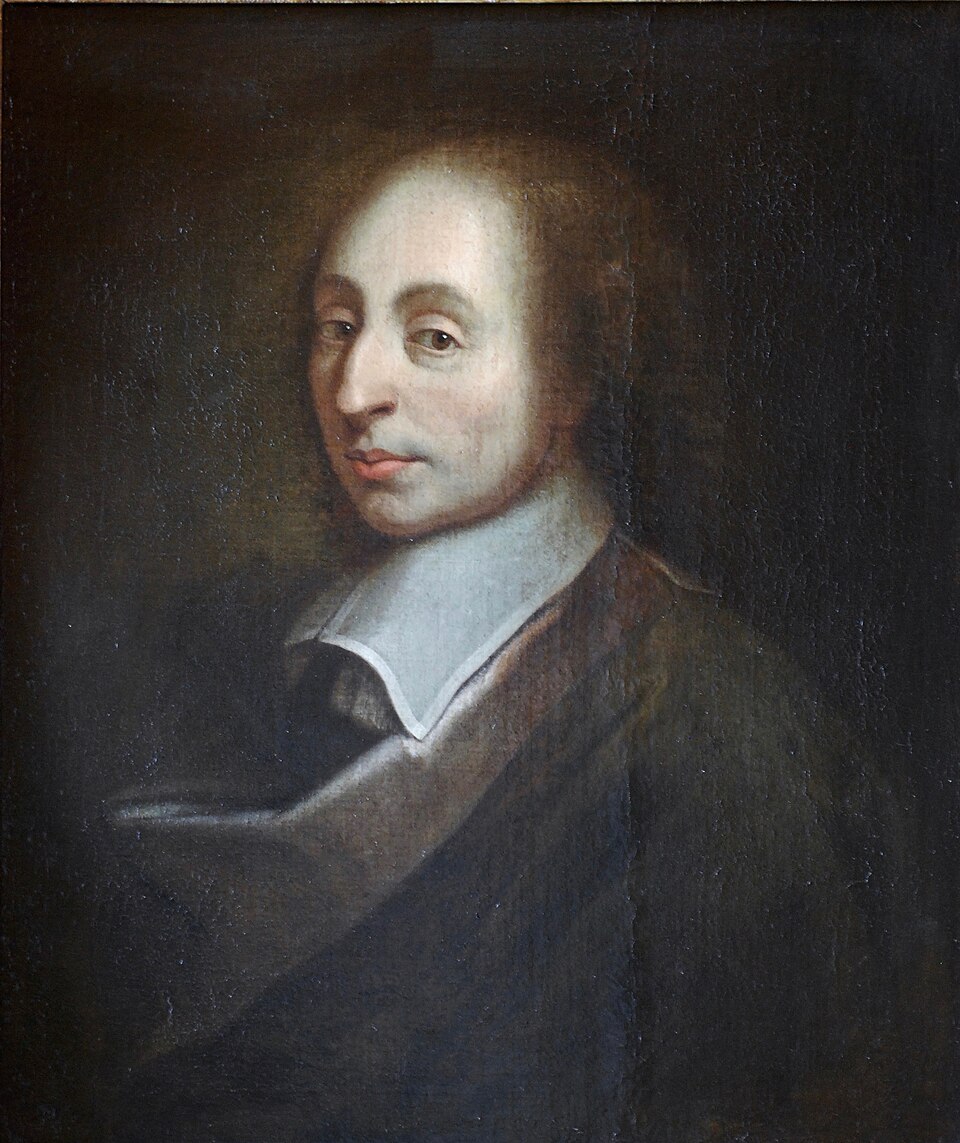
1623 - 1662 - Blaise Pascal (All Facts)
French Mathematician, Physicist, and Inventor
He was the son of an able mathematician who personally educated him
By age 11, he worked out for himself most of Euclid’s geometry, despite his father not yet having taught it to him
He invented the (mechanical) calculator
He specialized in the mathematics of probability, having formulized a theory of probability alongside Pierre de Fermat
His experiments in fluid mechanics proved his namesake “Principle,” which states that the pressure in a liquid is everywhere equal
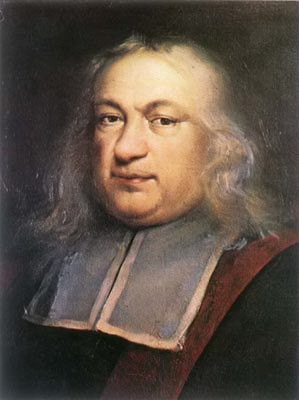
1601 - 1665 - Pierre de Fermat (All Facts)
French Mathematician and Polymath
He
made many discoveries in the theory of numbers
worked out a simple method quadrating parabolas
established a method of calculating probabilities, a theory of which he formulized alongside Blaise Pascal
He had a study of the basic principles of differential calculus published posthumously
He died at Toulouse
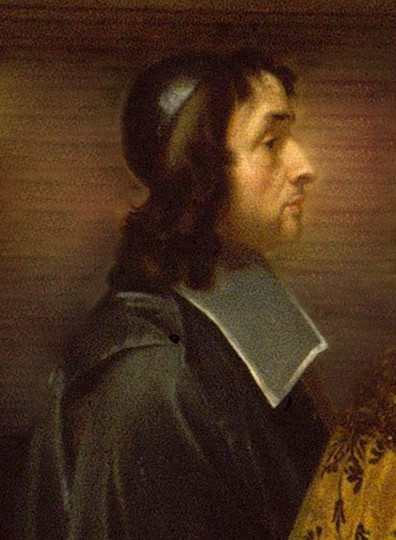
1620 - 1682 - Jean Picard (All Facts)
French Astronomer
He determined the exact length of the Earth’s radius
1620 - 1684 - Edme Mariotte (All Facts)
French Physicist
He independently verified Boyle’s Law expressing the inverse proportionality of volume and pressure at constant temperature, after having studied the compressibility of gases
He is credited with designing the first Newton’s Cradle
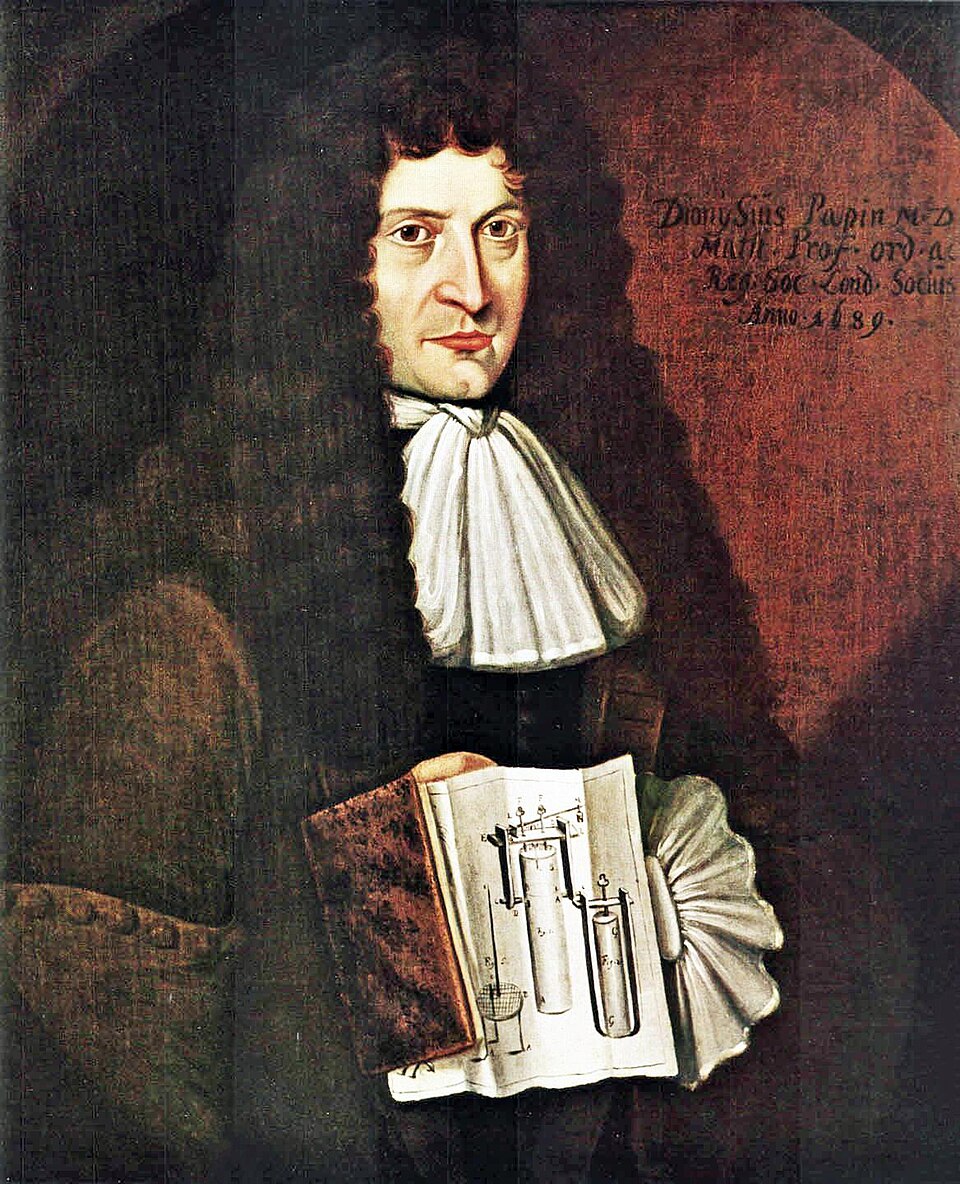
1647 - 1713 - Denis Papin (All Facts)
French Physicist
He was a member of the Royal Society of London
He invented what he called the “New Digester” (modern-day Pressure Cooker, a prototype of the Pressure Cooker’s forerunner of the Steam Digester), a cast-iron cooking pot with an air-tight lid which allowed the liquid inside to boil at higher-than-normal temperatures and that came with a safety valve fitted in the lid
In this contraption, food was cooked by pressurized steam in about a quarter of the normal time it took
This was a device that helped to improve the texture and flavor of meat
He wrote in a booklet that “the oldest and hardest cow-beef may be made as tender as young choice meat” concerning this device
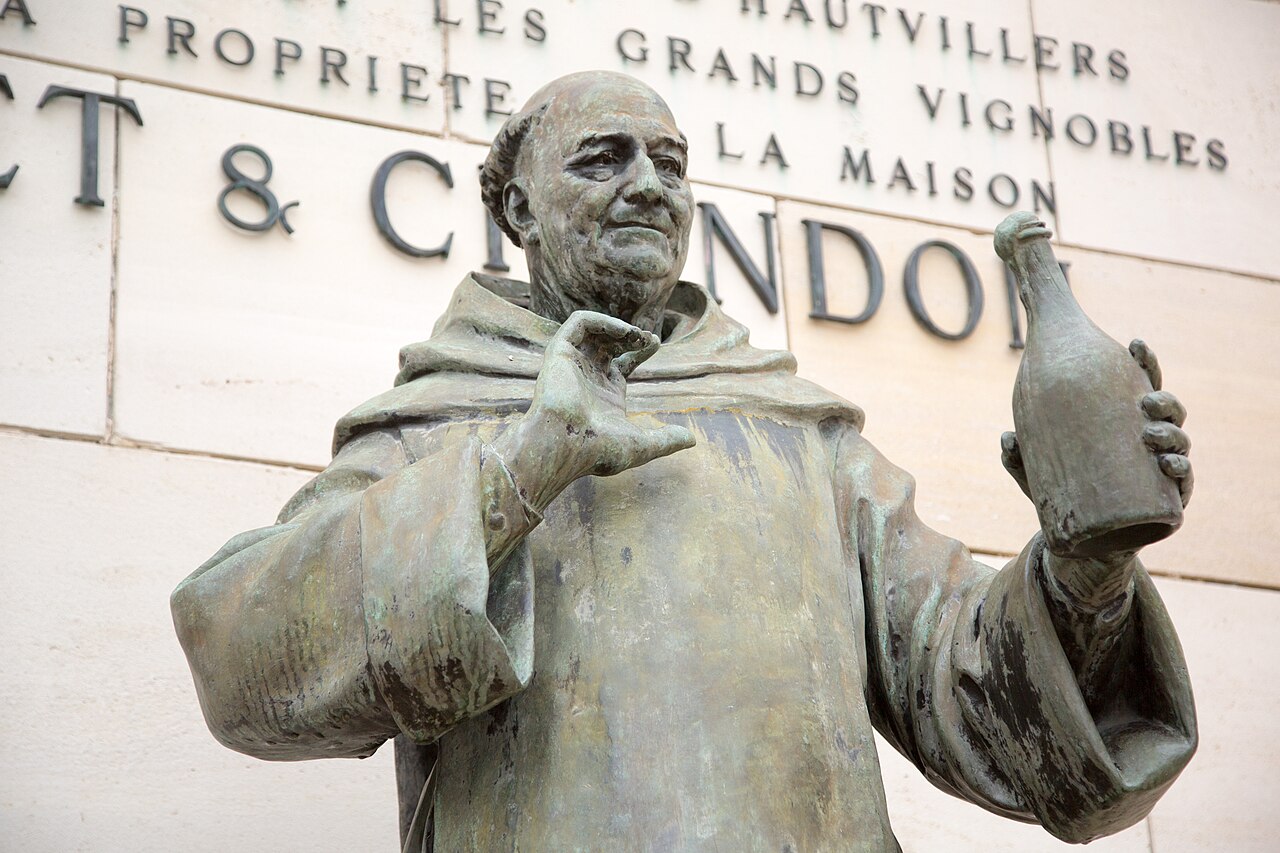
1638 - 1715 - Dom Pierre Perignon (All Facts)
French Benedictine Monk and Inventor
He made important contributions to the production and quality of Champagne wine in an era when the region's wines were predominantly still red
Popular tales frequently, but erroneously, credited him with the invention of sparkling Champagne, which did not become the dominant style of Champagne until the mid-19th century