Week 6 Lesson 41a: The Neurologic Examination
 Call Kai
 Learn
Learn Practice Test
 Spaced Repetition
 Match
Match Flashcards
 Knowt Play
1/37

There's no tags or description
Looks like no tags are added yet.
Name | Mastery | Learn | Test | Matching | Spaced | Call with Kai | Chat |
|---|
No analytics yet
Send a link to your students to track their progress
38 Terms
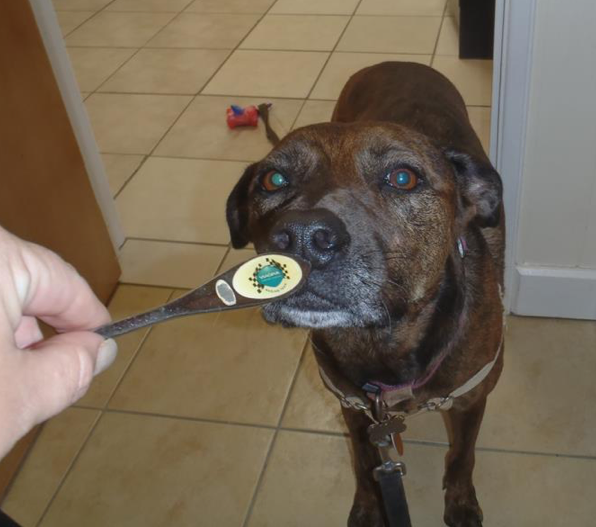
What cranial nerve is be evaluated?
Olfactory

Which cranial nerves are being evaluated?
3,4 and 6
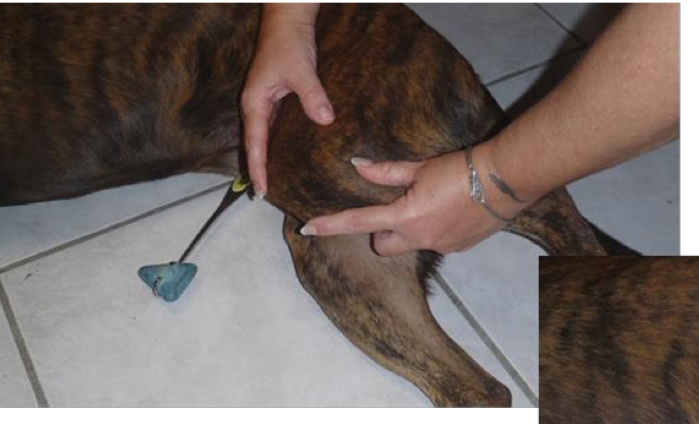
What is the name of this test?
Patellar reflex
What nerve is being assessed when a patellar reflex is performed?
Femoral
When should you not perform a neuro exam or be very causes?
In cases of rabies
T/F: Gloves are necessary for examining any neurologic patient.
True
If there is a loss or gain of function in the nervous system, what problems will occur to manifest signs?
Destruction of functional tissue
Release or loss of inhibition
Excitation or increased stimulation
Manifestation of neurological signs depends on what?
Physiologic importance of that location
Why do we have a neurologic exam form?
Neurologic abnormalities include both loss and gain of function
On the neurologic exam form what is considered normal?
+2
What is an example of an altered mental state for clinical expression of neurologic disease?
Lethargy/excitation
What is an example of involuntary movements for clinical expression of a neurologic disease?
Convulsions, tetany, tremors
What is an example of abnormal posture and gait for a clinincal expression of a neurologic disease?
Opisthotonus, ataxia
What is an example of paresis/paralysis for a clinical expression of a neurologic disease?
Weakness
What is an example of altered sensations for a clinical expression of a neurological disease?
Hyperaethesia, Hemineglect
What are the diagnostic steps when a nervous system disease is suspected?
History
PE
NE
Rads
CT
MRI
CSF tap
Electroencephalography
Postmortem examination

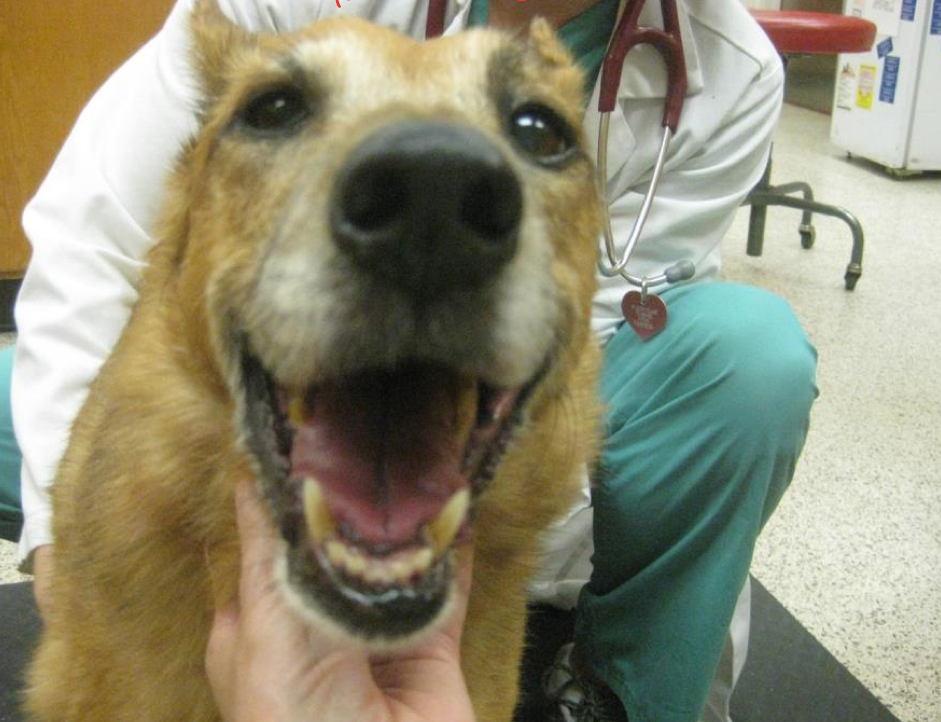
What cranial nerve is effected?
Facial (VII)
What is the function of the Facial nerve (CNVII)?
Motor to muscles of facial expression and lacrimal gland
Taste to the rostral 2/3 of tongue
What is an example of a specifc tests for eyes?
Oculophalic reflex
What nerves are assessed with the palpebral reflex?
CN V and CN VII (Trigeminal and Facial)
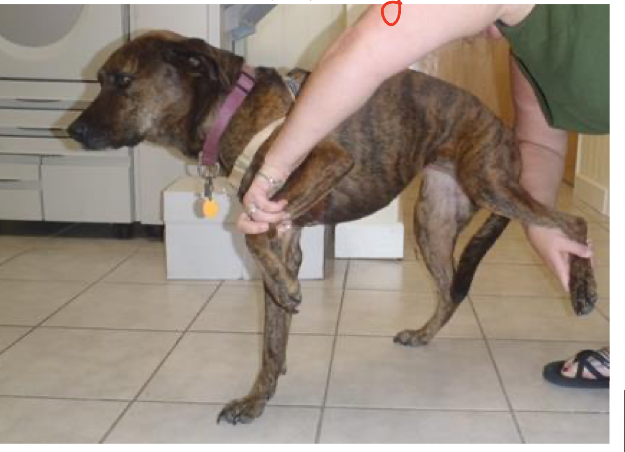
What is this test?
Hemiwalking
What are the 8 different types of postural reactions?
Hopping
Hemiwalking
Wheelbarrowing
Knucking
Extensor postural thrust
Tactile placing
Visual placing
Righting
What are the 6 different types of myotatic reflexes?
Patellar
Gastrocnemius
Cranial tibialis
Triceps
Biceps
Extensor Carpi Radialis
What are the two types of withdraw reflexes?
Thoracic limb
Pelvic limb
What are the two types of crossed extensor reflexes?
Pelvic
Thoracic
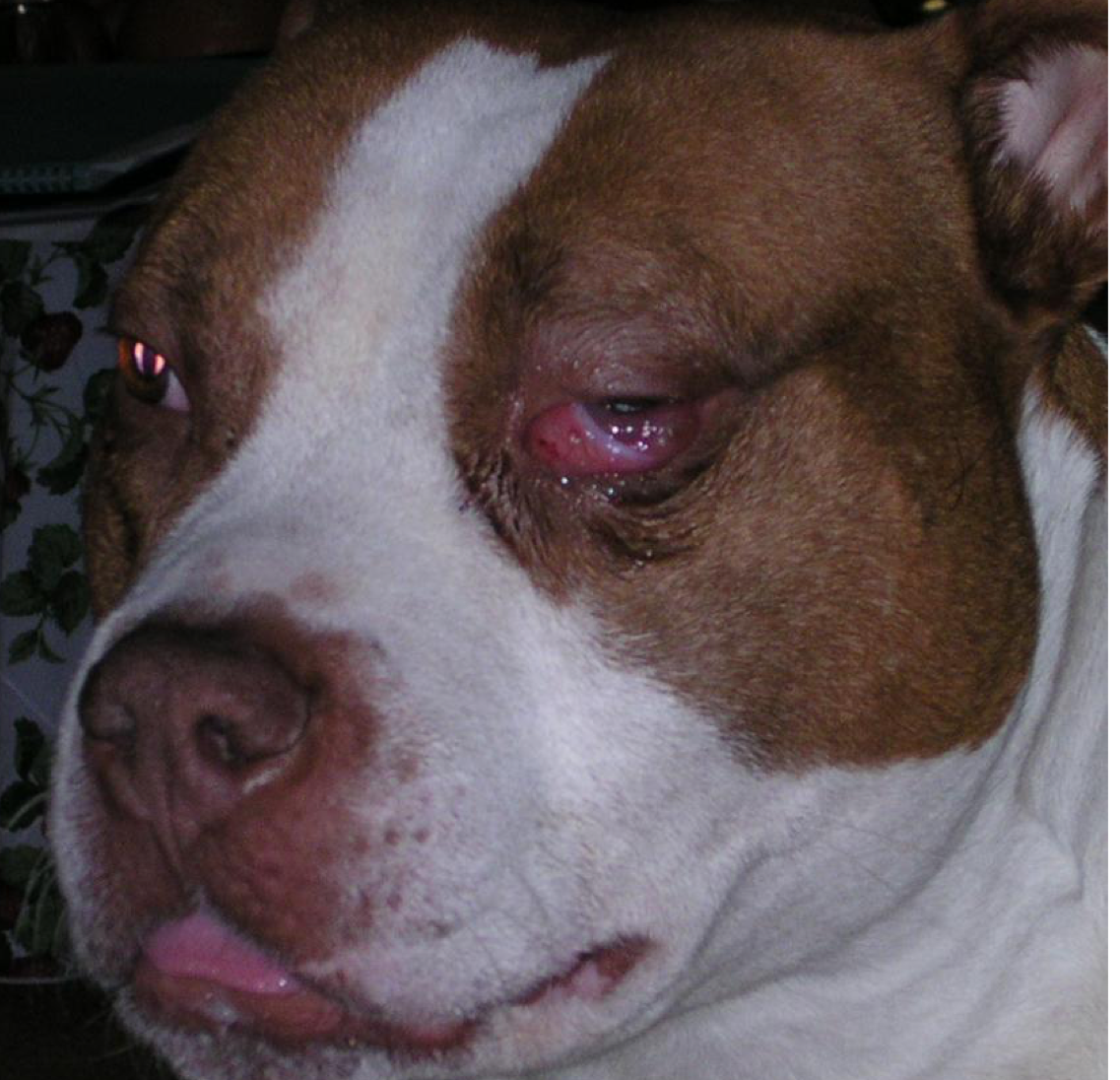
What is the neurologic condition that causes the masseter and temporalis muscle to be hard and the jaw to remain closed?
Masticatory muscle myositis
What is the key in the case of pain sensation?
awareness
When should you only test for deep pain?
If paralyzed (no motor)
List the clincial progression from first to go to last to go if there is a neurologic problem?
Proprioception
Ataxia
Voluntary motor
Voluntary Urination
Superficial pain
Deep pain
Why is urination and defecation important when there is a neurologic problem?
May have to manually empty the bladder because the patient cannot do it themselves
Evaluate anal tone for the same reason

Brainstem
Why is a distance exam important in a neurologic evaluation?
Good at identifying normal so you can identify when something is abnormal
What is it called when a patient cannot move the pupils/Mydriasis?
Internal Opthalmoplegia
What is the neurologic condition is caused by iris sphincter muscle dysfunction, atropine or atropine-like drugs, Parasympatheitc denervation (CN III or its nucleus)?
Internal Opthalmoplegia

What do we see?
Anisocoria
What is the neruological condition called where the patient cannot move the eyes?
External Opthalmoplegia
What is the neurological condition that is caused by most commonly with central lesions but also internal opthalmoplegia, Small palpebral fissures, ventrolateral strabismis, and abnormal vestibular-ocular reflexes?
External Ophthalmoplegia
What is strabismus?
Cross eyes