Acute Care Equipment Review Flashcards
 Call Kai
 Learn
Learn Practice Test
 Spaced Repetition
 Match
Match Flashcards
 Knowt Play
1/71

Earn XP
Description and Tags
A complete set of 70 vocabulary flashcards covering acute care medical equipment, including pulmonary, cardiac, vascular, neurological, and respiratory lines, tubes, precautions, and normal clinical values.
Name | Mastery | Learn | Test | Matching | Spaced | Call with Kai | Chat |
|---|
No analytics yet
Send a link to your students to track their progress
72 Terms
Pulse Oximetry
A non-invasive method used to assess oxygen saturation (SpO2), which requires comparing the radial pulse with the oximeter pulse rate for accuracy.

Pulse Oximetry Limitations
Factors that decrease monitor accuracy, including cold fingers or vasoconstriction, nail polish, darker skin, motion, and cardiac dysrhythmias.
Fraction of Inspired Oxygen (FiO2)
The percentage of inhaled air that is oxygen, where room air is equal to 21% O2
when should you document:
FiO2 when patient is using Venturi
% O2 for face mask & trash collar (not flow rate of L/min)
Nasal Cannula (NC)
A low-flow oxygen system that increases the oxygen concentration a patient breathes in, typically providing a range of O2 concentration ~24%-44%

Nasal Cannula FiO2 Deliveries
Approximate FiO2 percentages delivered per flow rate: 1 L/min=24% ,
2 L/min=28% ,
3 L/min=32% ,
4 L/min=36% ,
5 L/min=40% , and
6 L/min=44% .
High Flow Nasal Cannula (HFNC)
An oxygen delivery system best for patients needing >6 L/min, providing up to approximately 75% FiO2 at 15 L/min while also allowing easier eating, drinking, and talking.

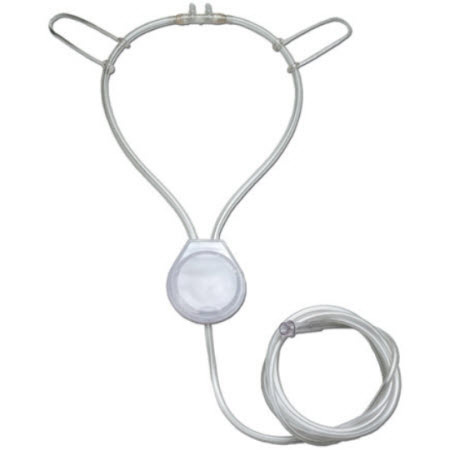
Oxymizer
A specialized nasal cannula with an oxygen reservoir that conserves oxygen, using 25% to 75% less oxygen, making it ideal for home delivery.
Face Mask
An oxygen device providing an oxygen concentration of approximately 35% to 55% , where documentation requires recording FiO2 determined by checking the dial rather than flow rate.

Venturi Mask System
An oxygen delivery system, more specific O2 concentration, providing a specific FiO2 range of 24% to 50% from Venturi, serving as an easy system for mobilizing patients.

Non-Rebreather Mask (NRB)
A mask with an oxygen reservoir bag providing high FiO2 % (90%to 100% at 10 L/min+) used temporarily during acute distress, requiring a flow of at least 6 L/min to avoid inhaling CO2.

Partial Non-Rebreather Mask Flow Rates
Oxygen flow rates providing specific FiO2 concentrations: 6 L/min=60% ,
7 L/min=70% ,
and 8 to 10 L/min=80% .
Oxygen Titration Rule
Therapists may titrate supplemental oxygen if an MD order exists, but must return oxygen to the pre-treatment level unless the patient is unstable.
Methods to Increase SpO2 During Therapy
Clinical techniques including resting, changing patient position, practicing deep or pursed-lip breathing, coughing, and encouraging use of incentive spirometer or acapella devices.
Tracheostomy Tube
An artificial airway placed in the trachea indicated for prolonged intubation, chronic airway obstruction, and secretion management.
Tracheostomy Tube Components
Essential structural elements including the inner and outer cannula, base plate/neck flange, trach cuff, pilot balloon, and trach hub/connector.

Passy Muir Speaking Valve (PMSV)
A one-way valve attached to a tracheostomy tube that improves communication, secretion management, swallow function, and normal airway pressure.
PMSV Cuff Precaution
The critical requirement that the tracheostomy cuff MUST be deflated before applying a Passy Muir Speaking Valve, or the patient will not be able to exhale.
PMSV Contraindications
Conditions where a Passy Muir Speaking Valve cannot be used, including an inability to deflate the cuff, heavy secretion burden, or airway obstruction.
High Humidity Trach Collar (HHTC)
An oxygen delivery system providing humidity, warmth, and supplemental oxygen with an FiO2 range of 21%to 100% . can use venturi system for ambulation

Yankauer
A rigid oral suction device used by clinicians or independently by patients to clear oral secretions.

Tracheal Suctioning Precautions
Clinical rules requiring suctioning duration to be less than 10 seconds, monitoring vitals, and considering hyper-oxygenation or hyperventilation prior to the procedure.
Chest Tube
A device inserted into the pleural or mediastinal space to drain fluids or air and restore normal respiratory function.

Chest Tube Activity Rules
Precautions requiring keeping the drainage box below chest level, checking for air leaks before ambulation, encouraging shoulder ROM and deep breathing, and checking if portable suction is needed.

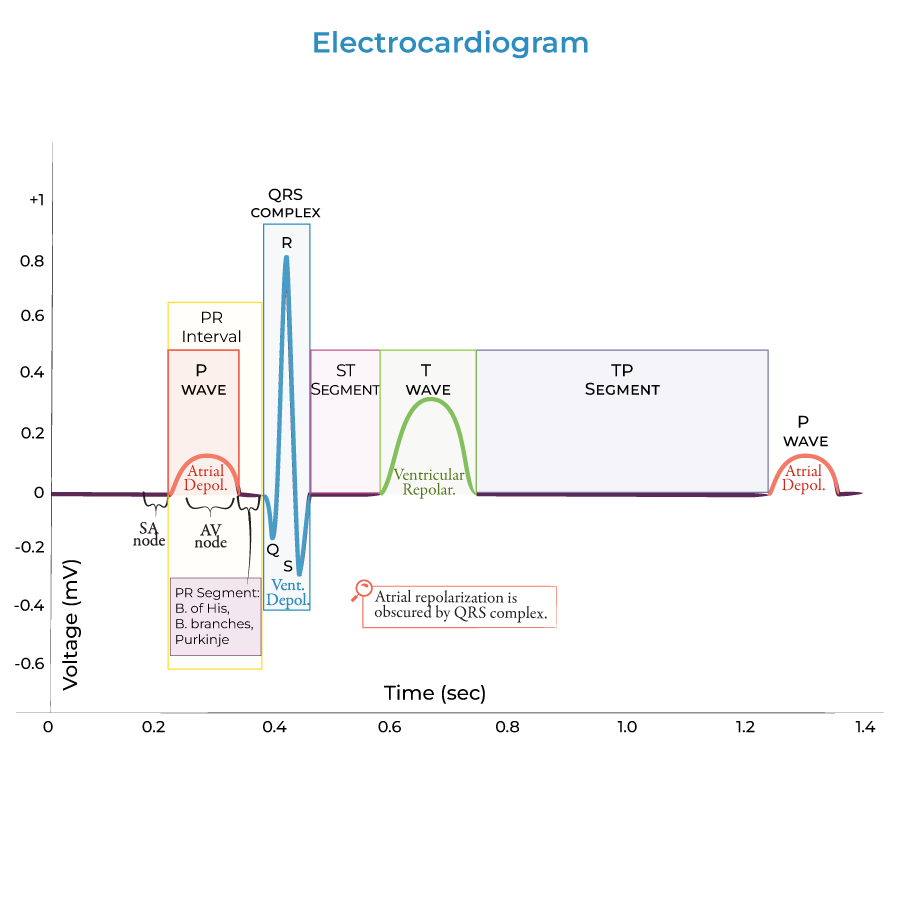
Electrocardiogram (EKG)
A diagnostic tool used in acute care to continuously evaluate heart rate and cardiac rhythm.
Epicardial Pacemaker
A temporary pacemaker where electrodes are screwed or sewn directly into the outside of the heart muscle during open heart surgery, with wires exiting under the xiphoid process.

Endocardial Pacemaker
A pacemaker with leads attached inside the right atrium and ventricle via the subclavian or left cephalic vein, connected to a generator in an infraclavicular pocket.
Endocardial Pacemaker Activity Restrictions
Precautions following placement requiring limiting shoulder flexion and abduction to 90o, avoiding extreme shoulder extension, and avoiding pulling the patient up from the armpits.
Automated Implantable Cardioverter-defibrillator (AICD)
An implanted device designed to pace the heart and shock life-threatening arrhythmias such as Ventricular Tachycardia; therapy requires keeping HR 10 to 15 beats lower than the shock threshold.

Intra-aortic Balloon Pump (IABP) Systole Mechanism
During heart contraction, the balloon deflates, decreasing resistance to aortic blood flow, which decreases afterload and heart rate by 20% and increases mean arterial pressure (MAP).
Intra-aortic Balloon Pump (IABP) Diastole Mechanism
During heart relaxation, the balloon inflates, pushing blood back to the heart to increase diastolic pressure by 30% and improve coronary artery perfusion.

Femoral IABP Precaution
Requires keeping trunk and hip flexion <30o on the catheter side (no sitting), with strict bedrest maintained for 6 hours after catheter removal.
Axillary IABP
An intra-aortic balloon pump site that allows out-of-bed mobility in the ICU with physician approval and RN supervision.

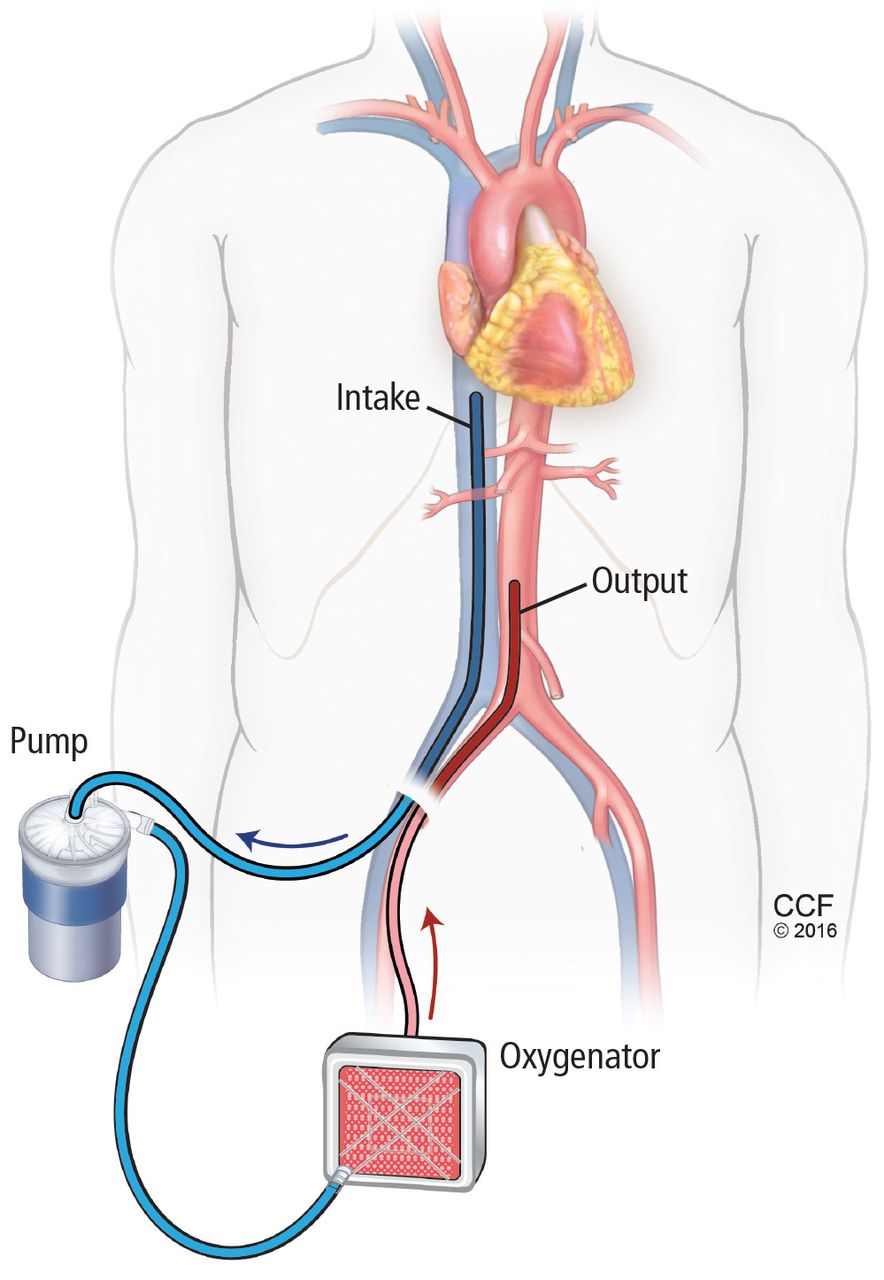
Impella
A high-speed pump assisting the left ventricle to eject blood into the aorta, unloading the LV, decreasing LV wall pressure and myocardial oxygen demand, while increasing MAP, cardiac output, and organ perfusion.
Impella Mobility Rules
Patients are restricted to bedrest if the device is placed via the groin, but may get out of bed if placed via the axillary artery.
Ventricular Assist Devices (VAD)
Circulatory assist devices (pulsatile or centrifugal) used for patients with end-stage cardiac failure as a bridge to heart transplantation.

Pulmonary Artery Catheter (Swan Ganz Catheter)
A catheter used to measure cardiac output and pressures within the heart and pulmonary vasculature to assess heart and lung function.

Central Venous Pressure (CVP) Normal Value
Normal pressure reading obtained via a central line or Swan Ganz catheter, ranging from 0 to 10 cmH2O.
Pulmonary Artery Pressure (PAP) Normal Value
Normal blood pressure measurement within the pulmonary artery, typically around 25/10 mmHg.
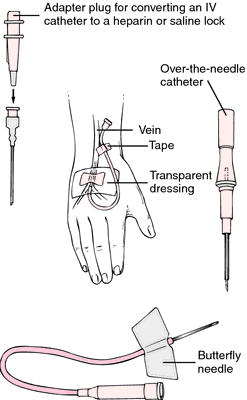
Heparin Lock
A flush technique or device attachment used to maintain the patency of an IV catheter when no continuous IV drugs are actively running.
Arterial Line (A-Line)
A vascular catheter used for continuous blood pressure monitoring and frequent blood draws.

Arterial Line Transducer Leveling
For accurate blood pressure monitoring during patient mobility or activity, the transducer must be leveled at the level of the right atrium.
Central Venous Catheter (Central Line)
A catheter providing long-term IV access for medications that irritate peripheral veins, central venous pressure (CVP) monitoring, and blood draws.

PICC Line Precaution
A strict precaution prohibiting blood pressure measurements over the arm containing a Peripherally Inserted Central Catheter.
Quinton Catheter Groin Precaution
A temporary dialysis catheter in the groin requiring limiting hip flexion to 30o and prohibiting out-of-bed activity without explicit MD approval.
AV Shunt / Fistula Precaution
A safety restriction prohibiting taking blood pressure in the arm containing an arteriovenous fistula or graft for hemodialysis.
Patient-Controlled Analgesia (PCA) Pump
An IV pain medication system with a time lock-out mechanism that allows only the patient to push the button to receive pain medicine.

Epidural Analgesia
A catheter delivering a continuous infusion of pain medication directly to nerve roots; physical therapy requires checking motor control as it affects sensory and motor pathways.
Jackson-Pratt / Hemovac Drains
Self-contained suction drainage systems used to evacuate wound fluids, which must be safety-pinned to the patient's gown during mobility.
Negative Pressure Wound Therapy
A sealed wound system that removes slough and exudate, provides a moist environment, increases circulation, and reduces edema and bacterial count.

Nasogastric (NG) Tube
A tube inserted through the nose into the stomach used to empty gas/digestive fluids or deliver enteral nutrition.
Feeding Tube Head-of-Bed Requirement
To prevent aspiration and vomiting, the head of bed must be maintained at or above 30o during feeding and never positioned flat.
Dobhoff Tube
A specialized enteral feeding tube inserted through the nose ending in the stomach or small intestine for patients unable to chew or swallow with a functional GI tract.
Percutaneous Endoscopic Gastrostomy (PEG) Tube
A tube placed directly into the stomach through the abdominal wall to provide long-term nutrition to patients with swallowing impairments.

Percutaneous Endoscopic Jejunostomy (PEJ) Tube
A tube placed directly into the jejunum to provide long-term nutrition for patients with defective gastric emptying or inadequate post-operative gastric tone.
Gastrojejunostomy (GJ) Tube
A dual-port tube allowing simultaneous gastric suctioning to reduce aspiration risk and enteral feeding directly into the jejunum.
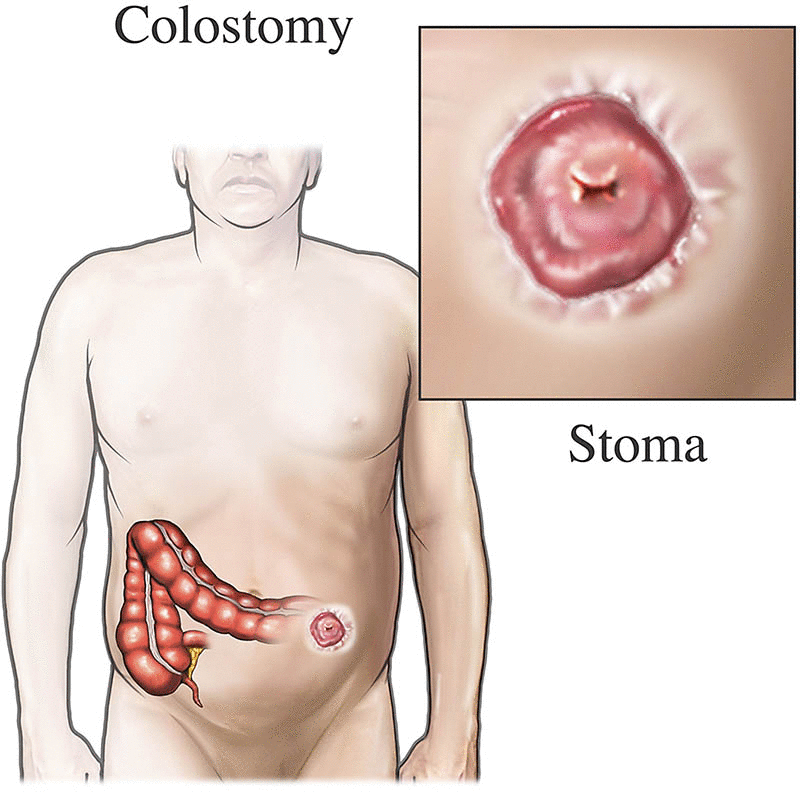
Colostomy
A surgical opening of a portion of the colon onto the abdominal surface (stoma) allowing stool elimination into a collection pouch.
Fecal Containment Device (Bard DigniShield)
A stool management system used for incontinent patients with liquid stool to reduce skin breakdown and infection, requiring the collection bag to remain below buttock level.

Foley Catheter
The most common type of indwelling urinary catheter used for continuous evacuation of urine and output measurement.

Suprapubic Catheter
A urinary catheter inserted surgically through the skin above the symphysis pubis directly into the bladder and sutured to the abdominal skin.

Urinary Catheter Positioning Rule
The collection bag must remain below the level of the bladder at all times to prevent reflux, and leg collection bags must be secured to the thigh prior to standing.
Intracranial Bolt
A monitoring device placed through the skull into the subarachnoid space to continuously measure intracranial pressure (ICP).

Normal Intracranial Pressure (ICP)
The normal physiological baseline pressure within the cranium, which is less than 15 mmHg.
External Ventricular Drain (EVD)
A flexible catheter placed in the lateral ventricle of the brain to drain cerebrospinal fluid (CSF) and monitor ICP.

EVD Anatomical Reference Level
To ensure accurate CSF drainage and pressure measurement, an External Ventricular Drain system must be leveled precisely to the patient's external auditory meatus.
EVD and Lumbar Drain Mobilization Precaution
Both External Ventricular Drains and Lumbar Drains MUST be clamped by nursing/medical staff prior to any patient mobilization.
Lumbar Drain
A small flexible catheter inserted into the lumbar spine to drain cerebrospinal fluid (CSF) and relieve pressure in the brain or spinal cord.

Endotracheal (ET) Tube Positioning
An artificial airway placed through the mouth or nose where the tube tip sits 2 to 5 cm above the carina (located behind the sternal angle).

Endotracheal (ET) Tube Duration Limit
A temporary artificial airway solution intended for a maximum duration of 1 to 2 weeks before tracheostomy is considered.
AMBU Bag Flowmeter Setting
When using a manual resuscitation bag (AMBU bag) for manual ventilation or ambulation, the oxygen flowmeter must ALWAYS be turned to 15 lpm.
End Tidal CO2 (ETCO2) Normal Range
A continuous non-invasive measure of carbon dioxide in exhaled gas indicating ventilation adequacy, with normal values between 35 and 45 mmHg.
Common types of tracheostomy tubes, precautions, considerations
common types: ventilator, high humitidy tach collar (HHTC)
precautions: is accidentally removed, alter RN/MD and provide supplemental O2 until trach can be replaced
considerations: if not consulted talk with medical team abt consulting SLP for communication (PMSV) and/or swelling
Methods for suctioning
Tracheal: suction catheter & sterile gloves
Oral: Yankauer; patient may be able to complete independently