NR 283 Exam #1, Pathophysiology for the Health Profession Gould's 6th edition chapter 8, chapter 2 Questions with 100% correct answers -Chamberlain
 Call Kai
 Learn
Learn Practice Test
 Spaced Repetition
 Match
Match Flashcards
 Knowt Play
1/191

There's no tags or description
Looks like no tags are added yet.
Name | Mastery | Learn | Test | Matching | Spaced | Call with Kai | Chat |
|---|
No analytics yet
Send a link to your students to track their progress
192 Terms
Pathophysiology
the study of how disease processes affect the function of the body
How is homeostasis maintained?
negative feedback loops
Diagnosis
identification of a disease
Etiology
cause of disease
Idiopathic
unknown cause
prophylaxis
prevention of disease
Pathogenesis
development of disease
Prognosis
a forecast of the probable course and outcome of a disease or situation
Morbidity
the disease rates within a group
Epidemic
A widespread outbreak of an infectious disease.
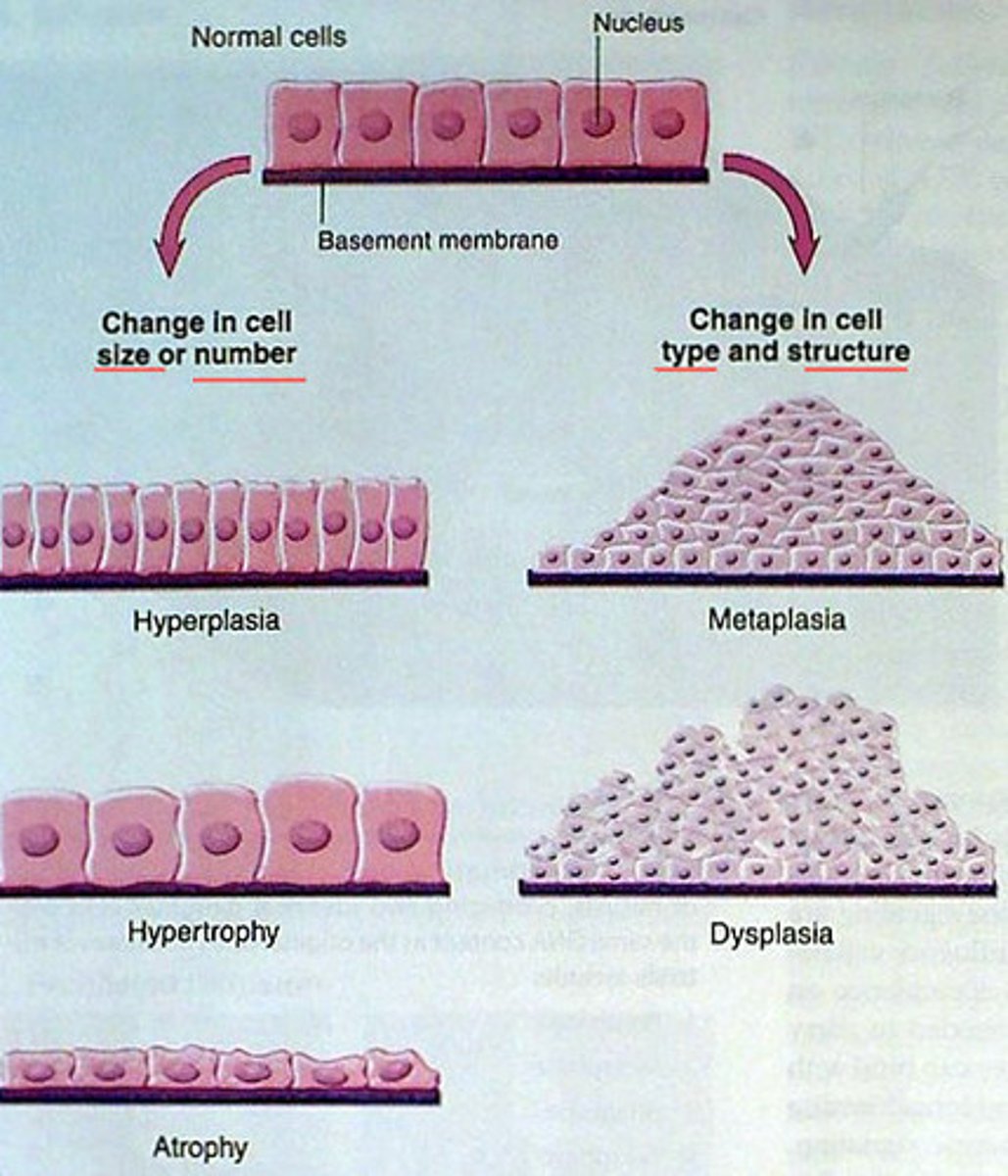
Atrophy
decrease in cell size. Ex: shrinkage of skeletal muscle that occurs when a limb is immobilized in a cast for several weeks.
Dysplasia
cells vary in size and shape, large nuclei present, rate of mitosis is increased. Pap smear tests for this on cervical cells.
Hyperplasia
increased number of cells resulting in an enlarged tissue mass. Ex: uterine enlargement in pregnancy.
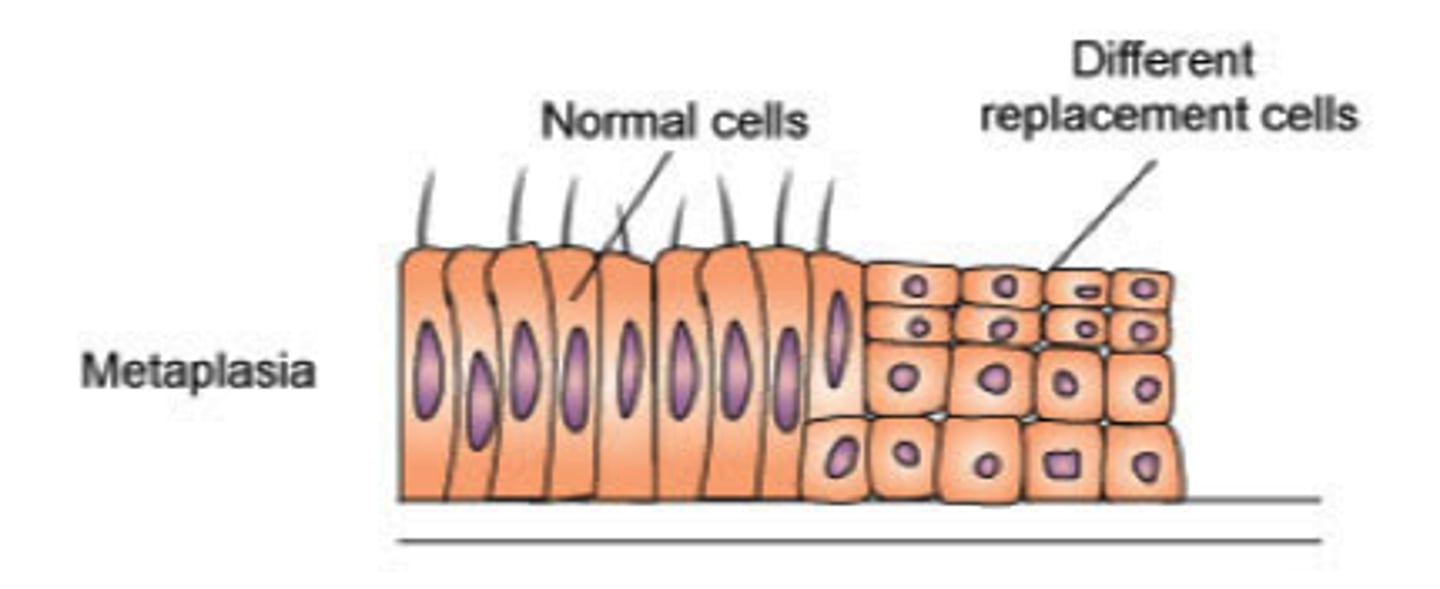
Metaplasia
when one mature cell type is replaced by a different mature cell type. ex: change in respiratory tracts in cigarette smokers.
Anaplasia
refers to cells that are undifferentiated with variable nuclear and cell structures and numerous mitotic figures. Ex: malignant tumors
Hypoxia
reduced oxygen in the tissue.
-interferes with ATP production in the cell, leading to loss of sodium pump out the cell membrane as well as loss of cell functions.
Ischemia
blockage that impedes blood flow
Necrosis
tissue death ex: ischemia
Apoptosis
programmed cell death, a normal occurrence
How to temperature extremes affect the body's cells?
Heat may impair blood supply to the cells or affect metabolic processes.
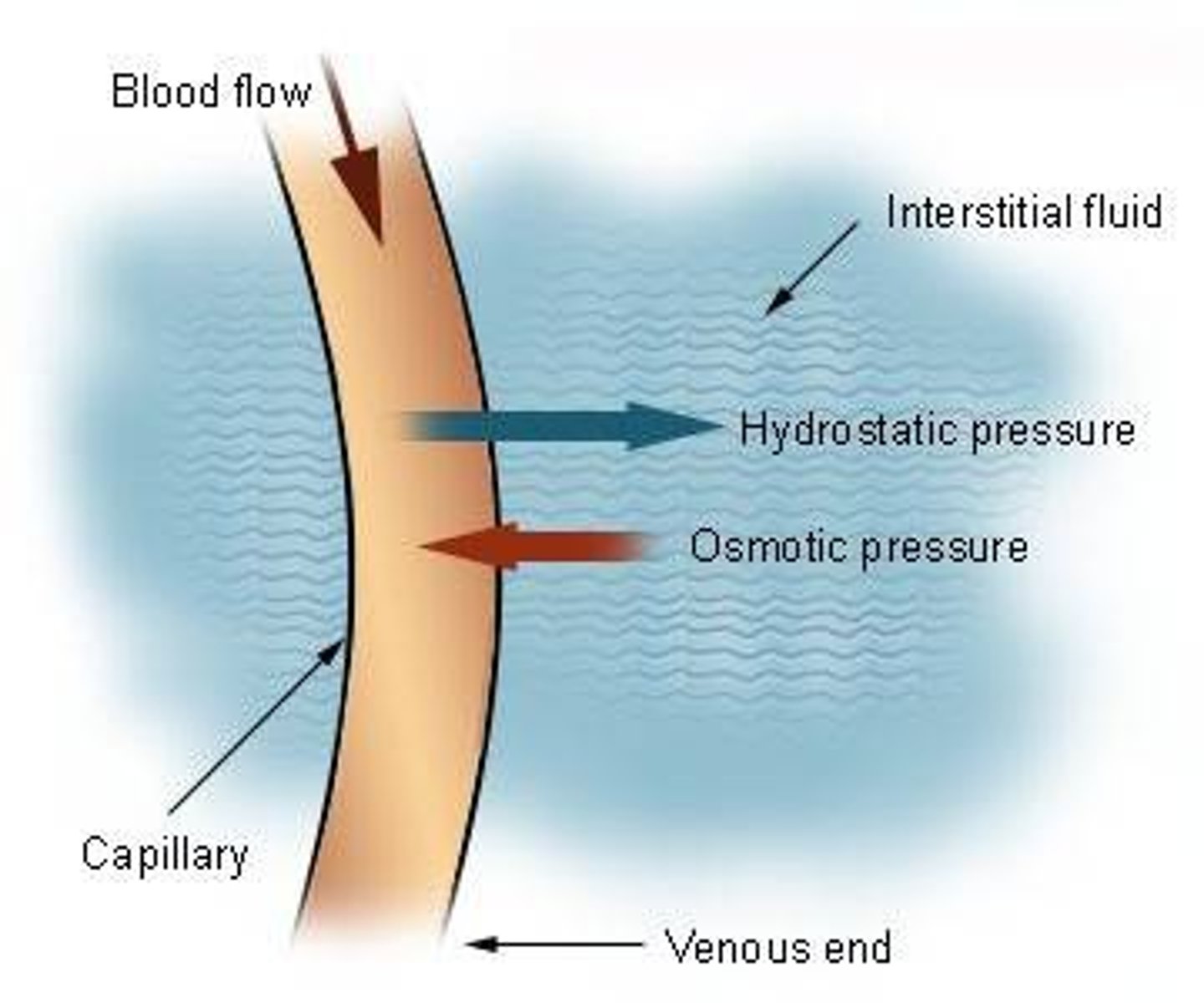
Osmosis
movement of water from low solute concentration (ISF) to high concentration (blood)
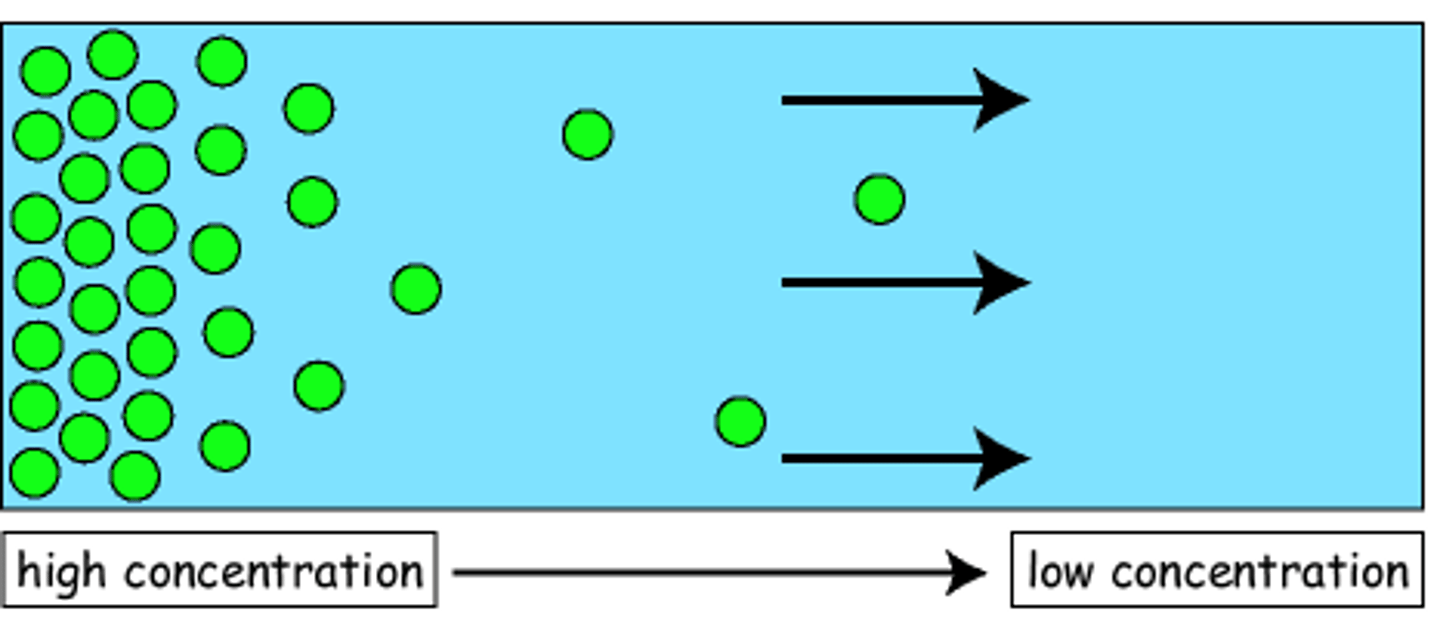
Diffusion
movement of solutes (e.g. Na+, glucose) from high concentration to low.
hydrostatic pressure
the push force within a blood vessel
edema
excessive amount of fluid in the interstitial compartment, which causes swelling, or enlargement of tissues.
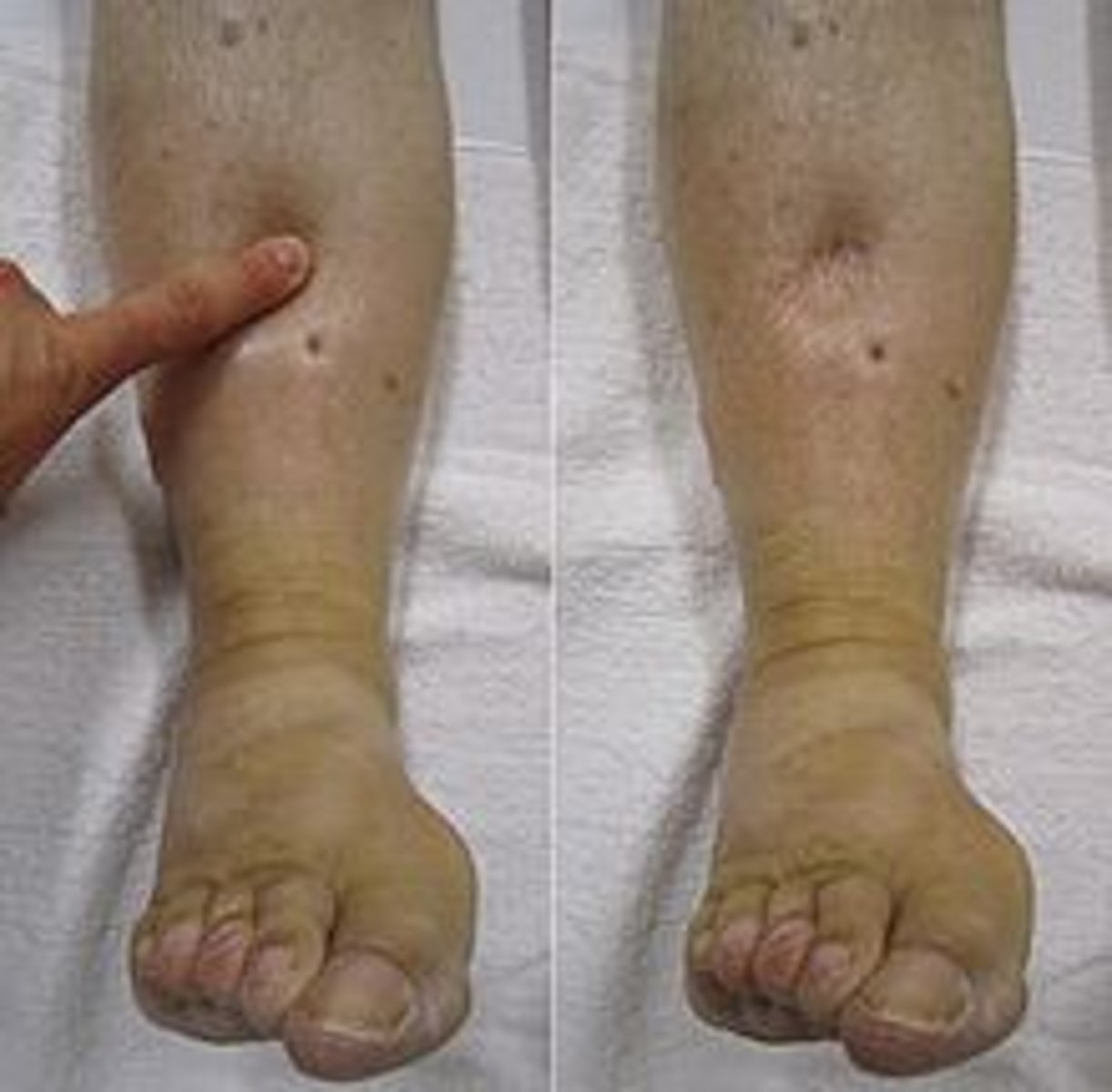
What are 4 causes of edema?
1. Increased capillary hydrostatic pressure
2. Loss of plasma proteins, particularly albumin
3. Obstruction of the lymphatic circulation
4. Increased capillary permeability
What are 5 causes of dehydration?
1. Vomiting and diarrhea
2. Excessive sweating with loss of sodium or water
3. Diabetic ketoacidosis with loss of fluid, electrolytes, and glucose in urine
4. Insufficient water intake
5. Use of a concentrated formula in an infant
Sodium
-primary cation in the extracellular fluid. important for the maintenance of extracellular fluid volume.
Hyponatremia
serum Na+ concentrations below 3.8-5mmol/L
-symptoms are anorexia, nausea, cramps, fatigue, confusion, headache, low BP.
Hypernatremia
excessive Na+ level in blood and EF.
symptoms: thirst, weakness, agitation, edema, high BP
Potassium
assists in regulation of IF volume and has a role in many metabolic processes in the cell. Important in nerve conduction and contraction of muscle. Has an affect on cardiac muscle.
Hypokalemia
low potassium levels in blood.
symptoms: cardiac arrest, anorexia, nausea, constipation, fatigue, muscle twitch, shallow respirations, pH elevated.
Hyperkalemia
high potassium levels in blood.
symptoms: cardiac arrest, nausea, diarrhea, muscle weakness, oliguria, low pH -acidosis.
Calcium
structural strength for bones/teeth, ions maintain stability of nerve membranes, required for muscle contraction, required for metabolic processes and enzyme reactions and blood clotting.
Hypocalcemia
low calcium in blood
symptoms: tetany, tingling fingers, mental confusion, arrythmias
Hypercalcemia
excessive calcium in blood
symptoms: apathy, lethargy, anorexia, nausea, constipation, polyuria, thirst, kidney stones, increased BP
Normal serum pH range
7.35-7.45
Two organ systems that serum pH the bicarbonate-carbonic balance?
Respiratory system and Renal system
Compensation
Body making changes to increase pH (hyperventilation/kidneys conserving)
What happens if compensation cannot be properly achieved?
The ratio changes and serum pH moves out of normal range, thus affecting cell metabolism and function.
Primary Line of Defense
skin, mucous membranes, body secretions
Secondary Line of Defense
phagocytosis and inflammation
Tertiary Line of Defense
antibodies
Infection
microorganism invasion
steps of inflammation
1. Bradykinin is releases from injured cells
2. Bradykinin activates pain receptors
3. Sensation of pain stimulates mast cells and basophils to release histamine.
4. Bradykinin and histamine cause capillary dilation and increased capillary permeability
5. Break in skin allows bacteria to enter tissue. Results in the migration of neutrophils and monocytes to site of injury.
6. Neutrophils phagocyte bacteria.
7. Macrophages leave the bloodstream and phagocytose microbes.
Chemotaxis
body facilitates movement of WBC's to the injured tissues. chemical mediators act as potent stimuli.
Platelets
activate neutrophils and are for platelet aggregation.
Fibrin
forms a mesh around are in attempt to localize injurious agent. Also aids in clotting.
Mast Cells
release histamine which prolongs inflammation and causes immediate vasodilation and increased capillary permeability
Cytokines
serve as communicators, sending messages to lymphocytes and macrophages.
Prostaglanins
synthesis from arachidonic acid in mast cells. Causes vasodilation and increased capillary permeability,pain, fever, histamine effect.
Bradykinin
activation of plasma proteins, vasodilation and increase capillary permeability, pain, fever
Complement System
activation of plasma protein cascade, vasodilation and increased capillary permeability, chemotaxis, increase histamine
Chemotactic factors
mast cell granules, attract neutrophils to site Attract phagocytes to area of inflammation
Antigens
Foreign material that invades the body that stimulates an immune response
Antibodies
specific proteins produced in humoral response to bind with an antigen. Produced by B lymphocytes.
I Hypersensitivity
hay fever; anaphalaxis - IgE - mast cells release histamine - inflammation and pruritis
II Hypersensitivity
"Ant - Body" IgG and IgM, cytotoxicity, ABO blood transfusions danger
III Hypersensitivity
Immune Complex Clumps in blood vessel walls, causes complement cascades and neutrophil degranulation, causes inflammation and tissue damage. ex: lupus
IV Hypersensitivity
cell mediated, regulated by T-cells, delayed, 24 hours before a response, poison ivy
IgG
most common in blood, creates passive immunity in newborn
IgM
bound to B-lymphocytes, the to increase immune response
IgE
binds to mast cells, causes release of histamine
innate immunity
related to ethnicity, 2 step response system, primary and secondary. Ex: T-lymphocytes, memory cells, or T-cells.
Passive Immunity
when antibodies are passed from one person to another
Passive Natural Immunity
IgG from mom to fetus
Passive Artificial Immunity
injection of antibodies from a person or animal ex: breast milk, admin of antiserum
Active Immunity
develops when the persons own body develops antibodies or T cells in response to a specific antigen
Active Natural Immunity
direct exposure to antigen - infection and develops antibodies
Active Artificial Immunity
when a specific antigen is purposefully introduced into the body. ex: infection, vaccines
Immunodeficiency
results in compromised or lack of immune response. increased risk of infection and cancer. ex: AIDS/HIV
Autoimmune disorder
immune system cannot distinguish between self and non self antigens ex: hashimotos thyroiditis
Genotype
genetic makeup of an organism
Phenotype
expression of traits, effect
Heterozygous
An organism that has two different alleles for a trait (Aa)
Homozygous
An organism that has two identical alleles for a trait (AA)
multifactoral inheritance
an interaction between genes and the environment that contributes to a phenotype or trait ex: cleft palate and cancer
congenital defect
a problem that is present (though not necessarily apparent) at birth
Meiosis
Cell division that produces reproductive cells in sexually reproducing organisms (each sperm/ovum receives 23 chromosome)
Mitosis
cell division in which the nucleus divides into nuclei containing the same number of chromosomes
Down Syndrome
a condition of intellectual disability and associated physical disorders caused by an extra copy of chromosome 21. Increased risk with maternal age. autosomal recessive
Huntingtons Disease
A human genetic disease caused by a dominant allele; characterized by uncontrollable body movements and degeneration of the nervous system; usually fatal 10 to 20 years after the onset of symptoms. Autosomal dominant
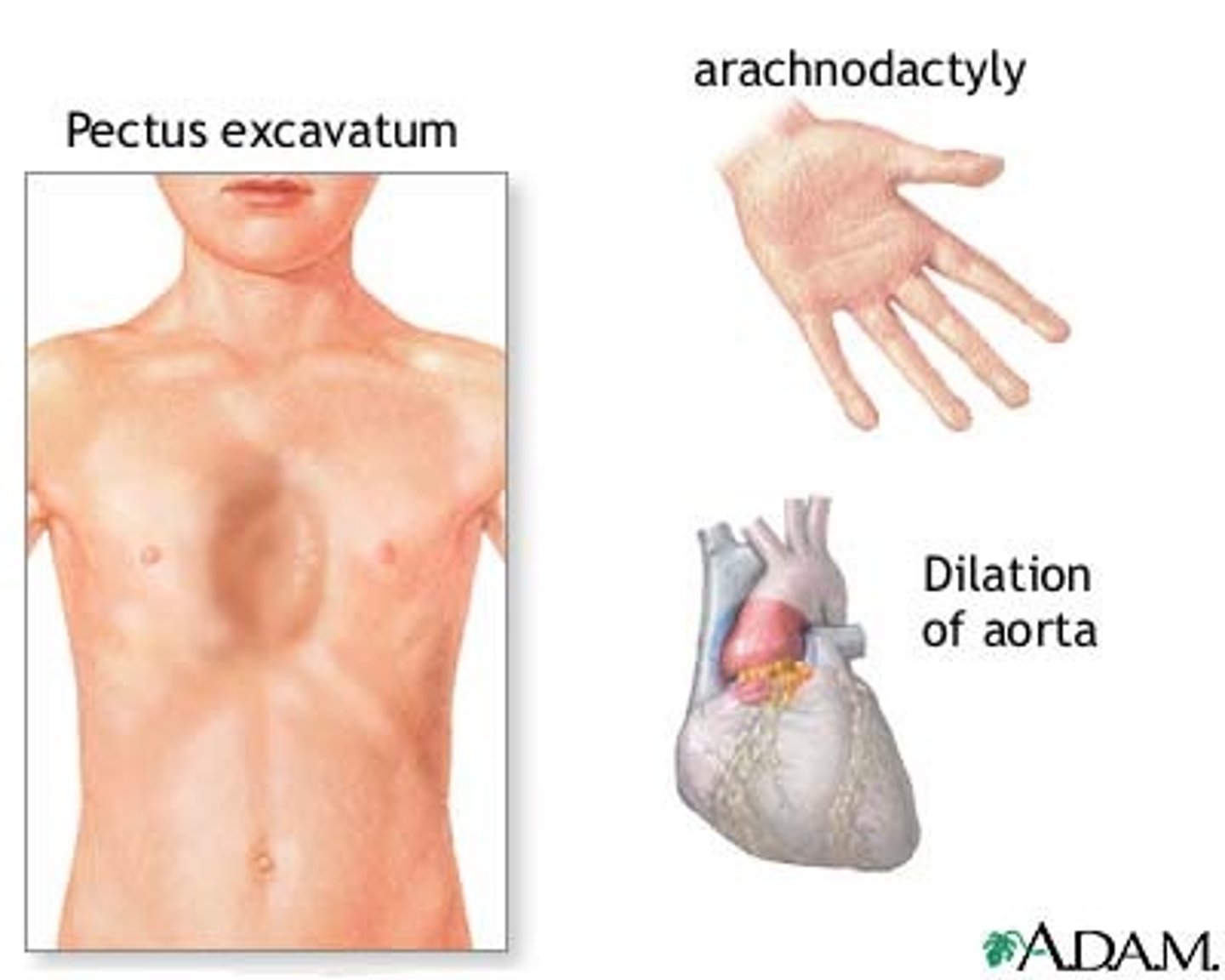
Marfan Syndrome
autosomal dominant
polycystic kidney disease
condition in which the kidney contains many cysts and is enlarged, autosomal dominant
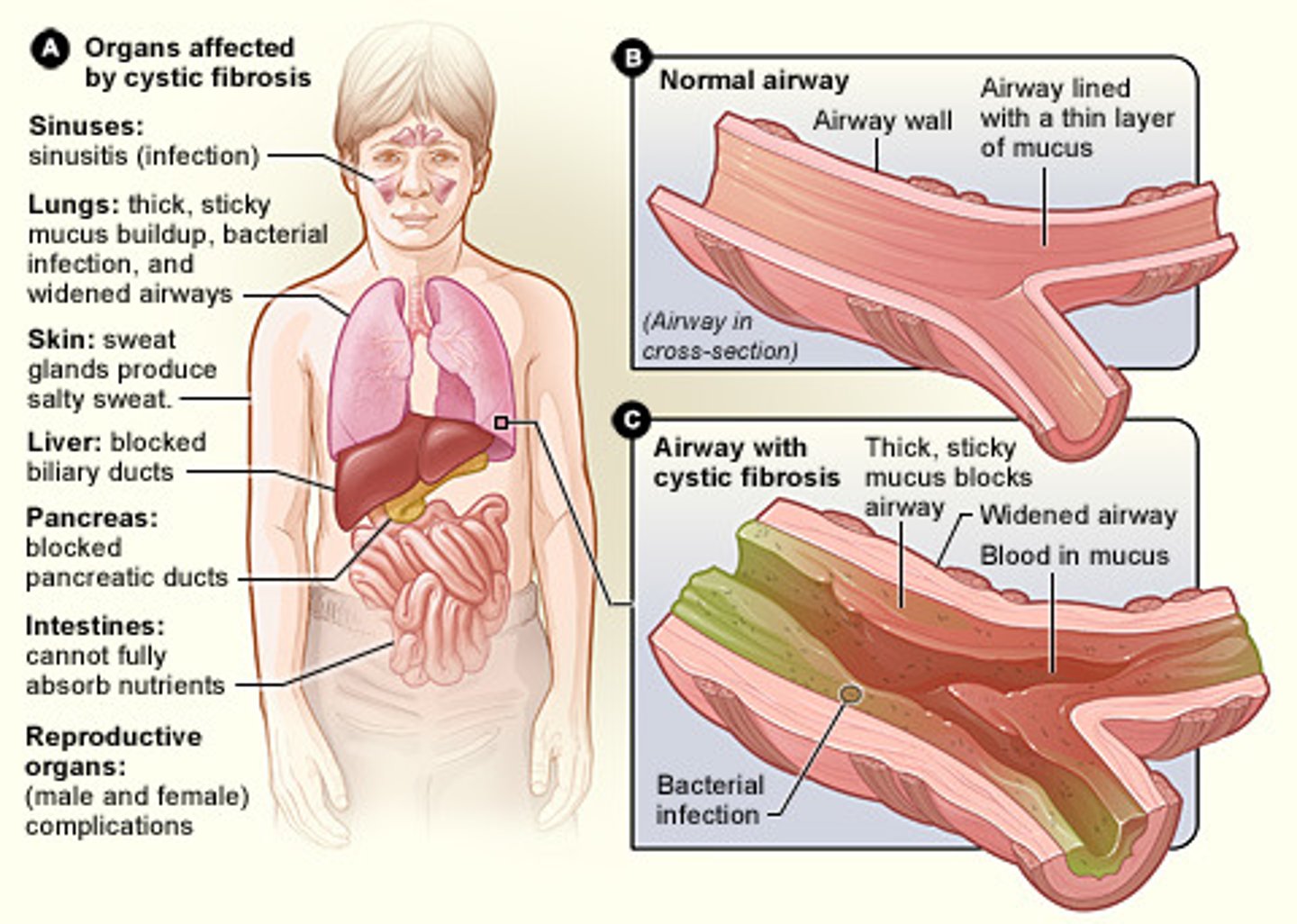
cystic fibrosis
A genetic disorder that is present at birth and affects both the respiratory and digestive systems. Autosomal recessive.
sickle cell anemia
a genetic disorder that causes abnormal hemoglobin, resulting in some red blood cells assuming an abnormal sickle shape, autosomal recessive.

color blindness
a variety of disorders marked by inability to distinguish some or all colors. Autosomal recessive for red-green
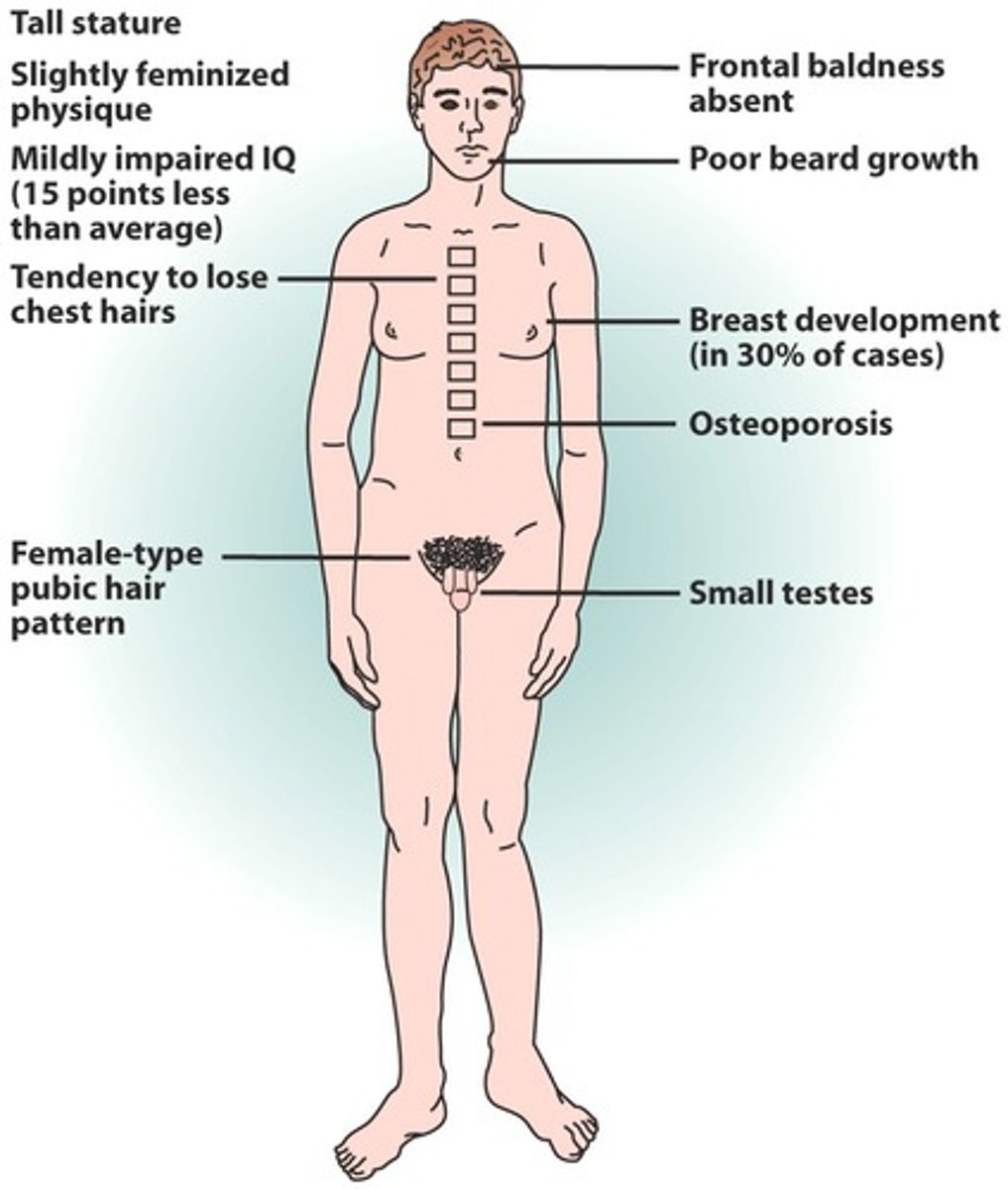
Kleinfelter's Syndrome
males with XXY sex chromosomes,
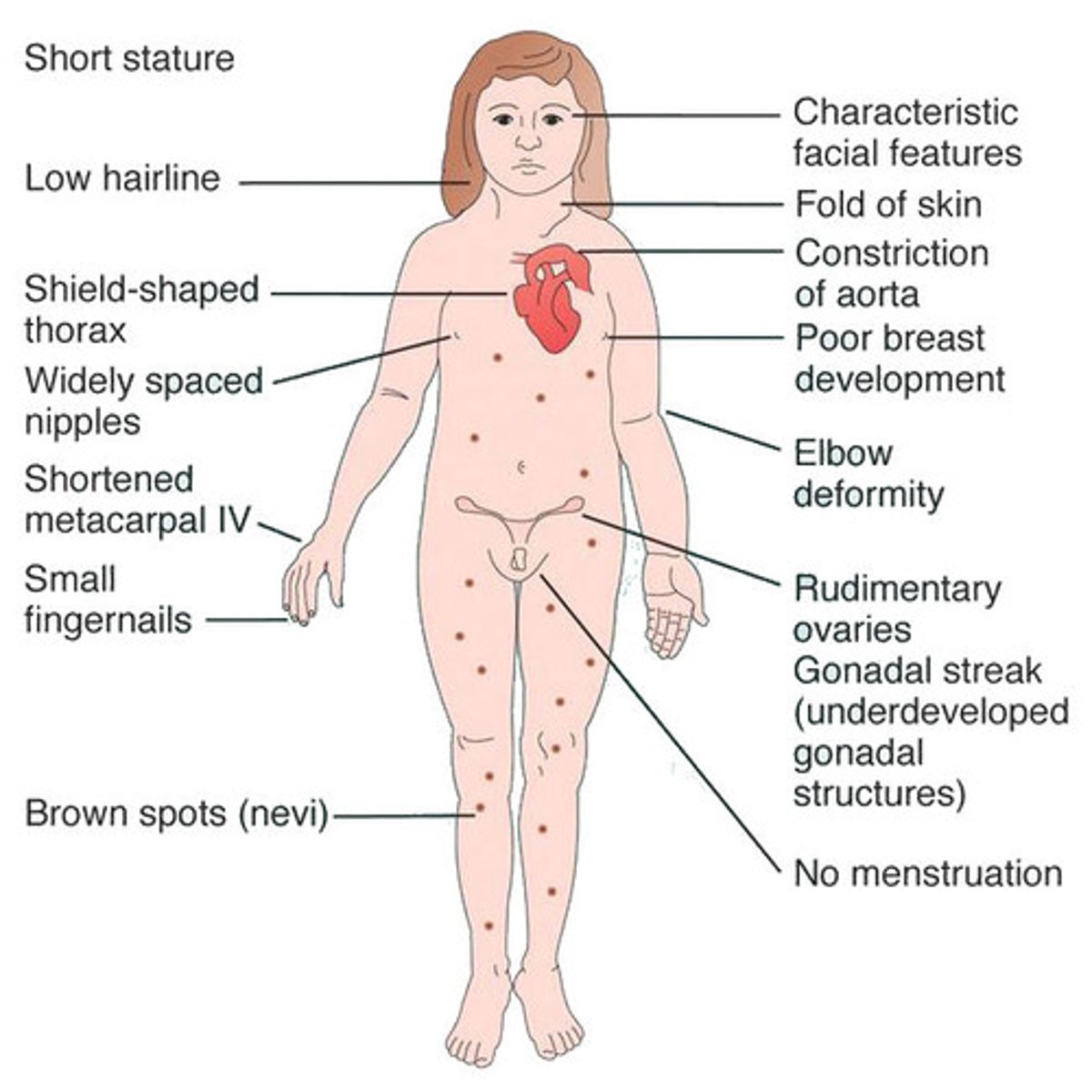
Turner Syndrome
A chromosomal disorder in females in which either an X chromosome is missing, making the person XO instead of XX, or part of one X chromosome is deleted.
Fragile X Syndrome
a disorder produced by injury to a gene on the X chromosome, producing mild to moderate mental retardation
The enlargement of cells due to increased workload?
hypertrophy
glycoproteins which function as and become antibodies
immunoglobulins
the body maintains fluid balance by:
ADH, aldosterone, binaturetic peptide
cells which have grown disordered with a large variability between cells
dysplasia/neoplasm
AB's that are obtained from another source; colostrum, or through placenta
natural passive
the movement of water from low to high
osmosis
the mechanism which maintains a concentration gradient of solutes within the cell
Na+/K+ pump
Dizziness, tachychardia, palpitations
hypovolemia/dehyrdation
normal pH of blood
7.35-7.45
Only hypersensitivity type reaction not involving antibodies
type 4, T-cell mediated
process by which mast cells initiate the inflammatory response
degranulation