LAB MANAGEMENT
 Call Kai
 Learn
Learn Practice Test
 Spaced Repetition
 Match
Match Flashcards
 Knowt Play
1/146

There's no tags or description
Looks like no tags are added yet.
Name | Mastery | Learn | Test | Matching | Spaced | Call with Kai | Chat |
|---|
No analytics yet
Send a link to your students to track their progress
147 Terms
Management
working with and through people
Organizing and Controlling of the affairs of a business/sector to accomplish a “common mission“
Art of getting things done through people
Provides the “Road” to get there
Planning
Organizing
Directing
Controlling
The phases of management process are:
A. Types of plans
B. SWOT Analysis
C. Formulating goals
D. Writing Objectives
Under PLANNING (Initial Phase)
Short range or tactical plans
UNDER TYPES OF PLANS:
1-5 years of planning
Operational planning
UNDER TYPES OF PLANS:
1 year budget plan
Strategic planning
UNDER TYPES OF PLANS:
Long term planning (20 years)
Strength & Weakness
UNDER SWOT ANALYSIS:
Indicates Internal Effects in the SWOT analysis
Opportunities & Threats
UNDER SWOT ANALYSIS:
Indicates External Effects in the SWOT analysis
Goal
General statement of the purpose of the organization
May not be strictly measurable or tangible
Long Term
Purpose toward which an endeavor is directed
Principle: Ideas
Plan: Broad
Action: Generic
Objective
Specific and measurable statement of the purpose of the organization
Must be measurable and tangible
Short Term
One’s efforts or actions are intended to attain or accomplish; target
Principle: Facts
Plan: Narrow
Action: Specific
Planning
FUNCTIONS OF ?
Identify goals
Evaluate current situation
Establish time frame
Set objectives
Forecast resources
Implement plan
Obtain feedback
Organizing
Gathering the needed resources and people
Develop an organizational structure to put the formal plan into action
Called “Staffing”
FUNCTIONS OF ?
Formal Hierarchy
Informal relationship
Directing
Leading
Persuading employees to perform the tasks that helps the organization accomplish its mission and goals
Leading in achieving the day to day tasks necessary to implement the management plan and ensure a smooth — running facility
FUNCTIONS OF ?
LEADERSHIP
Time allocation
Controlling
The process of monitoring the standards measurements and Feedback mechanism that were set in place to ensure implementation of the management plan
FUNCTIONS OF ?
Instructions
Follow - up
Modifications
Scientific Approach
Bureaucratic Approach
Behavioral Approach
System Analysis Approach
What are the different Management Approach?
Scientific Approach
Under MANAGEMENT APPROACH:
Systematic
Applies cause and effect analysis
Phases of Management
Bureaucratic Approach
Under MANAGEMENT APPROACH:
Examines the organizational aspects of the company and its workflow to explain how Institution functions and how to improve their structural process
Rule Centered
Behavioral Approach
Under MANAGEMENT APPROACH:
Performance and Interpersonal Approach
Utilizes Psychology and sociology
System Analysis Approach
Under MANAGEMENT APPROACH:
Continuous process of interacting itself and environment
Organization as a OPEN SYSTEM
Conceptual skill
Human skill
Financial skill
Technical skill
What are the different Skills of a Manager?
Conceptual Skill
SKILLS OF A MANAGER (Robert Katz):
Conceptualize and apply the management process, systematize workflow, make decisions and communicate with co-workers
Human Skill
SKILLS OF A MANAGER (Robert Katz):
Understands the basic theories of human needs and work motivation
Financial Skill
SKILLS OF A MANAGER (Robert Katz):
Effective use of accounting for the monetary assets of the company
Technical Skill
SKILLS OF A MANAGER (Robert Katz):
Involves the synthesis of the first three skills and the management of physical resources into the operational parameters
Exploitative - Authoritative
Benevolent - Authoritative
Consultative
Participative
What are the different Management Styles?
Exploitative - Authoritative
Under MANAGEMENT STYLES:
Decision making is done in the upper echelons of the organization
Manager has no confidence or trust in subordinates
Uses Fear and Threats
Benevolent - Authoritative
Under MANAGEMENT STYLES:
Master - Servant Relationship
Flow of info upwards is restricted to “What superiors want to hear”
Consultative
Under MANAGEMENT STYLES:
Allows employees to have a view and they are allowed to voice their opinion
Idea is to create a sense of an open - door policy, without being a true open door
Participative
Under MANAGEMENT STYLES:
There is a collaborative teamwork and an open communication between the manager and the subordinates
Respondent Superior
Principles of Leadership:
Under Command Responsibility
Manager and Staff are accountable
Respondent Inferior
Principles of Leadership:
Command Responsibility
Only the staff concerned is accountable
Unity of Command
Principles of Leadership:
This is under ?
One Boss
McGregor Theory
Tannenbaum and Schmidt Theory
Blake and Mouton Theory
Fiedler Theory
Hersey - Blanchard Theory
What are the different Theories?
McGregor Theory
What Theory?
Collective decision making/responsibility
Flexible schedule, Job Security Worker Concern (Ouichi)
Theory X
under MCGREGOR THEORY:
Lazy, work for salary
Avoidance of Responsibility
Theory Y
under MCGREGOR THEORY:
Hardworking, Self Motivated
Theory Z
under MCGREGOR THEORY:
Self Controlled, Quality of Work
Pygmalion Effect
People Tend to act in a way they are expected to act by their leaders
Tannenbaum and Schmidt Theory
What Theory?
Styles can be plotted on a continuum from authoritative to democratic
Blake and Mouton Theory
What Theory?
Based on concern for people and production
Impoverished Management
under BLAKE & MOUTON THEORY:
Low concern for People and Production
LPP
Authority - Compliance
under BLAKE & MOUTON THEORY:
Low concern for People but High concern for Production
LPHP
Middle of the road Management
under BLAKE & MOUTON THEORY:
Medium concern for People and Production
MPP
Country club Management
under BLAKE & MOUTON THEORY:
High concern for People but Low concern for Production
HPLP
Team Management
under BLAKE & MOUTON THEORY:
High concern for People and Production
HPP
Fiedler Theory
What Theory?
Indicates that the styles used by the leader may vary according to the situation
Very favorable or very unfavorable situation requiring a TASK ORIENTED leader
Moderately favorable or unfavorable situation requiring a RELATIONSHIP - ORIENTED leader
Relationship - Oriented Leader
under FIEDLER THEORY:
Wants to be liked and get along well with subordinates
Getting the job done is the second priority
Task Oriented Leader
under FIEDLER THEORY:
Wants high performance and accomplishment of all tasks
Getting the job done is the first priority
Hersey - Blanchard Theory
What Theory?
Four Leadership situations according to the levels of maturity of the subordinates
Employee is new to the job
Employee has mastered some of the job but needs supervision
Employee has mastered the job but needs verification
Employee has mastered the job and is confident
Supportive Leader
WHAT KEY STYLE:
Provides the physical and personal resources for an individual to accomplish his duties
Offers flexibility and encourages creative problem solving
Directive Leader
WHAT KEY STYLE:
Presents rules, orders or other defines instructions to the individuals
Offers concise and detailed instructions on how to complete a task
Coaching Leader
WHAT KEY STYLE:
Provides high support and direction
Delegating Leader
WHAT KEY STYLE:
Provides low support and direction
Autocratic Style
WHAT LEADERSHIP STYLE:
Self Centered
Makes decision without the consultation of subordinates
The manager’s way is the best and employees need to not think of another way to complete the task
This inhibits employees from thinking for themselves
Employees lose interest and initiative
Democratic Style
WHAT LEADERSHIP STYLE:
Shared Authority
Employees take part in decision making
Bureaucratic Style
WHAT LEADERSHIP STYLE:
Structure Oriented
Exercise of control on the basis of knowledge
Focuses on rules and regulation set by the hierarchy of authority
Laizzes Faire Style
WHAT LEADERSHIP STYLE:
Permissive Type
Delegating Leadership
Poor Type of Leadership Style
Leaders have a backseat role in the company
The employees (experts) are allowed to decide on their own
Charismatic Style
WHAT LEADERSHIP STYLE:
Attraction seeker
Leaders encourage certain behaviors in others by force of personality, persuasion and eloquent communication
Management of Change
Comprehensive, cyclic and structured approach for transitioning individuals, groups, and organizations from the current state to a future state with intended business benefits
First Order of Change
CATEGORY OF CHANGE:
Procedures
Recipient - Modification in how work is done
Minor Difficulty
Reversible
Length of Initiative
SHORT
Second Order of Change
CATEGORY OF CHANGE:
Policies
Recipient
Moderate Difficulty
Irreversible
Length of Initiative
MEDIUM
Third Order of Change
CATEGORY OF CHANGE:
Values
Recipient
Governing Results
Very Difficult
Irreversible
Length of Initiative
LONG
Formulate
Plan
Implement
Manage
Sustain
What is the Process of Change?
Universal Precautions
Universal or Standard Precautions?
Treat all as infections
Lab Information System
Network of computers
Incorporate all aspects of the informational needs of laboratory and its costumers
from the intake of requests and processing of workflow to the delivery of results
Hardware
COMPONENTS OF COMPUTER:
Physical components of the computer
Input
Output
Storage
Software
COMPONENTS OF COMPUTER:
Instructions in human language into machine language
Laboratory Information
Collection and integration of various pieces of hardware and software and the human resources that meet data collection, storage, processing and report generations needs of an organization
Network
The set of interconnected computers that through hardware and software technology work cooperatively for the purpose of information and application program exchange
Standard Precaution
Laboratory Safety:
This is the combination of Universal Precaution + Body Isolation Procedures
Chain of Infection
A continuous link to understand on how microorganisms are transmitted
Infectious Agent
CHAIN OF INFECTION
These are Examples of:
Bacteria
Fungi
Parasites
Viruses
Reservoir
CHAIN OF INFECTION
These are Examples of:
Animals
Arthropods
Insects
Fomites
Plants
Environment
Blood
Human
Body Fluids
Portal of Exit & Entry
CHAIN OF INFECTION
These are Examples of:
Nose
Mouth
Mucous membranes
Mode of Transmission
CHAIN OF INFECTION
These are Examples of:
Droplet
Airborne
Contact
Vector
Vehicle
Airborne/Aerosol
under MODE OF TRANSMISSION:
Centrifugation of unstoppered tubes
Heating cultures of specimens too rapidly
Sterilization of inoculating loops in the bunsen burner flame
Leakage from a container that holds contaminated specimens
Broken Centrifuge and spills
Ingestion
under MODE OF TRANSMISSION:
Failure to wash hand
Eating
Drinking
Smoking
Applying cosmetics during work
Pipetting by mouth
Direct Inoculation
under MODE OF TRANSMISSION:
Needlesticks
Broken glass
Animal bites
Small scratches
Mucous Membrane
under MODE OF TRANSMISSION:
Occurs if the organism can directly enter through the mucous membranes (e.g. conjunctiva of the eye)
Vector
under MODE OF TRANSMISSION:
Sources includes ticks, fleas, and mosquitos, which may harbor various microorganism
Susceptible Host
CHAIN OF INFECTION
These are Examples of:
Patients
Elderly
Newborns
Immunocompromised
Healthcare workers
Personal Protection in the laboratory
Wear long sleeved gowns with closed fronts or long sleeved lab coats that are buttoned closed while in the laboratory
Wear lab coats inside the lab only
Reusable cloth or disposable gowns/coats may be used
Donning of PPE
DONNING OR DOFFING OF PPE?
Gown → Mask or Respirator → Goggles or Face Shield → Gloves
Doffing of PPE
DONNING OR DOFFING OF PPE?
Gloves → Goggles or Face Shield → Gown → Mask or Respirator
Protective Clothing
also called as Occlusive Dressing
Note:
Remove all PPE before leaving the laboratory or work area
Hand Hygiene
under HAND PROTECTION
use of alcohol - basic antiseptic
Hand washing
Gloves of proper size and materials must be provided for your protection
Use aseptic techniques when putting and removing gloves
Wear gloves at specimen receiving areas
Do not contaminate clean areas by contact with contaminated gloves
Change gloves after contact with each patient
Remove gloves before handling telephones, uncontaminated lab equipment, doorknobs
Downward
Wash / Rinsing hands in a ______ position
20 seconds
Soaping of hands thoroughly for at least ____ seconds
Happy birthday song (2x)
What is the Handwashing song
Facial Protection
Full faced shields made of lightweight transparent plastics are the preferred means of facial protection
If not available, use fluid resistant mask and eye protection
Prescription glasses are not adequate eye protection
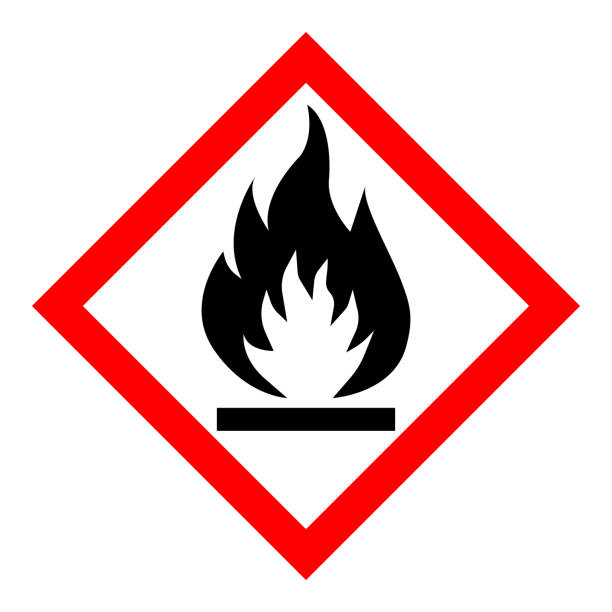
Flame
WHAT SYMBOL?
Flammables
Pyrophorics
Self-Heating
Emits Flammable Gas
Self-Reactive
Organic Peroxides
Exclamation Mark
WHAT SYMBOL?
Irritant (skin & eye)
Skin Sensitizer
Acute Toxicity (harmful)
Narcotic Effects
Respiratory Tract Irritant
Hazardous to Ozone Layer (Non-Mandatory)

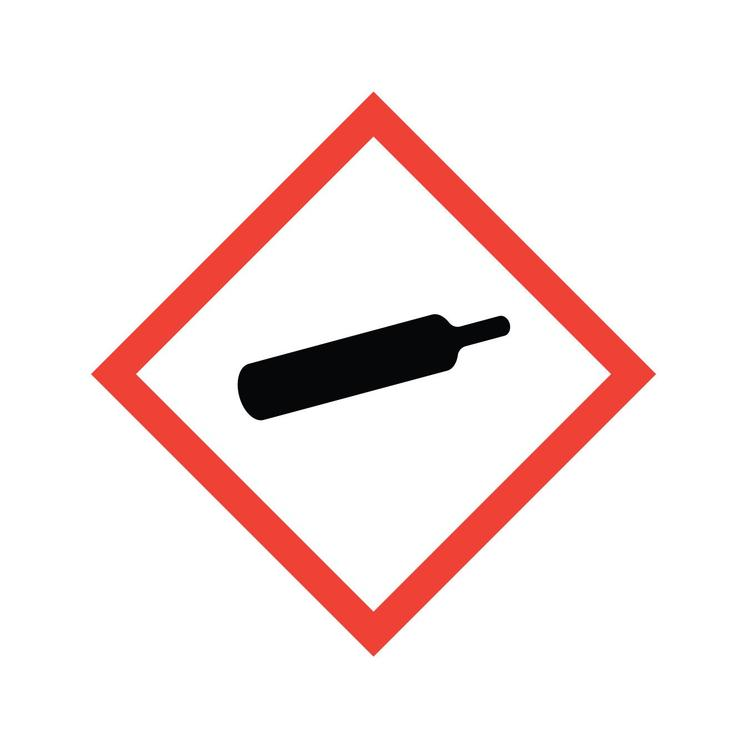
Gas Cylinder
WHAT SYMBOL?
Gases Under Pressure
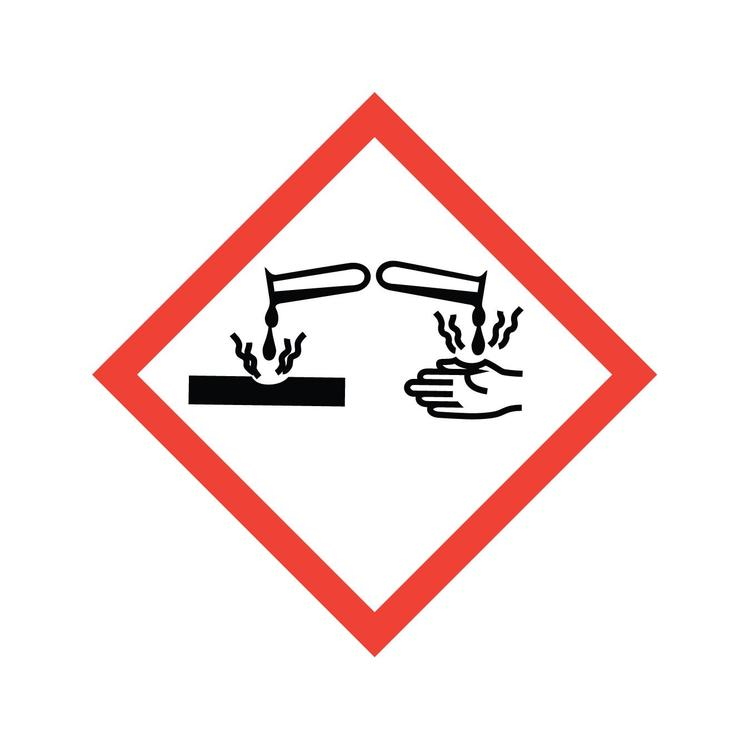
Corrosion
WHAT SYMBOL?
Skin Corrosion/Burns
Eye Damage
Corrosive to Metals
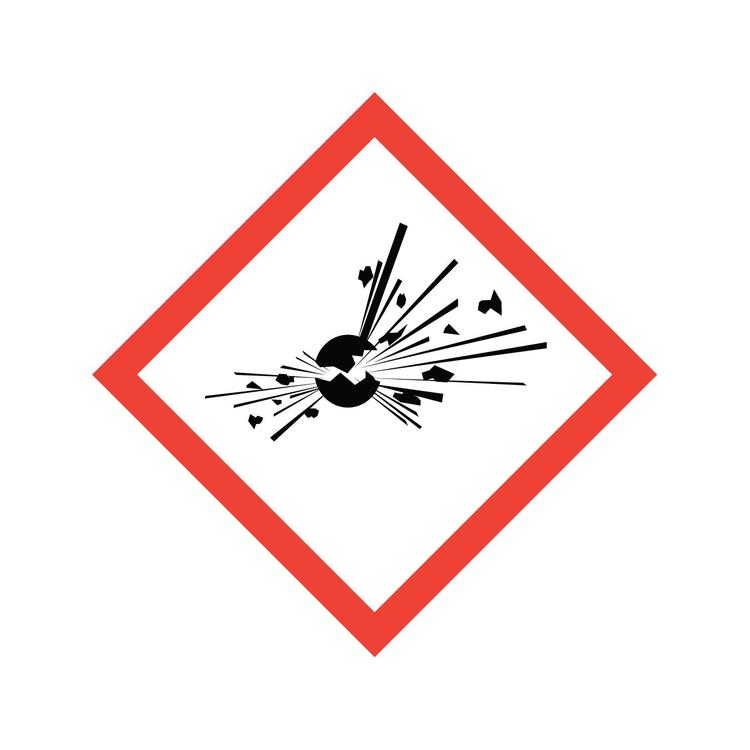
Exploding Bomb
WHAT SYMBOL?
Explosive
Self Reactive
Organic Peroxide
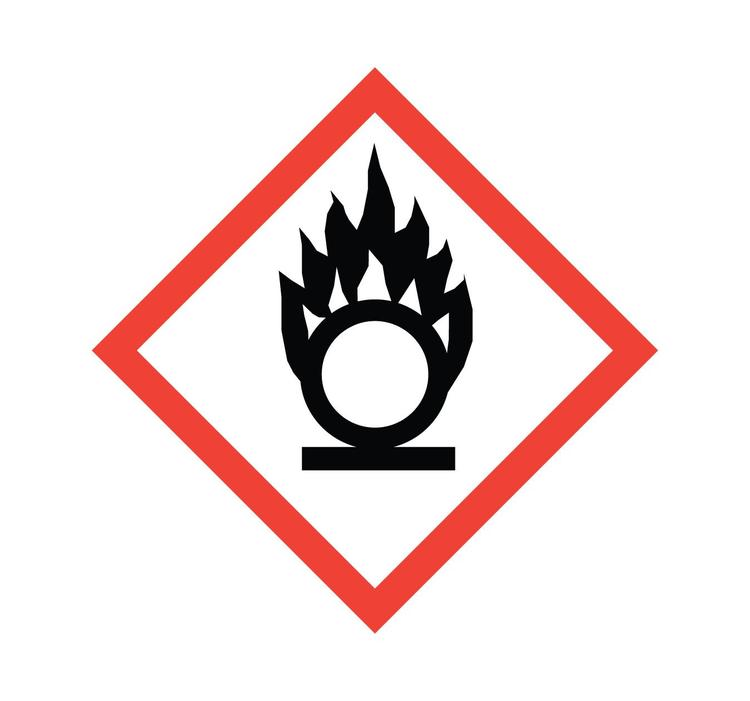
Flame over Circle
WHAT SYMBOL?
Oxidizers
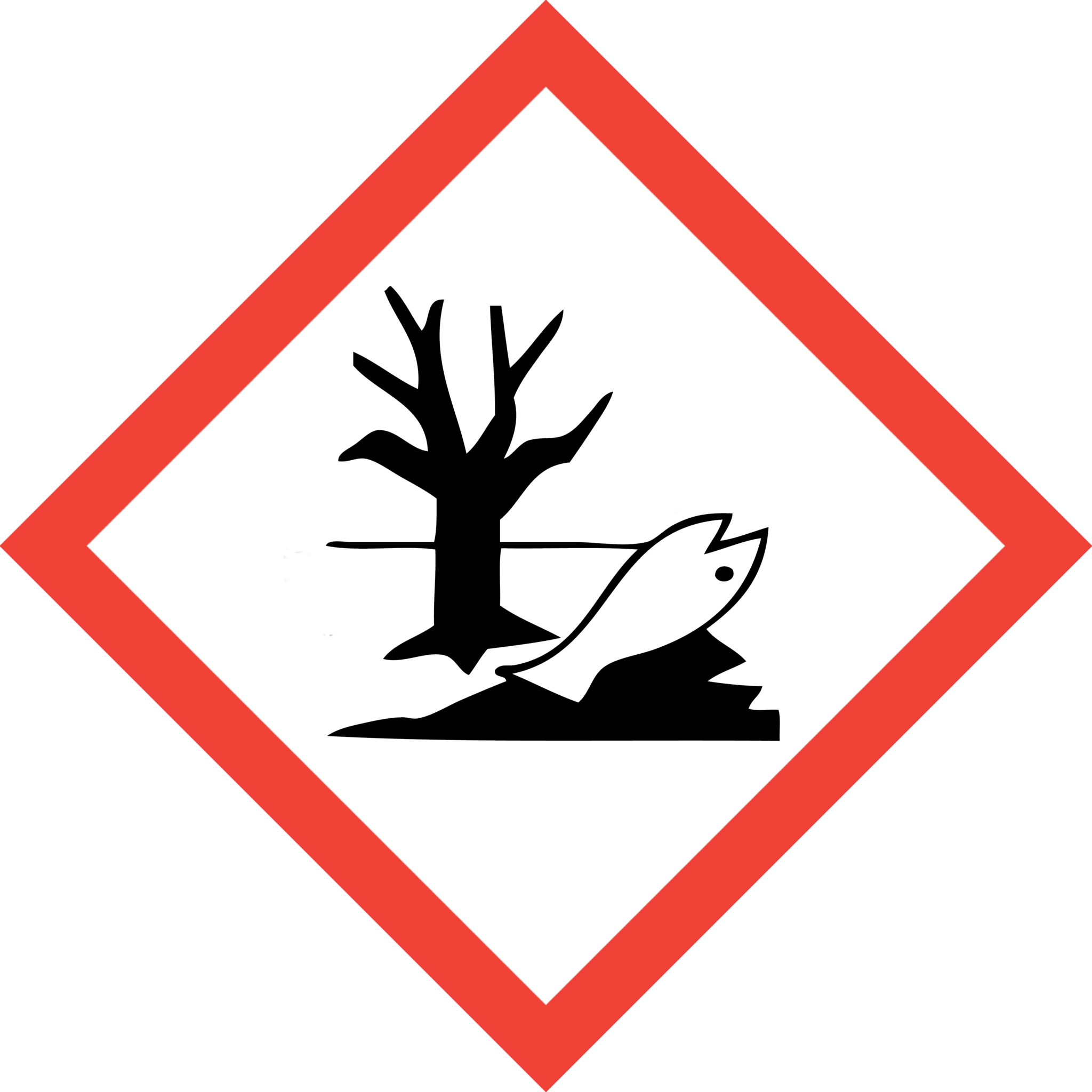
Environment (Non-Mandatory)
WHAT SYMBOL?
Aquatic Toxicity
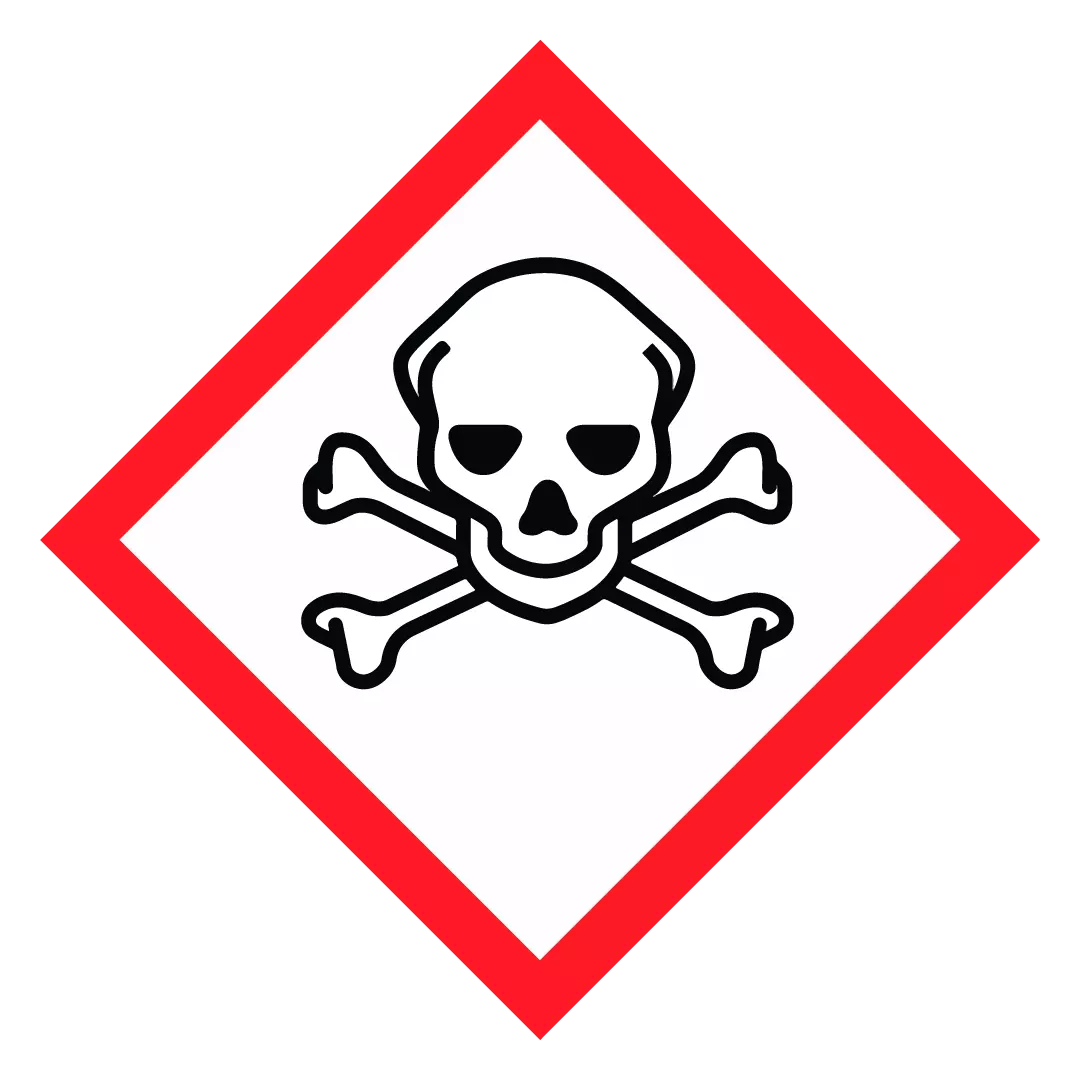
Skull and Crossbones
WHAT SYMBOL?
Acute Toxicity (Fatal or Toxic)
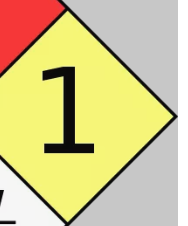
Diamond Label (NFPA 704)
WHAT SYMBOL?
Blue - Biohazard
Red - Flammability
Yellow - Reactivity
White - Specific Hazard
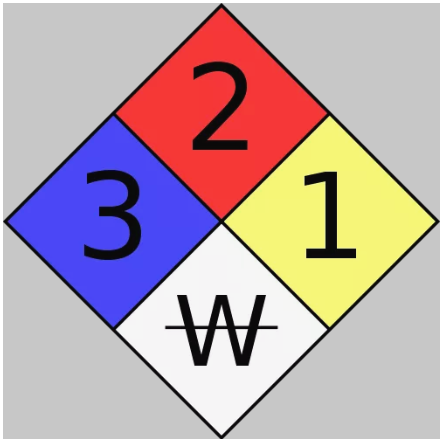
Reactivity
WHAT SYMBOL?
4 - may detonate
3 - Shock & Heat may detonate
2 - Violent Chemical Change
1 - Unstable if heated
0 - Stable