ARH301 - Exam2 IDs
 Studied by 15 people
 Call Kai
 Learn
Learn Practice Test
 Spaced Repetition
 Match
Match Flashcards
 Knowt Play
1/78

There's no tags or description
Looks like no tags are added yet.
Name | Mastery | Learn | Test | Matching | Spaced | Call with Kai |
|---|
No analytics yet
Send a link to your students to track their progress
79 Terms
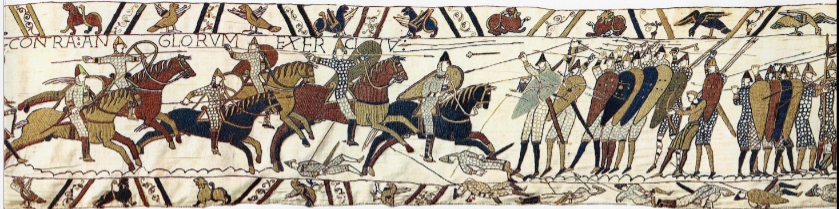
Title: The Battle of Hastings Begins
Artist/Culture: Norman-Anglo-Saxon
Materials: linen/wool (embroidery)
Location/Year: Bayeux (Normandy), England or France c. 1066-1082
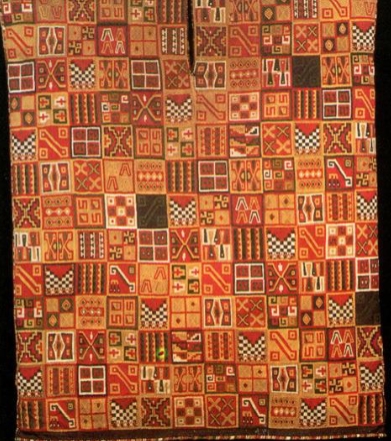
Title: Tunic
Culture: Inca Dynasty
Materials: Camelid fiber (wool), cotton
Location/Year: Peru, c. 1500
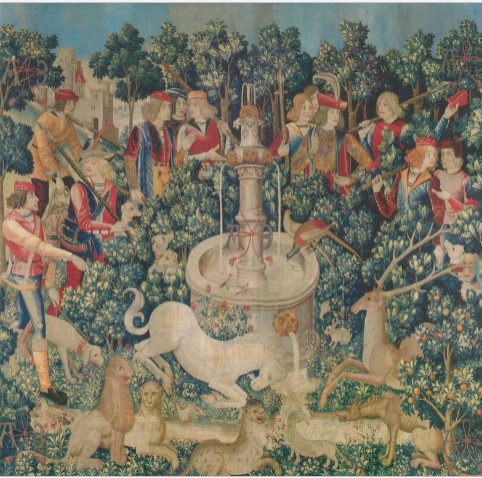
Title: The Unicorn Purifies Water, from the Hunt of the Unicorn, tapestry series
Artist/Culture: French/Flemish
Materials: wool/silk/metal thread (tapestry)
Location/Year: Flanders, c. 1495-1505
Embroidery
designs sewn on the cloth with threads
tapestry
a wall hanging of heavy handwoven fabric with pictorial designs
warp
a lengthwise yarn or thread in a weave
weft
the horizontal threads interlaced through the warp in a woven fabric
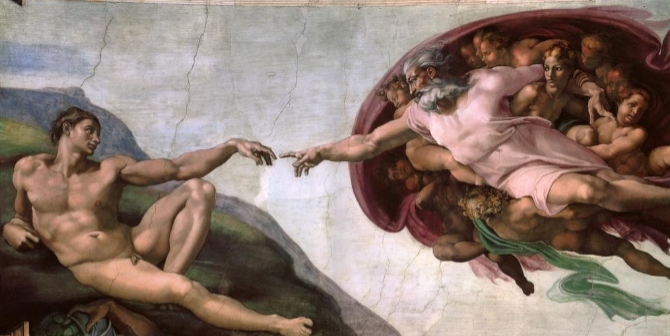
Title: Creation of Adam
Artist: Michealangelo
Materials: fresco
Location/Year: Sistine Chapel Ceiling, Vatican Palace, Rome, Italy 1511-1512
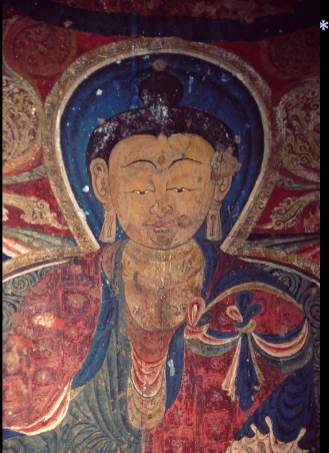
Title: Shakyamuni Buddha
Materials: mural painting
Location/Year: Saspol Cave 3, Gon-Nila-Phuk Cave Temples, India, c. 15th C
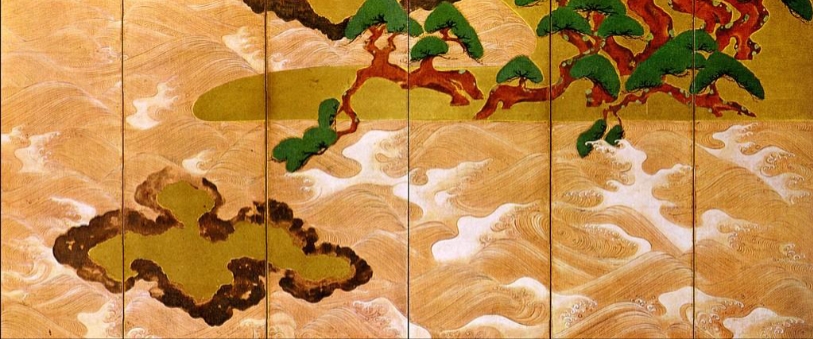
Title: Waves at Matsushima, painted screen
Artist: Tawaraya Sotatsu
Materials: gold/ink/color/ on paper (painted screen)
Location/Year: Kyoto, late 16th-early 17th C.
cartone/cartoon
A full-scale preparatory drawing used to transfer a design onto a surface for painting, especially frescoes
cycle
A series of artworks (often paintings) that are thematically linked and meant to be viewed together, often telling a story or marking events.
foreground
The part of a composition that appears closest to the viewer; often contains the most detail and visual emphasis
foreshortening
A technique that distorts proportions to create the illusion of depth, making objects appear to recede dramatically into space
fresco
A mural painting technique where pigments are applied directly onto wet plaster, bonding the color with the wall as it dries
fusuma
Japanese sliding doors made of paper or silk, often painted with decorative scenes; used in traditional interiors
giornata
Italian for “a day’s work”; refers to the section of a fresco completed in a single day, visible in subtle divisions on the wall.
illusionistic
Art that creates the convincing illusion of three-dimensional space or objects on a flat surface.
middle ground
The area between the foreground and background in a composition; helps create spatial depth and narrative flow
modeling
The use of light and shadow to give the illusion of volume and three-dimensionality to forms
mural
A large-scale painting applied directly to a wall or ceiling, often public and narrative in nature
volumetric
Describes forms that appear to occupy space with mass and volume, often achieved through modeling and perspective

Title: Court Ladies Preparing Newly Woven Silk
Patreon: Song Dynasty (Emperor Huizong)
Materials: ink/color/gold on silk
Location/Year: Beijing, 12th C.
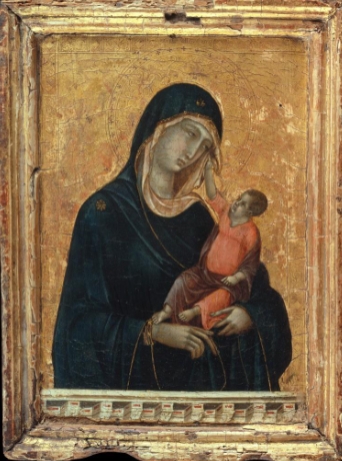
Title: Madonna and Child
Artist: Duccio di Buoninsegna
Materials: tempera/gold/panel
Location/Year: Siena, Italy, c. 1290-1300
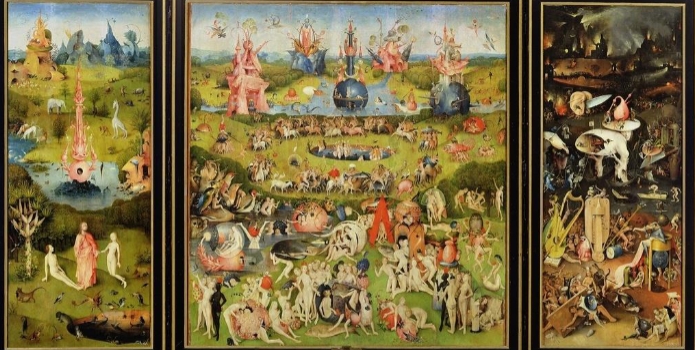
Title: Garden of Earthly Delights
Artist: Hieronymus Bosch
Materials: oil/wood (triptych)
Location/Year: Brussels (?), c. 1505-1515
Altarpiece
A work of art (usually a painting or relief) placed behind or above an altar in a church, often depicting religious scenes
Bird’s-eye view
A perspective that looks down on a scene from above, as if seen by a bird in flight
Gilding
The decorative process of applying a thin layer of gold to a surface, often used to enhance visual richness
Gold Leaf
Thin sheets of real gold used in gilding to decorate artworks, especially in religious or luxurious contexts
Hanging Scroll
A vertical scroll format used in East Asian art, designed to be hung for display and then rolled up for storage
Hand Scroll
A horizontal scroll meant to be unrolled and viewed section by section, often used for narrative or landscape scenes
Icon
A religious image, especially in Eastern Orthodox Christianity, meant for veneration and spiritual contemplation.
Iconic
Refers to an image or style that is symbolic, easily recognizable, and often simplified for emphasis
Medium
The material or technique used to create an artwork (e.g., oil paint, ink, wood)
Narrative
A visual story told through an artwork, often unfolding across panels or scrolls
Oil Painting
A painting technique using pigments mixed with oil (usually linseed), known for rich color and slow drying time
Palette
The range of colors used by an artist, or the physical board on which colors are mixed.
Panel Painting
A painting created on a flat wooden surface, common in medieval and Renaissance art
Tempera
A fast-drying painting medium made by mixing pigments with egg yolk, used before oil painting became dominant.
Triptych
A three-part artwork, often hinged so the side panels can fold over the central one; common in altarpieces
Wing
The side panels of a triptych or polyptych, which may be movable and often contain complementary scenes
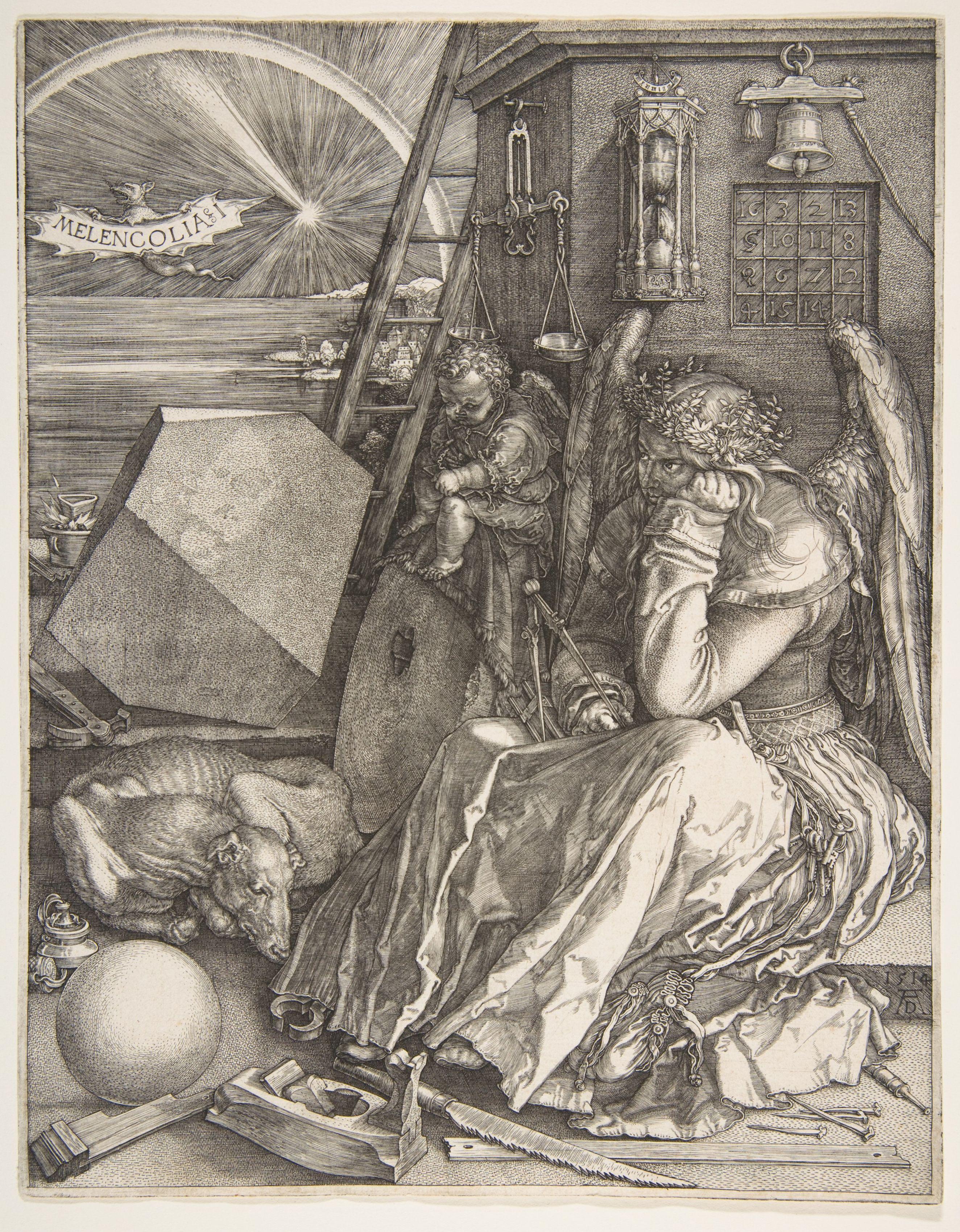
Title: Melencolia I
Artist: Albrecht Durer
Materials: engraving
Location/Year: Nuremberg (Germany), 1514
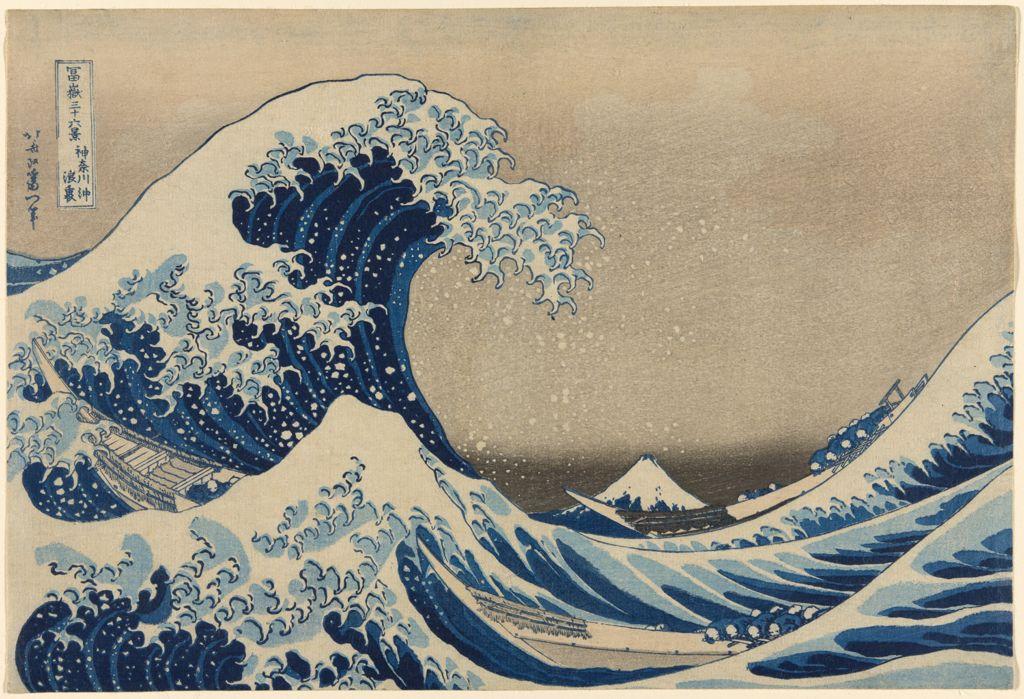
Title: The Great Wave, from Thirty-Six Views of Mount Fuji
Artist: Katsushika Hokusai
Materials: polychrome woodblock, print/paper
Location/Year: Japan, 1831
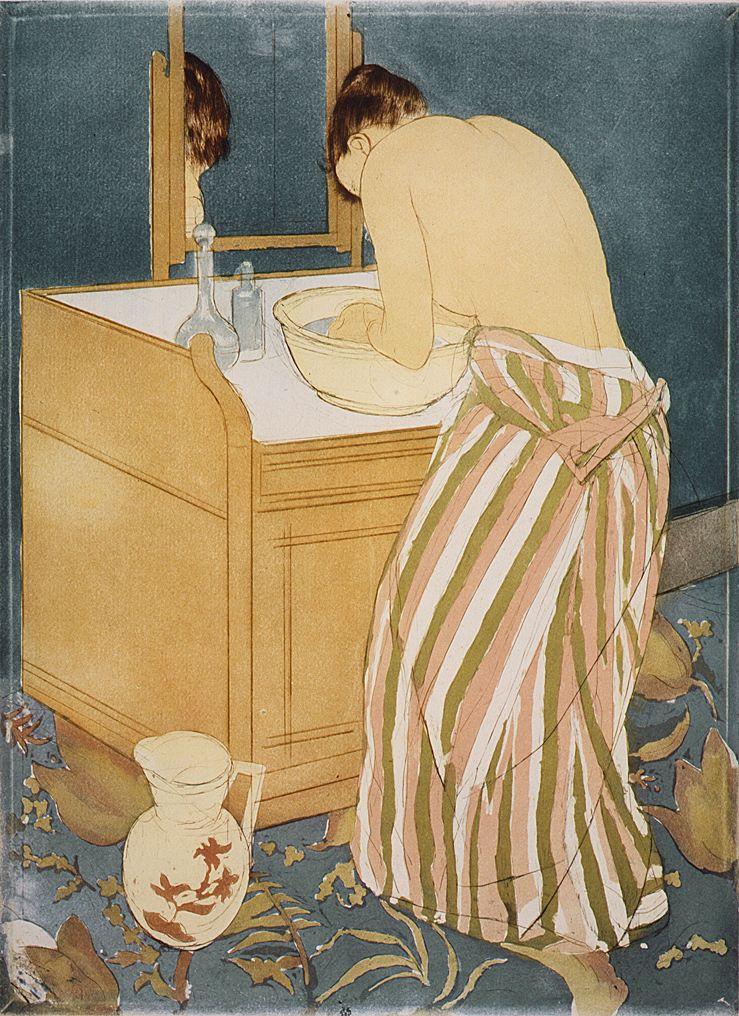
Title: Woman Bathing
Artist: Mary Cassatt
Materials: color drypoint/aquatint
Location/Year: Paris, France c. 1890-1891
Aquatint
A printmaking technique that uses acid to create tonal effects on a metal plate coated with resin.
Block Printing
A method of printing where a carved block is inked and pressed onto paper or fabric.
Burin
A sharp tool used to carve lines into a metal plate for engraving.
Cross-Hatching
A shading technique using intersecting lines to create depth and texture.
Drypoint
A printmaking process where an image is scratched into a plate with a needle, producing soft lines.
Edition
A set of prints made from the same plate, often numbered to show how many were produced.
Engraving
A technique where lines are incised into a metal plate with a burin, then inked and printed.
Etching
A printmaking method using acid to bite into a metal plate through a protective ground.
Graphic Arts
Visual art forms like drawing and printmaking that emphasize line and tone.
Impression
A single print taken from a plate, block, or stone.
Japonisme
The influence of Japanese art and design on Western art, especially in the 19th century.
Ukiyo-e
Japanese woodblock prints depicting everyday life, landscapes, and entertainment during the Edo period.
Woodblock Print
A print made by carving an image into wood, inking it, and pressing it onto paper.
Woodcut
The oldest printmaking technique, using raised carved wood surfaces to hold ink for printing.
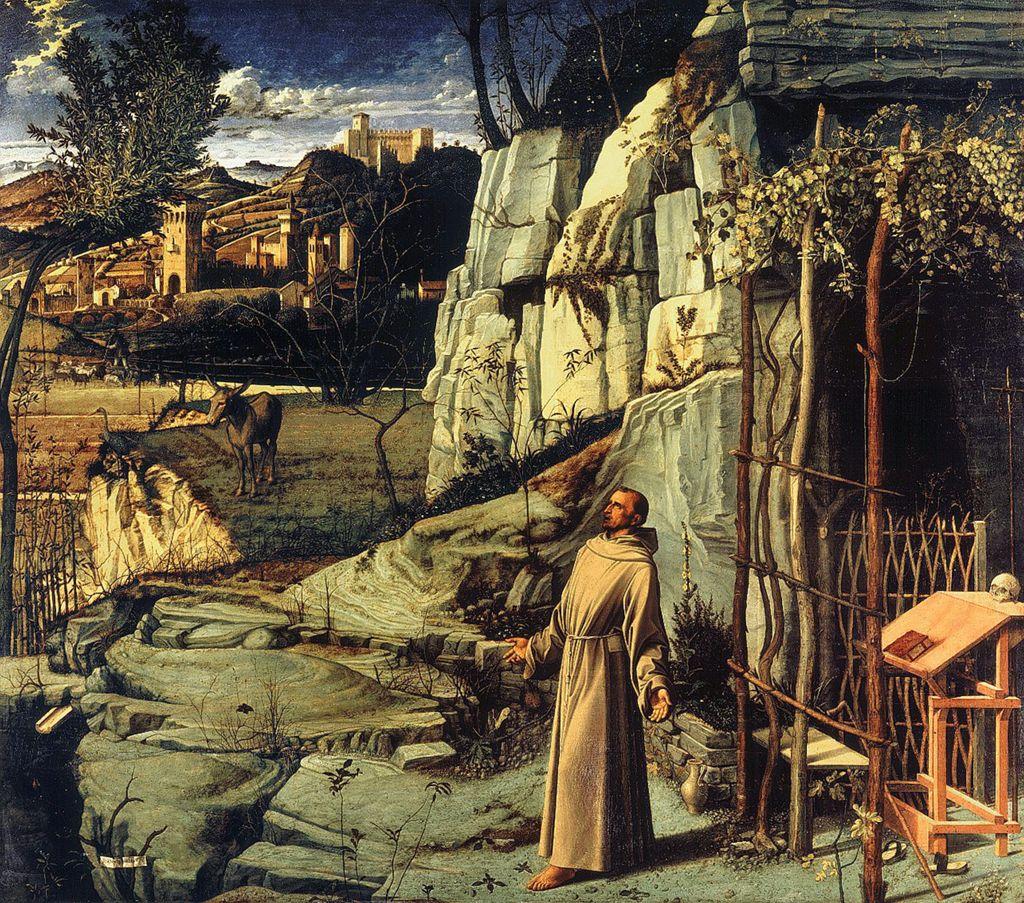
Title: St. Francis in Ecstasy
Artist: Giovanni Bellini
Materials: oil/tempera/wood
Location/Year: Venice, Italy c. 1470’s
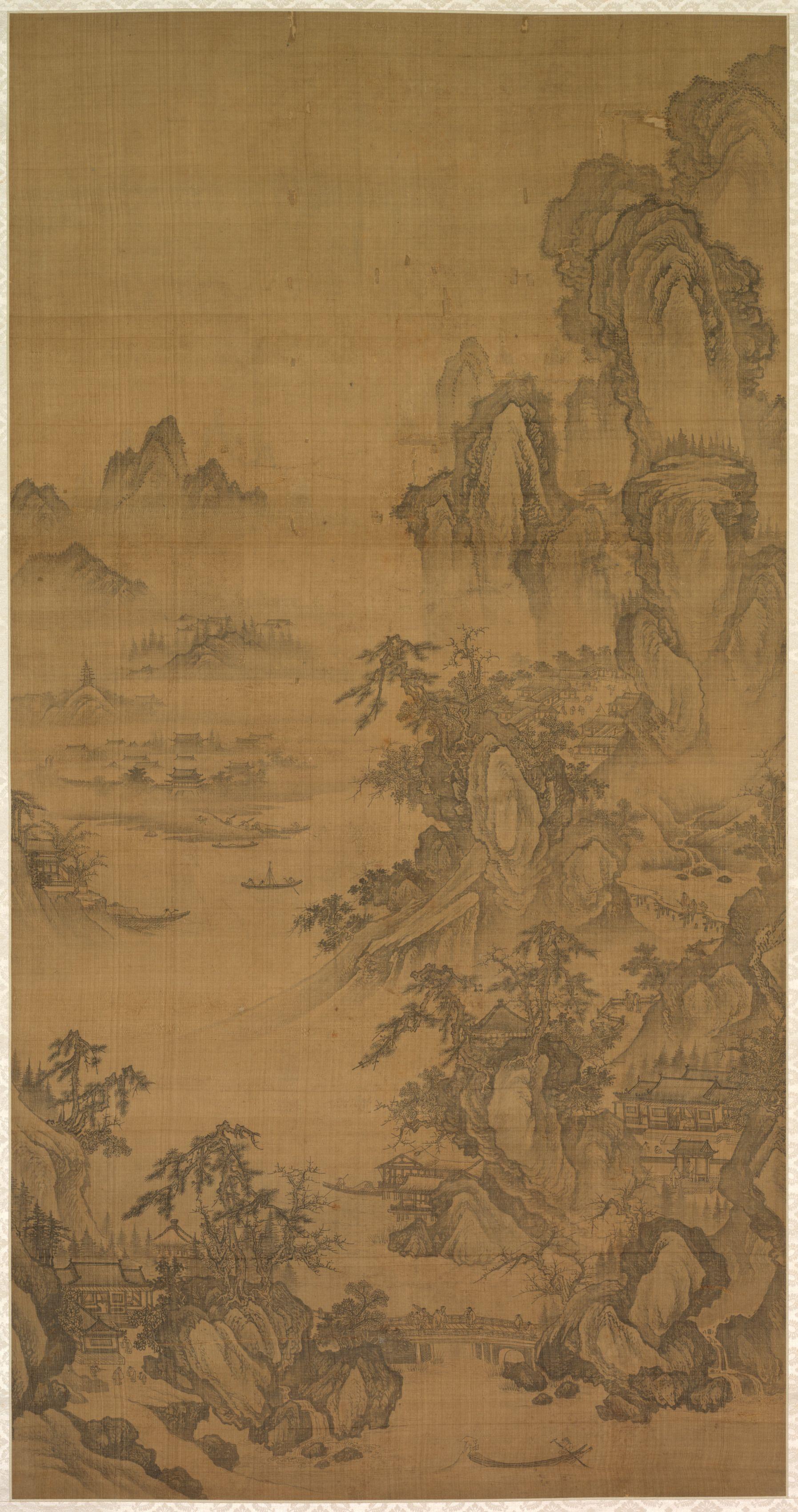
Title: Mountain Market, Clear with Rising Mist
Artist: Josean Dynasty
Materials: painted scroll, ink on silk
Location/Year: Korea, early 1500’s
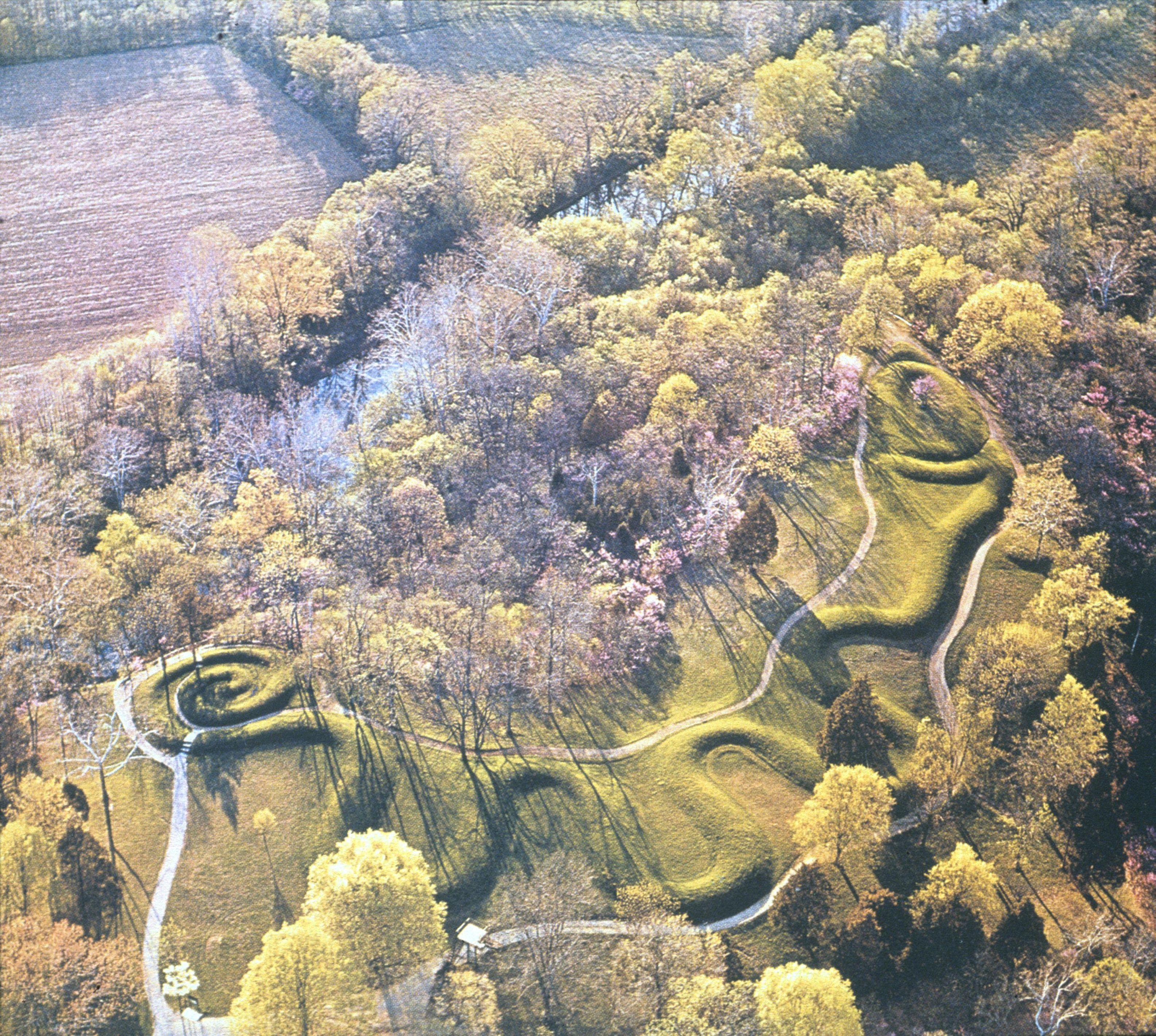
Title: Great Serpent Mound
Materials: dirt
Location/Year: Adam County, Ohio, c. 1070
Earthworks
Large-scale artworks created by shaping the land itself—such as mounds or trenches—often used for ritual or symbolic purposes.
Hanging Scroll
A vertical artwork mounted on silk or paper, designed to be hung for display and rolled up for storage; common in East Asian art.
Oil Painting
A technique using pigments suspended in oil, known for rich color, slow drying time, and detailed layering.
Orthogonal
Lines that appear to recede into the distance and converge at a vanishing point, creating depth in linear perspective.
Perspective (Atmospheric)
A technique that simulates depth by making distant objects lighter, hazier, and less detailed than those in the foreground.
Painting on Fabric
Artworks created directly on textiles like silk or cotton, often used in scrolls or garments; valued for delicacy and portability.
Vanishing Point
The spot on the horizon line where orthogonal lines converge in linear perspective, guiding the viewer’s eye and creating spatial depth.
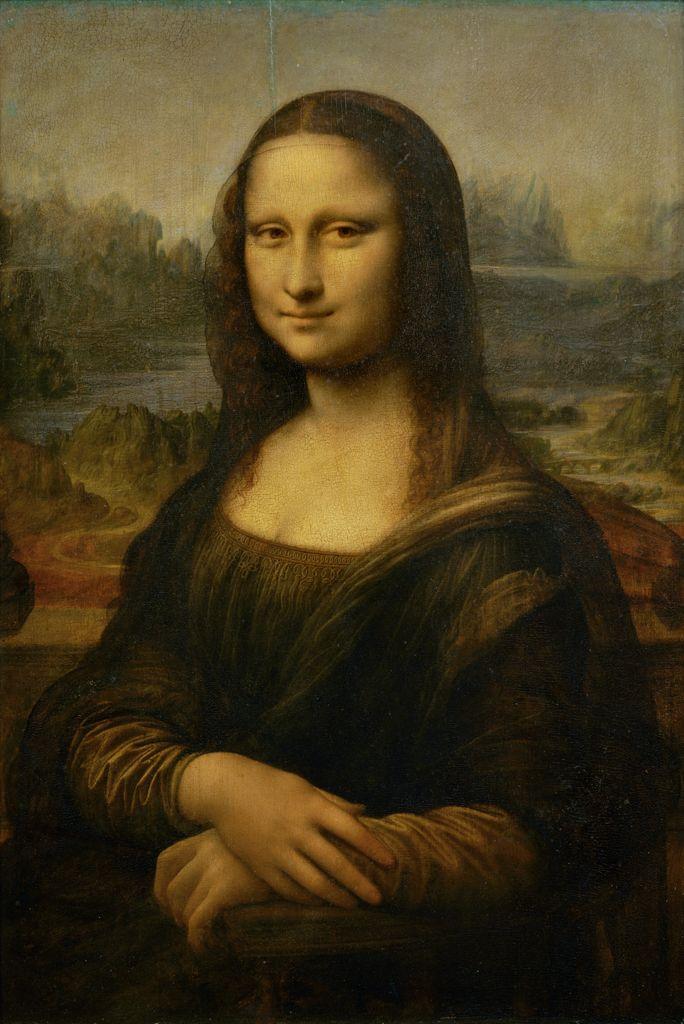
Title: Mona Lisa
Artist: Leonardo da Vinci
Materials: oil/wood
Location/Year: c. 1503-1506
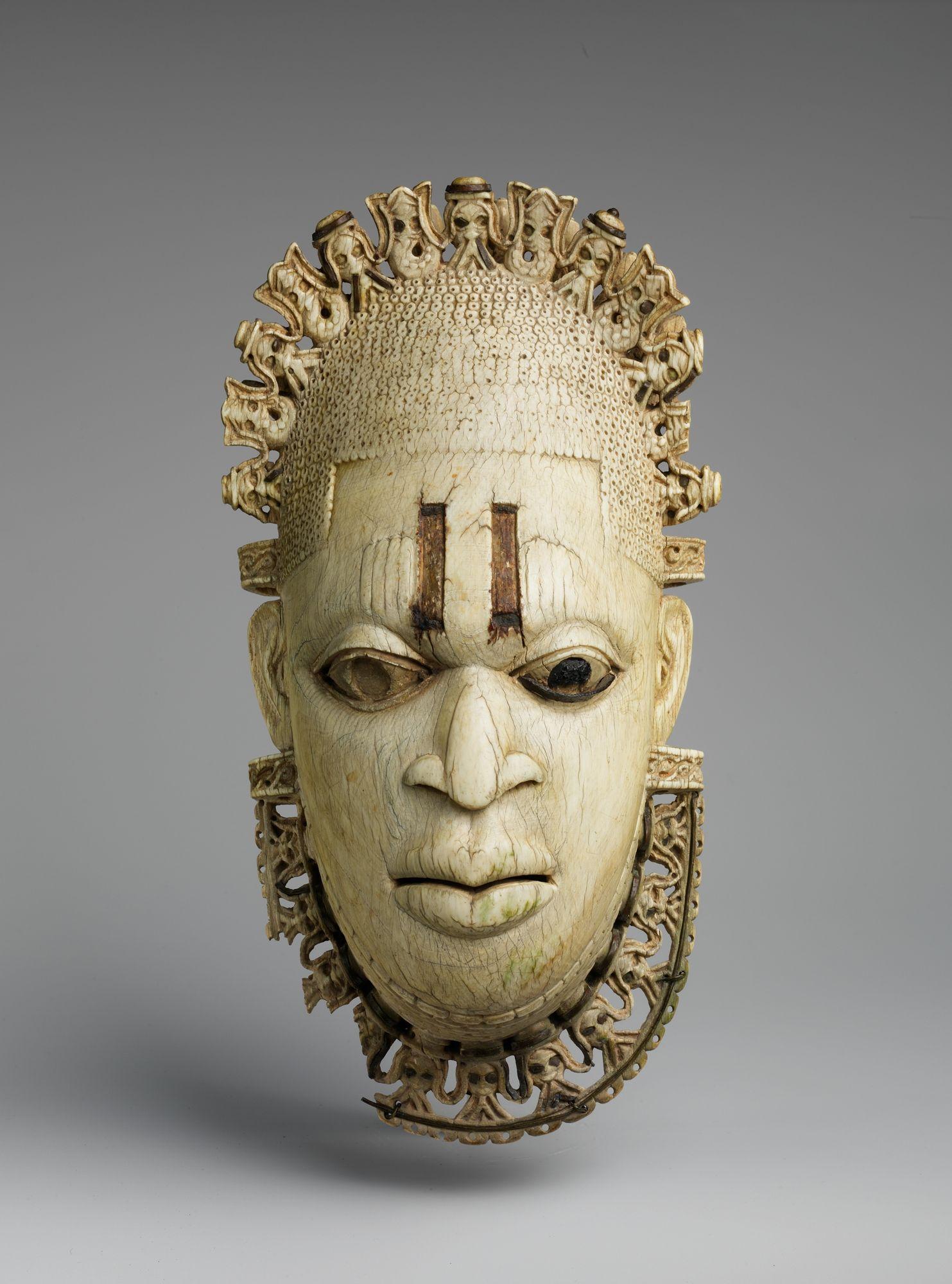
Title: Hip Pendant of an iyoba (Queen Mother)
Artist: Edo culture
Materials: ivory/iron/copper
Location/Year: Benin City, Nigeria c. 1550
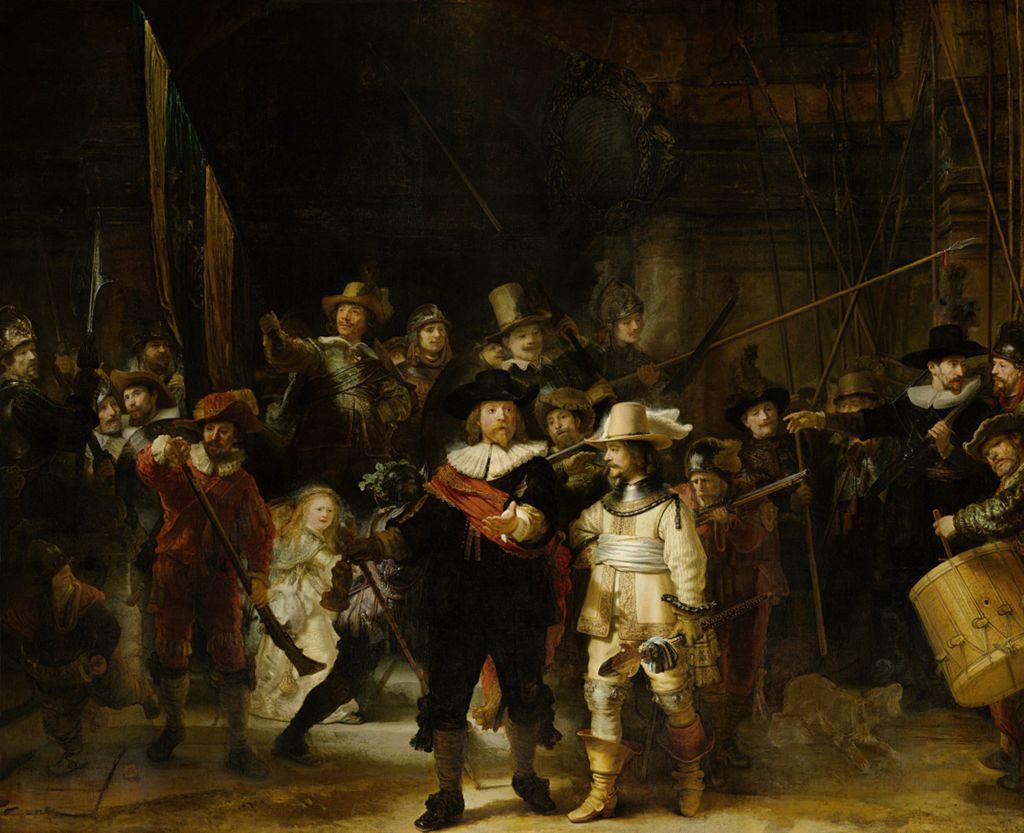
Title: The Night Watch (The Company of Captain Frans Banning Cocq)
Artist: Rembrandt van Rijn
Materials: oil/canvas
Location/Year: Amsterdam, Netherlandsa c. 1642
Chiaroscuro
Use of strong contrasts between light and dark to create the illusion of volume and depth in two-dimensional art.
Foreshortening
Technique that depicts an object or figure in perspective to make it appear as if it recedes sharply into space.
Painterly
A style where brushstrokes are visible and expressive, emphasizing texture and movement over precise detail.
Sfumato
Soft, smoky blending of colors and tones without harsh outlines, creating a hazy, atmospheric effect.
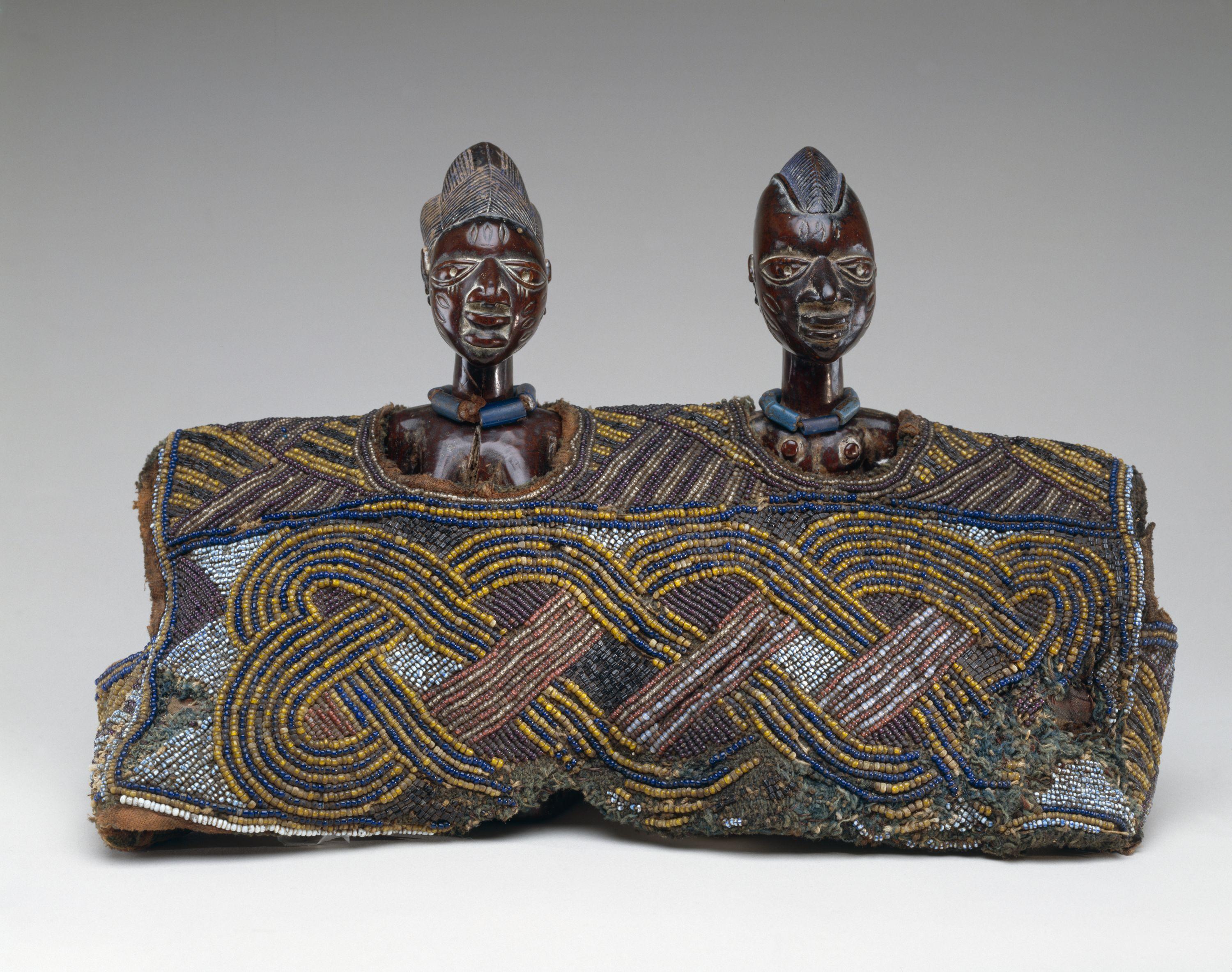
Title: Twin Figures (Ere Ibeji)
Culture: Yoruba Culture
Materials: wood/glass beads/ cotton/ coconut shell beads/ pigments (indigo, tukula)
Location/Year: Nigeria. Early 20th C.
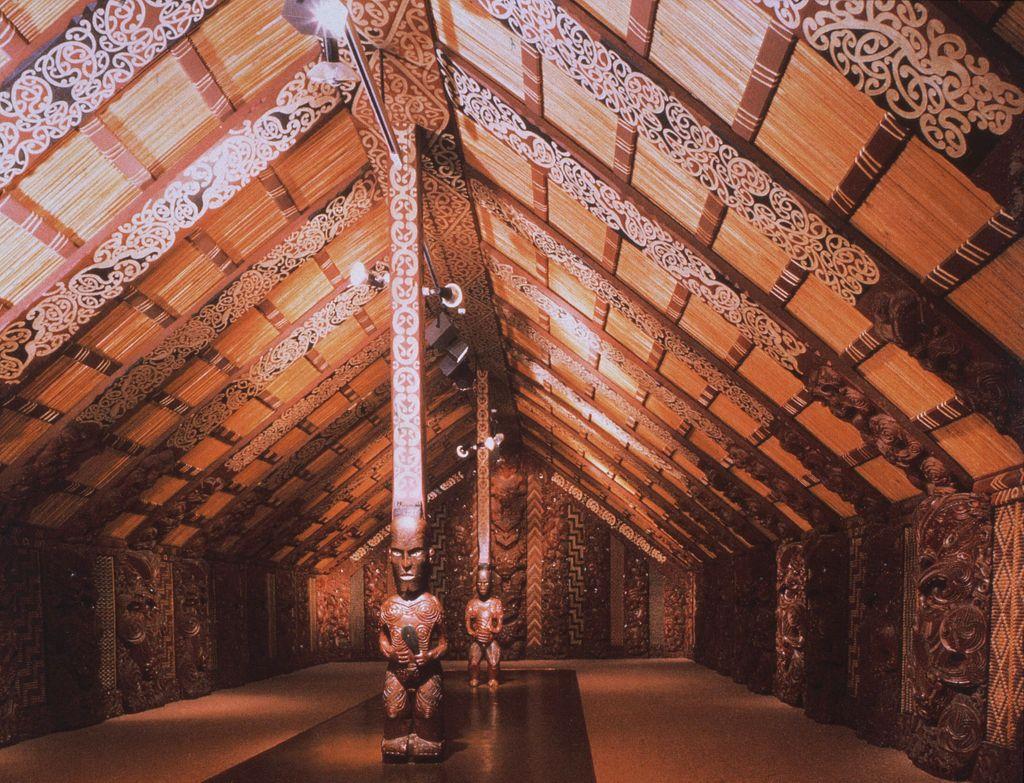
Title: Te-Hau-Ki-Turanga (Maori Meeting House)
Artist: Raharuhi Rukupo (master carver) /women weavers
Materials: wood/shell/grass/flax/pigments
Location/Year: New Zealand, 1842-1843, restored 1935
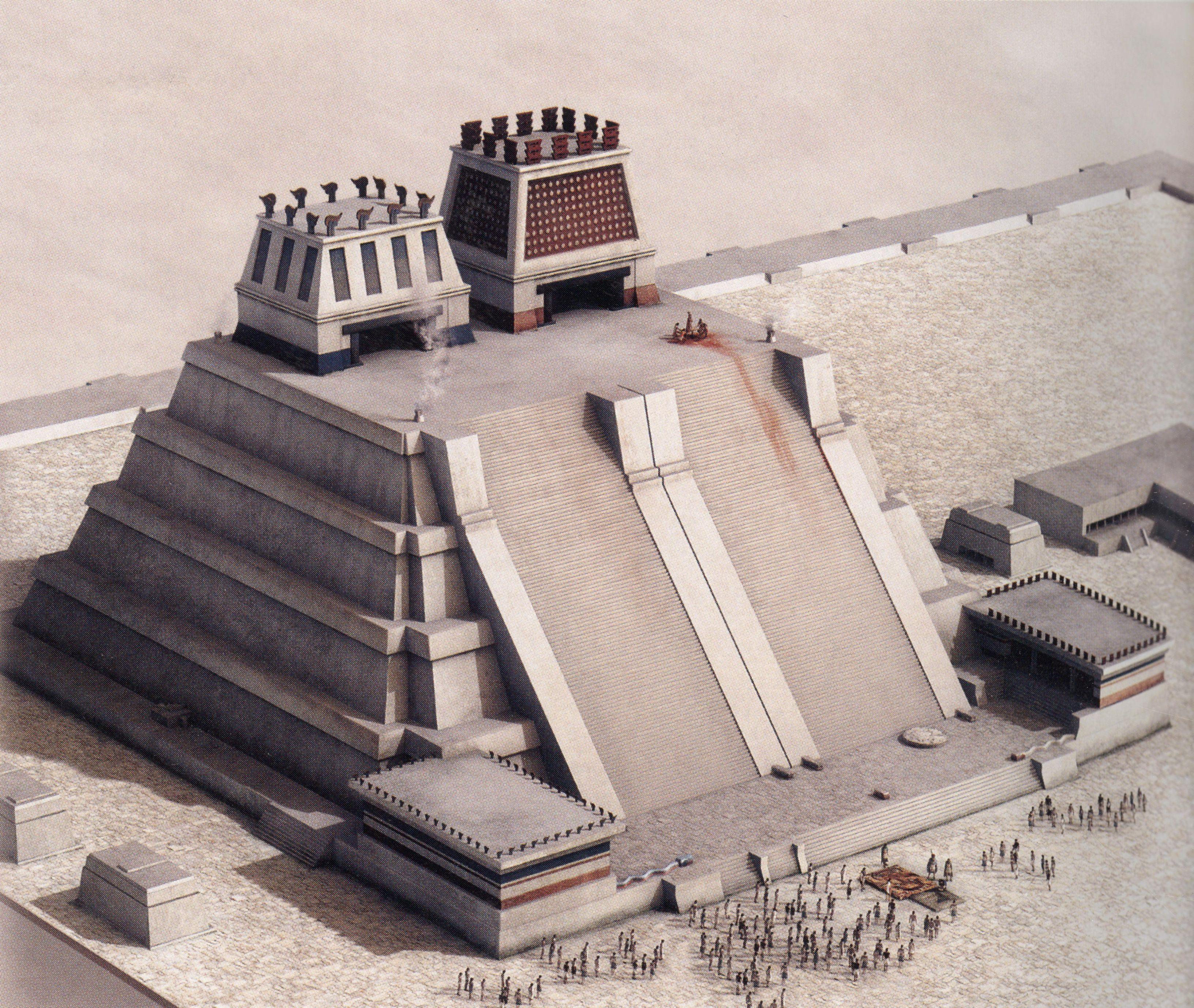
Title: Templo Mayor (Great Aztec Pyramid)
Artist:
Materials:
Location/Year: Tenochtitlan (Mexico City) reconstruction, c. 1500
Contextualism
understanding art by looking at its cultural, religious, and social background.
 Note
Note  Flashcards (54)