bio 311C
 Call Kai
 Learn
Learn Practice Test
 Spaced Repetition
 Match
Match Flashcards
 Knowt Play
1/127

There's no tags or description
Looks like no tags are added yet.
Name | Mastery | Learn | Test | Matching | Spaced | Call with Kai | Chat |
|---|
No analytics yet
Send a link to your students to track their progress
128 Terms
what is cellulose?
a polymer found in plant walls. cellulose is hydrophobic, which helps seal it from water.
what is a polymer?
polymers are built from monomers. polymers can become macromolecules.
what are lipids?
lipids are insoluble steroids. sex hormones like estrogen and testasterone are all lipids.
how do plants use glucose?
plants use glucose as energy. glucose is a starch. therefore, plants use starch for energy.
what are carbs, and how do carbs relate to other building blocks of biology?
carbs are a complex form of sugars/sugar polymers. polymers are made of sugar monomers, or monosaccharides.
these polymers can also be called polysaccharides
glucose is the most common carb.
also, animals use carbs for energy, and plants use it as a storage element.
what are the three elements of a nucleotide?
nitrogenous base, phosphate group, pentose sugar!
what is a phospholipid? why is it important?
phospholipids are lipids usually found in cell membranes. they have a head and a tail. one side is hydrophobic, and the other is hydrophilic. this helps keep water out of cells. phospholipids make up cellulose (cell membrane material).
they are made of two fatty acids and PO4

what is an ingredient found in all amino acids?
NH2
describe each step in the protein structure formation
a string of amino acids is in a line in a 2D shape
hydrogen bonds help create a pleated sheet and helix sheet in a 3D way
the proteins form into a 3D blob shape
(optional) more than one amino chain join together! (polypeptide)

denaturation
a protein that was folded up springs apart and looks weird. this affects the protein’s ability to work properly.
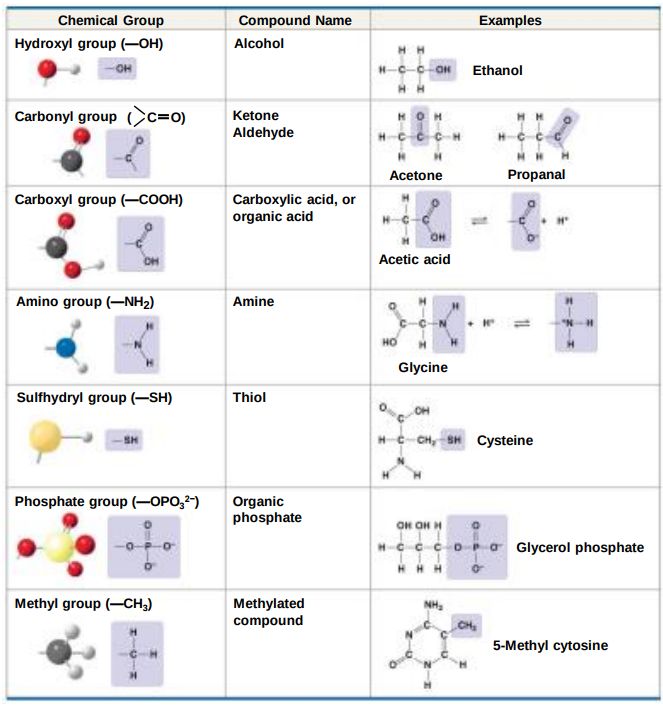
what are the 7 chemical groups? which are hydrophilic?
hydroxyl, carbonyl, carboxyl, amino, sulfhydryl, phosphate, methyl
the only hydrophobic one is methyl
polypeptide
a chain of amino acids linked by dehydration
dehydration is when H20 is released
when do buffers work?
when a weak acid or weak base is ionized (charged) in water
when will a bond be polar covalent? what is a general “key player” element?
oxygen is very electronegative and a key player! most of the essential elements will be polar when connected to oxygen, including N, C, and H
PC scale is from 0.4→1.8
why does ice float? (and why does that matter)
ice floats because of the hydrogen bonding in water. when water freezes it goes into a rigid lattice which makes it more spread apart. ice insulates ice systems for many animals and plants. without ice lots of creatures wouldn’t be around today.
is a bond inside an H2O molecule a hydrogen bond? why or why not?
NO!! hydrogen bonding is an INTERmolecular force. inside an individual molecule, you would have covalent bonding instead.
what is an amphithatic molecule
a phospholipid is an amphithatic molecule!!
part is polar, and the other part is not.

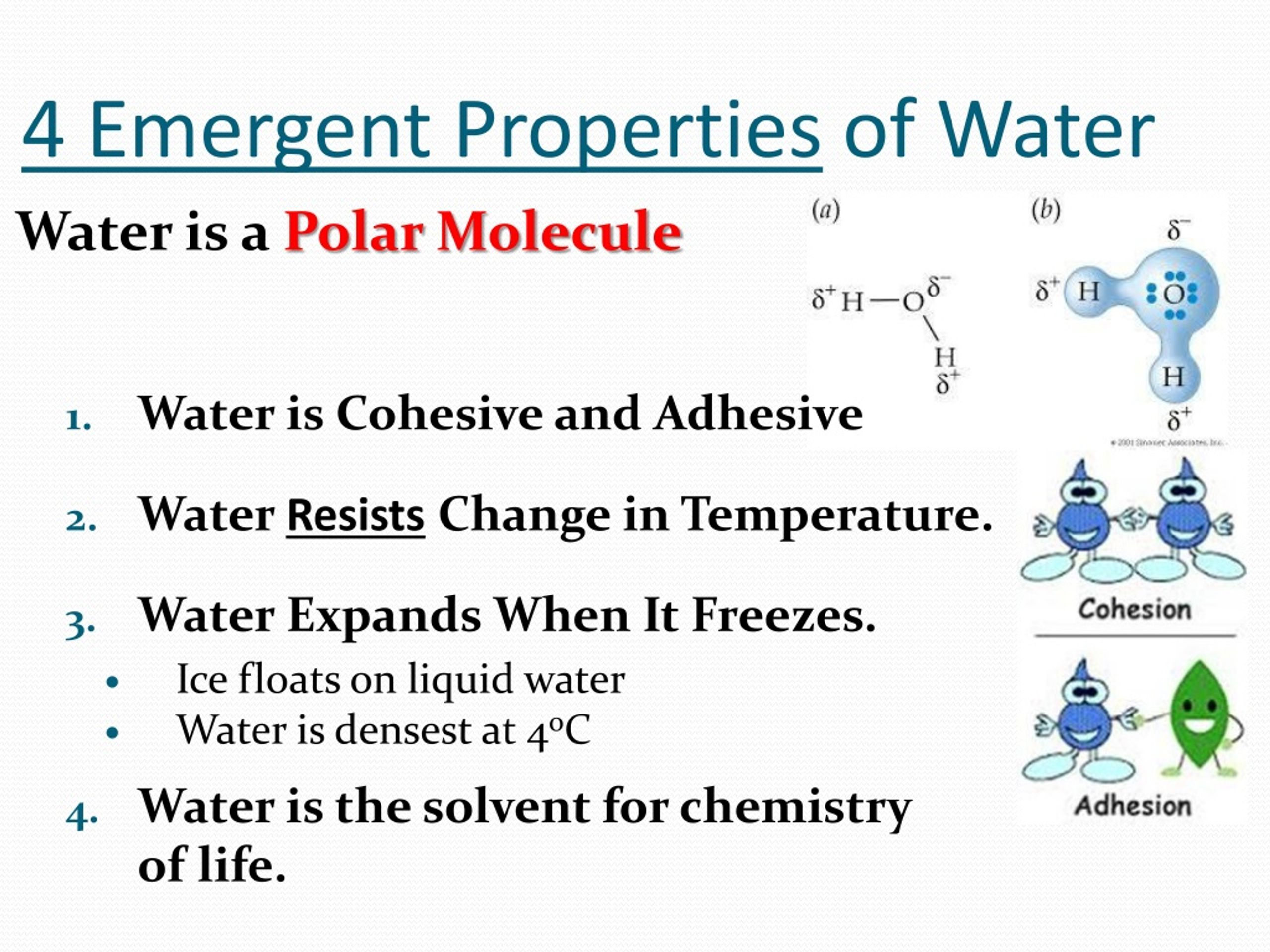
what is cohesion? what is adhesion?
cohesion is when things that are the same stick together, like water molecules. adhesion is different things sticking together, like water attaching to an object.
why is carbon so important? adding onto that, why is carbon and hydrogen TOGETHER important?
carbon can form 4 bonds, which helps it take multiple shapes, thus creating diversity of life. in a similar sense, hydrocarbons (H + O) are attached to other objects. they are NP which can change the attraction of a molecule.
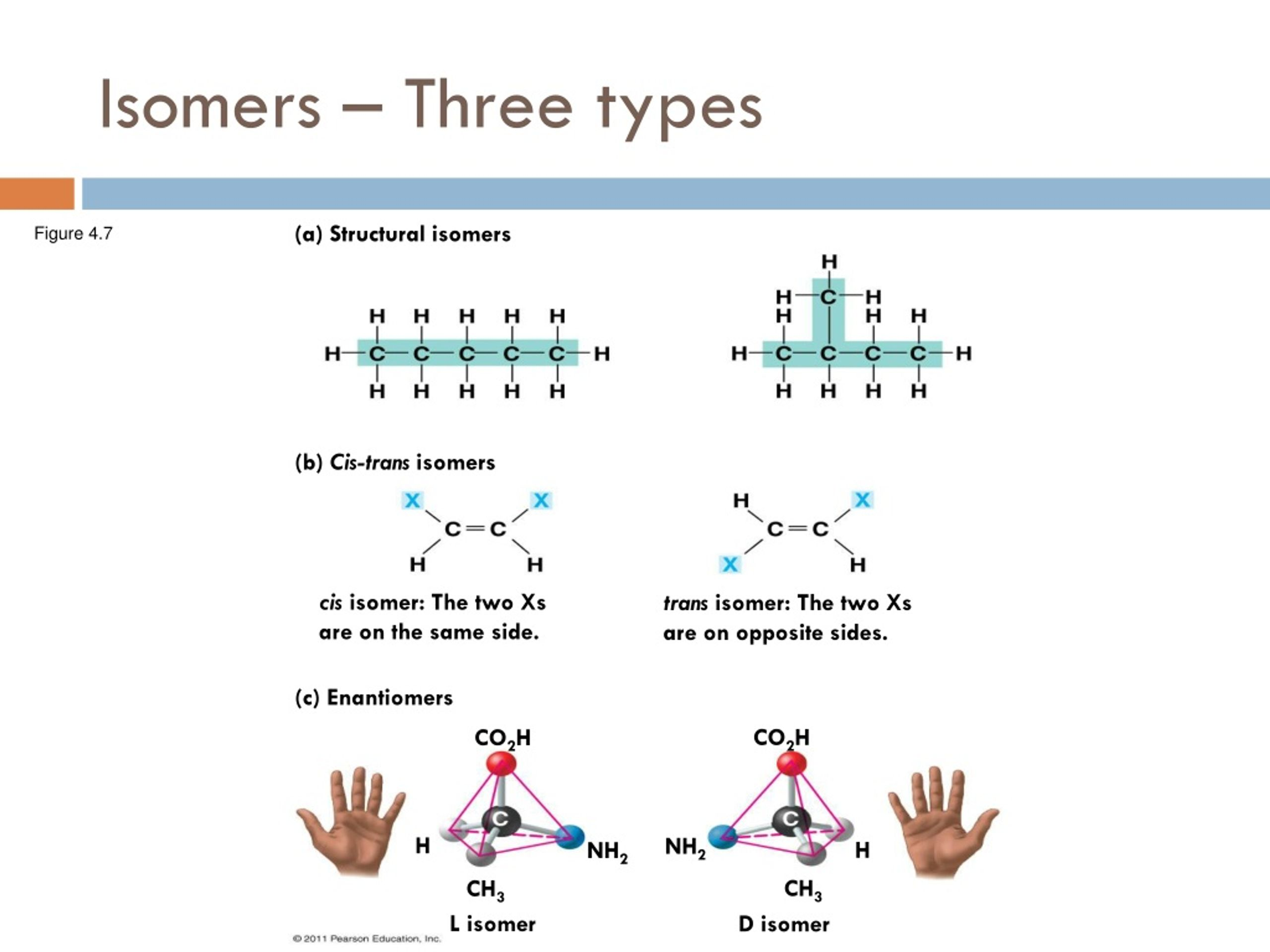
what are the 3 types of isomers?
structural: the covalent bonds are positioned in different ways
cis-trans: the arrangements differ because of double bonds.
enatiomers: mirror images of each other, like hands!
there is a general formula for sugars, what is it?
C: 1, H: 2, O: 1
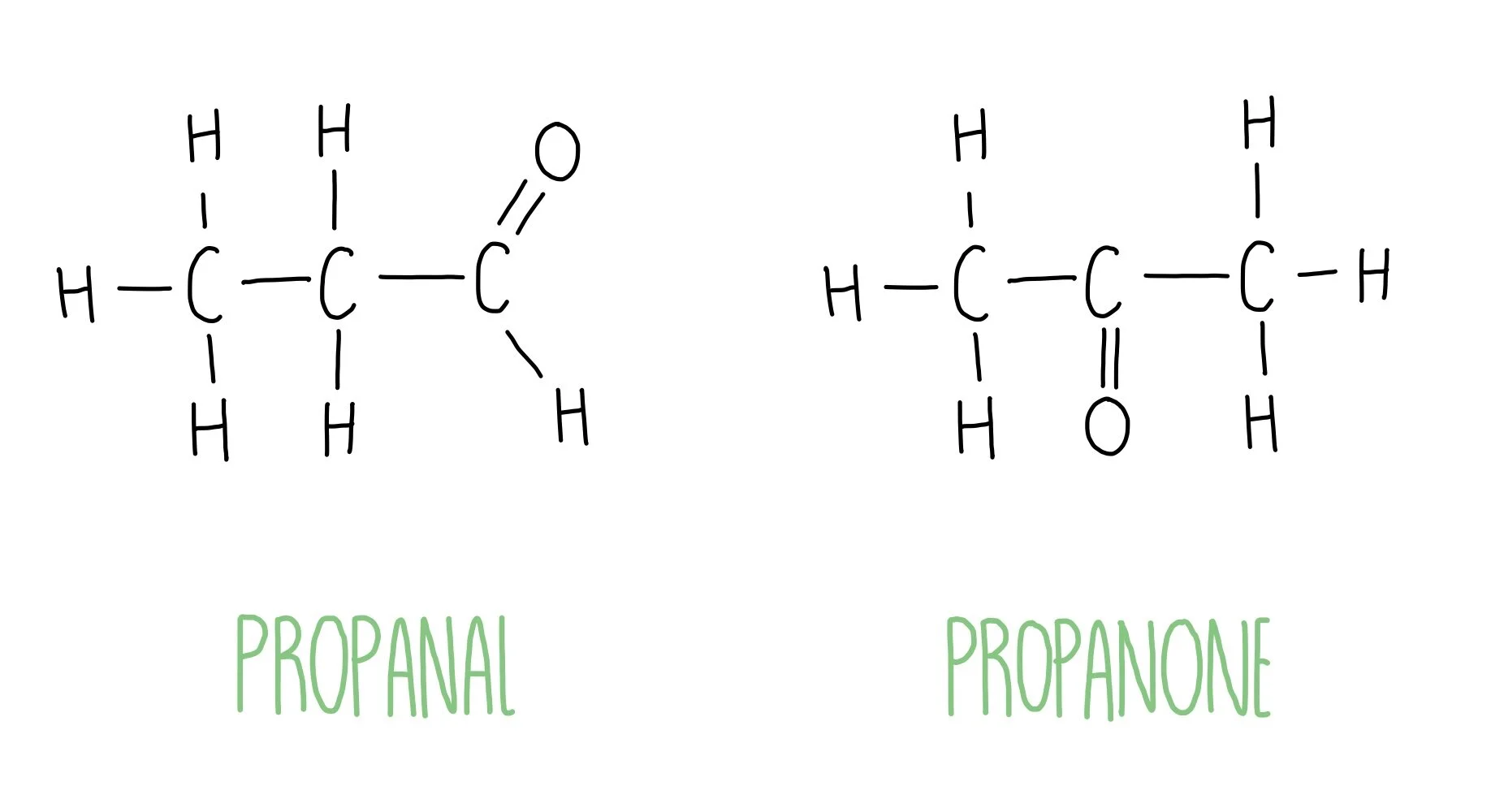
what is a ketone, and what is an aldehyde?
in ketones, the C=O group is in the inside sandwich of a molecule, in aldehydes it is the bread of the molecule
storage polysaccarides
stored sugars for later to create a fuel source. this helps biological forms of life move!
polymer vs. polysaccarides
they are basically the same, but PS is more of a biology term!
structural polysaccarides
used in cell walls, cellulose, etc. to help stabilize
what are lipids?
lipids are NP and don’t like water. think fat (both saturated and unsaturated) as well as phospholipids.
what are proteins? what do they look like up close?
proteins have a variety of functions. enzymes are usually proteins. amino acids make proteins, so proteins are a polymer.
amino acids have 3 groups: an amino group, an R group (determines function! functional group!!!), and a carboxyl group.

know how to draw glucose!
C6H12O6

what are the 4 properties of water?
chitin
a hard shell-like material that protects bugs, or other things
glycogen
energy in animals for short-term storage
(animals use fats for long-term storage)
triglycerols
fats/triglycerols are lipids
they consist of a glycerol linked to a fatty acid and are found in adipose cells
they are used for energy storage
steroids
4 fused rings structure, lipids
found in animal membranes and all sex hormones are steroids
they signal important messages to the body
DNA vs. RNA
DNA:
-double stranded, complimentary, antiparallel, informational, came from RNA
RNA:
-A-U paring, single stranded, multiple versions
A, T, G, C, U spelled out
adenine, thymine, guanine, cytosine, uracil
what does a protein look like? (ionized and regular form)
There are three parts: R group, carboxyl group, and amino group
the carboxyl group is also called the C terminus (C end) and the amino group is the N terminus
in the ionized form, you have a hydrogen moved into the amino group

what holds together the 3^0 structure of a protein
mostly the R groups

what is a gram stain?
a test to see how bacteria differ in the thickness of their cell walls.
what is a histone?
protein found in bacteria and archaea (and euks too)

what does a polysaccharide do for proks?
it becomes the wall of the proks to help them stay formed
chemotrophs
organisms that use inorganic substances for energy
anaroebic vs. aerobic
anti vs. pro oxygen!
note: a facultative anaroebe can be either one
how did life originate, and what are some of our theories behind it
-RNA came first, it was unstable but has ribosomes that can catalyze
-selectively permeable membranes
mutation
altering part of genetic code

transduction
virus is transferred from one bacteria to another

transformation
a cell changes itself based on the injection of outside DNA through a plasmid

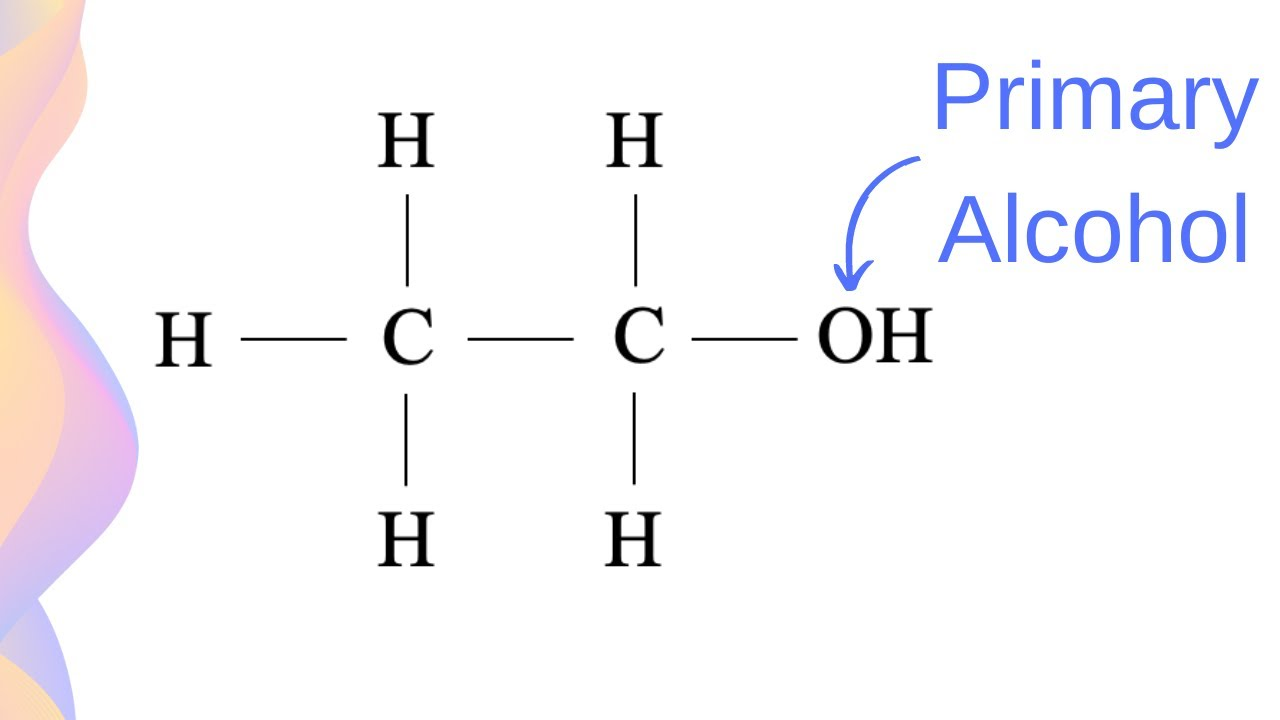
what does an aldehyde always look like

what does a ketone always look like

what does an alchohol always look like
anything attached to the O-H
how can you tell the difference between DNA and RNA based on only their sugar
DNA will always have one less oxygen

QUICK! name the bases of each of these macromolecules:
carb
protein
lipid
nucleic acid
carb
-monosaccharides/di/poly
protein
-amino acid
lipid
-fatty acid + glycerol
nucleic acid → chromosomes
-nucleotides
QUICK! list as many differences between DNA and RNA as you can

what is the template strand of DNA? antisense? noncoding? coding? sense?
the template strand of DNA is also the antisense and noncoding strand
the coding strand is also the sense strand
example
template: 3’ ATG 5’
coding: 5’ TAC 3’
mRNA: 5’ AUG 3’
so the coding strand and the mrna should be really similar except the T and U
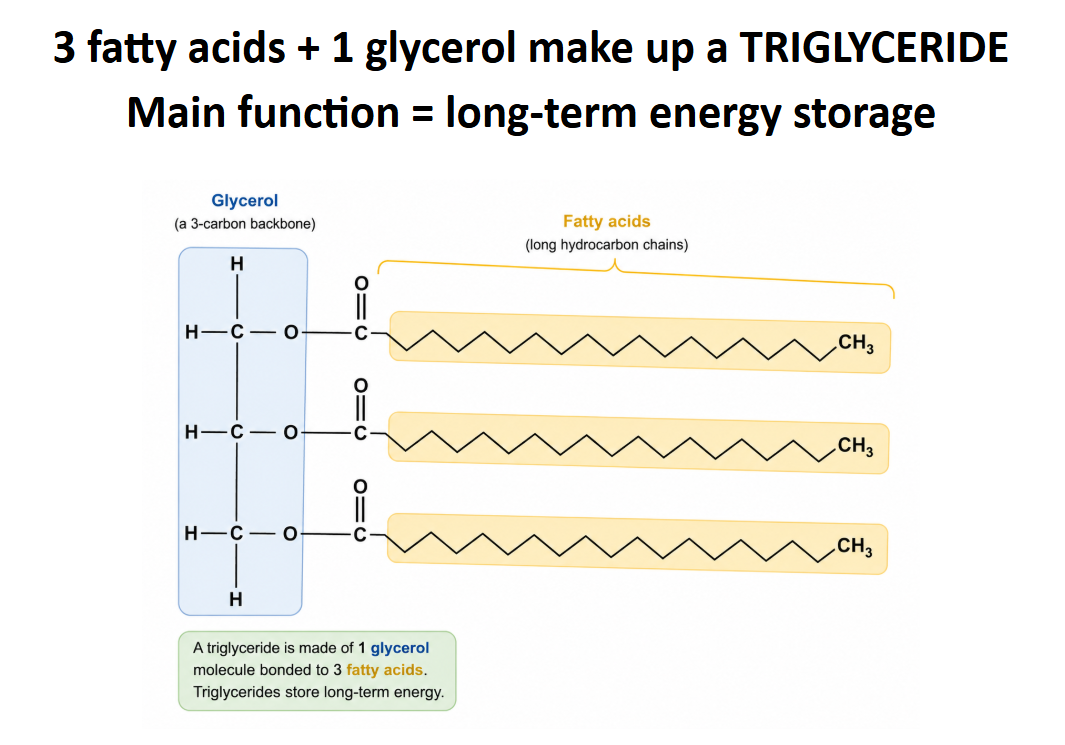
triglyceride
what does a wax look like
fatty acid + alchohol type of lipid
water proofing!
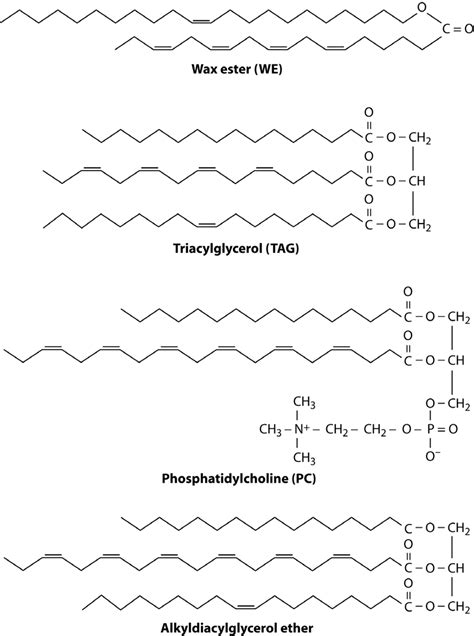
there actually aren’t many differences between saturated and unsaturated fats. what is the biggest difference?
unsaturated fats have double bonds which means there are “kinks.” These kinks prevent molecules from packing tightly, so the intermolecular forces between them are weaker. Less heat energy is therefore needed to separated the molecules and melt the fat.
saturated fats have no kinks. By contrast, saturated fatty acids are stronger, pack more tightly, and have stronger IMFs, so they require more heat to melt.

identify key steps in earth’s timeline
earth is 4.6b years old, but life can be tracked back 4b years. our first sign of life is from stromatolites which are ab 3.7b yrs old. euks are only ab 1.8b yrs old.
euks really started being diversified abt 600mya
we believe we have water because there were massive collisions on earth between rocks and ice which vaporized and created water
what is our theory for how living cells appeared
abiotic organic molecules like amino acids
they became macromolecules
those turned into protocells (prototype for cells now)
pcs replicated
who is the famous scientist duo responsible for testing life on earth, and what did they do?
miller and ulrey determined that organic molecules could have formed before life existed
they tested this by removing any elements not present billions of years ago
miller ulrey is great, but what still needed to be solved
how macromolecules formed? when aminos were put on hot rocks, polypeptides formed
how did they reproduce? the polypeptides were covered by vesicles (lil sacs enclosed by membranes) on these hot rocks. the vesicles grew and split apart, then moved around
so, we can reproduce and have vesicles and process energy etc.

what is the major reason that RNA came first
rna has ribozymes that can make RNA on their own through catalytic processes. they are also single stranded
it’s not stable like DNA but it would evolve and mutate to become DNA later
cyanobacteria
bacteria that provided oxygen and set the stage for early life, it was basically the reason why we are here rn
what the hell is endosymbiosis
an organism lives in another cell and kind of becomes its own thing.
endosymbiont theory—mitochondra + chloroplasts (plastids) exhibited endosymbiosis
-serial endo: plastids came after mitochondria
why do we think this: mitochondria and plastids divide like bacteria, have ribosomes like bacteria, and they are more similar to pks than euks

what are proks’ cell walls made of? what about euks?
proks: peptidoglycan
euks: chitin or cellulose
how does peptidoglycan relate to the gram test
bacteria will have a darker color stain and a thicker cell wall if they are gram + and a thin coloring and thin peptidoglycan means gram -

what are endospores
the original cell makes a copy of itself that develops and then breaks out of the original cell in proks
happens when bacteria cannot get nutrients that they need

what are fimbrae in proks
help pks attach to hosts and get close to them

do all proks exhibit taxis?
taxis is the ability to move towards or away from stimulus. not all proks can do this. the most common form is through flagealla
what is flagealla
it arose independently between bacteria, archaea, and eukaryotes, but is a common form of taxis in bacteria
it kind of looks like a motor of some sorts

know which bases of DNA/RNA are purines vs. pyrimidines

what are some other important traits of PKs? or organization aspects?
-less DNA than EKs
-one circular chromosome
-slightly different ribosomes than EKs which protects EKs from antibiotics
-can use nitrogen for many purposes such as nitrogen fixation
-cooperate with each other to metabolize things
what are obligate aerobes? what are obligate anaerobes?
use O2 vs. die with its presence
autotroph vs. heterotroph

phototroph
use sunlight for energy
how do you know the 1 degree (1 prime) structure of a polypetide if you have the DNA

did chemical or biological evolution come first?
chemical!
major steps of chem. evolution chart

the theory of life is that we all share a common ancestor. that common ancestor would have to be able to do 5 key things. what are they?
-store info
-be copied
-allow mutation or variation
-have stability
-interact with others
what would an early cell have needed?
membrane of some sorts
genetic material to replicate on its own (RNA!!)
metabolic processes to use energy
what is glycolisis
a process used to make ATP (the easiest one)
what is binary fission

what are the big 3 reasons for diverse prokaryotes?
mutation/reproduction
-although pks cannot sexually reproduce, they reproduce incredibly quickly which allows for diversity (even though mutations are rare)
gene recombination
-transformation, transduction, and conjugation are all forms of gene recombination
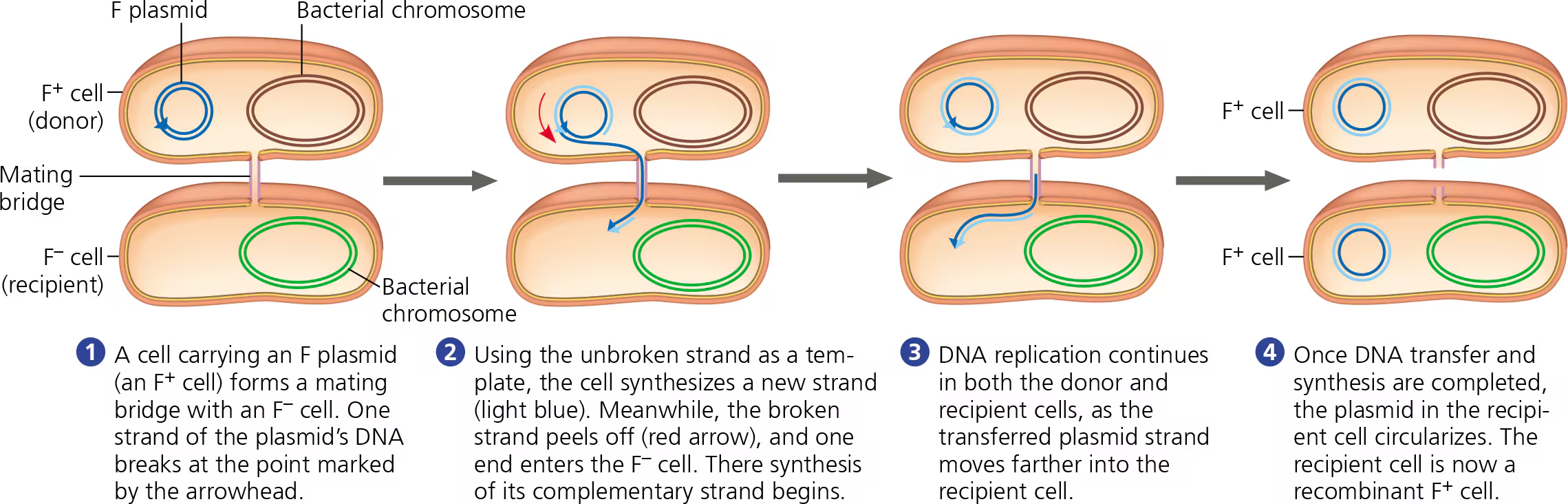
F plasmid/F factor
-fertility factor
Hfr = high frequency of recombination
order these terms? RNA, protein, DNA
dna, rna, protein
explain the f factor process for an f plasmid
bacteria vs. archae vs. eukaryotes
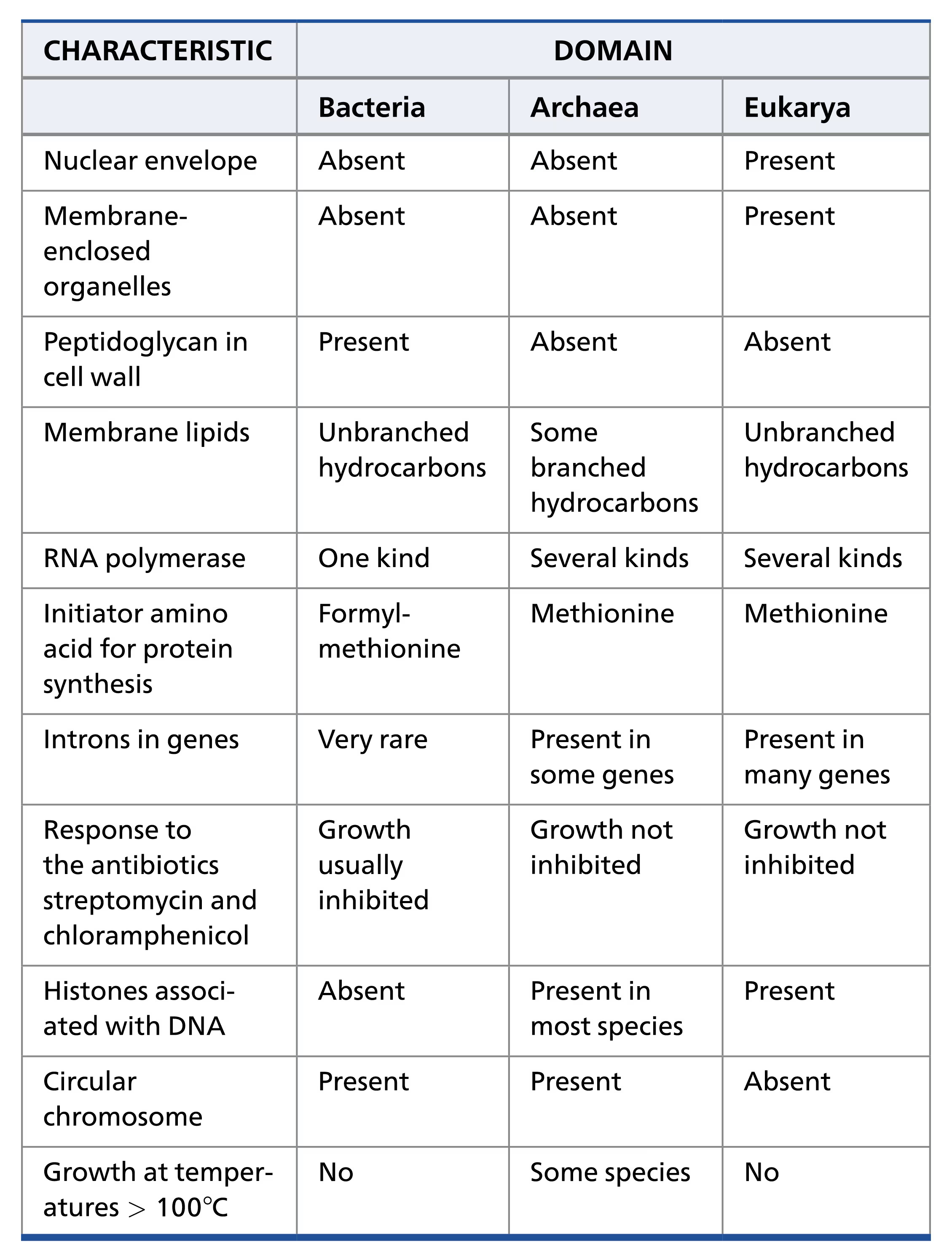
achea vs. bacteria

extreme halophiles
archaea living in very salty environments
extreme thermophiles
archaea living in hot environments
methogens
archaea that release methane to get energy
endotoxins
a feature of gram-negative bacteria that is released when they die and causes many problems like typhoid fever
what is the key feature of an amino acid
C bonded to a O and an N
amino acids on the sides
what is another term for peptide
amide
rough ER
manufacturing center for a cell!
has ribosomes which makes it “rough”
maximizes surface area by having cisterns
golgi apparatus
warehouse that changes things to prepare them for other functions inside/outside of the cell
tight junctions
places where cells are binded together very tightly to make them sealed from the outside
cell fractionation
separating cells into their components, often for experimenting or looking under a microscope.
do chloroplasts and mitochondria belong in the endomembrane system?
NO!! they make their own proteins and lowkey do a lot of stuff on their own so they are left out
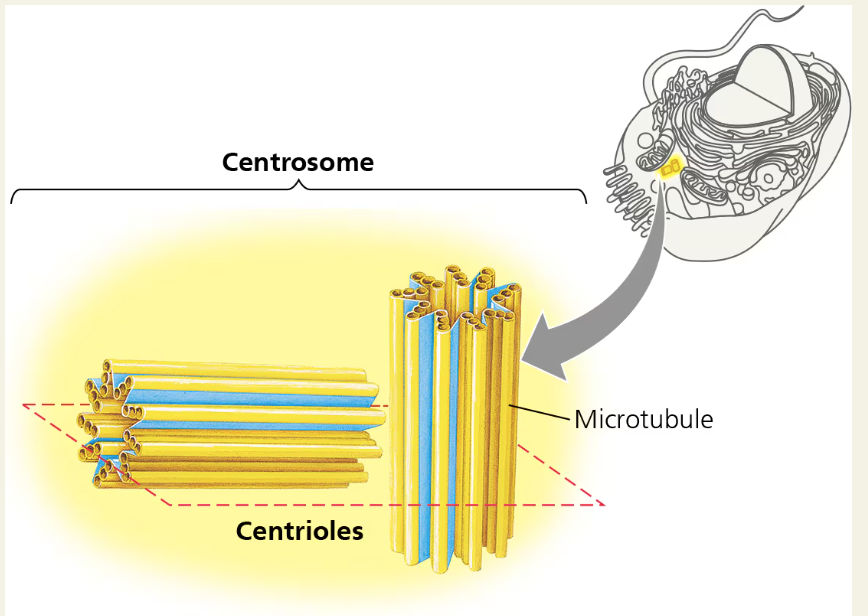
centrioles
organelles only found in animal cells
produce the cytoskeleton proteins in animal cells
2centrosomes = 1 centriole
what are the traits that proks and euks share
they all have ribosomes, plasma membranes, and a cytoplasm. they also have chromosomes and cytosol (because they have a cytoplasm)
plasmodesmata
a place where items can enter plant cells
in many plants, the plant cells are connected through plasmodesmata and they basically create gaps where stuff can move between all of the plant cells freely (so they kind of all work as one)