AP World History Modern - Unit 6 (1750-1900)
 Call Kai
 Learn
Learn Practice Test
 Spaced Repetition
 Match
Match Flashcards
 Knowt Play
1/56

There's no tags or description
Looks like no tags are added yet.
Name | Mastery | Learn | Test | Matching | Spaced | Call with Kai | Chat |
|---|
No analytics yet
Send a link to your students to track their progress
57 Terms
Imperialism
The act of extending the rule or authority over foreign countries - A policy in which a strong nation seeks to dominate other countries politically, socially, and economically.
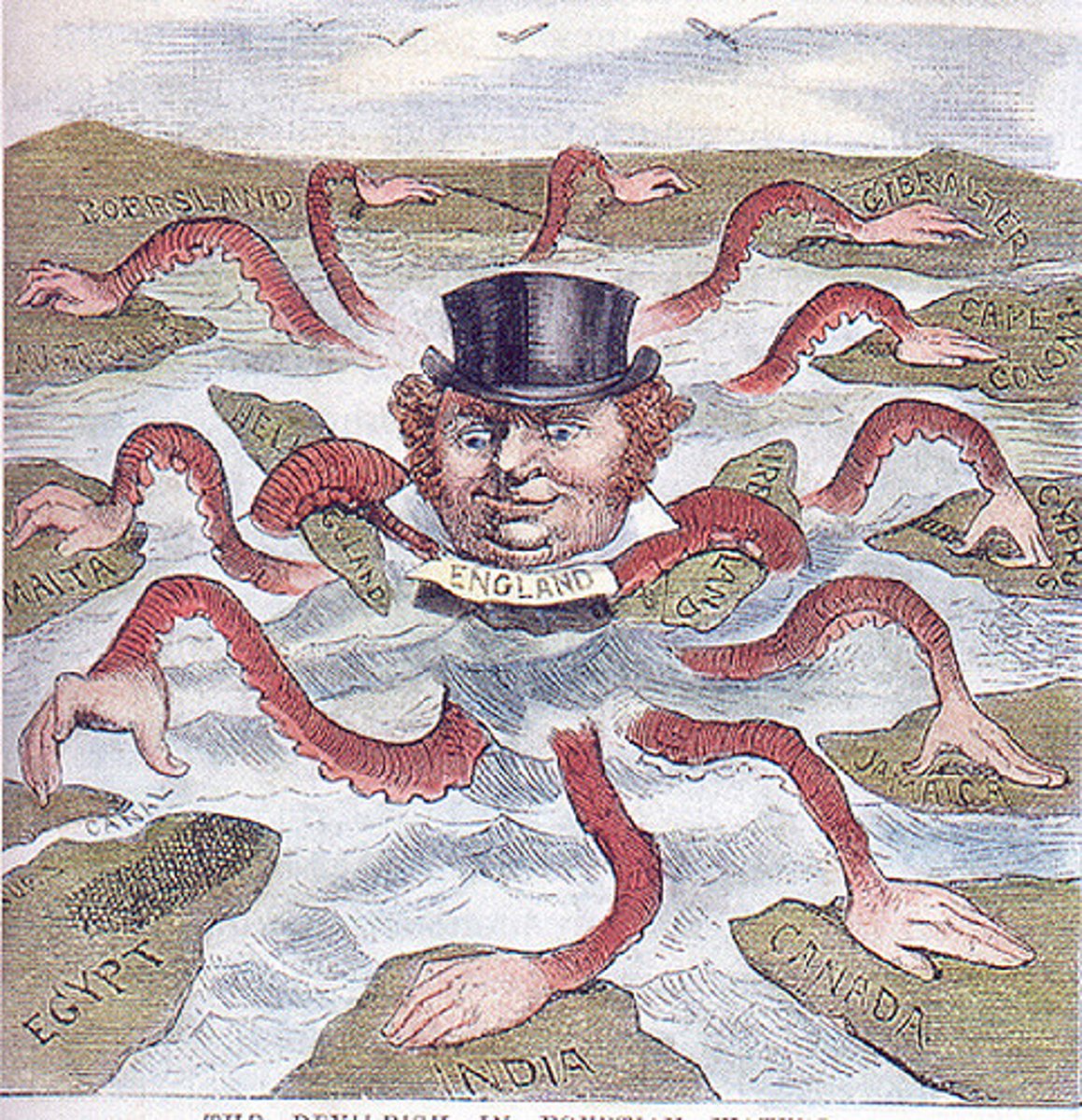
Sino-Japanese War
1894 Japan's imperialistic war against China to gain control of natural resources and markets for their goods. It ended with the Treaty of Portsmouth which granted Japan Chinese port city trading rights, control of Manchuria, the annexation of the island of Sakhalin, and Korea became its protectorate.
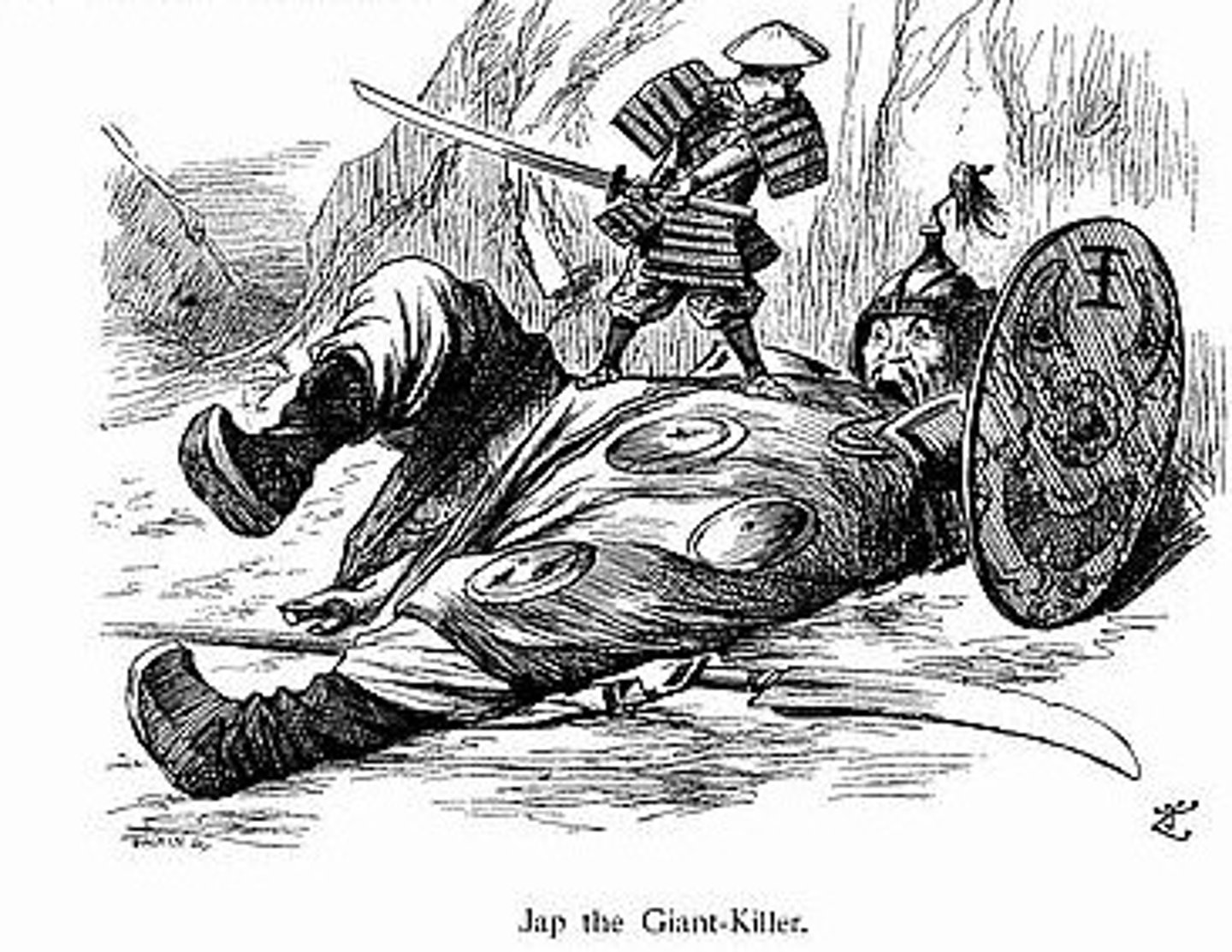
White Man's Burden
1899 Based off of a poem by Rudyard Kipling, the idea of the "duty" to on Europeans to "help" civilize "savages" or primitive people as they were incapable of self-government
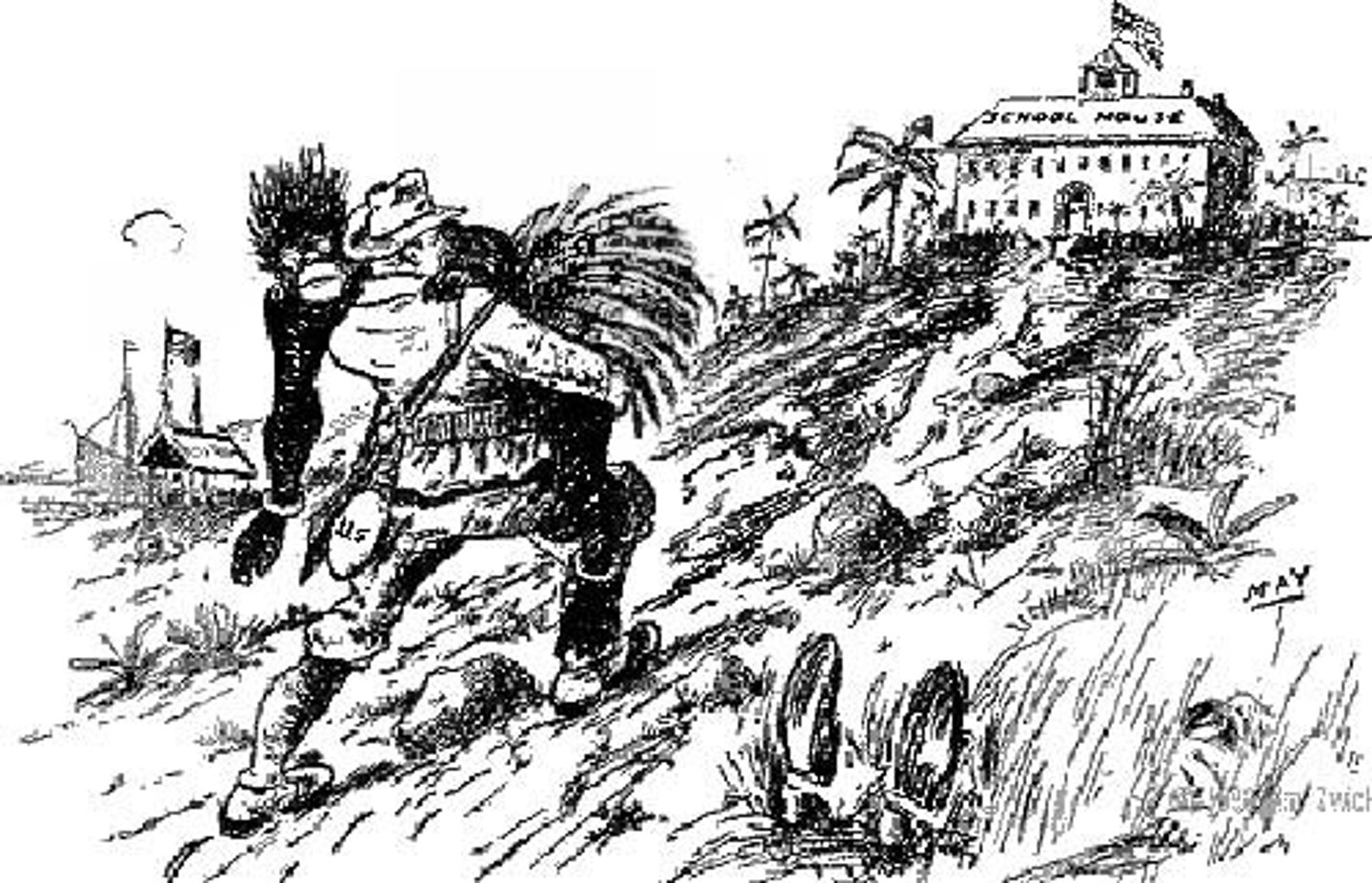
Nation
a people group who share a common culture, language, as well as often religion and same geographic region
Nationalism
idea of devotion to one's country - believing its interests are superior to others Started in 1700's
British East India Company
A British joint stock company that controlled most of India during the period of imperialism. This company controlled the political, social, and economic life in India for more than 200 years. Started 1600
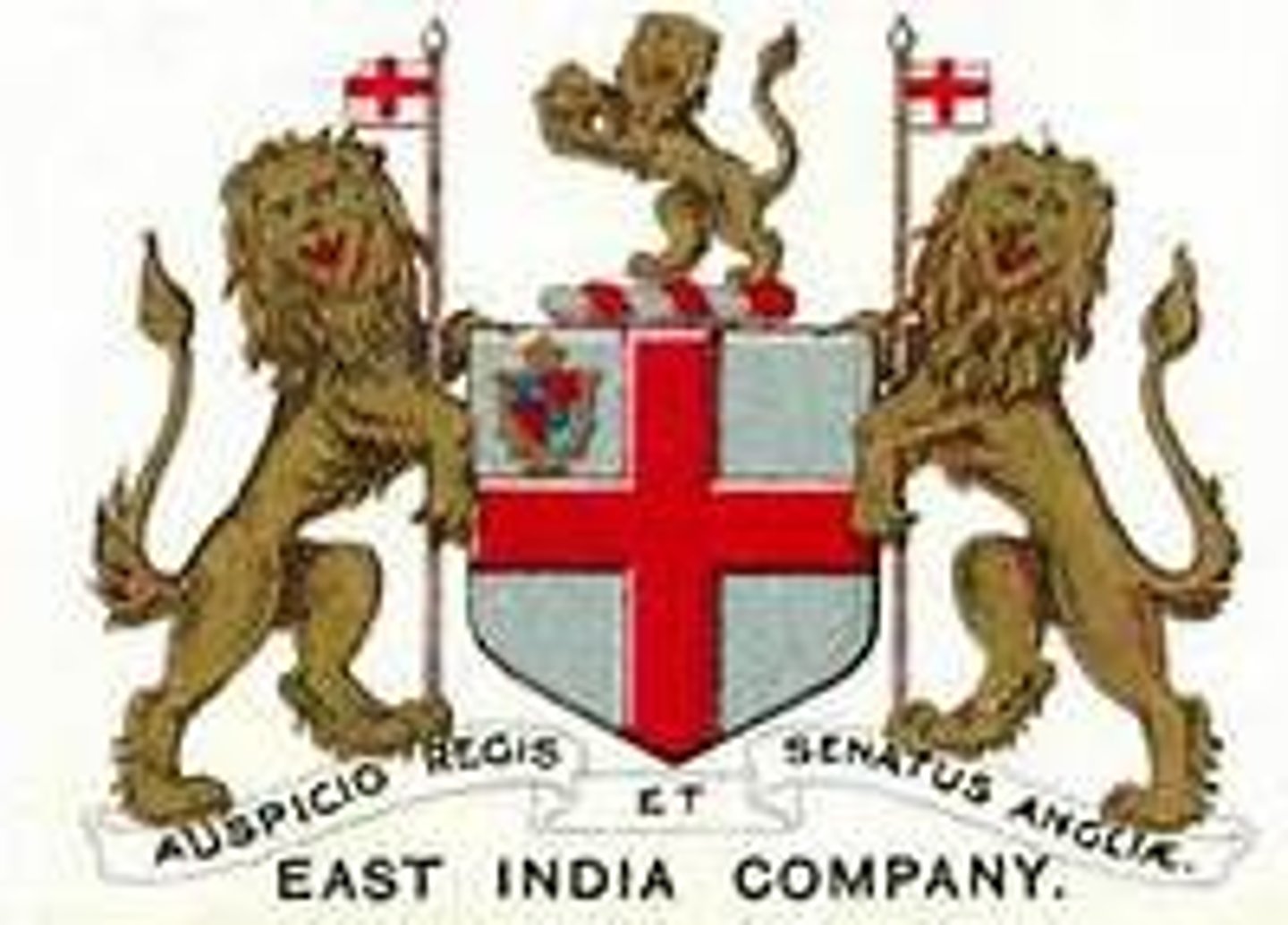
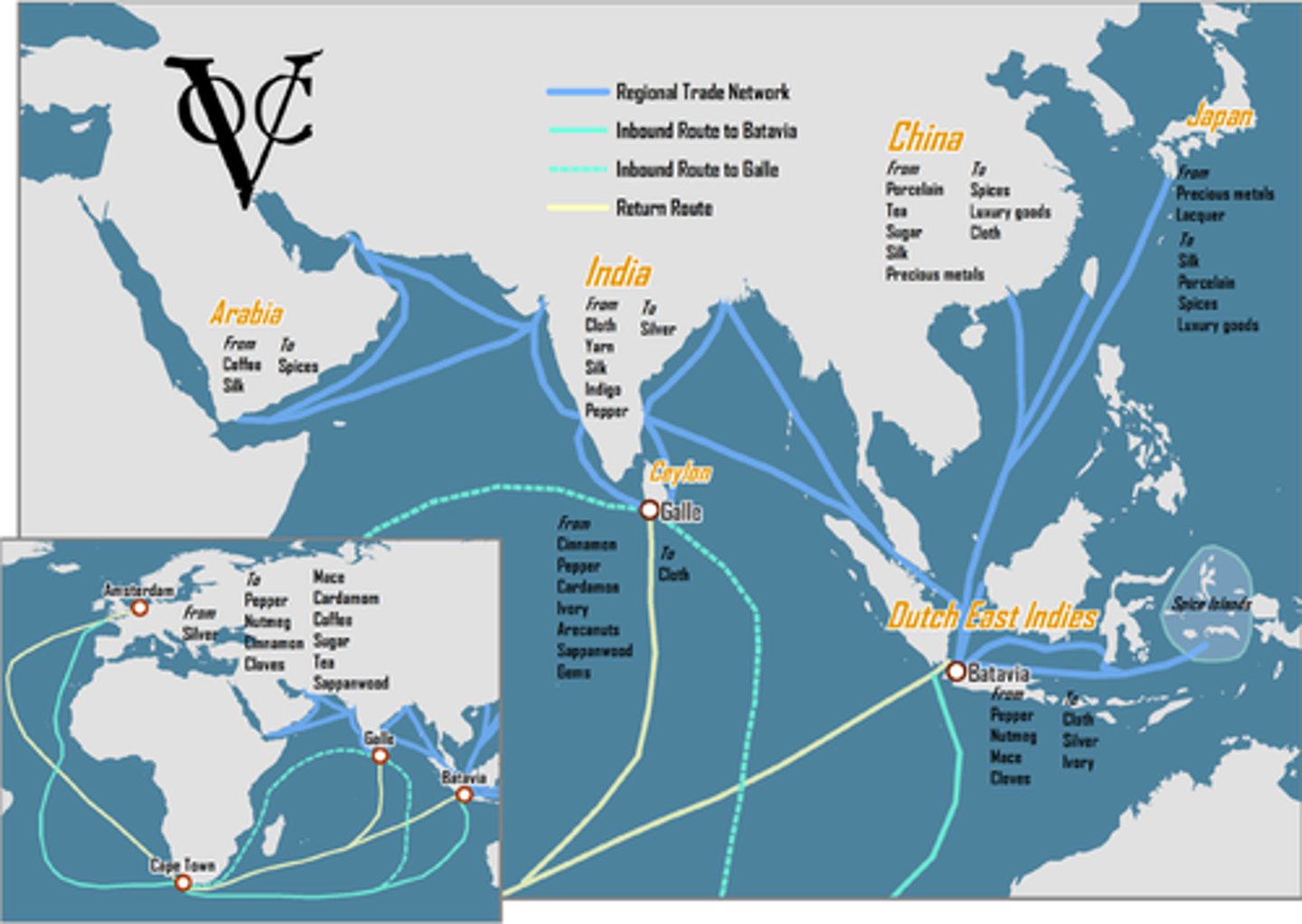
Dutch East India Company
A chartered company established in 1602, when the States General of the Netherlands granted it a 21-year monopoly to carry out trade activities in Asia.
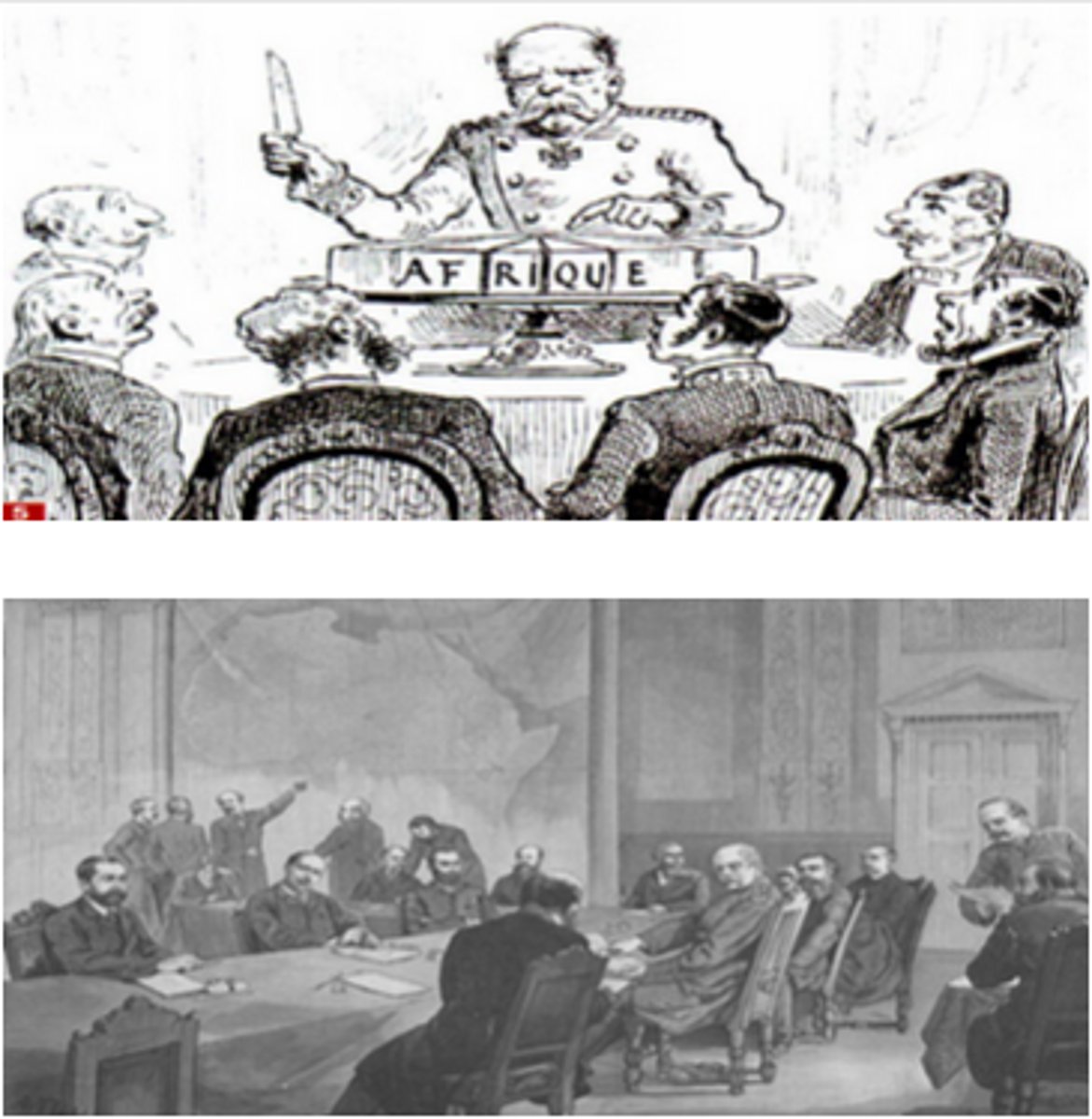
Otto Van Bismarck
Chancelor of Germany who called the Berlin Conference 1885 to prevent conflict between European nations.
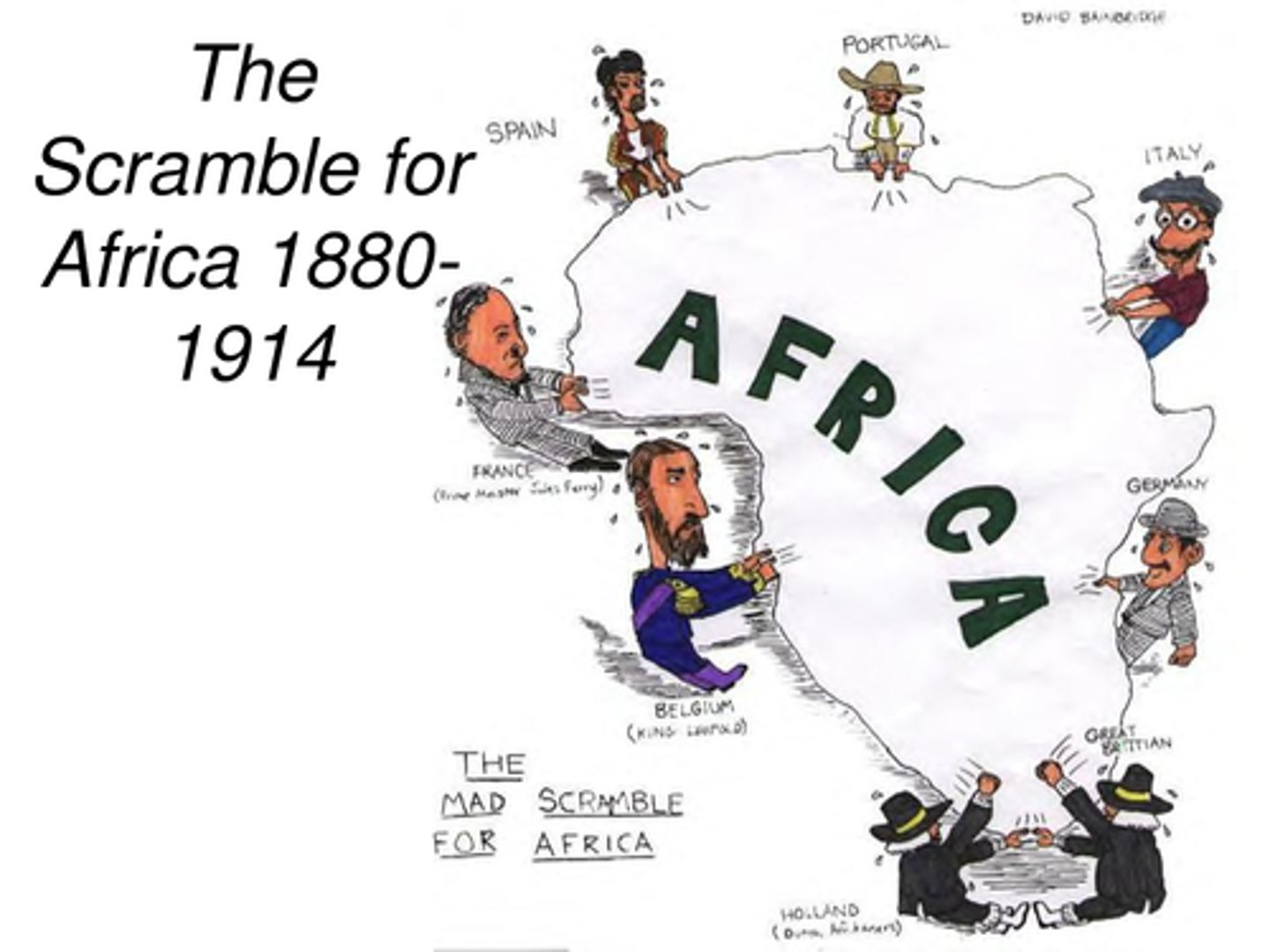
Scramble for Africa
"Rush" to claim lands in Africa
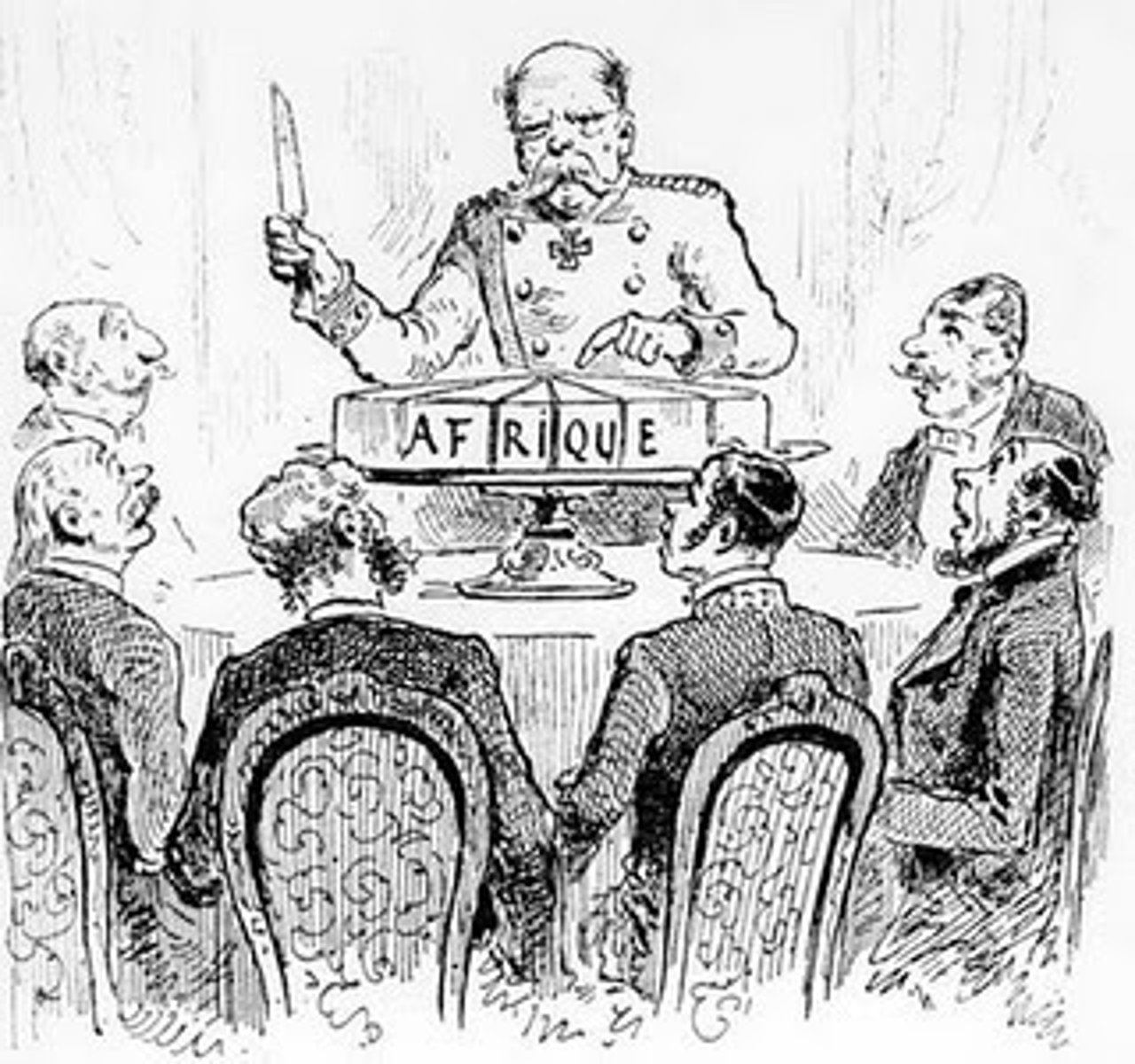
Berlin Conference
A meeting from 1884-1885 at which representatives of European nations agreed on rules colonization of Africa
Racism
prejudice or discrimination based on the belief that one's own race is superior
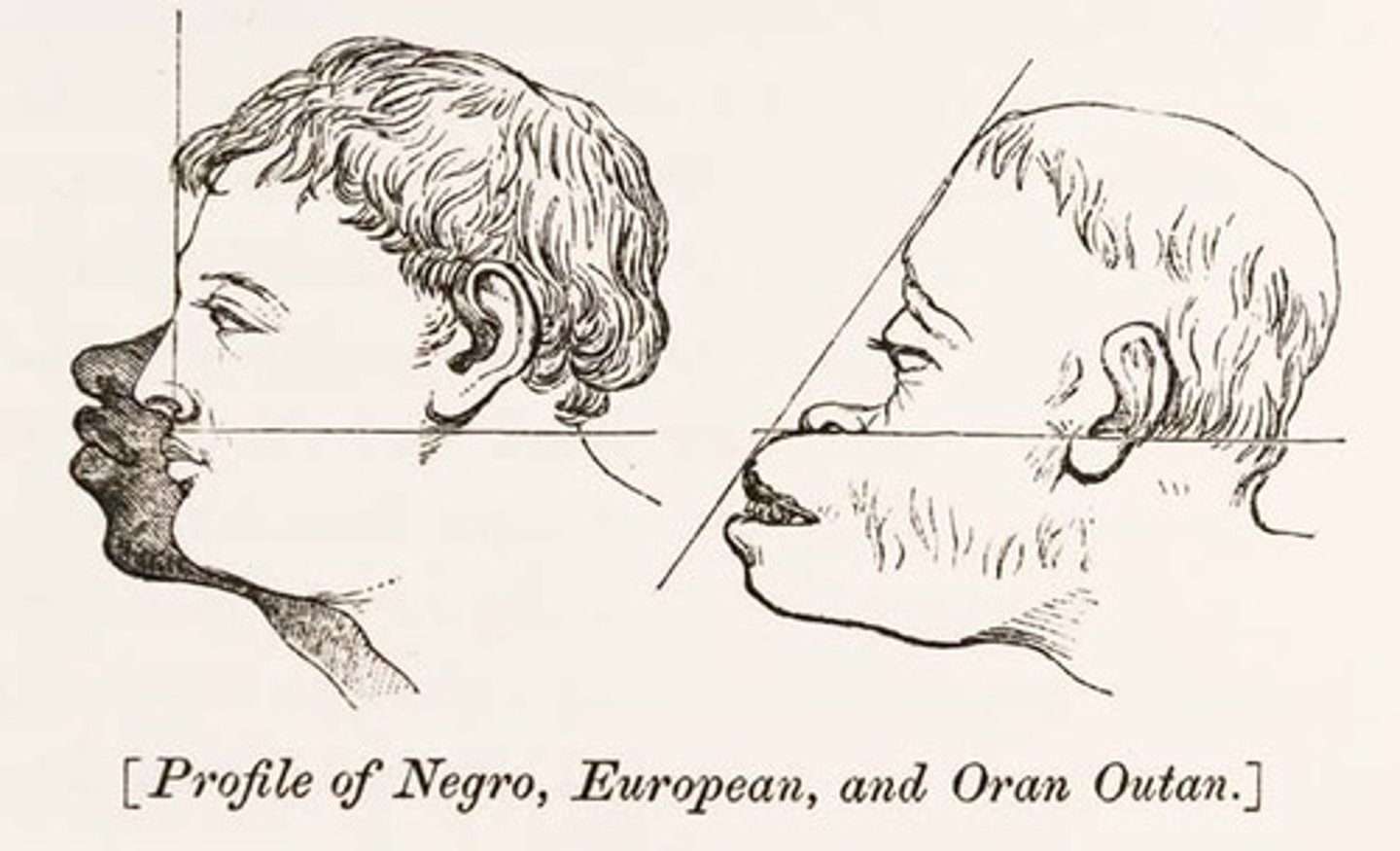
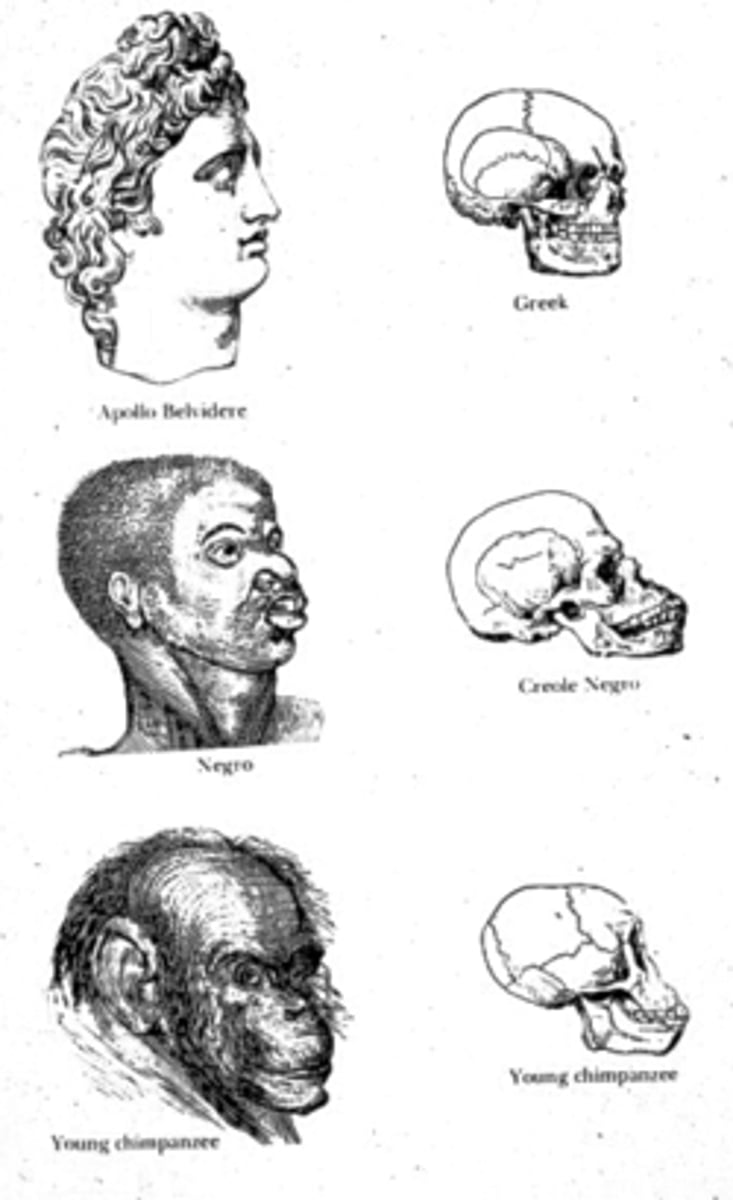
Phrenology
Psuedoscience that believed the study of the size and shape of the skull was indicative of mental faculties, intelligence and character. (started in 1790's_
Colonies of Great Britain
India, Egypt, Sudan, South Africa, Australia, New Zealand, Canada
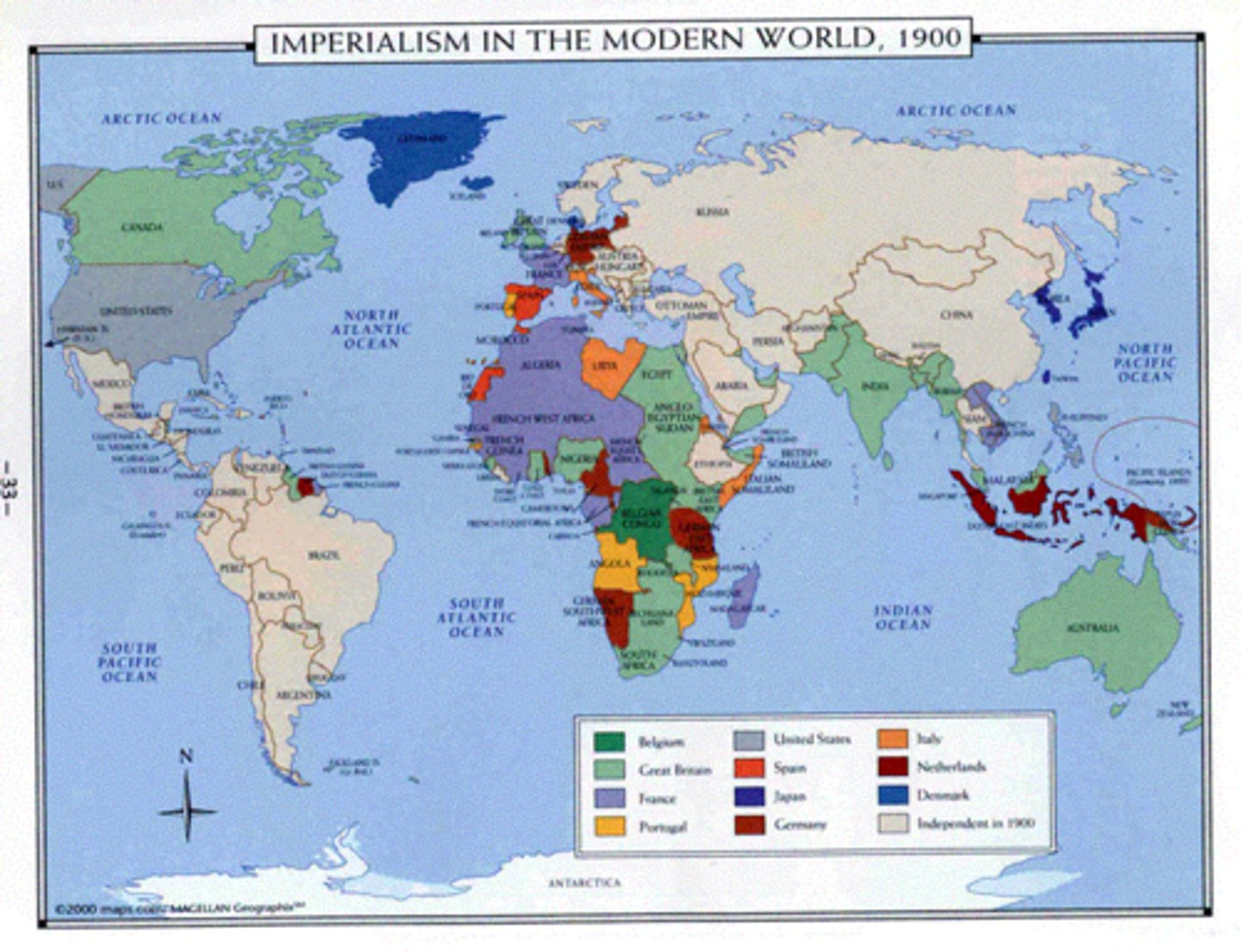
Colonies of France
West Africa (including Algeria) and Southeast Asia (including Vietnam & Laos)
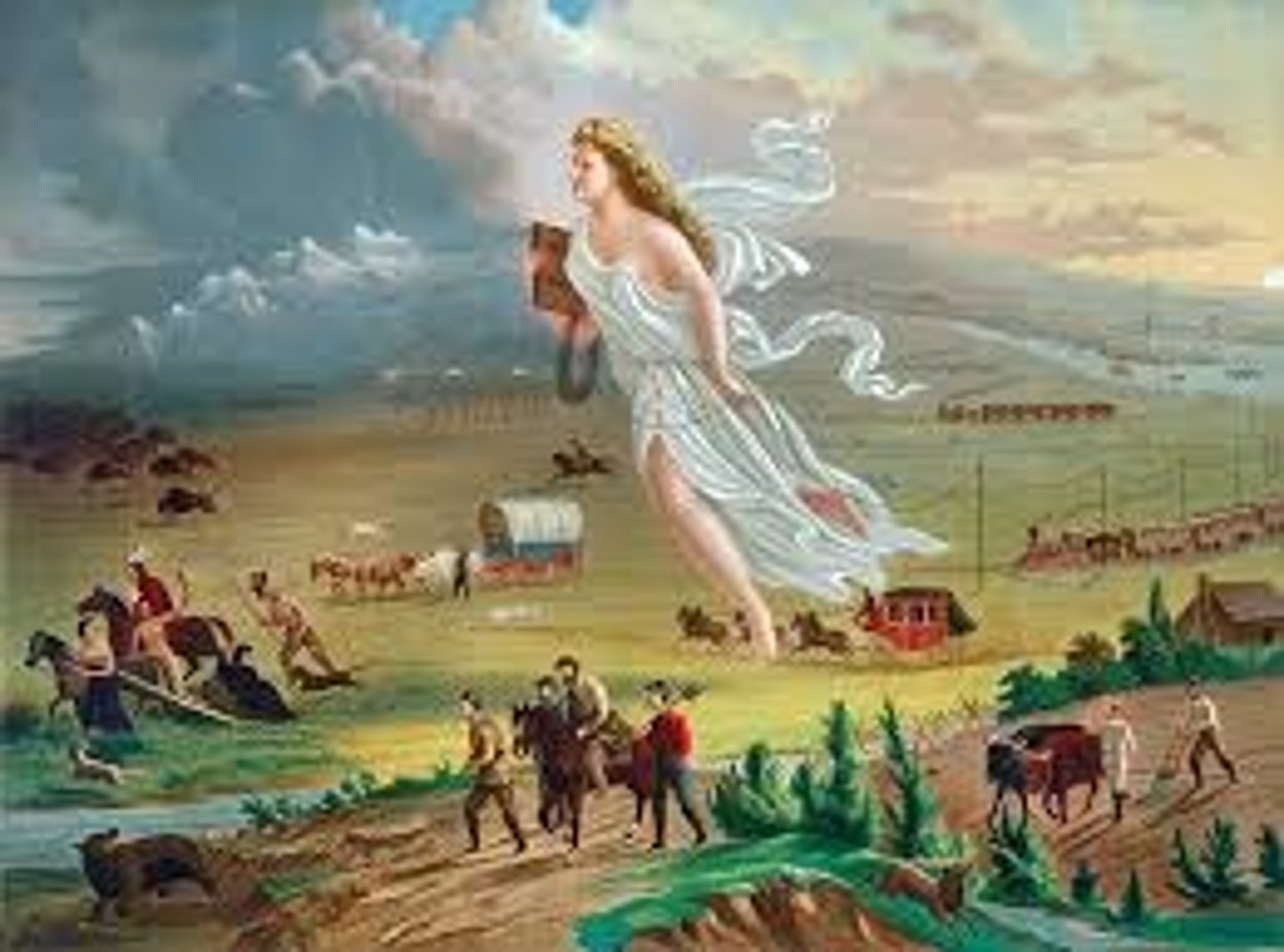
Manifest Desiny
the belief that defended American expansion to the Pacific Ocean saying that it was necessary and destined. (1845)
German Unification (1871)
Otto von Bismark used 3 wars beginning in 1864 to unite the various German populations
Protectorate Status
Allowing local and native-born officials to maintain their power in exchange for certain economic or military concessions such as access to raw resources.
Diplomacy
The practice of conducting negotiations between countries
Anglo-Zulu War
1879 War between the British Empire and the Zulu Kingdom. Notable for several particularly bloody battles, as well as for being a landmark in the timeline of colonialism in the region. The war ended the Zulu nation's independence.
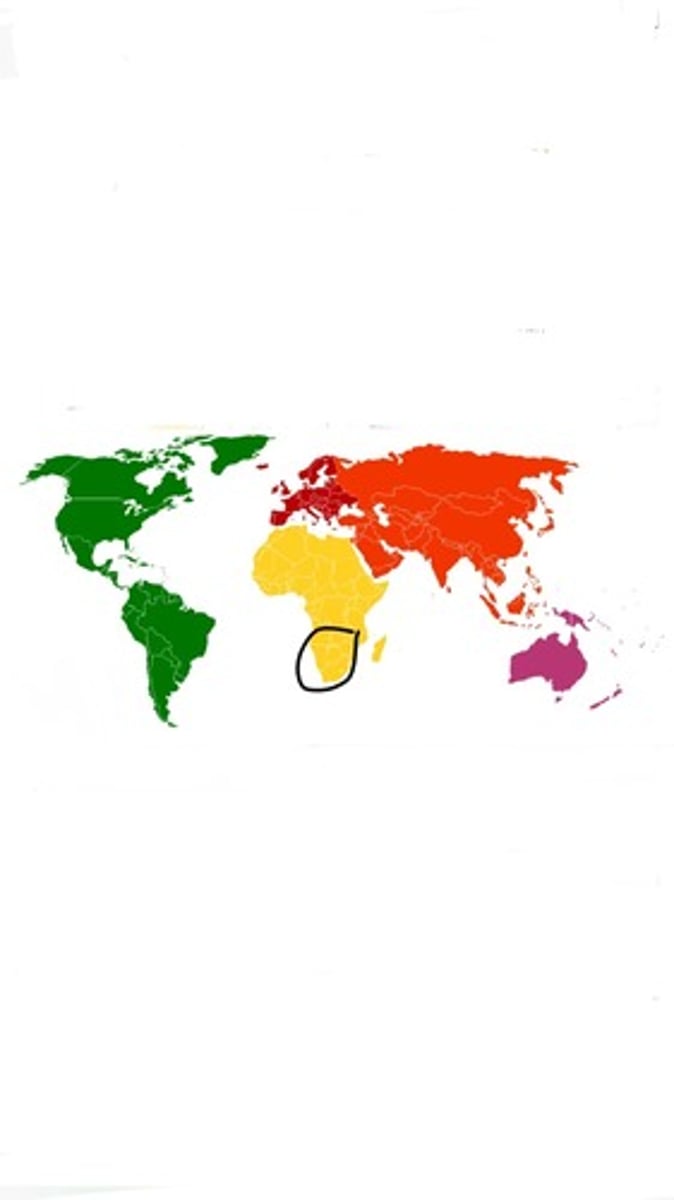
Indian Rebellion of 1857
Sepoys (Indian soldiers) rebelled when learning of rumors that the end of ammunition cartridges were greased using either pork or cow fat, led to an uprising by the soldiers, effect was direct control from the British government rather than the British East India Company
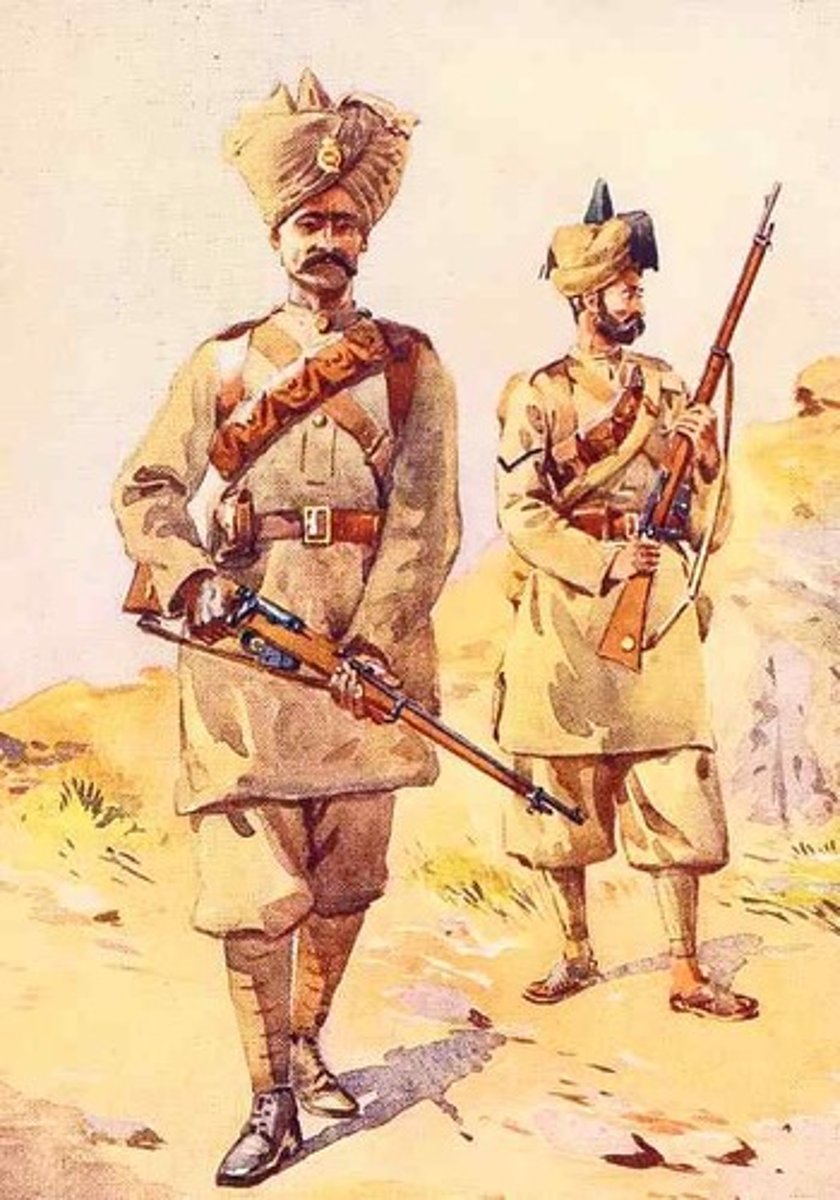
Cattle Killing Movement
1856 Movement in South Africa led by a Xhosa prophetess who believed if they killed their livestock that their ancestors would return to drive out the European settlers. Unfortunately, the Xhosa lost to the British and then suffered from massive starvation.
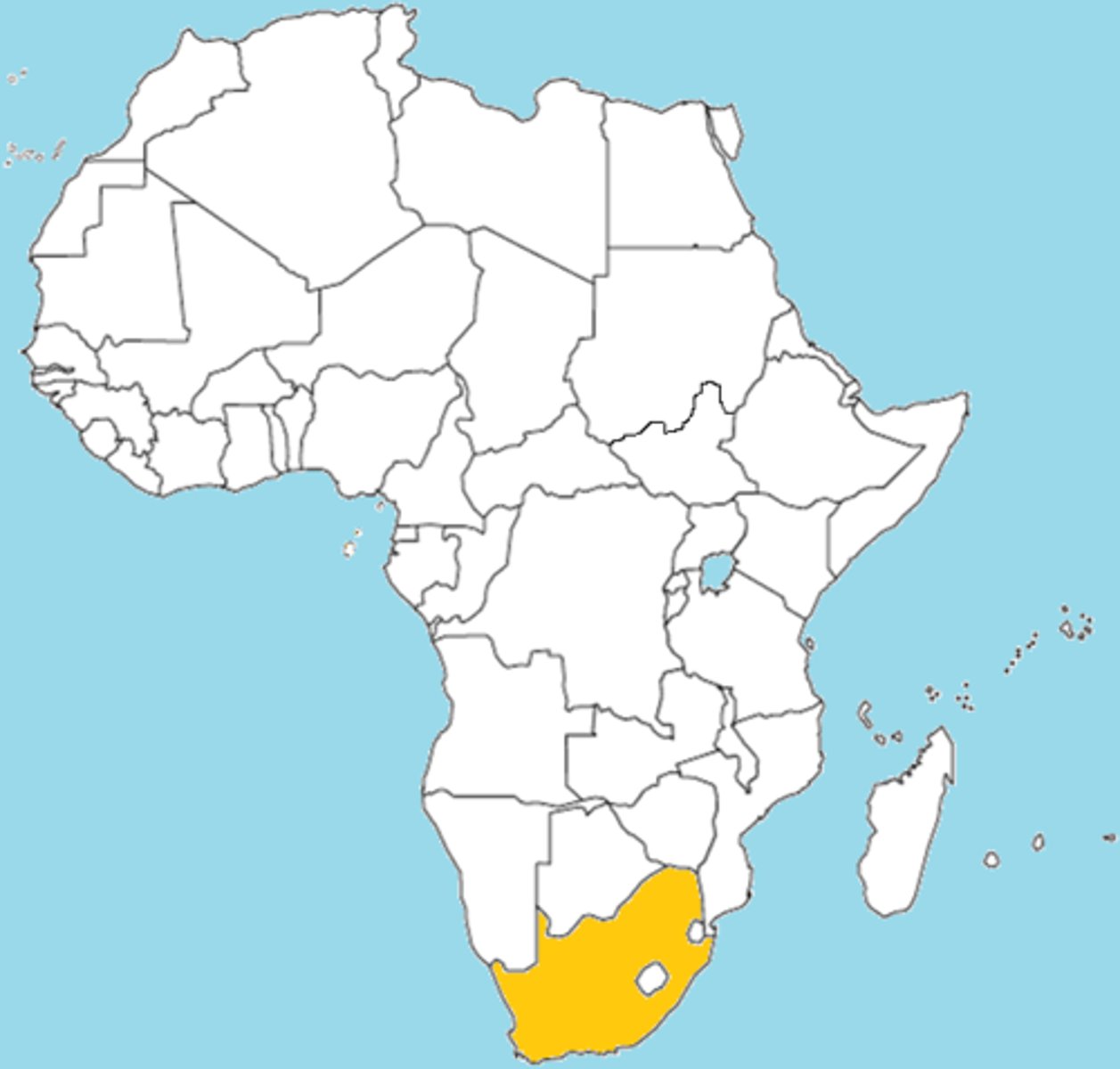
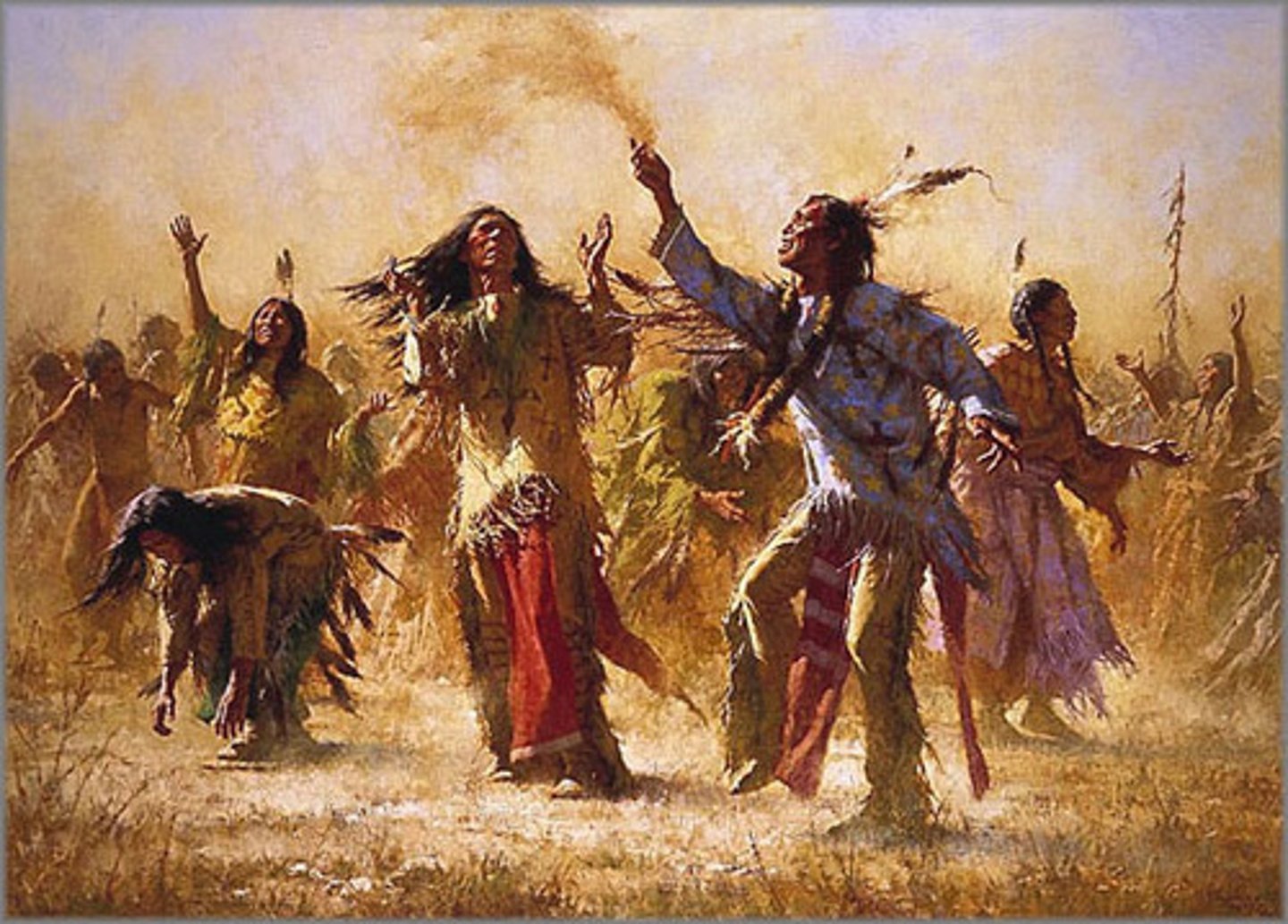
Ghost Dance Movement
1890 The last effort of Native Americans to resist US domination and drive whites from their ancestral lands, came through as a religious movement.
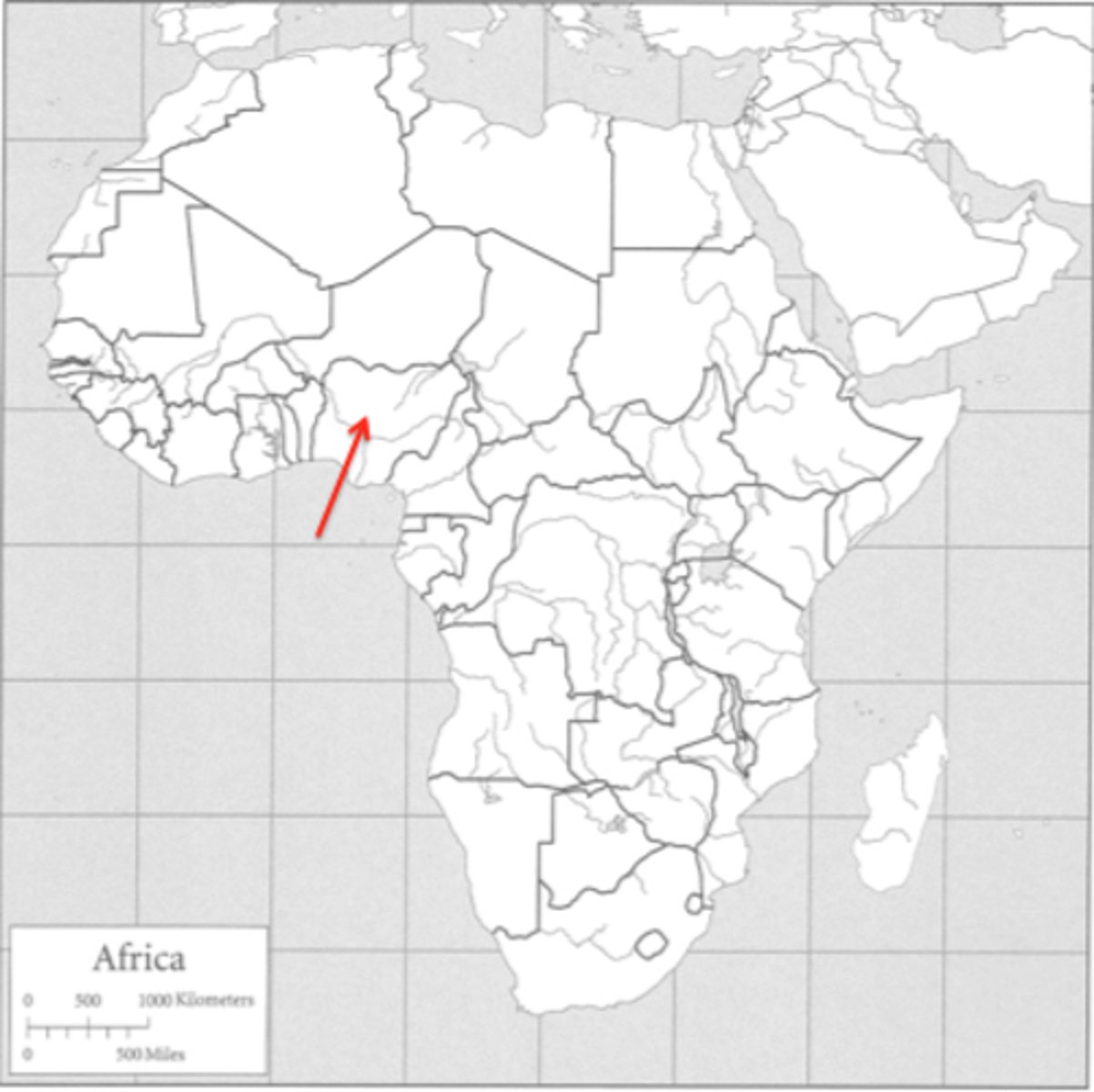
Sokoto Caliphate
Islamic empire founded in 1809 and centered in northern Nigeria
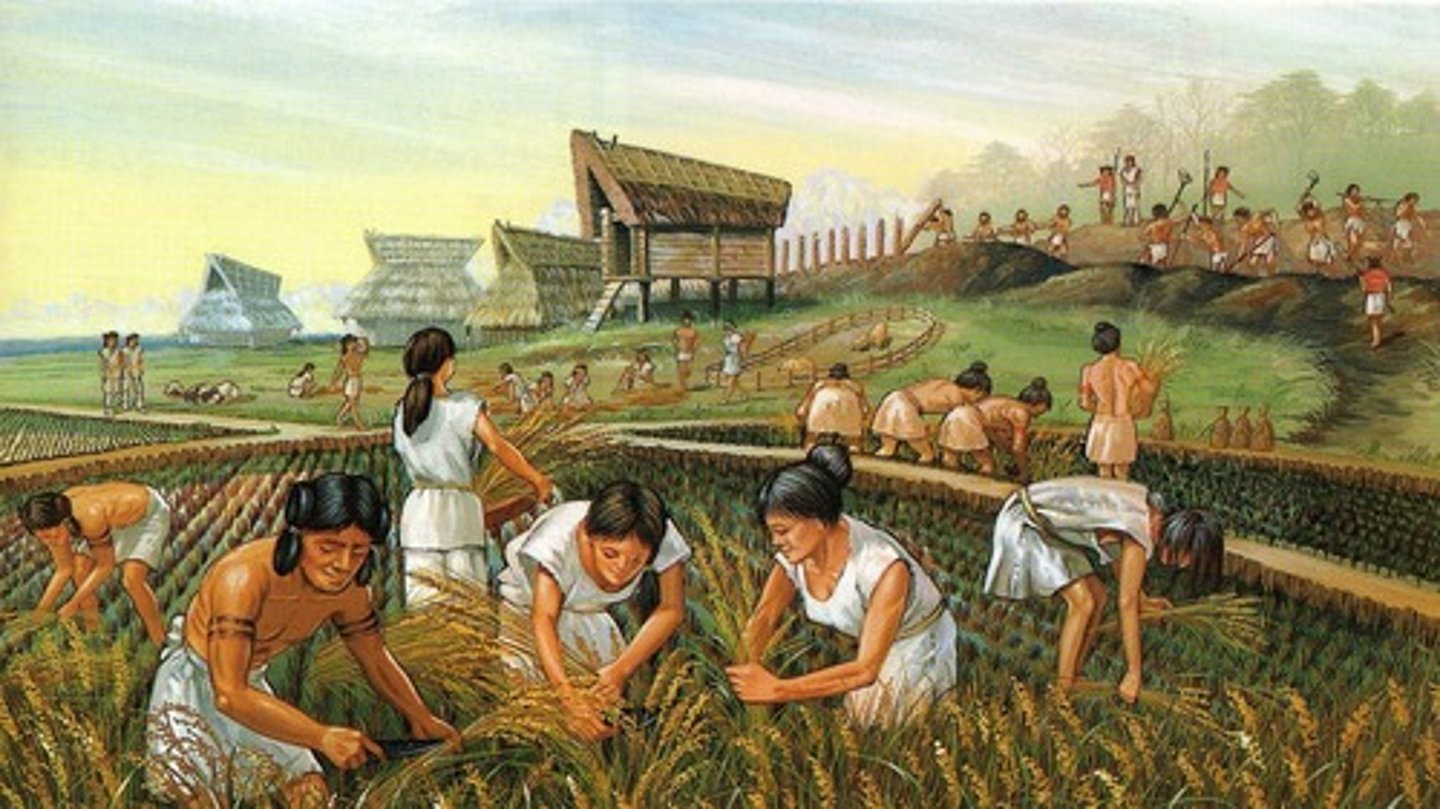
Corvee laborers
Unpaid labor (as toward constructing roads) due to a government or labor exacted in lieu of taxes by public authorities especially for highway construction or repair.
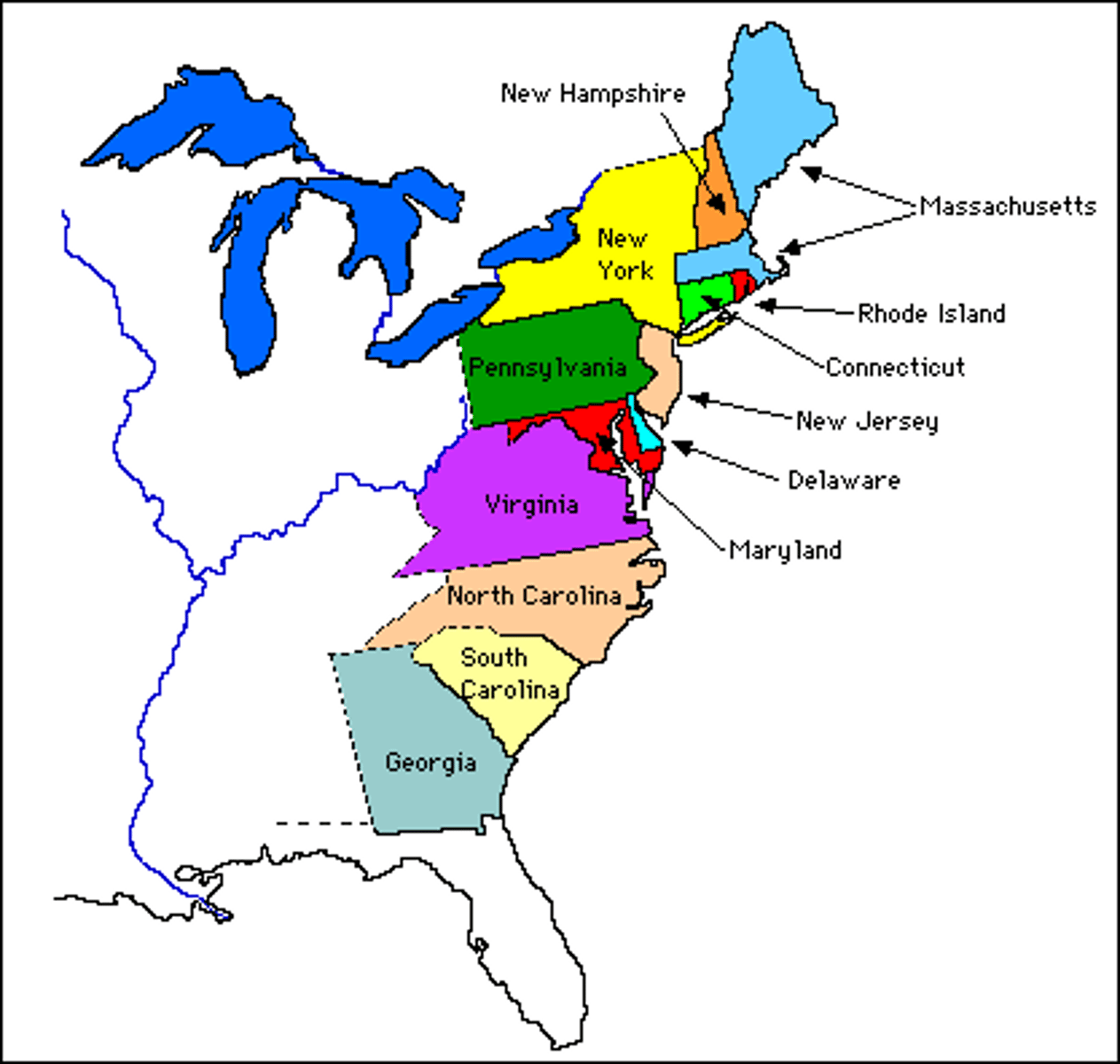
Settler Colony
A form of colonization where families move into a region and an imperial political power oversees the immigration of these settlers. (New Zealand was an example of this)
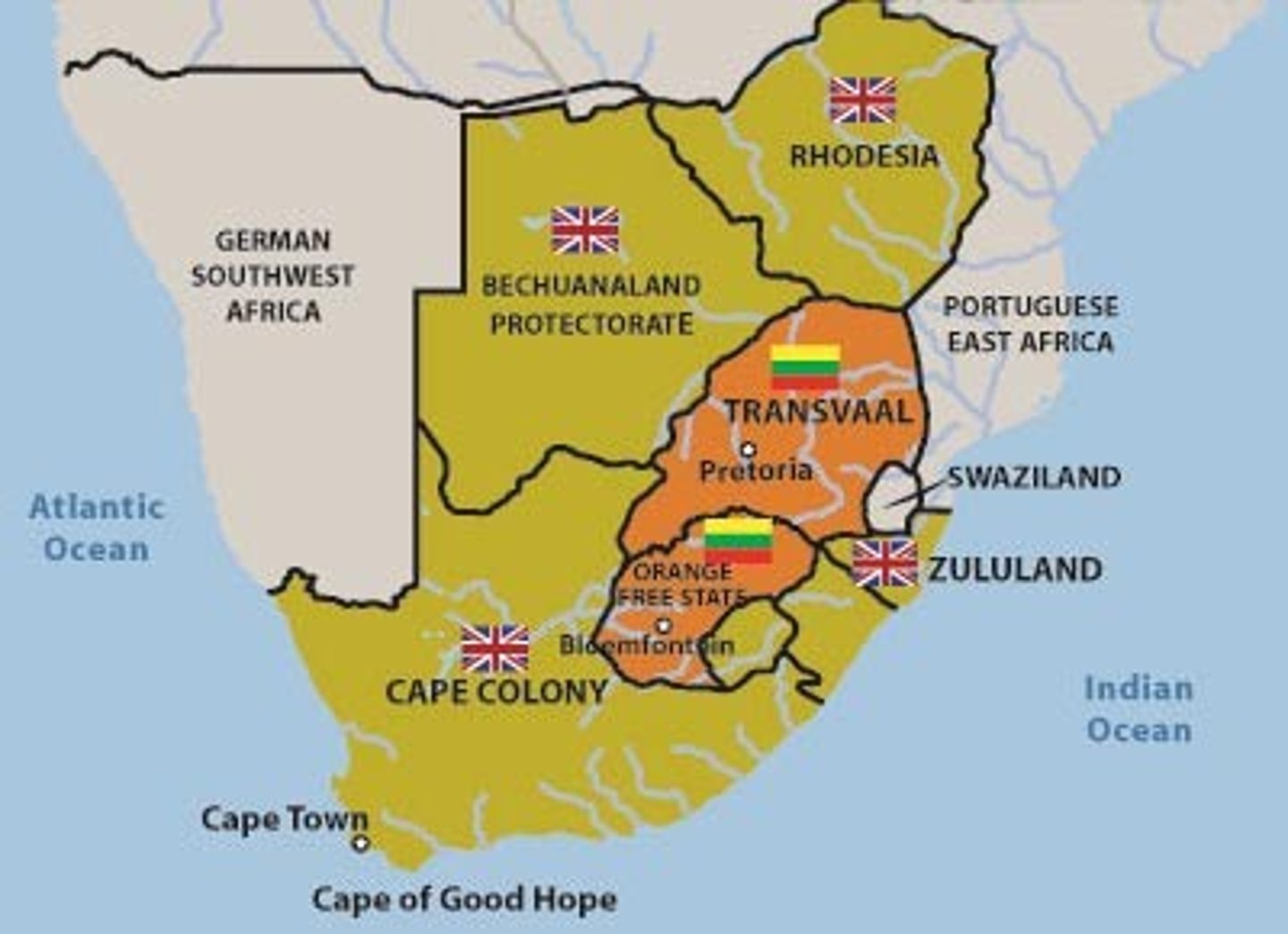
Boer Wars
a conflict, lasting from 1899 to 1902, in which the Dutch and the British fought for control of territory in South Africa. British pushed Afrikaners (Dutch decedents) inland and Africans from their lands.
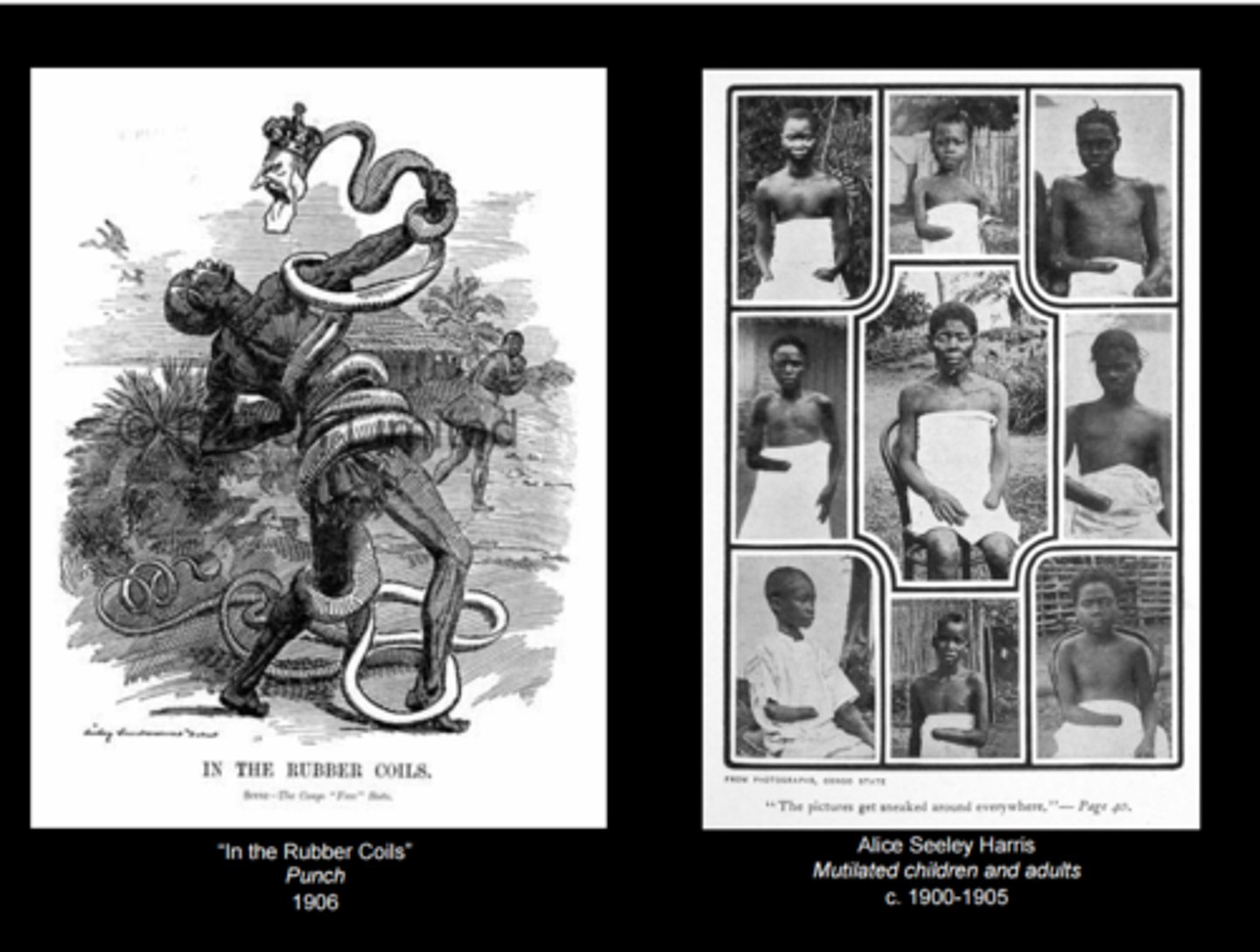
King Leopold II
King of Belgium who became the brutal and oppressive ruler over the Congo Free State. Owned the colony personally and had a ruthless system of economic exploitation over the Congolese for harvesting rubber (starting in 1885)
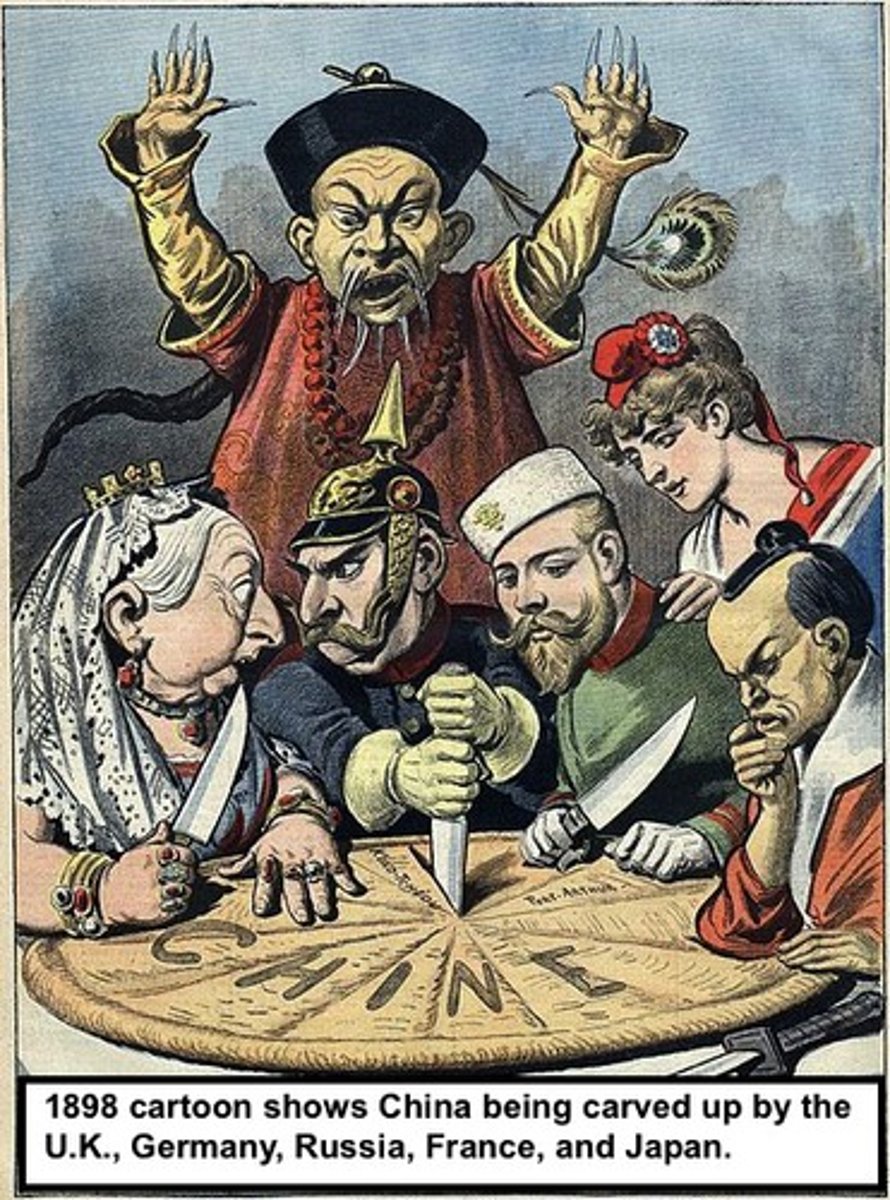
Spheres of Influence
Areas in which countries have some political and economic control but do not govern directly (ex. Europe and U.S. in China)
Taiping Rebellion
a mid-19th century rebellion against the Qing Dynasty in China, led by Hong Xiuquan over the corruption of the Qing and starvation of peasants. With French & British intervention, Qing prevailed.
Boxer Rebellion
1899 rebellion in Beijing, China started by a secret society of Chinese who opposed the "foreign devils". The rebellion was ended by British troops.
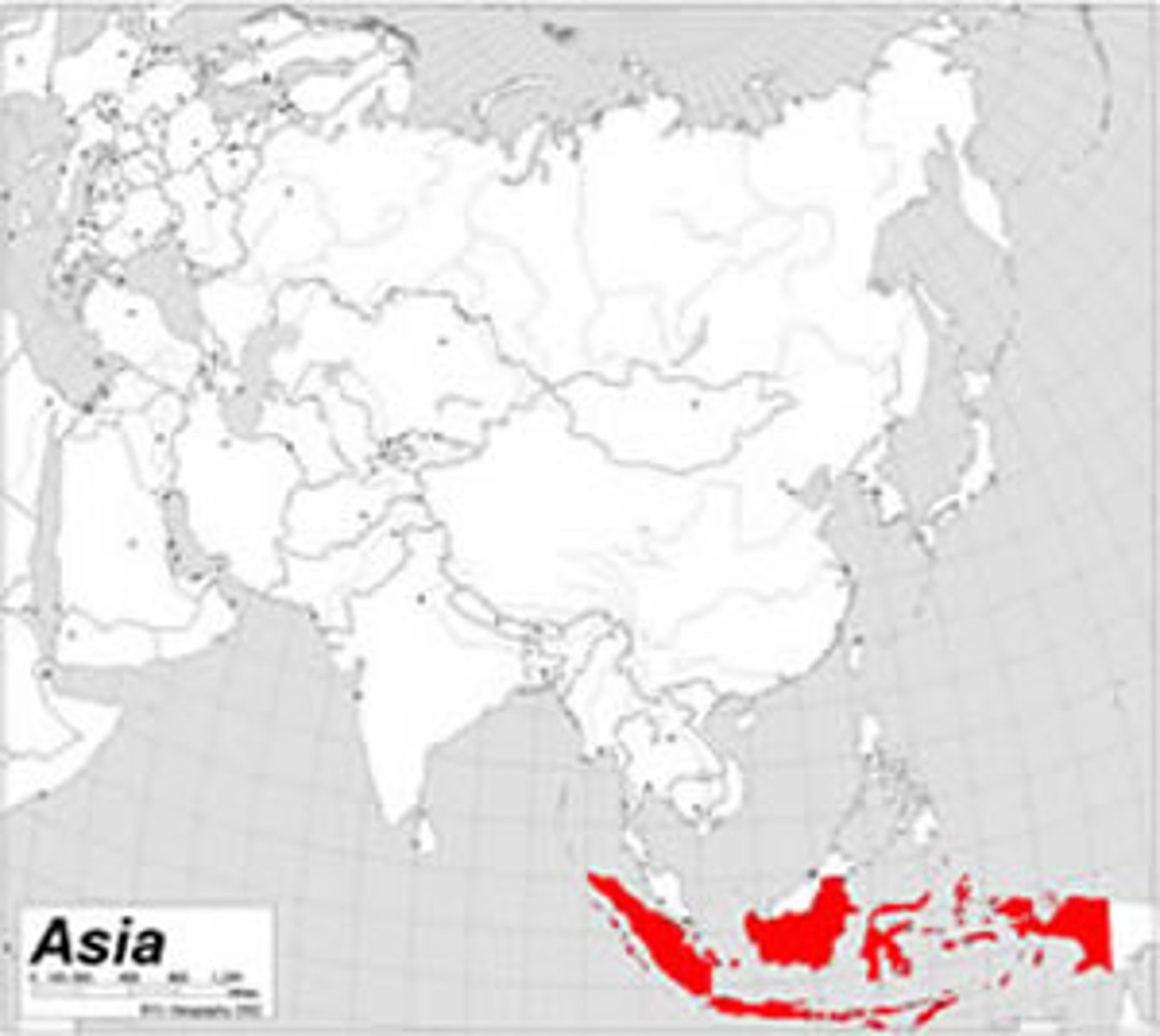
Dutch East Indies
A group of islands in South East Asia (modern Indonesia) claimed by the Dutch during Imperialism.
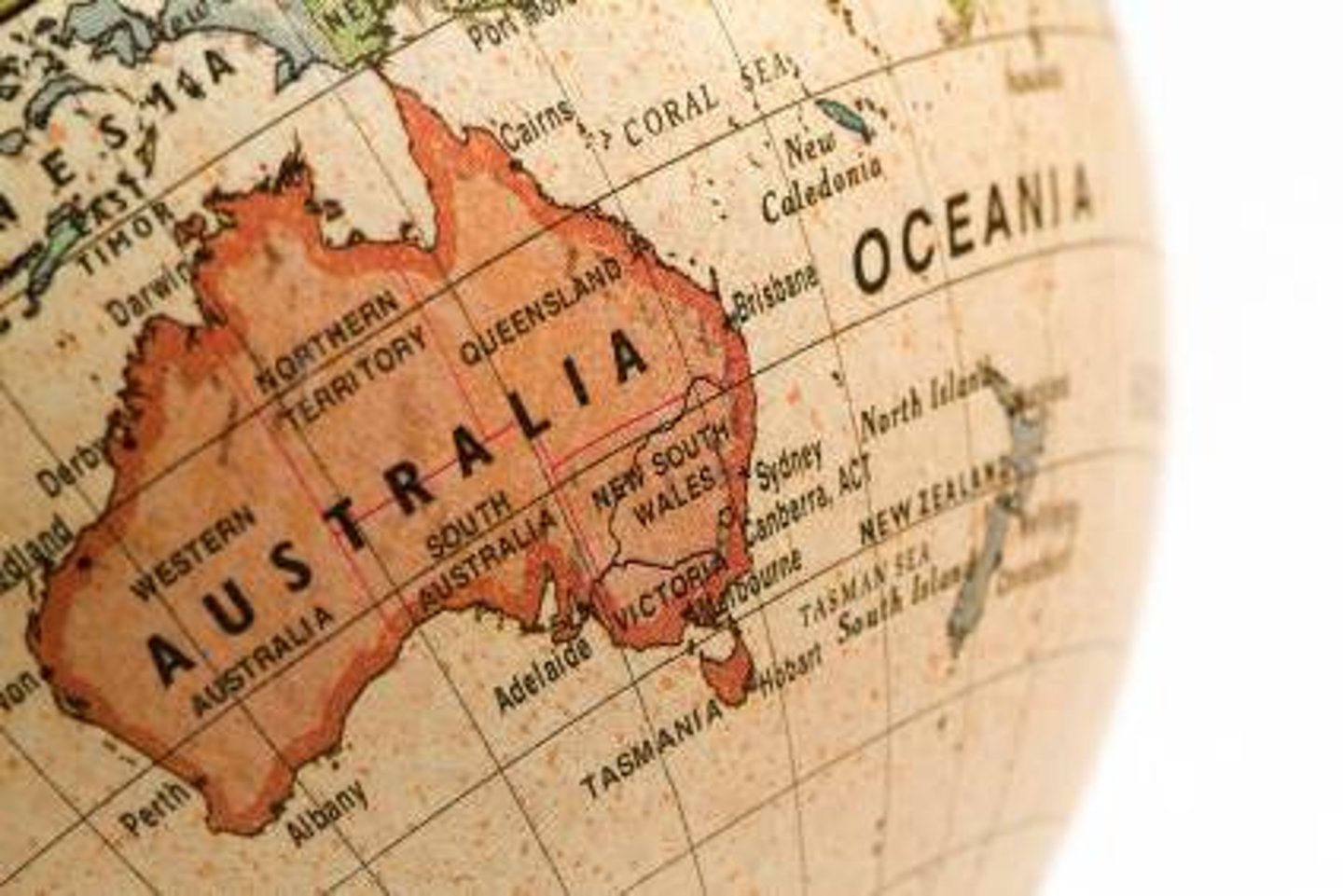
Penal Colony
a colony to which convicts are sent as an alternative to prison (Australia was an example of this)
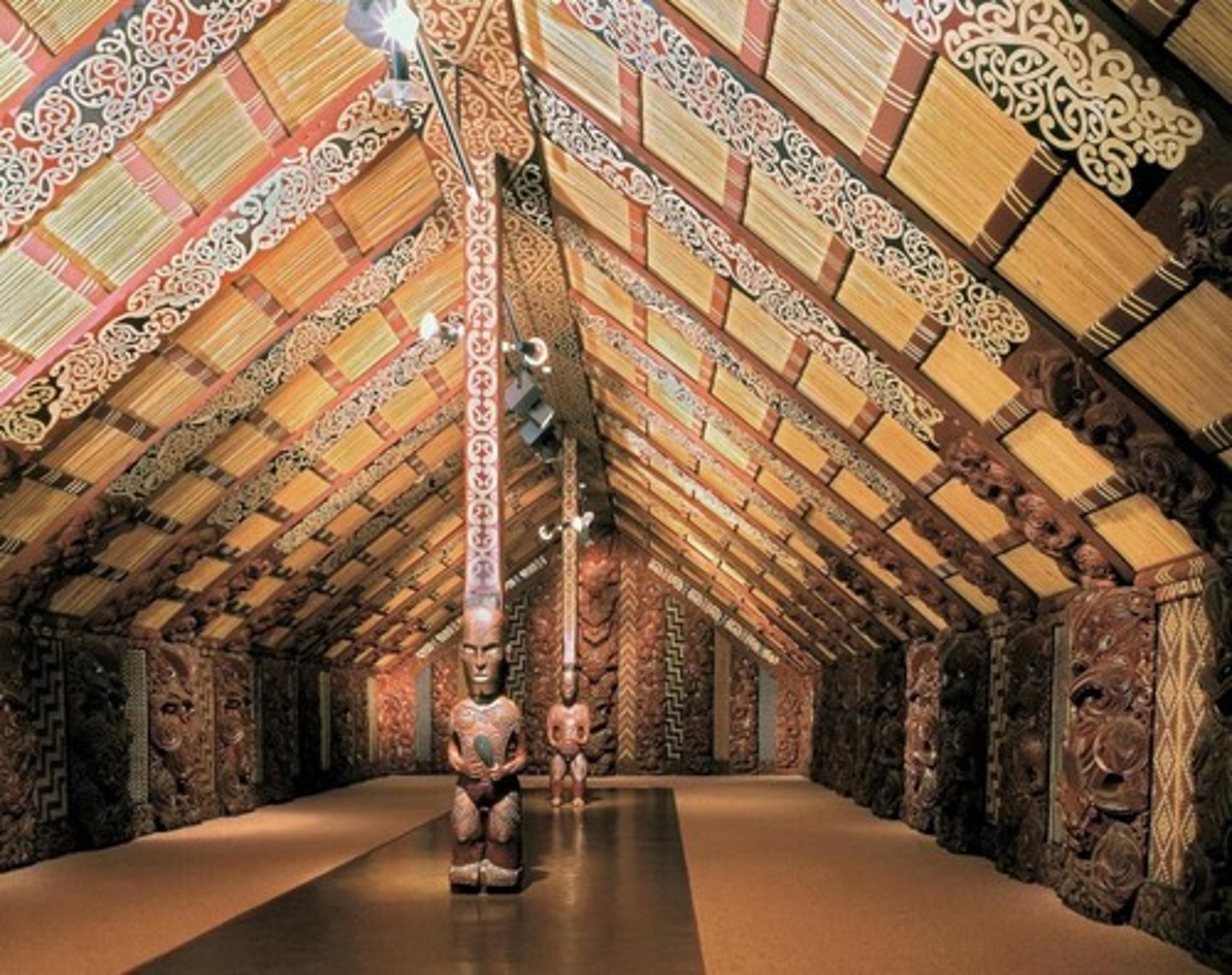
Maori
New Zealand indigenous culture established around 800 CE
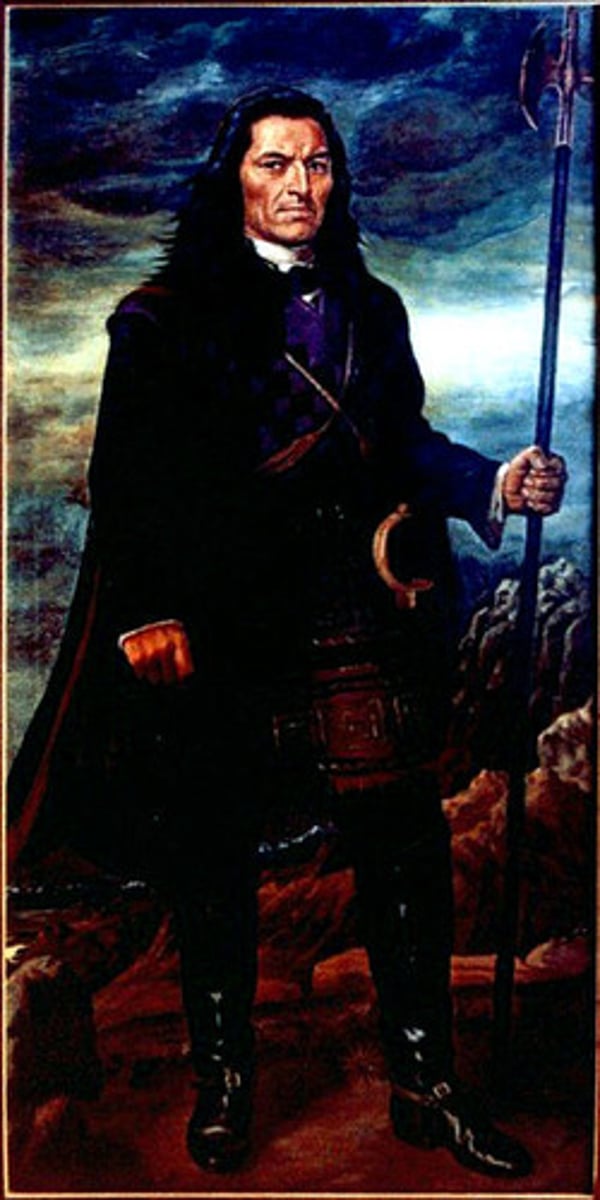
Tupac Amaru II
Member of Inca aristocracy who led a rebellion against Spanish authorities in Peru in 1780-1781. He was captured and executed with his wife and other members of his family.
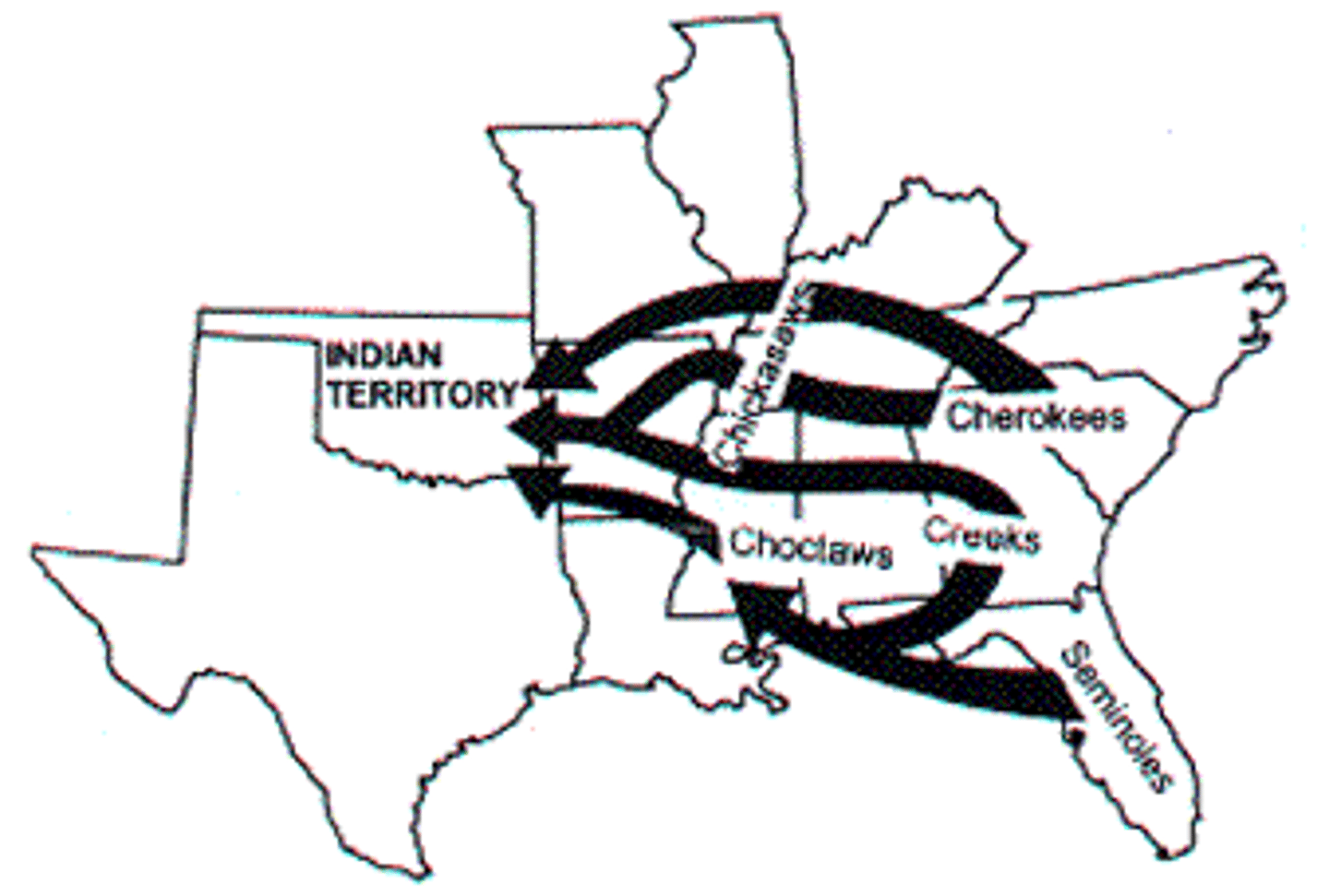
Indian Removal Act
Passed in 1830, authorized Andrew Jackson to negotiate land-exchange treaties with tribes living east of the Mississippi. The treaties enacted under this act's provisions paved the way for the reluctant—and often forcible—emigration of tens of thousands of American Indians to the West.
Mahdist Revolt
Rebellion of Sudanic peoples against the British. Sudanese use guerilla tactics and mass followings to fight, while the British pin them against each other. Over run by British-Egyptian forces in 1885.
Railroads
Networks of iron or steel rails on which steam locomotives pulled long trains at high speeds. The first were built in England in the 1830s. Spread throughout the world during this era.
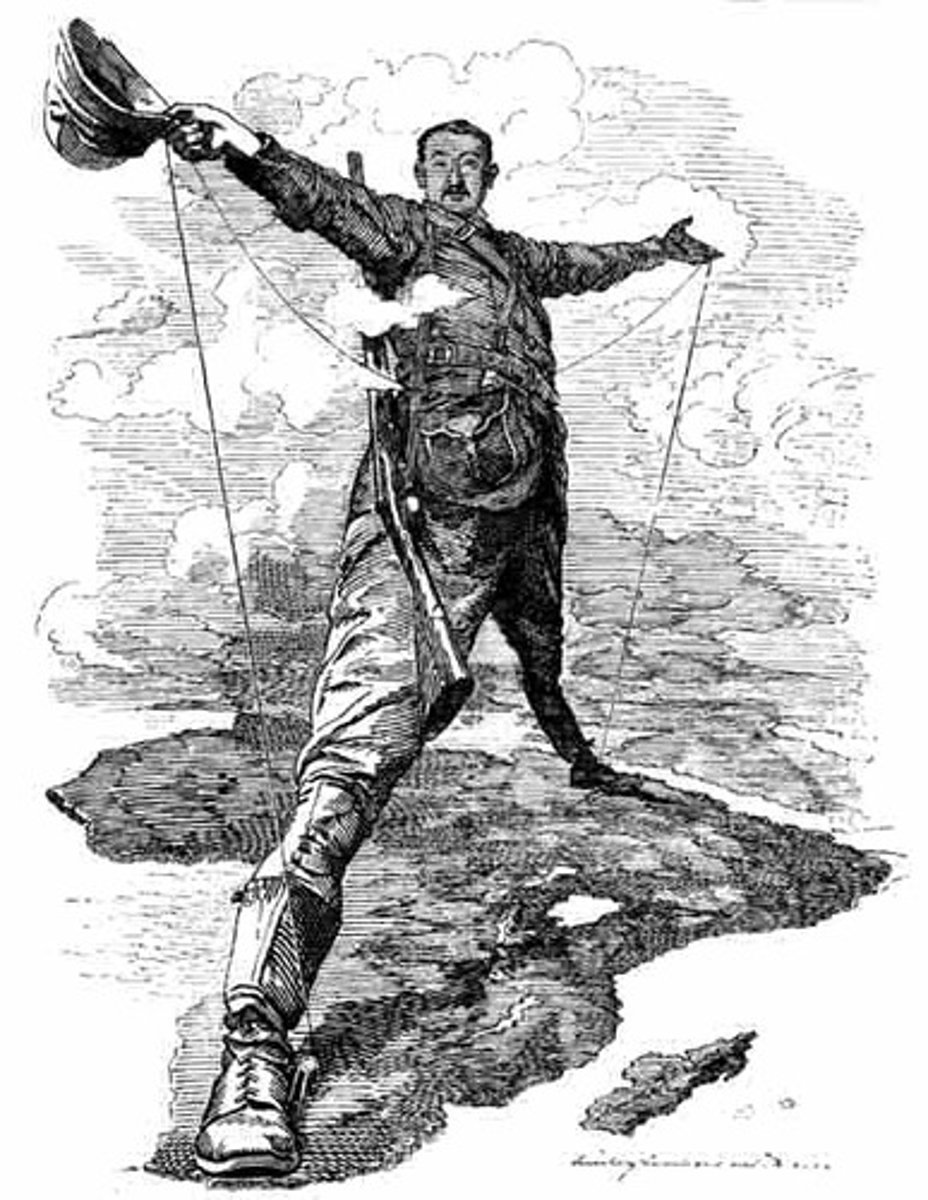
Cecil Rhodes
British entrepreneur and politician involved in the expansion of the British Empire from South Africa into Central Africa. Desired to create a railroad connecting Cape Town to Cairo.
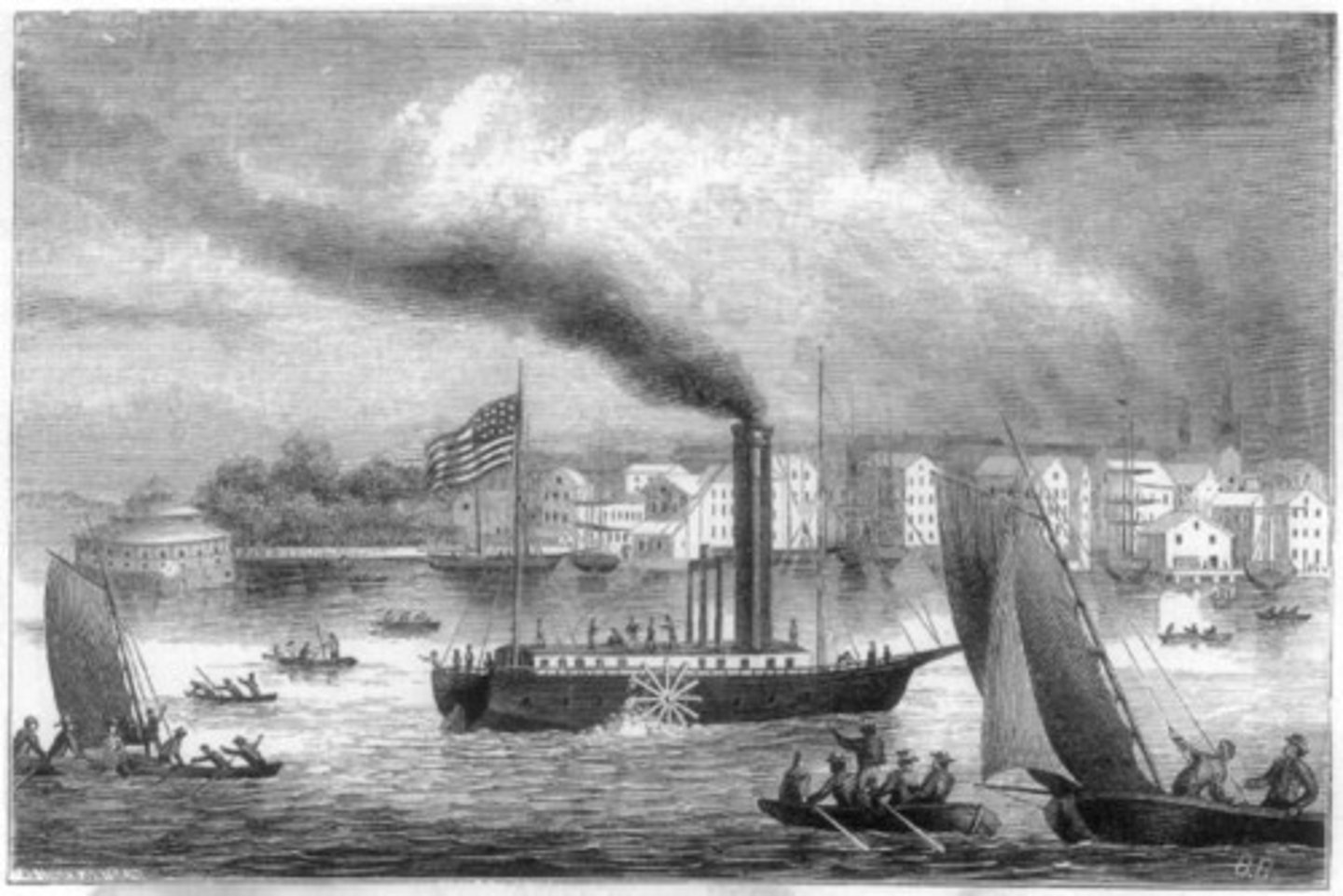
Steamships
Invention that allowed for merchants to advance up rivers to points that sailboats could not reach because of inconvenient twists, turns, or winds.
Telegraph
A device for rapid, long-distance transmission of information over an electric wire. It was introduced in England and North America in the 1830s and 1840s.

Cash Crops
crops, such as tobacco, sugar, and cotton, raised in large quantities in order to be sold for profit
Guano
Bird droppings used as fertilizer; a major trade item of Peru & Chile in the late nineteenth century
Rubber
Natively found in the Amazon and Central Africa - used for tires on automobiles and bicycles during this era.
Palm Oil
A West African tropical product often used to make soap and as a lubricant in machines during the Industrial Revolution
De Beers Mining Company
Owned by British Cecil Rhodes, this company controlled up to 90% of the world's rough diamonds.

Monocultures
the cultivation of a single crop in a given area - lack of plant diversity often happened in developing countries where cash crops were grown
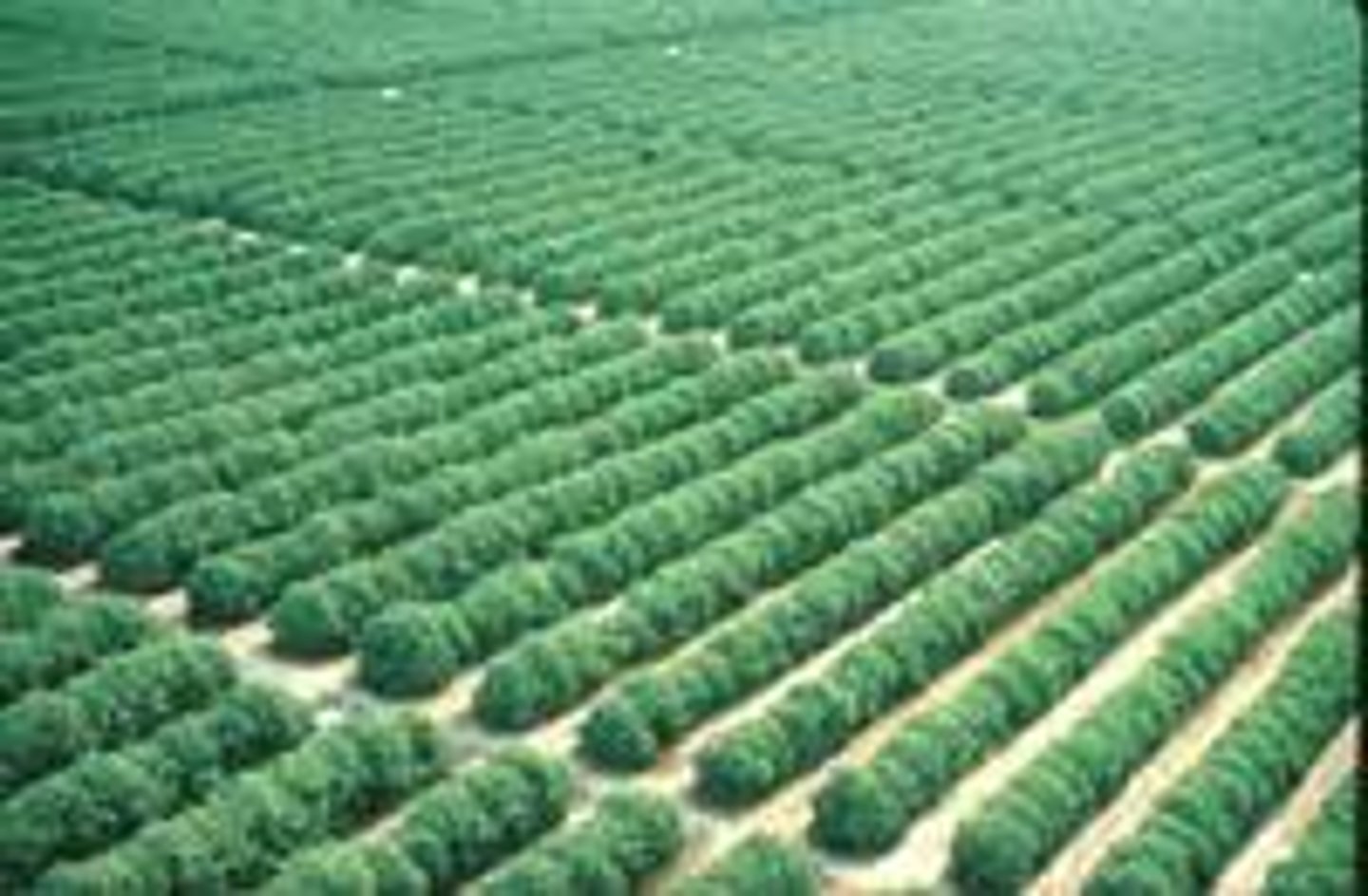
Economic Imperialism
Control of a country's economy by the businesses and economic interests of another nation
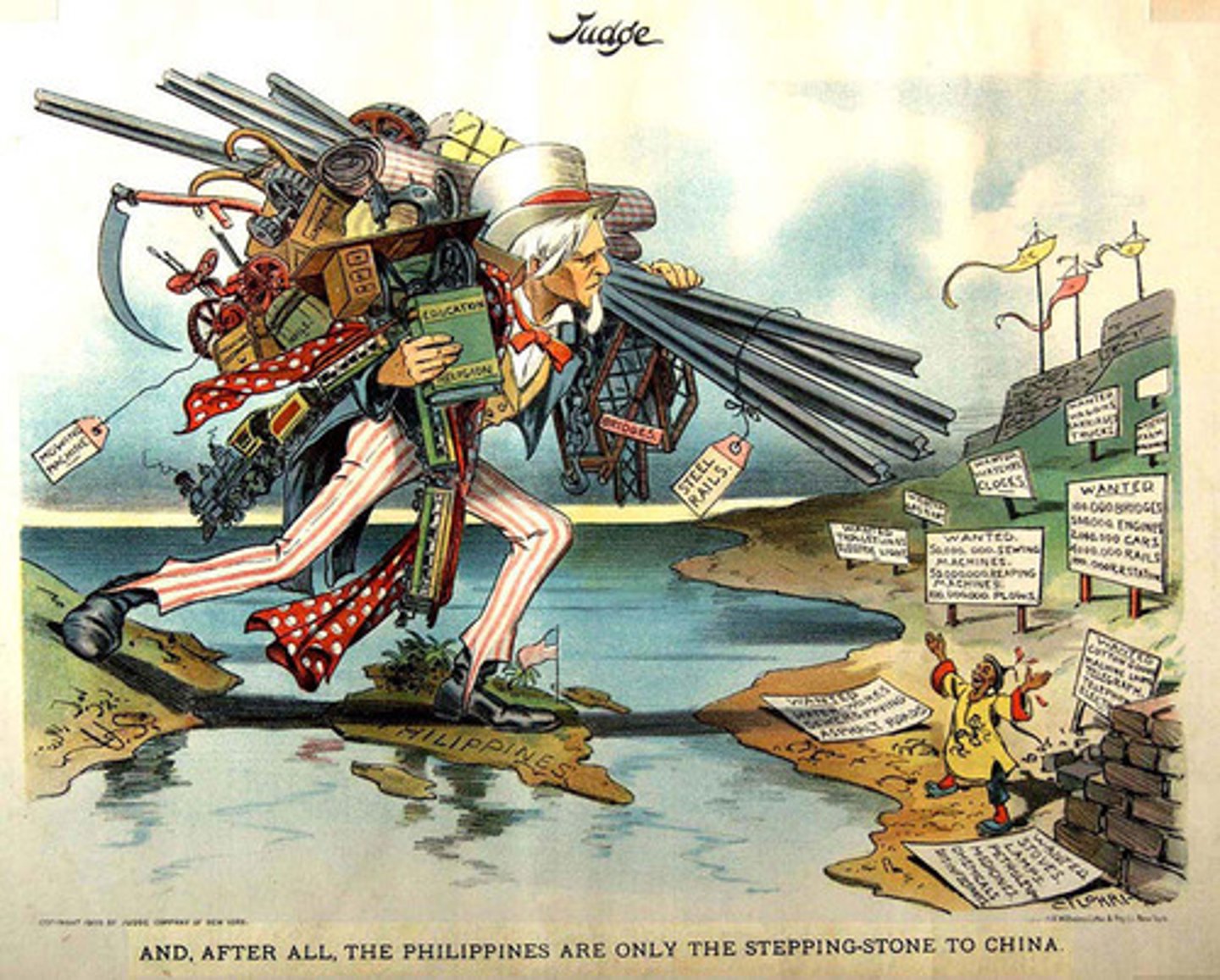
Opium Wars
Wars between Britain and the Qing Empire (mind 1800s), caused by the Qing government's refusal to let Britain import Opium. China lost and Britain and most other European powers were able to develop a strong trade presence throughout China against their wishes.
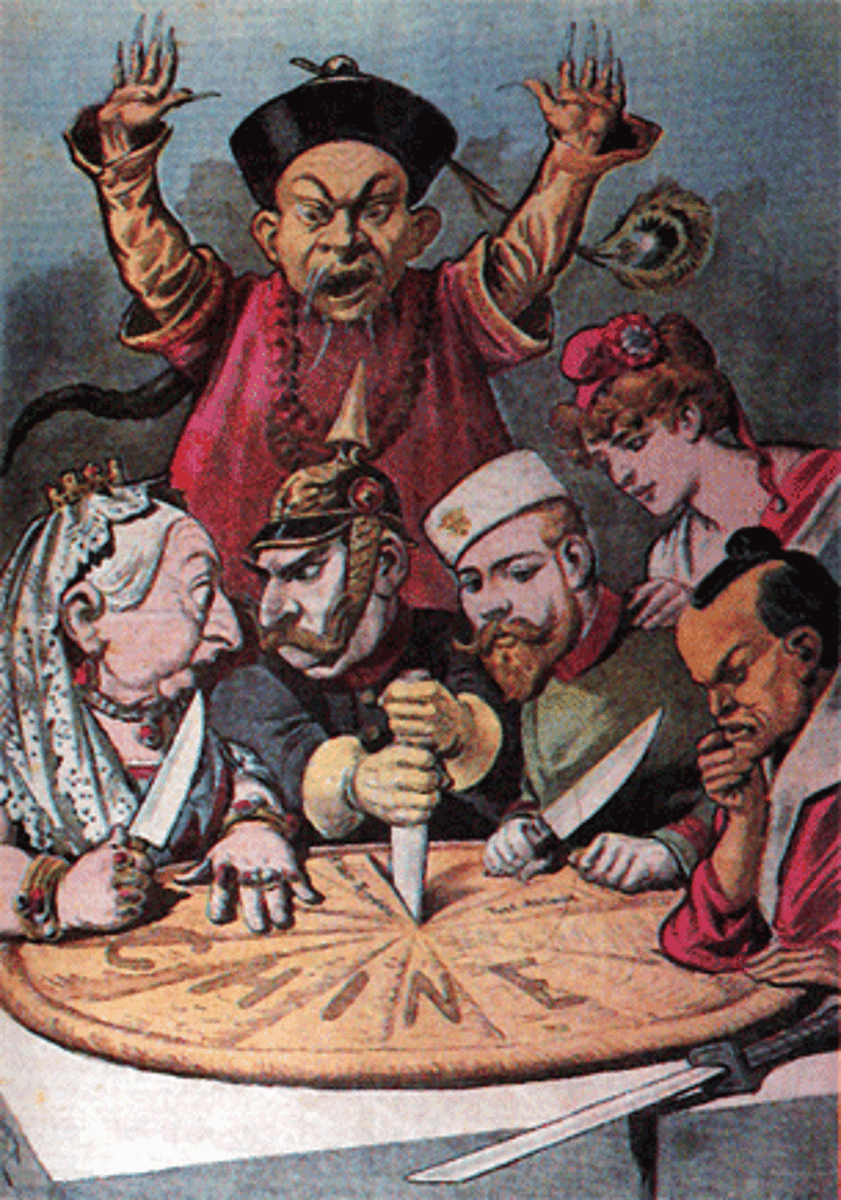
Treaty of Nanjing
1842 "Unequal treaty" that marked the end of the Opium War in which China had to accept British terms for peace
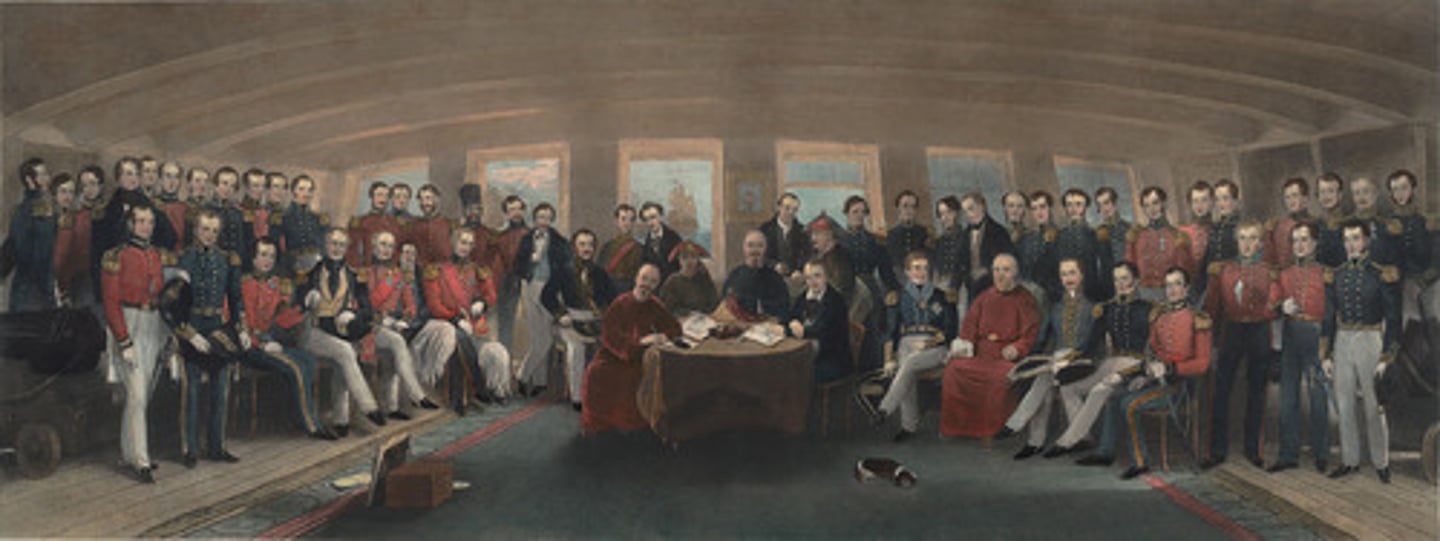
Banana Republics
Politically unstable states in Latin American that were friendly to the U.S.; given these name as a term for their exported tropical products. (late 1800's)
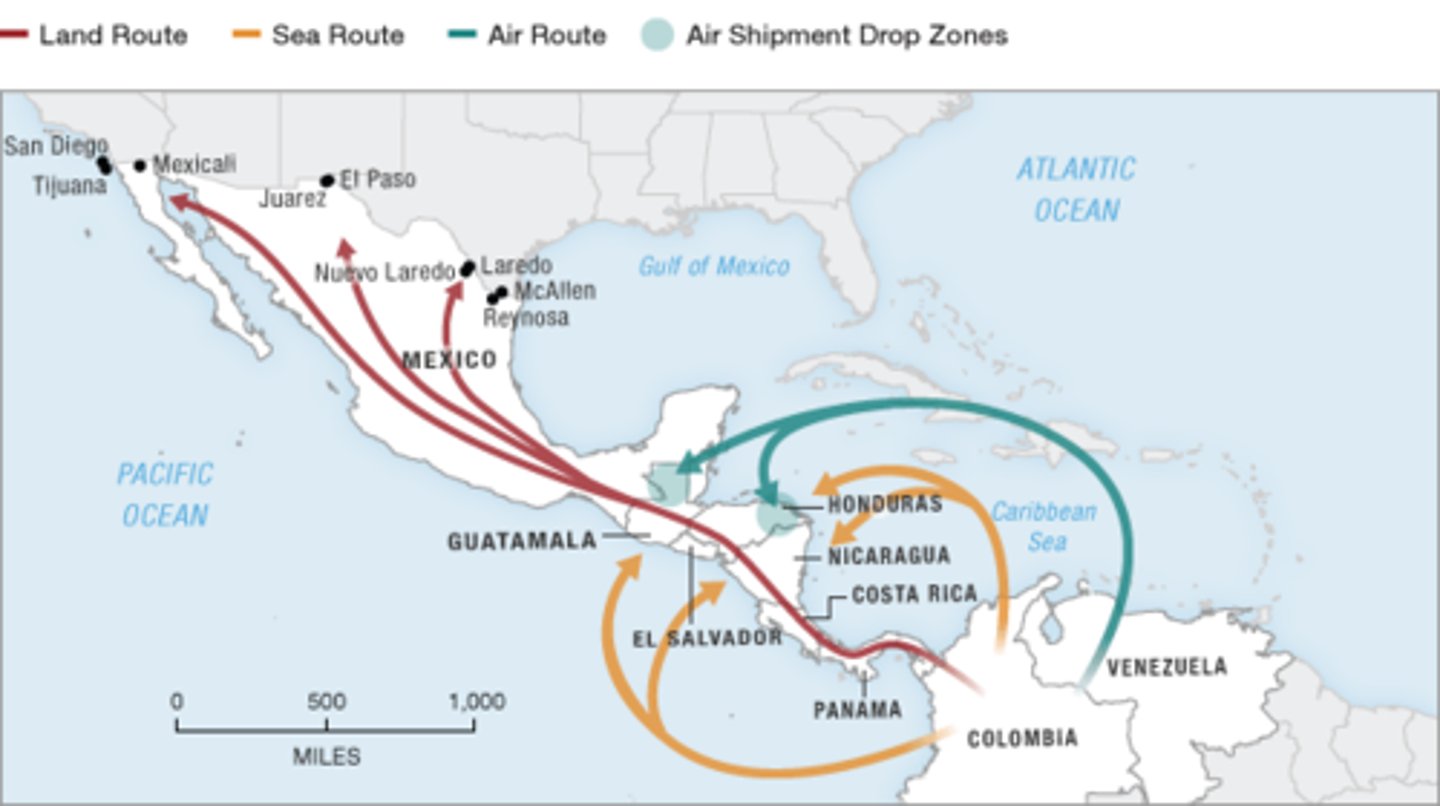
Indentured Servants
Labor system where another would pay a migrant their passage, and in exchange, the laborer would serve that person for a set length of time (usually seven years) and then would be free.
emigrate
To leave one country or region and settle in another
migrant
Person who moves from one region or country to another, often for economic opportunity
Diaspora
A dispersion of people from their homeland
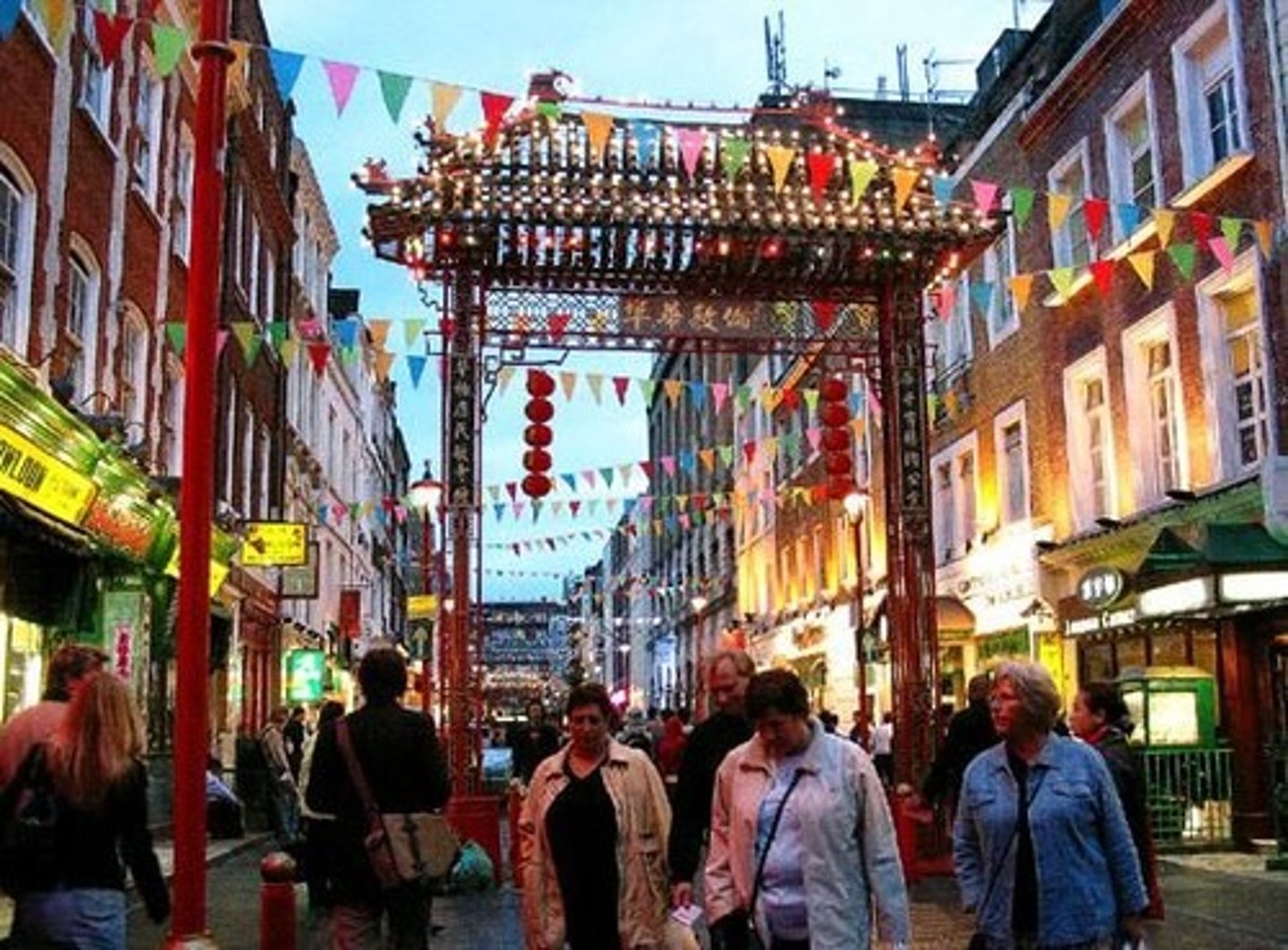
Ethnic Enclave
A place with a high concentration of an ethnic group that is distinct from those in the surrounding area
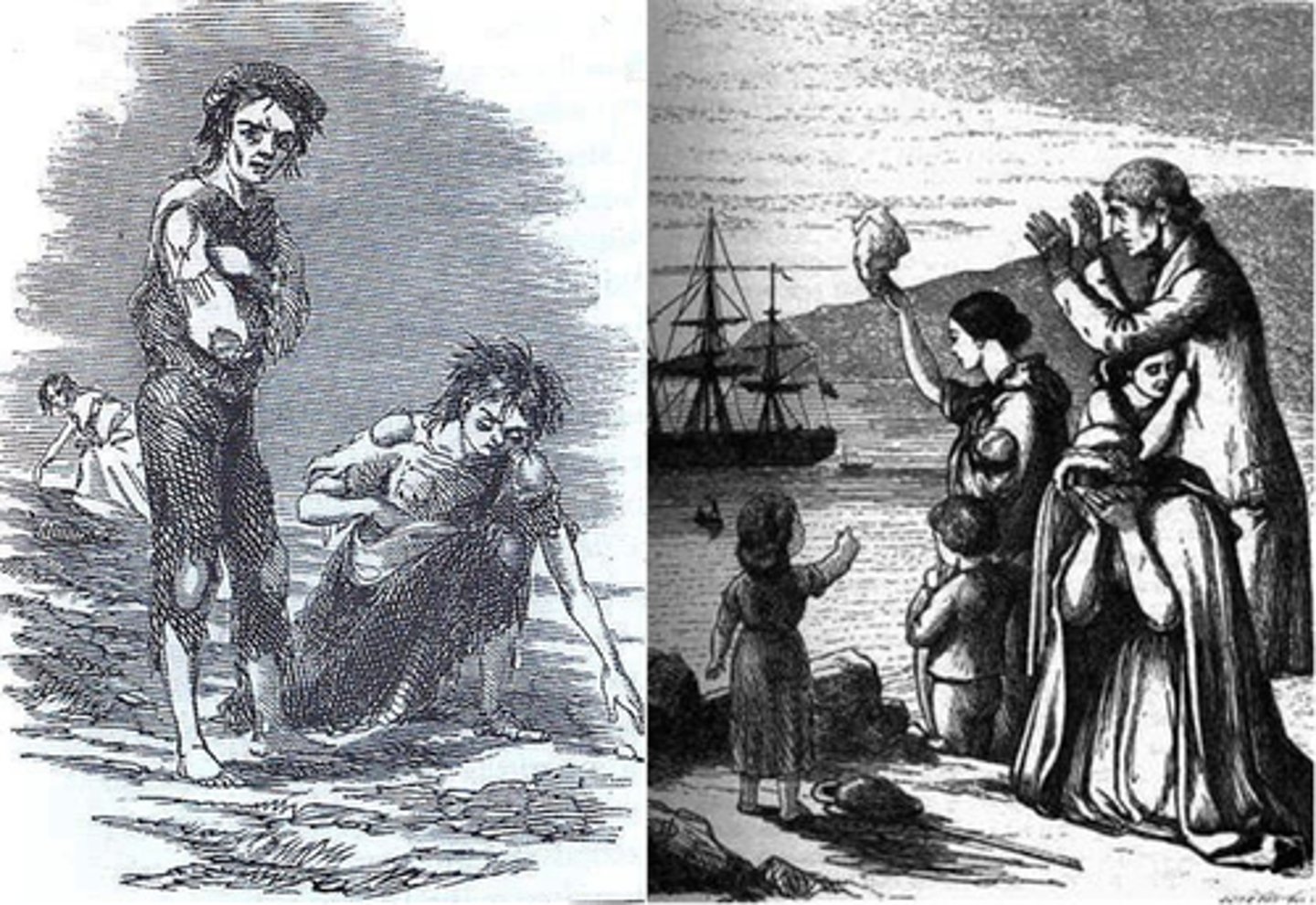
Great Famine
A terrible famine in 1315-1322 that hit much of Europe after a period of climate change, most notably that impacted the Irish due to potato blight.
acquiring territories using military control, Warfare, diplomacy, establishing settler colonies. expanding nearby land holdings, economic imperialism.
State power shifted between 1750-1900. Some states with existing colonies. What processes were used to gain power?