Biochemistry: Molecules of Life and Their Functions
 Call Kai
 Learn
Learn Practice Test
 Spaced Repetition
 Match
Match Flashcards
 Knowt Play
1/51

There's no tags or description
Looks like no tags are added yet.
Name | Mastery | Learn | Test | Matching | Spaced | Call with Kai | Chat |
|---|
No analytics yet
Send a link to your students to track their progress
52 Terms
Organic Compound
A compound that consists primarily of carbon and hydrogen atoms.
Hydrocarbon
A molecule consisting solely of carbon and hydrogen atoms.
Carbon's Bonding Versatility
Carbon can bond stably with many elements and has four vacancies in its outer shell.
Functional Group
An atom (other than hydrogen) or a small molecular group covalently bonded to a carbon atom.
Hydroxyl Group (—OH)
A polar functional group that increases a molecule's solubility in water.
Methyl Group (—CH₃)
A nonpolar functional group that can dampen the effect of polar groups.
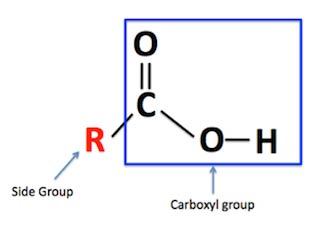
Carboxyl Group (—COOH)
A polar and acidic functional group found in amino acids and fatty acids.
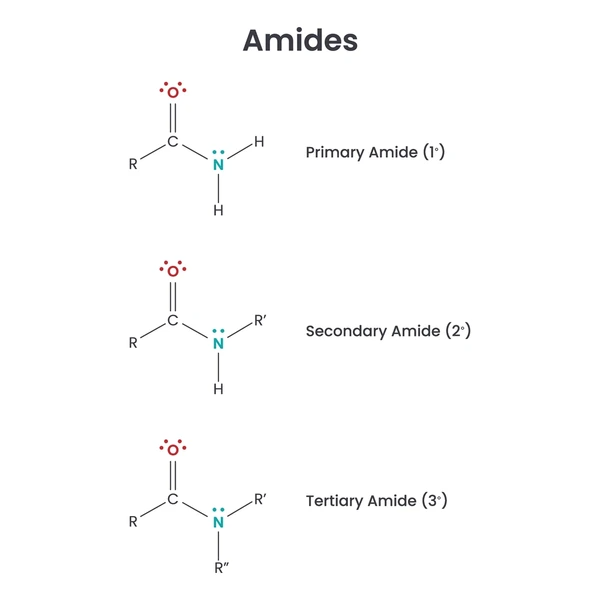
Amine (—NH₂) and Amide Groups
Functional groups that make nucleotide bases basic; also found in proteins.
Phosphate Group (—PO₄)
A polar, acidic group found in nucleic acids and phospholipids.

Metabolism
The collective term for all enzyme-mediated chemical reactions in a cell.
Monomers vs. Polymers
Monomers are simple organic building blocks; polymers are larger molecules consisting of repeated monomers.
Enzyme
An organic molecule (usually a protein) that speeds up a chemical reaction.
Condensation (Dehydration)
A metabolic reaction where an enzyme joins two monomers, forming a covalent bond.
Hydrolysis
A metabolic reaction where an enzyme breaks a polymer into monomers.
Structural Formula Models
Represent atoms and bonds with variations for clarity.
Ball-and-stick Model
A 3D representation showing the spatial arrangement of atoms and bonds.
Space-filling Model
A model that reveals the overall shape of a molecule.
Surface and Ribbon Models
Surface models reveal crevices and folds; ribbon models show the folding of the backbone.
Carbohydrate Composition
Organic compounds consisting of carbon, hydrogen, and oxygen in a 1:2:1 ratio.
Monosaccharide
The simplest carbohydrate, often with a backbone of five or six carbons.
Disaccharide
An oligosaccharide consisting of two sugar monomers.
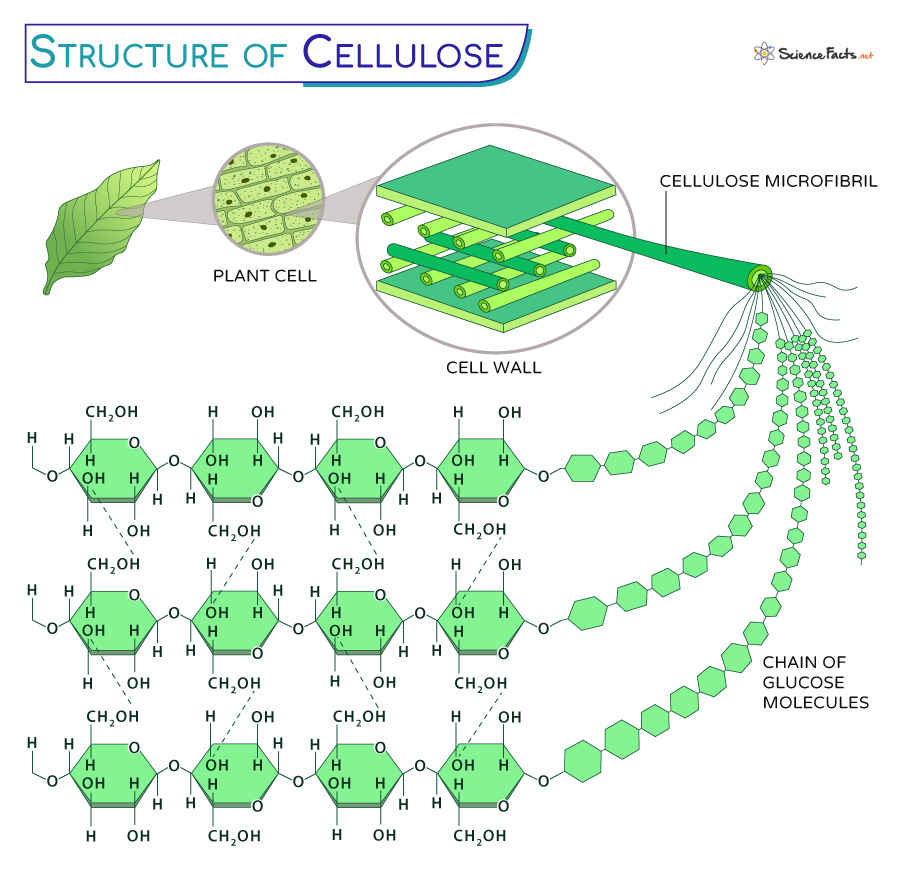
Cellulose Structure and Function
A polysaccharide of glucose monomers linked by hydrogen-bonded straight chains.
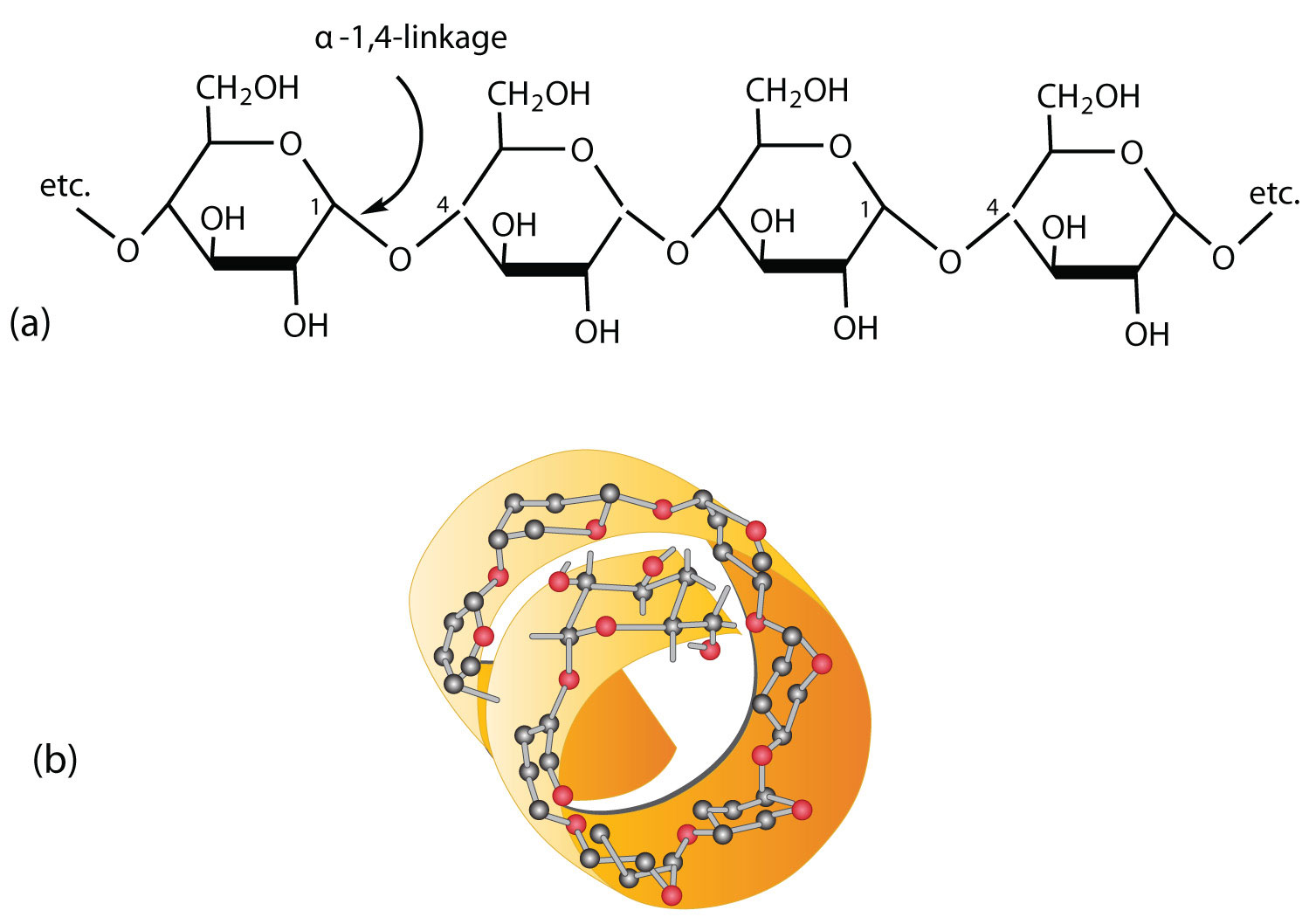
Starch Structure and Function
A polysaccharide of glucose monomers that forms a coiled chain.
Glycogen Structure and Function
A highly branched polysaccharide of glucose monomers.

Chitin
A nitrogen-containing polysaccharide of modified glucose monomers.
Lipid Characteristics
Fatty, oily, or waxy organic compounds that are generally hydrophobic.
Fatty Acid Structure
Consists of a hydrophilic carboxyl group 'head' and a long hydrophobic hydrocarbon 'tail.'
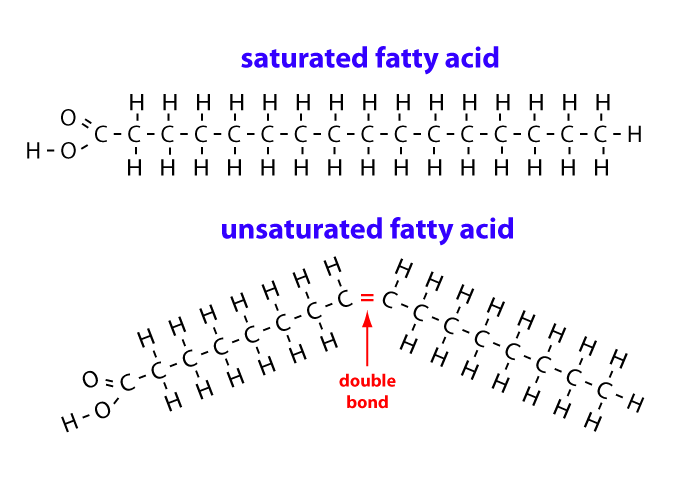
Saturated Fatty Acids
Fatty acids with only single bonds in their hydrocarbon tails.
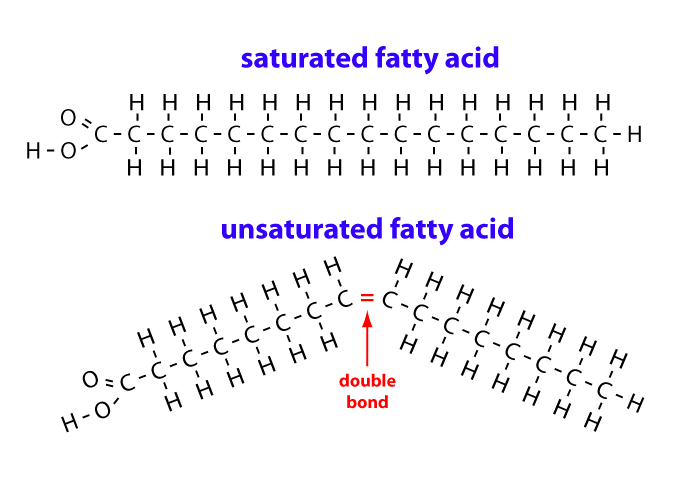
Unsaturated Fatty Acids
Fatty acids with one or more double bonds in their tails.
Triglyceride (Fat)
A molecule with three fatty acid tails bonded to a single glycerol head.
Cis vs. Trans Bonds
Cis bonds have hydrogen atoms on the same side; trans bonds have hydrogens on opposite sides.
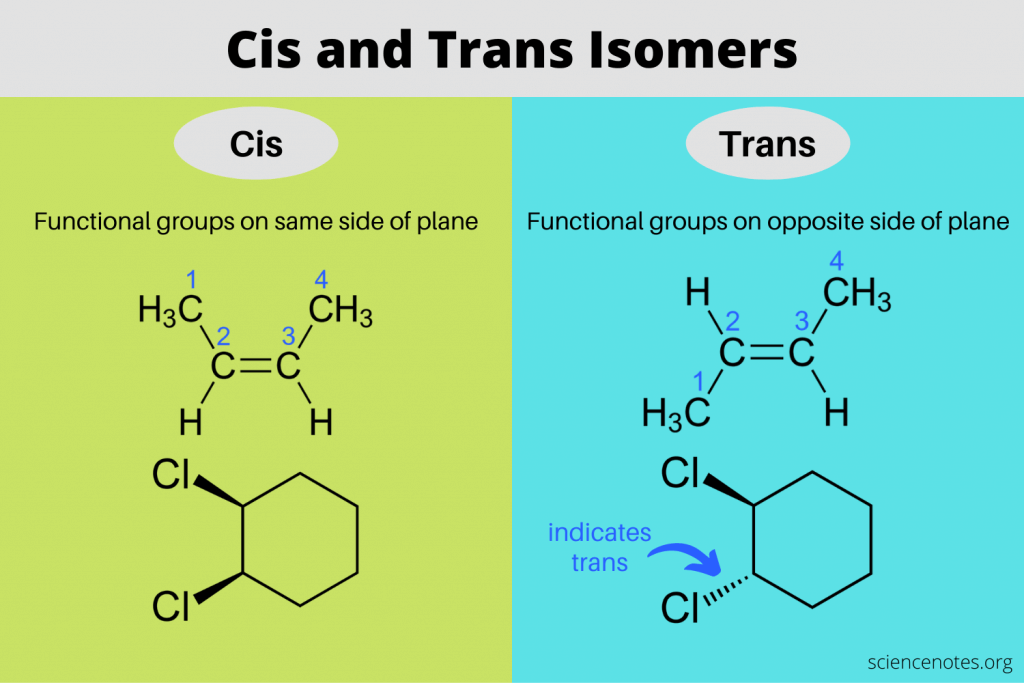
Trans Fats
Fats containing trans bonds, often produced via partial hydrogenation.
Phospholipid Structure
A lipid with a hydrophilic phosphate-containing head and two hydrophobic tails.

Lipid Bilayer
A two-layered sheet of phospholipids that forms the structural foundation of all cell membranes.

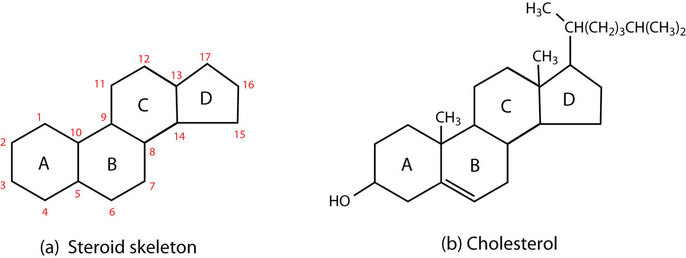
Steroids
Lipids with no fatty acid tails and a backbone of four carbon rings.
Waxes
Water-repellent mixtures of lipids with long fatty acid tails.
Lipoprotein Particles
Clumps of proteins and lipids that allow hydrophobic molecules to move through blood.
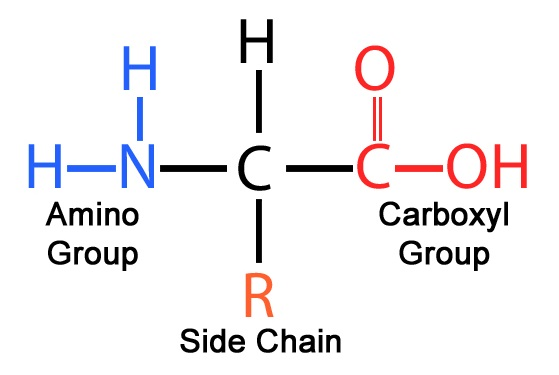
Amino Acid Structure
The monomer of proteins, consisting of an amine group, a carboxyl group, and one of twenty variable 'R groups.'
Peptide Bond
A covalent bond formed by a condensation reaction between amino acids.
Polypeptide
A long chain of amino acids linked by peptide bonds.
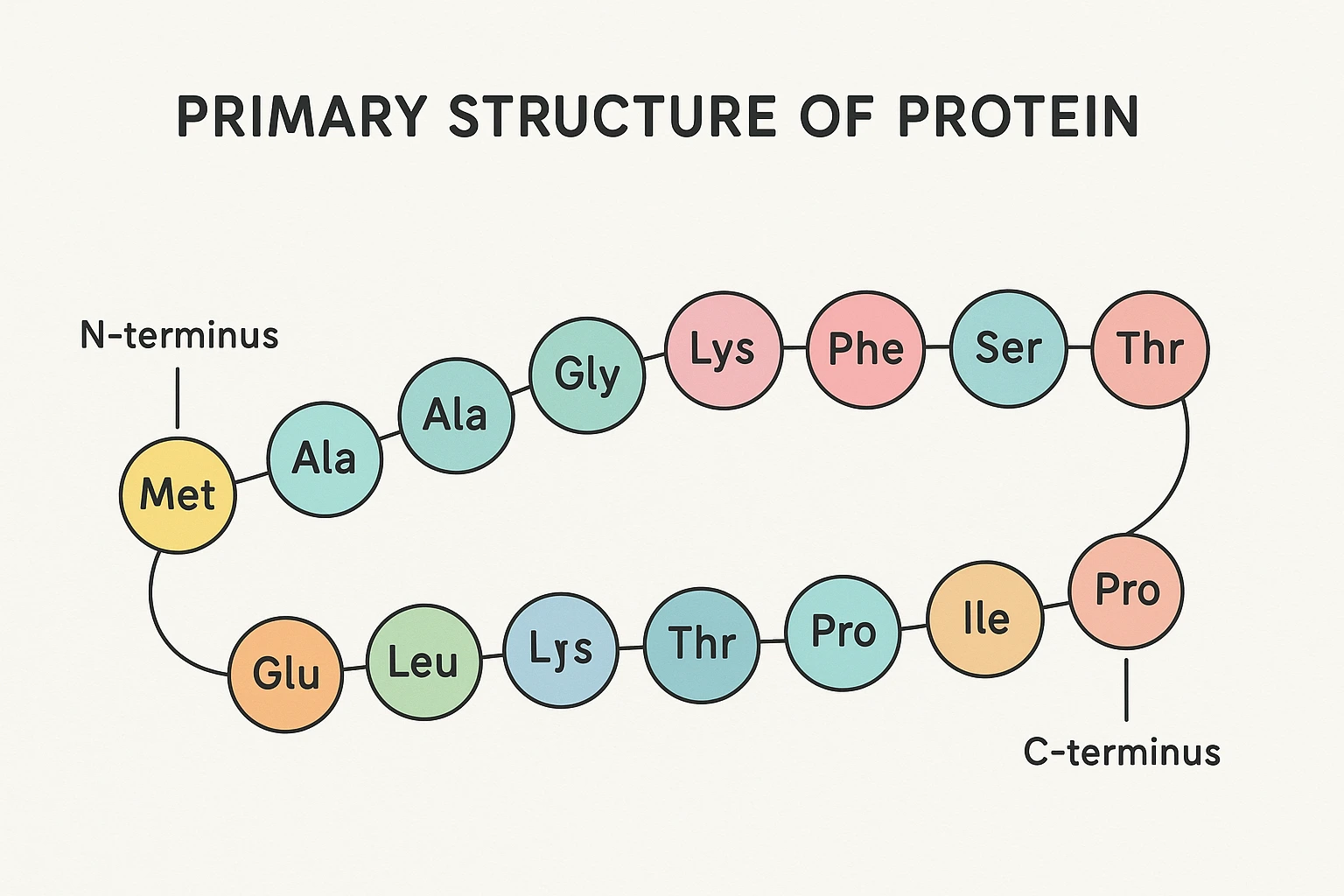
Primary Structure
The unique linear sequence of amino acids in a polypeptide chain.
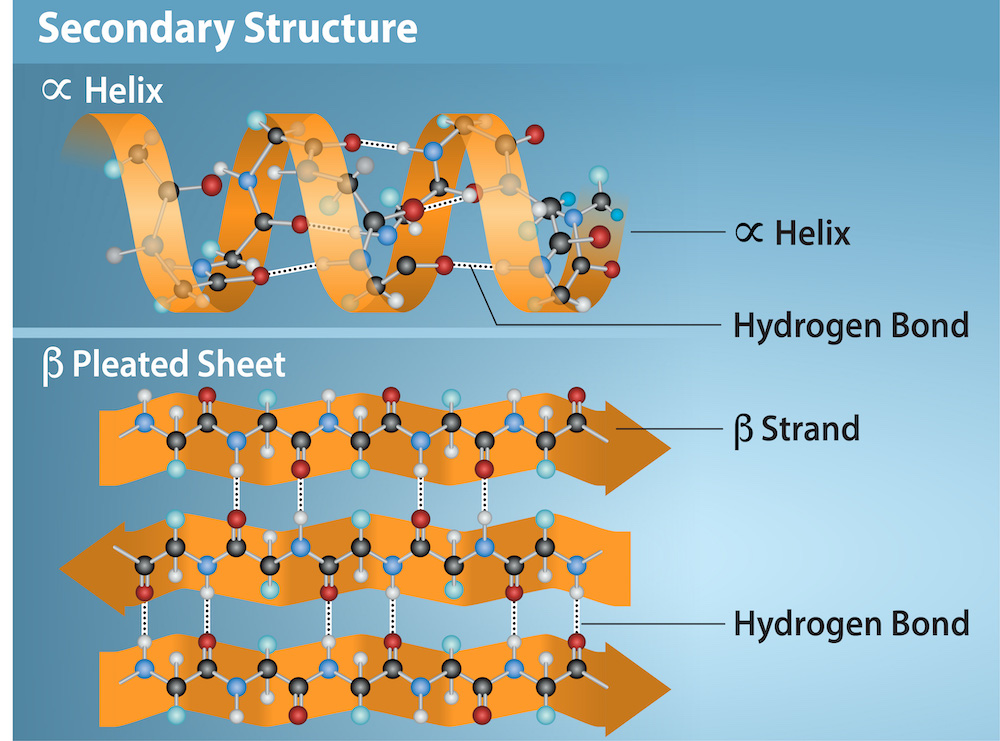
Secondary Structure
The 3D patterns of coils and sheets formed by hydrogen bonds.
Tertiary Structure
The level where helices and sheets fold into functional domains.

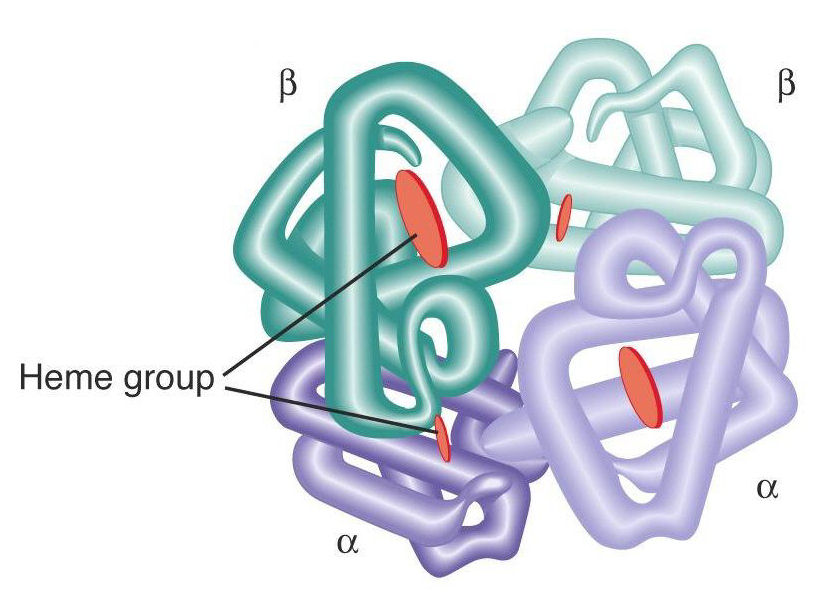
Quaternary Structure
The association of multiple polypeptide chains to form a single functional molecule.
Denaturation
The process where a protein loses its three-dimensional shape.
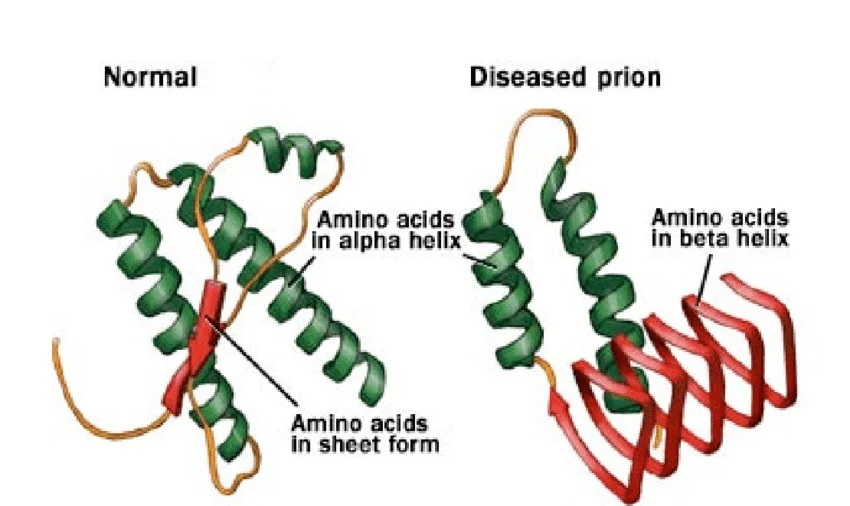
Prion
A misfolded protein that can cause other proteins to misfold.
Glycoprotein
A protein with one or more oligosaccharides attached.
Nucleotide Monomers
The building blocks of nucleic acids.
Sugar Components
Ribose is the sugar in RNA nucleotides; deoxyribose is in DNA nucleotides.
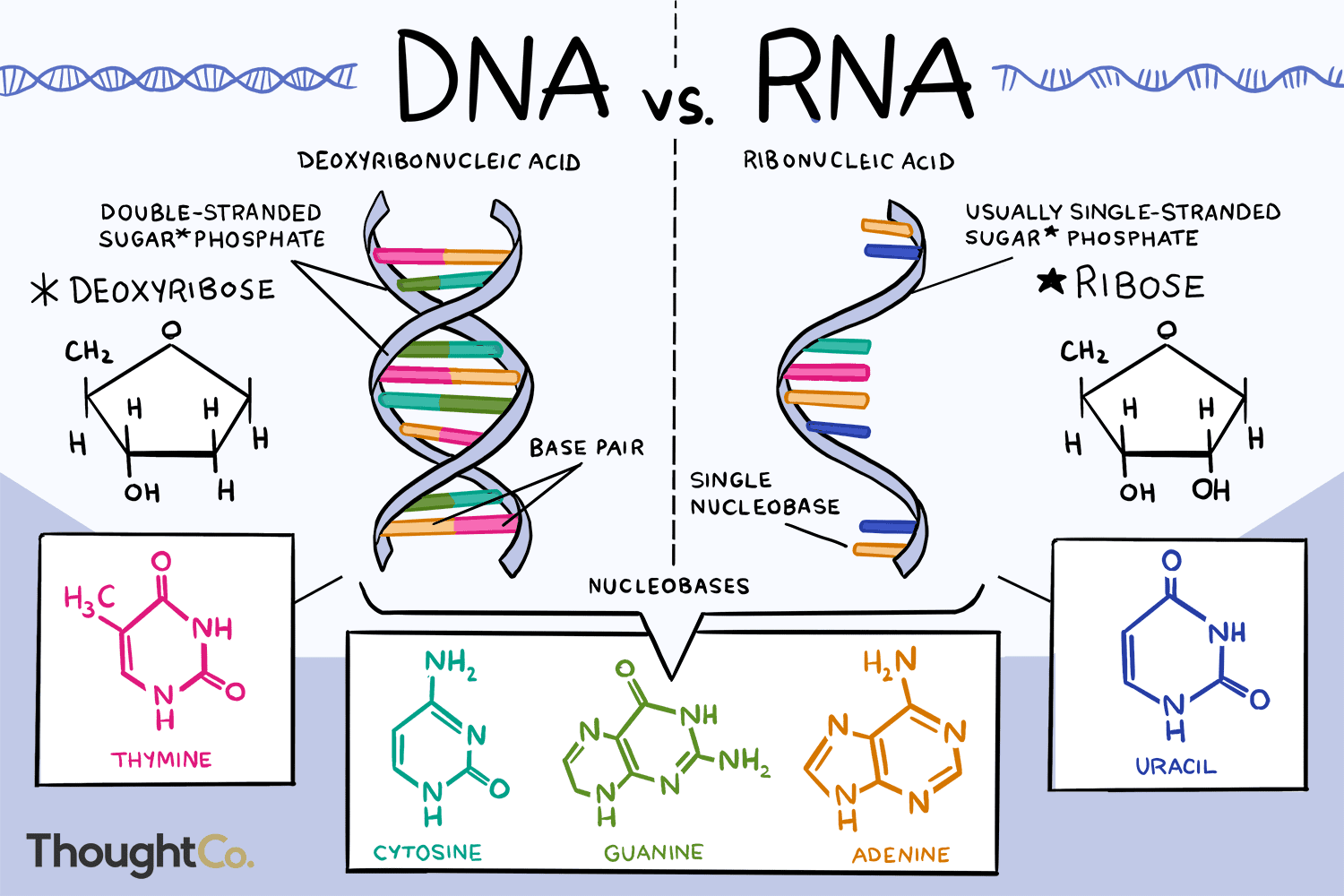
Nitrogenous Bases
Components of nucleotides that are chemically basic.
Biological Information
Information encoded in a nucleic acid consists of the specific sequence of its nucleotide monomers.
Phosphorus Role
Phosphorus is essential for life as it is incorporated into nucleic acids.