Roman Empire
 Studied by 0 people
 Call Kai
 Learn
Learn Practice Test
 Spaced Repetition
 Match
Match Flashcards
 Knowt Play
1/23

There's no tags or description
Looks like no tags are added yet.
Name | Mastery | Learn | Test | Matching | Spaced |
|---|
No study sessions yet.
24 Terms
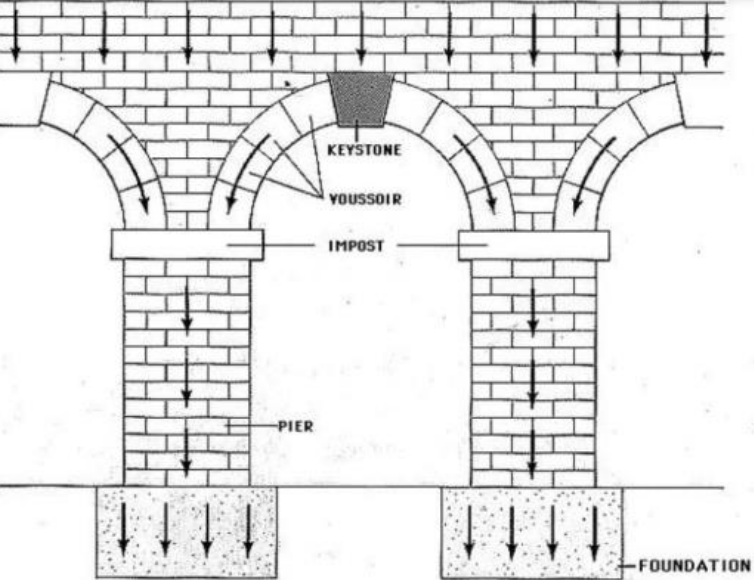
Roman Arch (picture)
Augustus as Imperator (image)
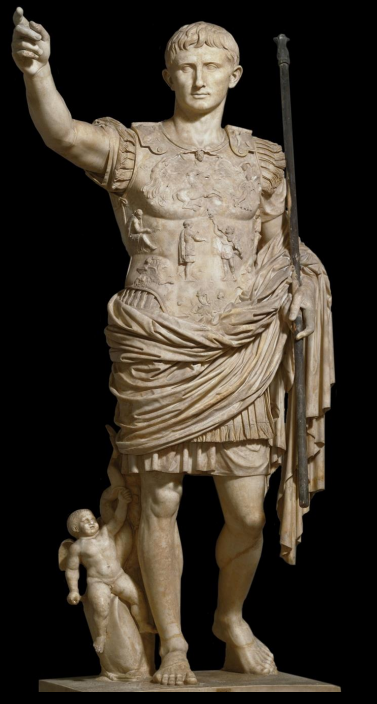
Augustus as Imperator
shows Pax Romana through Augustus’ breastplate
Takes from L’Arringatore & Greek sculpture
Depicted as divine, militaristic, and charismatic
Pax Romana
period of Augustus’ rule
Literally “Roman peace”
“Rome will build everywhere it conquers”
Roman Arch
Symbol of Roman power and presence
Used to signify Roman territory
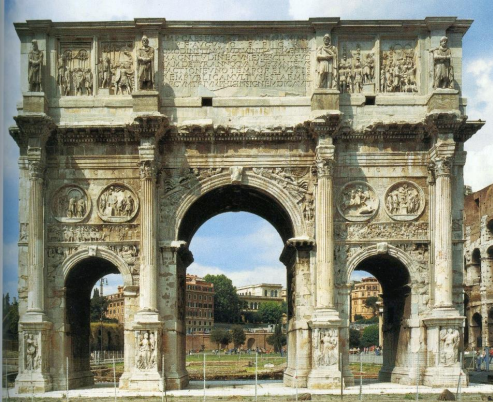
Arch of Constantine (image)
Pont-du-Gard (image)
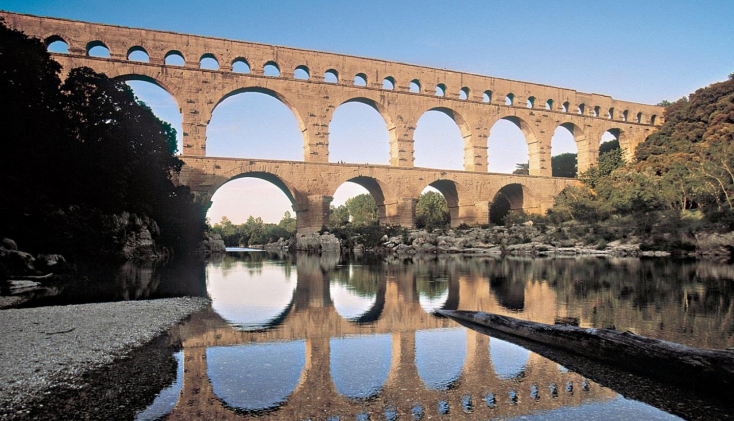
Pont-du-Gard
Aqueduct near Nimes, France
Brings water from a spring - “gravity flow”
Signifies Roman engineering and annexing
Each stone is 2 tons
Colosseum (image)
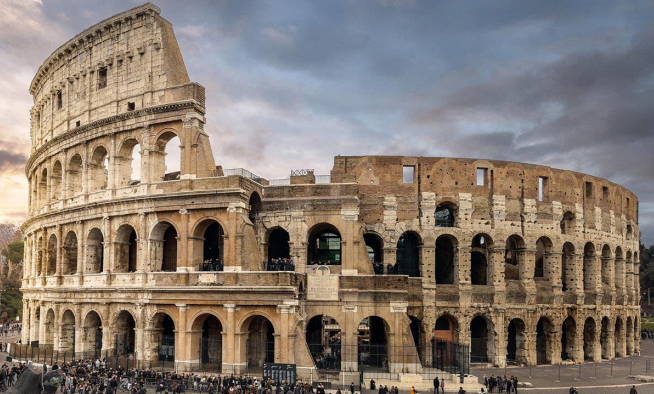
Colosseum
Flavian ampitheater
Made with concrete and tufa
Strong and defined horizontals and verticals
Used for entertainment
Augustus
First Roman Emperor
Arch of Constantine
Inception of Augustus’ Roman Arch
Concrete
Used by the Roman due to its cheapness, accessibility, and transportability
Greater Structural integrity than stone
Less likely to burn
Made by mixing water and pozzolana sand
Hadrian
ruled at Rome’s height of power
2nd Roman Emperor
Hadrian’s Wall (image)
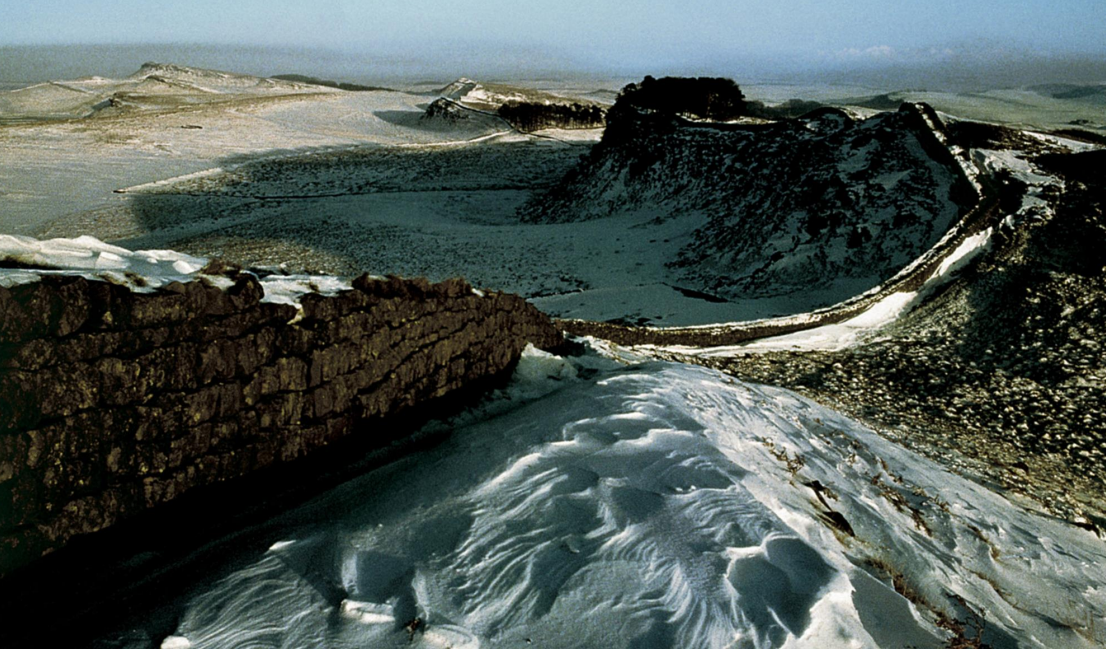
Hadrian’s Wall
Used to control access to Roman empire
Hadrian’s Statue (image)
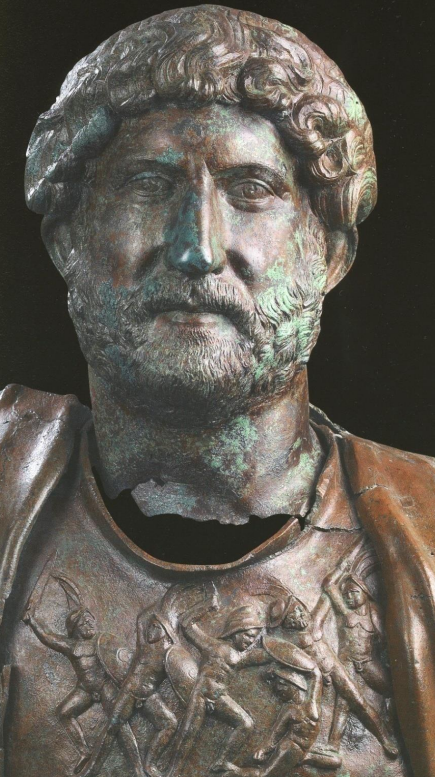
Hadrian’s Statue
Conveys wisdom, composure, and confidence
Reminiscent of Greek Sculpture
Pantheon (image)
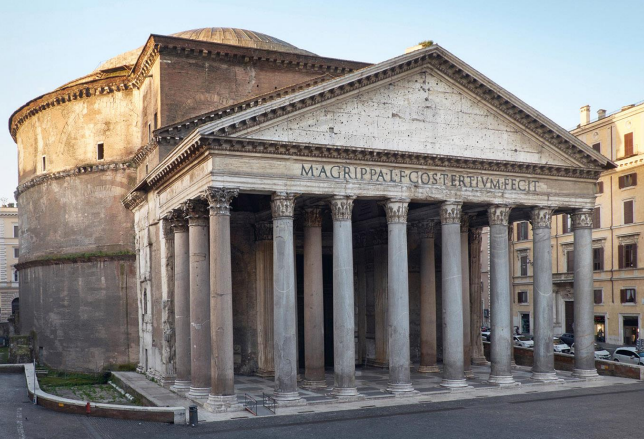
Pantheon (diagram)
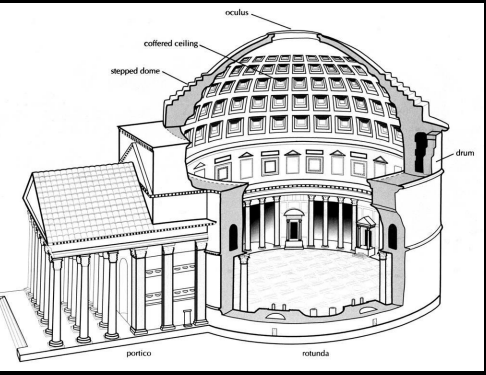
Pantheon
Temple dedicated to all Roman Gods
Located at the end of colonnaded courtyard
Oculus, coffered ceiling, drainage system
Roof thins as it rises, lighter materials
Temple facade with pediment
Equestrian statue of Marcus Aurelius (image)
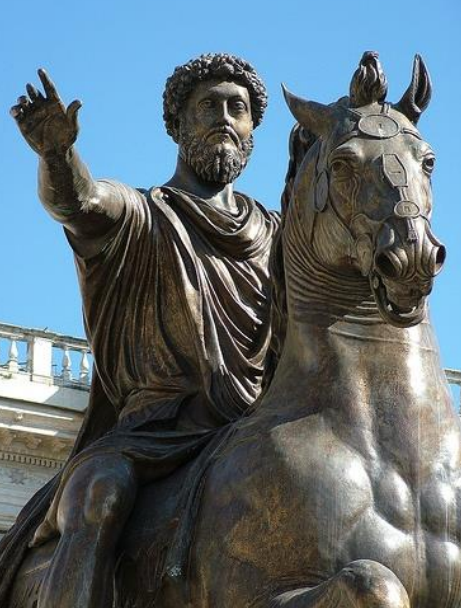
Equestrian statue of Marcus Aurelius
Served for future equestrian models
Made of bronze (elite status)
Extended hand commands authority
Gilded
Open composition
Marcus Aurelius
3rd Roman Emperor