ArtH - Mesoamerica (pre/post conquest)
 Call Kai
 Learn
Learn Practice Test
 Spaced Repetition
 Match
Match Flashcards
 Knowt Play
1/10

There's no tags or description
Looks like no tags are added yet.
Name | Mastery | Learn | Test | Matching | Spaced | Call with Kai | Chat |
|---|
No analytics yet
Send a link to your students to track their progress
11 Terms
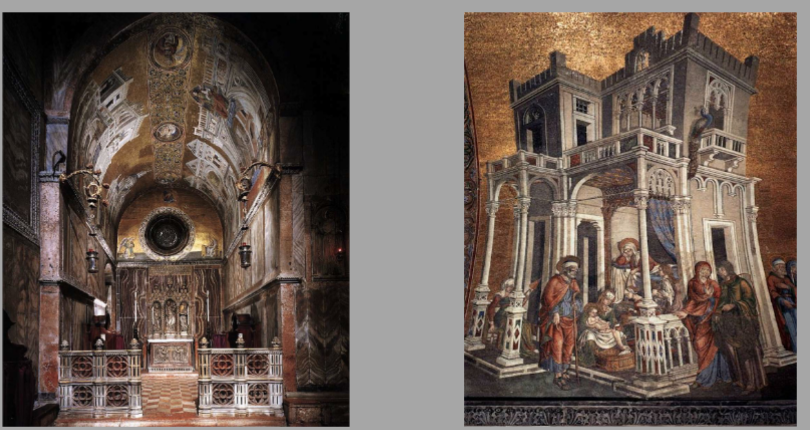
part of the basilica of di San Marco
beginning of elites commissioning their own small churches → incorporating biblical scenes
codices
recorded history, religion and political life through painted books called Codices (instead of alphebetical writings)
mostly included records of monarch families/growth and expansion of aztec polity
mostly documented the journey from aztlan → tenochtitlan (shown through footprints, mapped routes, place glyphs)

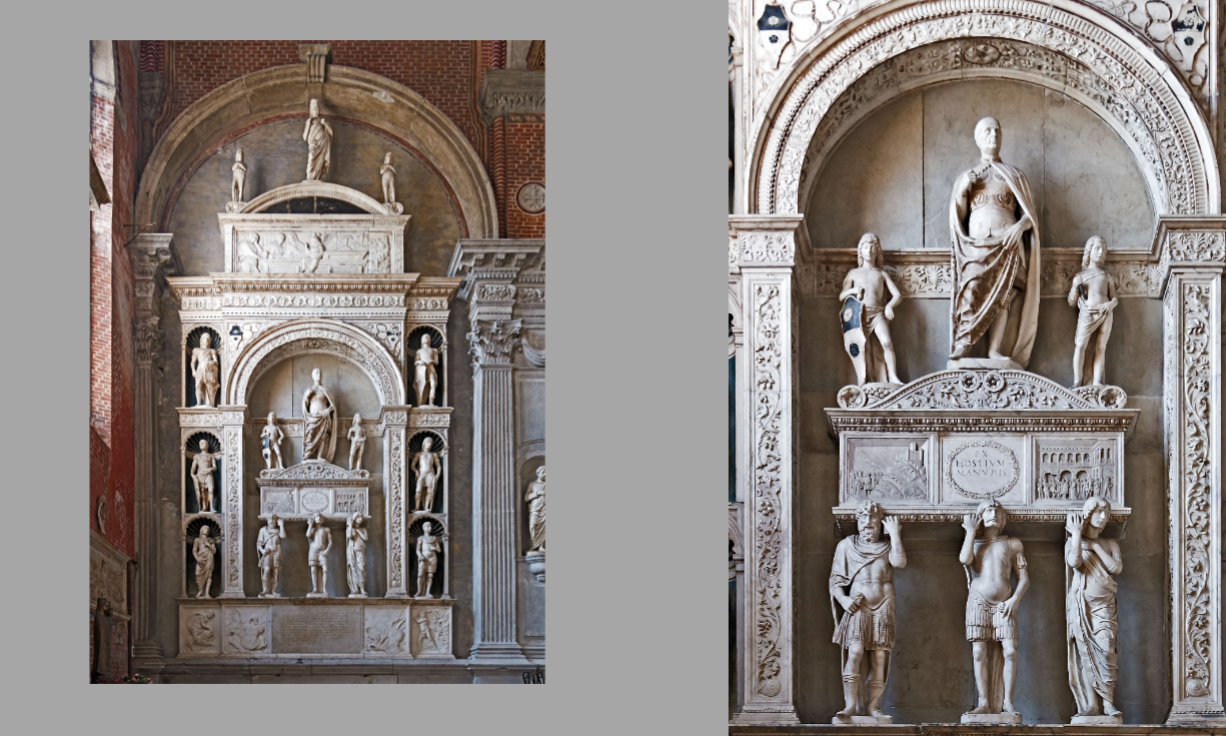
Venetian Personifications
Sarcophogus of the Doge (Tomb of Doge Pietro Mocenigo)
multiple statues of him at different points in life (included different successes that he had)
outermost figures are protectors
explain Mexica people and the founding of Tenochtitlan
Mexica people = nomads
migrant group settles in Tenochtitlan and forms Aztec Empire
land = many pyramids, palaces, aqueducts, close connection to nature
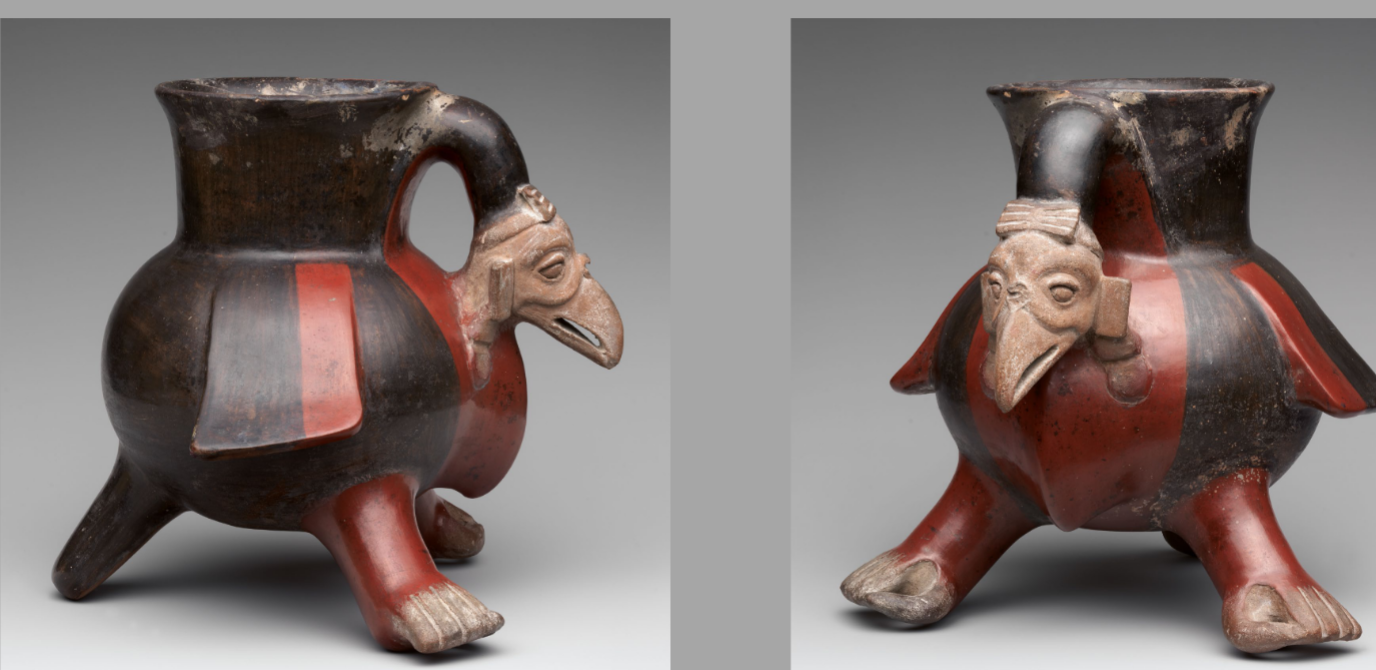
relic/sacrifice object from aztec empire
birds = connection to the gods
supposed to physically represent the gods
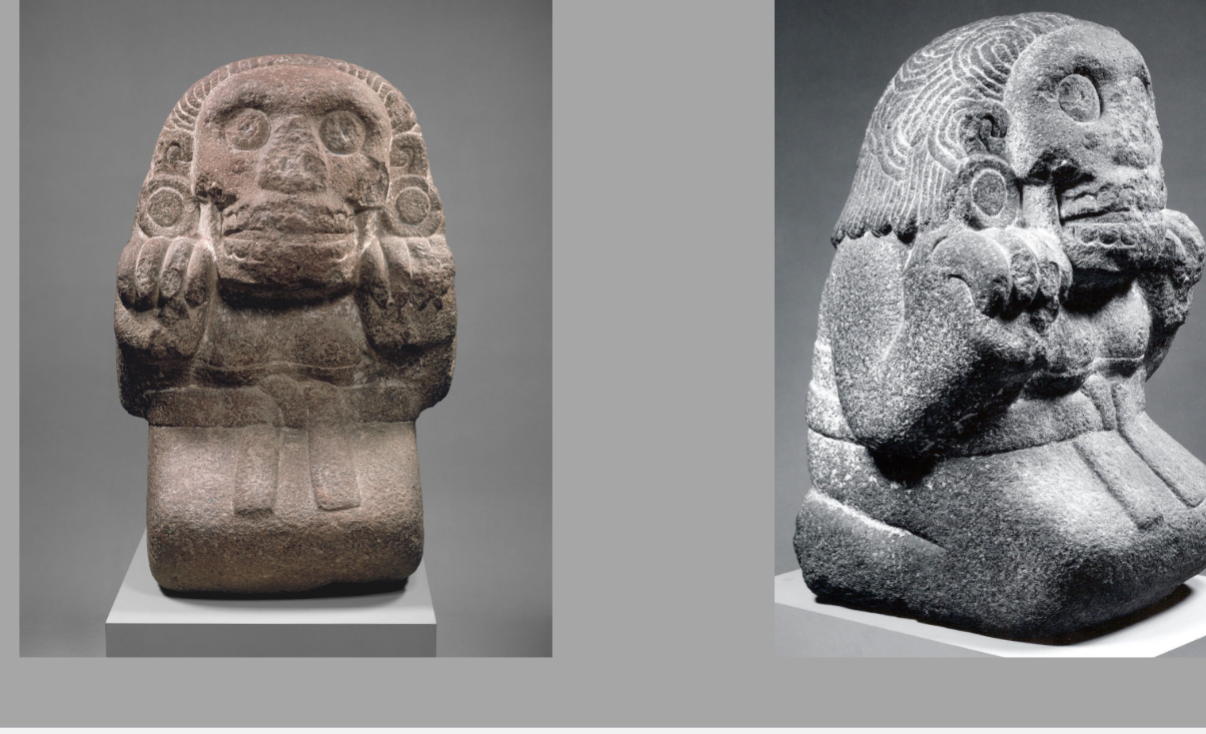
Cihuateol = stone sculpture depicting female wearing skirt
supposed to capture spirit of new born child after mother dies from birth

Hireoglyphs vs pictographs
pictographs=aztec, more symbolic to what the message is trying to convey
mesoamericas post-conquest
Monastic order arrived with military
conversion to christianity → especially to indigenous peoples
rise of Casta paintings → showcasing diversity in civilization (very fictional → made to downplay the realities of colonialism)
Florentine Codex
commissioned by monk to record all details of rituals from pre/post conquest of meso america
12 volumes document culture, economic status, natural history
Zocalo
town square with palace, markets, and church
churches used to communicate dominance
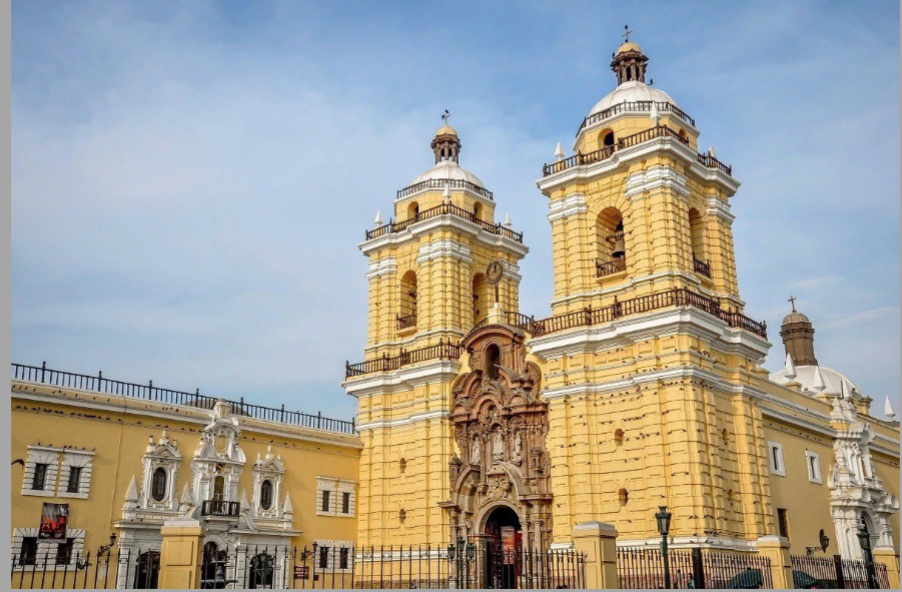
Church of San Francisco → built on top of indigenous remains
erased passed history