chapter 3 actual words
 Call Kai
 Learn
Learn Practice Test
 Spaced Repetition
 Match
Match Flashcards
 Knowt Play
1/44

There's no tags or description
Looks like no tags are added yet.
Name | Mastery | Learn | Test | Matching | Spaced | Call with Kai | Chat |
|---|
No analytics yet
Send a link to your students to track their progress
45 Terms
hernia
protrusion of an organ or the muscular wall of an organ through the cavity that normally contains it
hiatal hernia
the stomach protrudes upward into the mediastinum through the esophageal opening in the diaphragm
inguinal hernia
part of the intestine protrudes downward into the groin region
cystocele
part of the urinary bladder herniates through the vaginal wall as a result of weakness of the pelvic muscles
rectocele
the protrusion pf a portion of the rectum toward the vagina
omphalocele
herniation of the intestines through a weakness in the abdominal wall around the navel
gram-postive bacteria
retain light purple color of the stain used in the Gram's method
gram-negative bacteria
has the pink color of the counterstain used in the Gram's method

streptococcus
berry-shaped bacterium. causes strep throat, tonsillitis, rheumatic fever, and certain kidney ailments infections in teeth

staphylococci
grape like. external or internal lessions
abscess
collection of pus, white blood cells, and protein present at the site of infection
MRSA
serious staphylococcal condition that is difficult to treat with antibiotics
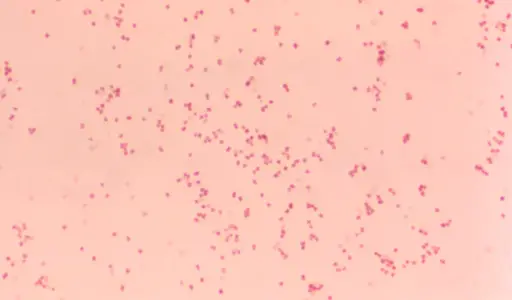
diplococci
pneumococci and gonococci
pneumococci
cause bacterial pneumonia
gonococci
invades the reproductive organs causing gonorrhea
c. difficile infection
causes inflammation of the color and severe diarrheal disease , common with antibiotics for long periods of time (become nonresistant)
fecal transplant
transfer of stool containing normal bacteria from a healthy donor into the colon of th epatient with chronic c. difficile infection
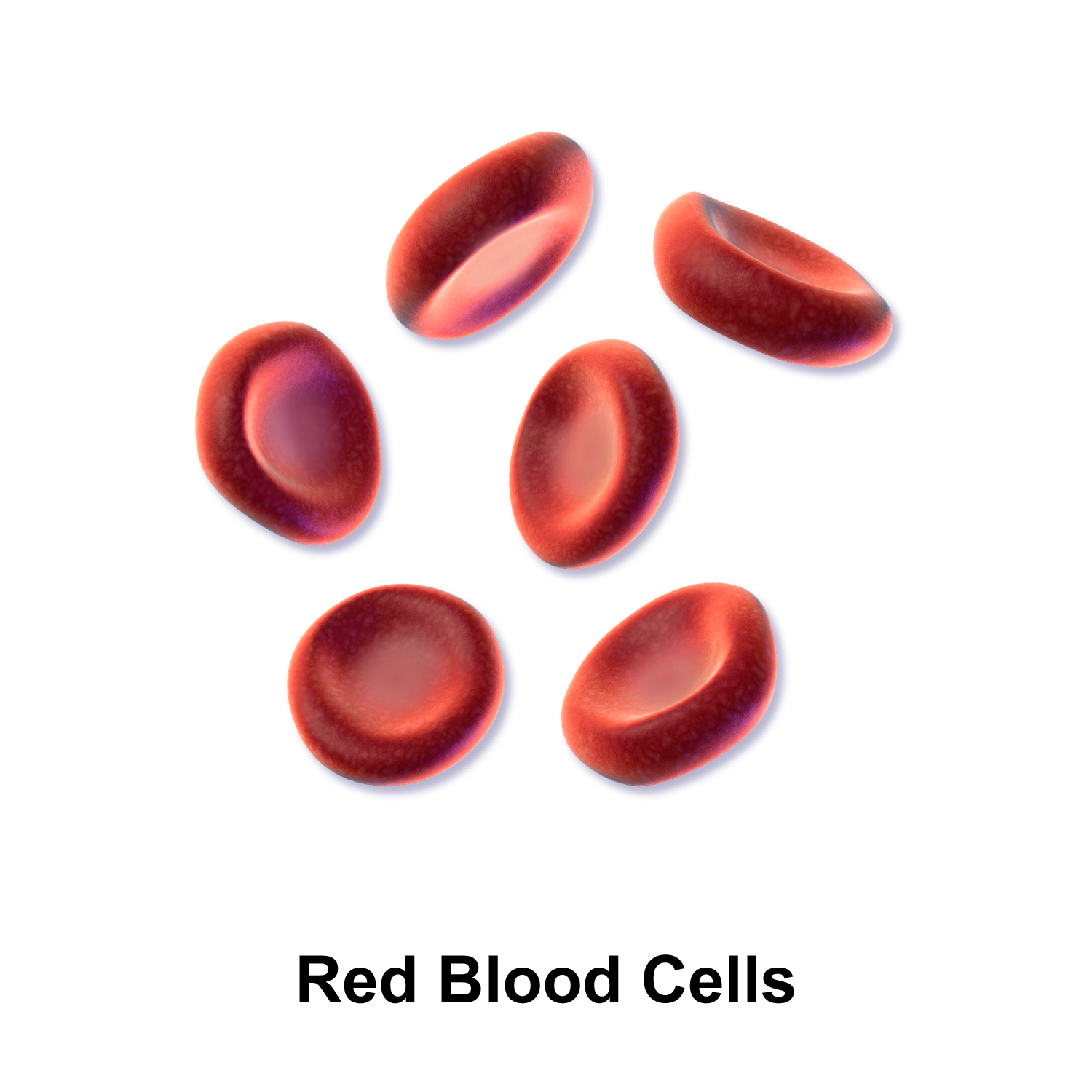
erythrocytes
red blood cells made in the bone marrow and carry oxygen from the lungs through the blood and release energy through catabolism
hemoglobin
important protein in erythrocytes and carries oxygen through the bloodstream

leukocytes
white blood cells (five types)
granulocytes
(3 types!) contain dark-staining granules in their cytoplasm and have a multilobed nucleus formed in the bone marrow

eosinophils
granules stained red with acidic stain and are increased in conditions like asthma

basophils
granules stain blue with basic stain and increase in the healing phase of inflammation

neutrophils
granules stain a pale purple with neutral stain. most important disease-fighting cells and most numerous. are phagocytes and polymorphonuclear leukocytes
phagocytes
eating, engulfing and digesting bacteria like circulating
polymorphonuclear leukocytes (neutrophils)
multilobed nucleus
mononuclear cells
have one large nucleus and only a few granules in their cytoplasm, produced in bone marrow, lymph nodes, and spleen (two types!)

lymphocytes
fight disease by producing antibiotics and destroy foreign cells. T cells and b cells

monocytes
engulf and destroy cellular debris after neutrophils have attacked foreign cells. leave bloodstream and enter tissues to become MACROphages (large phagocytes)

thrombocytes or platelets
tiny fragments of cells formed in the bone marrow and necessary to blood clotting
NLMEB
never (neutrophil), let (lymphocyte), monkeys (monocyte), eat (eosinophil), bananas (basophil)
acromegaly
endocrine disorder that occurs when the pituitary gland produced an excessive amount of growth hormone after puberty
laparoscopy
a visual examination of the abdominal cavity using a laparoscope to examine viscera for evidence of disease or procedures of removal
tracheotomy
an incision into the trachea typically done to open it below a blockage, removes a foreign body
tracheostomy
opening into the trachea through which an indwelling tube is inserted, required to allow air to flow into the lungs
adenois
small masses of lymphatic tissue in the part of the pharynx near the nose and nasal passages
Amniocentesis
Withdrawal of fluid that surrounds the embryo for culture and karyotyping
guided by ultrasound
• The procedure is generally carried out between 15-18 weeks gestation
• Detects chromosomal abnormalities, fetal sex, open neural tube defects and
other abnormalities
Anemia
Literal meaning is “no blood”
• A condition in which the red blood cells (erythrocytes) are reduced in
number or volume or are deficient in hemoglobin
Achondroplasia
A genetic disorder characterized by an abnormality in the conversion of
cartilage into bone
• Long bones such as the femur and humerus cannot grow
• The most common cause of dwarfism
• Characterized by short limbs, a normal trunk, enlarged head, bulging
forehead, saddle nose, protruding jaw, deeply incurved lower back with
prominent buttocks, and a narrow chest
• Inherited as an autosomal dominant trait
Ischemia
Decreased blood flow to a tissue/organ depriving cells of oxygen
– Leads to necrosis (tissue death) if not reversed
Hemostasis
The control of blood loss after injury or surgery
Leukemia
Cancer of the blood-forming tissues characterized by a large increase in
the numbers of white blood cells (leukocytes) in the circulation or bone
marrow
– A number of different leukemias are classified according to the course of
the disease and the predominant type of white blood cell involved
Lymphoma
Any of a group of malignant diseases of the lymphatic system, usually
starting in the lymph nodes or in lymphoid tissues of other organs, such
as the lungs, spleen, and skin
– Classified into two types, Hodgkin disease and non-Hodgkin
Spleen
Part of the lymphatic system located in the LUQ
– Removes old RBC out of circulation
– Manufactures WBC to fight disease
Splenomegaly
Abnormal enlargement of the spleen
• Most commonly caused by portal vein hypertension
• Other causes include hemolytic blood diseases and mononucleosis