unit four - carbohydrates and lipids
 View linked note
 Call Kai
 Learn
Learn Practice Test
 Spaced Repetition
 Match
Match Flashcards
 Knowt Play
1/67

There's no tags or description
Looks like no tags are added yet.
Name | Mastery | Learn | Test | Matching | Spaced | Call with Kai | Chat |
|---|
No analytics yet
Send a link to your students to track their progress
68 Terms
Carbohydrates
• The most abundant biomolecules in nature.
• Main dietary energy source globally, constituting 40–80% of total energy intake.
• Found primarily in fruits, vegetables, cereals, and legumes.
• Almost exclusively present in plant-based foods.
Energy Yield of Carbohydrates
• Carbohydrates provide ~4 kcal/g.
• They are the body’s primary fuel source, providing immediate energy.
Glycogen
The stored form of carbohydrates in the liver (75–100g) and muscles (125–400g).
Monosaccharides
Basic units of carbohydrates, examples include glucose and fructose.
Disaccharides
Combinations of two monosaccharides, examples include sucrose, lactose, and maltose.
Polysaccharides
Chains of 20 or more monosaccharides; examples include starch, glycogen, and fiber.
Glycemic Index (GI)
1. Glycemic Index:
• Measures the effect of carbohydrate-rich foods on blood glucose levels over two hours.
• High GI: Rapid blood sugar spikes (≥70).
• Low GI: Slow and sustained release (≤55).
High Glycemic Index
Foods that cause rapid blood sugar spikes, with a GI of 70 or more.
Low Glycemic Index
Foods that release glucose slowly and steadily, with a GI of 55 or less.
Fiber
A type of carbohydrate that regulates intestinal function.
Lipids
• A diverse group of compounds characterized by:
• Insolubility in water.
• Solubility in nonpolar solvents (e.g., ether, benzene).
• Greasy texture.
• Includes triglycerides, phospholipids, and cholesterol.
Triglycerides
The primary form of stored energy in adipose tissue, providing 9 kcal/g.
Essential Fatty Acids
1. Omega-3 (ω-3):
• Sources: Alpha-linolenic acid (ALA), eicosapentaenoic acid (EPA), docosahexaenoic acid (DHA).
• Functions:
• Brain development and growth.
• Anti-inflammatory processes.
• Regulation of blood pressure and lipid metabolism.
2. Omega-6 (ω-6):
• Source: Linoleic acid (LA), arachidonic acid (AA).
• Functions:
• Inflammatory and atherogenic roles.
• Found in oils (sunflower, corn), nuts, and seeds.
Optimal Ratio (ω-6:ω-3):
• Recommended: 2:1 to 3:1. Current Western diets often exceed this ratio, necessitating increased omega-3 intake
Omega-3 Fatty Acids
Fatty acids known for their anti-inflammatory properties, found in fatty fish and flaxseed.
• Sources: Alpha-linolenic acid (ALA), eicosapentaenoic acid (EPA), docosahexaenoic acid (DHA).
• Functions:
• Brain development and growth.
• Anti-inflammatory processes.
• Regulation of blood pressure and lipid metabolism.
Omega-6 Fatty Acids
Fatty acids that are necessary for skin health and energy production but can promote inflammation when consumed in excess.
• Source: Linoleic acid (LA), arachidonic acid (AA).
• Functions:
• Inflammatory and atherogenic roles.
• Found in oils (sunflower, corn), nuts, and seeds.
Trans Fatty Acids (TFA)
Fats formed through hydrogenation; associated with increased risk of coronary heart disease.
Sources:
• Chemically hydrogenated margarine.
• Commercial frying fats.
• Baked goods high in fat (e.g., pastries).
Health Risks:
• Increased risk of coronary heart disease.
• Associated with cancer, Type 2 diabetes, and allergies.
Dietary Recommendations:
• Minimize intake of trans and saturated fats.
Cholesterol
A lipid that is a structural component of cell membranes and a precursor for steroid hormones.
Functions:
• Structural component of cell membranes.
• Precursor for:
• Steroid hormones (e.g., testosterone, estrogen).
• Vitamin D.
• Bile acids for fat digestion.
Sources:
• Found exclusively in animal products (e.g., eggs, dairy, meat).
• The body synthesizes sufficient cholesterol; dietary intake is unnecessary.
High-Density Lipoprotein (HDL)
Often referred to as 'good cholesterol'; removes excess cholesterol from blood.
• HDL (High-Density Lipoprotein): “Good cholesterol” that removes excess cholesterol from cells.
1. HDL (High-Density Lipoprotein): Removes cholesterol from the bloodstream.
Low-Density Lipoprotein (LDL)
Referred to as 'bad cholesterol'; carries cholesterol to cells and can cause plaque buildup.
• LDL (Low-Density Lipoprotein): “Bad cholesterol” that can deposit in arterial walls.
2. LDL (Low-Density Lipoprotein): Delivers cholesterol to tissues; excess can lead to plaque buildup.
Very Low-Density Lipoprotein (VLDL)
Lipoprotein that transports triglycerides from the liver to tissues.
• VLDL (Very Low-Density Lipoprotein): Transports triglycerides to tissues.
3. VLDL (Very Low-Density Lipoprotein): Transports triglycerides.
Dietary Recommendations for Saturated Fat
Limit intake due to its association with cardiovascular diseases.
Hydrogenation of unsaturated fatty acids
Process that adds hydrogen atoms to unsaturated fatty acids, making them more stable.
• Process:
• Adds hydrogen atoms to unsaturated fats to make them more stable and solid at room temperature.
• Partial hydrogenation creates trans fatty acids.
Applications:
• Used in the production of:
• Margarine.
• Shortening (for baked goods).
Health Effects of Trans Fats:
• Behave like saturated fats, increasing the risk of:
• Coronary heart disease.
• Type 2 diabetes.
• Cancer.
• Adverse effects on cellular membrane fluidity.
Fatty Acids Classification
Classified by chain length (short, medium, long), saturation (saturated, monounsaturated, polyunsaturated), and isomerism (cis, trans).
1. By Chain Length:
• Short Chain (2–6 carbons): Acetic, butyric acids.
• Medium Chain (8–10 carbons): Caprylic, capric acids.
• Long Chain (12+ carbons): Most common in the diet.
2. By Saturation:
• Saturated (SFA): Found in animal fats and tropical oils.
• Monounsaturated (MUFA): Found in olive oil and avocados.
• Polyunsaturated (PUFA): Found in fish oils and seeds.
3. By Isomerism:
• Cis (natural): Beneficial to health.
• Trans (industrial): Harmful; linked to cardiovascular risks.
Cis Fatty Acids
Naturally occurring configuration of unsaturated fats, beneficial to health.
Trans Fats Health Risks
Associated with increased risk of coronary heart disease and other health issues.
Omega-3 Sources
Primary Sources:
• Fatty fish: Salmon, mackerel, sardines, and tuna.
• Plant-based sources: Flaxseed, chia seeds, walnuts, and algae.
Key Functions:
1. Supports brain development and function.
2. Reduces inflammation.
3. Promotes cardiovascular health.
4. Regulates lipid metabolism and glucose control.
Omega-6 Sources
Primary Sources:
• Sunflower oil, corn oil, soybean oil, and nuts.
Key Functions:
1. Plays a role in inflammatory and immune responses.
2. Promotes skin health and growth.
3. Contributes to energy production.
Concerns:
• Excess omega-6 consumption relative to omega-3 may increase inflammation and cardiovascular risk.
Cholesterol Sources
Found exclusively in animal products.
Dietary Sources:
• Found in animal products: Eggs, dairy, and meat.
• Not present in plant-based foods.
Functions:
1. Structural component of cell membranes.
2. Precursor for bile acids, steroid hormones, and vitamin D.
Nutritional Functions of Lipids
Include energy storage, structural roles in cell membranes, and regulatory roles in hormone production.
Insulation Function of Lipids
Lipids act as insulators, helping to retain body heat.
Metabolism of Triglycerides
Triglycerides are broken down into glycerol and fatty acids for energy.
Ketogenesis
Conversion of fatty acids into ketone bodies during carbohydrate restriction.
Fat-Soluble Vitamins
Include vitamins A, D, E, and K, which are absorbed with dietary fat.
Dietary Recommendations for Lipids
Increase unsaturated fat intake while limiting saturated and avoiding trans fats.
1. Reduce Saturated Fat Intake:
• Replace with unsaturated fats to lower cardiovascular risk.
2. Avoid Trans Fats:
• Completely eliminate from the diet.
3. Increase Omega-3 Fats:
• Incorporate fish or plant-based sources.
4. Moderate Total Fat Consumption:
• Aim for fats to constitute 20–35% of total caloric intake.
Trans Fat Avoidance
Recommended to be eliminated entirely from the diet.
Omega-3 Fatty Acid Ratio
Optimal intake ratio of omega-6 to omega-3 is between 2:1 and 3:1.
Effects of Trans Fats on Health
Link to increased LDL cholesterol and potential for inflammation.
Role of Bile in Lipid Digestion
Emulsifies fats, increasing the surface area for enzyme action.
Pancreatic Lipase
Enzyme that digests triglycerides into free fatty acids and monoglycerides.
Micelle Formation
Process that allows lipid absorption in intestinal cells.
Chylomicrons
Lipid transport molecules that carry dietary lipids from the intestines to the bloodstream.
Saturated Fat Health Impact
High intake linked to increased LDL cholesterol and cardiovascular disease.
Monounsaturated Fatty Acids (MUFA)
Found in olive oil, avocados; beneficial for heart health.
Polyunsaturated Fatty Acids (PUFA)
Include omega-3 and omega-6; essential for the body.
Dietary Recommendations for Unsaturated Fats
Emphasize sources like olive oil, avocados, and fatty fish.
Heart-Healthy Cooking Methods
Include grilling, baking, and steaming instead of frying.
Nutritional Role of Fatty Acids
Provide energy, support cell structure, and aid in hormone production.
Risks of Excessive Omega-6 Intakes
May lead to inflammatory conditions and cardiovascular risks.
Overall Dietary Fat Composition
Should constitute 20-35% of total daily caloric intake.
Fatty Acid Function
Support various physiological functions and metabolic processes.
Main Function of Lipids
Energy storage and cellular structure maintenance.
Sources of Vitamins A, D, E, and K
Fatty foods and oils that enhance nutrient absorption.
Healthy Alternatives for Cooking
1. Cooking Oils:
• Prioritize unsaturated oils (olive, canola).
2. Fat Replacements:
• Use healthy alternatives for trans fats in recipes.
3. Omega-3 Enrichment:
• Incorporate fatty fish or plant-based sources like flaxseed.
Impact of Fats on Satiety
Fats contribute to feeling full, which helps regulate appetite.
Avoiding Processed Foods
Recommended to reduce intake of unhealthy fats.
Glycemic Load (GL)
• Considers both the GI and the amount of carbohydrates consumed.
carbohydrate functions
1. Energy Function:
• Serve as the primary immediate fuel.
• Stored as glycogen in:
• Liver (75–100g).
• Muscles (125–400g).
• Other tissues (minimal storage).
• Mobilized during fasting or high energy demands.
2. Structural Function:
• Integral to DNA, ATP, and plant cell walls (cellulose).
3. Regulatory Function:
• Fiber regulates intestinal function.
• Carbohydrates linked to lipids or proteins serve as recognition signals for hormones and other molecules.
4. Detoxifying Function:
• Increase solubility of toxins through conjugation with glucose derivatives (e.g., glucuronic acid).
carbohydrate structure
• Composed of carbon, hydrogen, and oxygen (CH₂O)n.
• Commonly referred to as carbohydrates, saccharides, sugars, or glycides.
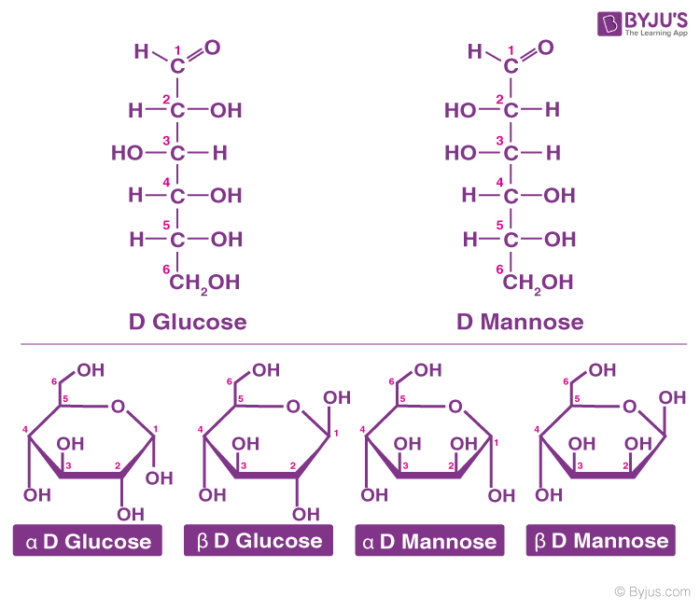
carbohydrate classifications
1. Monosaccharides:
• Basic units forming disaccharides, oligosaccharides, and polysaccharides.
• Examples: glucose, fructose.
2. Disaccharides:
• Combinations of two monosaccharides. Examples:
• Sucrose (glucose + fructose): Table sugar.
• Lactose (glucose + galactose): Found in milk.
• Maltose (glucose + glucose): Derived from starch breakdown.
3. Polysaccharides:
• Chains of 20+ monosaccharides.
• Examples:
• Starch: Major dietary source of energy, found in plants.
• Glycogen: Energy storage in animals, stored in liver and muscles.
• Fiber: Resistant to digestion, classified as soluble or insoluble.
Dietary Cholesterol
• Found only in animal-derived foods.
• The liver synthesizes adequate cholesterol, so dietary intake is not essential.
functions of lipids
1. Energy Storage:
• Stored as triglycerides in adipose tissue, providing 9 kcal/g.
2. Structural Role:
• Integral to cell membranes (phospholipids, glycolipids).
3. Regulatory Role:
• Involved in hormone production (e.g., sex hormones, adrenal hormones).
• Necessary for the absorption of fat-soluble vitamins (A, D, E, K).
4. Temperature Regulation:
• Acts as an insulator, especially in cold climates.
fatty acids
Definition:
• Simple lipids classified by:
1. Chain Length:
• Short Chain (2–6 carbons): Examples include acetic (2C) and butyric acid (4C).
• Medium Chain (8–10 carbons): Includes caprylic (8C) and capric acid (10C).
• Long Chain (12+ carbons): Nutritionally significant fatty acids.
2. Saturation:
• Saturated (SFA): Single bonds between carbons (e.g., animal fats, palm oil).
• Monounsaturated (MUFA): One double bond (e.g., olive oil, canola oil).
• Polyunsaturated (PUFA): Two or more double bonds (e.g., omega-3 and omega-6 fatty acids).
3. Isomerism (Cis and Trans):
• Cis: Naturally occurring configuration, beneficial to health.
• Trans: Formed through hydrogenation, associated with negative health effects.
nutritional guidelines for lipids
1. Saturated Fat: Limit intake due to its association with cardiovascular diseases.
2. Trans Fat: Avoid consumption altogether.
3. Unsaturated Fats: Prioritize MUFA and PUFA sources.
4. Cholesterol: Maintain moderate levels through dietary choices.
Key Takeaways
• Lipids play critical roles in energy storage, hormone production, and structural integrity of cells.
• A balance of essential fatty acids is vital for maintaining health.
• Overconsumption of trans and saturated fats should be avoided to reduce health risks.
sources of EFAs
1. Omega-6:
• Sunflower oil, corn oil, soybean oil, nuts, seeds.
• Associated with pro-inflammatory responses.
2. Omega-3:
• Fatty fish (salmon, mackerel, sardines), walnuts, flaxseed, and algae.
• Anti-inflammatory, supporting brain and heart health.
Dietary Balance:
• Ideal Ratio: 2:1 to 3:1 (Omega-6 to Omega-3).
• Most Western diets exceed this ratio, requiring increased Omega-3 intake.
lipid metabolism
1. Energy Storage:
• Triglycerides stored in adipose tissue are the body’s largest energy reserve.
2. Energy Release:
• During fasting or energy demands, triglycerides are broken down into glycerol and fatty acids.
3. Ketogenesis:
• In carbohydrate-restricted states, fatty acids are converted into ketone bodies for energy.
(Synthesis and Breakdown
1. Triglyceride Synthesis:
• Excess energy is stored as triglycerides in adipose tissue.
2. Lipolysis:
• During fasting or energy needs, triglycerides are broken down into glycerol and fatty acids.
3. Beta-Oxidation:
• Fatty acids are broken down in the mitochondria to produce energy.
4. Ketogenesis:
• In carbohydrate-restricted states, fatty acids are converted into ketones, an alternative energy source for the brain and muscles.)
lipid classification recap
1. Saturated Fats: Found in animal products and tropical oils.
2. Monounsaturated Fats: Found in olive oil and avocados.
3. Polyunsaturated Fats: Found in fish oils and seeds (omega-3 and omega-6).
4. Trans Fats: Industrially produced; harmful to health.
lipid functions recap
1. Energy Source: Provides 9 kcal/g.
2. Cellular Structure: Integral to cell membranes.
3. Hormone Precursors: Necessary for steroid hormone production.
4. Insulation: Helps regulate body temperature.
5. Fat-Soluble Vitamins: Aids in the absorption of vitamins A, D, E, and K.
lipids overview
Lipids are essential for energy, cell structure, and various regulatory functions. A balanced intake of healthy fats, with a focus on unsaturated and omega-3 sources, can significantly improve overall health and reduce disease risk.