NM Mammals
 Call Kai
 Learn
Learn Practice Test
 Spaced Repetition
 Match
Match Flashcards
 Knowt Play
1/83

Earn XP
Description and Tags
Vocabulary practice flashcards for mammalian orders, families, and scientific species names based on class notes.
Name | Mastery | Learn | Test | Matching | Spaced | Call with Kai | Chat |
|---|
No analytics yet
Send a link to your students to track their progress
84 Terms
Cingulata
Dasypodidae
Dasypus novemcinctus
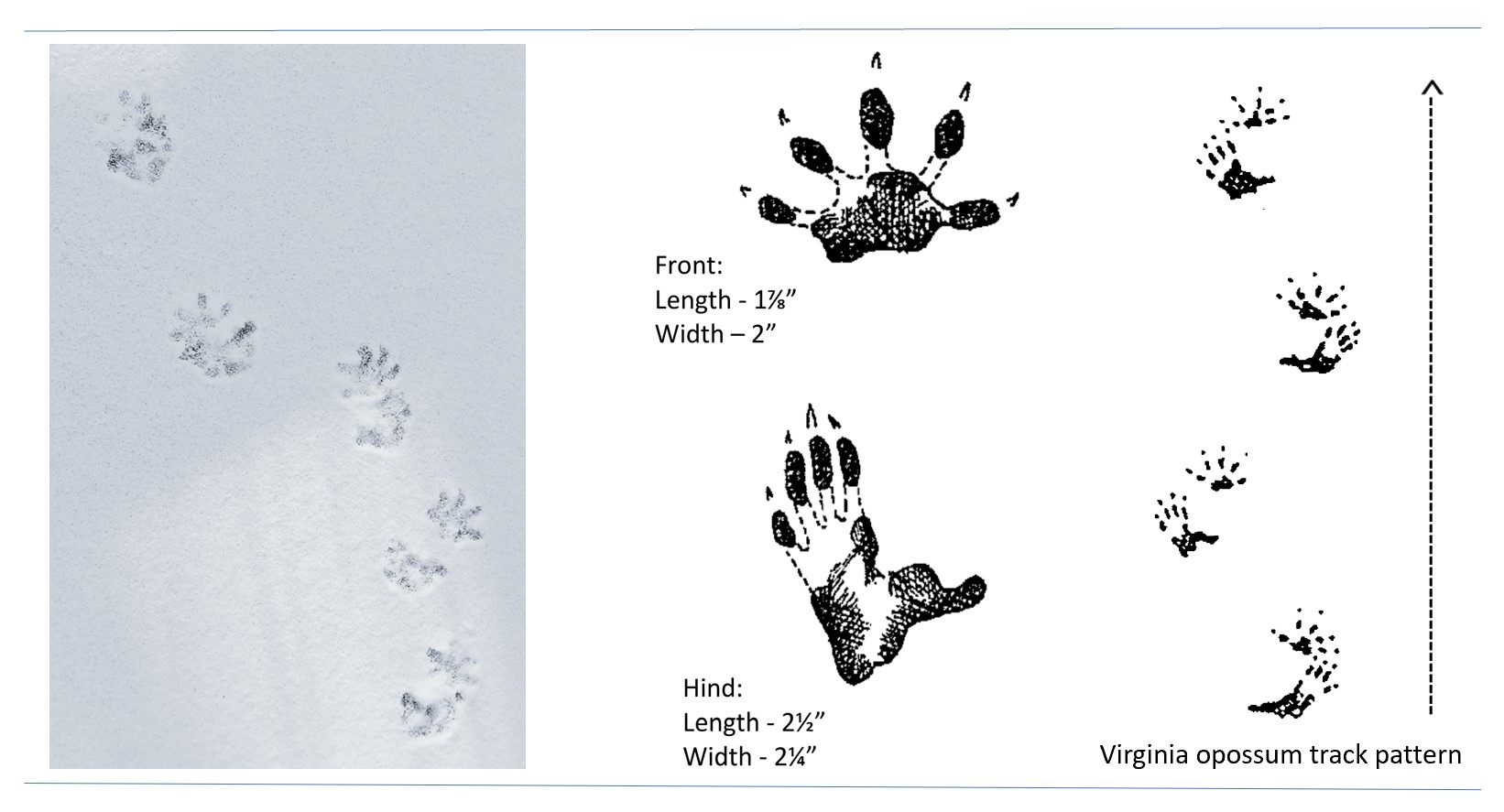
Didelphimorphia
Didelphidae
Didelphis virginiana
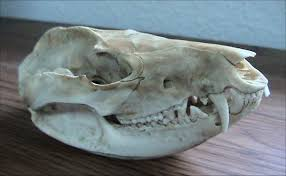
Feet: plantigrade, 5-5.
Teeth: 5/4, 1/1, 3/3, 4/4. No carnassial pair.
Pacer/waddler gait.
Carnivora
Canidae
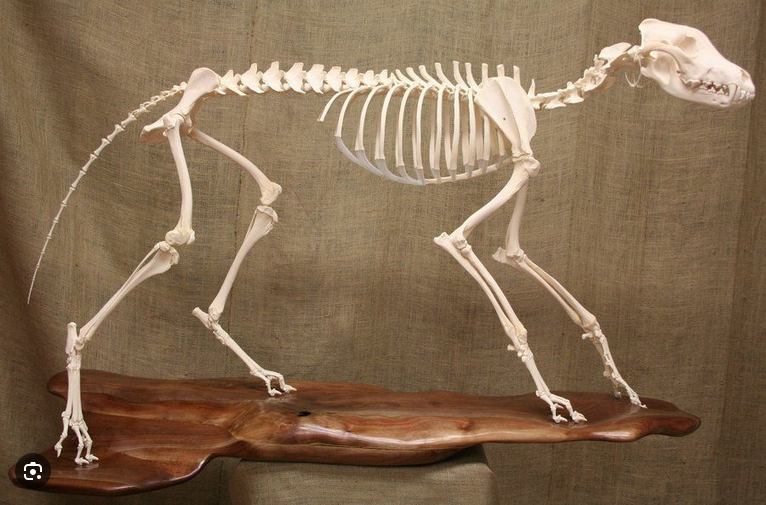
Feet: digitigrade, 5(4)-4.
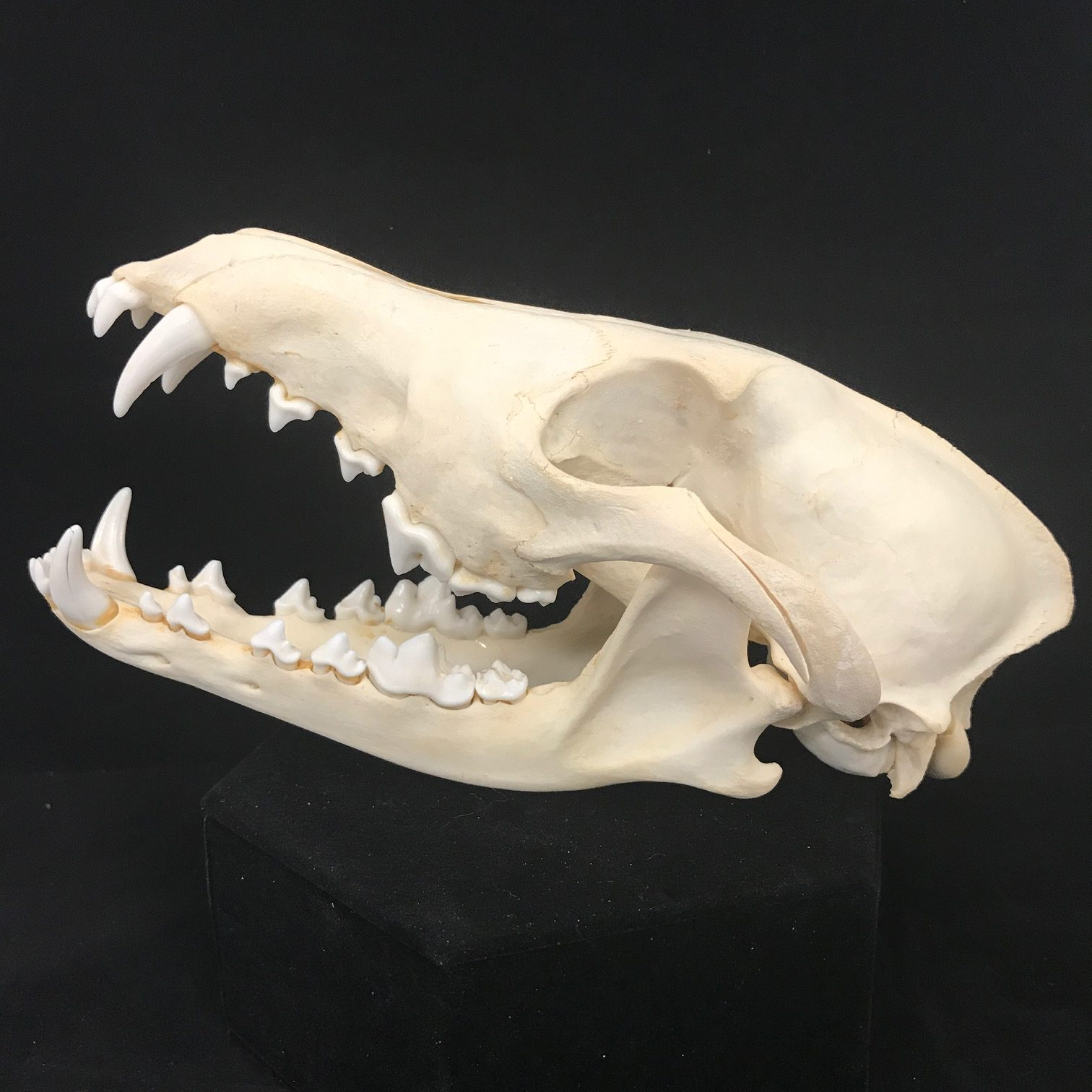
Teeth: 3/3,1/1, 4/4, 2/3. Prominent carnassial pair.
Skull: Long rostrum. Alisphenoid canal present.
Most species mate in late winter (Jan-Mar), 5-10 pups in early spring (~60 days). Both parents raise young. Sexual mature by late autumn 9-12 months, when they usually disperse.
Carnivora
Felidae
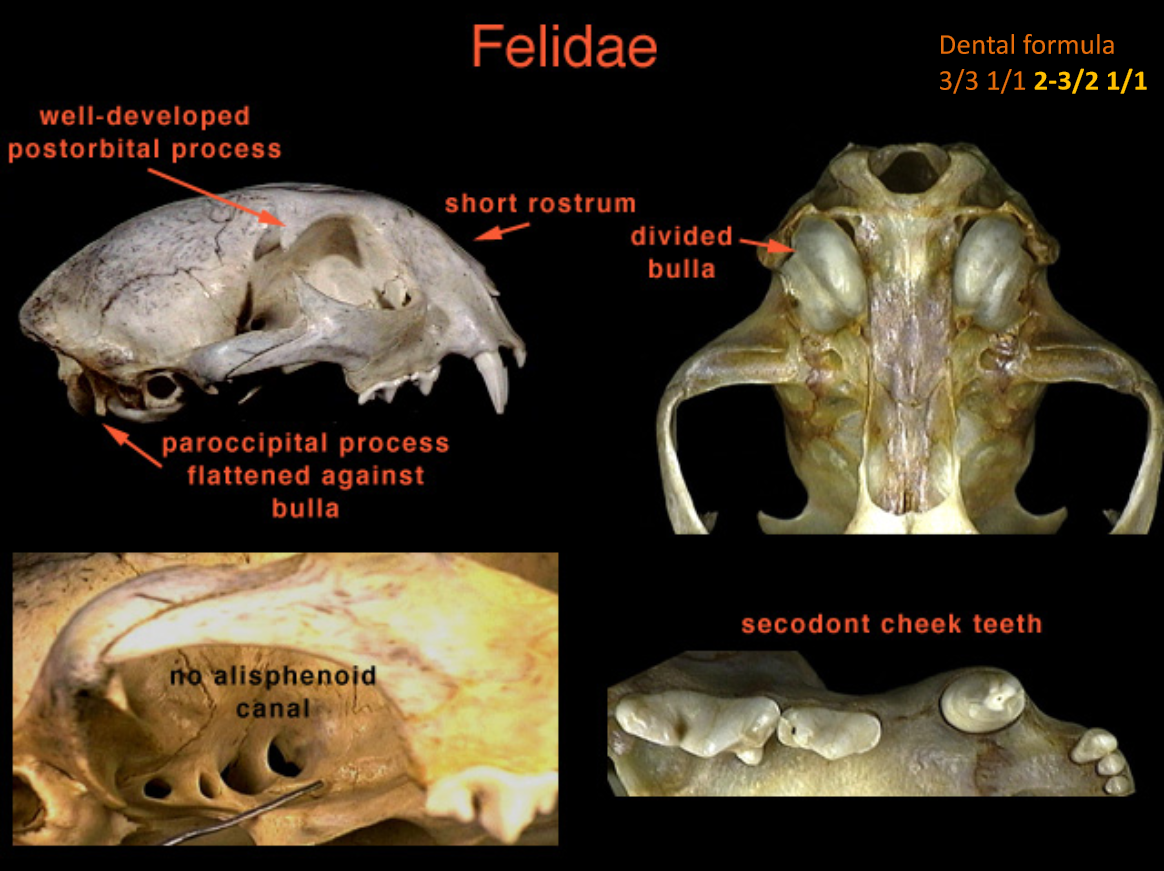
Feet: digitigrade, 5(4)-4.
Teeth: 3/3,1/1, 2-3/2, 1/1. Prominent carnassial pair, tiny molar.
Skull: Short-rounded skull, with short rostrum. Alisphenoid canal absent.
Nocturnal. Territorial, polygamous. Bobcats mate early spring with 3 kits in late spring/summer after ~60 day gestation, who disperse after 8 months. Cougars mate year round, longer gestation, kits require 1.5 - 2 years.
Carnivora
Ursidae
Feet: plantigrade, 5-5. Teeth: 3/3,1/1, 4/4,2/3. No carnassial pair. Premolars tiny, may not be in a found skull.
Skull: Medium rostrum, oval skull. Alisphenoid canal present.
Diurnal. Omnivores. Mate in June/July, give birth in winter dens (January). Young stay with mother for 2 yrs. Mature ~5. 2-3 years between breeding.
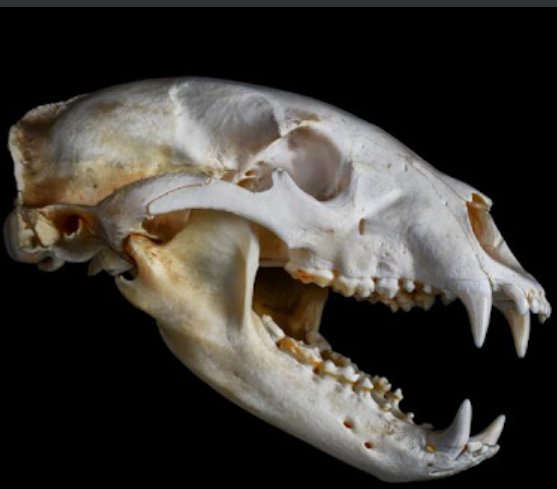
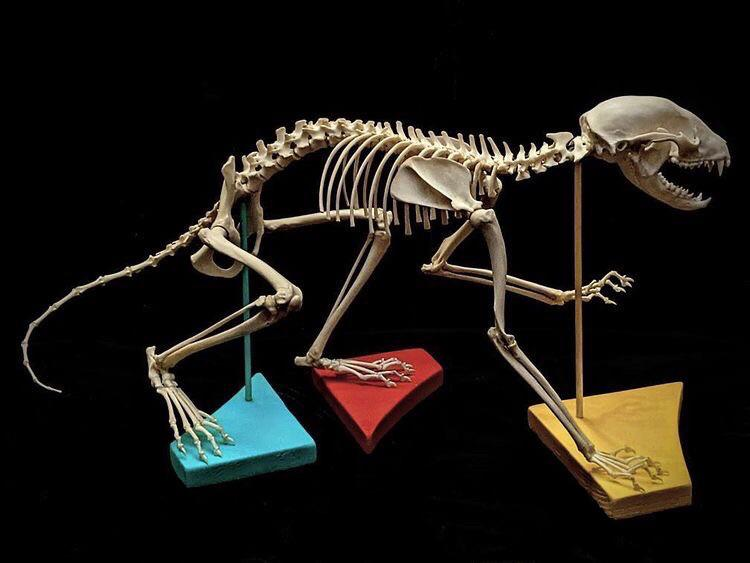
Carnivora
Procyonidae
Feet: plantigrade, 5-5, pacer/waddler gait.
Teeth: 3/3,1/1, 4/4, 2/2, no carnassial pair.
Skull: Small, rostrum shorter than cranial & wide face, oval skull. No alisphenoid canal.
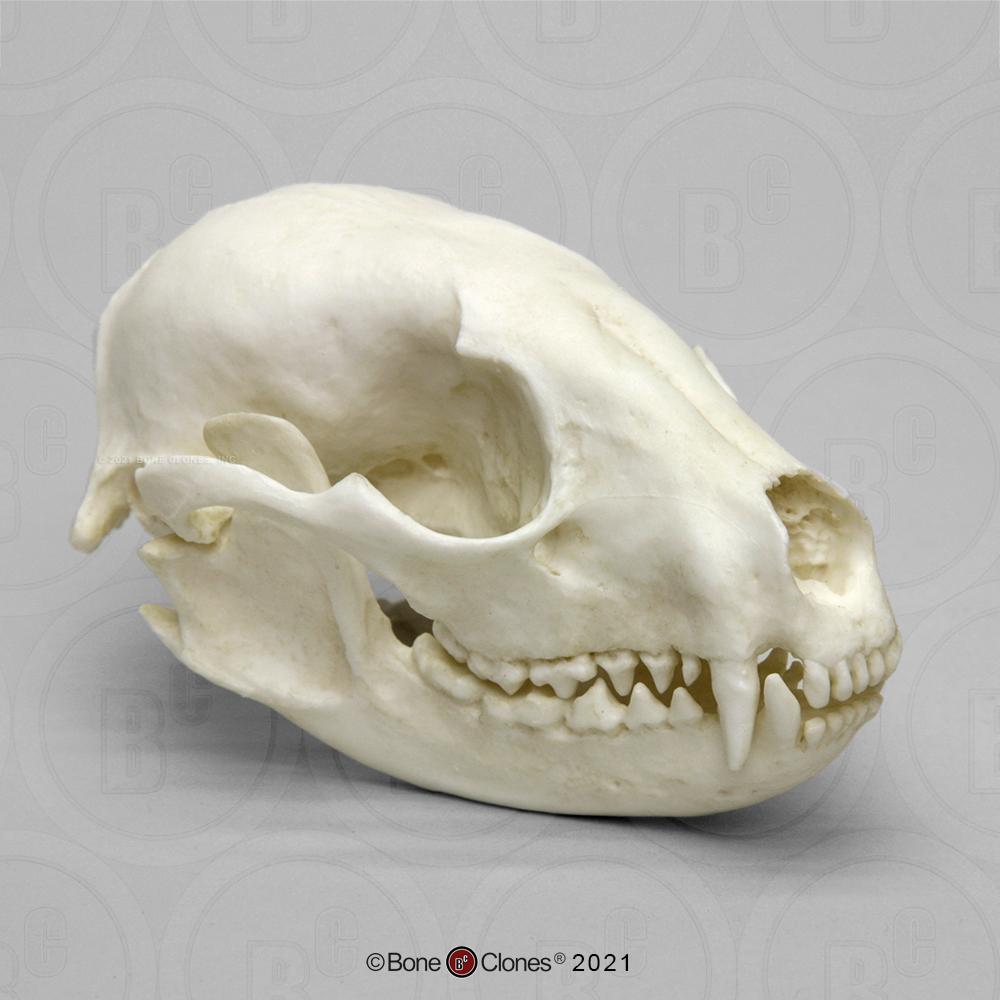
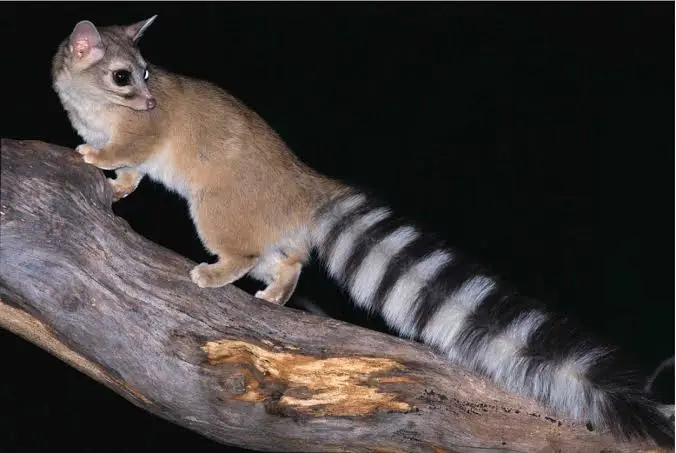
Bassariscus astutus (ringtail)
bas-uh-RIS-kus uh-STOO-tus
Feet: semiplantigrade to digitigrade, 5-5, diagonal walker/climber gait.
Teeth: 3/3, 1/1, 4/4, 2/2, carnassial pair present.
Skull: small and slender, elongated rostrum, narrow face, oval skull. Alisphenoid canal present.
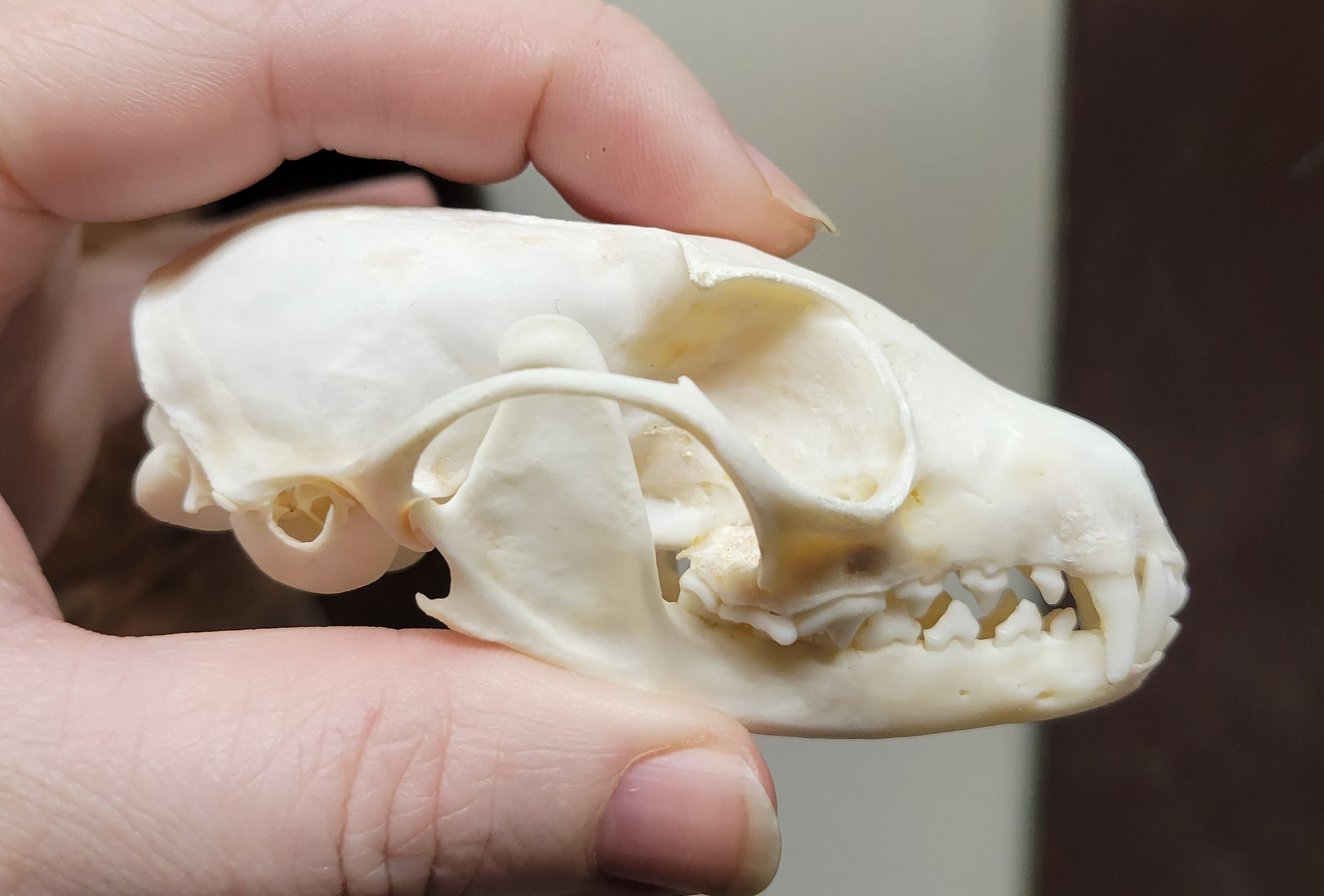
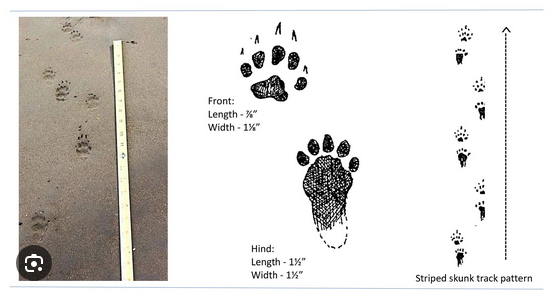
Family Mephitidae
Feet: plantigrade, 5-5, pacer/waddler gait.
Teeth: 3/3, 1/1, 3/3, 1/2. Carnassial pair. Upper molar rectangular.
Skull: No alisphenoid canal. Flat auditory bullae.
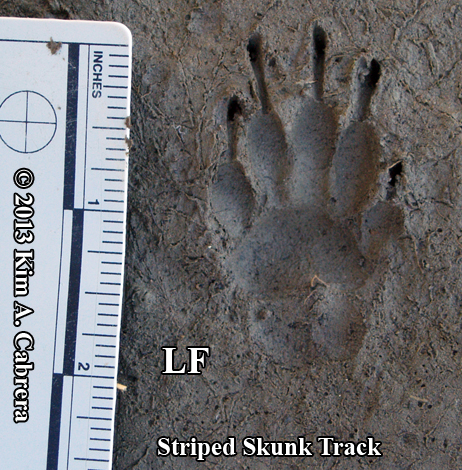
Distinct front and back feet, nails won’t register on hind feet or will be closer to pad than the front. May see tail impression.
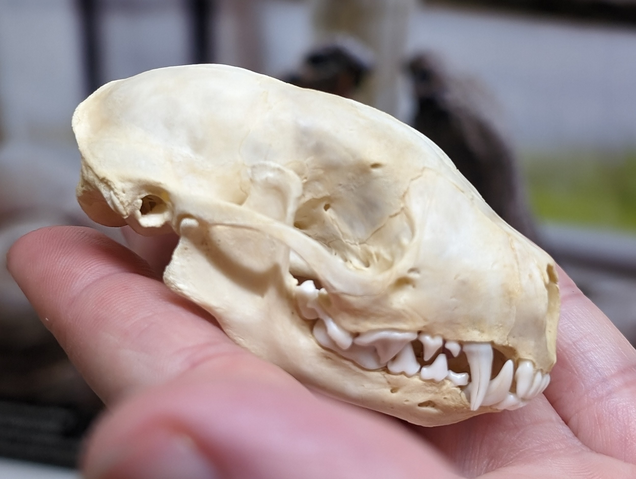
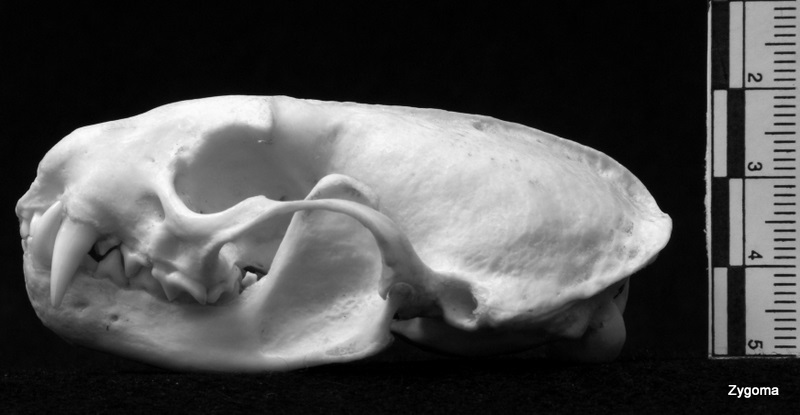
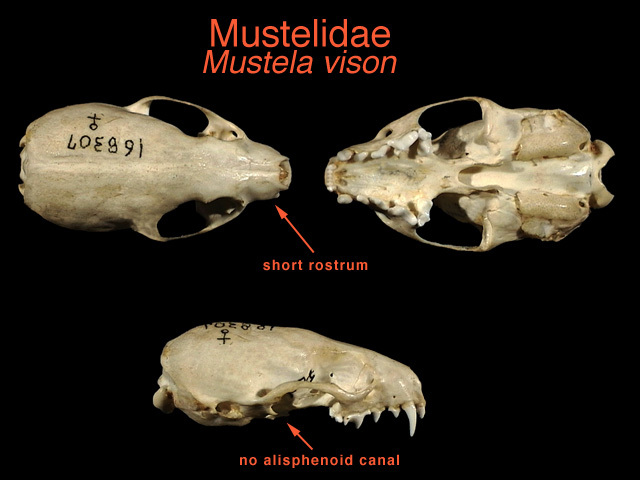
Family Mustelidae
Feet: 5-5, badger plantigrade, weasels digitigrade.
Teeth: 3/3,1/1, 3/3,1/2. Prominent carnassial pair. Upper molar dumbbell shaped.
Skull: Small, blocky, rostrum much shorter than long, flat braincase. C shaped glenoid fossa. Prominent , long auditory bullae. No alisphenoid canal.
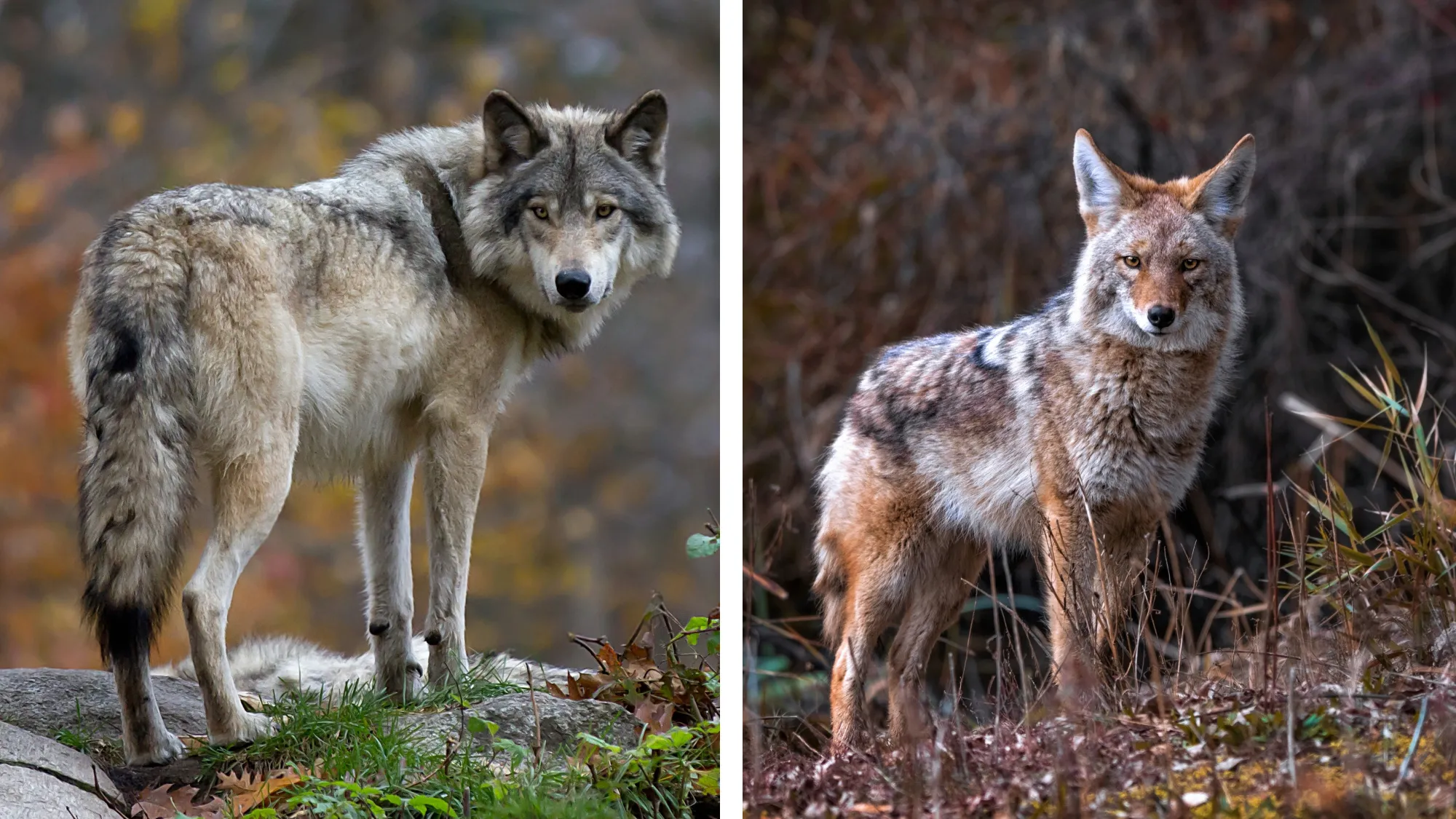
Canis lupus (wolf)
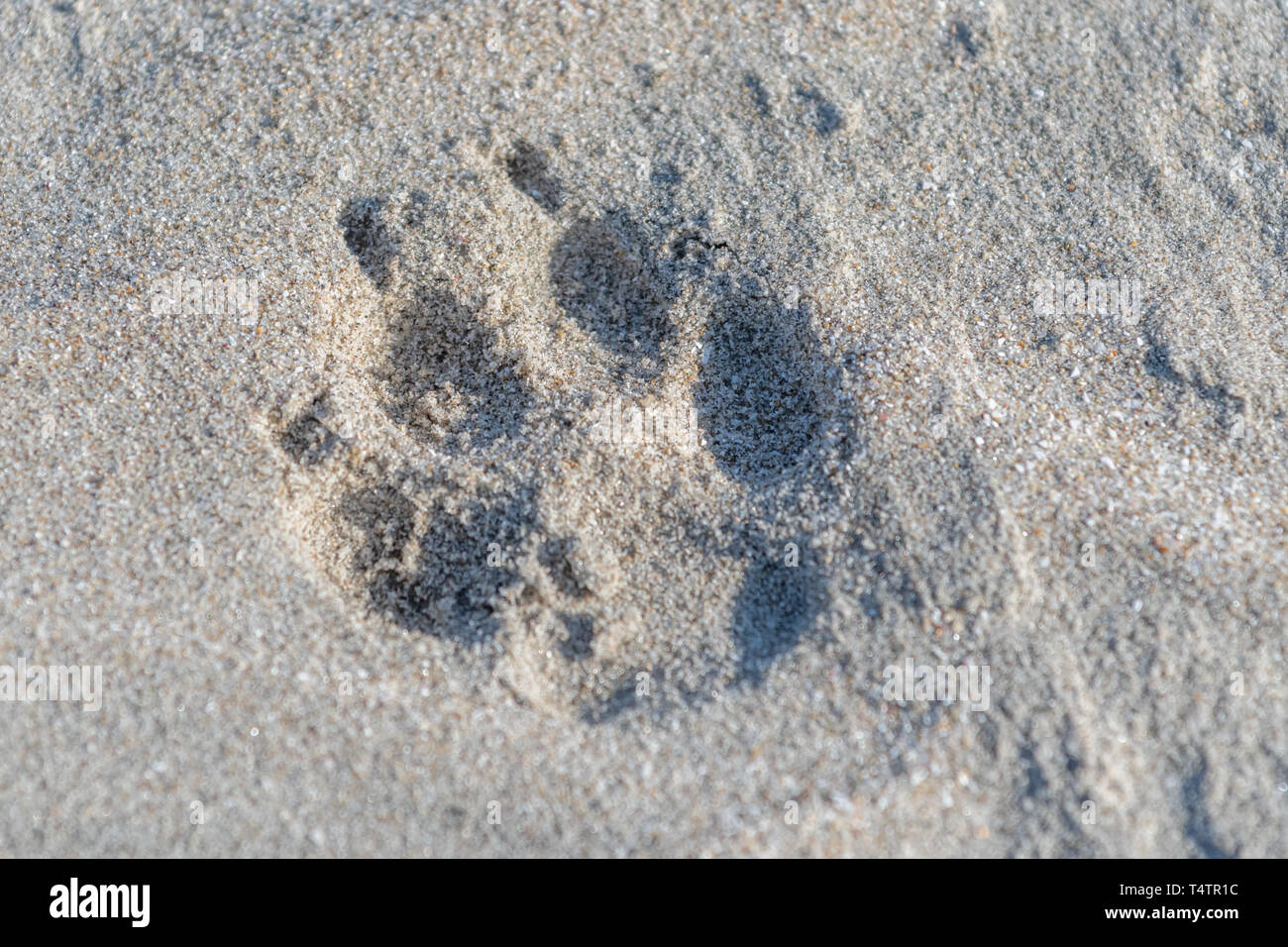
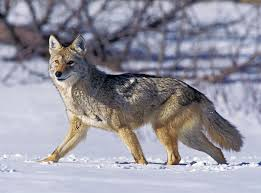
Canis latrans (coyote)
Avg size: 20-35+ lbs. 4+ ft long with tail.
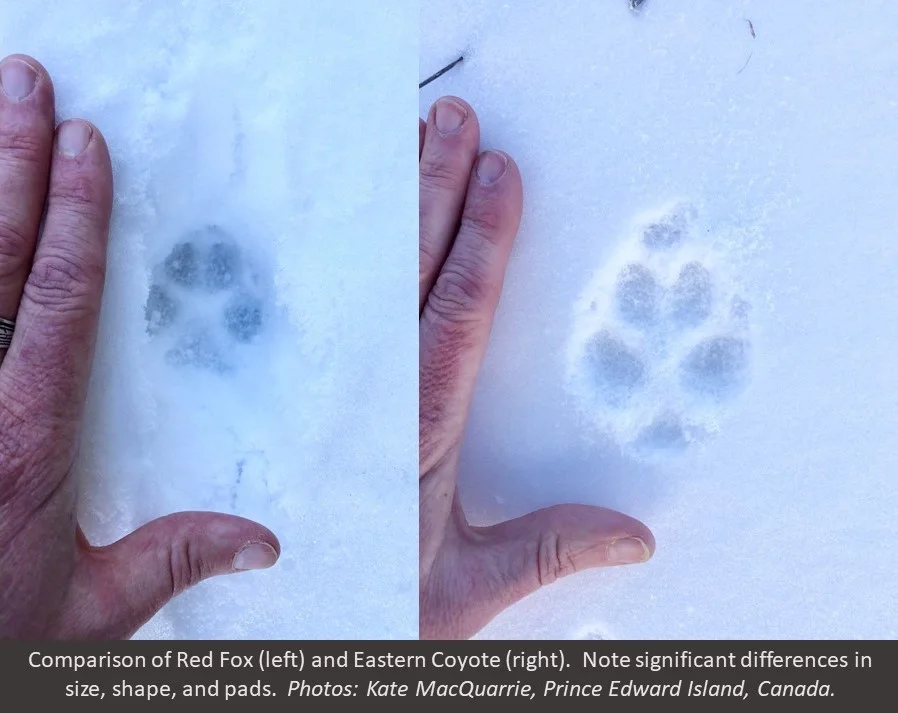
Track L:~2-3 in, W: ~1.5-2.5 in. Domestic dog tracks are larger and less oval, nails are larger and splayed,.
Habitat generalist. Omnivore. ~Diurnal (nocturnal near humans). May hunt solitary, in pairs, or packs.
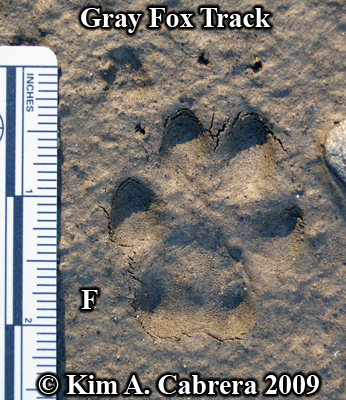
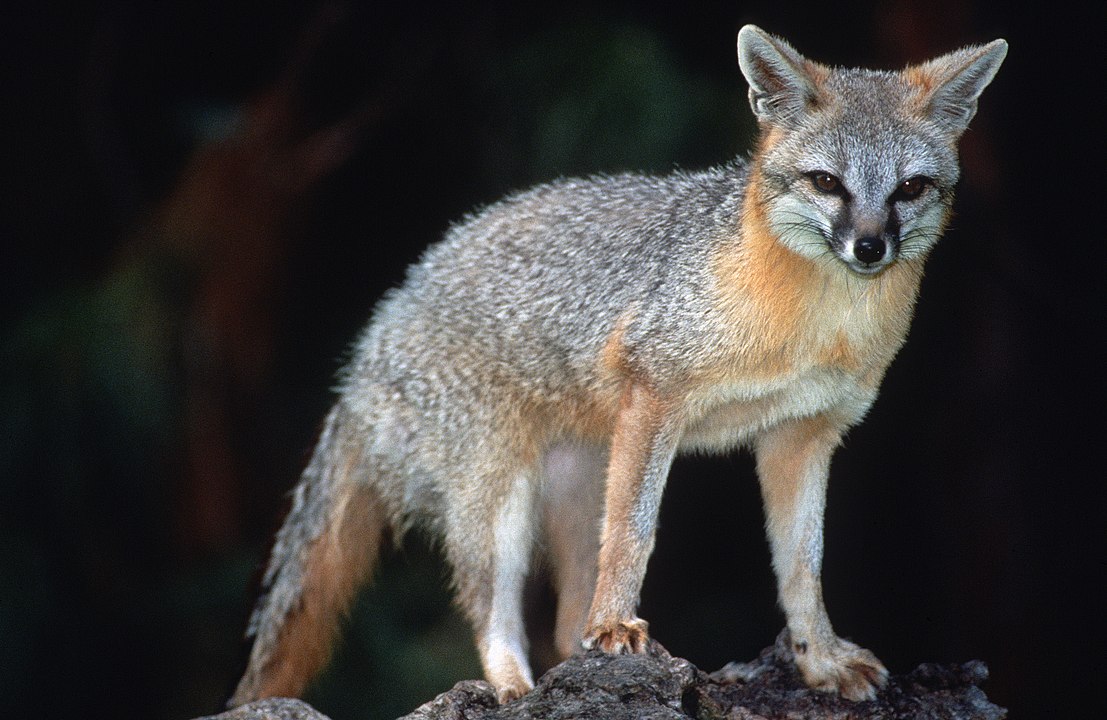
Urocyon cineroargenteus (grey fox)
Avg size: <12 lbs. 2.75-3.5 ft long with tail.
Track L:~ 1.5-2 in, W: 1.25-1.75 in. Rear nails may not show.
Black tipped tail.
Woodland habitat & climbs trees. Omnivore, caches food. ~Nocturnal. Solitary.
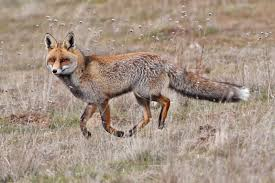
Vulpes vulpes (red fox)
Avg size. ~10-15+ lbs. 3-4 ft long with tail.
Track L: ~ 1.75 - 2.5 in, W: 1.5- 2 in.
White tipped tail.
Habitat generalist. Omnivore (voles/mice), caches food. Nocturnal. Solitary.
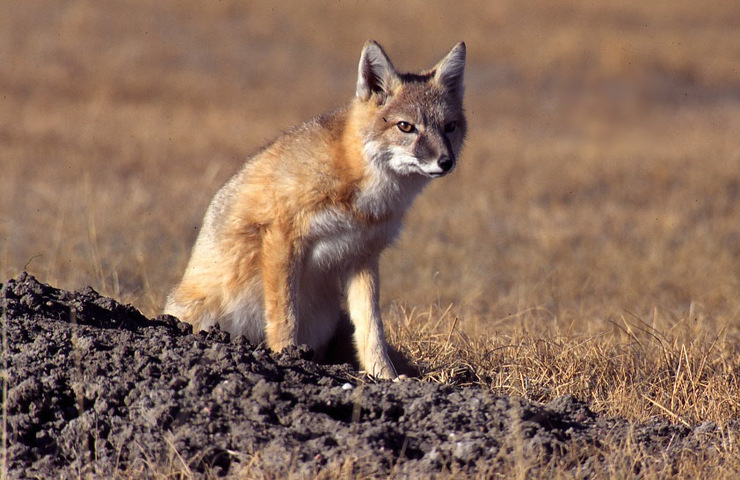
Vulpes velox (swift fox)
Avg size: ~5 lbs. <3 ft long with tail.
Black tipped tail. Black spots on face.
Grassland/prairies.
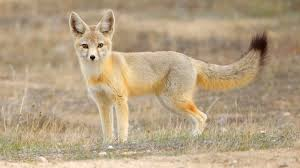
Vulpes macrotis (kit fox)
Cat-sized.
Desert/shrublands
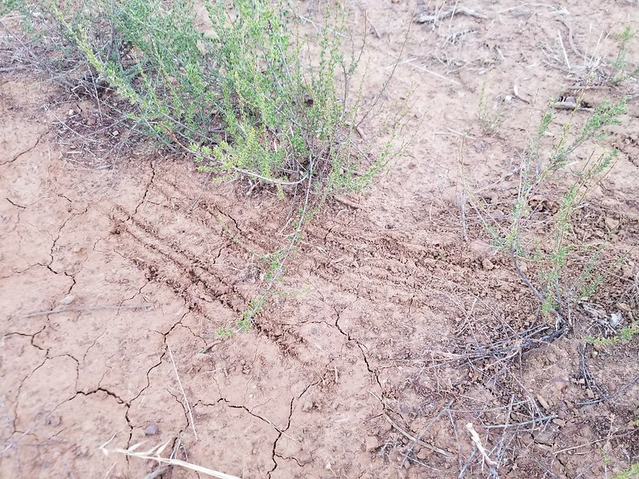
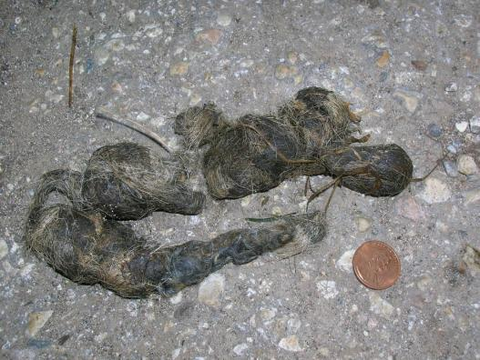
Canine scat and scrapes.
Used to communicate via pheromones from feet.
More meat=darker, twisted rope, tipped end, will see fur/bones/seeds. Coyotes often deposit in middle of trails/edges of territory. Foxes often deposit on prominent areas (rock, mounds).
Scrapes are amorphous and scattered.
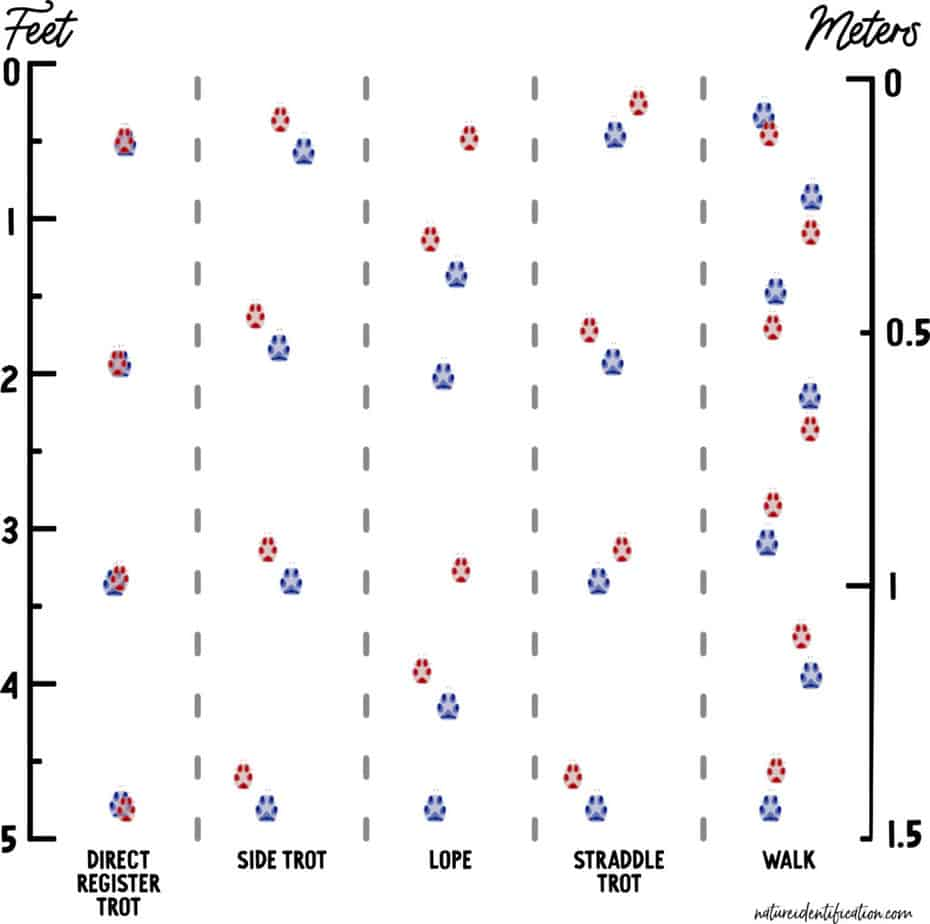
Canid Track Patterns
Diagonal Walkers.
Left front + right hind, right front + left hind. (4-beat for walking, 2-beat for trotting).
Will often see indirect register trots, overstep walks, and side trots.
Front (blue) and rear (red).
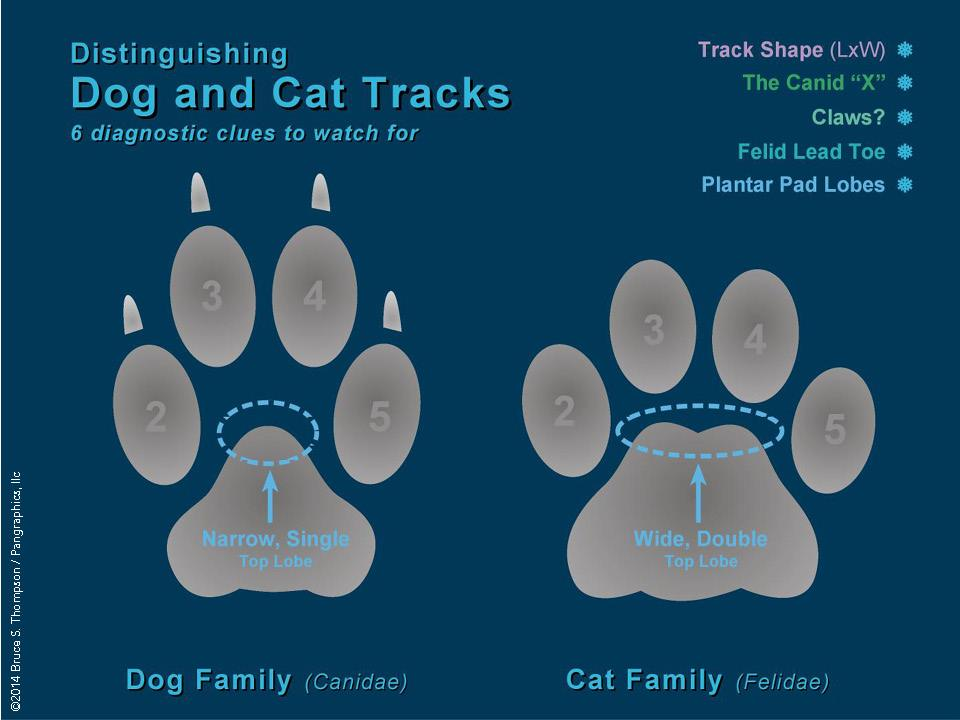
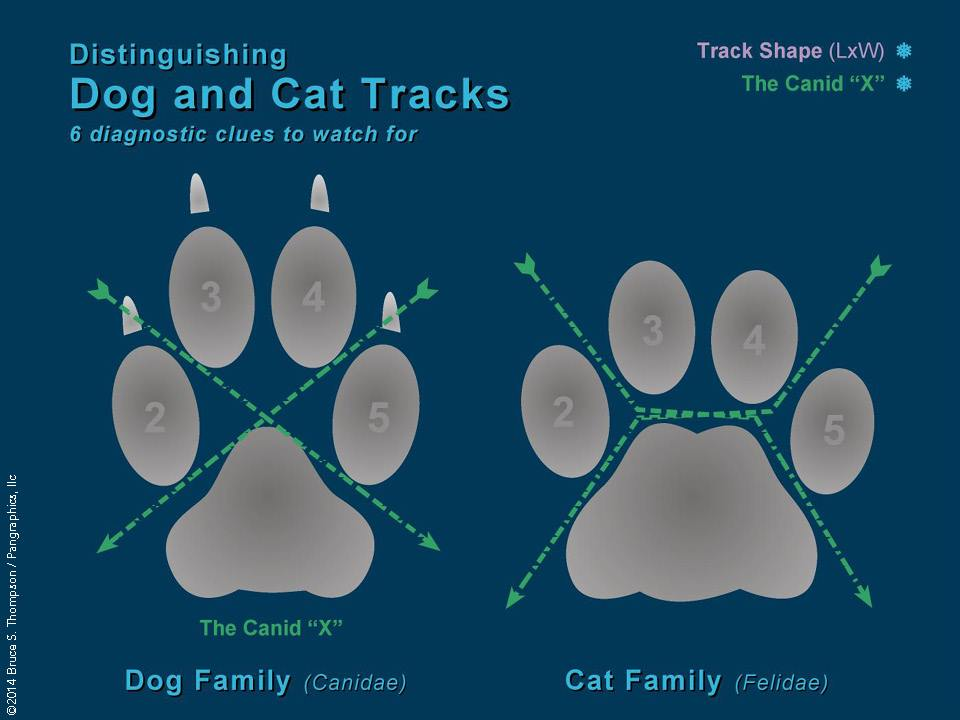
Feline vs Canine Tracks
Feline. Asymmetrical (third toe leads). Ridges make an H, no nails, round outline (L=H). Metacarpal pad is double lobed.
Canine. More symmetrical. Ridges make an X, nails (may be small indents), oval outline (L>W). Metacarpal pad is chevron shaped.
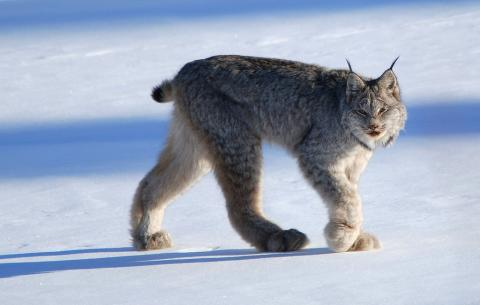
Lynx canadensis
Mountainous habitats.
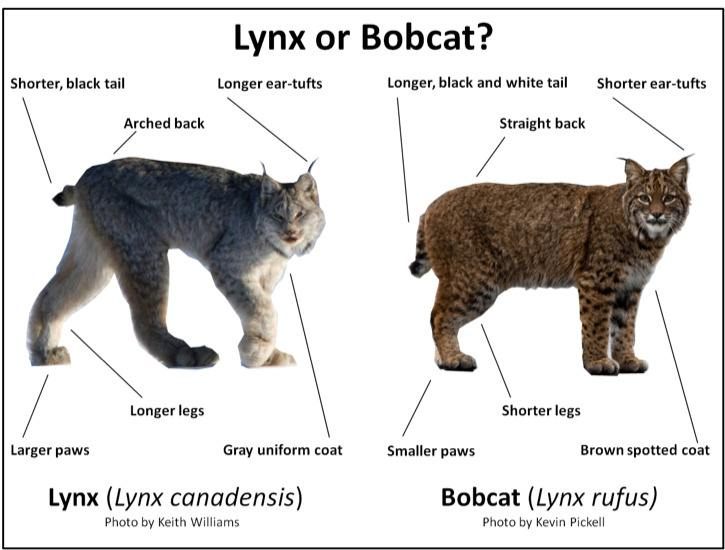
Lynx rufus (bobcat)
Avg size: 15-30 + lbs. 2.5-3.5 ft long with tail.
Track L:~ 1.5-2.25 in, W: 1.5-2.5 in.
Habitat generalist.
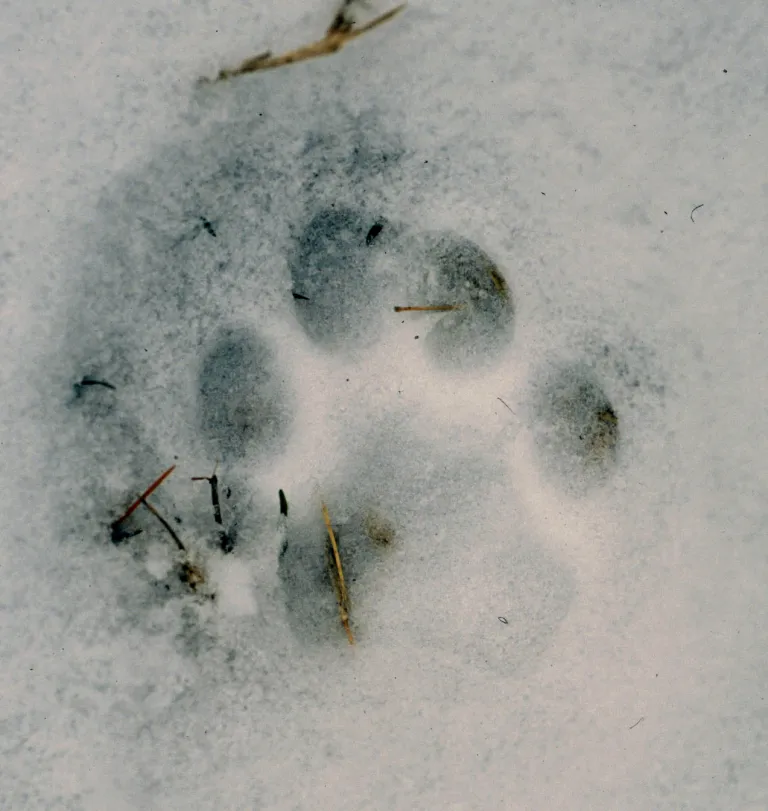
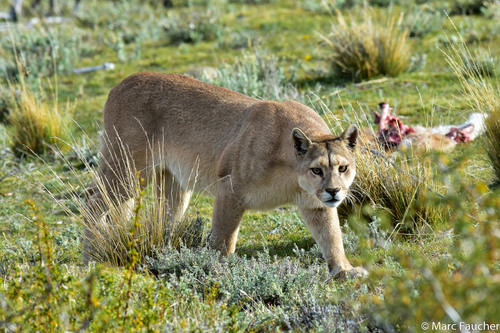
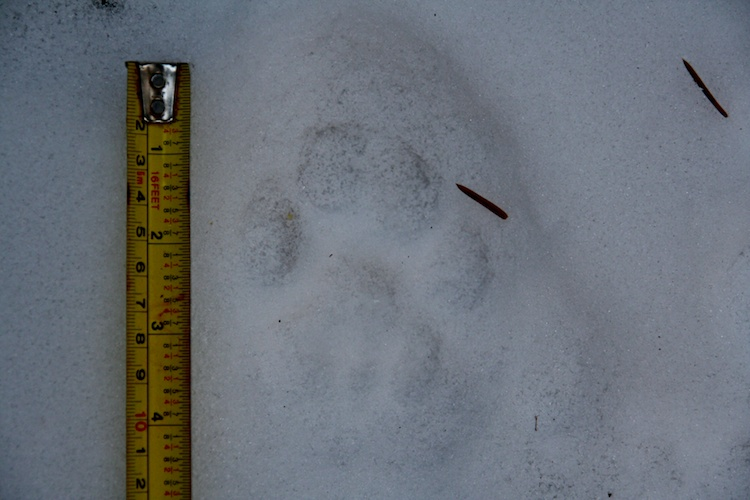
Puma concolor (cougar)
Avg size: F: 75-100 < M: 125-150 lbs. 6-ft long with tail.
Track L:~ 3.5 in, W: 4 in.
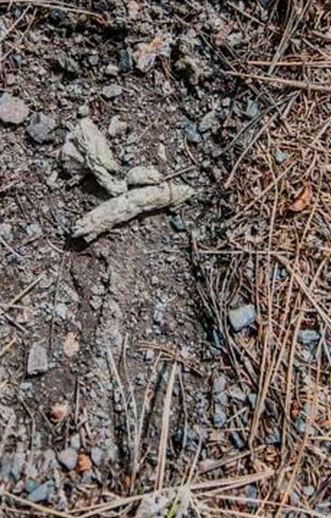
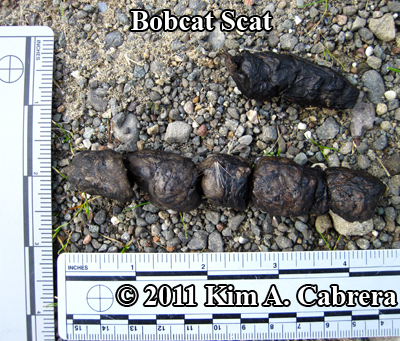
Feline scat and scrapes
Scrapes are neater and boxlike.
Scat is segmented and log-like, however will often still have a tipped end.
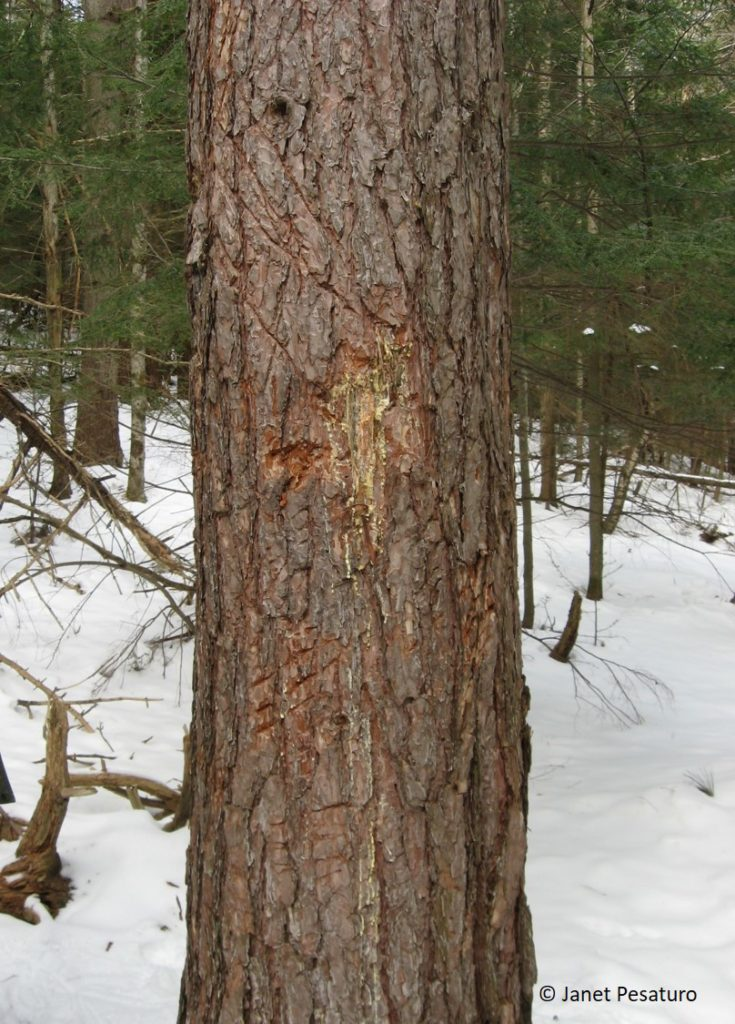
Ursus americanus (black bear)
Avg size: F: 100-300 < M: 200-600 lbs. 5-7 ft tall standing.
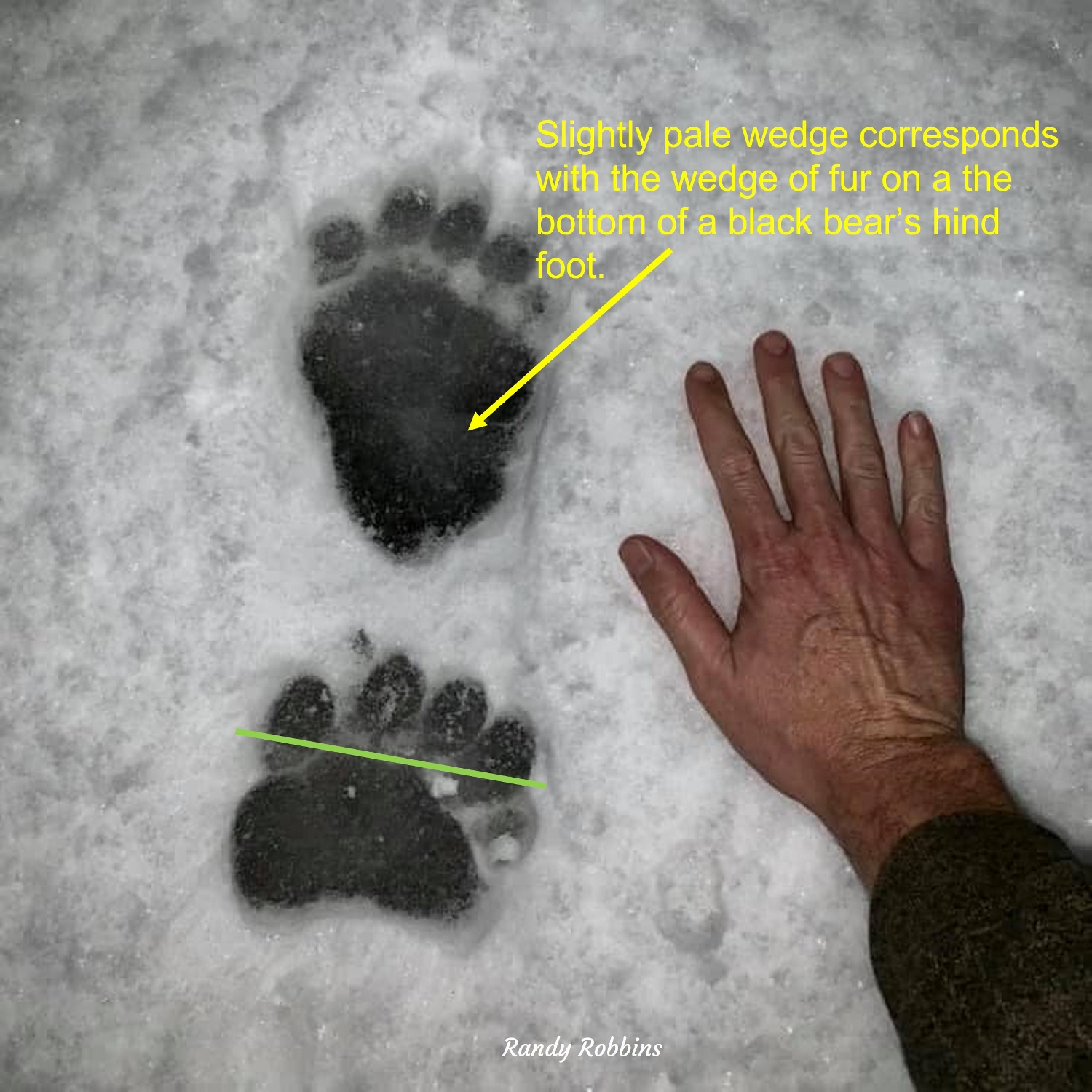
Track L:~ 4-6 in, W: 3.5-5.5 in. Hind feet bigger. No straight line behind front toes.
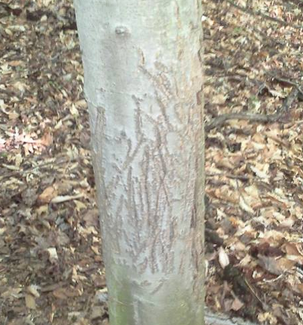
Bear scat and scrapes
Very, very, variable. Likely large with undigested plant material.
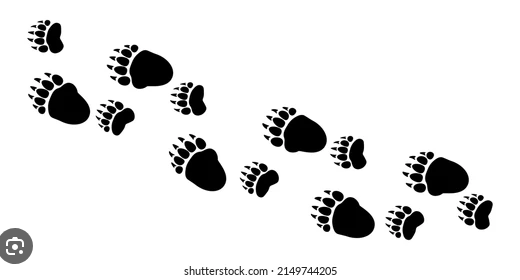
Bear Track Pattern
Pacer/waddler gait . Left-left-right-right. Often an over-step walk.
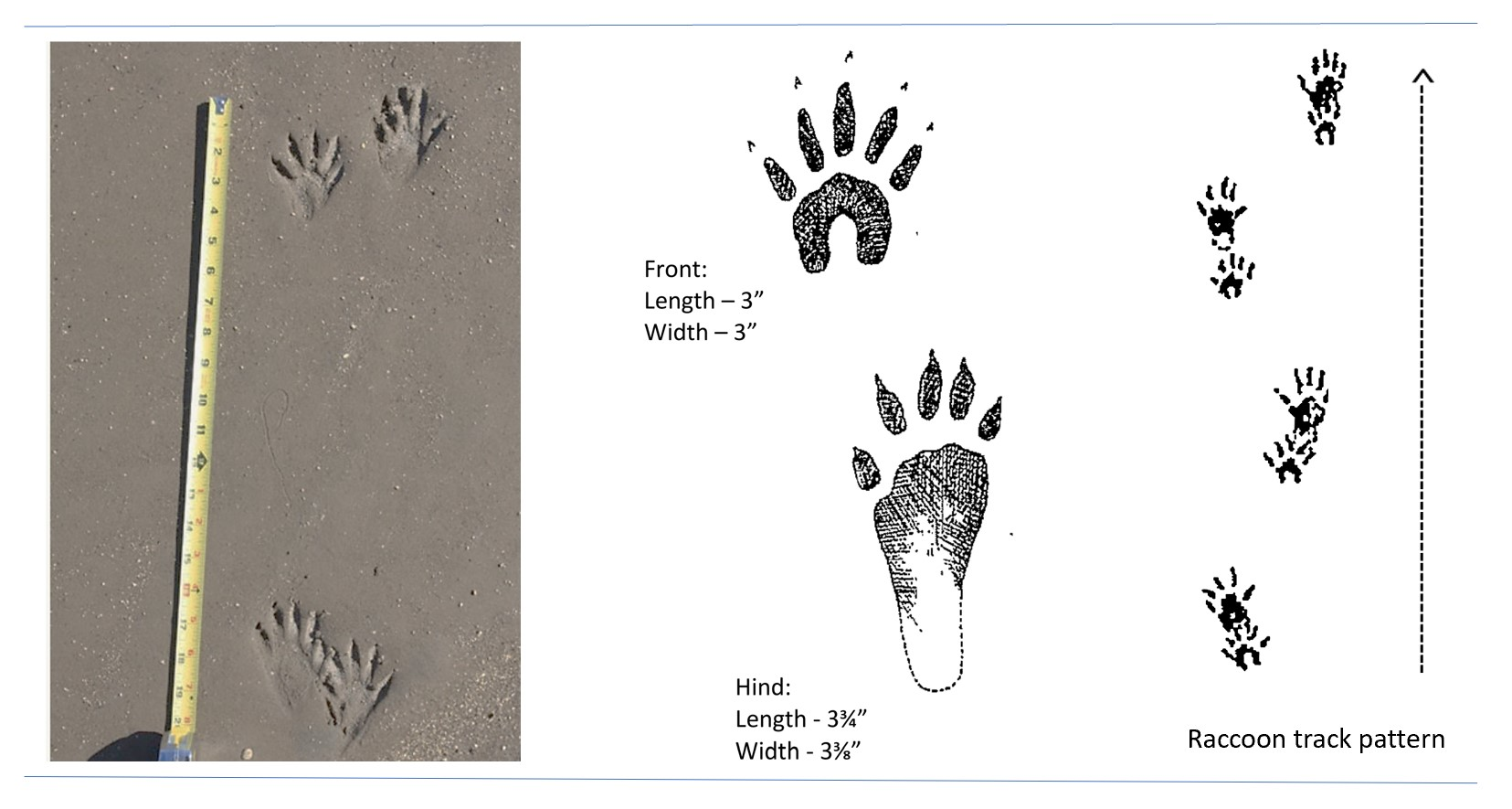
Procyon lotor (racoon)
Avg size: 15-25+ lbs. 2-3 ft tall.
Track L:~ 3 in, W: 3 in. Hind feet bigger.
Very omnivorous eating plant material, inverts, and verts.
Fission-fusion social behavior (solitary to sex-specific). Variable reproduction periods. Late winter, gestate 60 days, 2-5 kits.
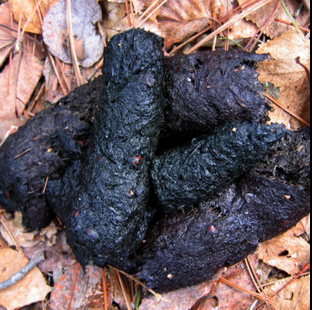
Racoon scat
Scat has blunt ends, seeds, often use latrines. Look for plant material to distinguish from cats.
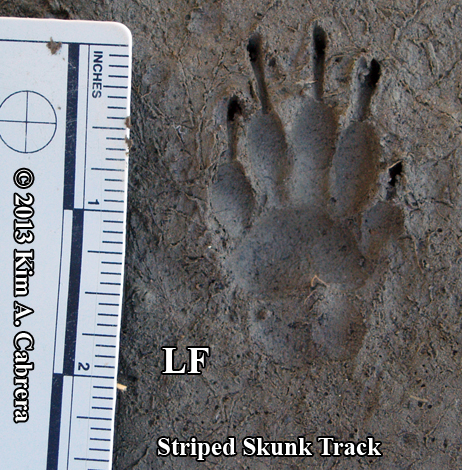
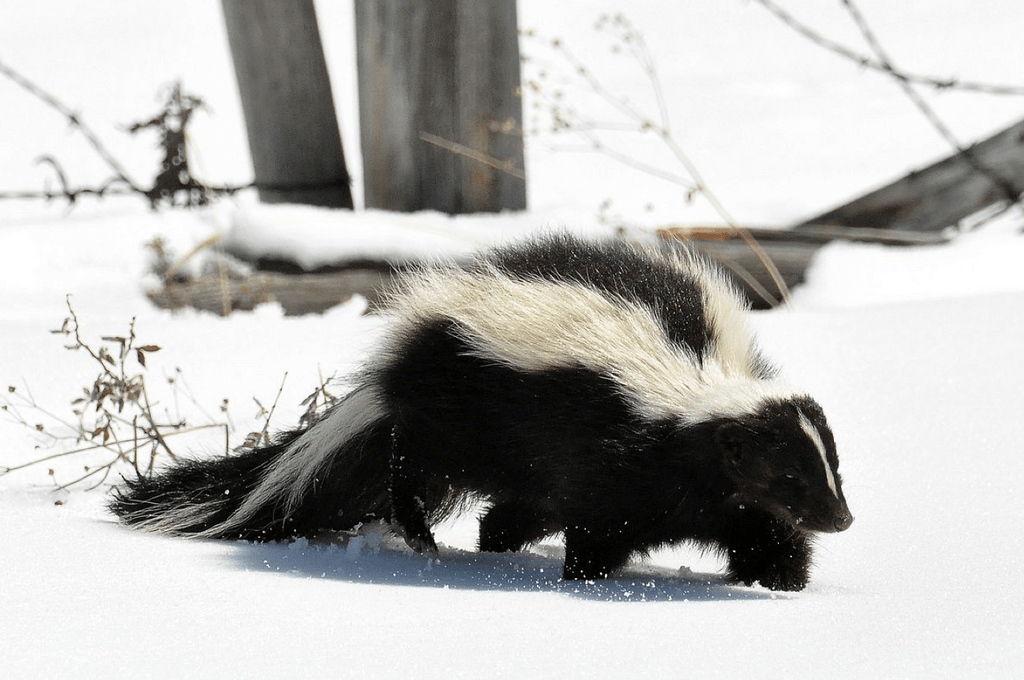
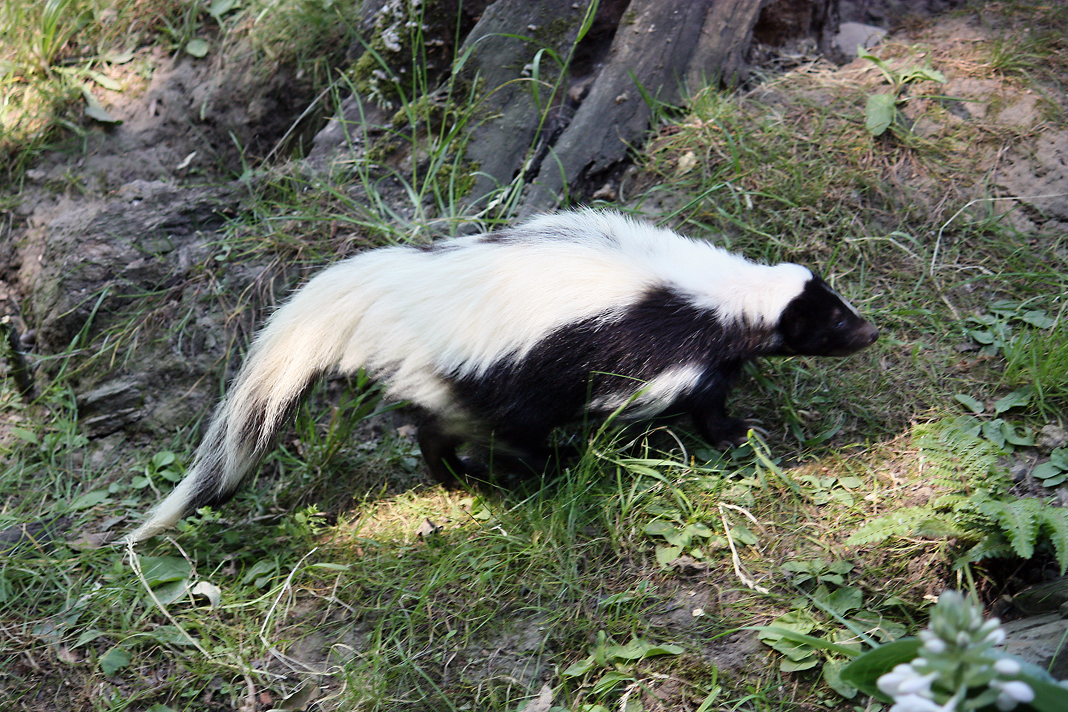
Mephitis mephitis (striped skunk)
Avg size. <13 lbs. 16-35 inches. Cat sized.
Habitat generalist, prefers edges, Often digs to forage for insects.
Polygamous, mate-Mar/April. 4-8 litter May/June.
Large skunk with variable white striping (usually 2 dorsal stripes), narrow face, and medial face line.
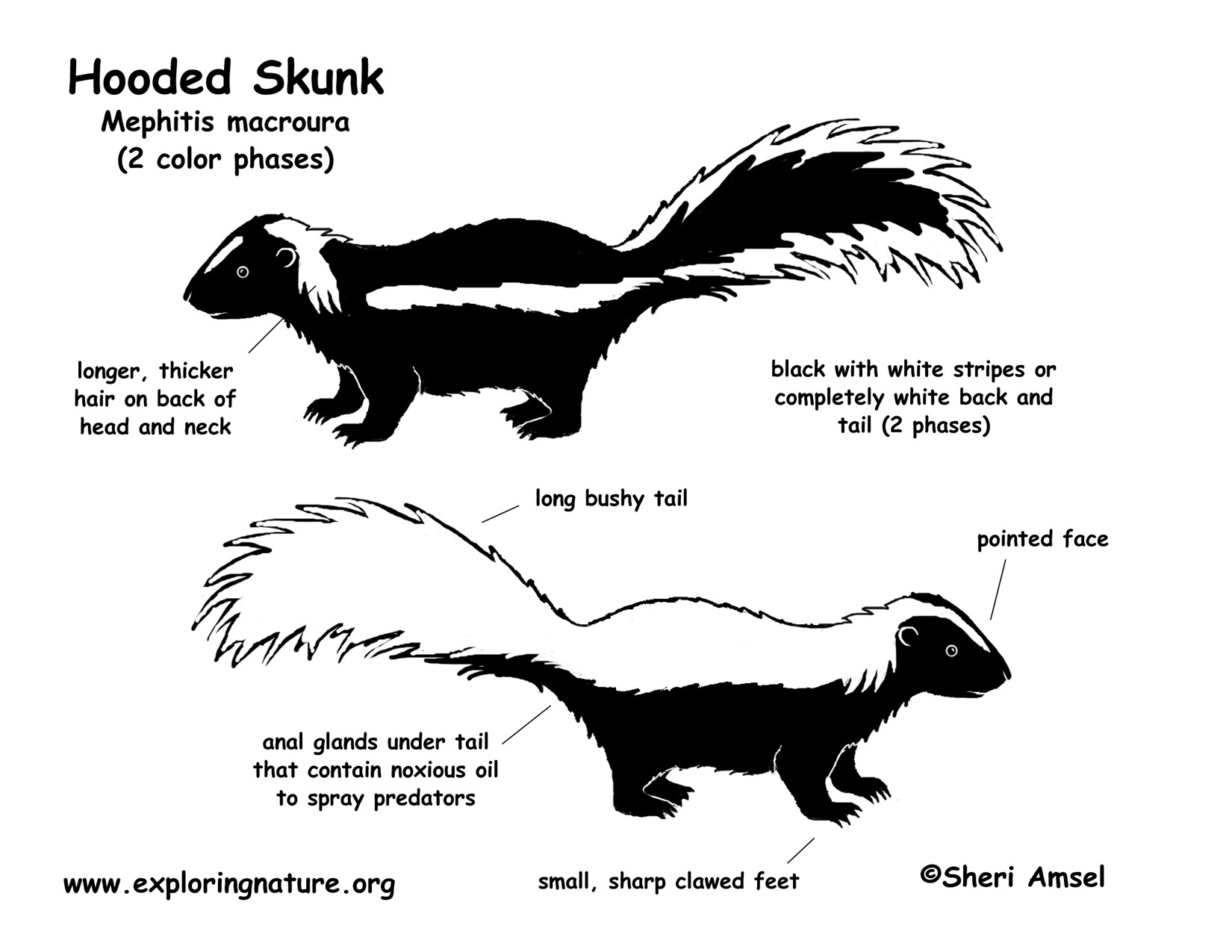
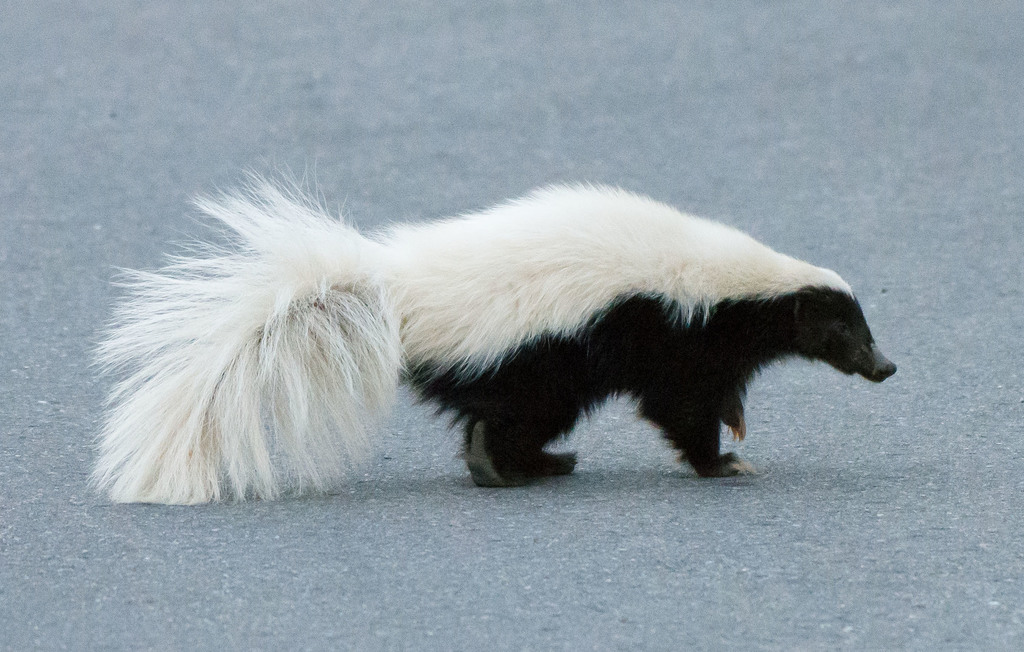
Mephitis macroura (hooded skunk)
Long hair on neck form a hood, thin white medial face stripe, longer tails. Two variants, back almost all black or all white.
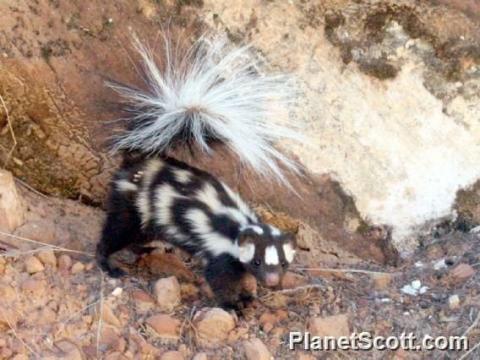
Spilogale gracilis (spotted skunk)
10 in body with 7 in tail. Stands on front legs to warn predators.
Small, with white blotches/ swirls.
Conepatus leuconotus (hog-nosed skunk)
Back can be solid or striped. Big - pig like snout, do not have medial face stripe.
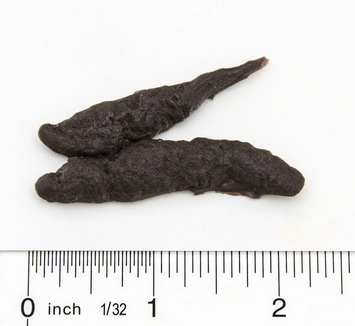
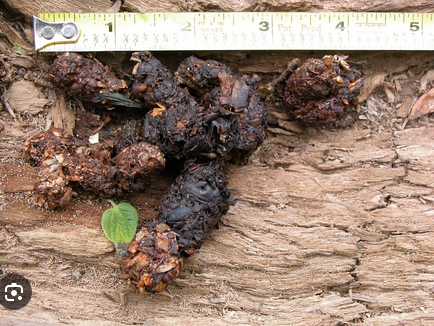
Skunk scat
Very similar to cats and not very hard.
Lontra canadensis (river otter)
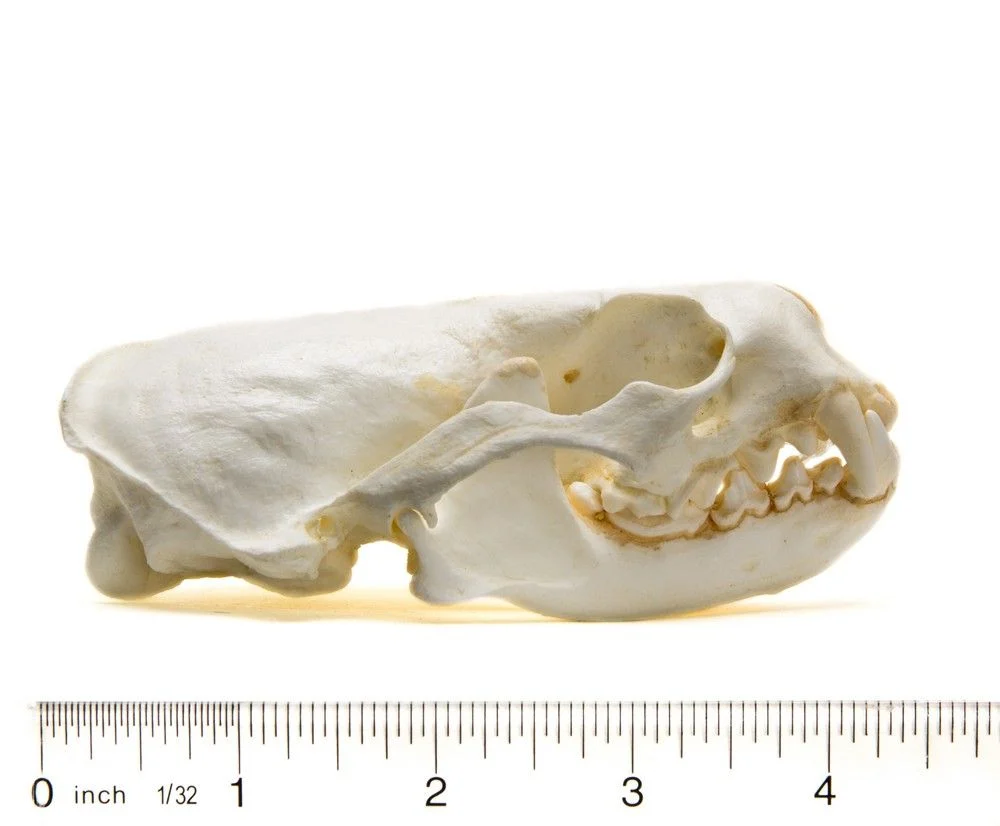
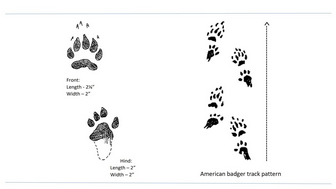
Taxidea taxus (badger)
Avg size: 15-25+ lbs. 2-3 ft long.
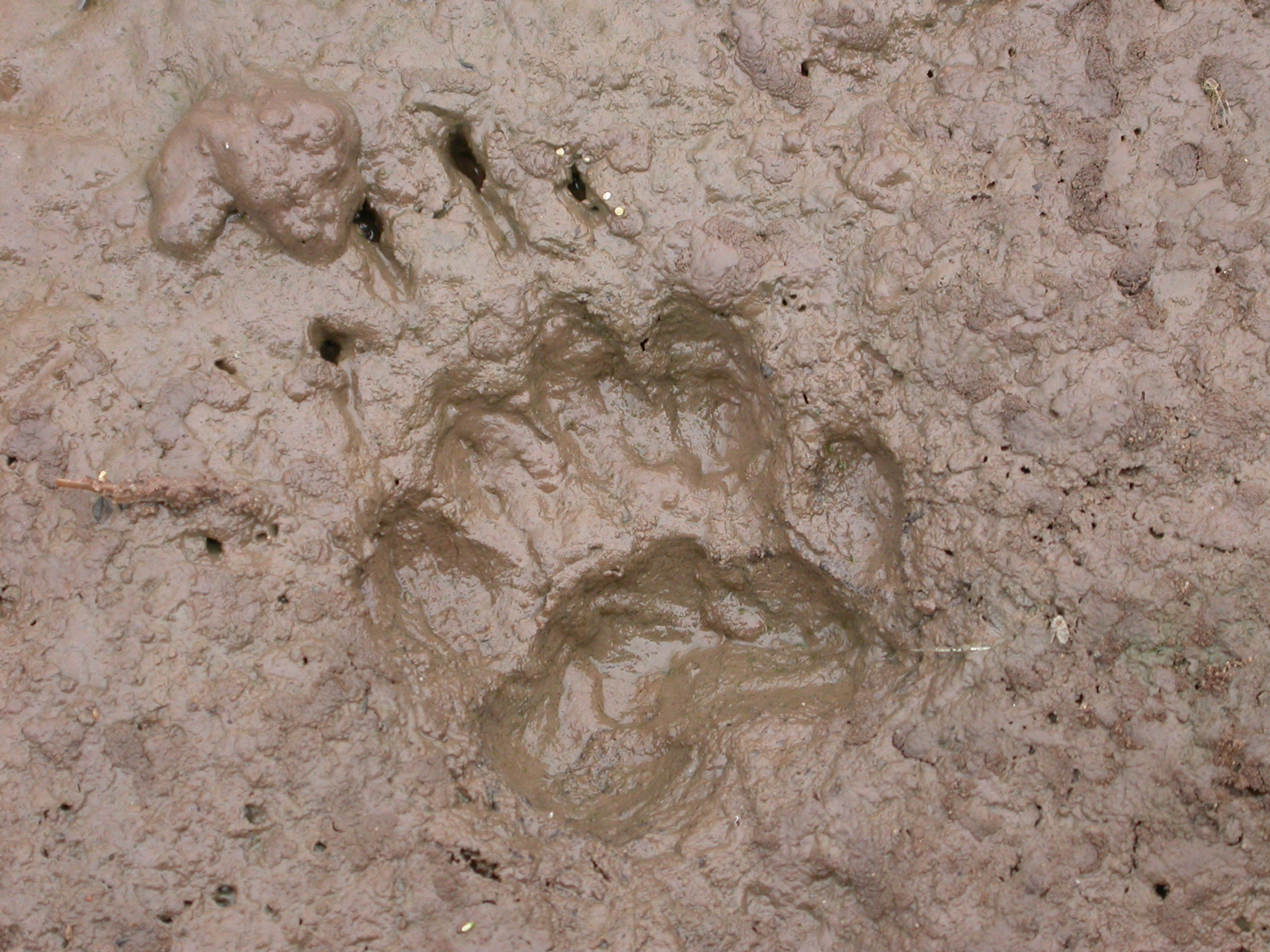
Track L: 2.75, W: 2. Waddler, in a pigeon-toed fashion, so tracks point inward. Long nail imprint. Hind tracks usually no nail imprint.
Den 10-12 in horizontal oval. Breed in late summer, 2-3 young born in spring.
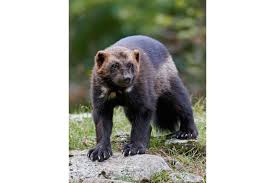
Gulo gulo (wolverine)
Wont see.
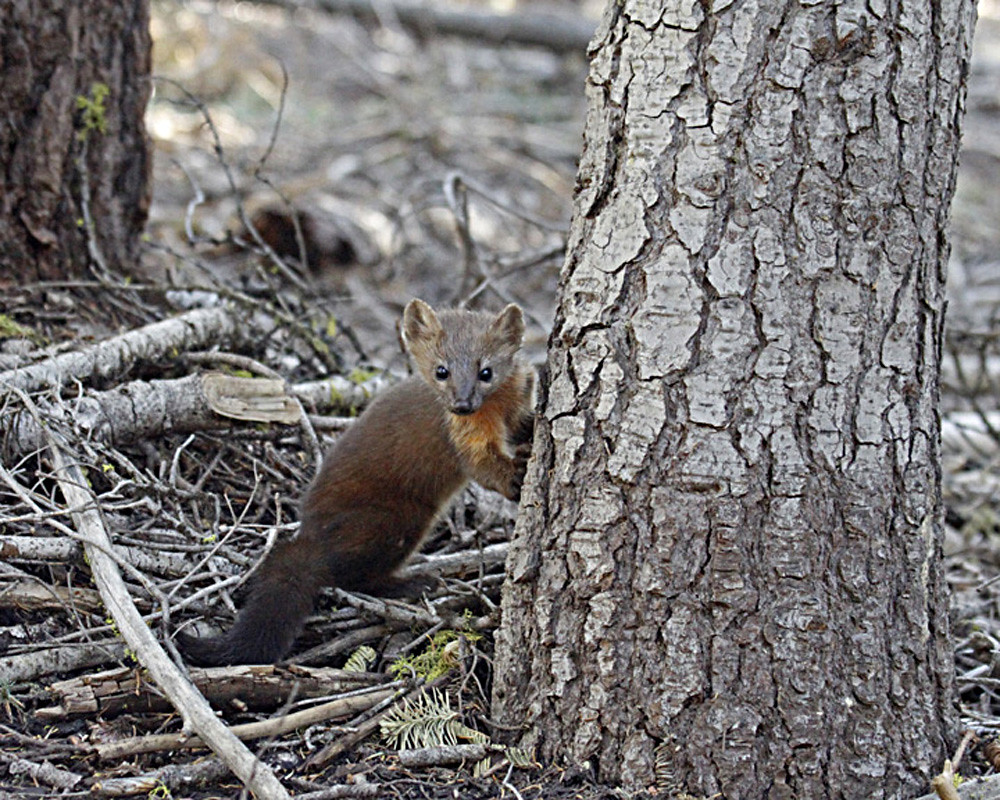
Martes caurina (pacific marten)
Montane habitats.
Brown and orange, brown, bushy tail.
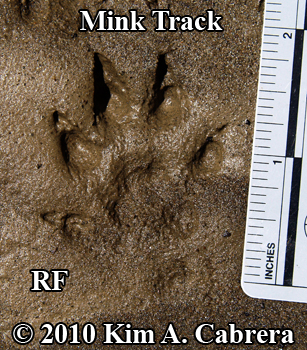
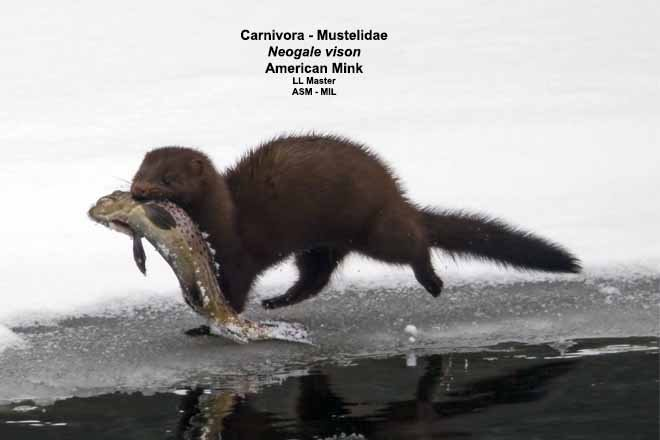
Neogale vison (mink)
Top aquatic predator, nearly 2-ft long, 2-3 lbs.
Breed in Jan-Mar, 4-7 kits in May.
Uniform, dark brown pelage with bushy tails. Only 4 toes appear on hind (& sometimes front) tracks.
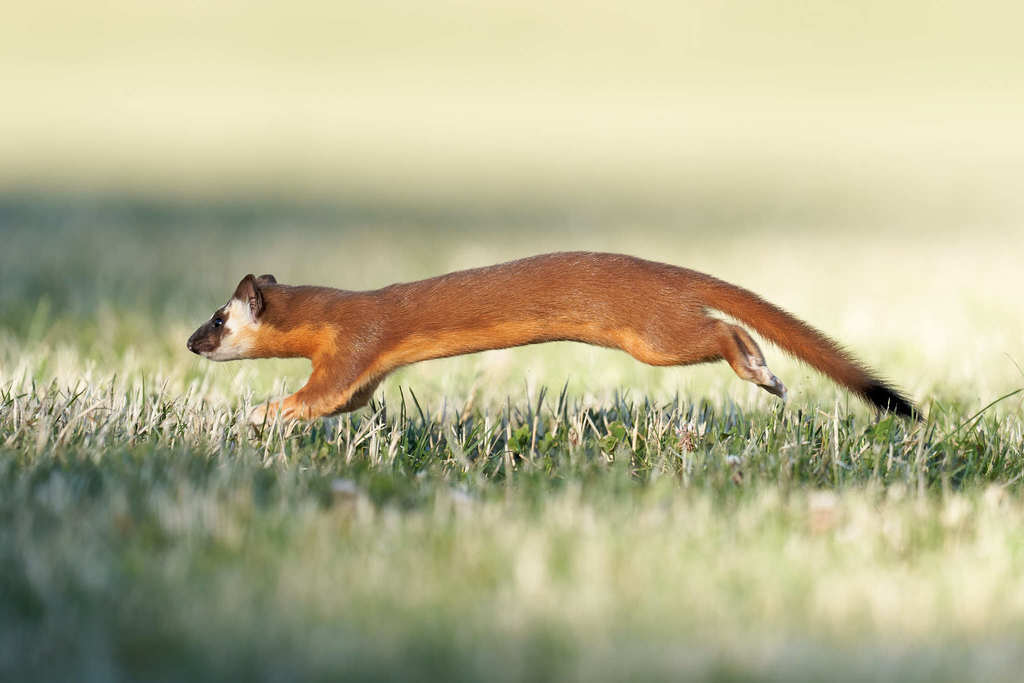
Neogale frenata
Avg size: 11-22 in with long tail.
Track L: ~1, W: <1.
Bi-colored, with long black tipped tail. May develop white winter coats.
Mustela richardsonii (stoat or ermine)
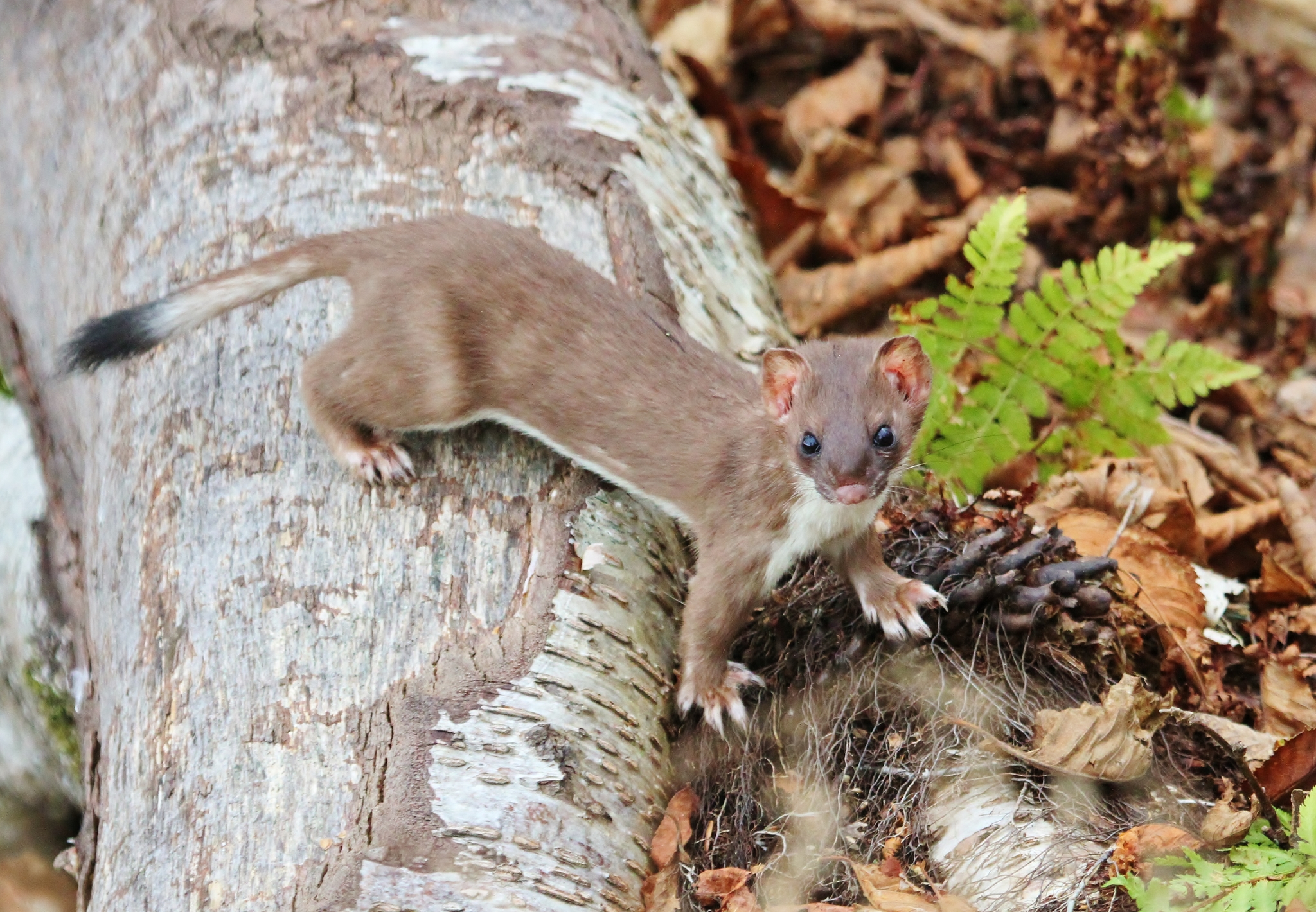
Avg size 7 - 16 in.
Very small. Tail makes up 30% of body. May develop white winter coats.
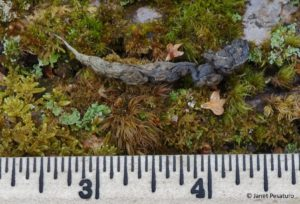
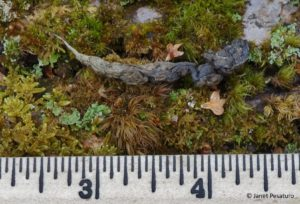
Mustelid scat
Trail or territorial boundaries. May form latrines in frequently visited spots.
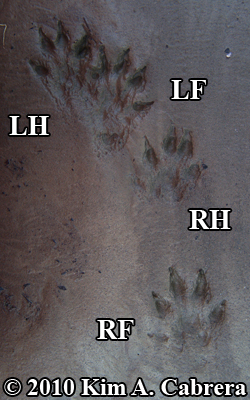
Mustelid Track Pattern
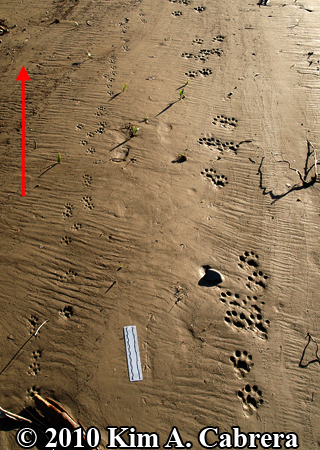
Bounders. Most species move with a loping gait that produces paired tracks or groups of 4. Pair of front paws together close to pair of rear paws together. The rear tracks are close to, or sometimes cover, the front tracks.
Suidae
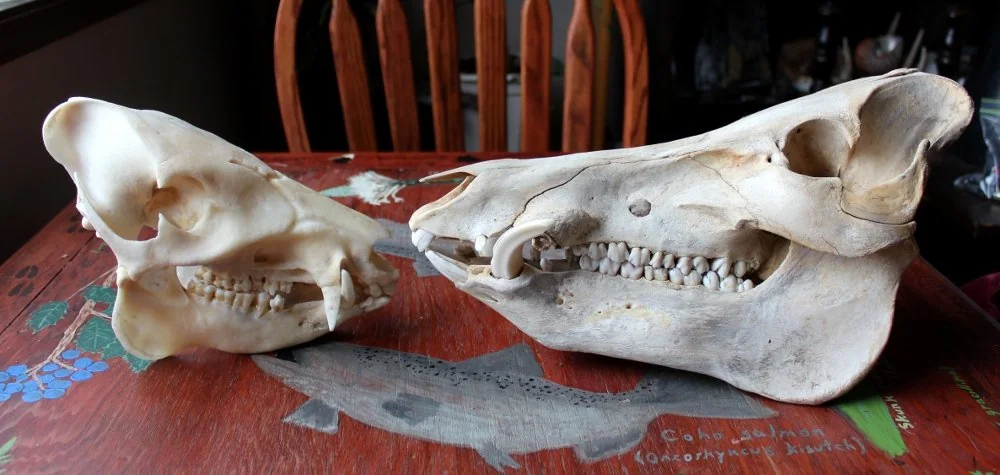
Sus scrofa
Feral pig
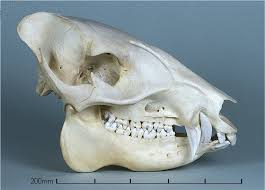
Tayassuidae
Pecari tajacu
Notice the rounded imprints.
Stocky body and a prominent collar of white fur around its neck.
Typically weigh between 50-80 lbs and can grow to about 3-4 feet in length. Omnivorous, diet consisting of fruits, roots, nuts, and small animals.
They are social animals usually found in groups, known as sounders, which comprise up to 15 individuals.
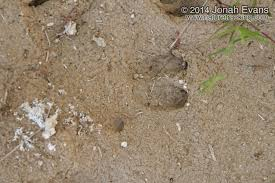
Cervidae
Cervus canadensis (elk)
Weigh: 600–1,000 lbs.
Outside breeding season: Cows and calves form stable herds; bulls form bachelor groups.
Rut system: Harem polygyny. Bulls gather and defend harems through bugling, sparring, and displays. Fall (Sep–Oct).
Reproduction: ~240-day gestation; single calf born in spring.
Seasonal migration (summer: high-elevation, winter: low-elevation).
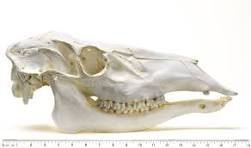
Cervidae
Alces alces
Weigh: Bulls 900–1,500 lbs (~6 ft at shoulder); cows 600–900 lbs (~5.5 ft)
Outside breeding season: Mostly solitary year-round.
Rut system: Serial polygyny. Bulls compete for individual cows in late summer, early fall (late Aug–Oct) via sparring, vocalization, and wallowing; no harem formation.
Reproduction: ~240-day gestation; 1–2 calves born in spring.
Other notes: Cows raise calves alone for ~1 year.
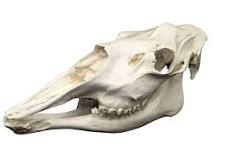
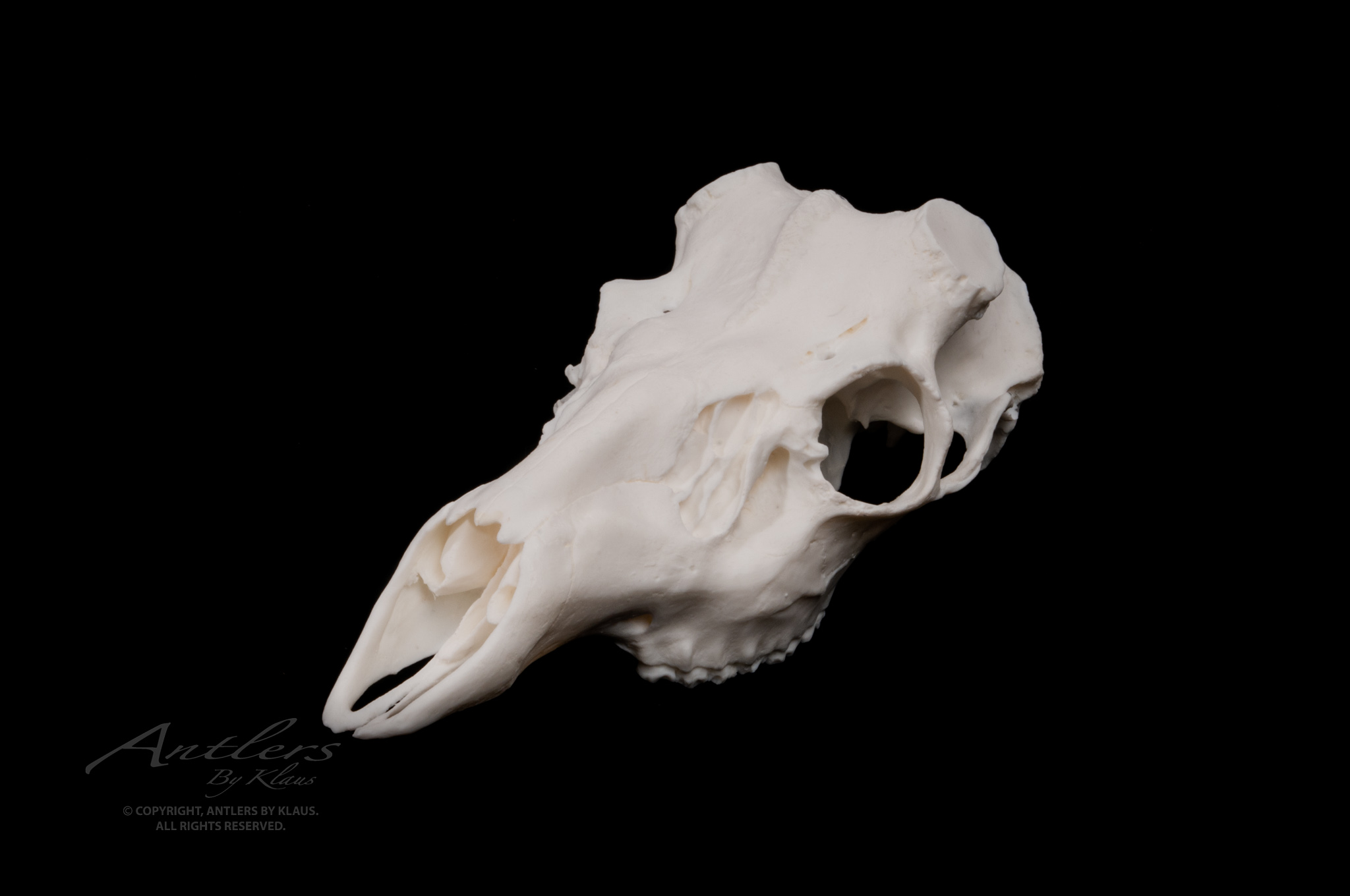
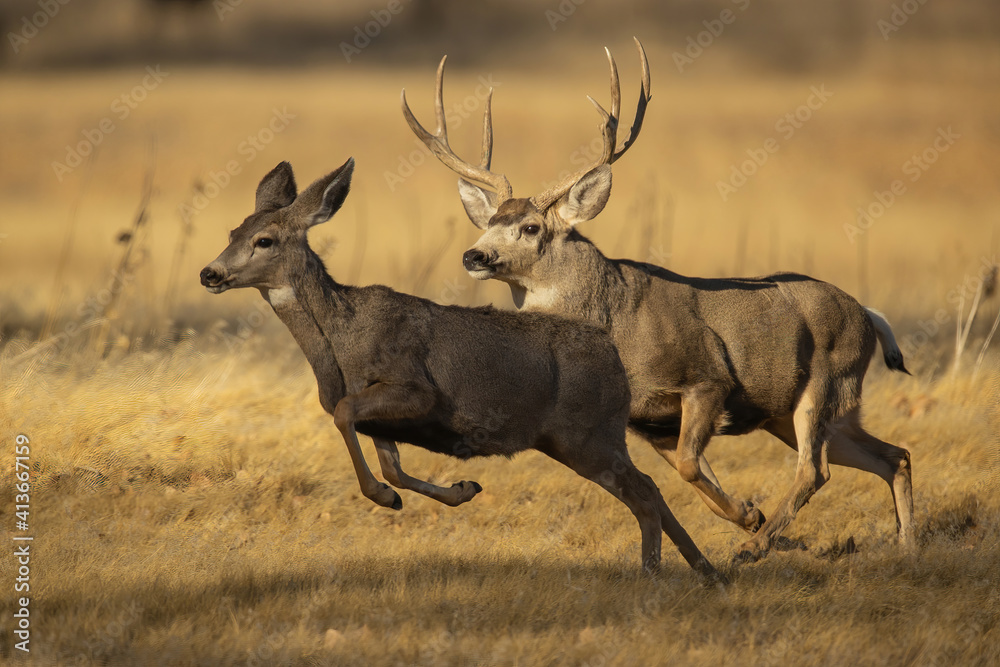
Odocoileus hemionus
Weigh: 100–300 lbs (sex/region dependent)
Outside breeding season: Loose doe–fawn groups; bucks often solitary or in small bachelor groups.
Rut system: Serial polygyny. Bucks move between and guard individual receptive does; no harems.
Reproduction: ~200-day gestation; 1–2 fawns born in spring.
Other notes: Crepuscular activity; seasonal elevation migration common.
Odocoileus virginianus
Weigh: Bucks 130–300 lbs; does 90–200 lbs
Outside breeding season: Matrilineal doe–fawn groups; bucks disperse by ~1 year. Small bachelor groups (2–4) form in summer.
Rut system: Serial polygyny. Bucks compete for and guard individual receptive does (~24–48 hr estrus), no harems. Late fall to early winter (Nov–Jan).
Reproduction: ~200-day gestation; 1–3 fawns born late May–June, hidden by doe.
Other notes: Rut peaks Oct–Dec (often November). Winter aggregation around food can occur loosely.
![<p>Weigh: Bucks 130–300 lbs; does 90–200 lbs</p><p>Outside breeding season: Matrilineal doe–fawn groups; bucks disperse by ~1 year. Small bachelor groups (2–4) form in summer.</p><p>Rut system: Serial polygyny. Bucks compete for and guard individual receptive does (~24–48 hr estrus), no harems. Late fall to early winter (Nov–Jan).</p><p>Reproduction: ~200-day gestation; 1–3 fawns born late May–June, hidden by doe.</p><p>Other notes: Rut peaks Oct–Dec (often November). Winter aggregation around food can occur loosely. </p><p class="font-claude-response-body break-words whitespace-normal leading-[1.7]"></p>](https://assets.knowt.com/user-attachments/6a763ec5-d991-40da-a7cc-d315287859c0.png)
Antilocapra americana
Weigh: Bucks 100–130 lbs; does 90–110 lbs (~3 ft shoulder height). Females have short or no horns.
Outside breeding season: Sex-segregated herds (summer) or mixed groups (winter) on open plains.
Rut system: Territorial polygyny (harem-like tendencies). Males defend territories and court multiple females within them during ~3-week rut (late summer–early fall).
Reproduction: ~240-day gestation; typically twins born in spring, synchronized within herds (~10-day window).
Other notes: Post-rut males shed horn sheaths. Strong migratory behavior in open habitats. Orbitals higher on skull.
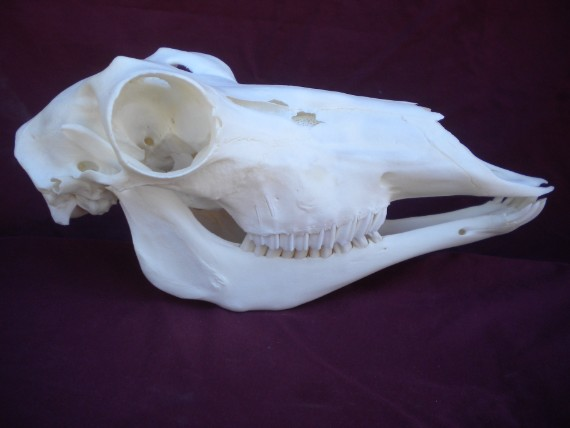
Bison bison
Weigh: Bulls 1,000–2,000 lbs (~6 ft at shoulder); cows 700–1,000 lbs (~5 ft)
Outside breeding season: Mixed herds of cows, calves, and young bulls; adult bulls often in separate bachelor groups.
Rut system: Serial polygyny. Bulls compete via displays, wallowing, and fighting; dominant bulls stay with estrous cows for short periods. Summer (Jul–Aug)
Reproduction: ~9-month gestation; single calf born spring (April onward).
Other notes: Herds expand during rut and contract afterward; strong group cohesion year-round compared to deer species.
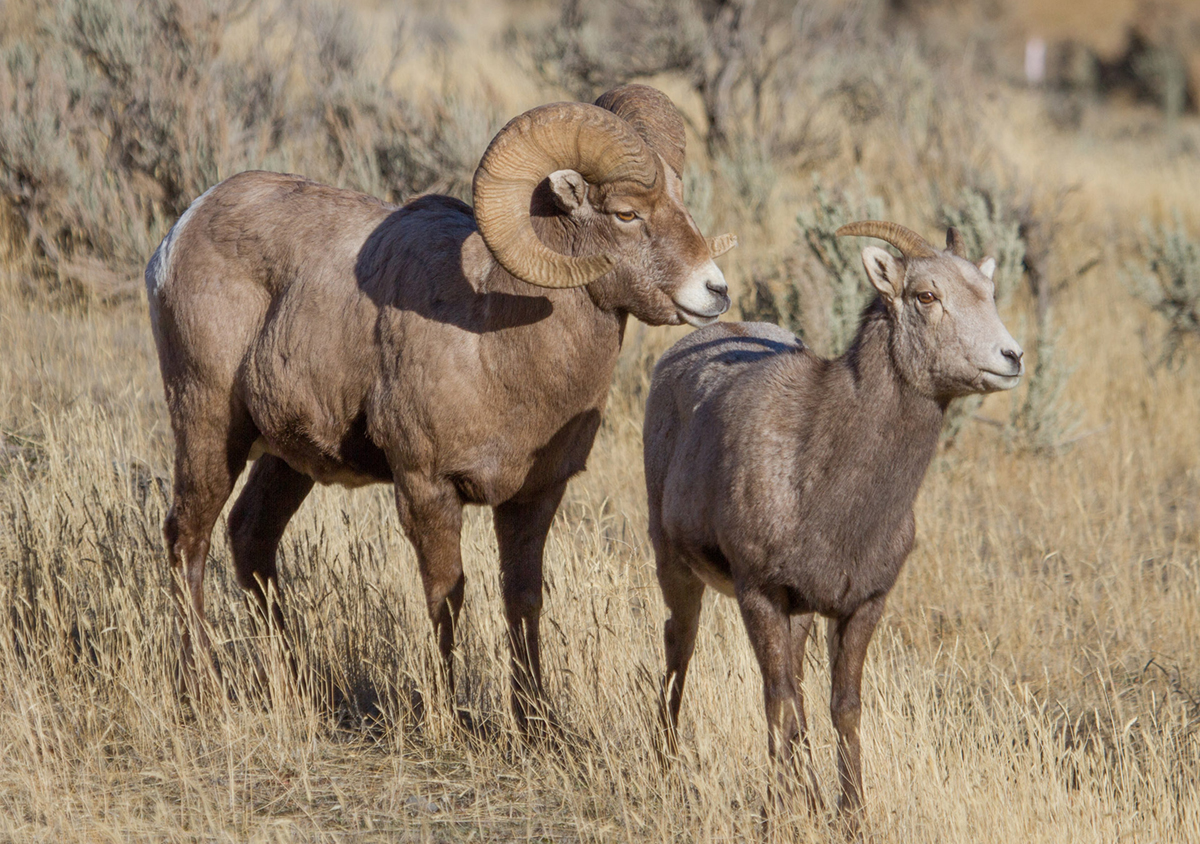
Ovis canadensis
Weigh: Rams 130–300 lbs; ewes 70–150 lbs (varies by subspecies and region)
Outside breeding season: Sex-segregated groups are typical. Ewes form nursery bands with lambs; rams form bachelor groups, often in rugged, higher terrain.
Rut system: Strong hierarchical polygyny. Rams compete via head-butting contests to establish dominance ranks; top-ranked males gain access to estrous ewes.
Reproduction: ~180-day gestation; usually 1 lamb born in late spring to early summer. Lambs are precocial and follow the mother soon after birth.
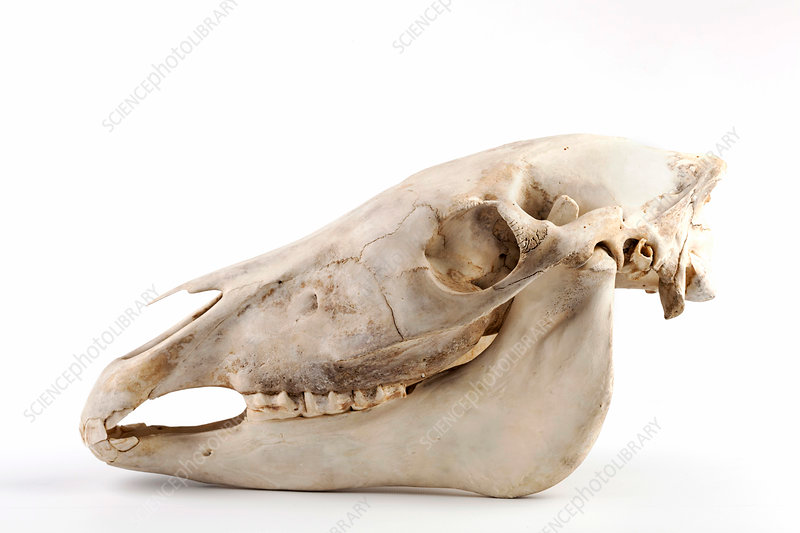
Equus caballus
Weigh: Stallions 900–1,200+ lbs; mares 800–1,000 lbs
Outside breeding season: Stable bands (harems) year-round. Each band typically consists of one dominant stallion, multiple mares, and their offspring. Young males are pushed out and form bachelor groups.
Rut system: Strong harem polygyny. Stallions actively defend mares from rival males and attempt to recruit or steal females.
Reproduction: ~11–12 month gestation; usually 1 foal born in spring.
Strong long-term band stability; mares often remain in the same band for life.
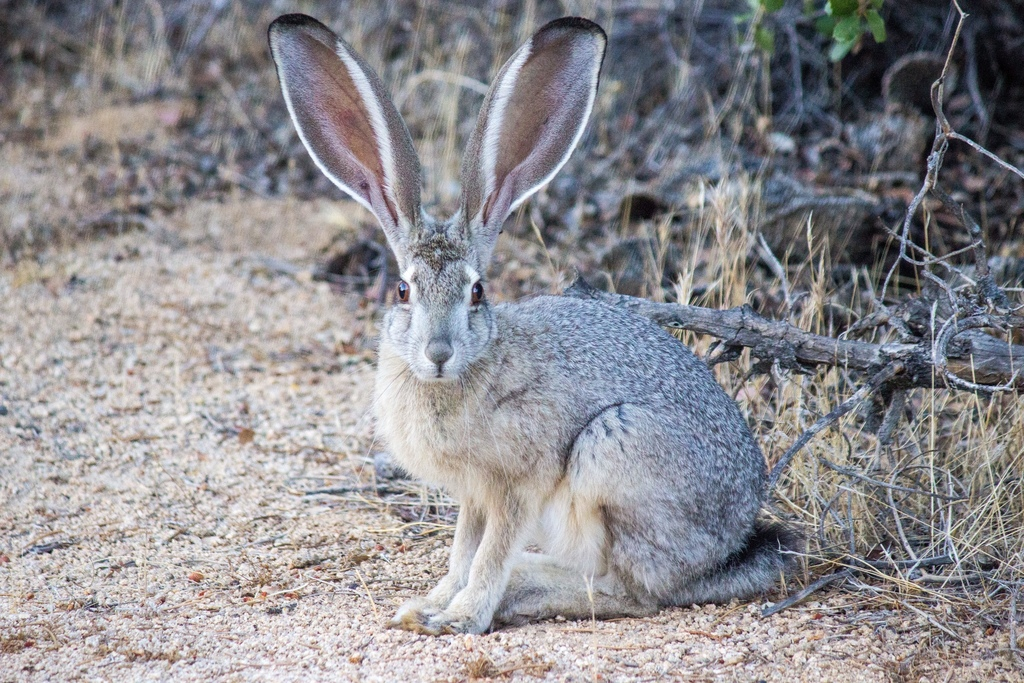
Lagomorpha
Leporidae
Lepus californicus (hares / 4)
Very long hind feet and large ears. Young are precocial (fully furred, eyes open, mobile at birth). Extremely fast runners (45 mph) adapted for open habitats.
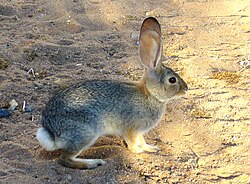
Leporidae
Sylvilagus audubonii
Small to medium lagomorphs (a few pounds) with relatively short ears and hind legs compared to hares. Young are altricial and born in concealed nests. Rely on crypsis and freezing/pausing behavior rather than sustained running.
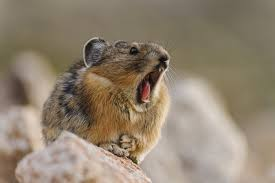
Ochotonidae
Ochotona princeps
Montane lagomorph.
Eulipotyphla
Soricidae
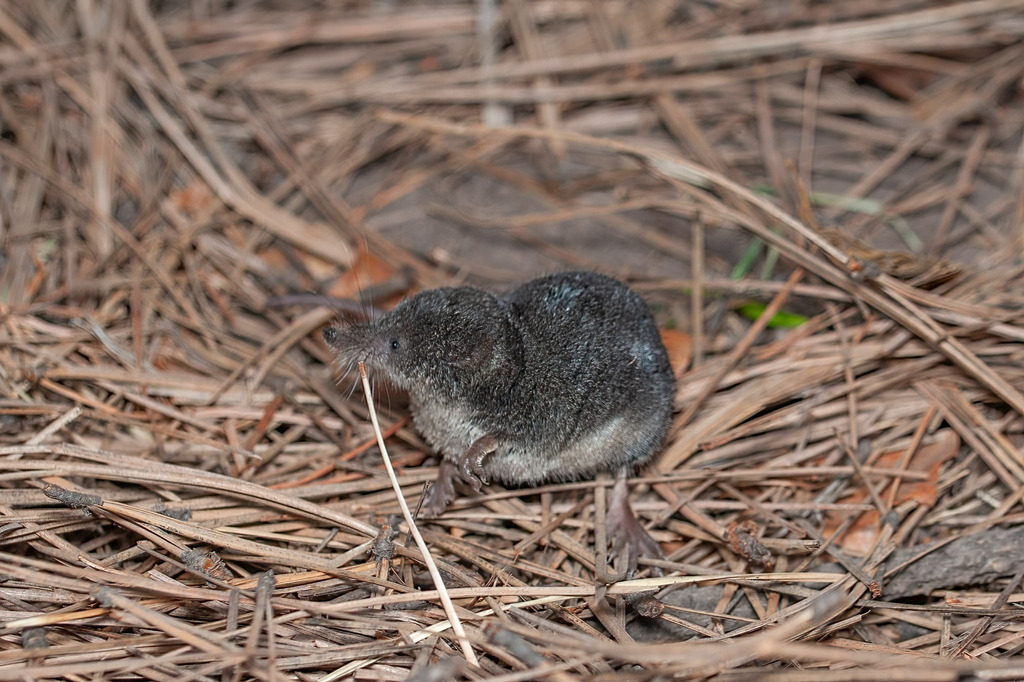
Sorex navigator (shrews /9)
These animals have long, pointed snouts, small ears, which are often not visible, and scent glands located on the sides of their bodies. As their eyesight is generally poor, they rely on hearing and smell to locate their prey, mainly insects. Extremely high metabolism and must be foraging constantly. Some species are venomous.
Eulipotypla
Talpidae
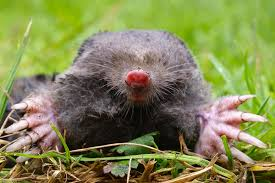
Scapanus
Not in New Mexico.
Erithozontidae
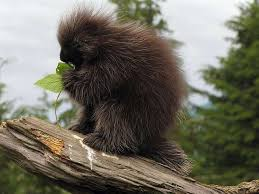
Erethizon dorsatum
Slow-moving solitary rodent of forests, woodlands, and rocky shrub habitats. Nocturnal and excellent climber that feeds on bark, leaves, twigs, and conifer needles. Defends itself with detachable barbed quills rather than fleeing predators.
Does not hibernate.
Castoridae
Castor canadensis
Large semi-aquatic rodent found along rivers, streams, ponds, and wetlands. Lives in family groups centered around lodges and dams built from wood and mud. Primarily nocturnal; feeds on bark, aquatic plants, and woody vegetation.
Major ecosystem engineer that creates wetlands by damming waterways.
Sciuridae
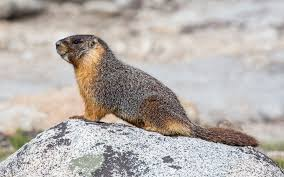
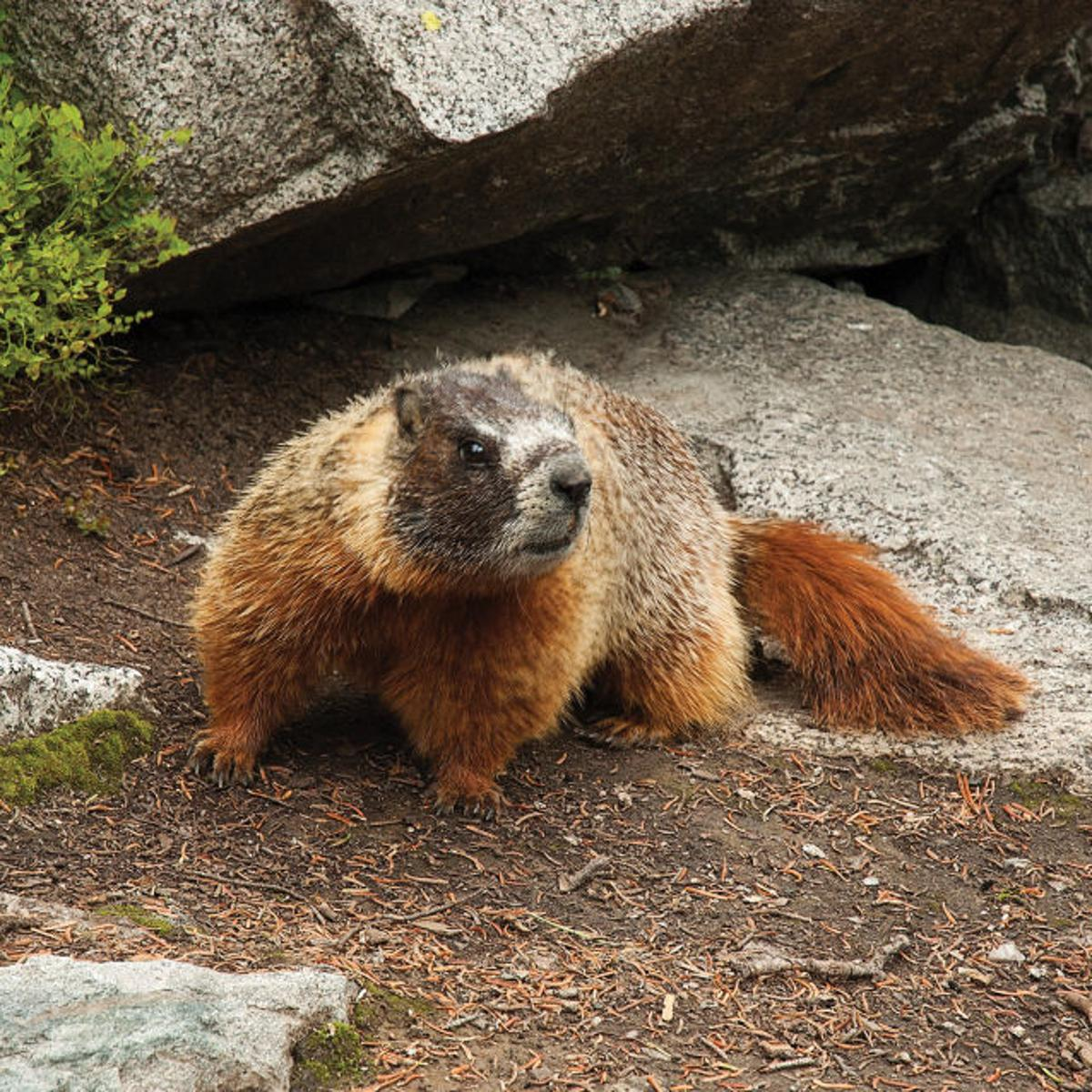
Marmota flaviventris
Largest ground squirrel of rocky mountain slopes, meadows, and open montane habitat.
Social and colonial, living in burrow systems with multiple individuals. Diurnal herbivore that feeds on grasses and forbs.
Spends much of the year hibernating in underground dens.
Sciuridae
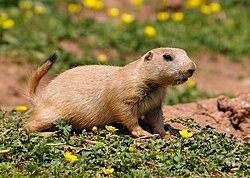
Cynomys ludovicianus* (prairie dogs / 2)
Highly social, colonial burrowing rodent of shortgrass prairie and open plains. Lives in large “towns” with complex tunnel systems and distinct coteries (family groups).
Key ecosystem engineer that maintains short, grazed grass habitat used by many other species.
May undergo torpor, but not true hibernation.
Sciuridae
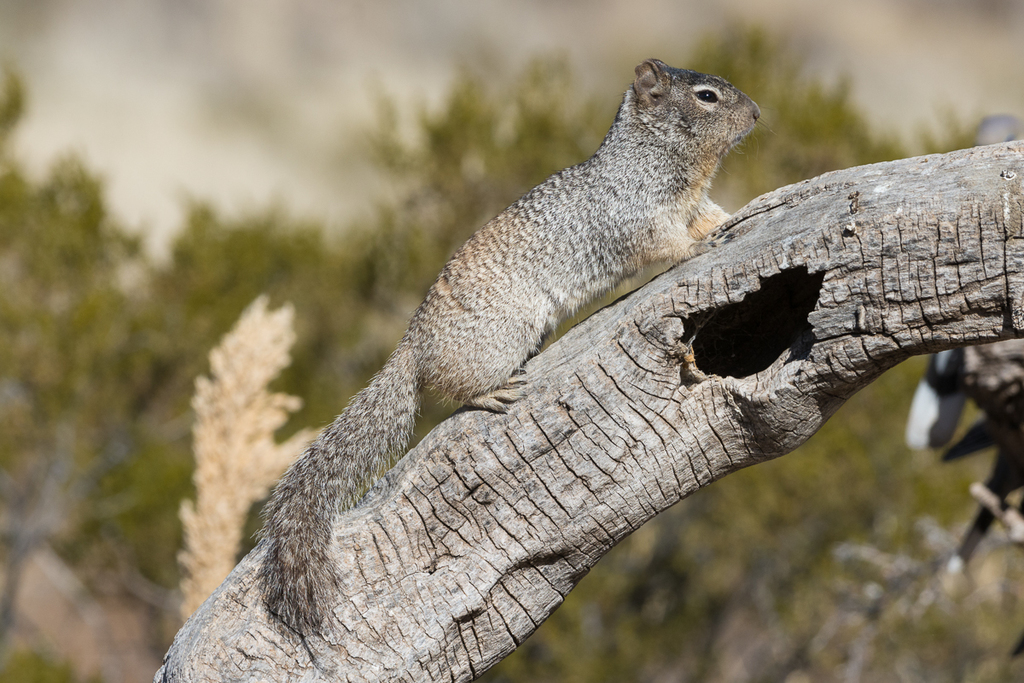
Otospermophilus variegatus (rock squirrel)
Large ground squirrel of rocky outcrops, cliffs, and arid scrub in the Southwest.
Omnivorous and diurnal, feeding on seeds, vegetation, insects, and carrion.
Are true hibernators, but will stay active in warm environments.
Tree squirrel like faces, grizzled coat, bushy tail.
Scuridae
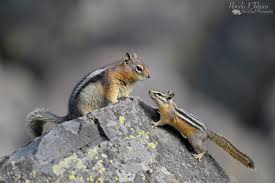
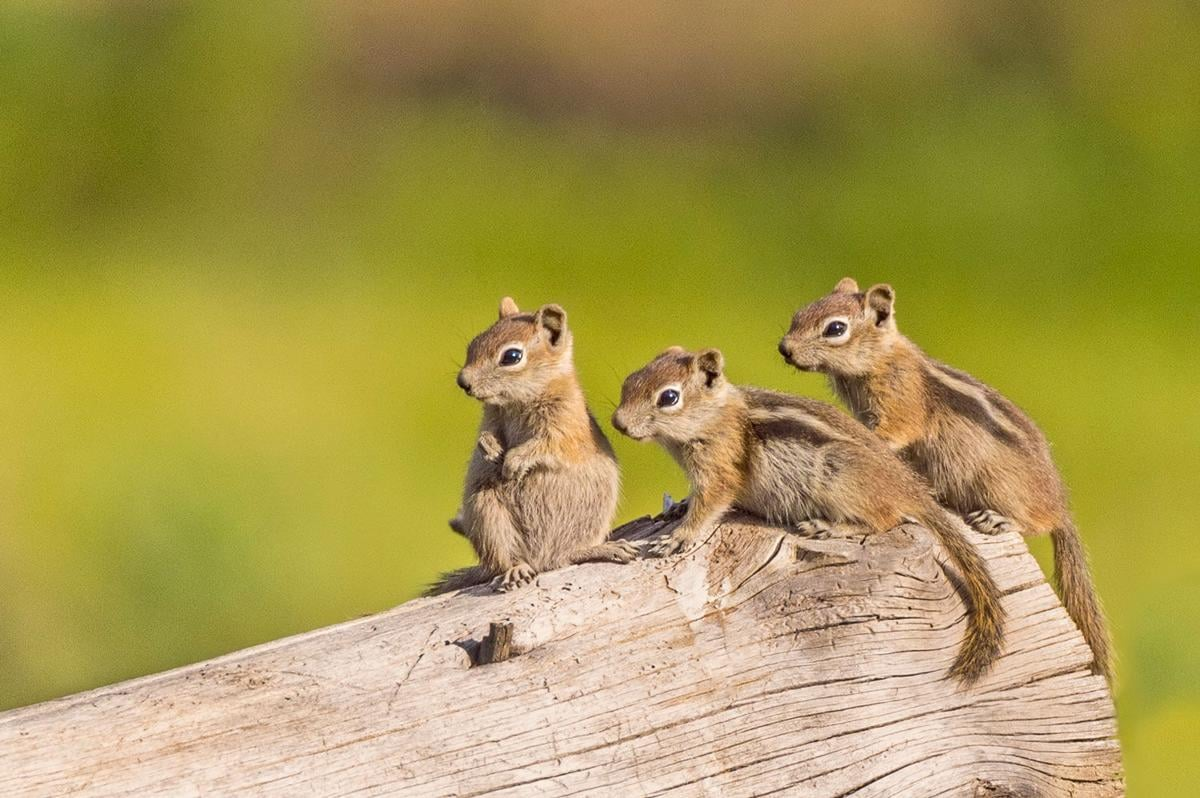
Callospermophilus lateralis (golden-mantled ground squirrel)
Superficially similar to chipmunks, but larger, with stripes on a broader face.
Sciuridae
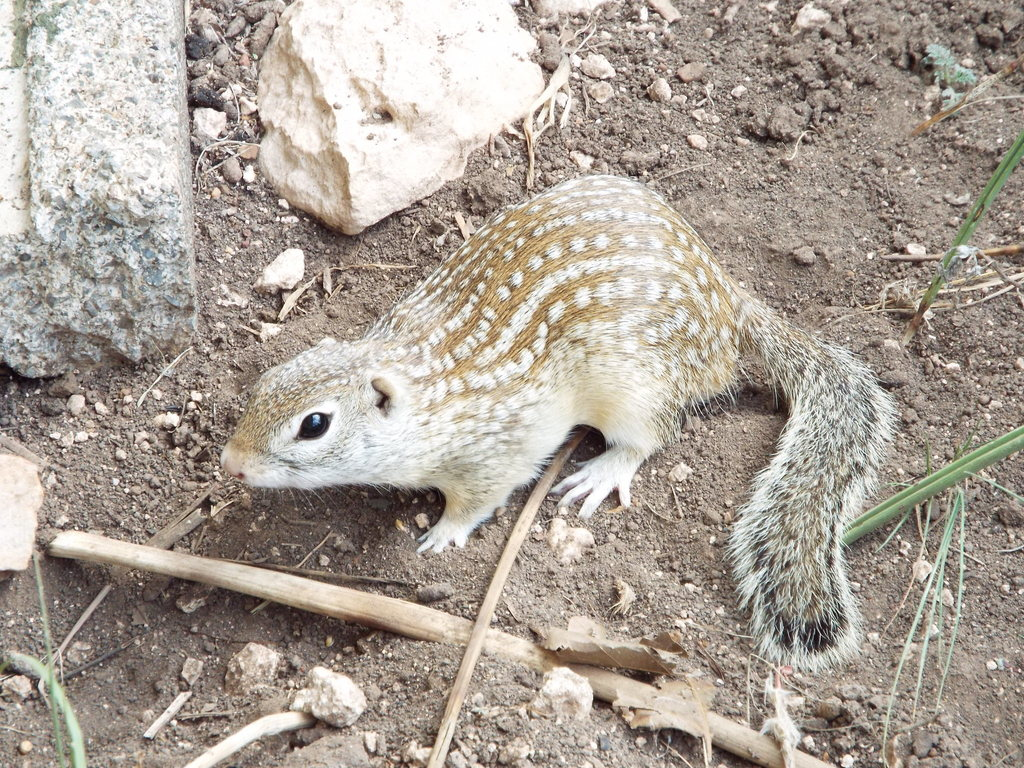
Xerospermophilus spilosoma (spotted ground squirrel)
Smaller, than other ground squirrels.
Sciuridae
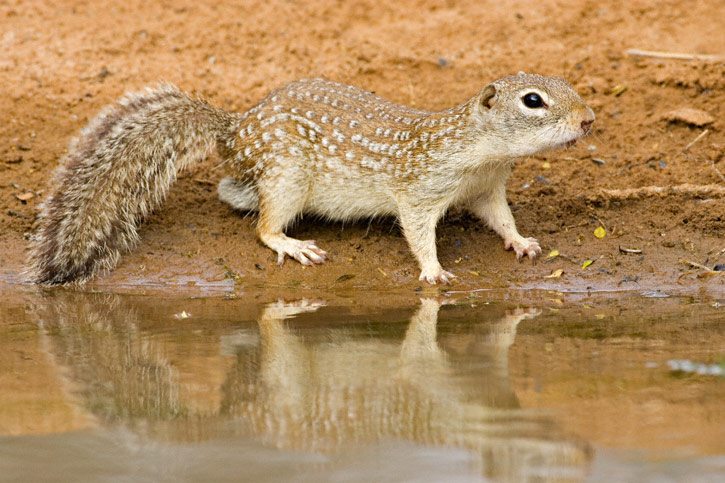
Ictidomys parvidens (rio-grande; ground squirrels / 2)
Small to medium terrestrial rodents of grasslands, shrublands, deserts, and open woodland edges.
Typically semi-colonial, living in burrow systems with variable spacing depending on species and habitat. Diurnal omnivores that feed mainly on seeds, grasses, and insects.
Are true hibernators, but will stay active in warm environments.
Spotted lines, small ears.
Sciuridae
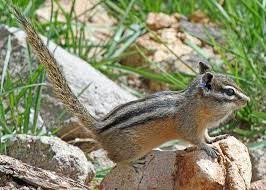
Neotamias canipes (grey-footed; chipmunks / 5)
Small, diurnal ground-dwelling squirrels of forests, woodlands, and rocky or brushy habitats. Generally solitary and territorial except during breeding. Feed on seeds, nuts, fruits, and insects, and use cheek pouches to transport food to underground burrow caches.
Are not true hibernators, but undergo winter torpor, relying on stored food.
Multiple striped pattern, typically extends on face, pointy ears.
Sciruidae
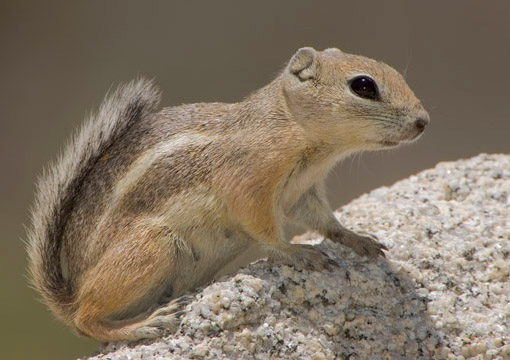
Ammospermophilus leucurus (white-tailed; antelope squirrels / 3)
loo-cur-uhs
Small, fast ground-dwelling squirrels of deserts and arid scrub in the Southwest. Diurnal and highly heat-tolerant; often active in extreme heat when many other mammals are inactive. Typically solitary or loosely spaced rather than strongly colonial. Feed on seeds, fruits, insects, and carrion, and store food opportunistically.
Do not hibernate.
Tail arched upward toward head, single lateral stripe on body that does not extend to face, round ears.
Sciuridae
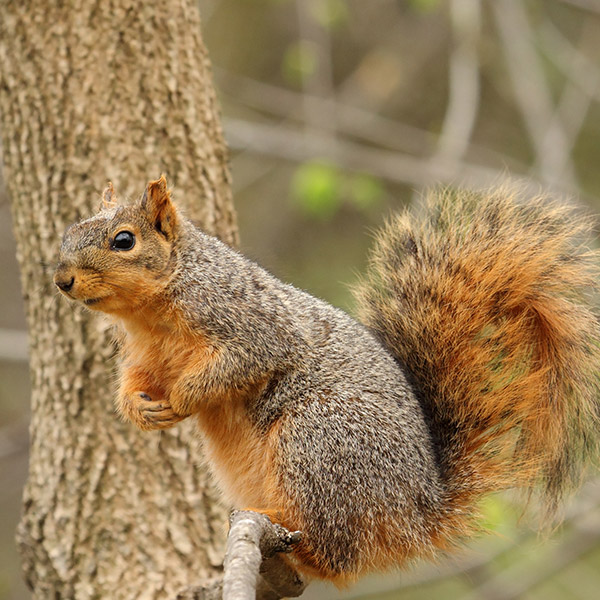
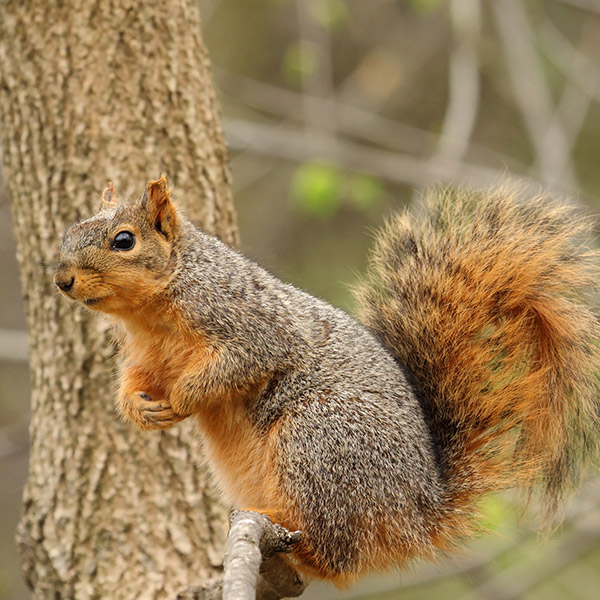
Sciurus niger (fox; tree squirrels / 3)
Small arboreal rodents found in forests, woodlands, parks, and riparian areas. Generally solitary but may form loose aggregations in high food availability. Diurnal, feeding on nuts, seeds, fruits, buds, and occasional insects.
Cache food for winter use rather than true hibernation. Highly agile climbers that rely on trees for nesting.
Sciuridae
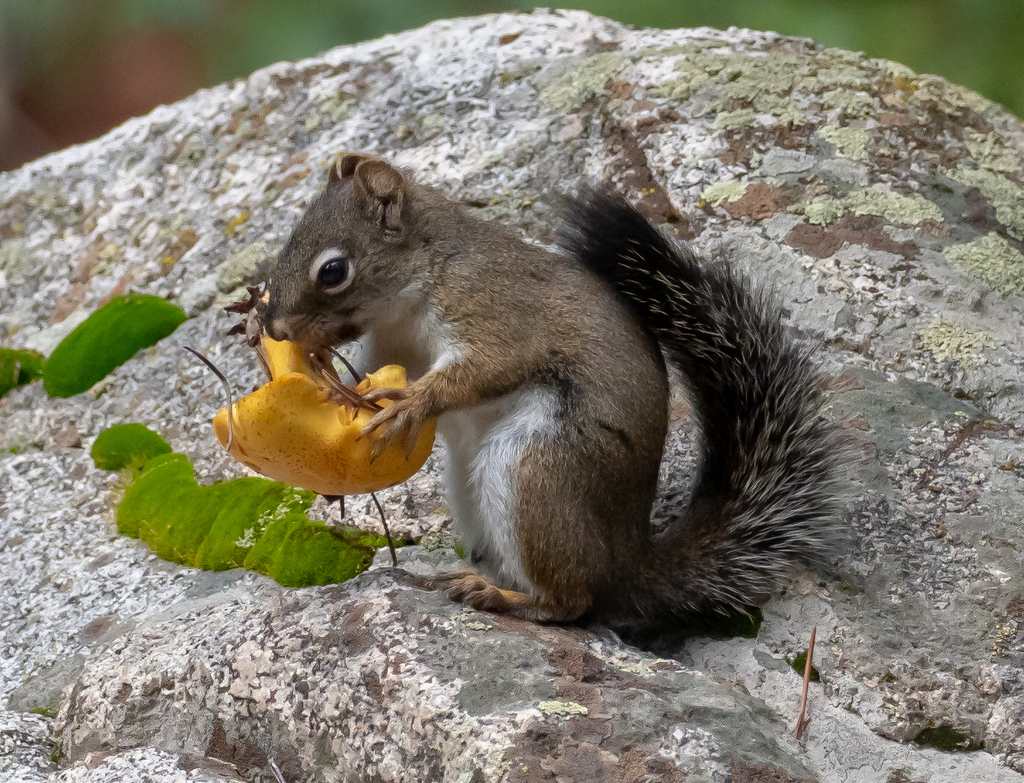
Tamiasciurus fremonti
Small, diurnal pine squirrel of montane conifer forests in the Southwest, especially spruce–fir and mixed conifer at higher elevations in New Mexico. Highly territorial and solitary, defending year-round food caches with vocal chattreing. Feeds mainly on conifer seeds, fungi, and buds, with strong reliance on cone crops.
Unlike larger tree squirrels, it is closely tied to cooler, high-elevation forest habitats and remains active year-round.
Smaller than tree squirrels with pale, cream underside.
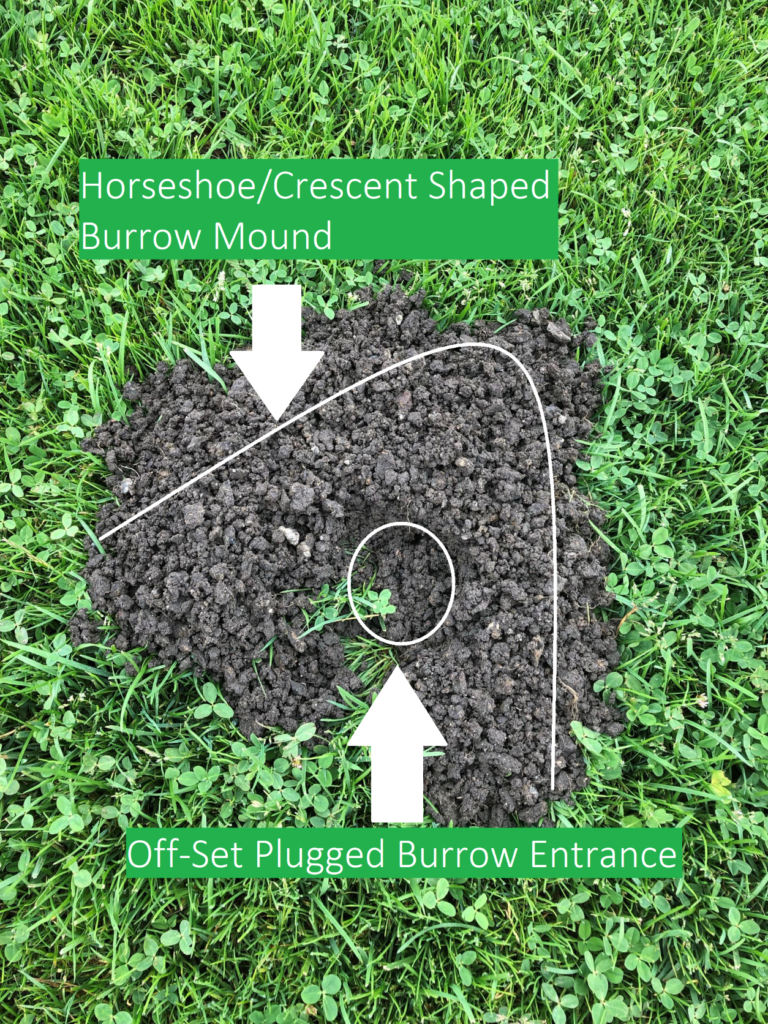
Geomyidae
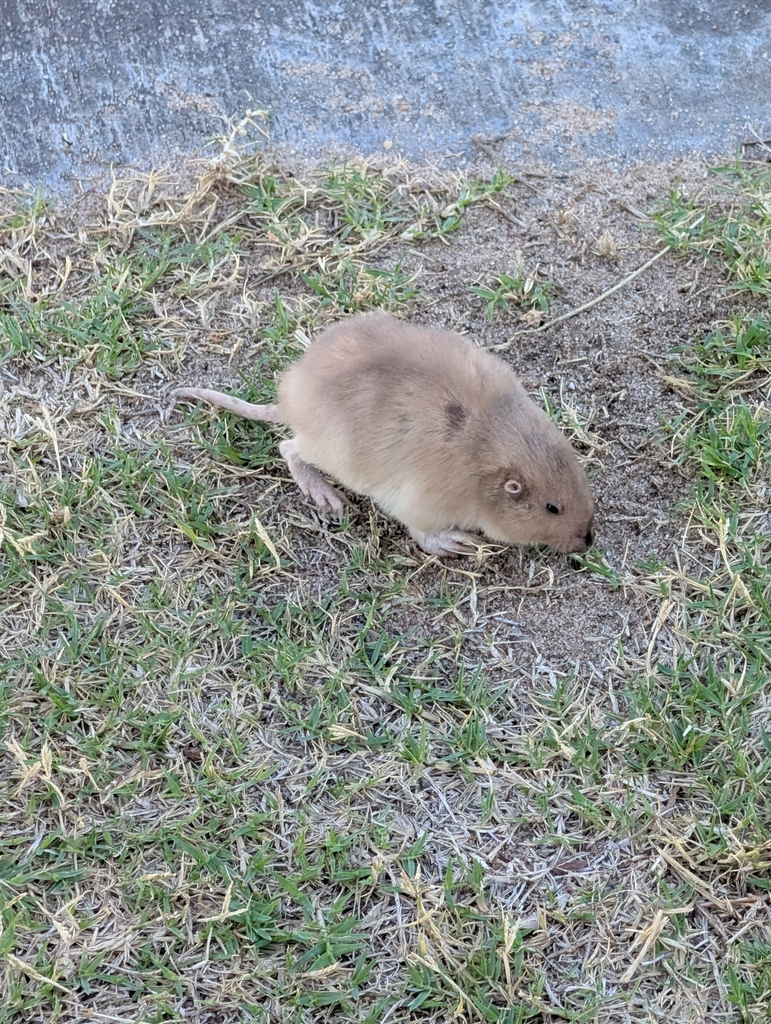
Geomys arenarius (desert; eastern pocket gophers /3)
air e nair e us
Eastern. Fossorial, territorial and solitary rodents of grasslands, prairies, and sandy or loamy soils. Spend nearly all their time underground in extensive burrow systems, emerging rarely. Strong front claws and large incisors used for digging.
Primarily herbivorous, consuming roots, tubers, and underground plant parts. Important soil engineers that aerate and mix soil.
Create mounded disturbance patches.
Geomyidae
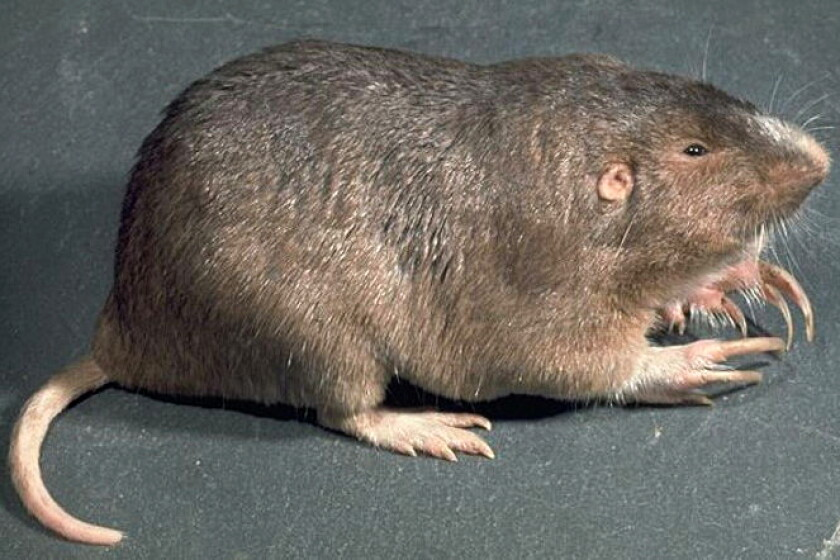
Thomomys talpoides (western pocket gophers /3)
Western.
Dipodidae
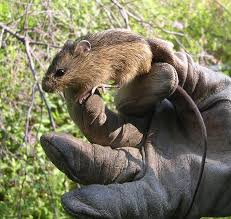
Zapus princeps (western jumping mice / 2)
Found in moist habitats; commonly found along streams, wet meadows, and dense riparian vegetation. Hind feet greatly enlarged with five toes. Tail long, slender, and non-tufted, usually longer than head-body length. Ears small and mouse-like; flanks often washed with reddish-brown.
Heteromyidae
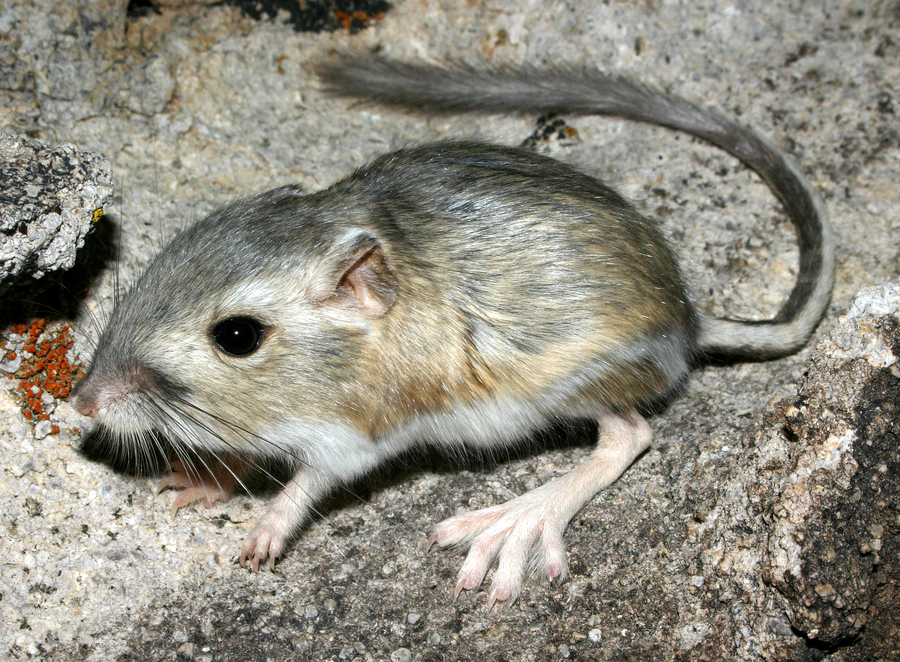
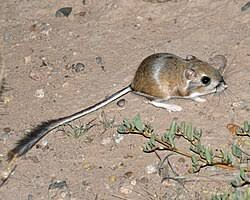
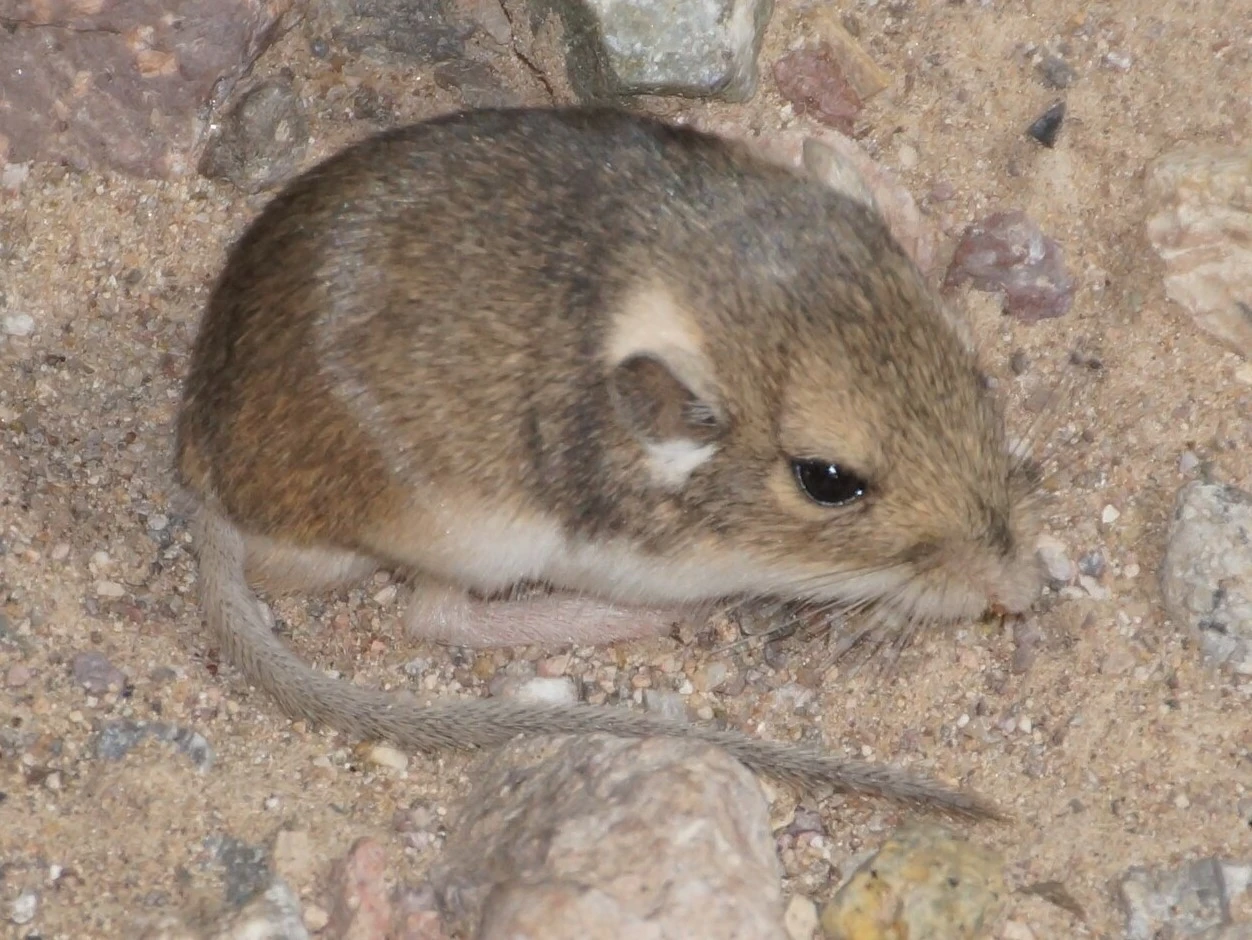
Dipodomys merriami (kangaroo rats / 3)
Nocturnal and found in arid environments. Move bipedally, with leaps upwards to 7 feet
Very enlarged hind legs, small front legs, small ears and relatively large heads.
The tail is longer than its body, often with a tuft of hair at the end.
External cheek pouches.
Heteromyidae
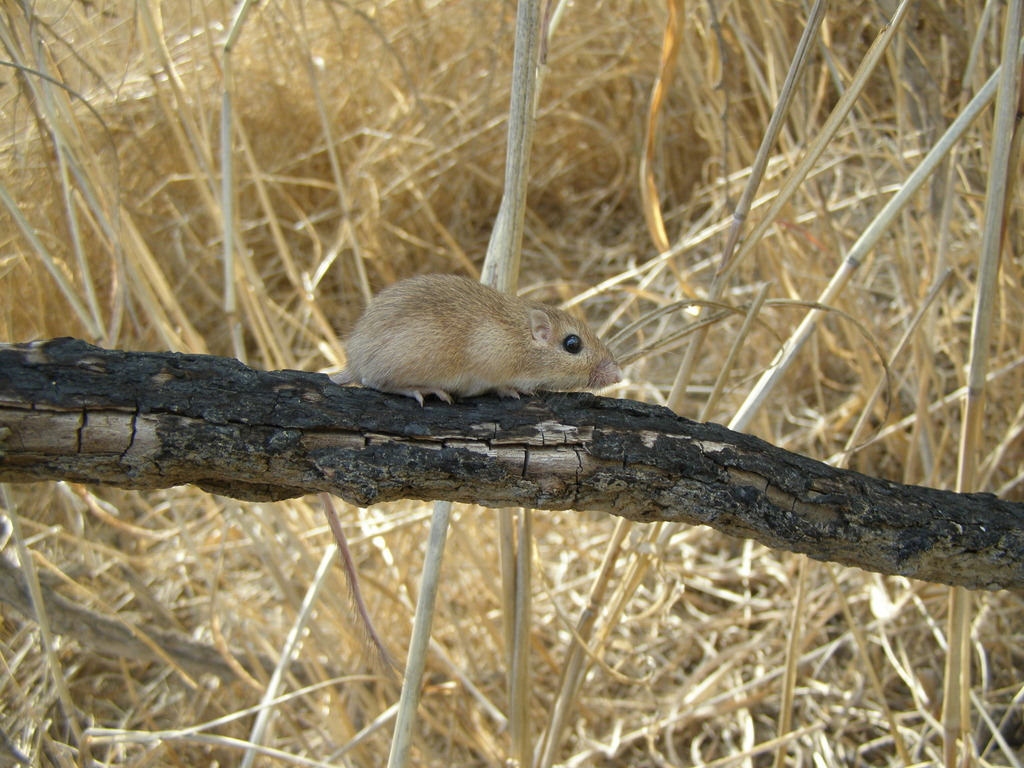
Chaetodipus eremicus (spiny pocket mice / 6)
Nocturnal and found in arid environments.
Coarse to spiny pelage, particularly on the rump, often producing a grizzled appearance. Hind limbs enlarged but not to the extent seen in kangaroo rats. Tail approximately equal to body length, sometimes tufted distally.
External cheek pouches.
Heteromyidae
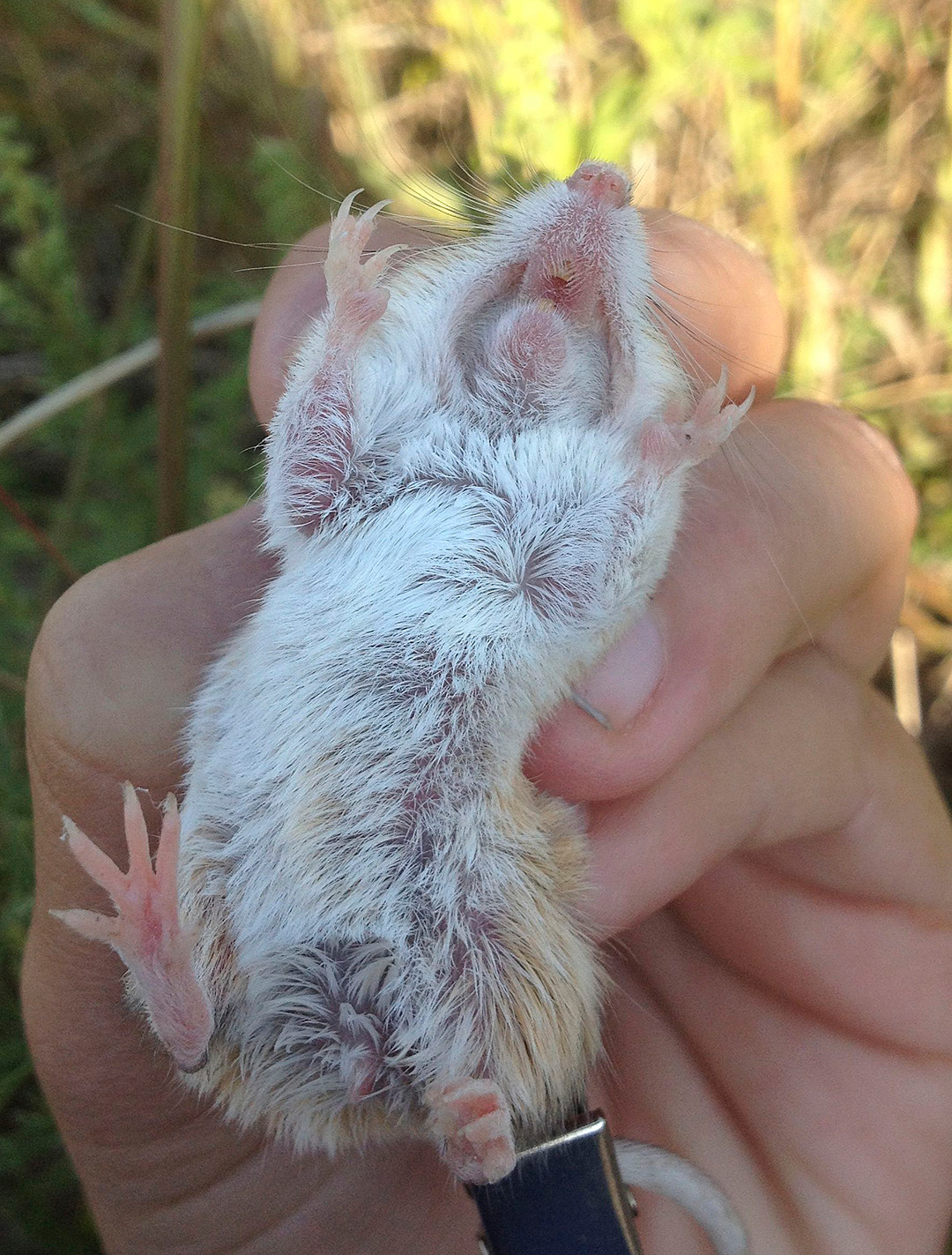
Perognathus flavescens (silky pocket mice / 4)
Pelage soft and non-spiny, without the grizzled, spinous rump typical of Chaetodipus. Hind limbs moderately enlarged but not strongly saltatorial. Tail slender, about equal to body length, occasionally weakly tufted.
External cheek pouches.
Cricetidae
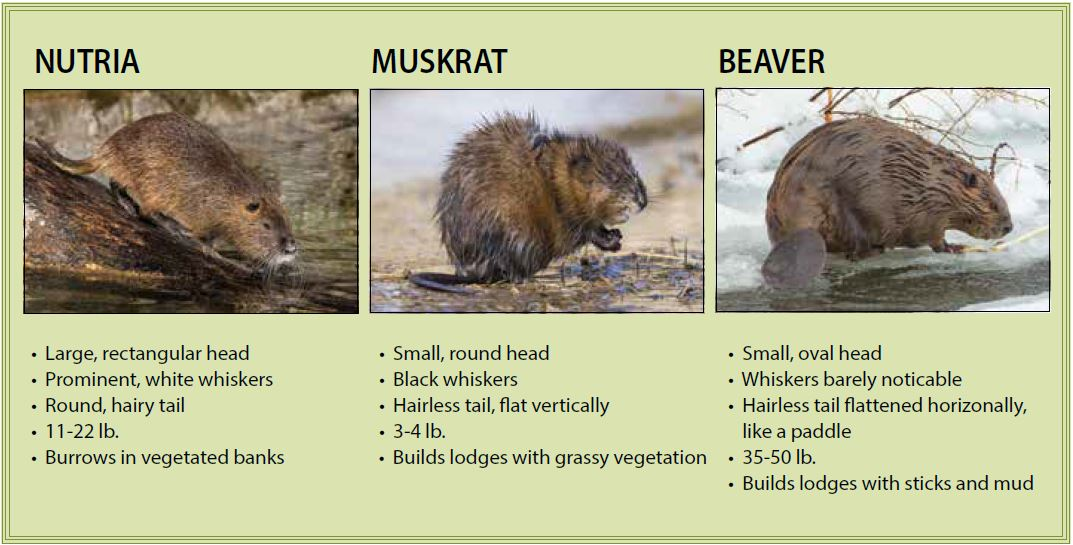
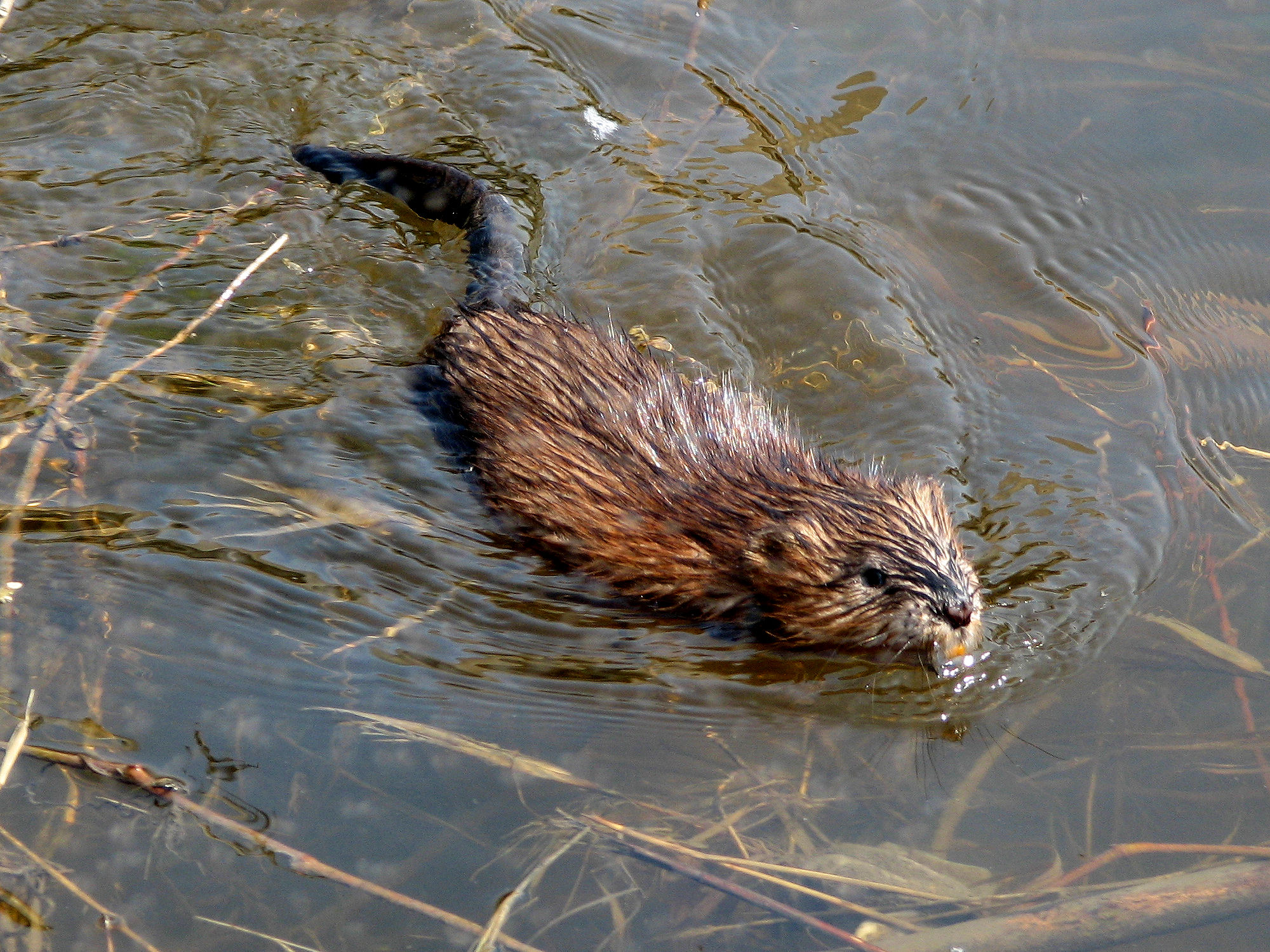
Ondatra zibethicus
Largest rodent in this family and semi-aquatic, 16-28 in. Covered with short, thick fur of medium to dark brown color with webbed feet. Their long tails, covered with scales rather than hair, are laterally compressed and used for stability. They live in families of a male and female pair and their young. Feed mostly on cattail and other aquatic vegetation but also eat small animals.
Cricetidae
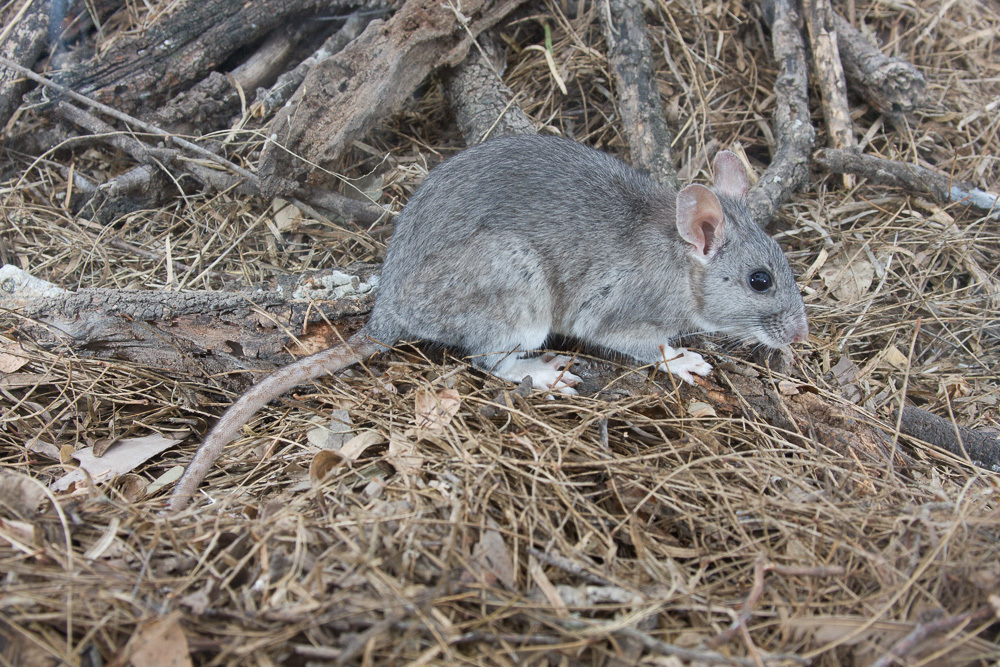
Neotoma micropus (woodrats / pack rats / 5)
Commonly build conspicuous stick nests or middens in rocky crevices, shrubs, cactus, or debris piles.
Rat-like appearance; ears and eyes proportionally large. Tail long and well haired, unlike the naked tail of introduced rats. Typically larger than sympatric Peromyscus, Reithrodontomys, and Onychomys.
Cricetidae
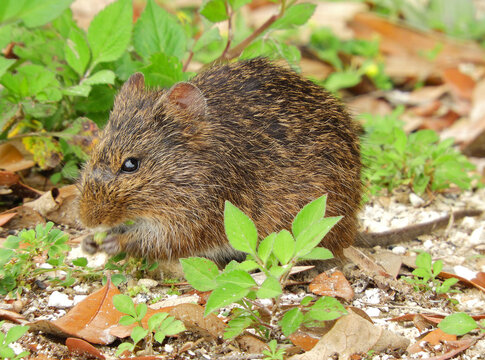
Sigmodon hispidus (cotton rats / 4)
Common in dense grassy vegetation.
8–12 in total length. Robust-bodied rats with coarse, dark grizzled pelage and relatively small ears partly hidden in fur. Tail sparsely haired and shorter than head-body length.
Cricetidae
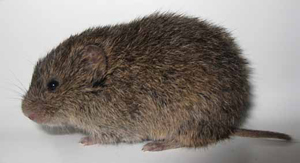
Microtus orchrogaster ( voles / 5)
Primarily associated with grassy or marshy habitats where they feed on grasses, sedges, bark, roots, and seeds.
Short legs, short tails, small partially hidden ears, and small eyes. Fur dense and soft.
Cricetidae
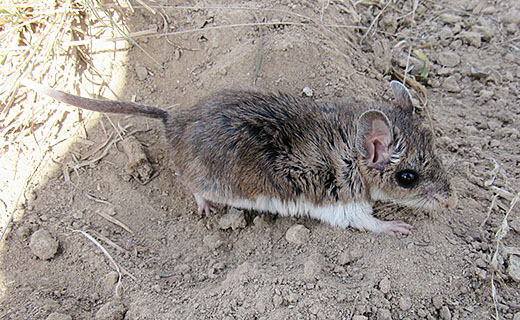
Onychomys torridus (grasshopper mice / 3)
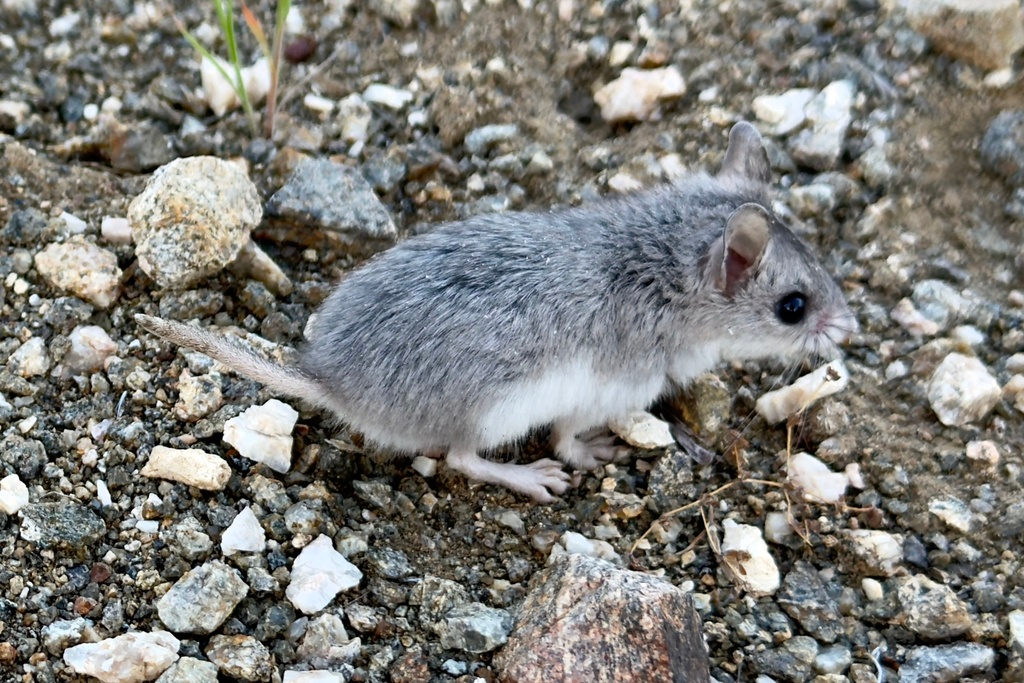
5–6 in total length. Robust, carnivorous mice with short tails (<½ body length), relatively large heads, and enlarged foreclaws. Feed heavily on insects, spiders, centipedes, scorpions, small snakes, and other rodents. Noted for high-pitched territorial “howls.” More resistant to venom than most rodents.
Cricetidae
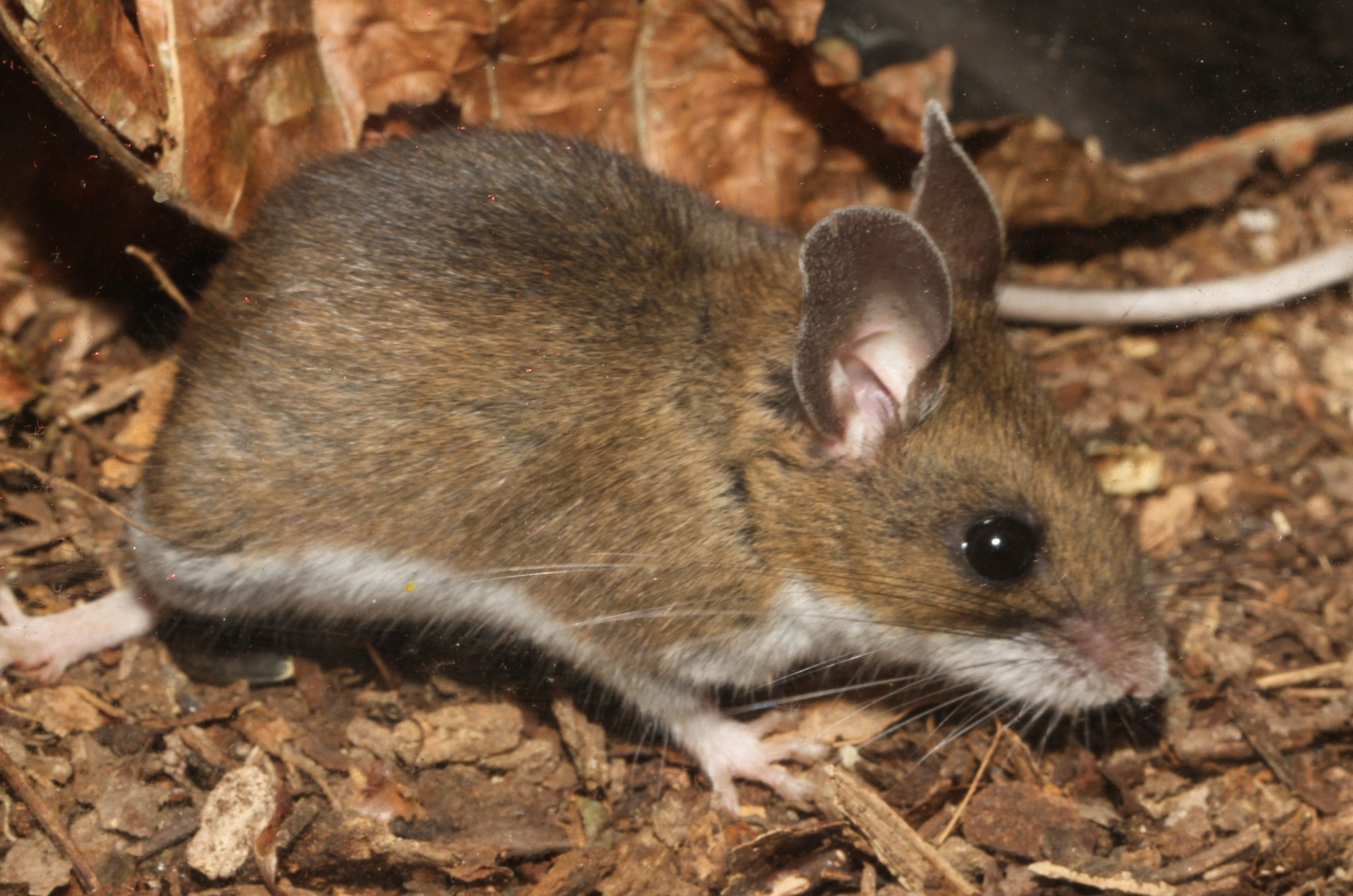
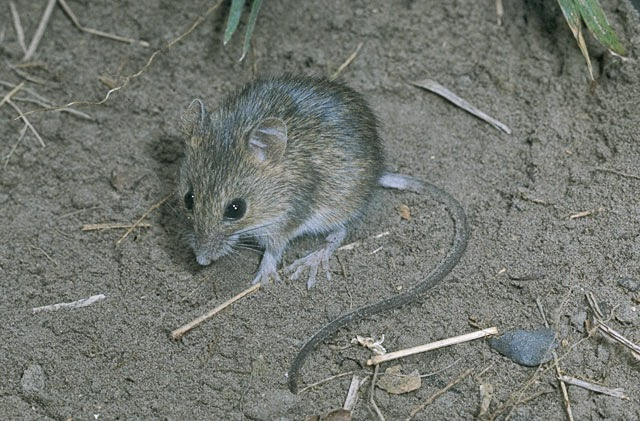
Peromyscus labecula (deer mice /10)
Large ears, large dark eyes, pointed snouts, and long sharpely bicolored tails usually equal to or greater than body length. Fur soft, often reddish-brown to gray above with white underparts and feet.
Cricetidae
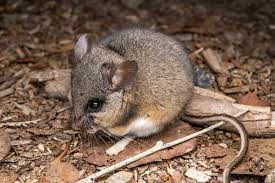
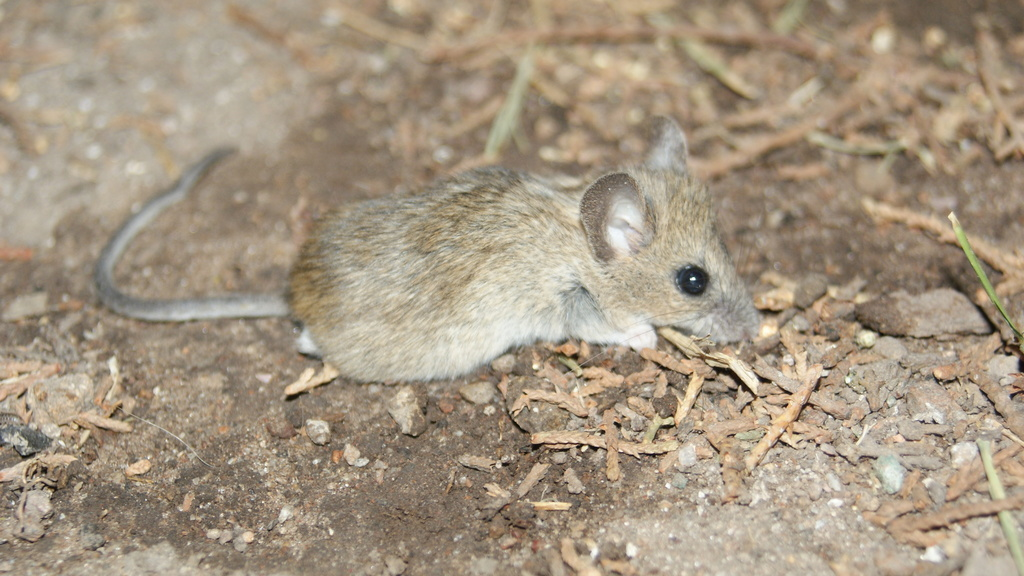
Reithrodontomys megalotis (harvest mice / 3)
Small and delicate with long, thin semi-prehensile tails, relatively small feet, and narrow pointed snouts. Tail weakly bicolored or nearly unicolored compared with Peromyscus. Often associated with dense grasses or herbaceous cover.
Chiroptera
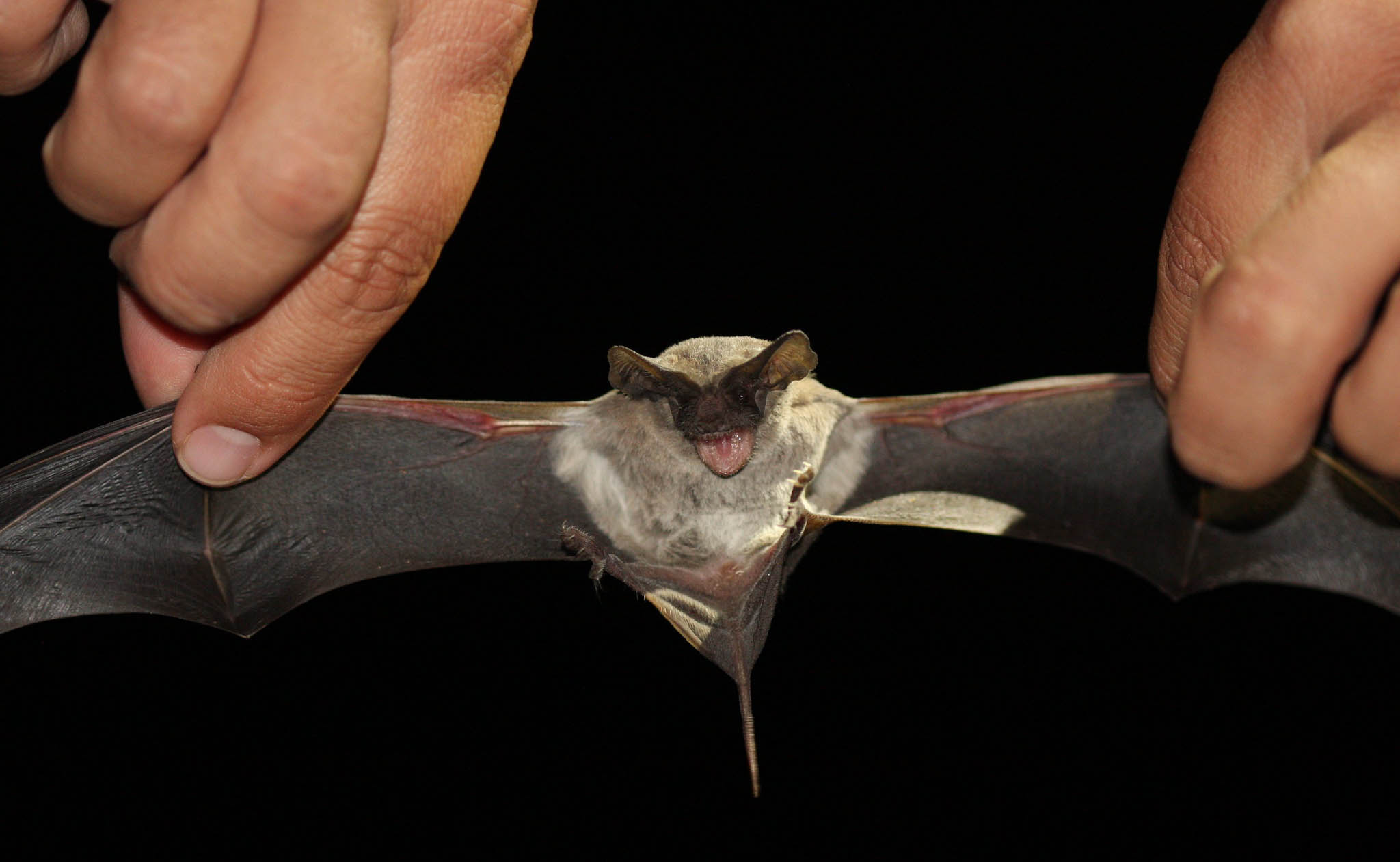
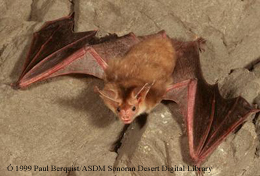
Vespertilionidae (evening “vesper” bats, ~23)
Family is the most diverse and widely distributed of bat families. The facial features of the species are often simple, as they mainly rely on vocally emitted echolocation. The tails of the species are enclosed by the lower flight membranes between the legs.
Chiroptera
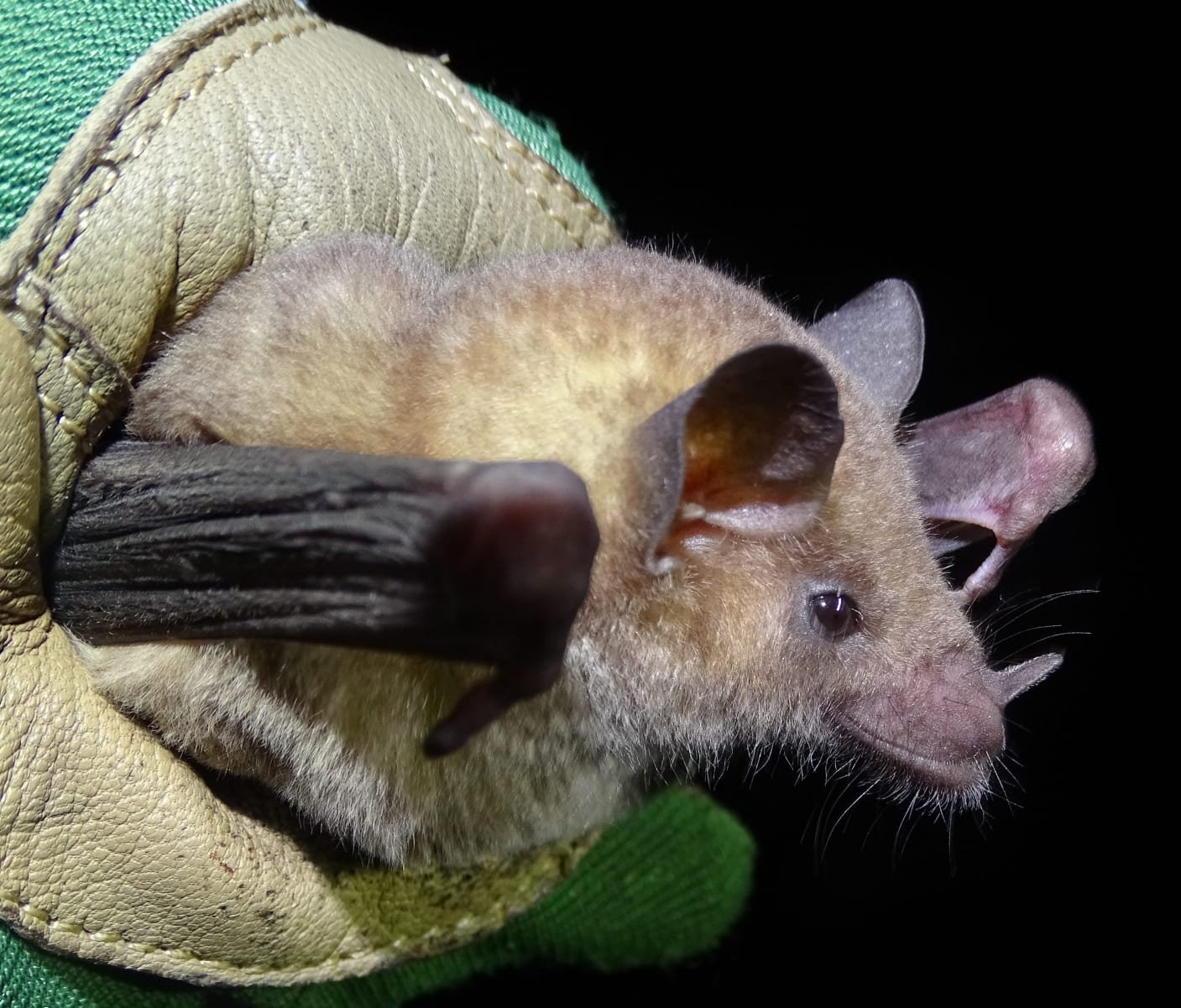
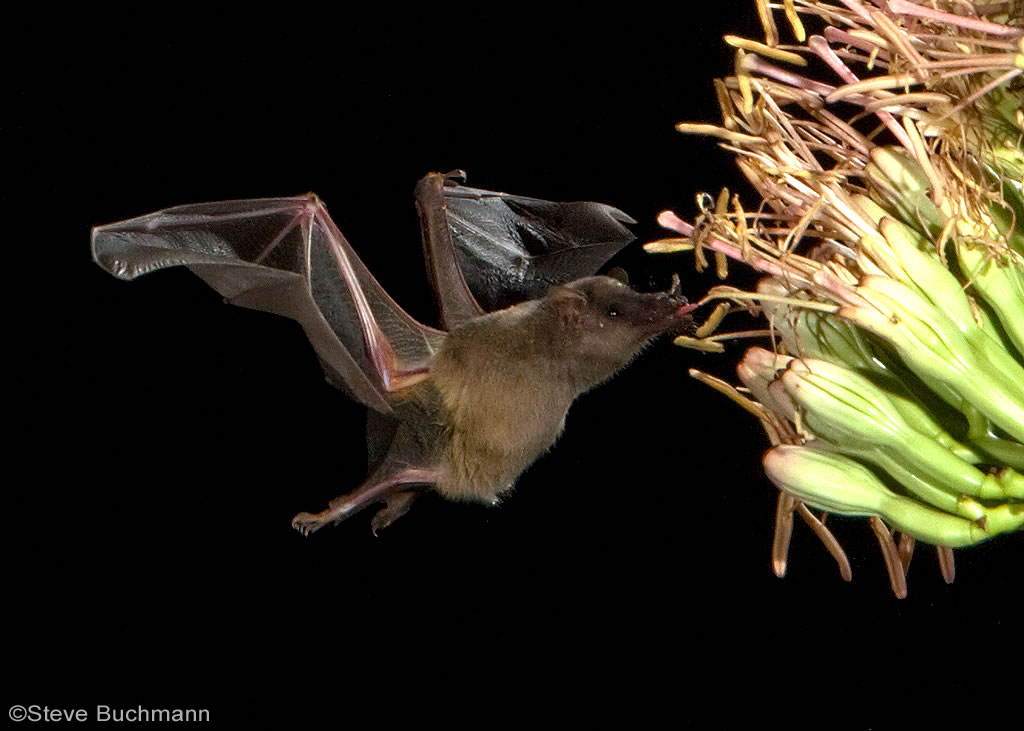
Phyllostomidae (leaf-nosed bats, 3)
In New Mexico all species are nectar/pollen specialists.
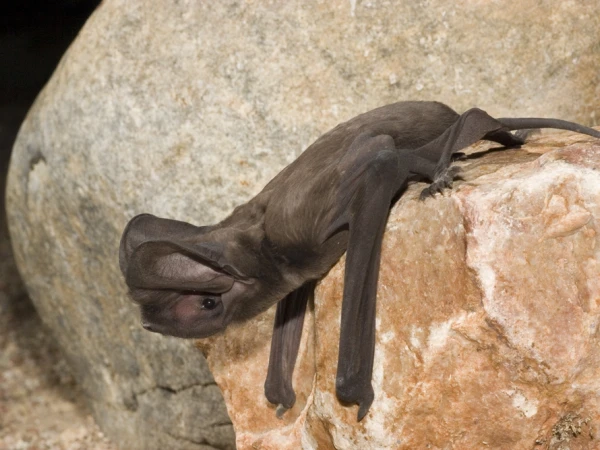
Chiroptera
Molossidae (free-tailed bats, 4)
So called for the way in which part of the tail extends somewhat beyond the membrane connecting the hind legs. Some free-tailed bats are also known as mastiff bats because their faces bear a superficial resemblance to those dogs.