CMA study guide
 Call Kai
 Learn
Learn Practice Test
 Spaced Repetition
 Match
Match Flashcards
 Knowt Play
1/36

There's no tags or description
Looks like no tags are added yet.
Name | Mastery | Learn | Test | Matching | Spaced | Call with Kai |
|---|
No analytics yet
Send a link to your students to track their progress
37 Terms
ABN: Advance beneficiary notice
a form provided to patient when the provider believes medicare will not pay for their services.
Allowed amount
the maximum amount off a third party payer will pay for a particular procedure or service
Copayment
a fixed fee paid by the patient at the time of an office visit
Coinsurance
policy holder and insurance company share the cost of covered losses in ratio, 80% to 20%
Deductible
Amount you must pay before you begin receiving any benefits from your insurance company
Explanation of benefits
A statement from the insurance carrier detailing what was paid, denied, or reduced in payment; also contains information about amounts applied to the deductible, coinsurance, and allowed amounts
participating provider
A provider who signed a contract with insurance company and abide by certain rules and regulations set forth by that particular third-party payer.
Medicare
cover patients ages 65 and older by part a hospitalization or part b, routine medical visits benefit.
Tricare
military personnels receive treatments from providers paid by the federal government
CHAMPVA
covers surviving spouses and dependent children of veterans who died as a result of service-related disabilities
Medicaid
A federal and state assistance program that pays for health care services for people with limited income and resources.
Managed Care
planted that provide healthcare for a fixed monthly schedule payment, instead of individual visits and coordinated care.
Worker compensation
Guarantees financial and medical assistance to workers injured on the job.
CMS-1500 form
Standard insurance form used by all government and most commercial insurance payers.
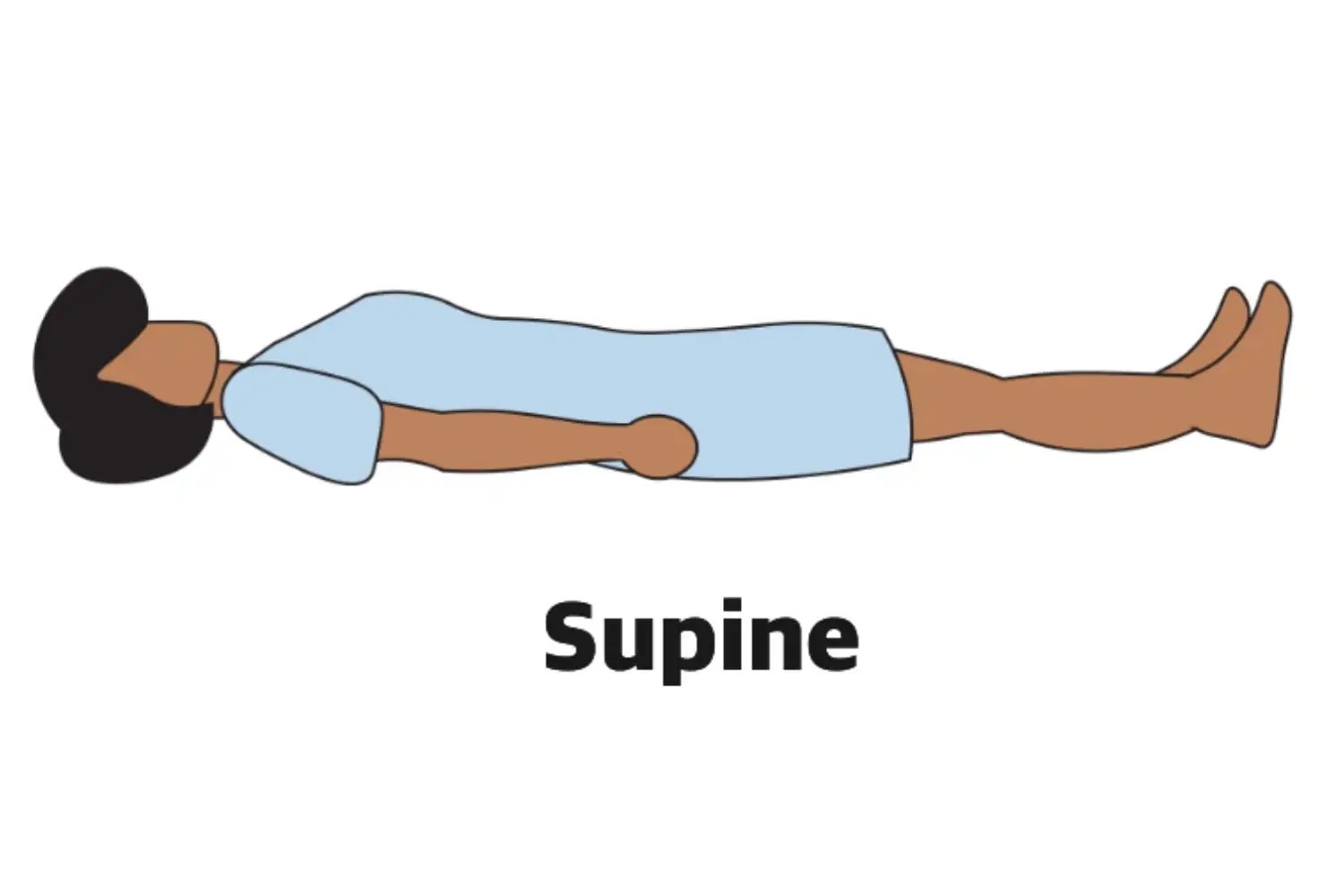
suspine position
lying on back, facing upward
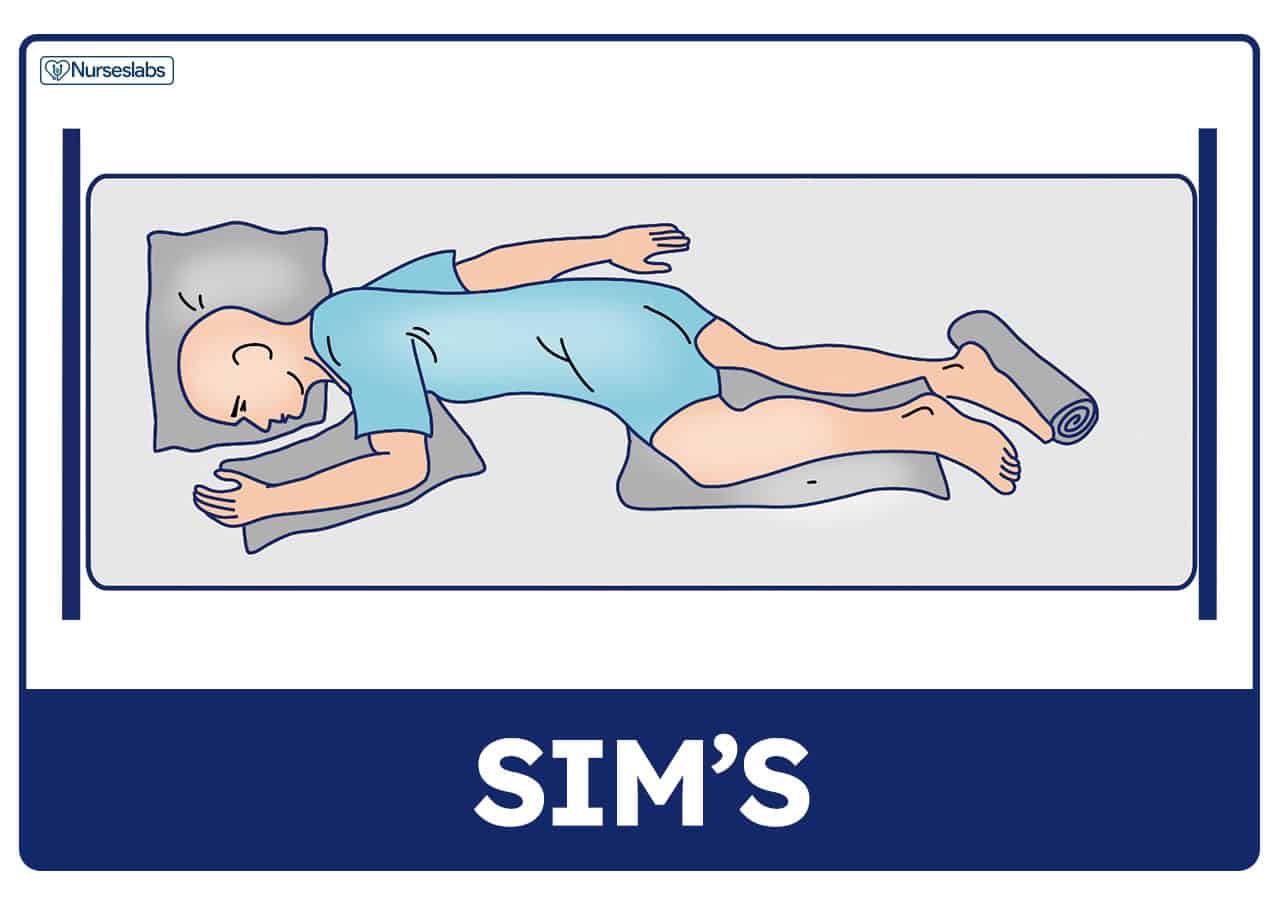
Sims position
a side-lying position with the lowermost arm behind the body and the uppermost leg flexed
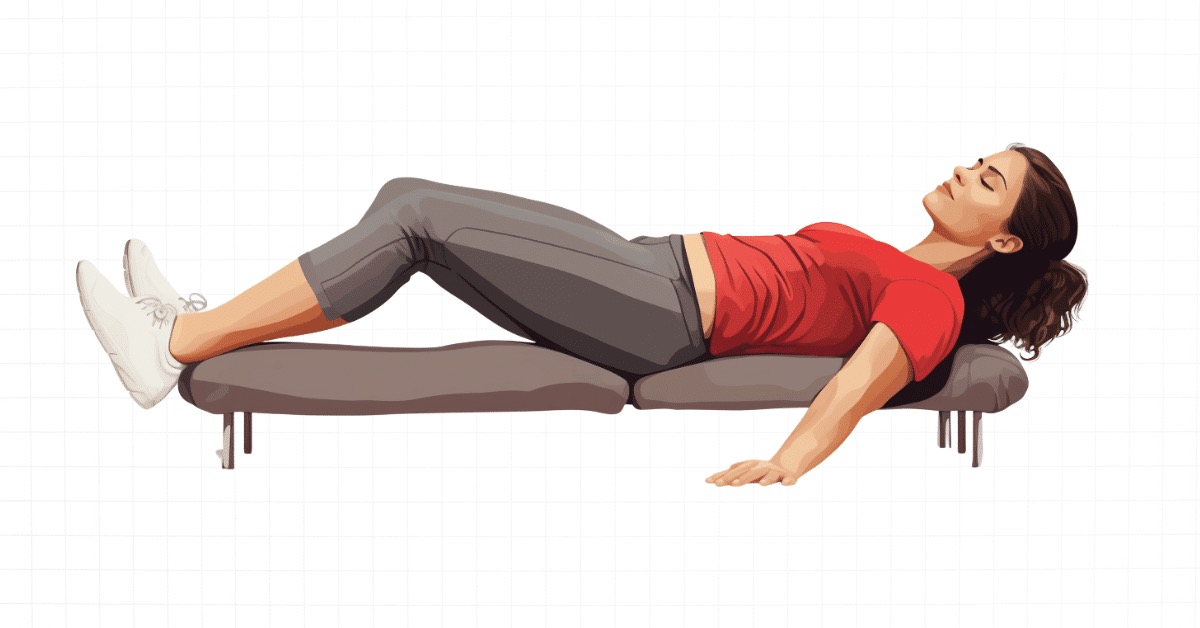
dorsal recumbent position
patient is lying on the back, face up, with the knees bent
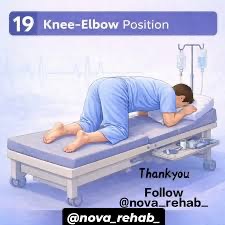
Knee-elbow position
A person resting on their knees and elbows.
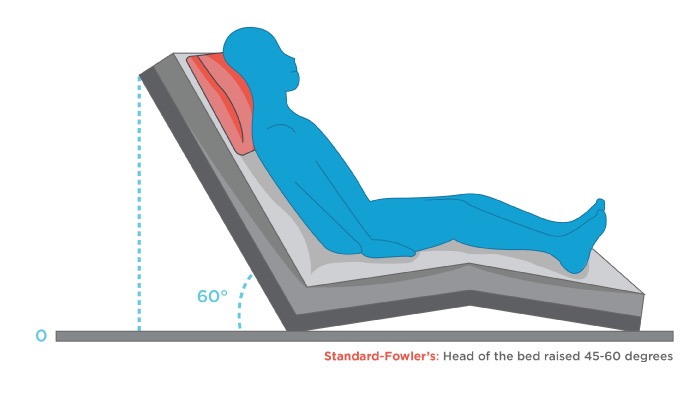
Fowler's position
a semi-sitting position; the head of the bed is raised between 45 and 60 degrees
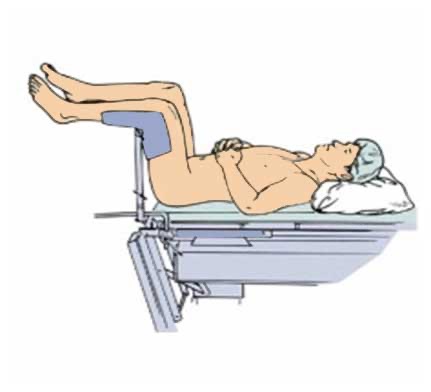
lithotomy position
lying on back with legs raised and feet in stirrups
Medication schedules
the federal Controlled Substances Act (CSA) created five schedules for controlled substances, according to their potential for abuse and addiction.
Medication schedule I
substances that have high potential for abuse and no approved medical use ( illegal and can't be prescribed) like heroin and also marjuana even if its legal.
Medication schedule II
substances that have high potential for abuse, considered dangerous and can lead to psychological or physical dependence. ( like morphone and fentanyl) providers must be given a handwritten prescriptions with no refills. ( providers must keep the medication in secured or locked)
Medication Schedule III
Includes substances that have moderate and low potential for physical and psychological dependence. providers must be given handwritten prescription and may refill five times in 6 months.
Schedule IV
substances that have low potential abuse and dependence. Like diazepam, zolpidem, alprazolam, patients may refill 5 times in 6 months, staff members may authorize refills over the phone.
Schedule V
Low potential for abuse, frequently describe to management mild pay, severe coughs, and diarrhea. Common medications refills 5 times in 6 months and staff may authorize refills over the phone.
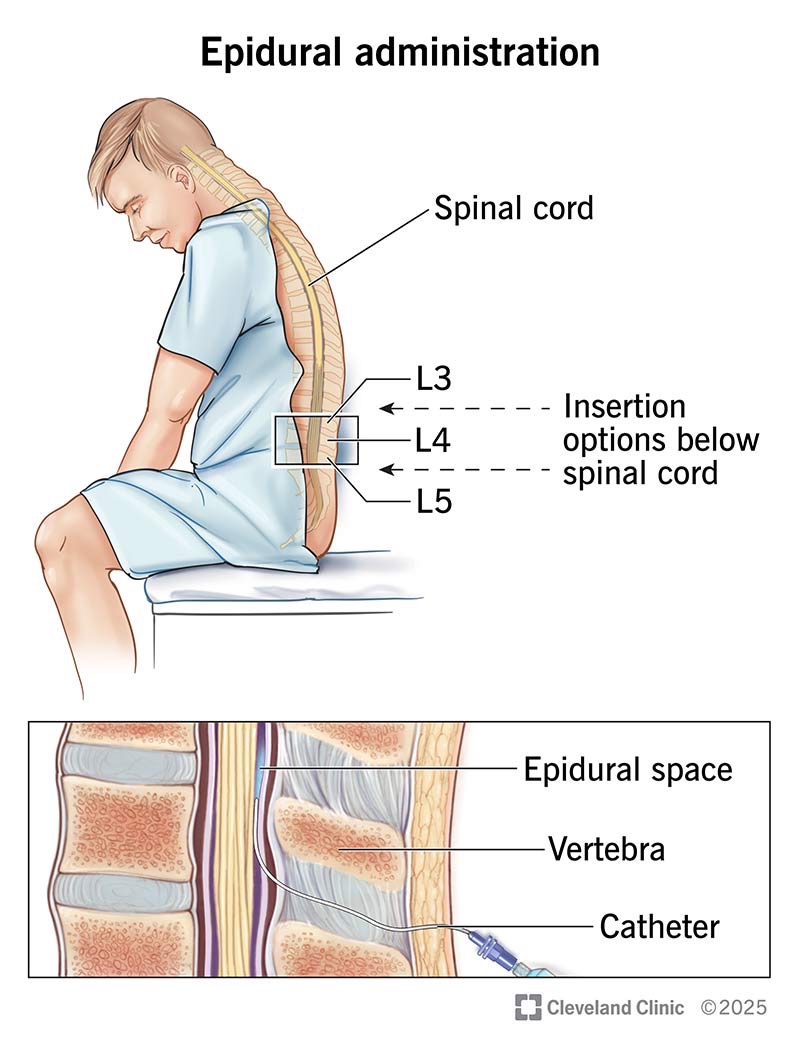
Route: Epidural
Epidural space (spine) (injectable liquid)can't administered
Route: Intra-articular
Site: Joint space (injectable liquid) can't administered

Route: Intra-arterial
Site: Artery ( to break up clot) can't administered
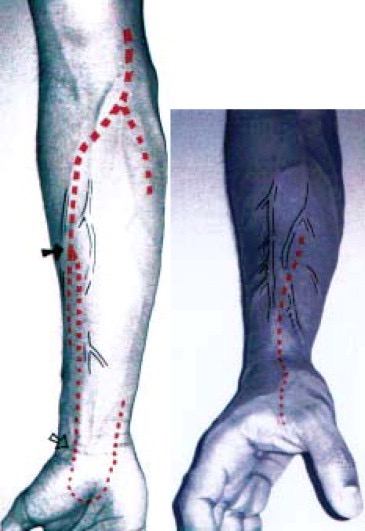
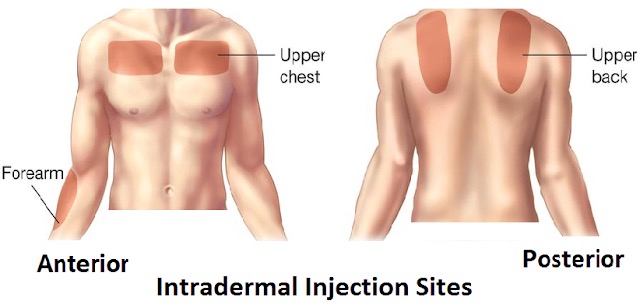
Route: Intra-dermal
skin of the upper chest, forearms, upper back. ( Can administer)
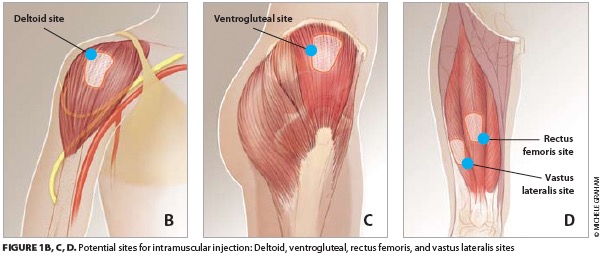
Route: Intramuscular (IM)
deltoid, vastus lateralis, ventrogluteal muscles. (can administer)
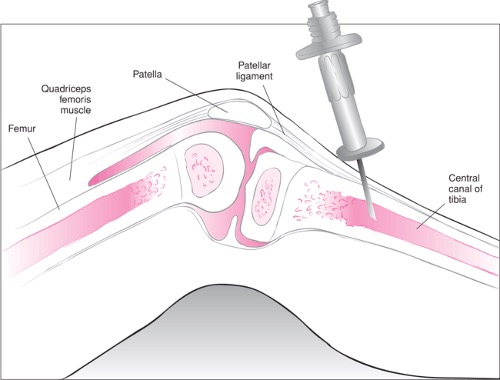
Route: Intraosseous
injected into the bone marrow cavity ( can't admin.)
Route: Intraperitoneal
peritoneal cavity (abdomen) (can’t admin.)
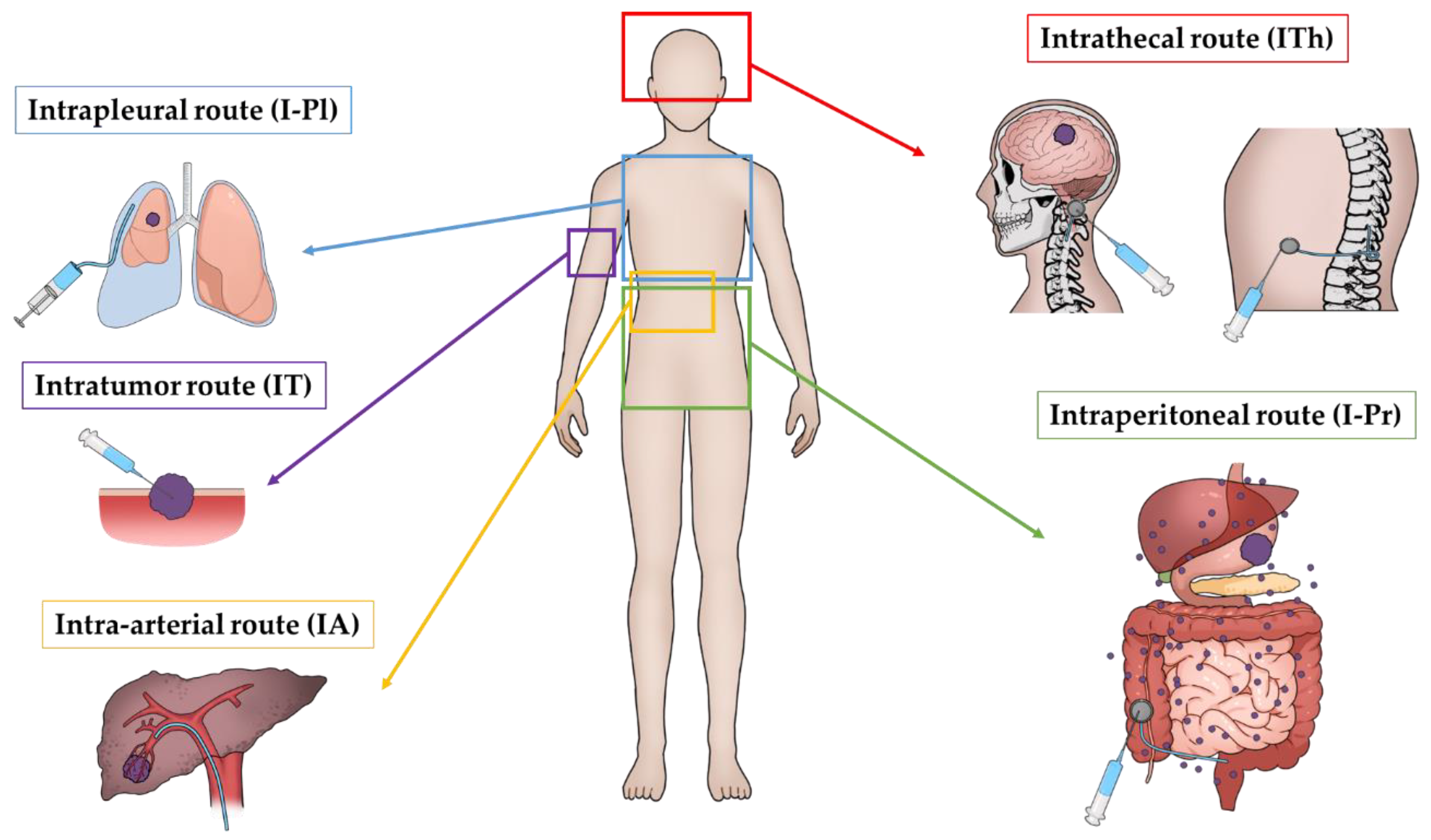
Route: Intrapleural
pleural space (lungs) can
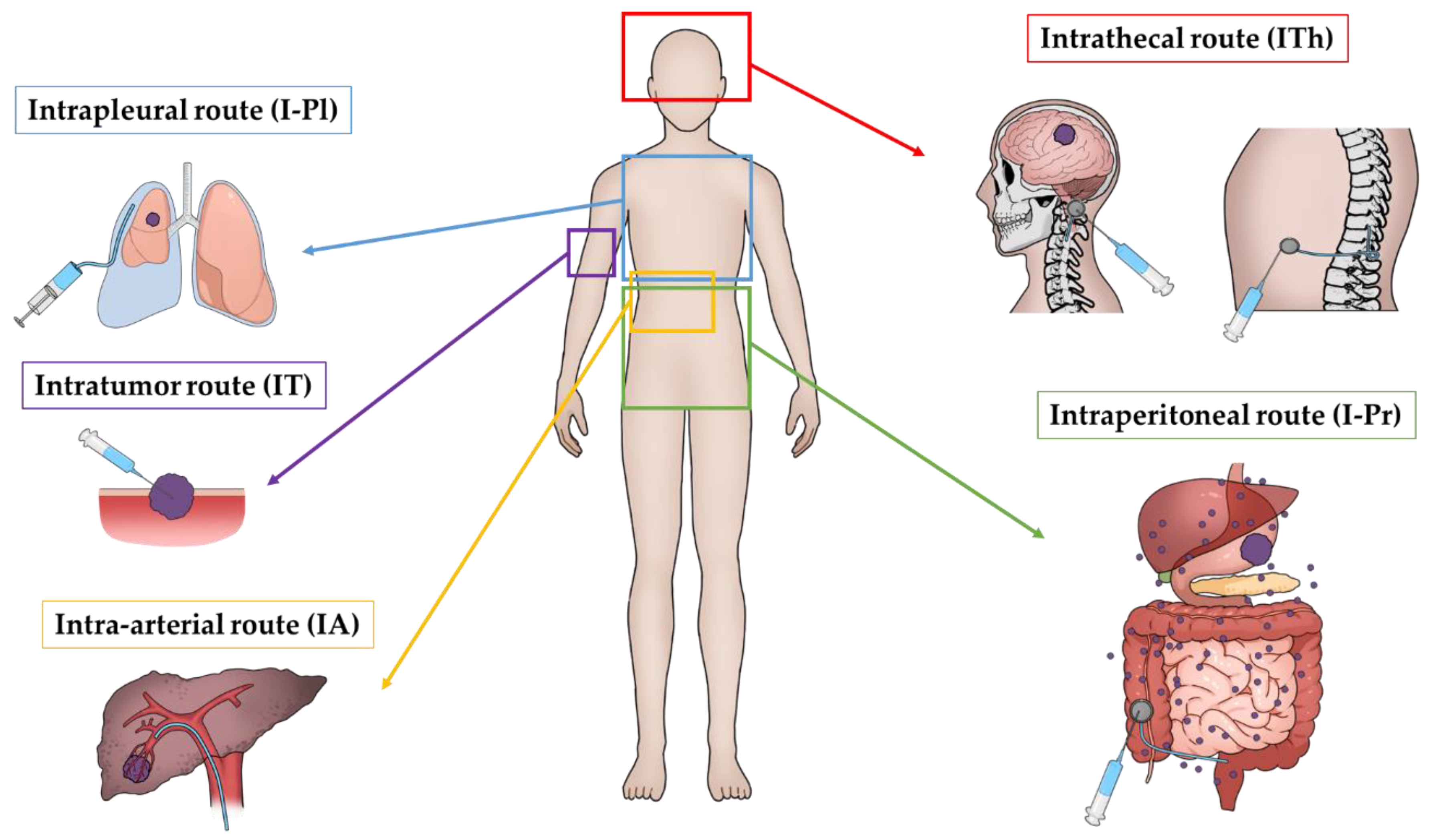
Route: Intratechal
subarachnoid space (brain) can’t admin.
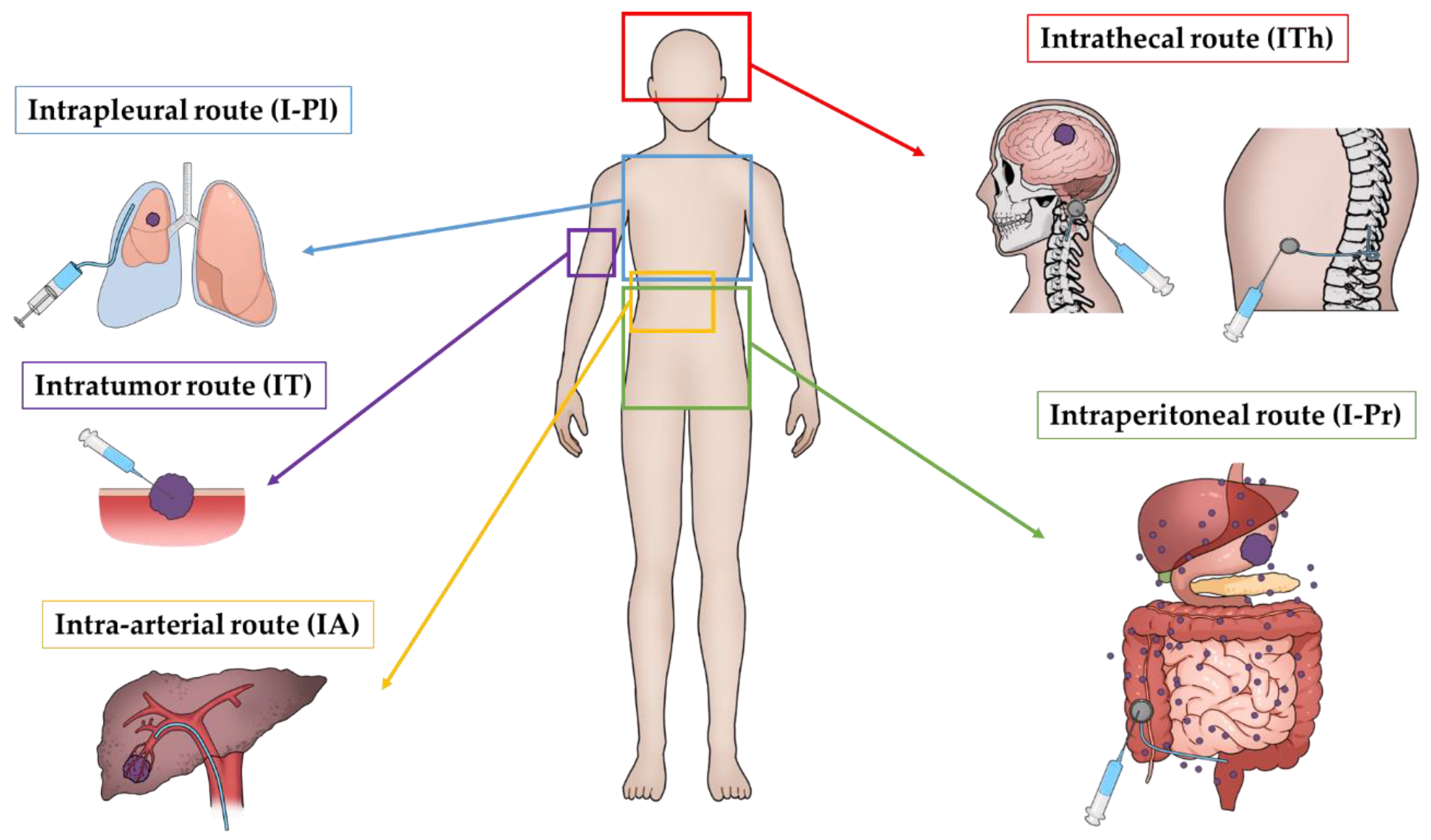
Route: Intravenous (IV)
major veins, most often in the arms and hands or via central venous access devices
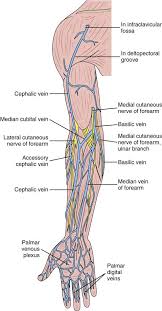
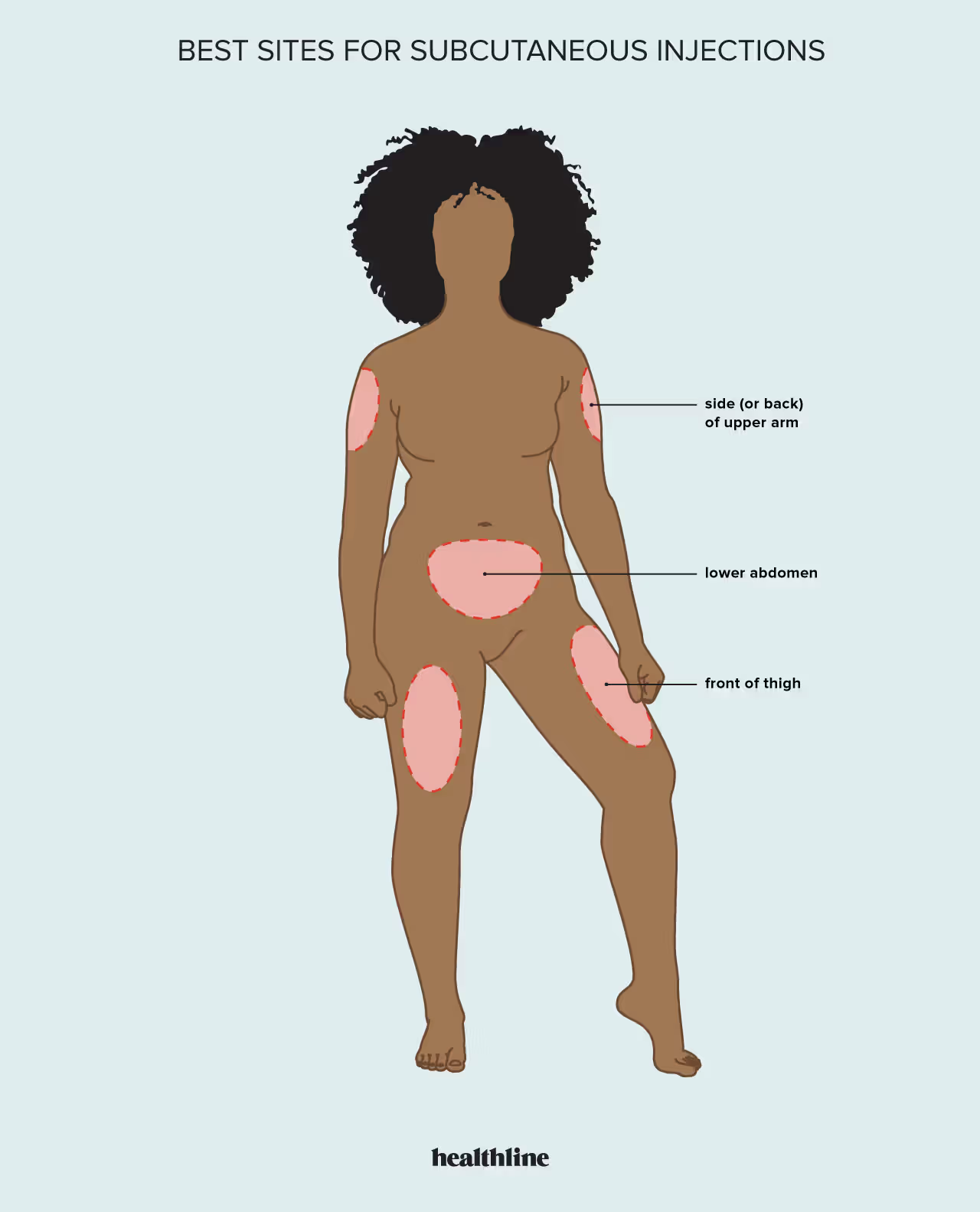
Route: Subcutaneous (SC)
under the skin of the abdomen, anterior thighs, upper outer arms, upper back (under the shoulder) can’t admin