Body Systems
 Call Kai
 Learn
Learn Practice Test
 Spaced Repetition
 Match
Match Flashcards
 Knowt Play
1/42

Earn XP
Description and Tags
Comprehensive vocabulary flashcards covering the Nervous, Endocrine, Respiratory, Circulatory, Digestive, and Excretory systems based on the lecture notes.
Name | Mastery | Learn | Test | Matching | Spaced | Call with Kai | Chat |
|---|
No analytics yet
Send a link to your students to track their progress
43 Terms
Nervous System
Provides rapid, short-term control and communication throughout the body using electrical and chemical signals. Main control and communication network
Endocrine System
Provides slower, long-term regulation of body processes like growth, metabolism, and mood using chemical messengers in the blood.
Hormones
Chemical messengers produced by endocrine glands that travel in the blood to regulate target cell/organ functions.
Central Nervous System (CNS)
Consists of the brain and spinal cord; processes information and makes decisions.
Peripheral Nervous System (PNS)
All nerves outside the CNS; connects the CNS to limbs, organs, and sensory receptors. eg Ganglia, Cranial and Spinal nerves
Action Potentials
Electrical impulses that travel down the axon within a neuron.
Neurotransmitters
Chemicals triggered for release across the synapse to bind to receptors on the next neuron.
Dendrites
Neuron structures that receive incoming signals.
Soma (Cell Body)
Contains the nucleus and maintains the neuron cell.
Axon
Transmits electrical impulses away from the soma.
Myelin Sheath
An insulating fatty layer around axon that speeds up signal conduction in a neuron. Keeps the signal strong
Axon Terminals
Release neurotransmitters into the synapse.
Sensory Neurons
Carry impulses from sensory receptors to the CNS.
Interneurons
Neurons within the CNS that connect sensory and motor neurons and process information.
Motor Neurons
Carry impulses from the CNS to effectors, such as muscles or glands, to trigger action.
Cerebrum
Responsible for higher executive function, conscious thought, memory, reasoning, and voluntary movement.
Frontal Lobe
The lobe of the cerebrum responsible for decision making, planning, motor control, and speech.
Parietal Lobe
The lobe of the cerebrum responsible for processing tactile/sensory information like touch, temperature, and pain.
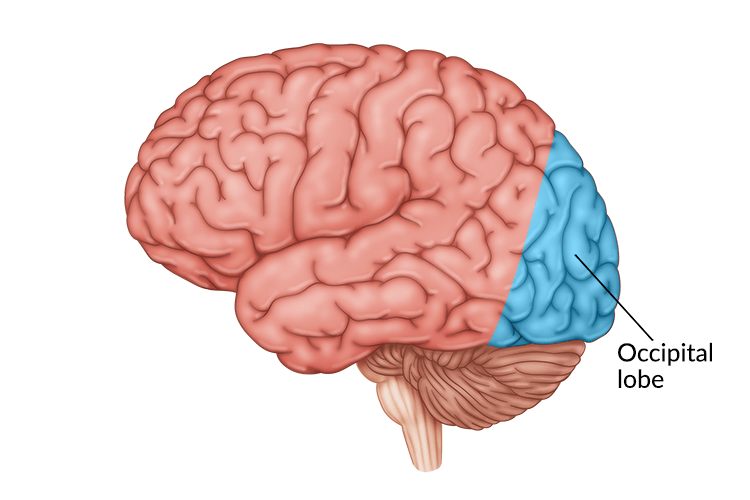
Occipital Lobe
The lobe of the cerebrum responsible for vision processing.
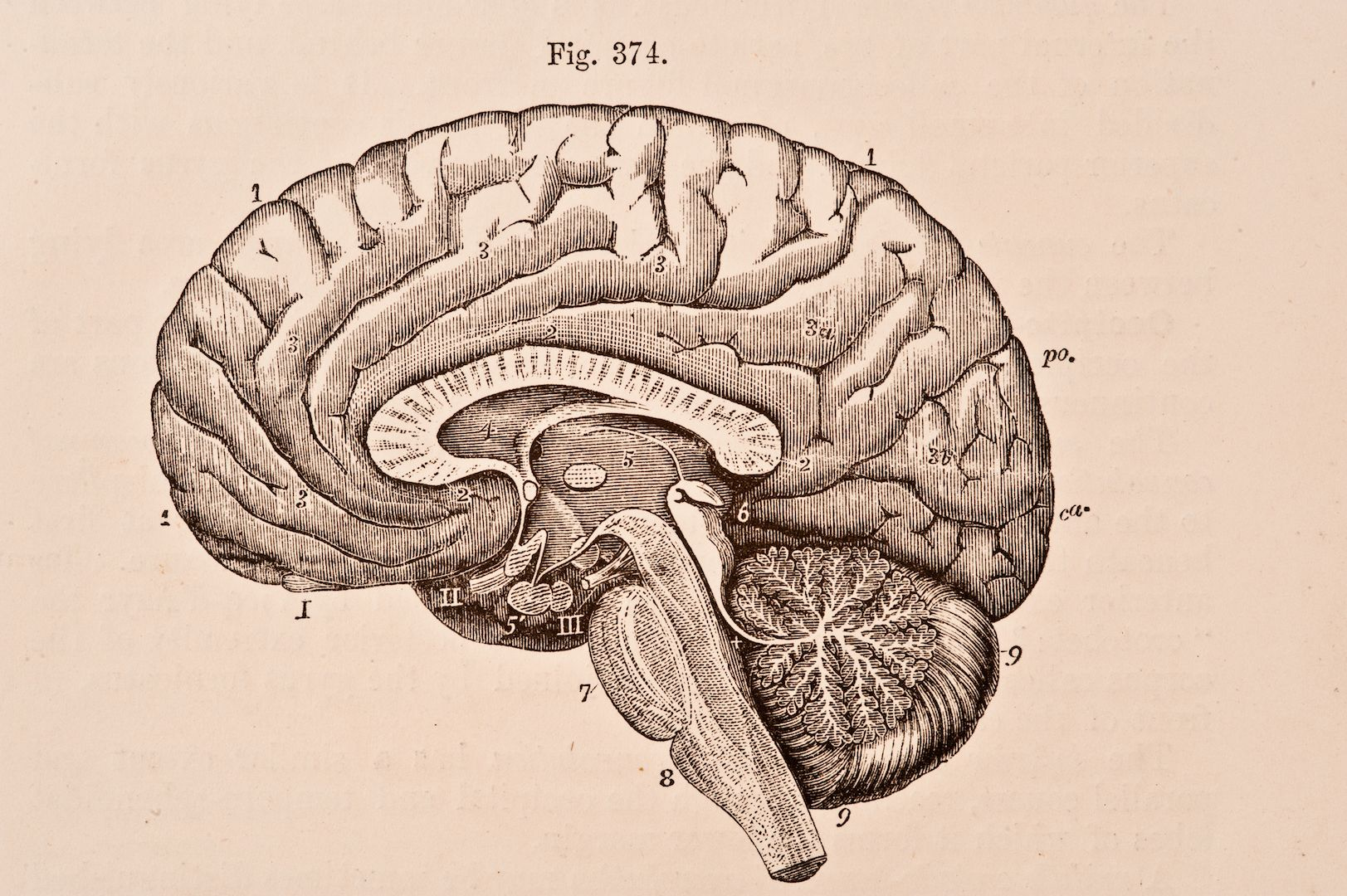
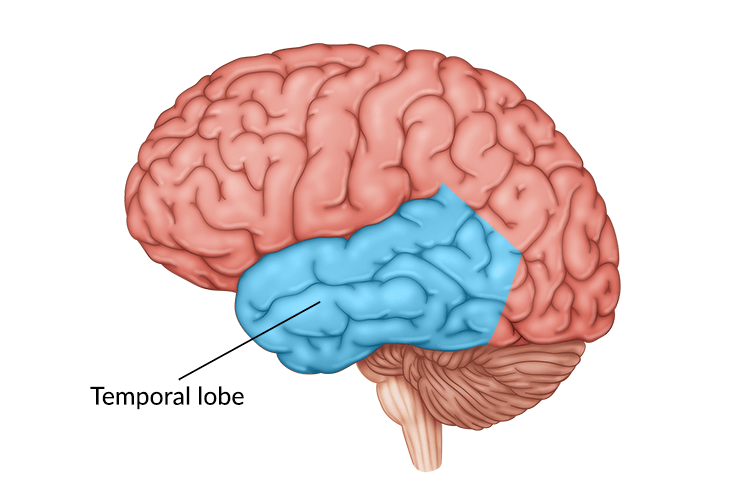
Temporal Lobe
The lobe of the cerebrum responsible for hearing, language comprehension, and memory.
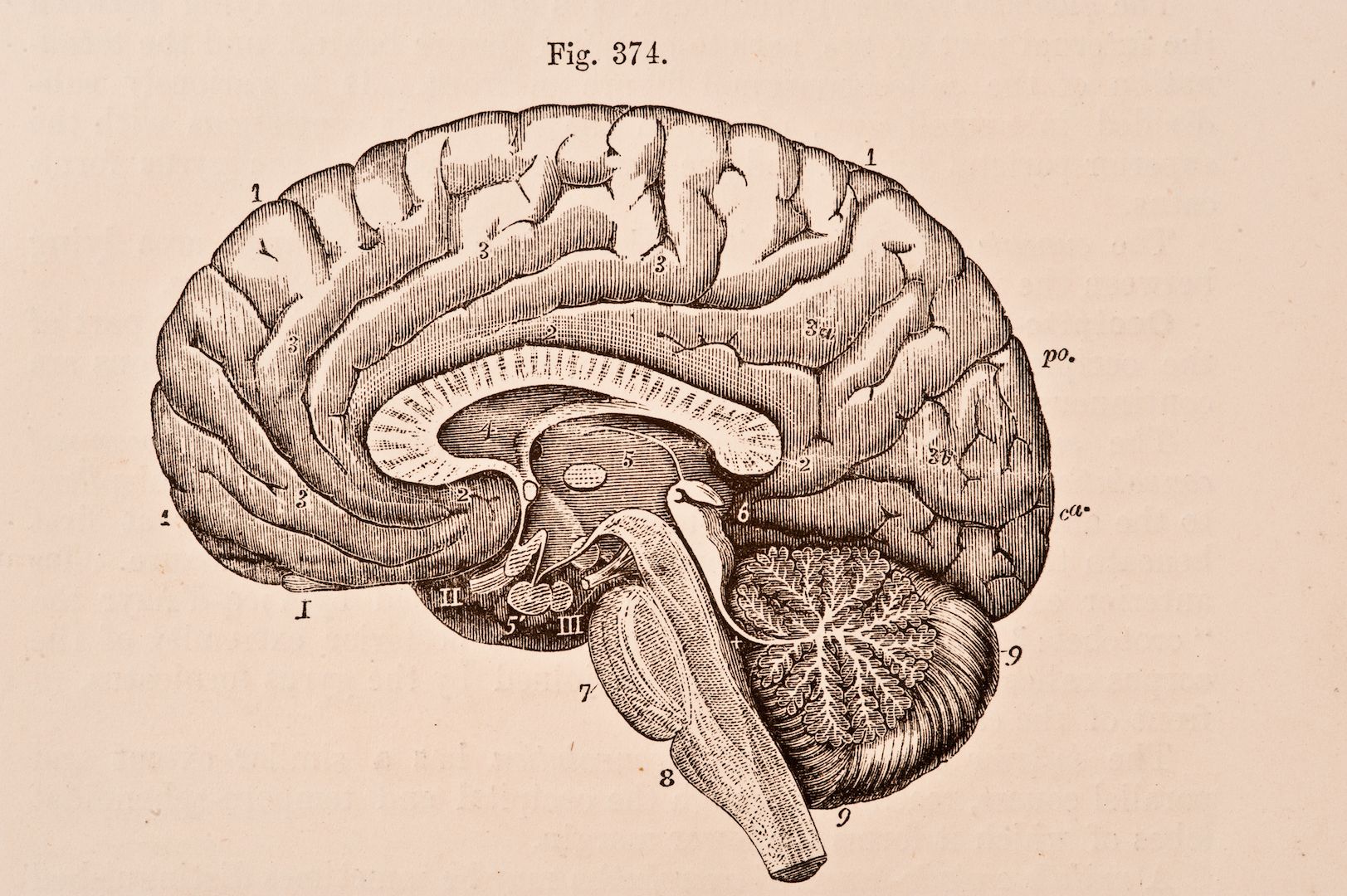
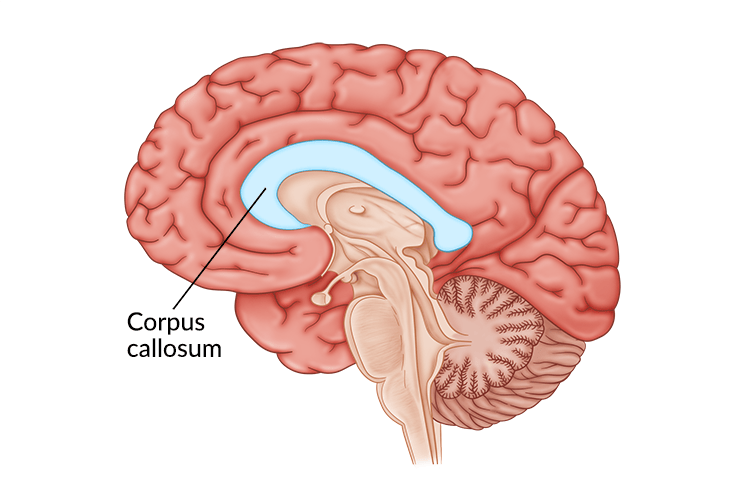
Corpus Callosum
A thick band of nerve fibers connecting the left and right cerebral hemispheres.
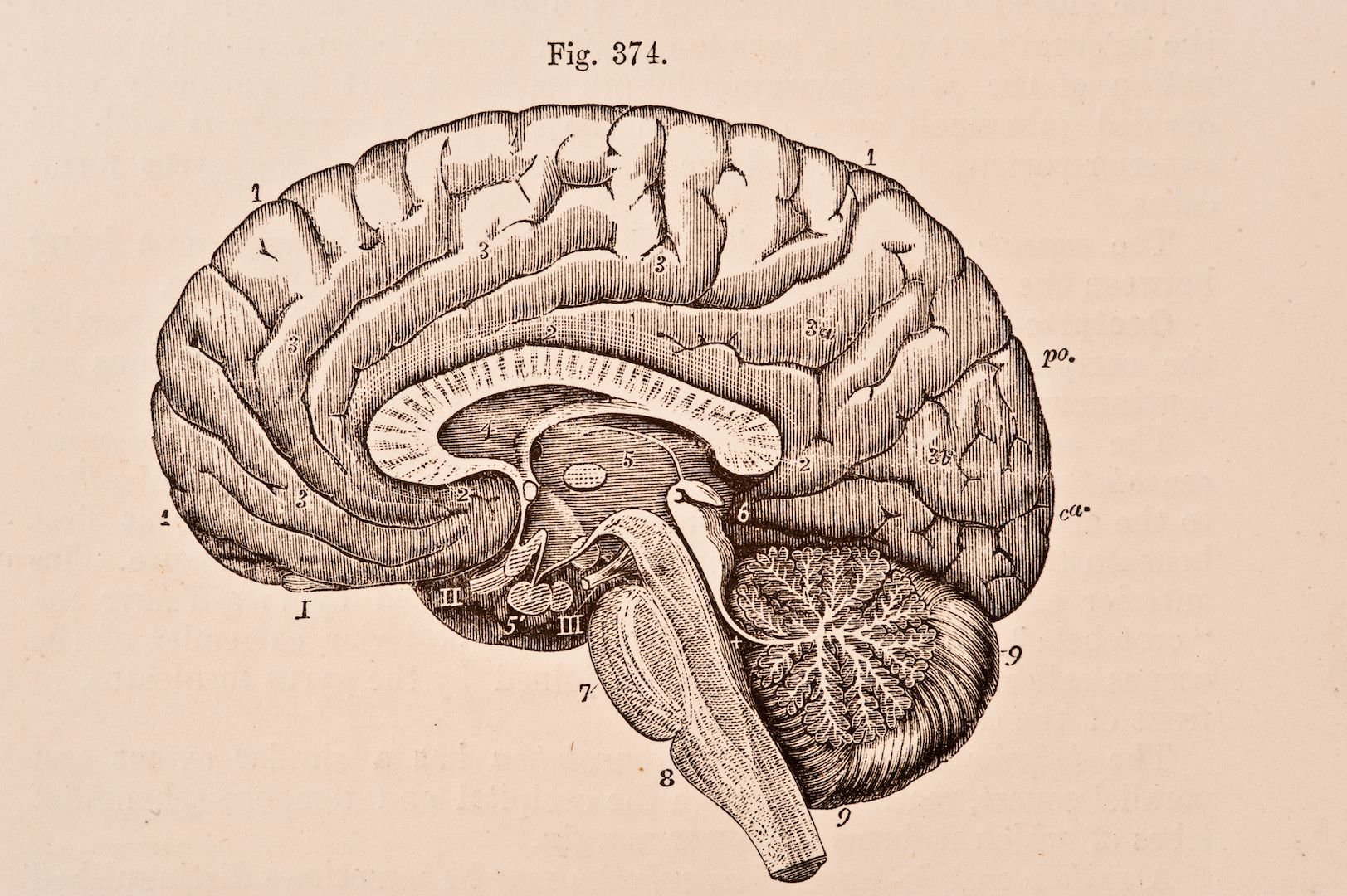
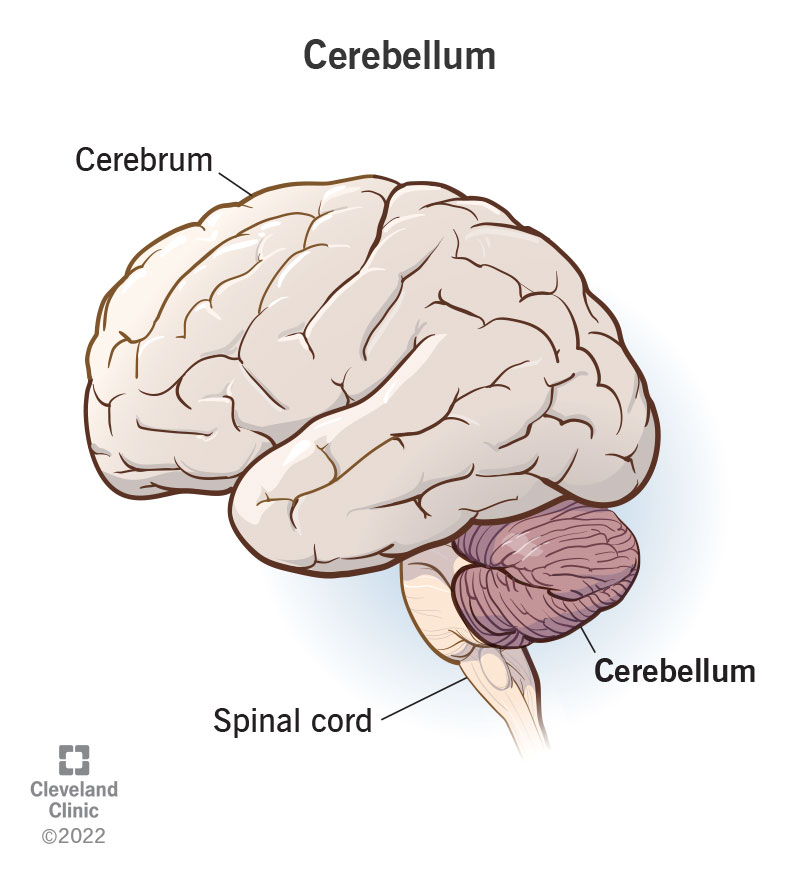
Cerebellum
Responsible for balance, posture, and coordination of fine motor skills.
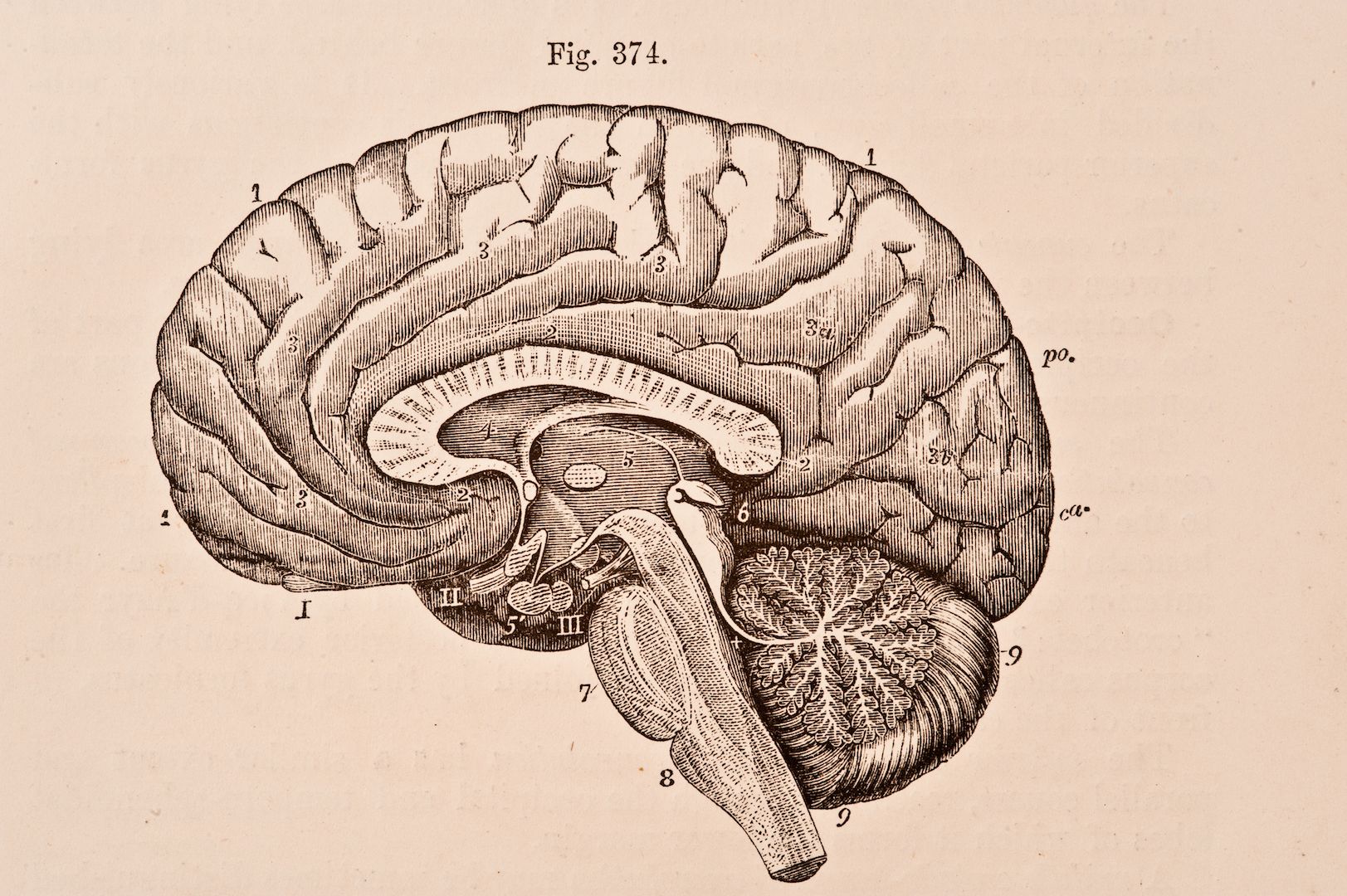
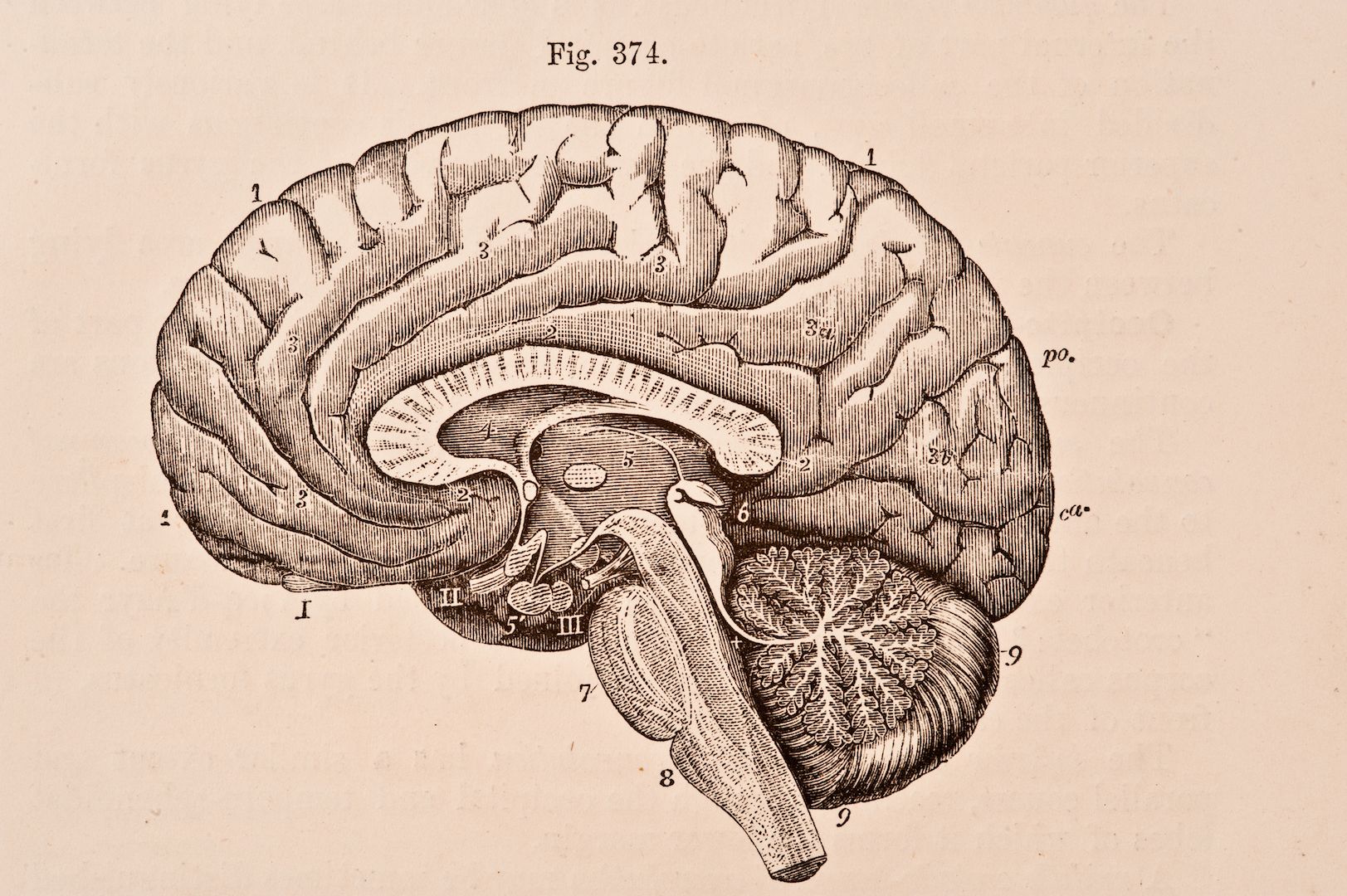
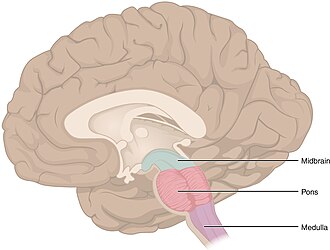
Medulla (Brainstem)
Controls autonomic/involuntary vital functions including breathing, heart rate, and blood pressure.
Reflex Arc Pathway
The route taken by a reflex action: Receptor→SensoryNeuron→Interneuron(SpinalCord)→MotorNeuron→Effector(Muscle/Gland).
Homeostasis
The maintenance of a stable internal environment, such as temperature or blood glucose.
Negative Feedback Loop
Reverses a change to return the system to its set point to maintain stability, such as sweating to cool down.
Positive Feedback Loop
Amplifies or reinforces a change away from normal until an outcome is reached, such as oxytocin release during childbirth.
Cellular Respiration Equation
Glucose+Oxygen→CarbonDioxide+Water+ATP(Energy)
Respiratory System
Responsible for gas exchange by absorbing O2 and excreting CO2.
Circulatory System
Transports nutrients, gases, hormones, and waste throughout the body.
Digestive System
Breaks down food into absorbable nutrients and expels solid waste.
Excretory System
Removes metabolic waste products and excess fluids from the body.
Amylase
breaks down carbohydrates/starches into simple sugars.
Protease (e.g., Trypsin)
breaks down proteins into amino acids.
Lipase
breaks down fats into fatty acids and glycerol.
Kidneys
Part of the urinary system that excretes urea, excess water, and salts via producing urine
Liver
Main organ that produces bile, detoxifies chemicals, processes nutrients, and converts ammonia into urea.
Arteries
Carry oxygenated blood away from the heart under high pressure, with the exception of the pulmonary artery.
Veins
Carry deoxygenated blood towards the heart and contain valves to prevent backflow.
Capillaries
Microscopic, thin-walled vessels where gas and nutrient exchange occurs with tissues.
Gallbladder
Stores and concentrates bile before releasing it into the small intestine.
Pancreas
Produces digestive enzymes and bicarbonate to neutralize stomach acid, and secretes insulin and glucagon.
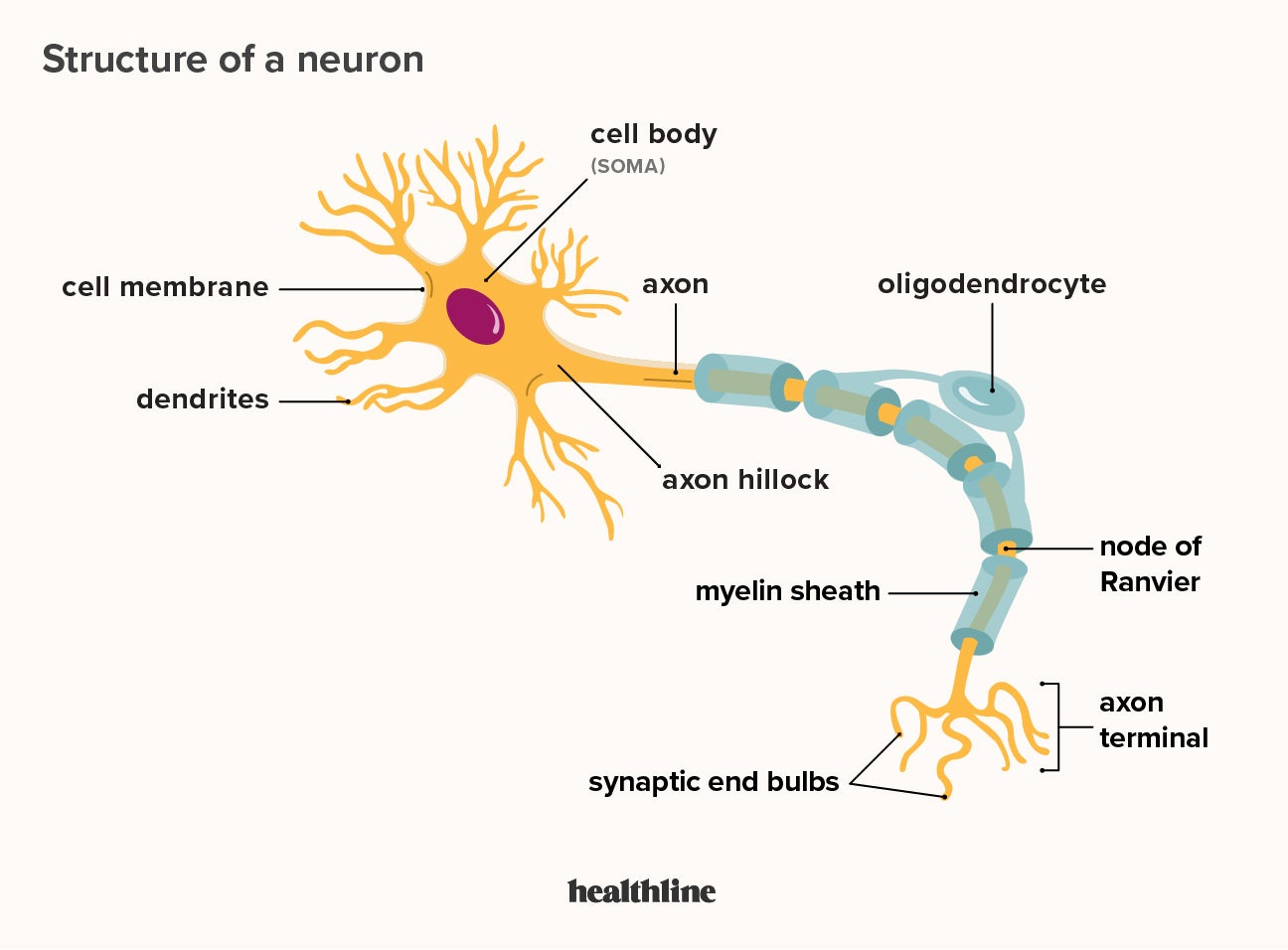
Messages move along a neuron
Catching Signals
Dendrites catch signals: Tiny branch-like parts on the neuron get chemical or physical signals from nearby cells.
Cell body decides: The main cell body gathers these inputs. If the signal is strong enough, it triggers an impulse. [1, 2, 3]
Passing the Electrical Message Inside the Neuron
Action potential starts: A fast change in electrical charge moves down the axon (the long tail of the neuron).
Ions move: Sodium and potassium particles rush in and out of tiny gates in the cell wall, creating a moving wave of electricity. [1, 2, 3]
Crossing to the Next Cell
Reaching the end: The electrical wave reaches the end of the axon (the axon terminal).
Releasing chemicals: Tiny sacs release chemical messengers called neurotransmitters into a small gap called the synapse.
Next cell responds: The chemicals stick to receptors on the next cell, starting a new electrical signal there.