Unit 2 - Networks of Exchange AP WORLD history
 Call Kai
 Learn
Learn Practice Test
 Spaced Repetition
 Match
Match Flashcards
 Knowt Play
1/12

Earn XP
Description and Tags
torture for ppl who have to take the AP test, u better give me 5 stars
Name | Mastery | Learn | Test | Matching | Spaced | Call with Kai | Chat |
|---|
No analytics yet
Send a link to your students to track their progress
13 Terms
A network of trade routes connecting East and West, facilitating the exchange of goods, culture, and ideas from the 2nd century BCE onward.
Silk Roads
What helped to start and revise the Silk Roads?
The crusades, rise of new empires, and technological innovations
Compasses, caravans, rudders, and the Chinese Junks were all part of what?
The new innovations from the Silk Roads that improved maritime trade.
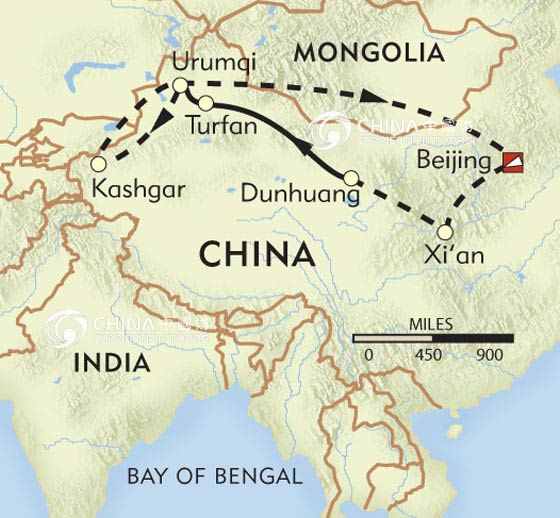
A city located at the western edge of China where the Silk Roads crossed. A thriving center of trade that produced its own textiles, rugs, leather goods, and pottery. Depended on the Kashgar river, but it was also a center of Islamic scholarship.
Kashgar
A city similar to Kashgar, a cultural exchange and a center for trading goods. It was more focused on religions such as Christianity, Buddhism, Islam, and Zoroastrianism. Known for their artisans and centers of Islamic learning.
Smarkand
Small inns along the Silk Roads, about 100 miles apart, that would allow traders to rest and their animals. People could trade their animals for fresh ones as well.
Caravanserai
A banking system with checks that allowed people to deposit and withdraw money in different areas. Invented by the Chinese and used along the Silk Roads.
Banking houses
A type of currency that became popular after copper coins became too unwieldy to use throughout the Silk Roads. Invented by the Chinese government.
Flying Cash
An agreement between Germany and Scandinavia that allowed for protection against pirates and monopolize trade in goods. They would go around the Atlantic Coast and then stop of ports in the Mediterranean, then pick up valuable goods from Arab caravans.
Hanseatic League
What did the growing demand for goods do to the craft workers?
They would need to expand their production, increasing the amount of iron and steel, motivating proto-industrialization.