Art history
 Call Kai
 Learn
Learn Practice Test
 Spaced Repetition
 Match
Match Flashcards
 Knowt Play
1/27

There's no tags or description
Looks like no tags are added yet.
Name | Mastery | Learn | Test | Matching | Spaced | Call with Kai | Chat |
|---|
No analytics yet
Send a link to your students to track their progress
28 Terms
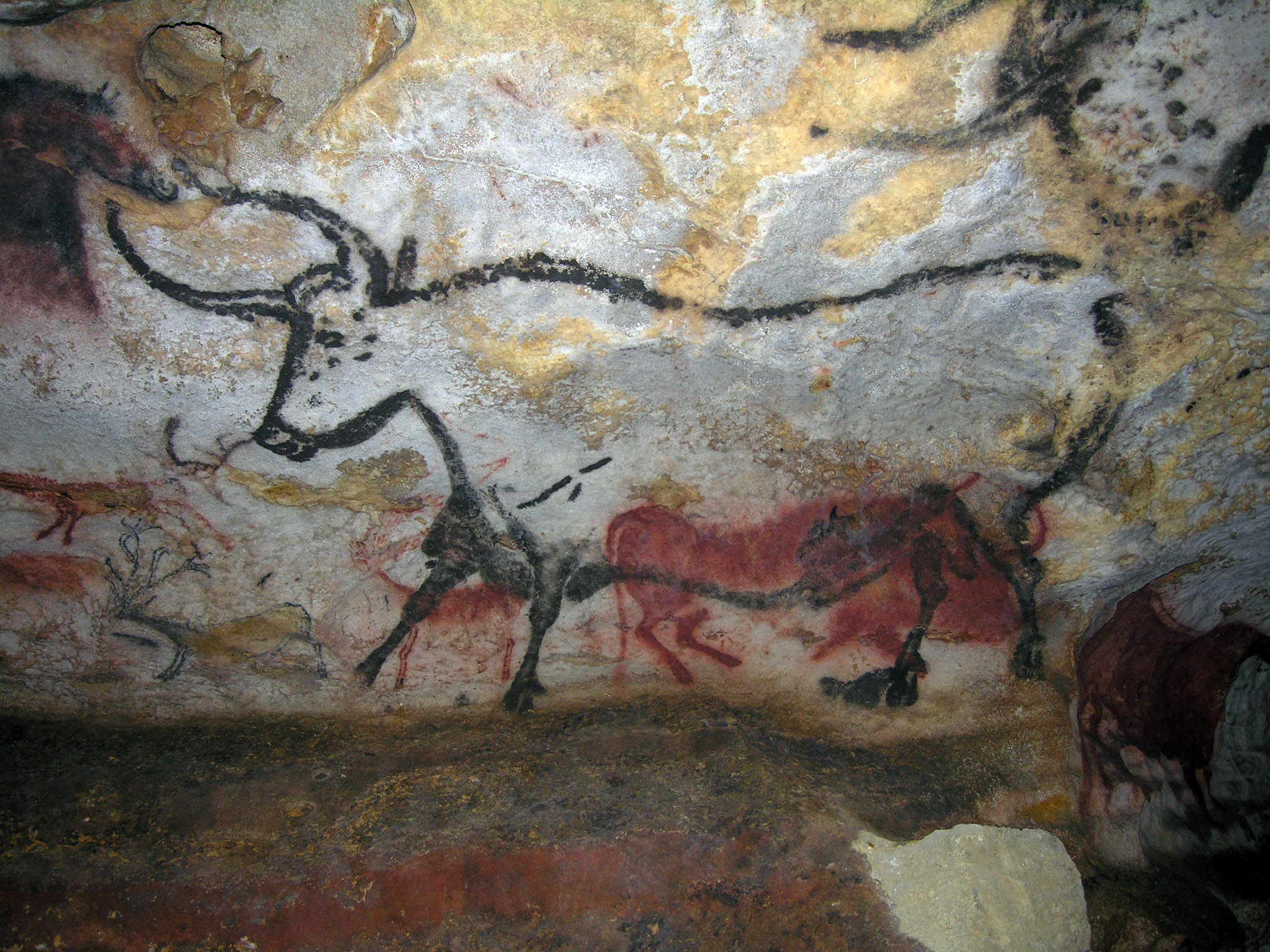
Located
Europe
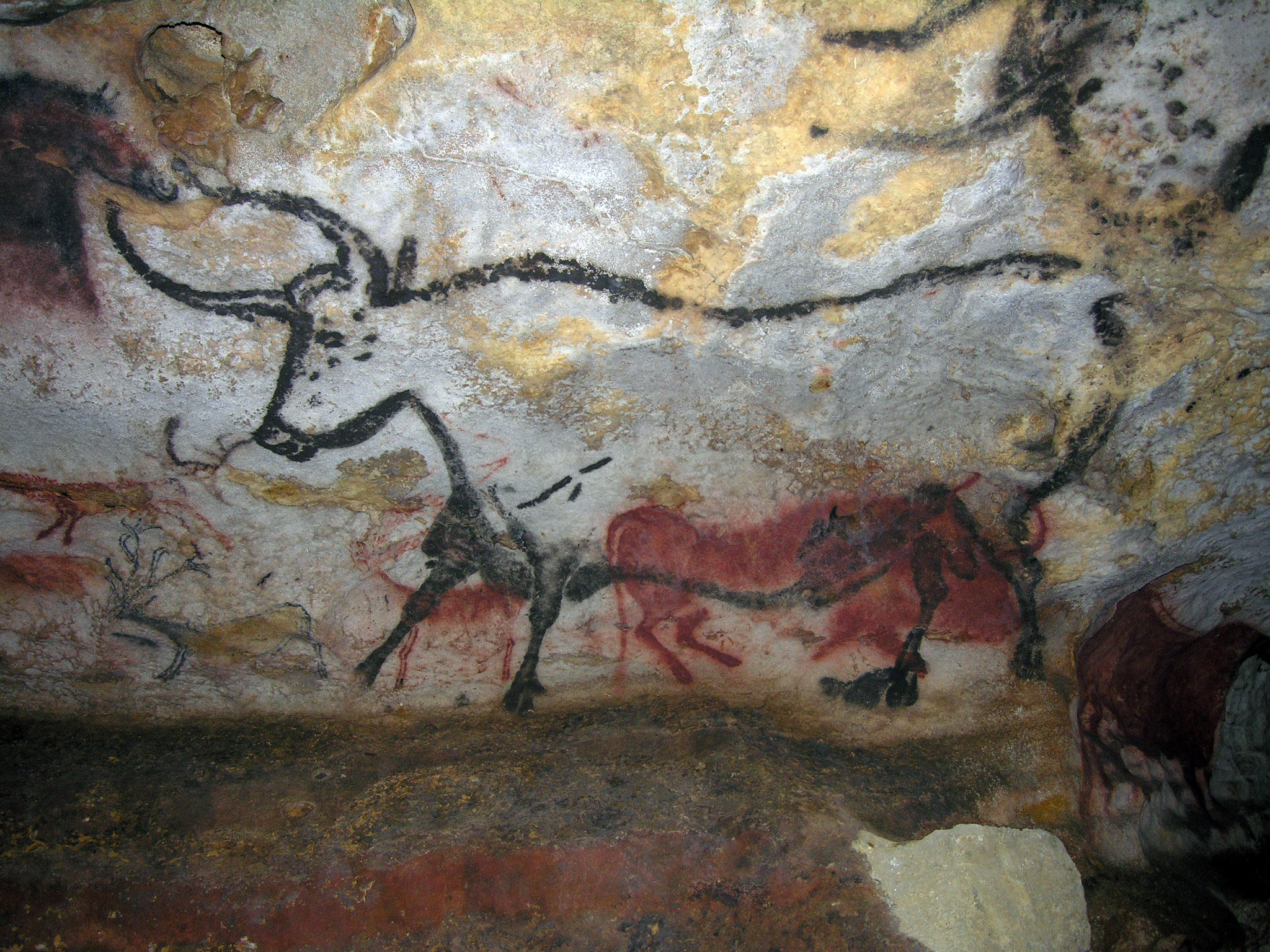
made using
charcoal and ochre.
Point A is(bulls body/face)
contour line
Point B bulls horns are an example of
twisted perspective
the central figure of the bull is
larger than life size
(bulls) The pure process of drawing and repetitive re-drawing of these images suggest that
held serious (perhaps rituals) significance for the makers.

work made from
clay
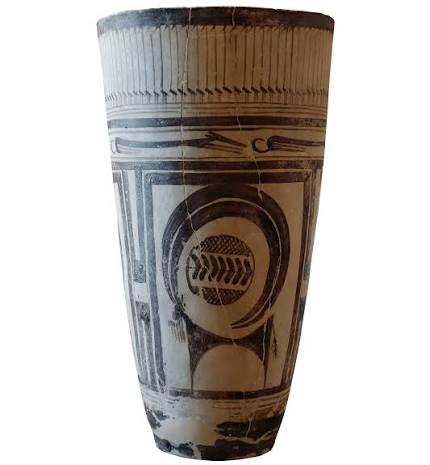
Found in
burial site
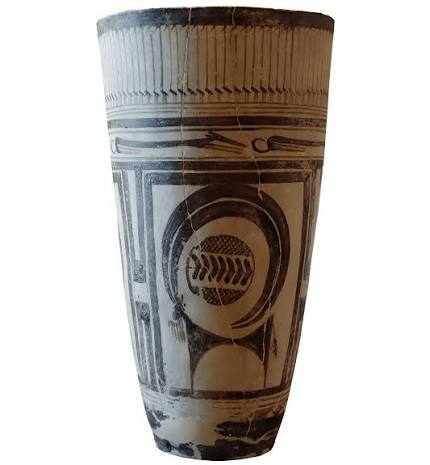
dates from
neolithic period

This object is thought NOT to be made for everyday use because
the thinness of the walls of the container
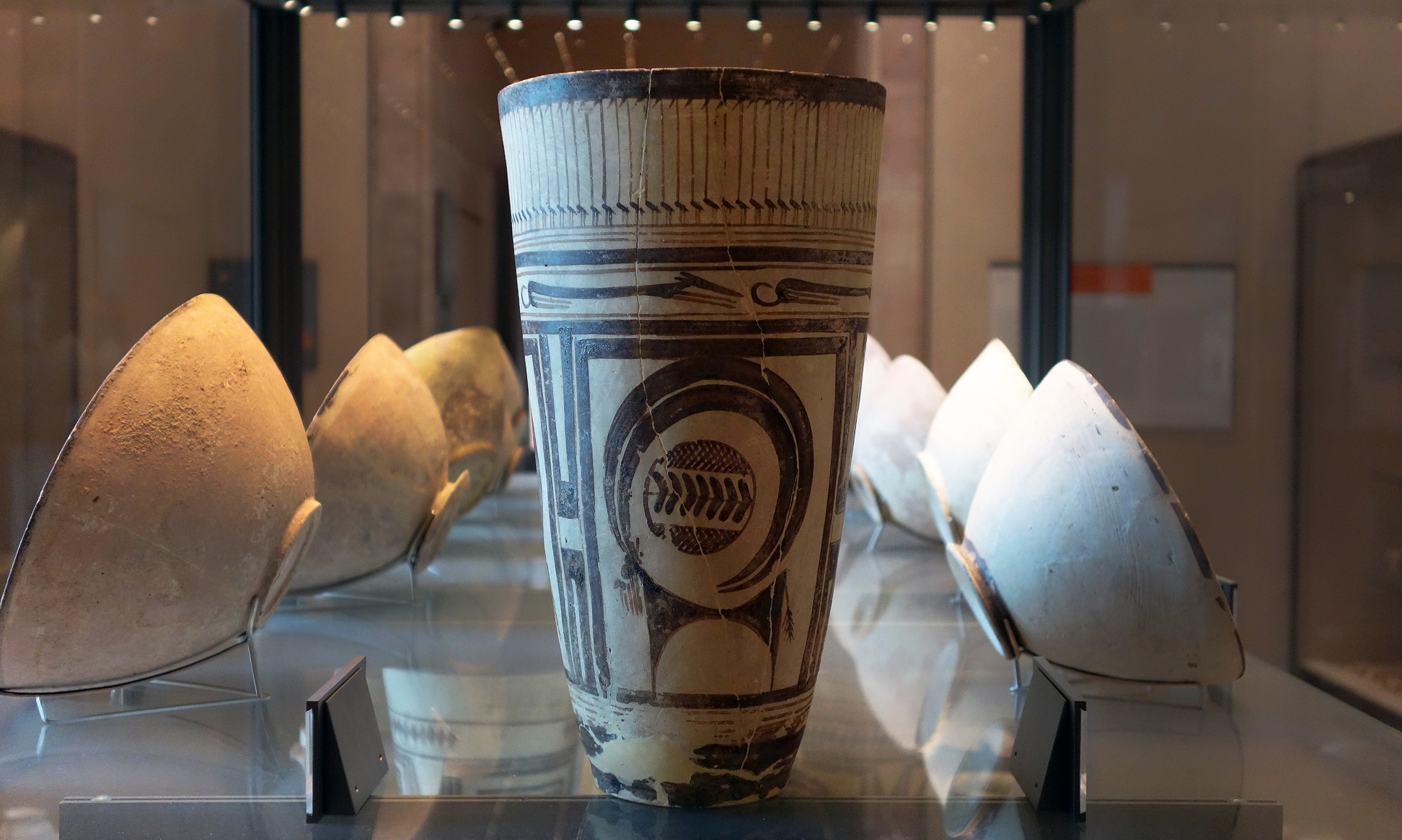
The letter A (above the circle) point to
horizon line
Primary organizing device of the exterior decoration (goat picture)
bands or friezes of information
central figure upper left is
ibex
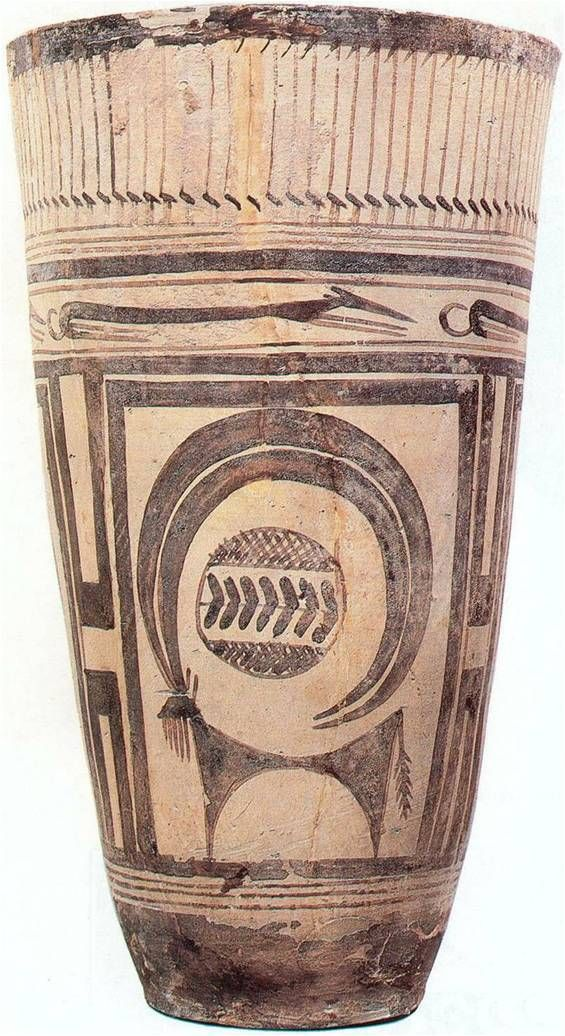
Point B (located right above the ibex, loo circle with plant ) point to a design element that scholars might think represent
family crest
what important developments marks the separation between paleolithic and neolithic
The development of agriculture/farming and settled farming communities (the Neolithic Revolution).
where were the Apollo stones
Huns Mountains of Namibia
when the Apollo stones
1969
what images did these apollo stone has
animals
what art term use to describe bodies depicted from the side
profile
why is the side view most often use
Easier to show the whole body. or It clearly shows the animal’s head, body, tail, and all four legs. �
Define therianthrope
A figure that combines human and animal features. �
the function and context of prehistoric works of art unknown because
There is an absence of written records. There isn't writing that explains why the artworks were created or how they were used. preliterate
what are two primary subject matters in the art of the prehistoric period
animals and people/humans
Was thought to connect and influence the natural work to these human needs
WRITE
Breil believed the images in the Hall of the bulls Lascaux played a role in “hunting magic”, explain this theory
They believed the paintings would help them hunt successfully. or The images were believed to be used in rituals intended to help hunters successfully hunt animals and ensure a supply of food.
Define “abstraction”
implifies, distorts, or exaggerates forms rather than showing them realistically.
why is Abstraction used in prehistoric art
To communicate ideas, emotions, or spiritual concepts that may be difficult to represent realistically.
Define shama
A religious or spiritual leader believed to communicate with the spirit world and act as a connection between the human and spiritual worlds or A person who connects with the spirit world