Epizootic Bovine Abortion (EBA) Lecture Notes
 Call Kai
 Learn
Learn Practice Test
 Spaced Repetition
 Match
Match Flashcards
 Knowt Play
1/11

Earn XP
Description and Tags
Vocabulary flashcards covering the etiology, vectors, clinical signs, and prevention of Epizootic Bovine Abortion (EBA).
Name | Mastery | Learn | Test | Matching | Spaced | Call with Kai | Chat |
|---|
No analytics yet
Send a link to your students to track their progress
12 Terms
Epizootic bovine abortion (EBA)
Also known as foothill abortion, a disease seen in cows (mostly heifers) in the western U. S. characterized by abortion storms in the last trimester (60%)
Pajaroellobacter Abortibovis
The bacterial etiologic agent responsible for causing Epizootic bovine abortion (EBA).
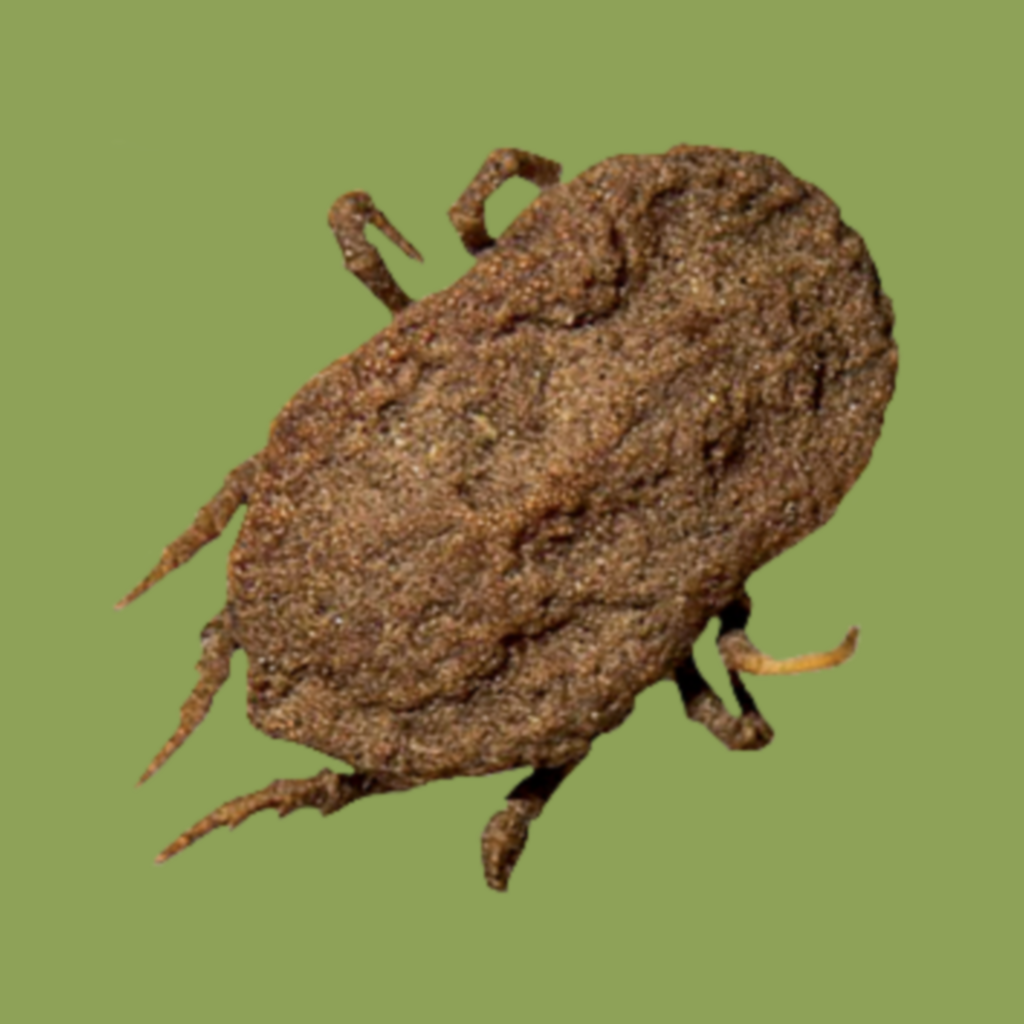
Ornithodoros Coriaceus
A species of soft argasid tick, also known as the Pajarello tick, which acts as the vector for EBA.
Pajarello tick
The common name for Ornithodoroscoriaceus, the vector that transmits the bacteria causing EBA.
Endemic regions for EBA
Geographic areas including the foothills around Sacramento/San Joaquin Valley and the eastern Sierra Nevadas in the western U.S.
Last trimester abortion storms
A classic clinical presentation of EBA where abortion rates can reach up to 60%, involving weakened or dead calves.
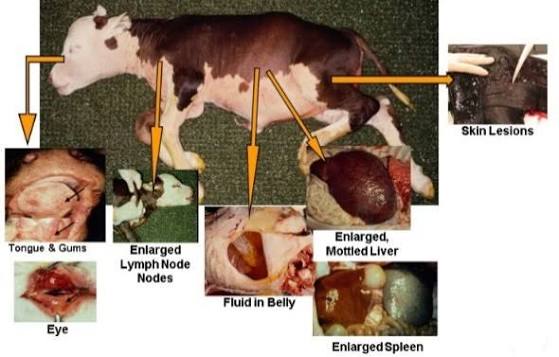
Fetal Lymphadenopathy
A diagnostic sign in a fetus aborted due to EBA characterized by enlarged lymph nodes.
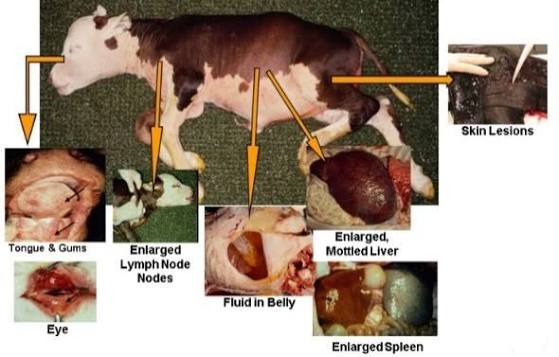
Fetal Hepatosplenomegaly
An enlargement of the liver and spleen found in fetuses aborted due to EBA.
Granulomatous inflammation
A pathological finding in multiple organs of a fetus aborted at approximately 7.5 months due to EBA.
Fetal IgG
An immunological marker that shows an increase in calves aborted due to Epizootic bovine abortion.
EBA Live vaccine
A vaccine licensed for use in 2020 that is extensively used in cow-calf operations in endemic regions; it must be administered to open cows or heifers by a veterinarian.
Petechiae
Small red or purple spots found on the aborted fetus as a diagnostic sign of EBA.