L2 | Cervical Vertebrae
 Call Kai
 Learn
Learn Practice Test
 Spaced Repetition
 Match
Match Flashcards
 Knowt Play
1/21

There's no tags or description
Looks like no tags are added yet.
Name | Mastery | Learn | Test | Matching | Spaced | Call with Kai | Chat |
|---|
No analytics yet
Send a link to your students to track their progress
22 Terms
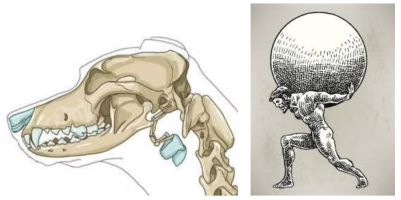
Q: Derived from a Greek mythology character holding up the heavens, the first cervical vertebra (C1) is called the ……
A. Axis
B. Atlas
C. Epistropheus
D. Anticlinal
B. Atlas
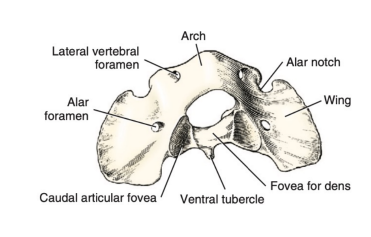
Q: Characteristics of the ATLAS = C1 include:
modified articular processes that "cup" the occipital condyles,
winglike lateral expansions,
lack of spinous process,
……
A. Reduction of its body to form a vertebral arch
B. Reduction of its body to form a costal arch
C. Reduction of its body to form a ventral arch
D. Reduction of its body to form a hemal arch
C. Reduction of its body to form a ventral arch
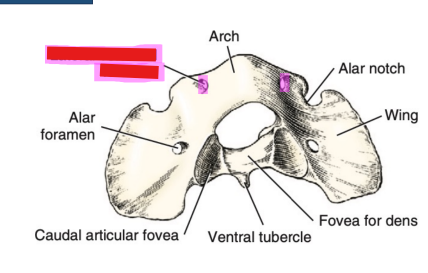
Q: The …… perforates the craniodorsal part of the vertebral arch of the atlas for the 1st cervical spinal nerve and vertebral artery.
A. Lateral vertebral foramen
B. Transverse foramen
C. Alar notch
D. Pelvic sacral foramen
A. Lateral vertebral foramen
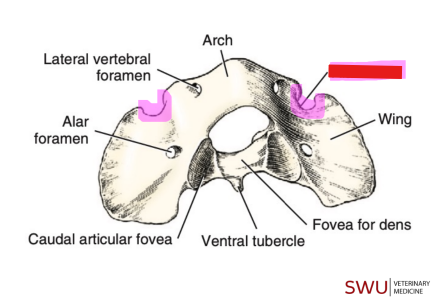
Q: Located at the cranial border for the vertebral artery on the atlas is the ……
A. Transverse foramen
B. Lateral vertebral foramen
C. Alar notch
D. Alar foramen
C. Alar notch
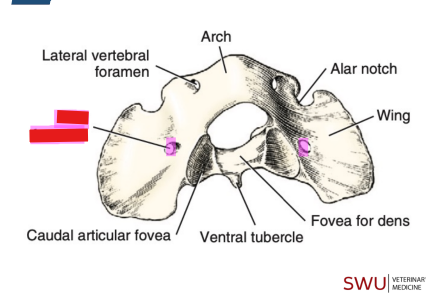
Q: On the atlas, the vein extends through the …… caudally.
A. Lateral vertebral foramen
B. Alar foramen
C. Alar notch
D. Transverse foramen
B. Alar foramen
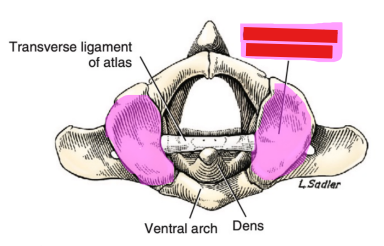
Q: The …… of the atlas consists of two cotyloid cavities that meet ventrally
A. Caudal articular fovea
B. Dorsal sacral foramina
C. Lamina ventralis
D. Cranial articular fovea
D. Cranial articular fovea
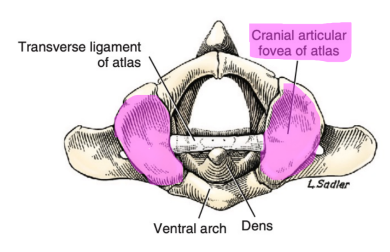
Q: The cranial articular fovea of the atlas articulates with the ……
A. dens of the axis
B. caudal articular fovea of the axis
C. transverse processes of the cervical vertebrae
D. occipital condyles of the skull
D. occipital condyles of the skull
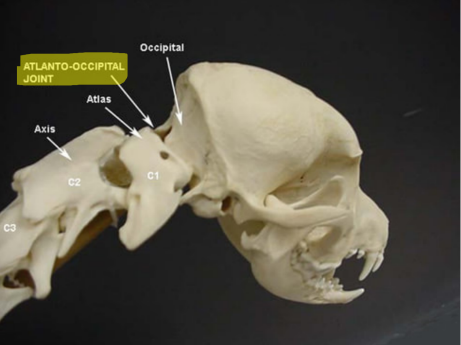
Q: The Atlanto-Occipital Joint is known as the "……"
A. No Joint
B. Maybe Joint
C. Hinge Joint
D. Yes Joint
D. Yes Joint
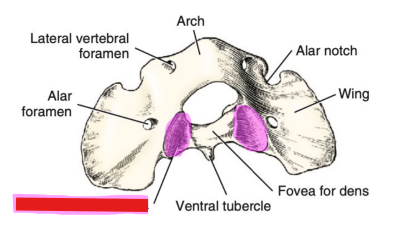
Q: The …… of the atlas consists of two shallow glenoid cavities that form a freely movable articulation with the second cervical vertebra.
A. Cranial articular fovea
B. Caudal articular fovea
C. Ventral tubercle
D. Fovea for dens
B. Caudal articular fovea
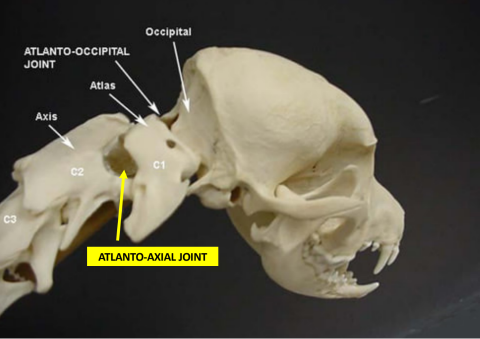
Q: The Atlanto-Axial Joint is known as the "……"
A. No Joint
B. Maybe Joint
C. Hinge Joint
D. Yes Joint
A. No Joint
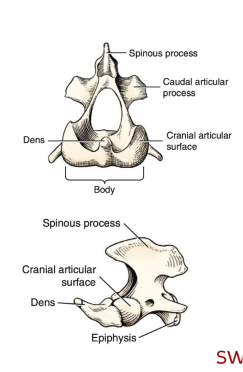
Q: The second cervical vertebra (C2), also called the "Epistropheus," is known as the ……
A. Axis
B. Atlas
C. Anticlinal
D. Sacrum
A. Axis
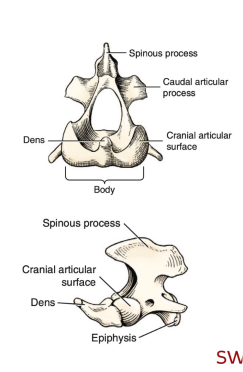
Q: The axis (C2) has an elongated dorsal spinous process that is …… in shape.
A. cylindrical
B. rod-like
C. bladelike
D. knoblike
C. bladelike
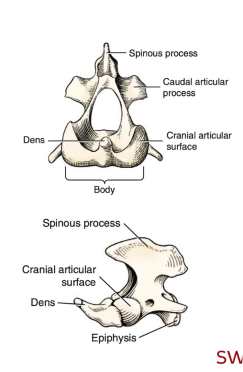
Q: The axis (C2) features the presence of the dens, which is also called the ……
A. mamillary process
B. odontoid process
C. accessory process
D. spinous process
B. odontoid process
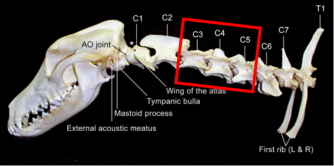
Q: For the cervical vertebrae C3, C4, and C5, the spinous processes …… in length from the 3rd to the 5th vertebrae.
A. decrease
B. stay uniform
C. increase
D. merge
C. increase
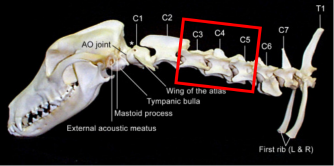
Q: For the cervical vertebrae C3, C4, and C5, the …… are large on the 3rd cervical vertebra but gradually become shorter and narrower on the remaining vertebrae.
A. pedicles
B. laminae
C. spinous processes
D. transverse processes
B. laminae
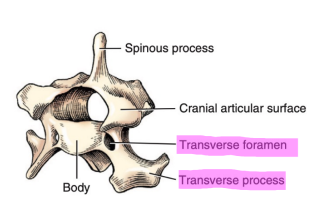
Q: For the cervical vertebrae C3, C4, and C5, tubercles are present on the ……
A. cranial articular processes
B. caudal articular processes
C. transverse processes
D. spinous processes
B. caudal articular processes
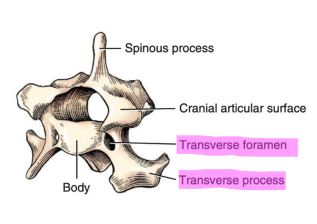
Q: For the cervical vertebrae C3, C4, and C5, the transverse processes of the …… cervical vertebra are the shortest.
A. 5th
B. 3rd
C. 4th
D. 6th
A. 5th
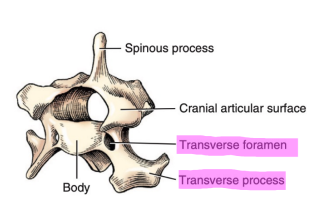
Q: For the cervical vertebrae C3, C4, and C5, a pair of …… is present.
A. vertebral notches
B. transverse foramina
C. spinous processes
D. costal foveae
B. transverse foramina
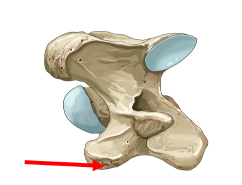
Q: The 6th cervical vertebrae (C6) possesses a …… than C3, C4, and C5.
A. shorter spinous process
B. higher spinous process
C. smaller transverse process
D. wider transverse process
B. higher spinous process
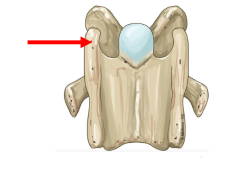
Q: The 6th cervical vertebra (C6) possesses expanded sagittal platelike transverse processes called the ……
A. lamina ventralis
B. median sacral crest
C. interarcuate ligament
D. hemal arch
A. lamina ventralis
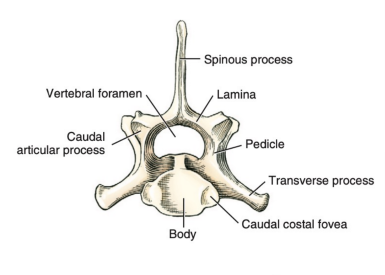
Q: The 7th cervical vertebra (C7) is unique among cervical vertebrae because it lacks ……
A. a body
B. articular processes
C. a spinous process
D. transverse foramina
D. transverse foramina
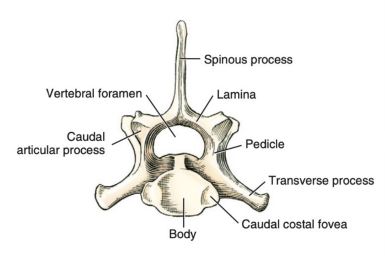
Q: Which of the following best describes the spinous process of the 7th cervical vertebra (C7)?
A. It is the lowest and thinnest among all cervical vertebrae.
B. It is completely absent.
C. It is the highest of all those cervical vertebrae.
D. It is fused directly with the first thoracic vertebra.
C. It is the highest of all those cervical vertebrae.