DDI - Kapitel 3
 Call Kai
 Learn
Learn Practice Test
 Spaced Repetition
 Match
Match Flashcards
 Knowt Play
1/22

Earn XP
Description and Tags
Data-Driven Offerings
Name | Mastery | Learn | Test | Matching | Spaced | Call with Kai | Chat |
|---|
No analytics yet
Send a link to your students to track their progress
23 Terms
Whats a Smart Product? What 3 Aspects does it combine?
A Smart Product is a physical object enhanced with digital capabilities enabling them to interact with their environment, process data, and support decision-making.
It combines:
Hardware (e.g. mechanical parts, sensors)
Software (e.g. analytics & intelligence)
Connectivity (e.g. wireless connection, IoT platforms)
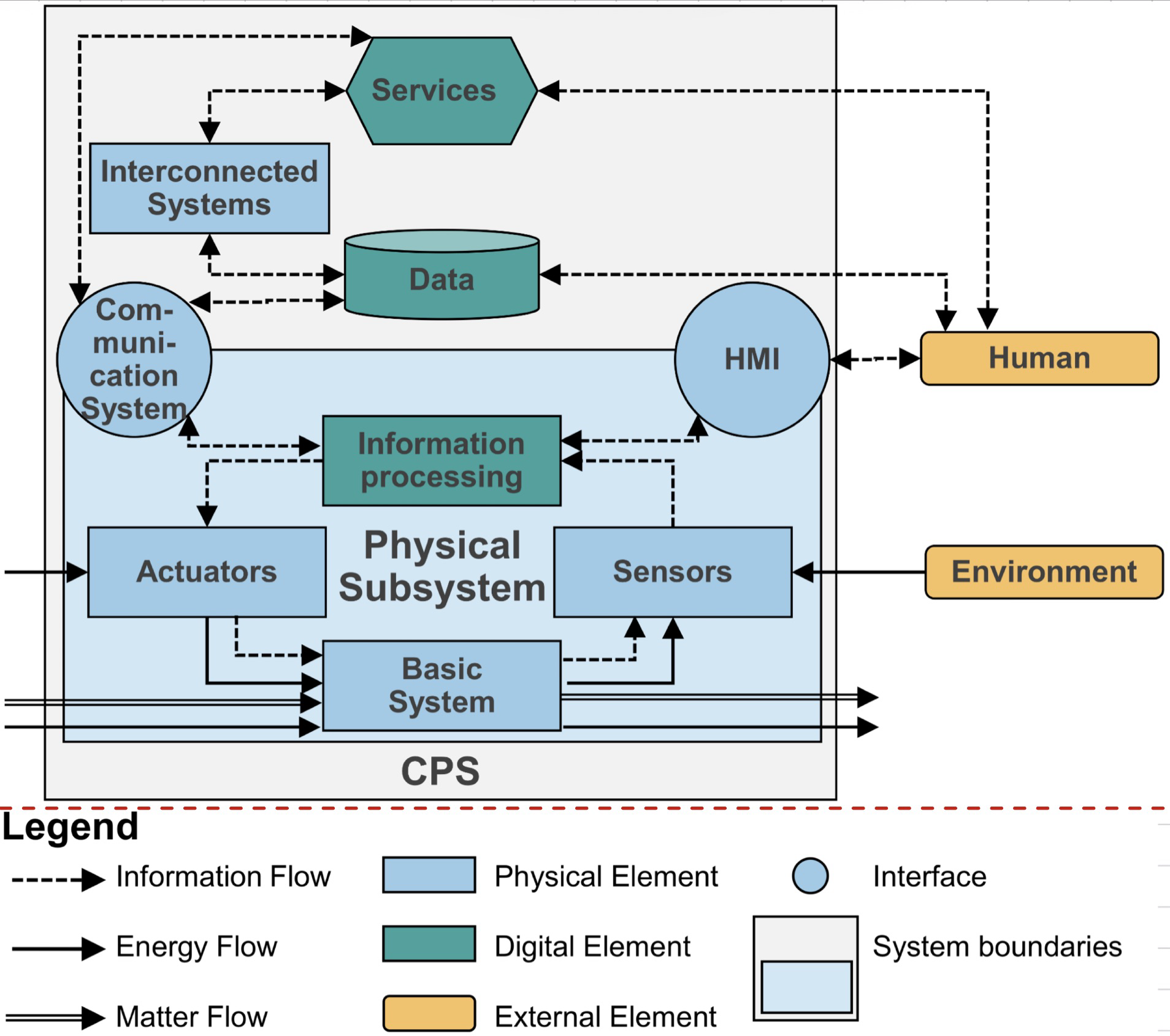
Draw a Cyber-Physical System and explain its components (Westermann, 2017)
Add better definition for the components and for everything an example form schmitz cargo!
Basic System
This is the basic mechanical technology behind the CPS
e.g. A Trailer or a truck.
Sensors
The Sensors the Basic System has
e.g. sensors for the temperature, position, door & coupling statuses
Information processing
What will be processed?
e.g. the position to have a real-time ETA or error analysis and recommendations based of it
HMI (Human Machine Interface)
How the Human can interact with the Machine
e.g. TrailerConnect Portal or the beSmart App
Actuators
The temperature can be accessed and modified remotely
The doors can be locked and unlocked remotely
Communication System
To communicate to the servers from Schmitz Cargobull you can use Wifi or the cellular network.
Interconnected Systems
The TrailerConnect telematics system service in general as it will probably computed in the cloud and not on device.
The truck or trailer unit as they communicate with each other
Data
They have raw data from the sensors like temperature or positions but also the new available
data that becomes available after processing like ETA or recommendations.
Services
The support service of Schmitz Cargobull group
What are the different perspectives when speaking of IoT, CPS and Smart Product?
The IoT has a Meta perspective which enables connetivity between physical objects.
The CPS has a Technical perspective which enables feedback and control over the physical systems.
Smart Products are the business perspective which uses the IoT+CPS to create value propositions for customers.
What are the 4 capabilities/areas a Smart Product has? (Porter & Heppelmann, 2014)
The capabilities build up on each other, so you need the preceding one for the next capability.
Monitoring: The product can be watched/monitored
Control: The product can be controlled/adjusted
Optimization: Monitoring+Control enable algorithms to optimize the product
Autonomy: The product can do things on it own, like self-diagnosis or autonomous adjustments.
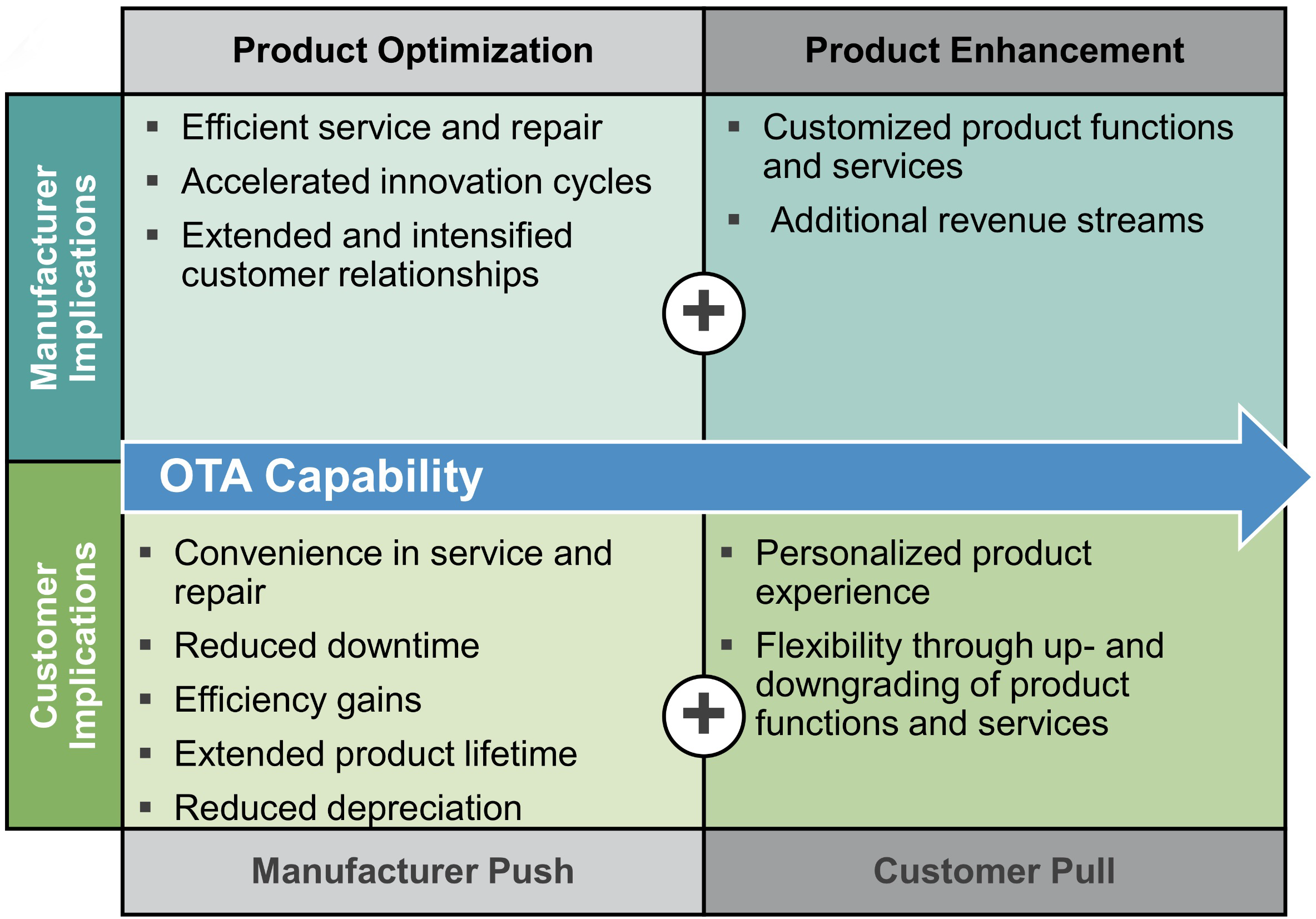
What are Over-the-Air Updates and which 2 strategic direction can they go to? (Schulz, 2021)
Over-the-Air (OTA) Updates are a remote and wireless transfer of new software to products already in use.
They can be a Product Optimization, which maintain or improve an exisiting products performance, safety and or reliability
or they can be a Product Enhancements, which extend the existing value proposition by adding or customizing functions.
Which 3 mistakes can make a Smart Product fail?
Failed updates: An update can substract value with a bad design or functions malfunctioning.
Cloud Dependency: If a company stops their cloud-infrastructure a product may lose value as it was dependent on it.
Undisclosed Support Horizon: Products that still work, may stop getting (security) updates or else when support runs out.
Which 3 ways are there to move to a Smart Product? (Heißenhuber, 2022)
Develop complementary digital features (e.g. an addional app)
Retrofit existing products (e.g. a module that adds connectivity to smartify)
Develop entirely new smart product
Whats a Smart Service?
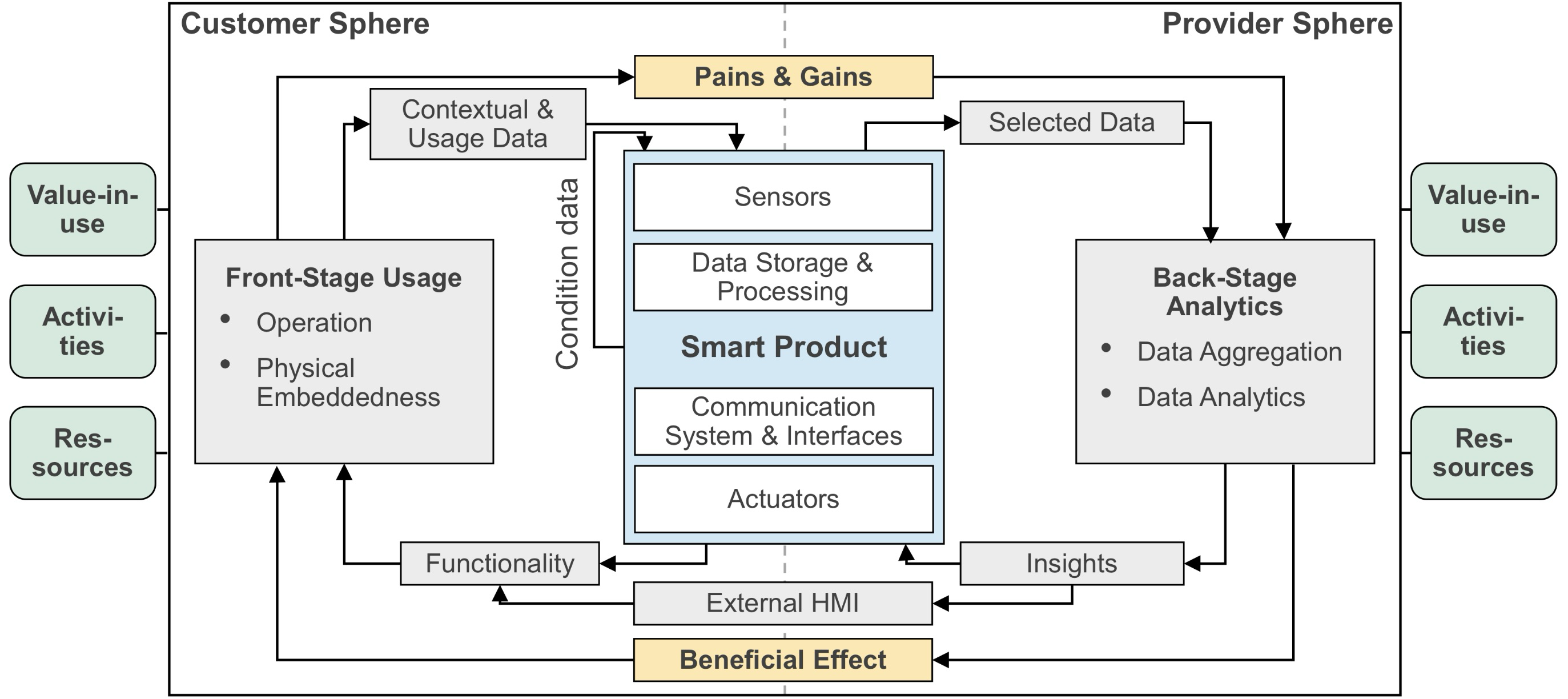
Smart services are intelligent services that are based on data from (smart) physical products and complement them.
What are impulses for the Development of a Smart Service?
Technology Push (e.g. Data of Basic System allows to offer Smart Service
Market Pull (e.g. Adaption of a new/different Business Model)
Draw the Smart Service System (Beverungen, 2019)
What are the 6 performance levels of Smart Services?
The levels build up on each other, so you need the preceding one for the next.
Data & Documents (e.g. Creation)
Monitoring
Interpretation (e.g. identification of trends)
Control (e.g. reaction to events or remote control)
Optimization (e.g. recommendations)
Automation (e.g. automated adaption of recommendations)
Draw the Matrix that defines the types of a smart service (Wünderlich, 2012)
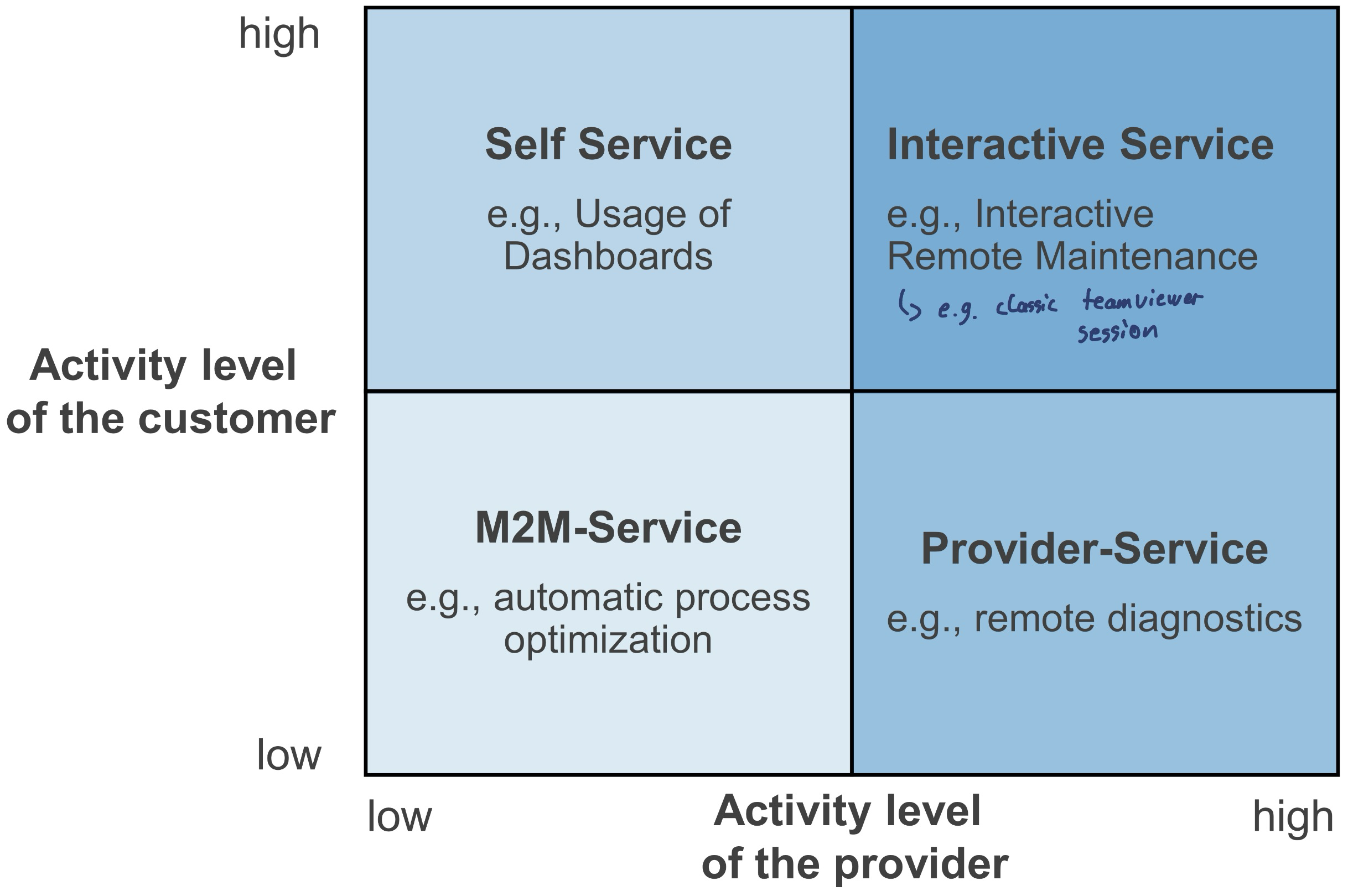
What Barriers are there for Smart Services? (Töytäri, 2017)
Internal Barriers (e.g. Mangement cultur, identity)
Resource and capability gaps (e.g. lack of resource, unclear legal status, inability to comunicate value)
External Barriers (e.g. Unwillingness to outsource, bad reputation/brand image)
Draw the Smart Service Canvas for Ideation
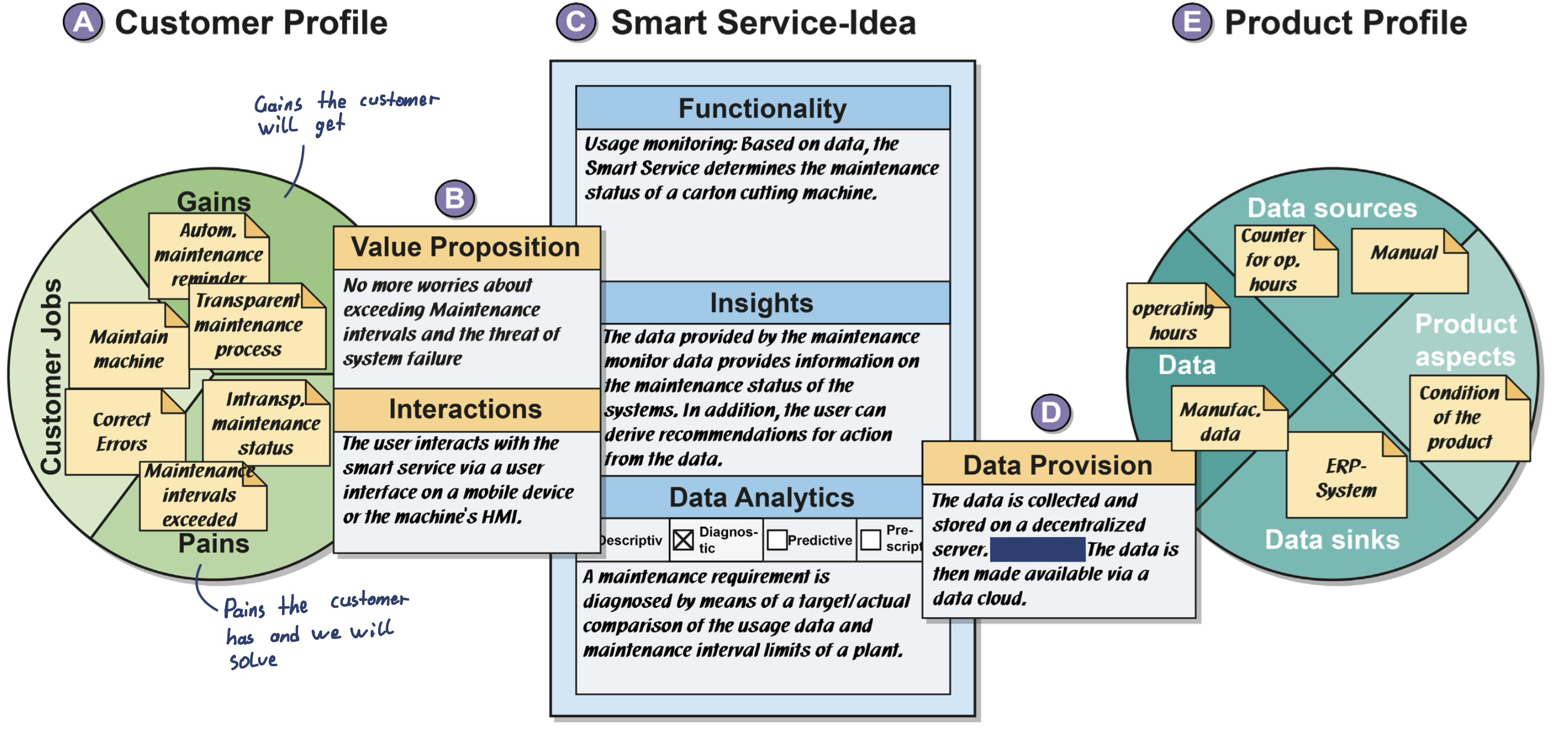
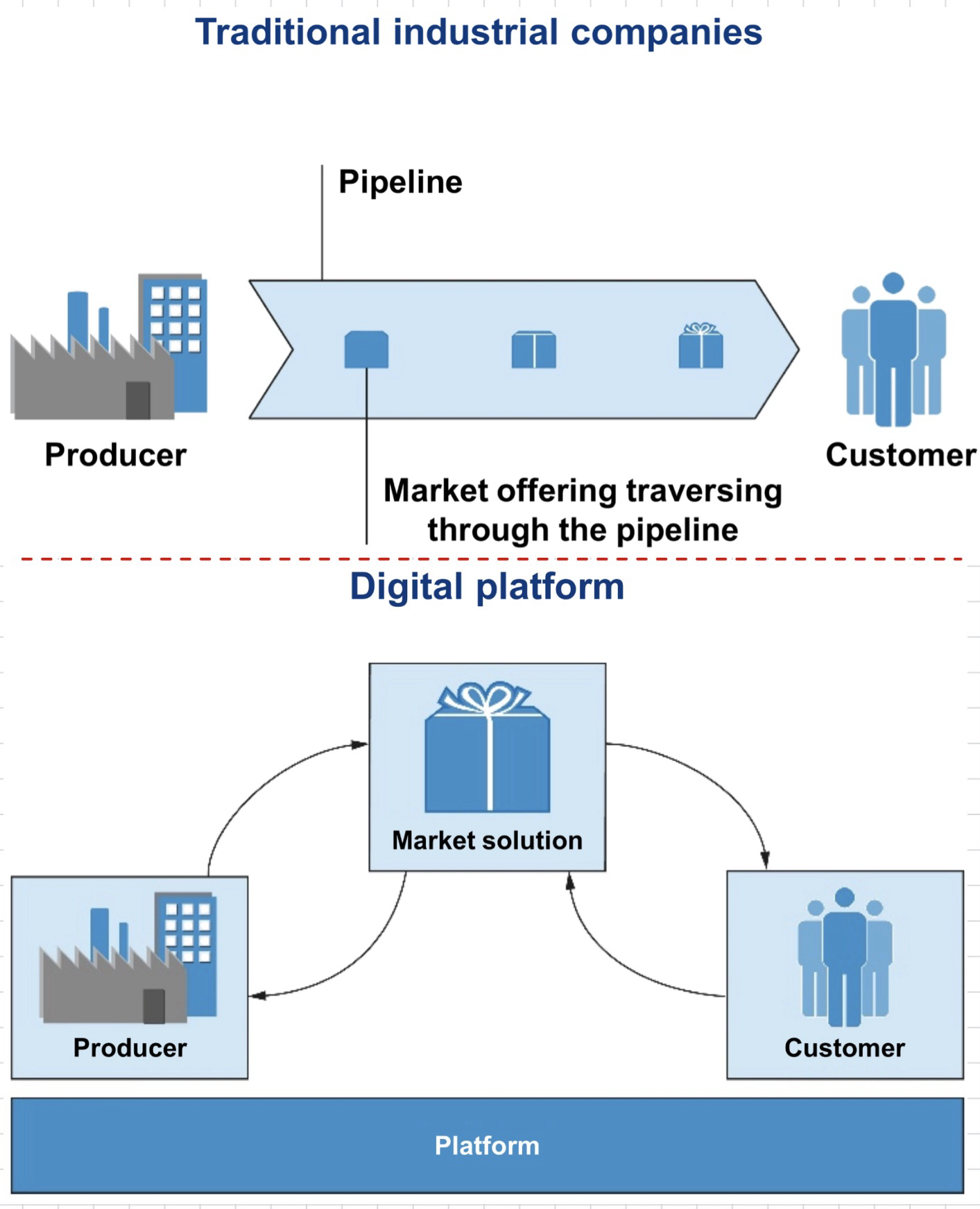
What are the main differences between “traditional companies” and “digital platform”?
Value creation
TC: Input goods are transformed into value-adding output goods
DP: Enabling interaction between producer und customer
Competition position
TC: defined by availability and control of physical resources (better product wins)
DP: defined by ability to orchestrate resources
Market
TC: controlled and (exclusively) geared for customer
DP: geared for customer and producer
Traditional company = TC
Digital Platform = DP
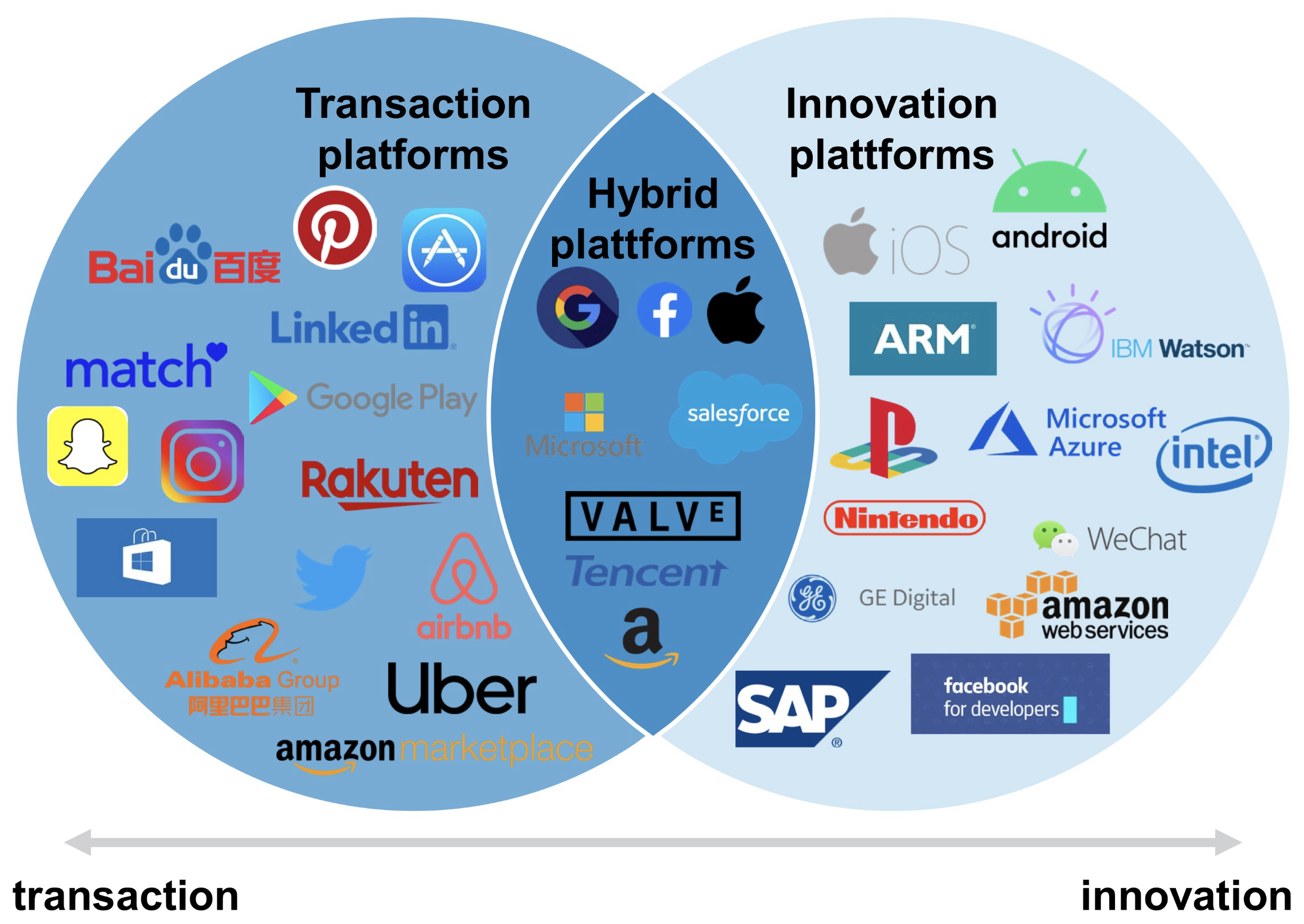
What are the 3 Types of digital platform? (Cusumano, 2019)
Transaction platforms are intermediaries or online market places, for exchange of offers among users
Innovation platforms facilitate the development of new, complementary components that extend the platform
Hybird platform companies include both innovation and transactional platforms
Whats a B2C platform?
In a Business-to-Customer platform the company meets the end customer (private individuals).The loss of a single customer is relatively insignificant here as there are many customers.
Whats a B2B platform?
In a Business-to-Business platform the company meet several other companies to realize a joint efficient solution along the value chain.The loss of a single customer can have a significant impact as there are not many customers.
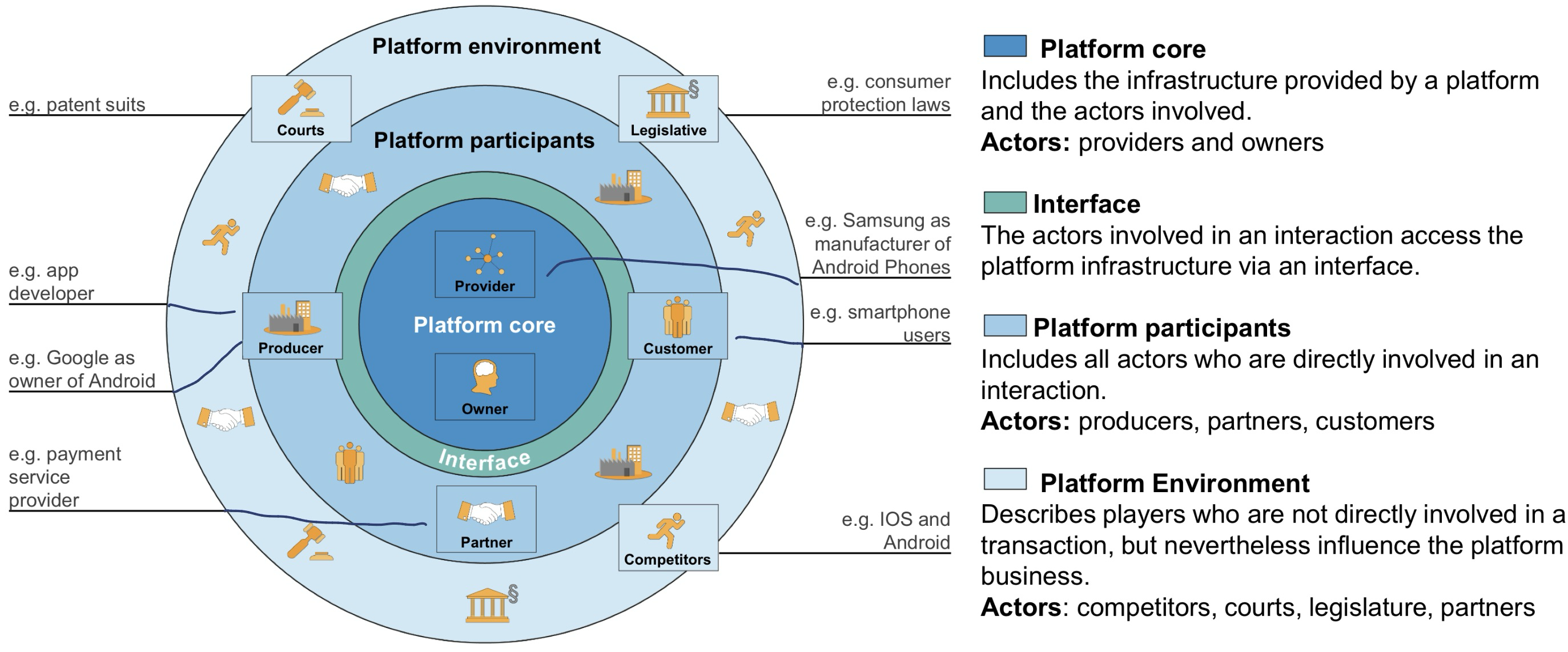
Draw the eco system of a digital platform and mention what actors are relevant in which layer
Platform core: Includes the infrastructure provided by a platform (e.g. provider and owners of platform)
Interface: those who are involved interact with the platform via this interface
Platform participants: Includes everyone who is involved in an interaction (e.g. producers, partner, customer)
Platform environment: Includes everyone who is indirectly involved and influences the platform business (e.g. competitors, courts, partners)
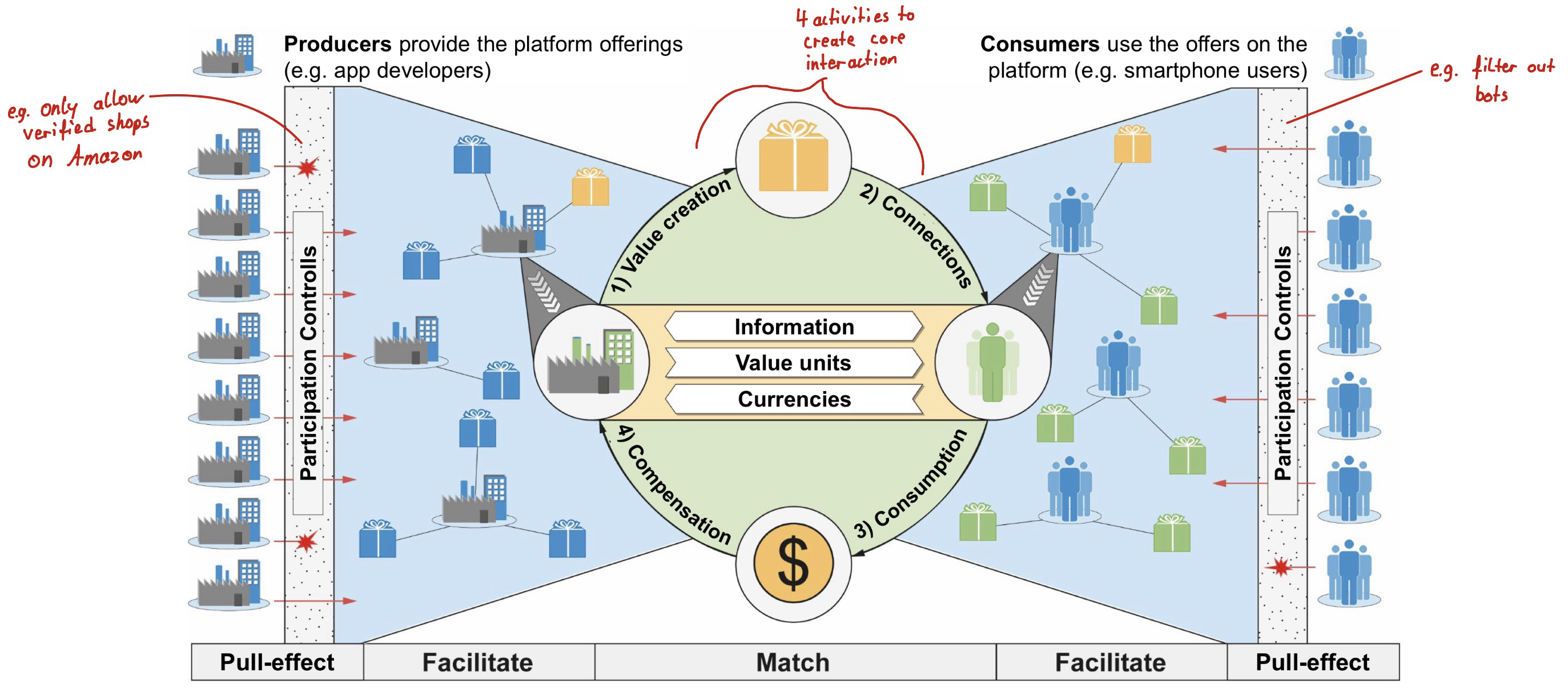
How does a digital platform work and function? Draw it?
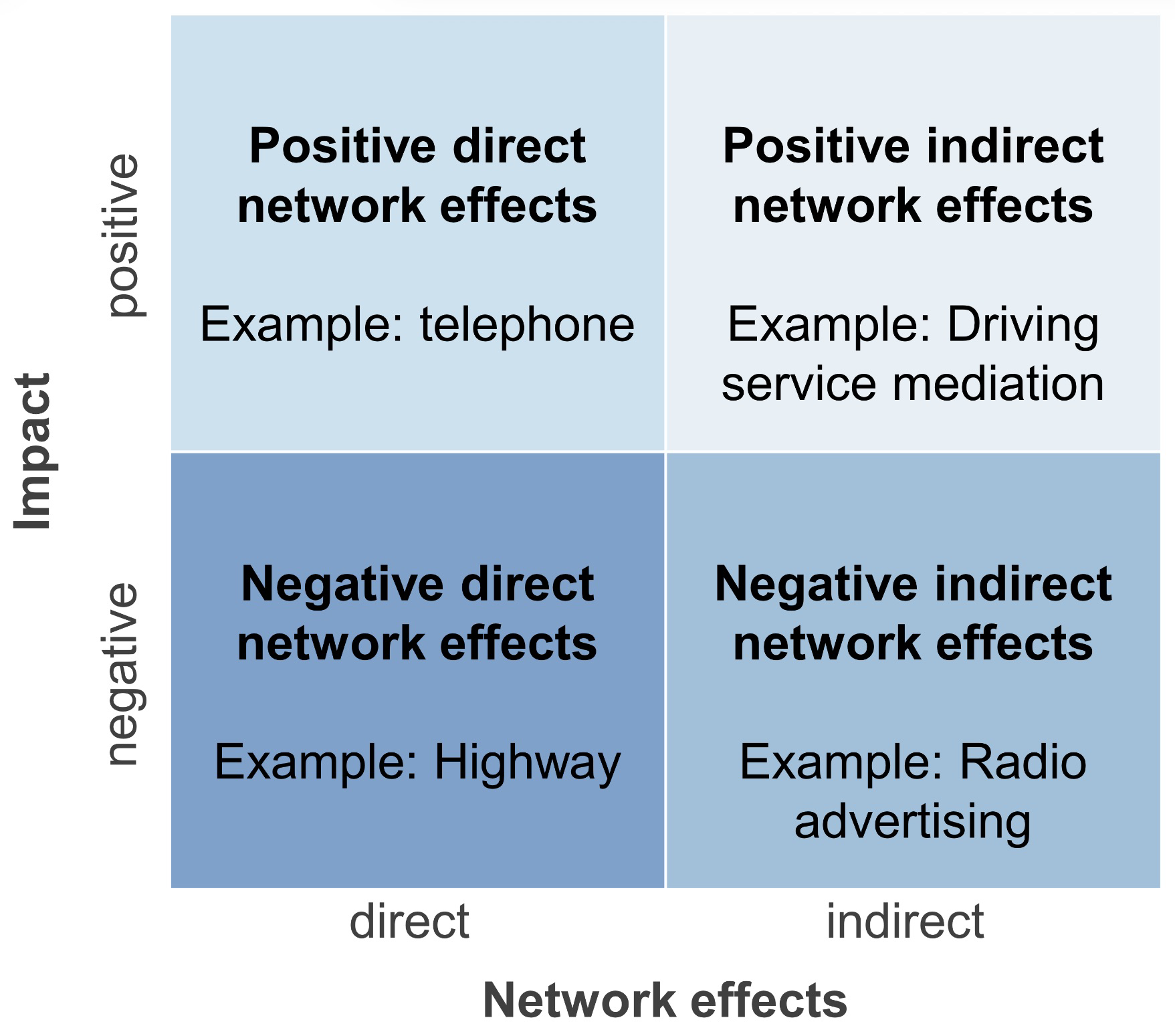
What are the 4 types of network effects? Draw the corresponding matrix.
Positive direct NE: The value of a product increases the more users the same product gets
Positive indirect NE: The value of a product increases the more users a different product gets
Negative direct NE: The value of a product decreases the more users the same product gets
Negative indirect NE: The value of a product decreases the more users a different product gets
What 5 steps are there in the Lifecycle of a platform?
Planning (Develop value proposition and prototype)
Launch (Establish platform and validate that it works)
Growth/Scale (Expand the platform activities)
Maturity (Defend your position in the market, stay profitable)
Evolution (Don’t become obsolete and innovate again)
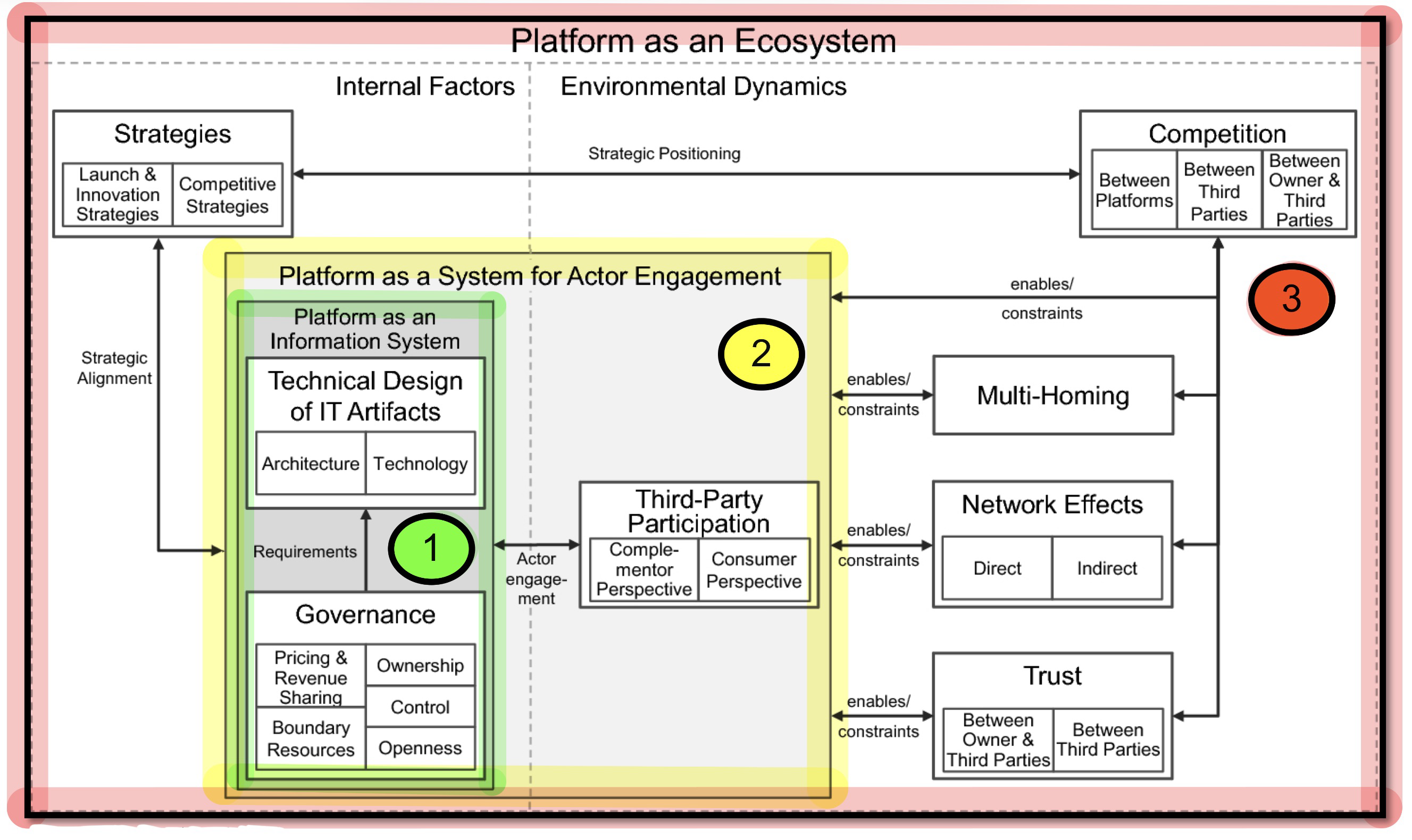
What are the 3 Levels/Layers of digital multisided platforms? (Poniatowski, 2021)
Platform as an information system
Platform as a system for engaging third parties
Platform as an Ecosystem