BoO Ch 31 - Fungi
 Call Kai
 Learn
Learn Practice Test
 Spaced Repetition
 Match
Match Flashcards
 Knowt Play
1/37

There's no tags or description
Looks like no tags are added yet.
Name | Mastery | Learn | Test | Matching | Spaced | Call with Kai | Chat |
|---|
No analytics yet
Send a link to your students to track their progress
38 Terms
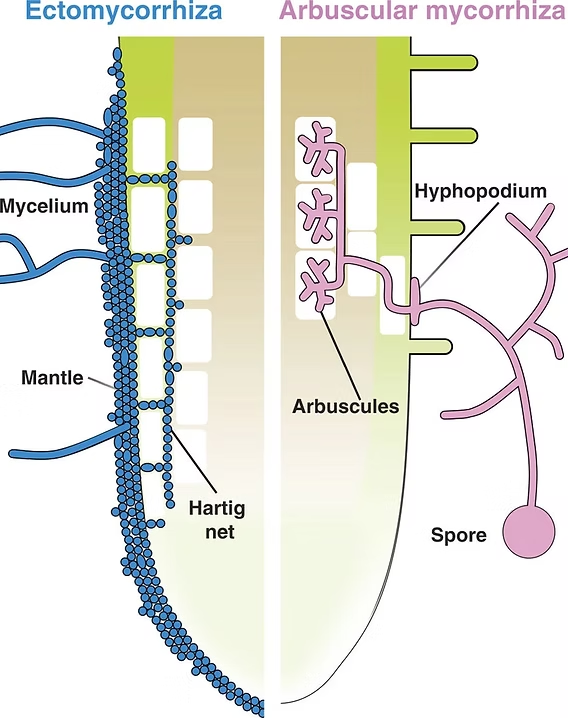
arbuscular mycorrhizal fungus
A symbiotic fungus whose hyphae grow through the cell wall of plant roots and extend into the root cell
arbuscules
Specialized branching hyphae that are found in some mutualistic fungi and exchange nutrients with living plant cells
ascocarp
The fruiting body of a sac fungus (ascomycete)

ascomycete
A member of the fungal phylum Ascomycota, commonly called sac fungus; name comes from the sac-like structure in which the spores develop
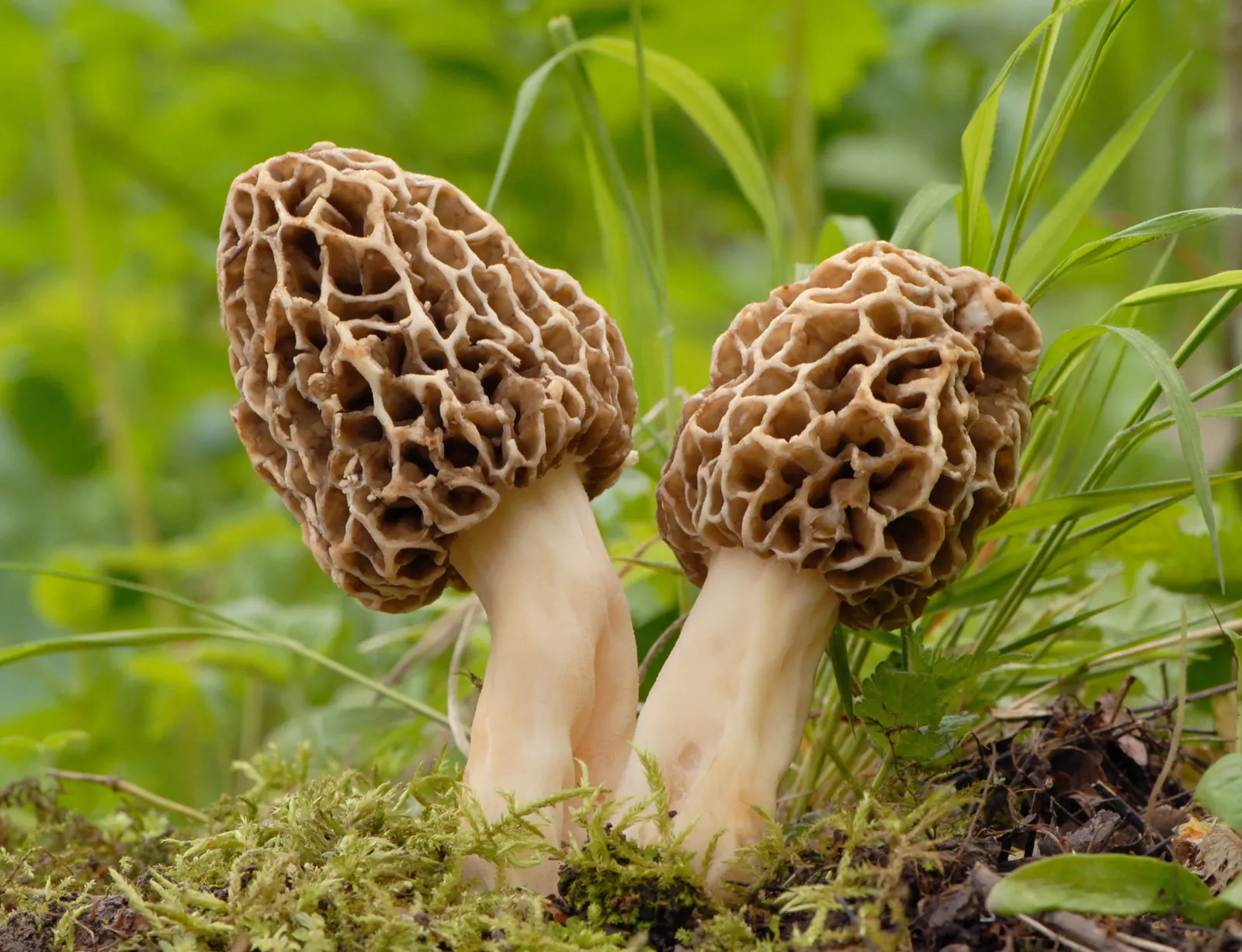
ascus
a sac-like reproductive cell found in sac fungi where sexual spores develop

basidiocarp
Elaborate fruiting body of a dikaryotic mycelium of a club fungus

bacidiomycete
A member of the fungal phylum Basidiomycota, commonly called club fungus; name comes from the club-like shape of the basidium

basidium
A reproductive appendage that produces sexual spores on the gills of mushrooms (club fungi)

chitin
A structural polysaccharide, consisting of amino sugar monomers, found in many fungal cell walls and in the exoskeletons of all arthropods
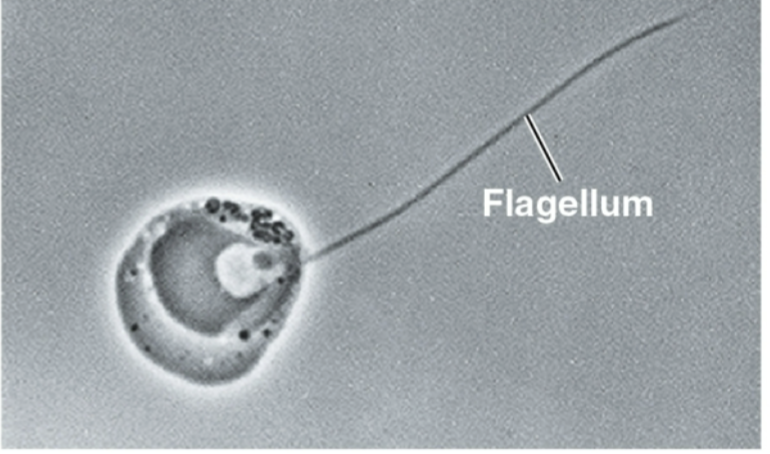
chytrid
A member of the fungal phylum Chytridiomycota, mostly aquatic fungi with flagellated zoospores that represent an early-diverging fungal lineage
coenocytic fungus
A fungus that lacks septa and hence whose body is made up of a continuous cytoplasmic mass that may contain hundreds or thousands of nuclei
conidia (conidium)
A haploid spore produced at the tip of a specialized hypha in ascomycetes during asexual reproduction

cryptomycete
A member of the fungal phylum Cryptomycota, unicellular fungi that have flagellated spores; this phylum and their sister taxon (microsporidians) are a basal fungal lineage

dueteromycete
Traditional classification for a fungus with no known sexual stage
dikaryotic
Referring to a fungal mycelium with two haploid nuclei per cell, one from each parent
ectomycorrhizal fungus
Association of a fungus with a plant root system in which the fungus surrounds the roots but does not cause invagination of the host (plant) cell’s plasma membrane
endophyte
A harmless fungus, or occasionally another organism, that lives between cells of a plant part or multicellular alga
heterokaryon
A fungal mycelium that contains two or more haploid nuclei per cell
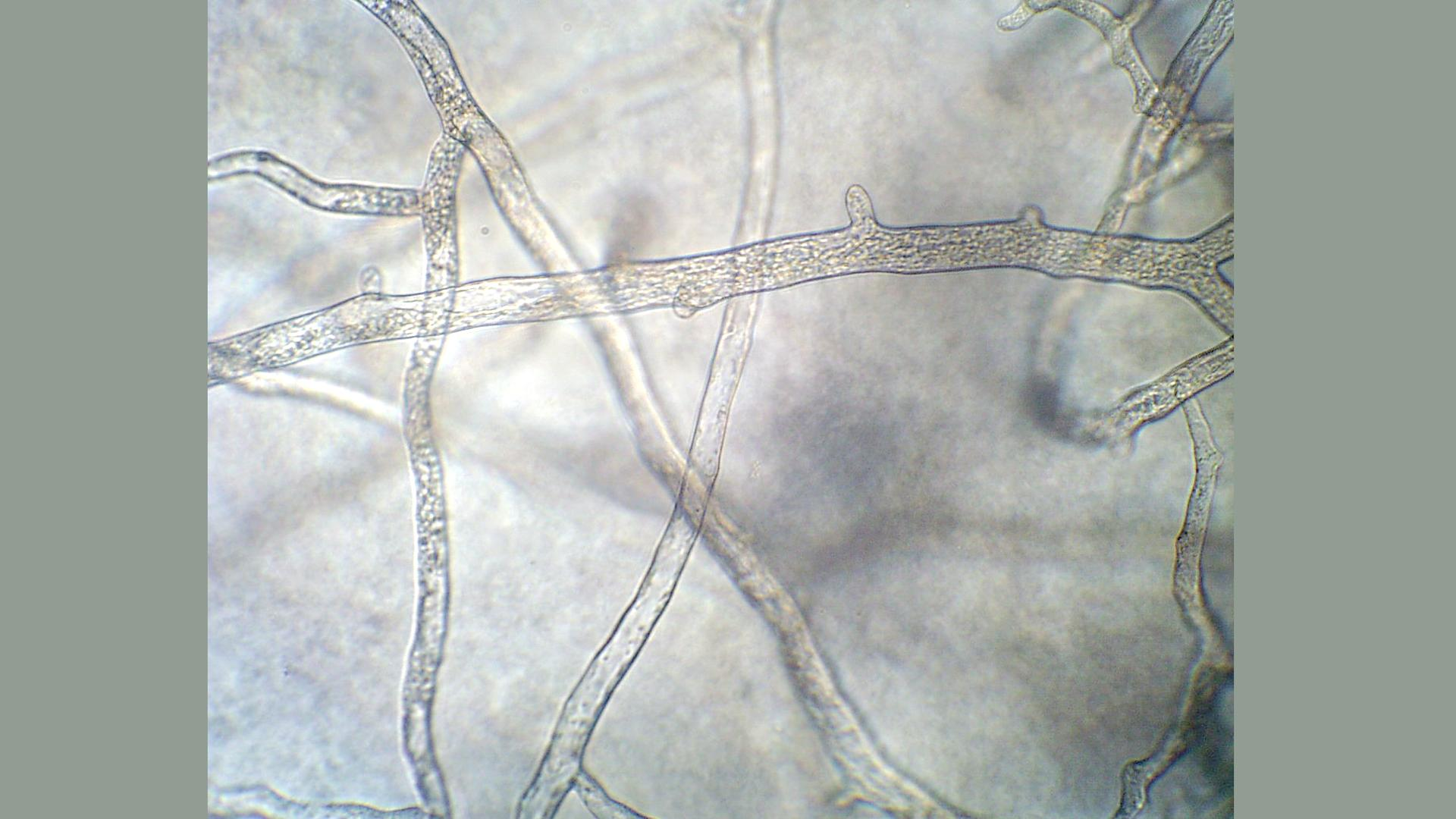
hyphae (hypha)
One of many connected filaments that collectively make up the mycelium of a fungus

karyogamy
In fungi, the fusion of haploid nuclei contributed by the two parents; occurs as one stage of sexual reproduction, preceded by plasmogamy
lichen
The mutualistic association between a fungus and a photosynthetic alga or cyanobacterium

microsporidian
A member of the fungal phylum Microsporidia, unicellular parasites of protists and animals; this phyla and their sister taxon (cryptomycetes) are a basal fungal lineage

mold
Informal term for a fungus that grows as a filamentous fungus, producing haploid spores by mitosis and forming a visible mycelium

mucoromycete
A member of the fungal phylum Mucoromycota, characterized by the formation of a sturdy structure called a zygosporangium during sexual reproduction

mycellium (mycelia)
The densely branched network of hyphae in a fungus

mycorrhiza
A mutualistic association of plant roots and fungus
mycosis
General term for a fungal infection
nucleariid
A member of a group of unicellular, amoeboid protists that are more closely related to fungi than they are to other protists
opisthokont
A member of an extremely diverse clade of eukaryotes that includes fungi, animals, and several closely related groups of protists
pheromone
In animals and fungi, a small molecule released into the environment that functions in communication between members of the same species
plasmogamy
In fungi, the fusion of the cytoplasm of cells from two individuals; occurs as one stage of sexual reproduction, followed later by karyogamy
septum (septa)
One of the cross-walls that divide a fungal hypha into cells; generally have pores large enough to allow ribosomes, mitochondria, and even nuclei to flow from cell to cell

soredium (soredia)
In lichens, a small cluster of fungal hyphae with embedded algae
spore
In fungi, a haploid cell, produced either sexually or asexually, that produces a mycelium after germination
yeast
Single-celled fungus; reproduce asexually by binary fission or by the pinching of small buds off a parent cell. Many fungal species can grow both as these and as a network of filaments; relatively few species grow only as these
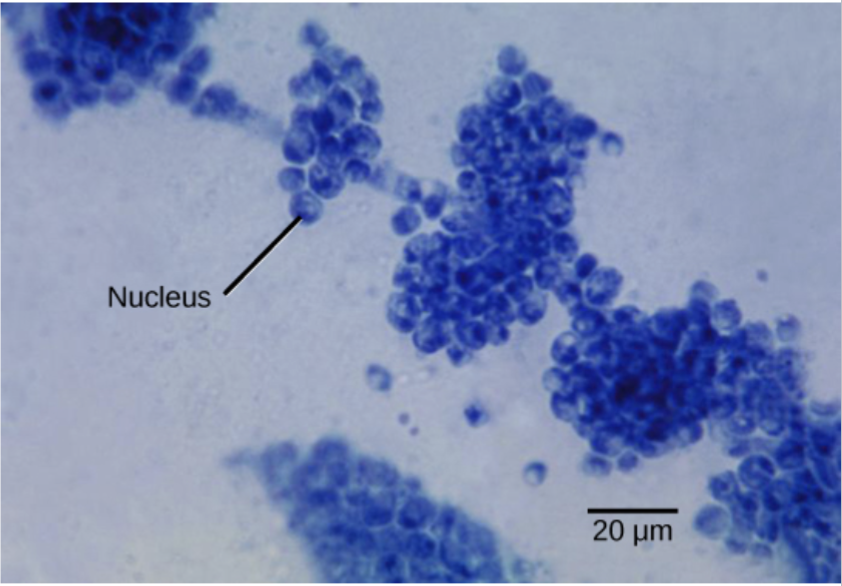
zoospore
Flagellated spore found in chytrid fungi and some protists
zygomycete
a former major group of fungi that scientists have now split into two separate phyla: Mucoromycota and Zoopagomycota

zygosporangium
In zygomycete fungi, a sturdy multinucleate structure in which karyogamy and meiosis occur
