parasite - exam 4 general names
 Studied by 2 people
 Call Kai
 Learn
Learn Practice Test
 Spaced Repetition
 Match
Match Flashcards
 Knowt Play
1/20

There's no tags or description
Looks like no tags are added yet.
Name | Mastery | Learn | Test | Matching | Spaced | Call with Kai |
|---|
No analytics yet
Send a link to your students to track their progress
21 Terms
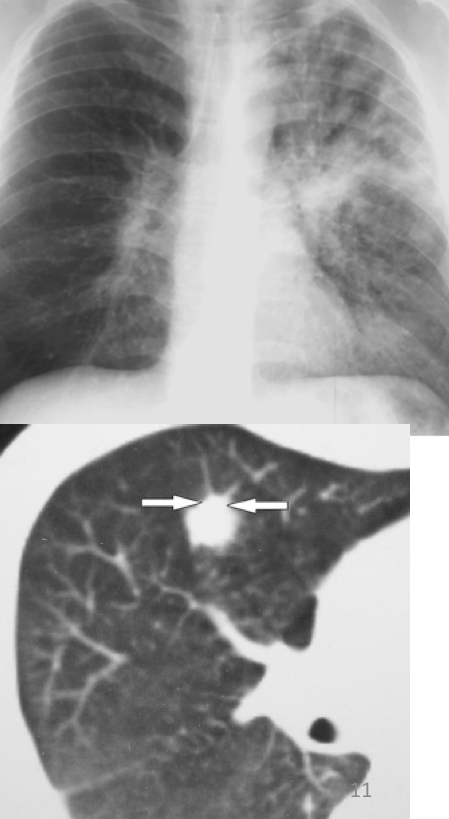
Paragonimus kellicoti
Lung fluke ~ from uncooked crayfish
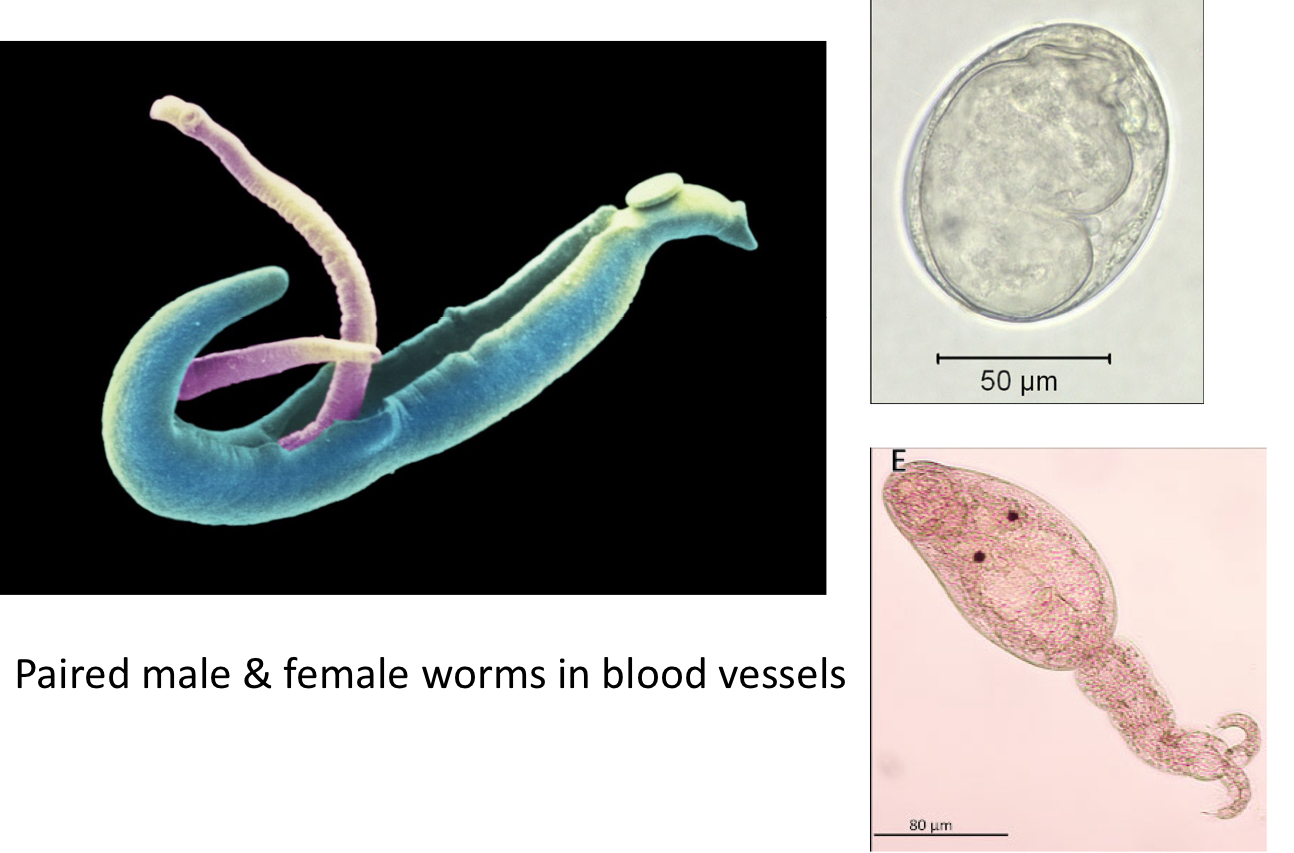
Hetrobilharzia Americana
Canine blood fluke - paired adult worms, ‘swimmers itch”
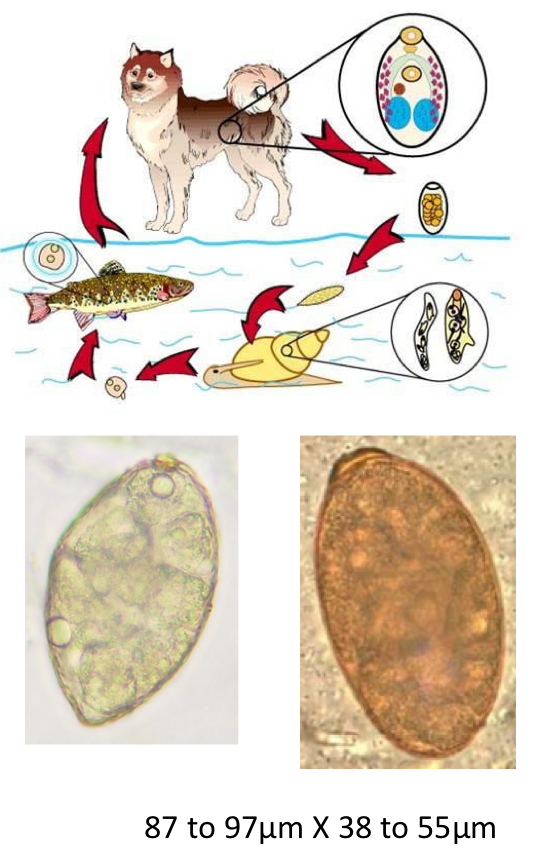
Nanophyetus samicola
Salmon poisoning fluke - causes disease by vectoring Neorickettsia helminthoeca- like parvo
Macrocanthorhyncus hirudinaceus
Swine acanthocephala - mistaken for tapeworms
Platyhosomum fastosum
Liver poisoning fluke - adult lives in bile duct& gall bladder
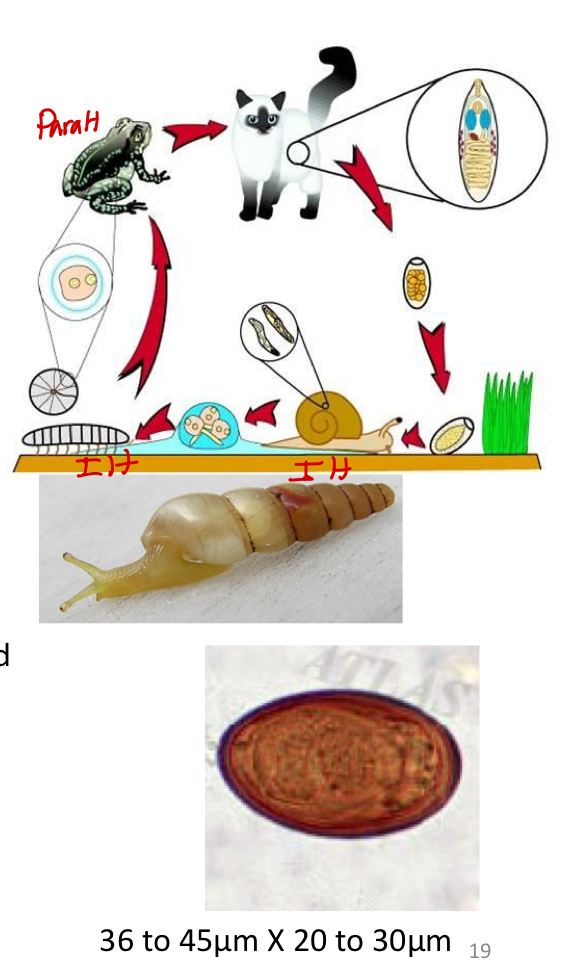
Eurytrema Procyonis
Raccoon pancreatic fluke -
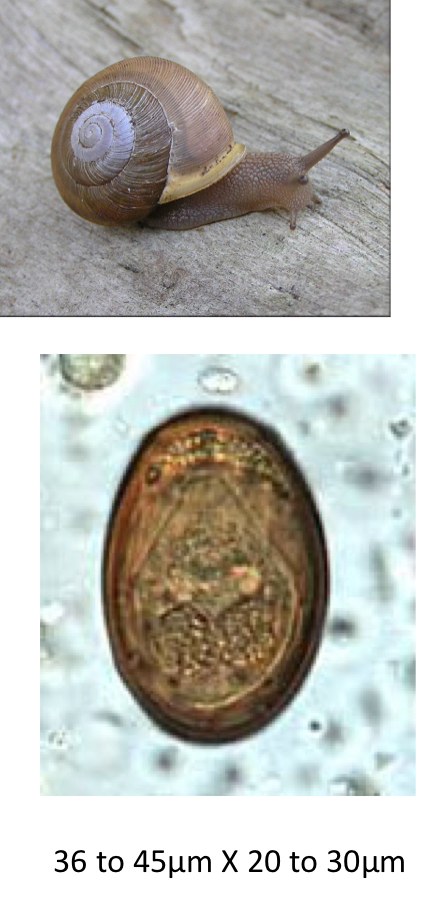
Alaria spp
Has infective larval stage - mesocercaria - lactogenic transmission
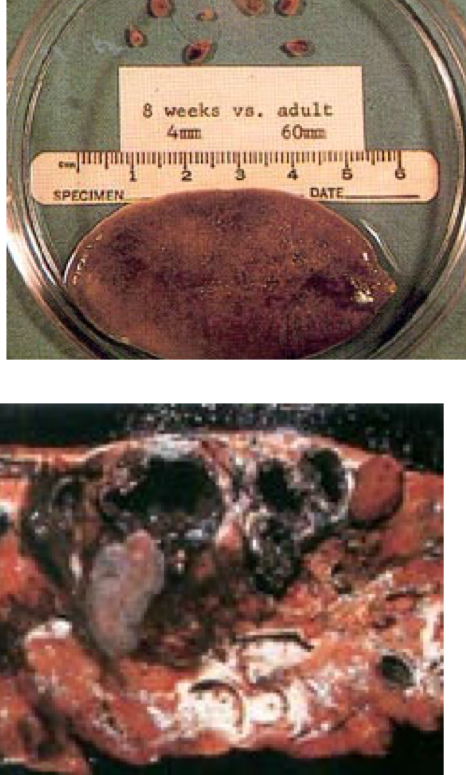
Fasicola hepatica
Liver fluke (livestock) - liver disease/bottle jaw- clorsulon-tx - fibrosis of liver
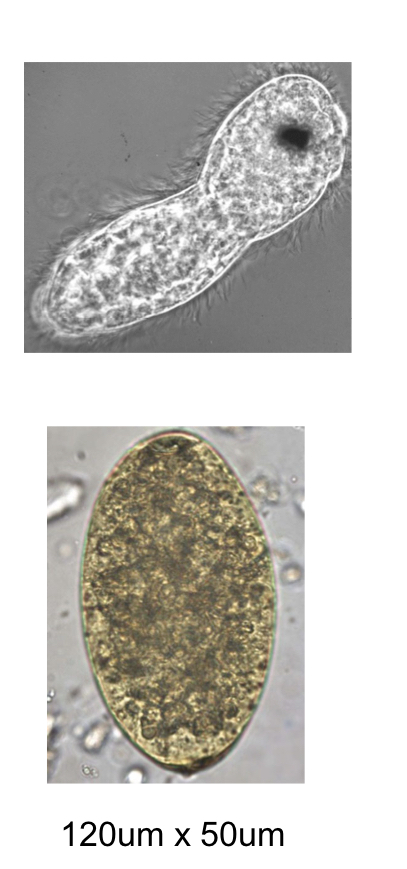
Fasciolodies Magna
Deer liver fluke
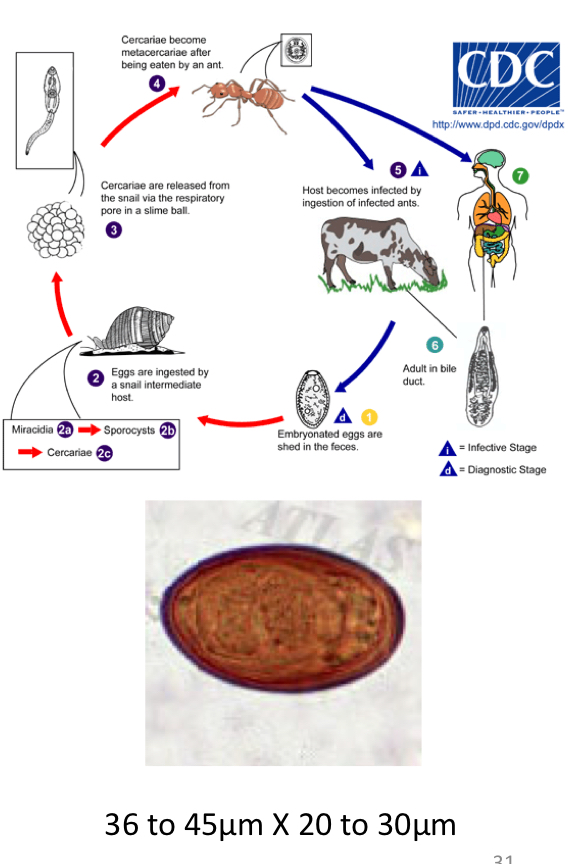
Dicrocoelium dendriticum
Lancet liver fluke - ant neuro IH -
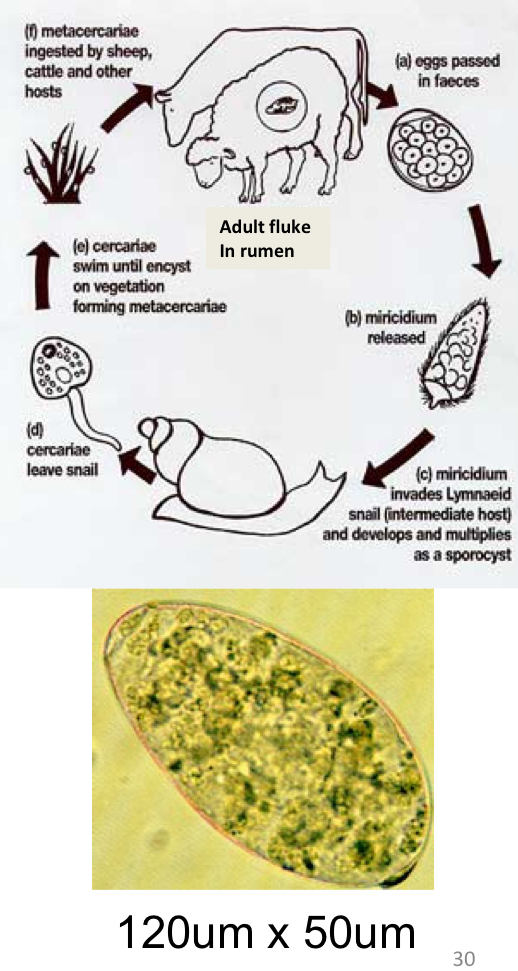
Paramphistomum sp
Rumen fluke- adult not pathogenic- larvae in duodenum pathogenic (plug feeding, hypoproteinemia)- no good tx
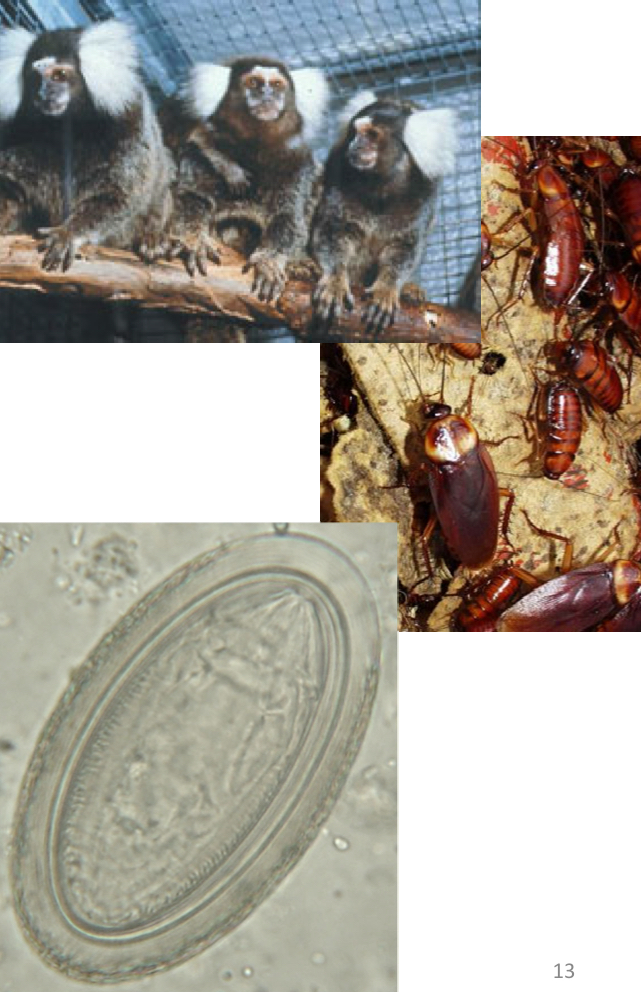
Oncicola canis
Si of coyotes, foxes, bobcats,no clinical disease
Prothenorchis elegans
Primates - IH - cockroaches - perientonitis from penetration of proboscis
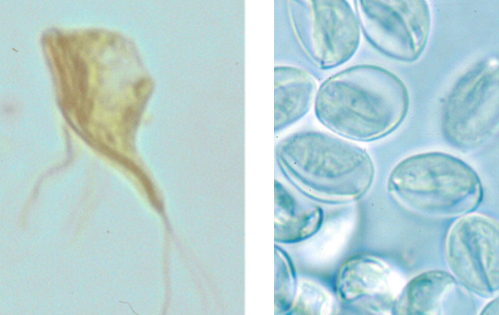
Giardia
Protozoa- flagella, waterborne, cyst immediately infective, reproduce through binary fission, can be asymptomatic or symptomatic
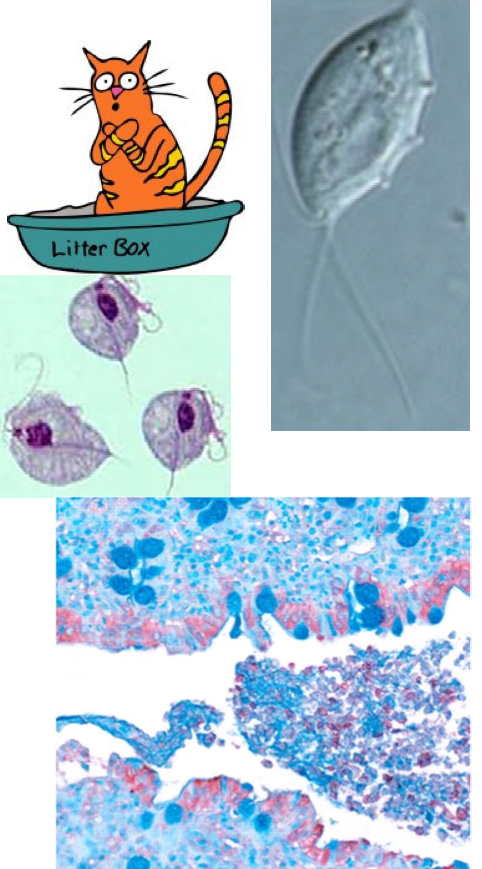
Tritrichomonas blagburni
Protozoan- large intestine of cat, chronic D+, no fda tx, diagnosis by fecal smear, no environmentally resistant cyst
Tritrichomonas foetus
• Flagellate protozoan parasite in the reproductive tract of cattle, test semen (male asymptomatic of course)
African Trypanosomiasis
African sleeping disease, spread by bite of infected fly (anterior station), Depressederythropoiesis
• Hyperplasiabonemarrowandspleen
• Erythrophagocytosis b/c trypanosome antigens attach to RBC
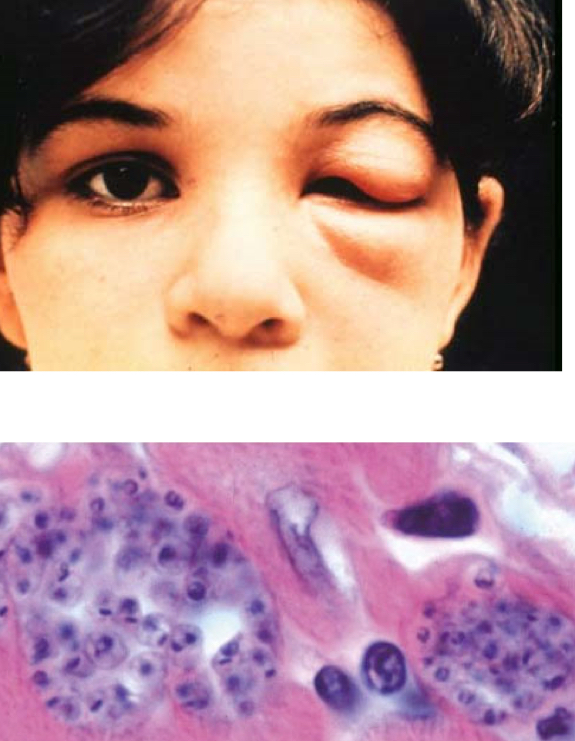
Trypanosoma cruzi
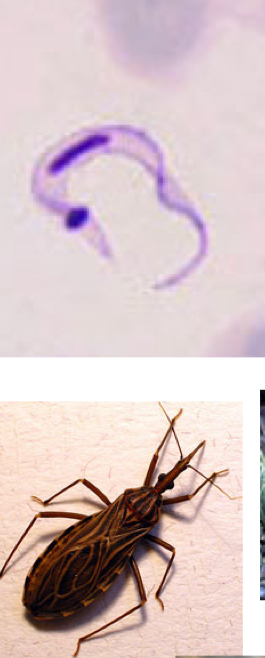
Chaga’s disease, kissing bugs poop in your eye balls 🙂 , vector borne/non vector borne, no treatment v bad
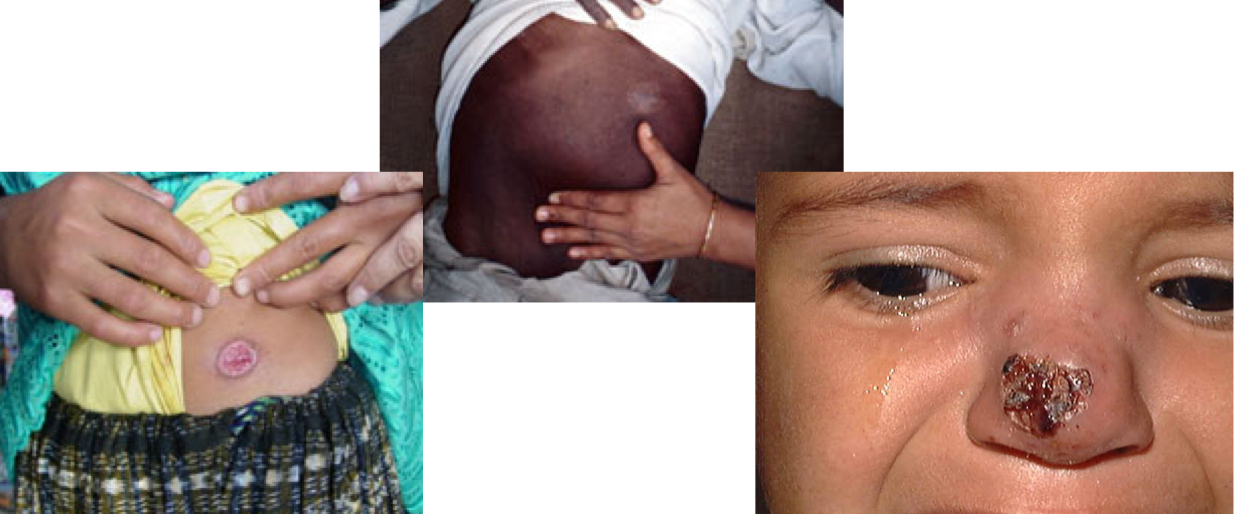
Leishmania sp.
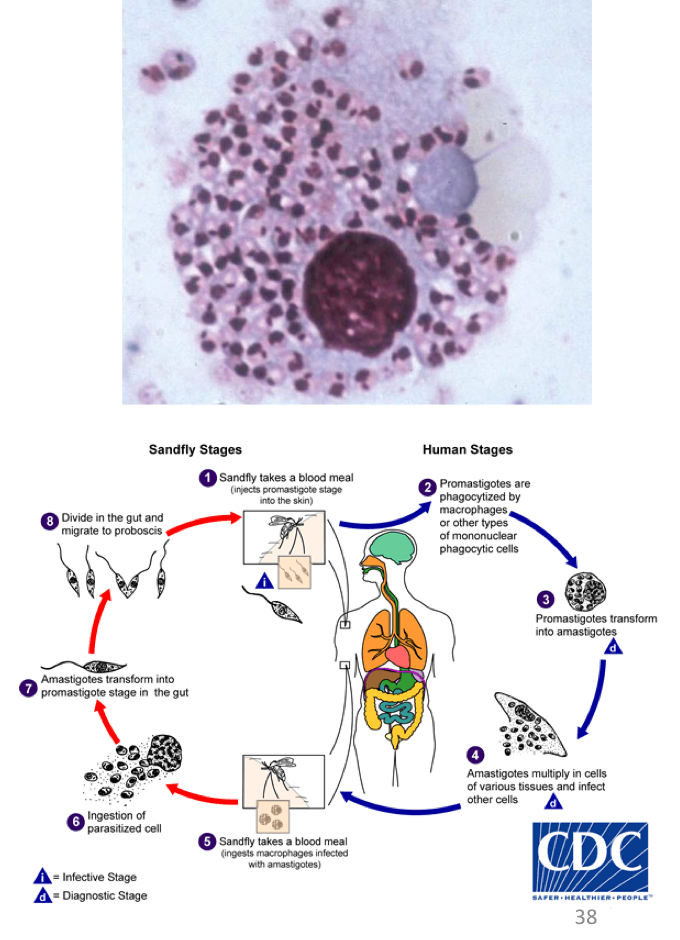
Parasites infecting macrophages of vertebrate hosts, transmission by sand fly bites, severe cutaneous disease of dogs, tx is long and difficult Leishmaniasp.
– Visceral & muco‐cutaneous disease in people & pets
– Vector borne transmission, direct transmission suspected
Cryptosporidium spp.
waterborne, coccidia, unresponsive to anticoccidial drugs, dairy calves 1-3 weeks, reduces brush border, can be asymptomatic / symptomatic, ooccysts are immediately infective and resistant in environment
Eimeria sp.
direct 4 sporocysts w/2 sporozoites, D+ associated w destruction of enterocytes by oocysts,
 Note
Note  Flashcards (76)